"Pseudo-foreign brand" Swisse has achieved explosive sales.
On her first visit to an Australian pharmacy, Xiaoxuan was immediately drawn to Swisse — it took up a full third of the shelf space, squeezing rival brands including Blackmores and Healthy Care to both sides.
When she stepped closer, under every yellow tag marked with the full price, there was a pink discount tag that seemed like it had never been torn off. She later learned that Swisse runs a discount day every 15 to 30 days. While other brands offer 30% or 10% off, Swisse cuts prices directly by half.
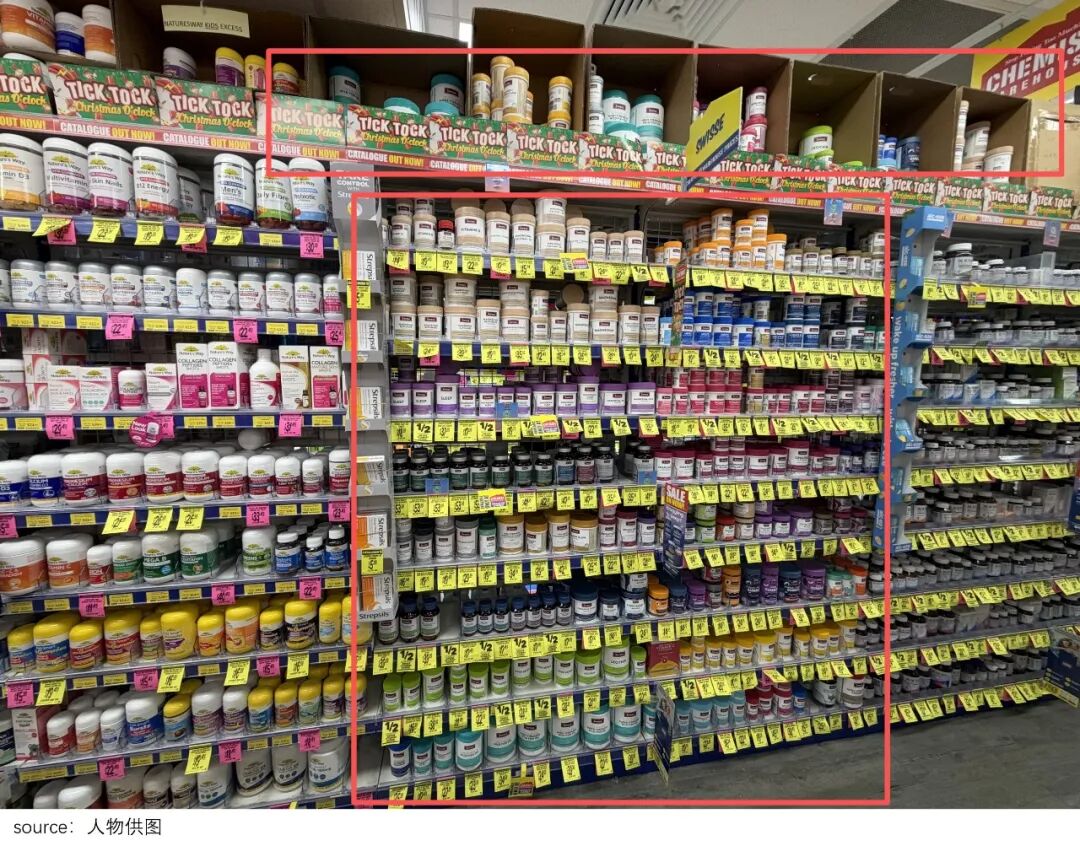
Xiaoxuan knows that discounts are the norm in Australian pharmacies. "Australian health supplements rarely do social media marketing, shelves are the main channel for consumers to get to know brands, and price cuts and discounts are the most effective way to drive sales and win support from pharmacies."
But Swisse's extremely aggressive strategy still shocked and puzzled her.
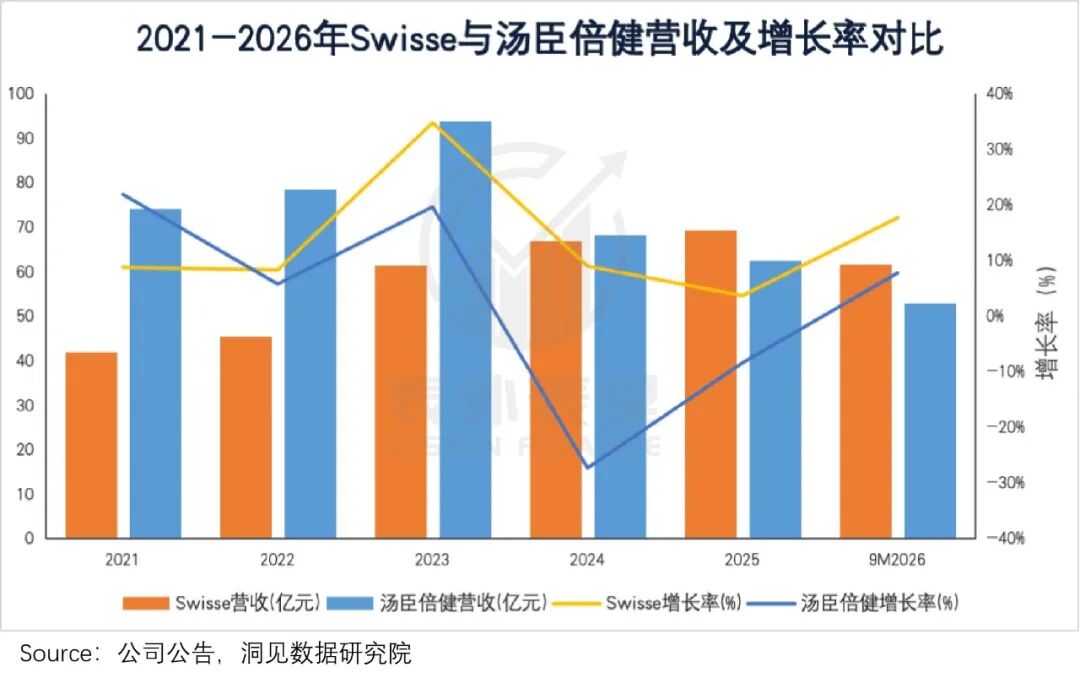
In fact, although over 70% of Swisse's revenue comes from mainland China, overseas markets are not its main source of income. However, this year's interim report shows that in the revenue of ANC (Adult Nutrition and Care products) in mainland China, the sales from cross-border e-commerce online channels account for as high as 81.7%, and consumers prefer products with Australian labels.
This "pseudo-foreign brand" that has long been acquired by Biostime (H&H Group) can achieve a sales volume 5 times that of Blackmores, and even dethrone By-health, which has been the "leading health supplement brand" for 15 years. Its success is inseparable from the real shelves in Australian pharmacies. Those shelves are not only the only way to expand overseas markets, but also the foundation of the brand's survival in a sense.
Swisse has made the most of the "imported, healthy, premium" foreign brand filter, and accurately captured the "Morning C, Evening A" trend among young people — Coffee in the morning, Alcohol at night, with a Swisse liver support tablet in between.
In this era full of "placebo products", it is one of the most trend-savvy players in the industry.
5mm fine-tuning that drives millions in sales
After one product iteration, sales surprisingly increased by 7 to 8 times.
When Yi Huan saw the two generations of Swisse products, she had a hard time making a choice. The second-generation milk thistle tablets have monthly e-commerce sales of over 900,000 units, while the ordinary version only sold 120,000 units. But after comparing them, she found that the ordinary version only has a slightly different formula, which is more than enough for most people, with lower burden and more affordable price.
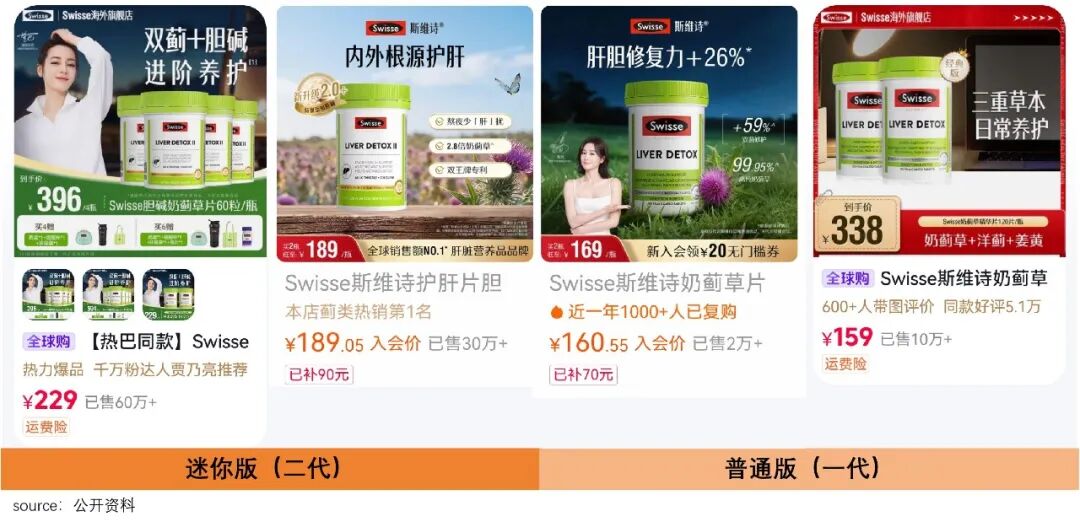
However, she still placed an order for the second-generation product, "So many people buy it, there must be a reason for it". Unexpectedly, she really felt the difference after taking it at home: "The tablet is much smaller, it slides down the throat with just one sip of water, no swallowing pressure at all!"
Having taken health supplements for two or three years, Yi Huan rarely encountered products that do not "get stuck in the throat". In the past, those tablets were ridiculously large, and she would choke repeatedly even after drinking a large mouthful of water to swallow them, with a sour taste lingering in her mouth afterwards. Every time before taking them, she had to build up her courage for a long time, and most of her friends could not stick to taking them either, mostly because "it is too much trouble to swallow".
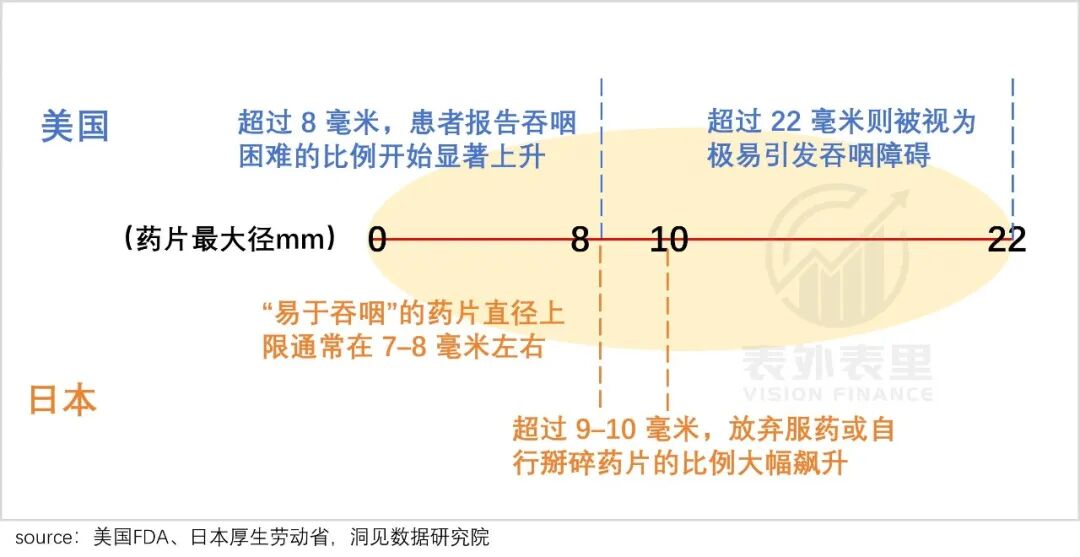
All the imported brands Yi Huan takes are "designed for Western populations". But research shows that for people of the same height, East Asians have more compact craniofacial depth and tongue space, making them more likely to feel foreign body sensation when swallowing: For American patients, tablets with a maximum diameter of more than 22mm are universally recognized as "hard to swallow"; while in Japan, most patients will stop taking the medicine when the diameter exceeds 10mm.
The second-generation Swisse milk thistle tablet surprised Yi Huan, and its monthly sales are even hundreds of thousands higher than the first generation. The secret is that both the length and width of the tablet are reduced by about 5mm, which perfectly wins the favor of Chinese consumers.
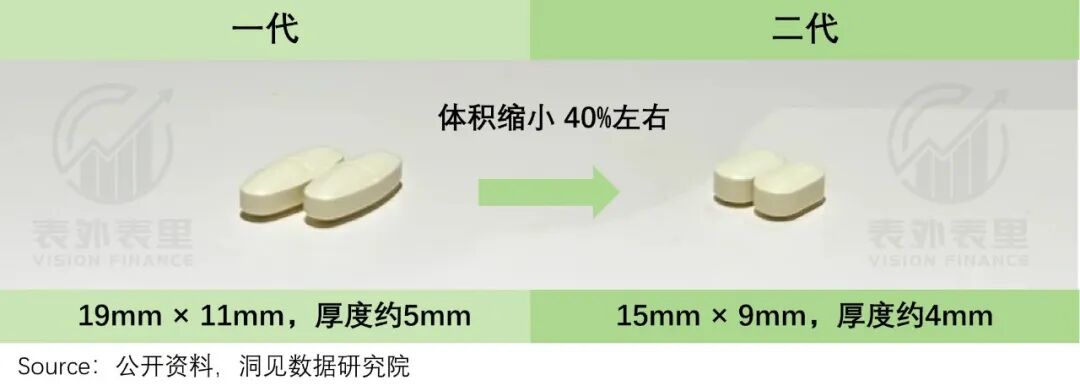
This is not the first time Swisse has tasted the benefits of "small tablets". During the 2022 Tmall Double 11 event, its mini calcium tablets participated in the "Global Customization for China" project, and the small-sized tablets sold extremely well, driving Swisse's sales growth by about 25% during the Double 11 period.
Since then, Swisse has been frantically replicating the small-particle design: magnesium tablets, fish oil, multivitamins, milk thistle tablets... Every hit product will be iterated into a small-particle version. Moreover, forms including capsules, gummies, solid drinks and effervescent tablets have been launched one after another, fully reducing the sense of taking medicine, and moving towards a more palatable and more acceptable direction.
Of course, products are only bait, and Swisse's most successful point is that it has accurately found its "target pool".
In China, Swisse's best-selling product is milk thistle tablets. However, Xiaoxuan rarely sees this liver-supporting product, which is marketed for "overtime and late nights", on the shelves of Australian pharmacies. "Working overtime for long hours is a characteristic of Chinese workplaces," she speculates that Swisse has carried out targeted development for the domestic market.
This is not an illusion. If you list all Swisse's products, you will get a "modern life illustration": staying up late and drinking alcohol, fatty liver caused by takeout, high-pressure fatigue, glycation and dull skin, staying up late for exams, inflammation caused by sedentary behavior, insufficient sunlight, muscle cramps in the middle-aged and elderly...
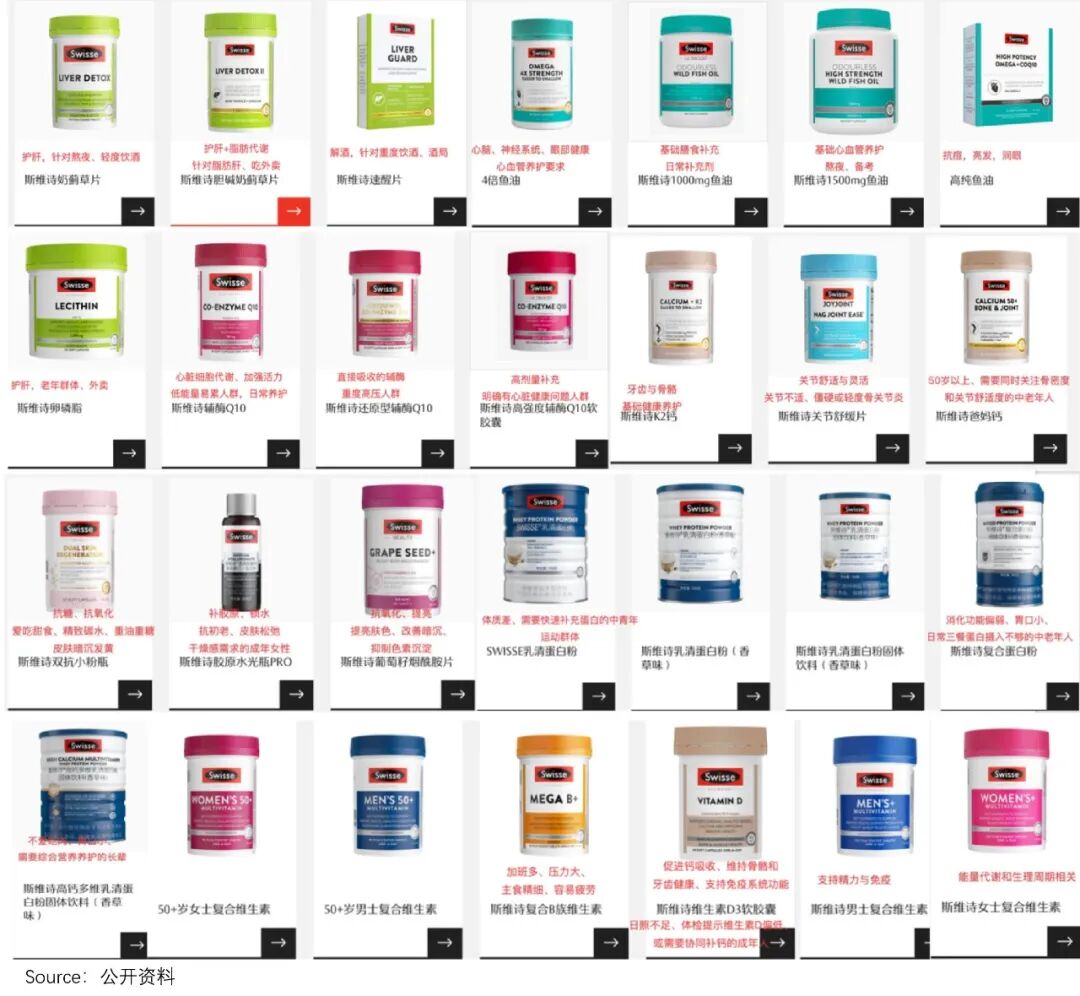
While brands like By-health are still rigidly categorizing products by children, pregnant women and the elderly, Swisse has learned to tell stories in reverse based on consumer pain point scenarios. Customers do not need to understand nutrition knowledge, they can find "which bottle to buy" by matching their own living habits.
And it does not "sell one product for one active ingredient". Take fish oil for example, there are 1000mg daily version, 1500mg high-intensity version, 4-times concentrated version, and compound version added with coenzyme Q10. The core raw materials are the same, only the concentration and compound formula are different, and they are sold with labels of "staying up late for exams", "cardiovascular care" and "anti-inflammation and eye protection" respectively.
Xiaoxuan thinks that Swisse seems to be "matching each version with an accurate life scenario persona", so that consumers at all levels can find products that fit them. Even the same scenario is applied to many different products.
"Krill oil, B vitamins, anti-sugar pills, curcumin, vitamin C and E, magnesium tablets, etc., theoretically all have anti-inflammatory or endocrine regulating effects," she introduces. So when you search for "acne removal", more than ten Swisse products will pop up. In contrast, other health supplement brands only put a small number of products related to skin oil and immunity in the search results.
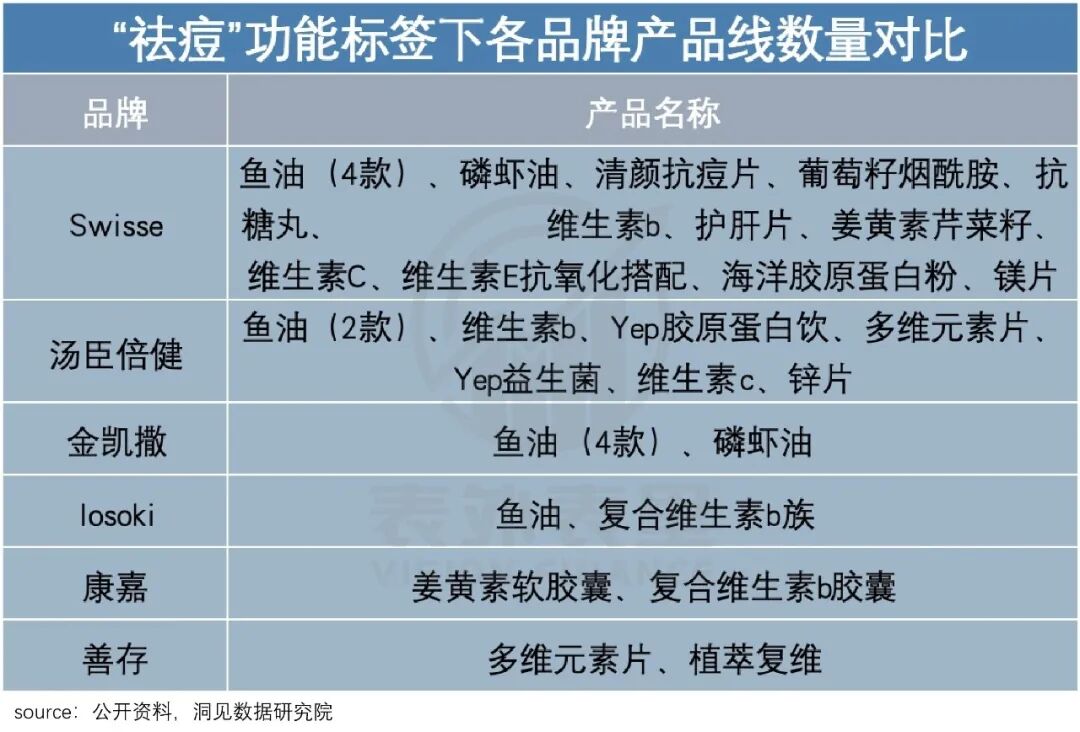
This wide-net strategy effectively improves the brand's exposure and transaction volume: while the sales of its peers are declining, Swisse achieves counter-trend growth, and the year-on-year revenue growth in China continues to rise, even seeing a 70%+ explosive growth in emerging channels such as Douyin and Sam's Club.
However, hidden dangers lie beneath the prosperity of high growth. Swisse's success code, if written backwards, may be "risk".
Foreign-style narrative and differentiated marketing are both honey and poison
When Yanyan visited Walmart Global Purchase recently, she saw a poster that made her laugh and cry: genuine international big brands including SK-II, CPB and La Mer are acting as "foils" for Swisse which is placed in the center position.
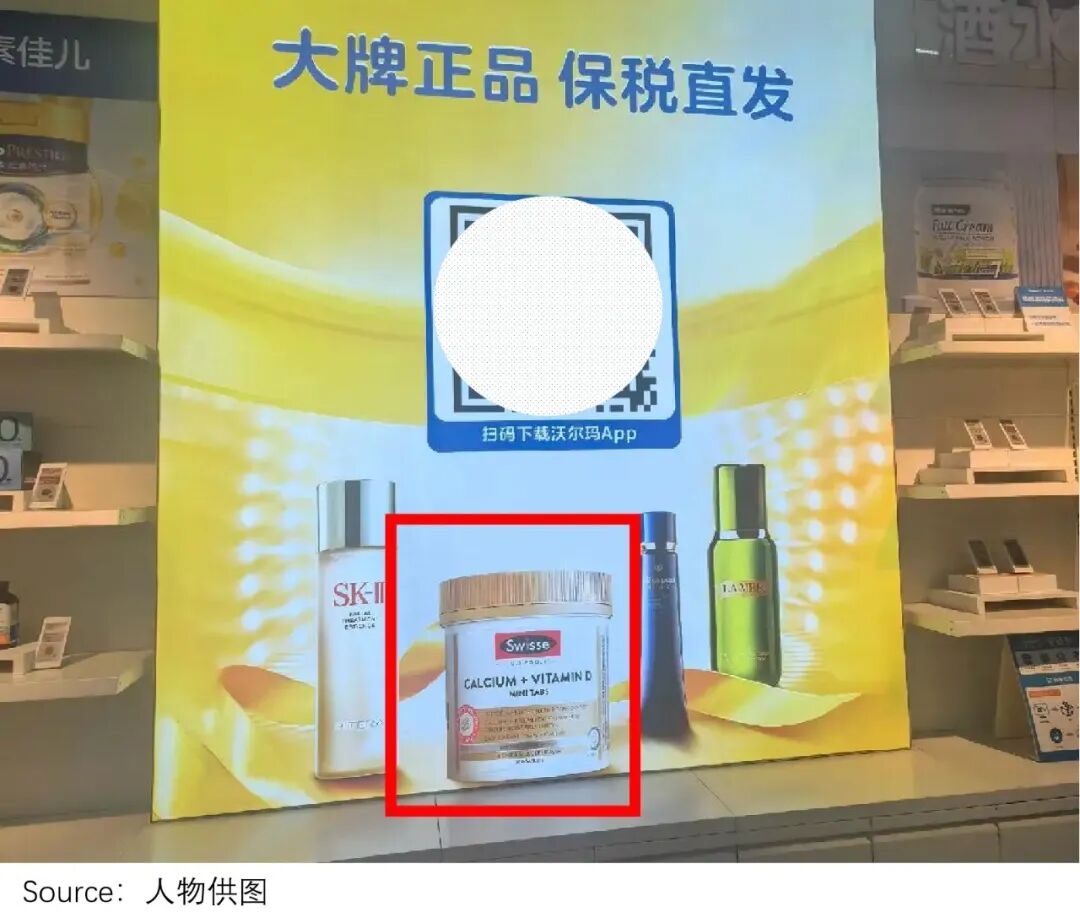
She did not expect that, 11 years after being acquired by Chinese capital, Swisse is still selling its "Australian identity".
Yanyan first got to know Swisse in 2016, an era when daigou (personal overseas purchasing agents) were popular nationwide. Everything people saw online was about "foreign moons that are rounder", and brands like Amway Nutrilite and Blackmores filled all major cross-border e-commerce platforms. She could not resist the temptation either. When she saw her friends discussing "Swisse cranberry tablets at CW are half price, tell the daigou if you want them", she followed suit and bought two bottles.
In fact, she did not know what CW was at all, but the keyword "same product as in Australian pharmacies" was stamped in her mind, as if buying it meant buying safety, reliability and health, making her a real urbanite who knows how to live well.
Although later Yanyan found that overseas health supplement industries also have many chaos, taking them does not necessarily make the body better, but most likely allows daigou agents to buy a Ferrari — at that time, a bottle of Swisse was sold for only 50 yuan in Australia, but it was resold for 100 to 200 yuan in China.
However, the nine-grid posts on daigou agents' WeChat Moments still firmly imprinted the "Australian label" in consumers' minds. For the brand, this is equivalent to advertising without spending a penny, and the products automatically flow from Australia to daigou groups and cross-border stores. At its peak, daigou agents' stockpiling even took up more than half of Swisse's in-store inventory in chain pharmacies like CW.
However, Swisse is not the only brand that focuses on "foreign-style narrative". The reason why Swisse has become the first brand people associate with health supplements today is not only its imported label.
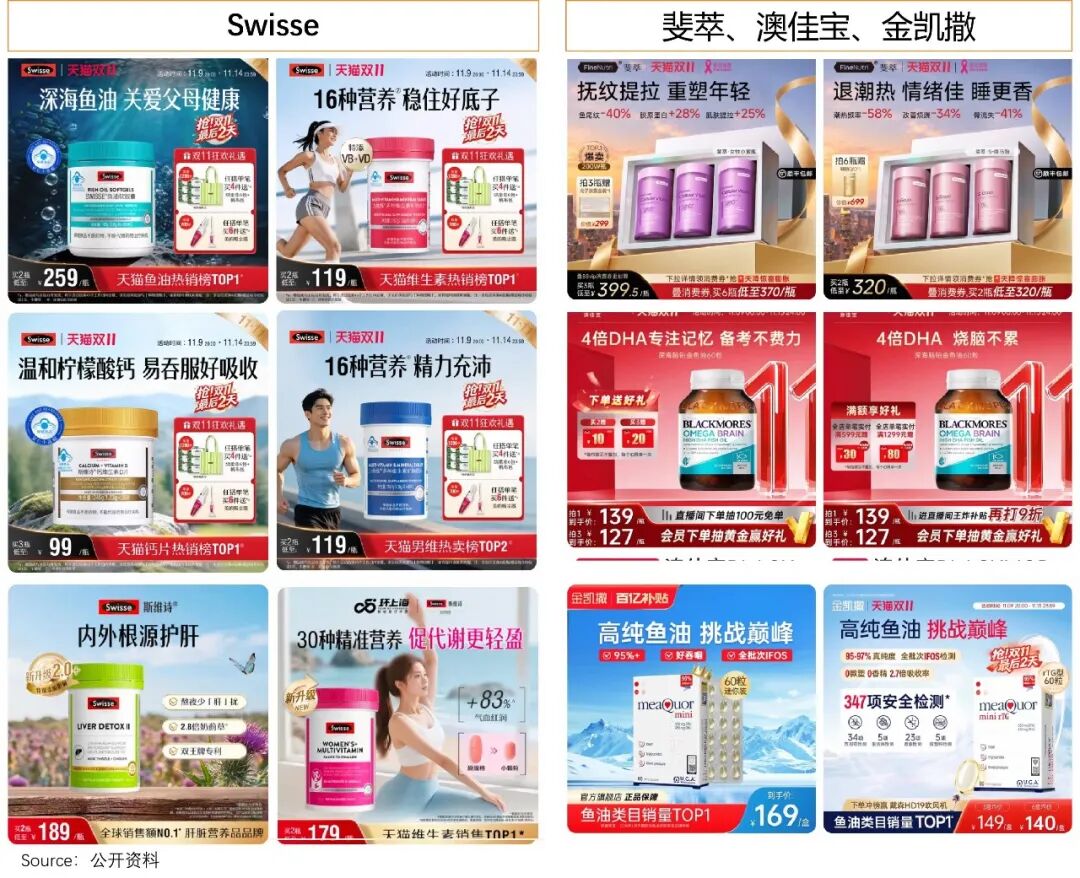
Shan Yu, who works in health supplement e-commerce operation, noticed a detail: "From the product background images, Swisse either uses sports models, or natural images such as deep sea and plants, which can quickly remind people of health, while other overseas brands' product backgrounds hardly have any content narratives."
The offline scenario is similar. Swisse's large-screen advertisements are full of images of forests, grasslands and muscles, conveying a strong sense of "health", while domestic brands like By-health still use the old-fashioned traditional aesthetic language.
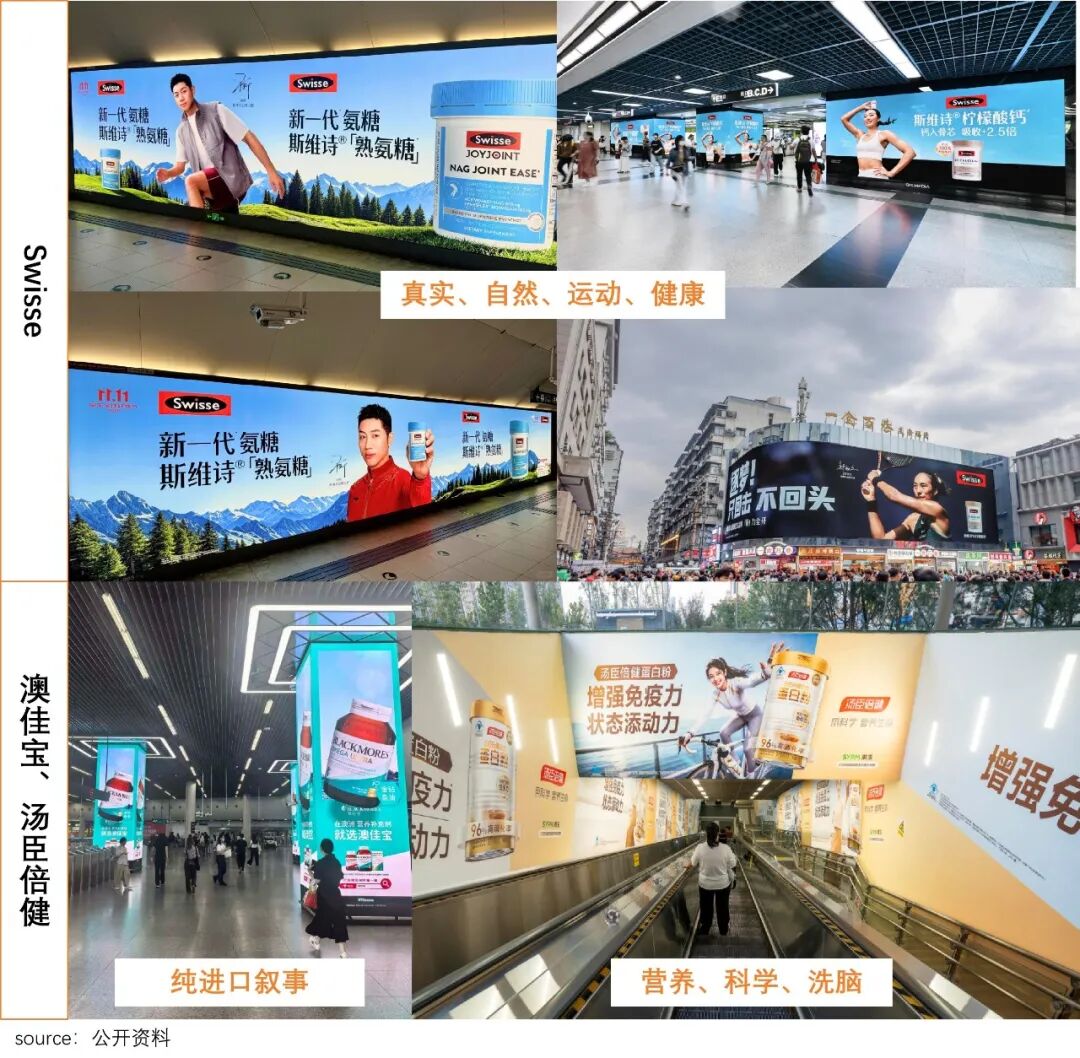
"No matter where it is, Swisse is more in line with the public's perception that foreign brands are more premium," Shan Yu said frankly. Relying on this set of psychological hints, the brand continuously consolidates its position in the health supplement "snob hierarchy". Although it is essentially "Chinese capital made overseas", it still gives people the impression of "foreign capital made overseas".
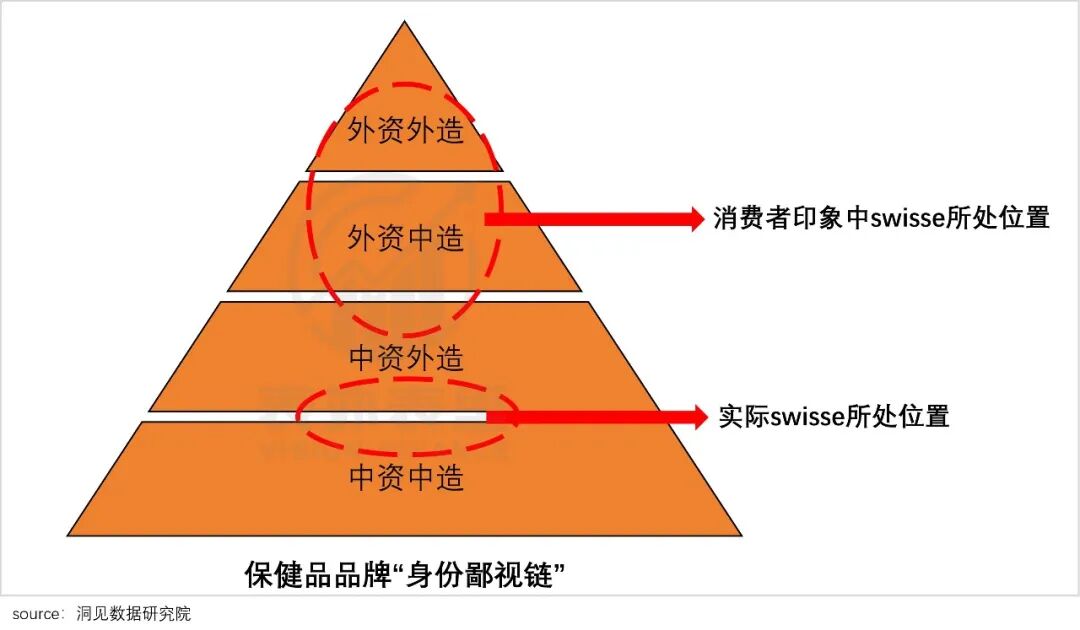
Unfortunately, the artificially created prosperity will eventually come at a cost.
In 2025, H&H Group's ANC revenue in Australia and New Zealand plummeted by 20.6% year on year, and continued to decline by 8.3% in the first half of this year, only returning to positive growth in the third quarter. According to the management, the revenue shrinkage is because "we anticipated that cross-border regulations will change and be tightened, so we proactively reduced the daigou business of Australian enterprises".
To put it bluntly, it means knowing that the industry "may be sanctioned soon, so we carry out self-regulation first".
For many years, under the "tacit approval" of major brand owners, overseas daigou has developed from individual scattered agents to institutional wholesale,