The "new shelter" for young people that has raked in tens of billions of yuan is more addictive than perler bead crafting.
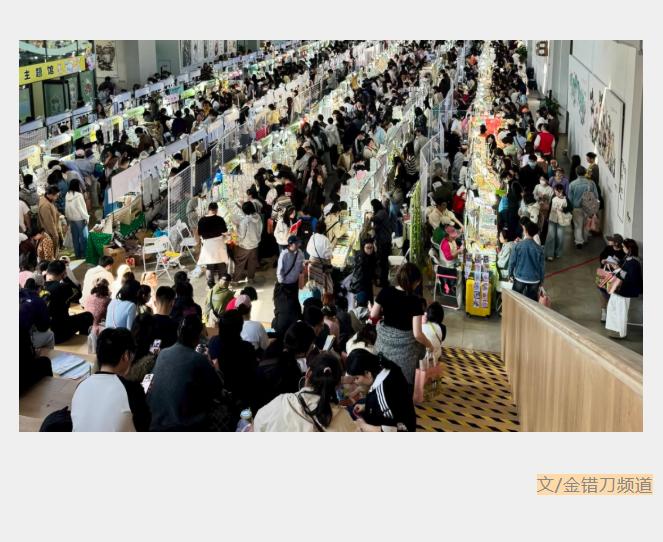
Young people have officially entered the era of "frugal economy".
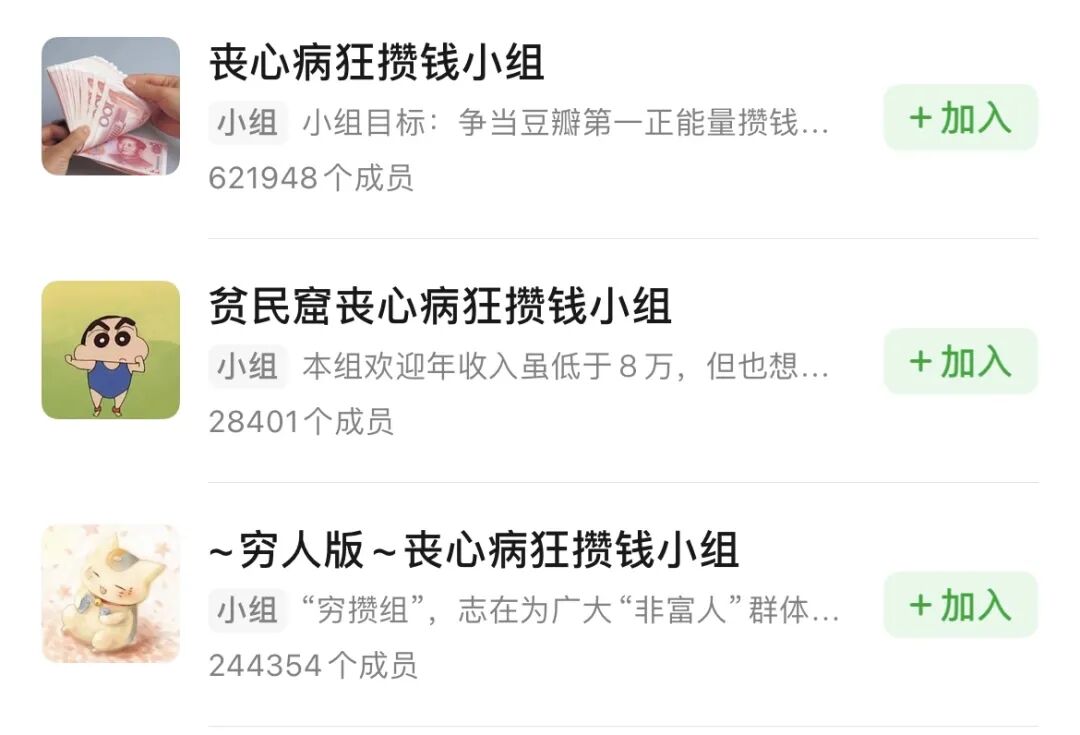
Ordering takeout to meet the minimum discount threshold, and group-buying meal deals have become new favorites. The portable bags from coffee and milk tea have replaced the exquisite backpacks for work. On the track of saving money, every young newcomer can find peers to huddle together for mutual support.
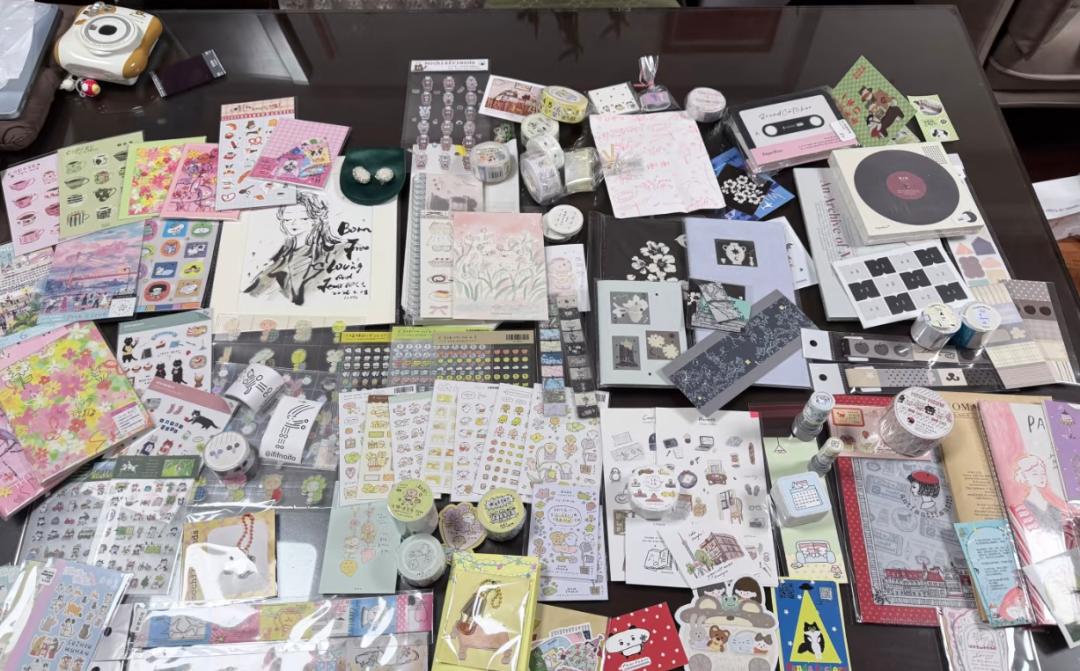
But as soon as you step into a planner fair, your worldview will be shattered by a roll of tape:
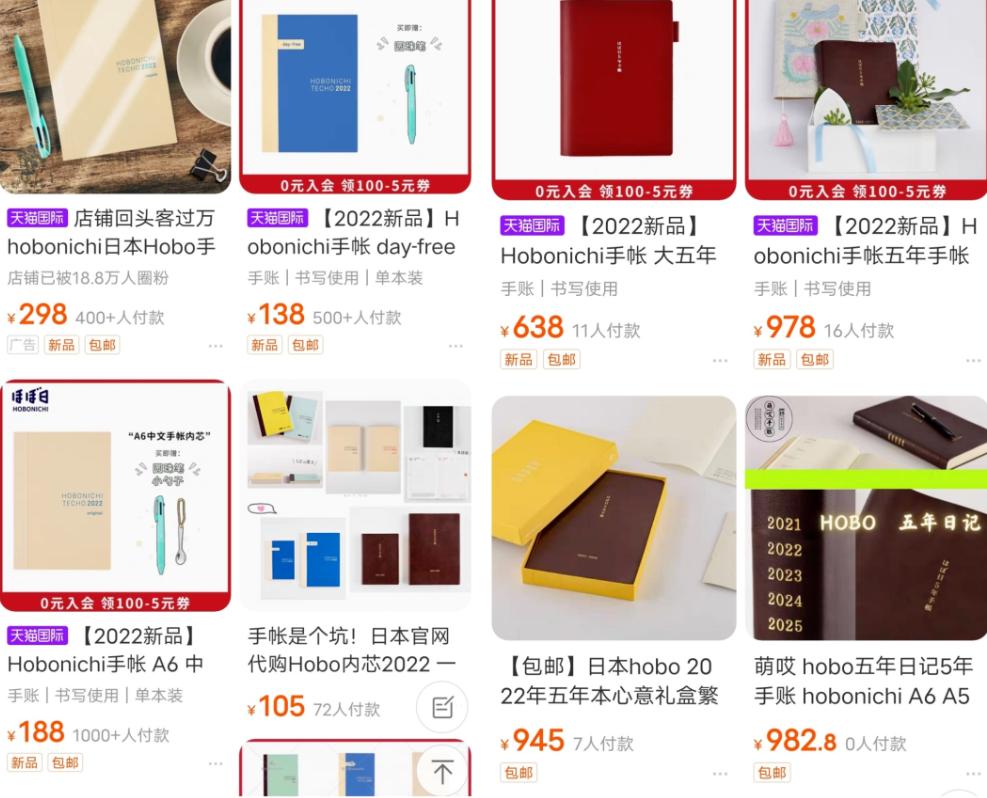
A roll of washi tape costs 30 to 50 yuan; people spend 1,000 yuan on a planner notebook; stickers, book covers, mats, colored pens, ink, stamps...
Some people spend about 1,000 yuan a year on making planners, while senior players spend more than 10,000 yuan a year, and some even invested 300,000 yuan in 8 years.
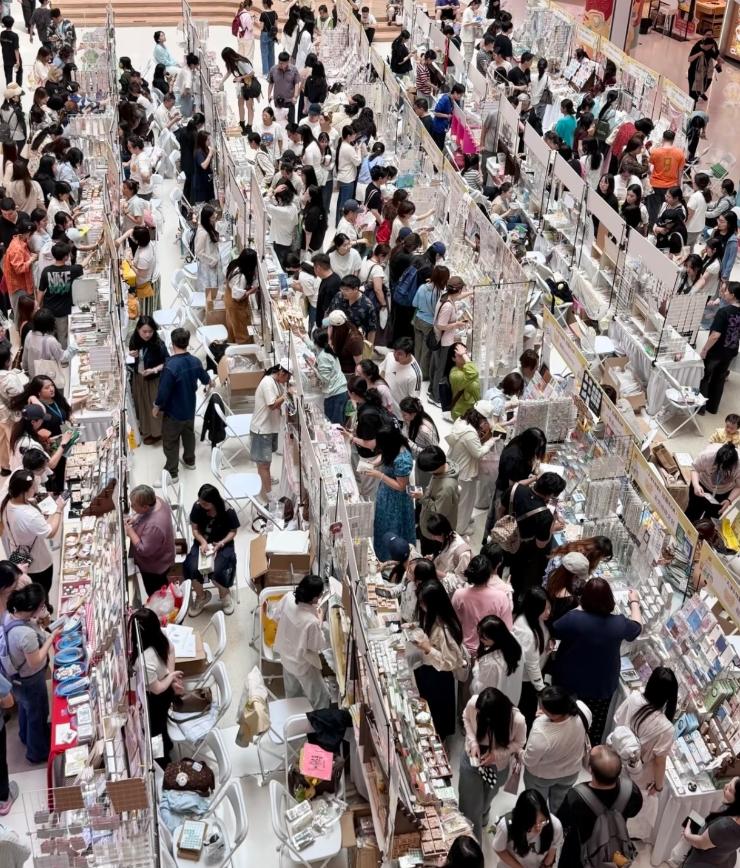
Looking across the country, planner fairs have sprung up everywhere.
The skyrocketing popularity of planner fairs has replaced coffee fairs and jewelry fairs, becoming a standard feature in large shopping malls in first- and second-tier cities: rows of booths are packed with tapes, stickers, stamps and notebooks, and the aisles are full of people bending over to select items, so crowded that it feels like walking into a talent recruitment market ten years ago.
This seemingly "small-scale niche business" has seen the hashtag of planners on Xiaohongshu exceed 13.1 billion views. Last year, the number of related merchants on e-commerce platforms surged by more than 70%, and the number of buyers doubled.
Driven by young people's consumption enthusiasm, kinbor, the leading Chinese planner brand, disclosed on its official website that its sales exceeded 100 million yuan in 2026, with cumulative sales of more than 1 million planner sets, turning "notebooks" into popular collectible goods.
On one side is "low-budget thrifty consumption", on the other side is "spending thousands of yuan lavishly on decorating notebooks".
Is the planner a new "spiritual refuge" for young people, or a "hidden pay-to-win trap"?
"Thrifty" young people,
spend money on planners without blinking an eye
There is a famous saying in the planner community: "You can spend as much or as little as you want, with no upper limit."
Among the post-1995s and post-2000s youth known as "digital natives", more and more people prefer to record their lives and manage their time with pen and paper.
Making planners is regarded as a kind of technological nostalgia or return to tradition for this generation of young people, or to put it more bluntly: the immersive pleasure of making things by hand.
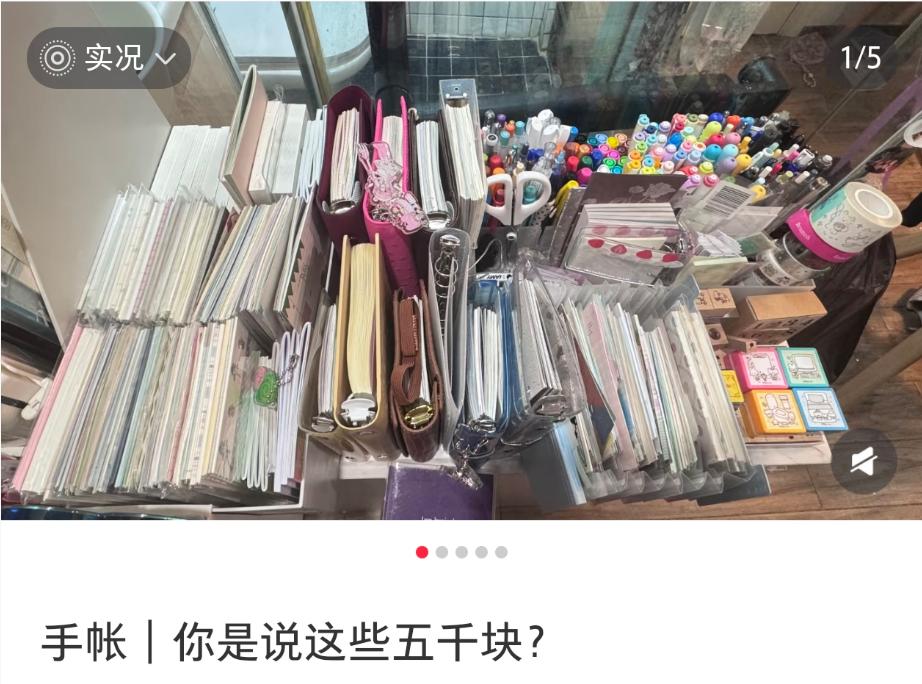
From the perspective of appearance and function, there is not much difference between a planner and a traditional diary, but why do people in the planner circle not call it a "diary" but a "planner"?
In fact, planners are not only used for taking notes. Planner enthusiasts also use tools such as stickers, tapes and stamps to decorate and typeset, and the derived planner community has existed for many years.
Against the background that AI is changing the world every few days, the old-school pure handmade ritual sense of planners directly creates a strong unexpected contrast.
In the planner community, everything can be made into a planner.
For example, when you go traveling, you can bring back tickets, photos and packaging bags, then make a travel planner by hand.
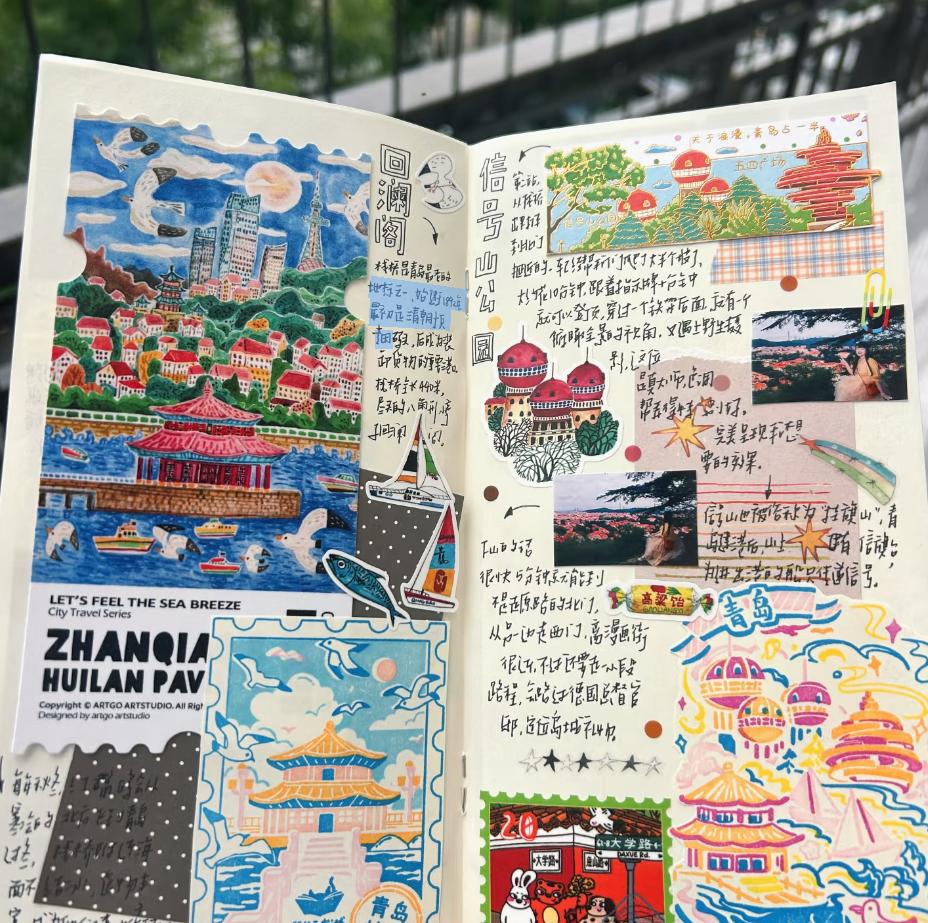
Most people will throw away shopping receipts, leaflets, coupons, stamps and product tags they receive in daily life.
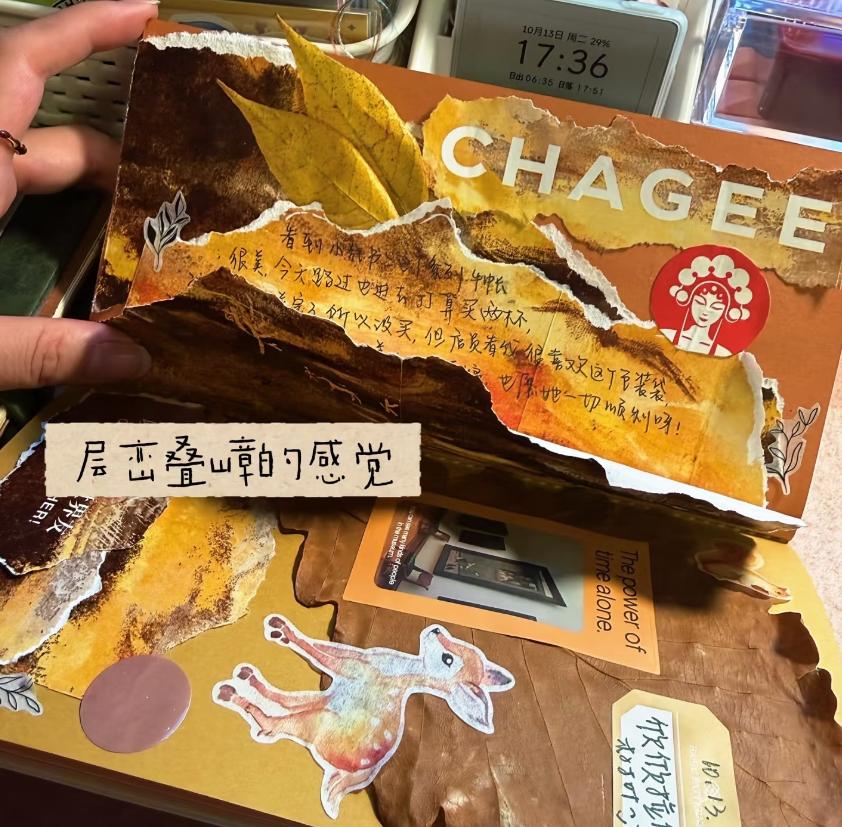
But in the "junk-style planner" trend, all of these have become treasures. Using waste paper, fallen leaves, small accessories and other scraps from daily life, which mainly tests people's aesthetic taste and creativity, has become a wildly popular psychological healing method in the past two years.
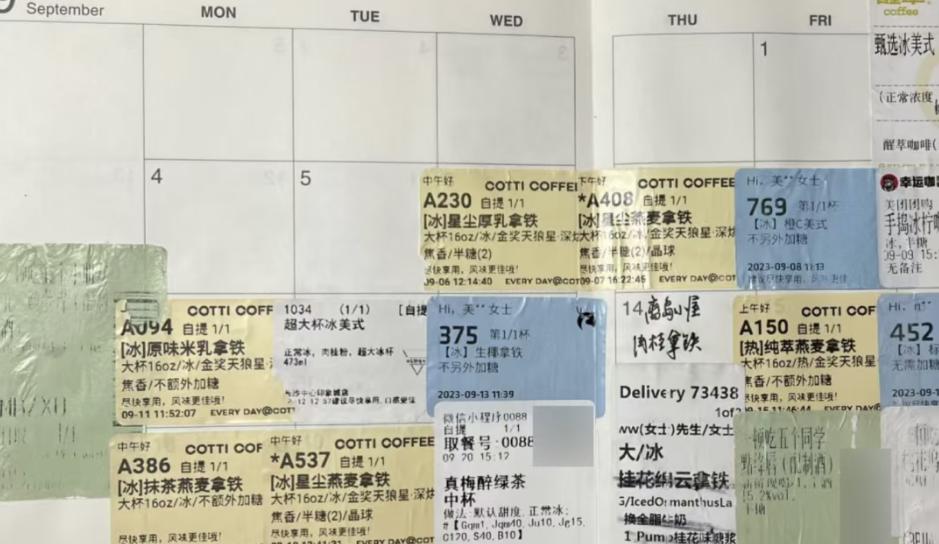
For young people who drink a cup of milk tea per capita every day, they find that milk tea paper bags and cup sleeves can be recycled, but the labels have not been utilized before.
Until someone had a sudden whim, tore off the label and stuck it on the planner notebook.
As a result, some people collect every milk tea label they have drunk like collecting stamps, and build their own "milk tea evaluation system" through it.
Others make milk tea labels into "exam preparation calendars". "Each milk tea label represents a day of effort, and every cup of milk tea and coffee is a witness of persistence."
If you want to go a step further, you can challenge 3D pop-up planners that require spatial imagination and hands-on ability.
This is a collage method that allows paper and tape to break through the flat surface, forming a well-arranged layered effect, and even each page has different hidden mechanisms. Some people made the ancient village trip into a mechanism planner, and the moment you open it, you will feel the mysterious adventure style coming to you.
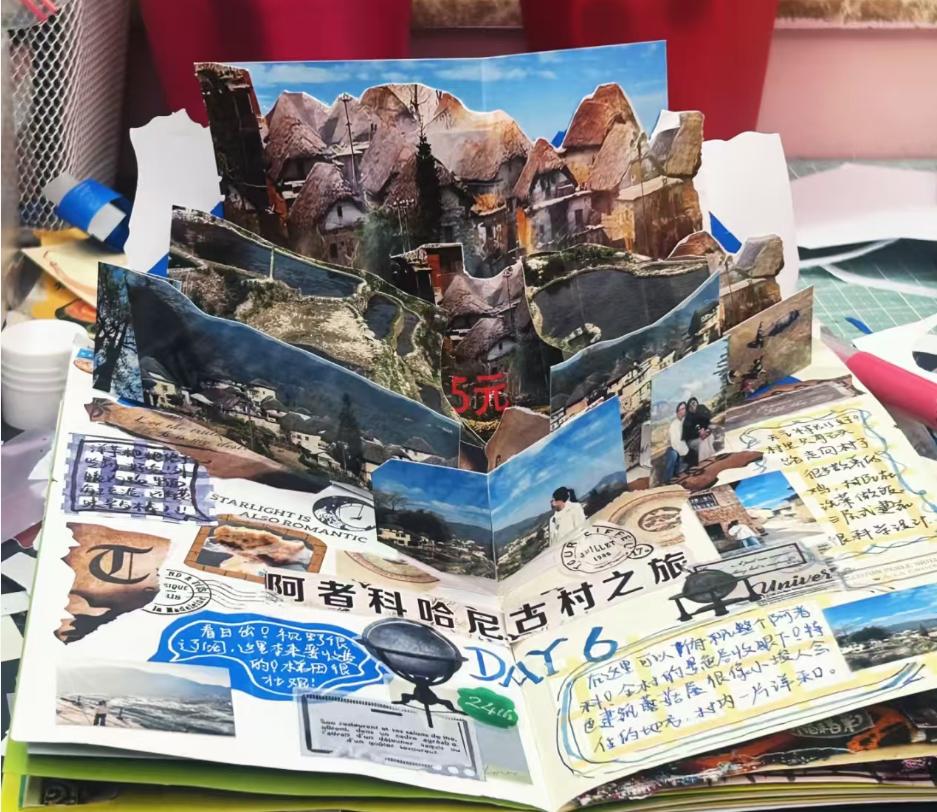
The planner community has been divided into several schools: "text school", "collage school", "hand-painted school", "bullet journal", and in terms of aesthetic style, there are "salt style", "vintage", "Chinese style" and so on.
In order to make these exquisite planners, it is natural to purchase a large number of production materials.
The four planner fairs held in Xi'an in 2025 recorded a total sales of over 4 million yuan, with a single-event passenger flow of more than 60,000 people. According to incomplete statistics, in January 2026 alone, more than 22 planner fairs were held in provincial capitals across China, most of which were located in shopping malls.
There is a popular saying in the planner community: Don't touch young people's planner notebooks, you can't afford to pay for it if you break it.
The once niche and unfashionable business,
why has it become a huge gold mine?
In China, the money-making ability of planners is no less than that of blind boxes.
According to the calculation of B Research Consulting, a third-party institution, the customer unit price of the planner industry rose from 286 yuan to 342 yuan in 2025, an increase of 19.6%.
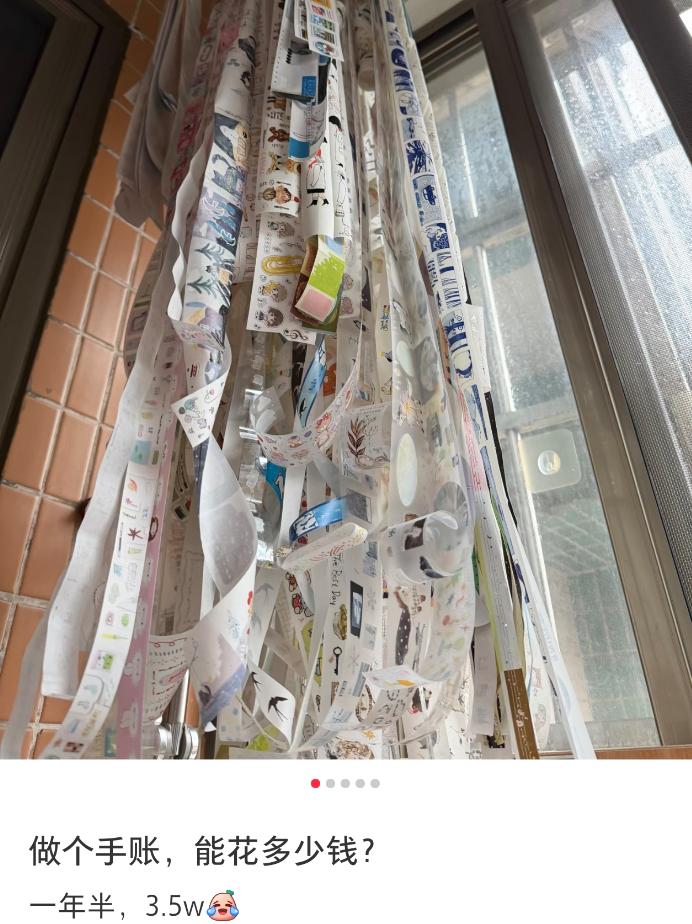
These gorgeous planners are the result of planner enthusiasts spending a lot of money on buying tapes, stickers, book covers, mats, colored pens, ink, stamps and other tools to decorate their notebooks beautifully.
In today's consumer society, many people may not understand that under the trend of paperless, with electronic products such as mobile phones and iPads, why are so many people still "falling into the hobby" of making planners?
1. The payment logic of planners is completely opposite to that of ordinary stationery
The logic of traditional stationery doesn't make sense here at all.
The commercial logic of the planner market perfectly avoids the "practicality" competition of traditional stationery, and turns to the high premium track of "scarcity".
Industry observers found that planner notebooks can be divided into grid style, ruled style and blank style. Grid notebooks are convenient for positioning, ruled notebooks are easy for writing, and blank notebooks are suitable for collage, each with its own advantages.
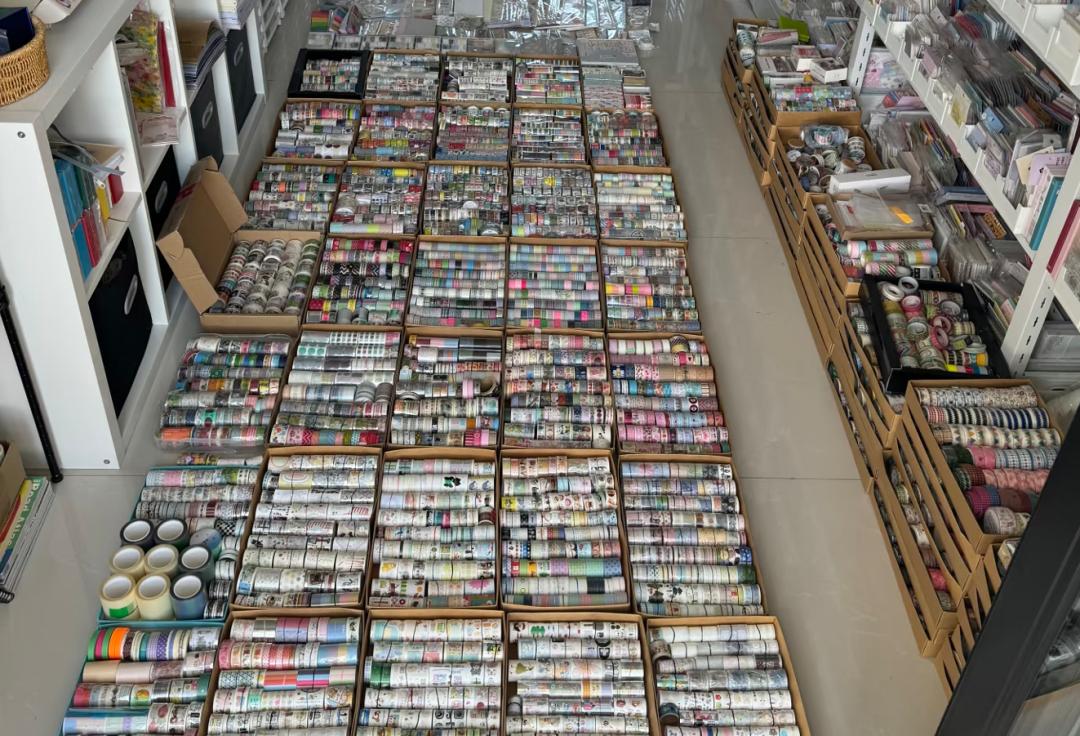
Tapes are divided into bleed line tapes, PET tapes, washi tapes and so on, with different specific usages — a roll of tape or a sheet of sticker costs from a few yuan to hundreds of yuan, and many senior players have a whole drawer of stock.
Hobonichi, a Japanese planner brand, only had 12,000 copies printed for its 2002 edition, which originated from readers sending emails on the official website "begging to buy" it.
By the 2026 fiscal year, the sales volume reached 1.14 million copies, nearly 100 times higher than 20 years ago; the planner business generated 7.949 billion yen (about 50 million US dollars) in revenue, accounting for 74.1% of the company's total revenue, of which 57.5% was sold overseas.
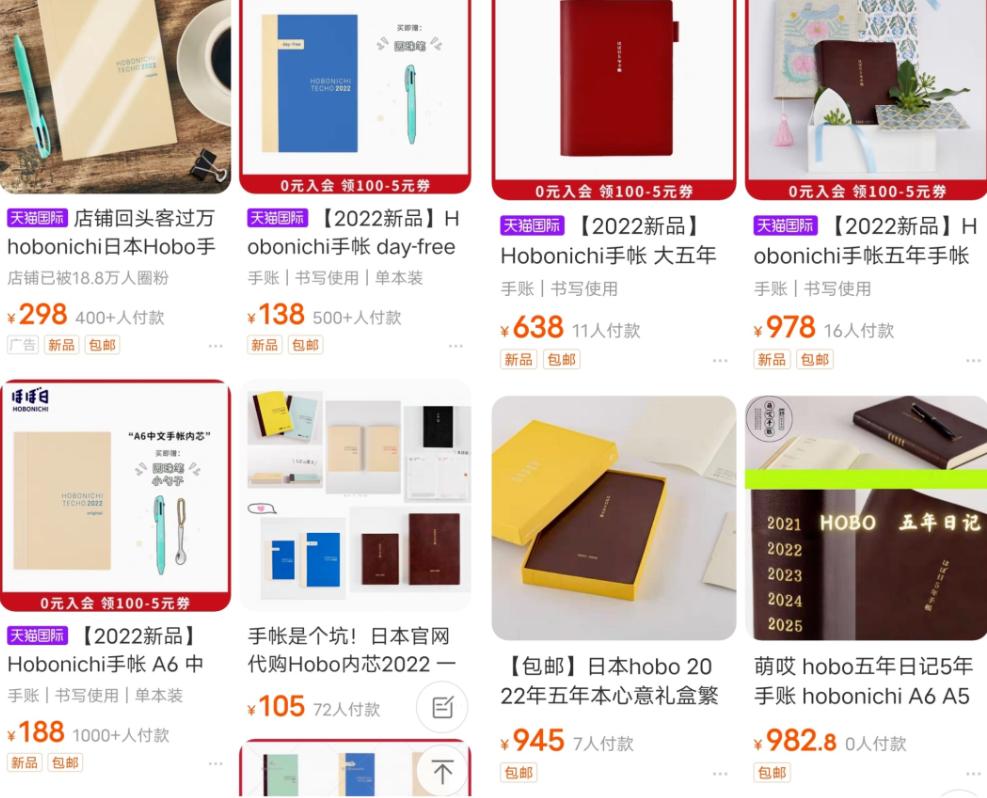
In this way, a company that went public on the Tokyo Stock Exchange by selling notebooks was born in the era when mobile phones were the most popular.
2. What is more profitable than selling products is selling a lifestyle
People pick up pen and paper again not because digital tools are not convenient enough, but precisely because they are too convenient.
When messages, meetings, and to-do items keep popping up, writing has become one of the few actions that people need to complete by hand, and will not automatically pop up the next notification.
What planners sell is not paper, but more like "non-replicable personal evidence".
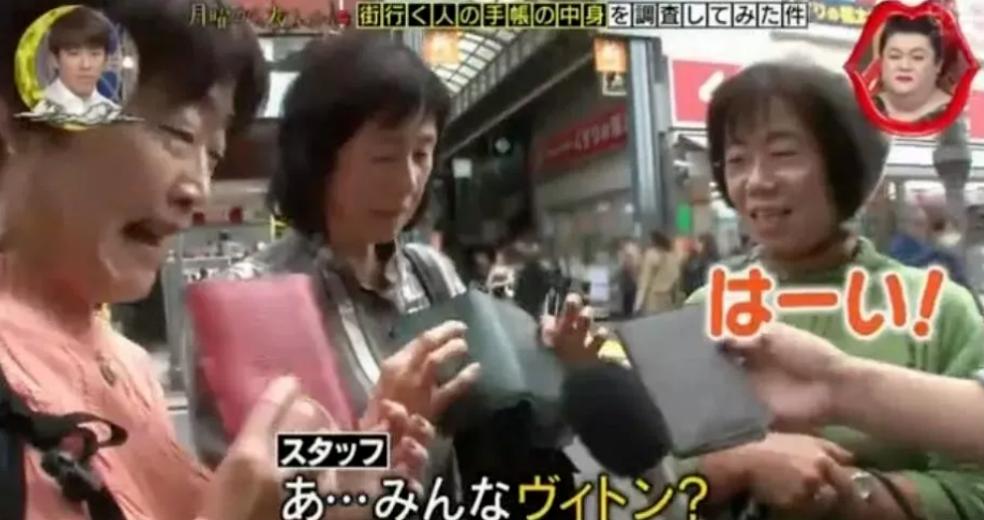
Japan is the country with the most developed planner culture. Hundreds of millions of planners are sold here every year. Japanese people's affection for planners spans all age groups, from young girls, uncles and aunts to elderly grandmothers, all are owners and followers of planners.
A Japanese variety show surveyed the planners of pedestrians on the street, and several aunts' notebooks had LV covers that had been used for decades.
It takes ten minutes to cut a piece of paper. If you stick it crookedly, you have to peel it off with tweezers and start over. If the ink smudges, the whole page is ruined. But it is precisely this slowness that has become a refuge in the fast-paced life.