Four years after taking over the football club, RedBird Capital has set its sights on the sports and entertainment business in Milan.
In the past, European football clubs usually operated around competitive performance. American capital, however, attaches greater importance to the commercial development of sports IP, and hopes to expand teams' non-match revenue sources through venues, copyrights, sponsorships, retail and entertainment businesses. The establishment of MSE by RedBird Capital is the latest manifestation of this idea.
Against the backdrop of the sports IP asset monetization wave in recent years, RedBird Capital has made its latest move.
A few days ago, RedBird Capital officially announced the establishment of Milan Sports & Entertainment (MSE), which will centrally manage its sports, venue and live entertainment investments in Milan. In other words, a sports and entertainment company with AC Milan as its core asset is about to be launched.
The new company will participate in the planned "Generali Stadium" project of AC Milan and Inter Milan, which can accommodate 71,500 fans, and explore venue catering, retail, high-end hospitality services and potential investment in NBA European League teams. According to the Financial Times, MSE may go public in the future, but there is no definite IPO plan yet.
Gerry Cardinale, Founder and CEO of RedBird Capital, said: "Milan Sports & Entertainment is the crystallization of all the layouts and constructions we have made since we invested in this club four years ago."
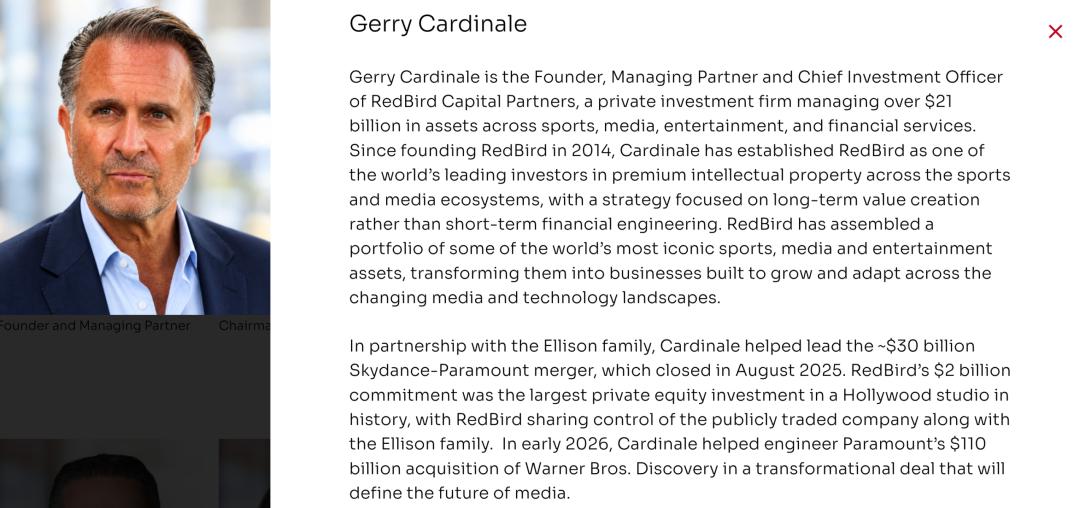
Gerry Cardinale, Founder and CEO of RedBird Capital, Source: RedBird Capital official website
RedBird Capital is not a pioneer in the asset monetization of sports IP. If we expand our perspective further, prior to that, MSG which owns sports assets such as the New York Knicks and Madison Square Garden, and BSE Global which owns sports assets such as the Brooklyn Nets and Barclays Center, are all representatives of centralized management of sports, venue and entertainment investments.
Coincidentally, behind these sports and entertainment groups, there are traces of American capital. From New York to Brooklyn, and now to Milan, American capital is integrating sports clubs, venues and the entertainment industry into a larger business.
However, compared with these groups that focus on a single city or specific sports assets, RedBird Capital's investment landscape is obviously much larger. From AC Milan to Fenway Sports Group, from F1's Alpine team to Fanatics, and even extending to the Hollywood film and television entertainment industry, this American private equity investment institution is weaving a global capital network between the sports and entertainment industries.
RedBird Capital's "Milan Economic Ambition"
For RedBird Capital, the establishment of MSE is not a common organizational structure adjustment for the company, but an attempt to integrate sports club IP, venue operation and live entertainment business into the same commercial platform with AC Milan as the core, so as to further release the commercial value of sports assets.
In August 2022, RedBird Capital officially completed the acquisition of AC Milan Football Club, and the transaction valued the club at 1.2 billion euros.
In terms of the traditional sports club operation model, the team's revenue mainly relies on channels such as match days, commercial sponsorships and broadcast copyrights. Among them, match day revenue is limited by the number of home matches and venue capacity, while broadcast revenue is closely related to league revenue sharing and the team's competitive performance.
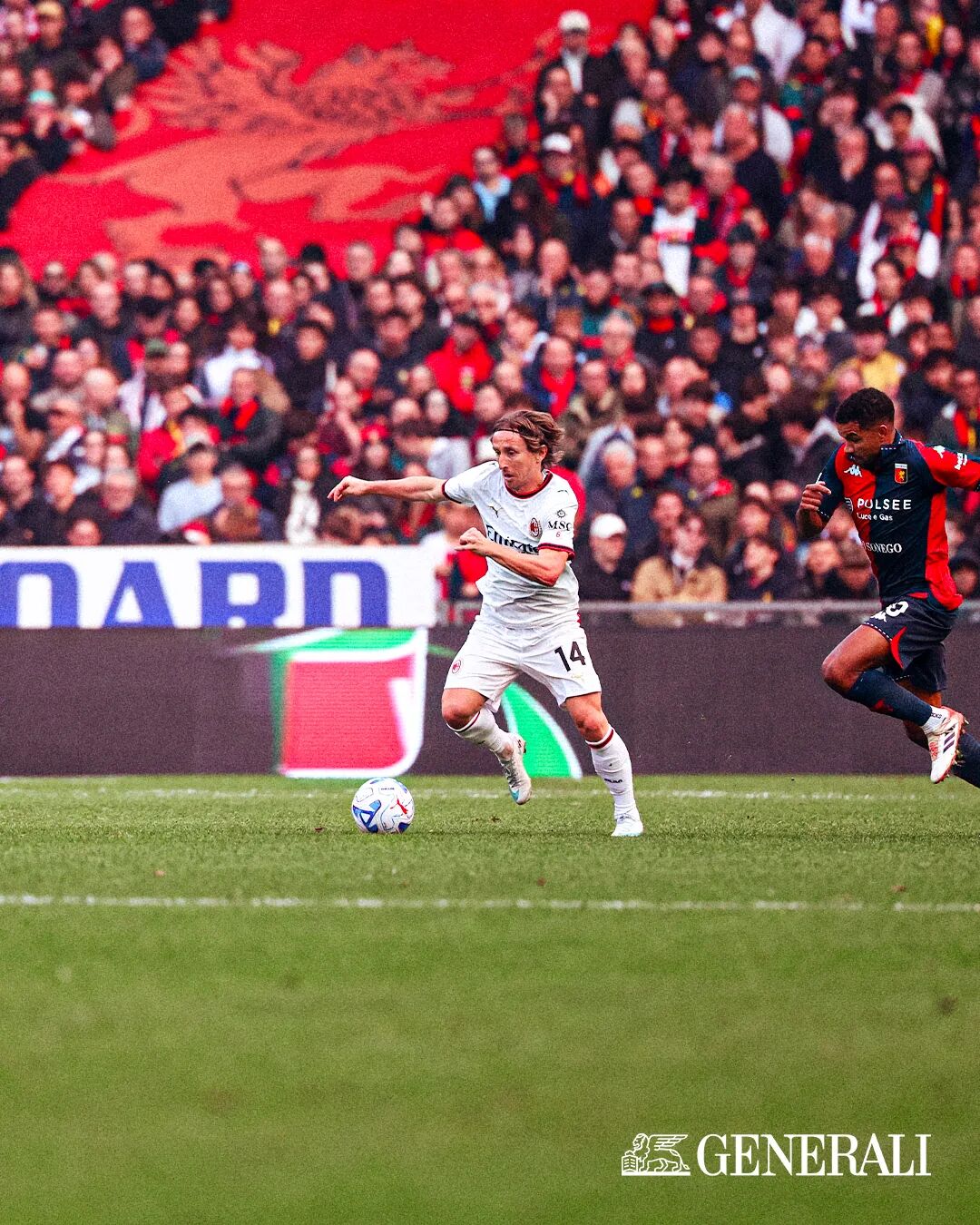
Source: AC Milan social media
But if sports clubs are integrated with venues and entertainment businesses, the business model will change. The stadium is no longer just a sports facility that holds matches every one or two weeks, but can also host concerts, commercial events and other sports events, extending the operating time from match days to the whole year.
The American sports and entertainment group MSG is a typical case. After multiple business spin-offs, the MSG system now operates assets such as the New York Knicks, New York Rangers and Madison Square Garden through different listed companies respectively, and realizes business synergy through long-term venue use agreements, sponsorships and commercial services.
According to the 2026 fiscal year financial report released by MSG Entertainment, its venues held nearly 960 events throughout the year, received a total of about 6.4 million visitors, and achieved operating revenue of 1.061 billion US dollars, a year-on-year increase of 13%. In addition to professional sports matches, concerts, family entertainment performances and other live events are also important sources of its revenue.
Another case worthy of reference is BSE Global. The group integrates and operates the NBA Brooklyn Nets, WNBA New York Liberty and Barclays Center, provides stable sports content through professional teams, and then uses the venue to host concerts, boxing matches and other entertainment activities to form a diversified revenue structure.
Interestingly, Brett Yormark, the CEO of MSE appointed by RedBird Capital this time, is the former CEO of BSE Global. He once participated in promoting the relocation of the Nets to Brooklyn and led the commercial development of the Barclays Center. In the first year after the opening of the Barclays Center in 2012, the venue held about 200 events and received more than 2.1 million visitors.
From this perspective, RedBird Capital obviously hopes to replicate the mature operating experience of the American sports and entertainment industry in Milan. At the same time, Milan is an important economic center in Europe and a world-famous capital of fashion, design and opera. Its rich cultural and entertainment foundation is enough to create more space for the future development of MSE.
On the one hand, AC Milan has a huge global fan base and brand influence, which can provide MSE with a core traffic entry; on the other hand, the planned 71,500-seat new stadium, as well as basketball, tennis and live entertainment projects that may be introduced in the future, can expand commercial consumption scenarios.
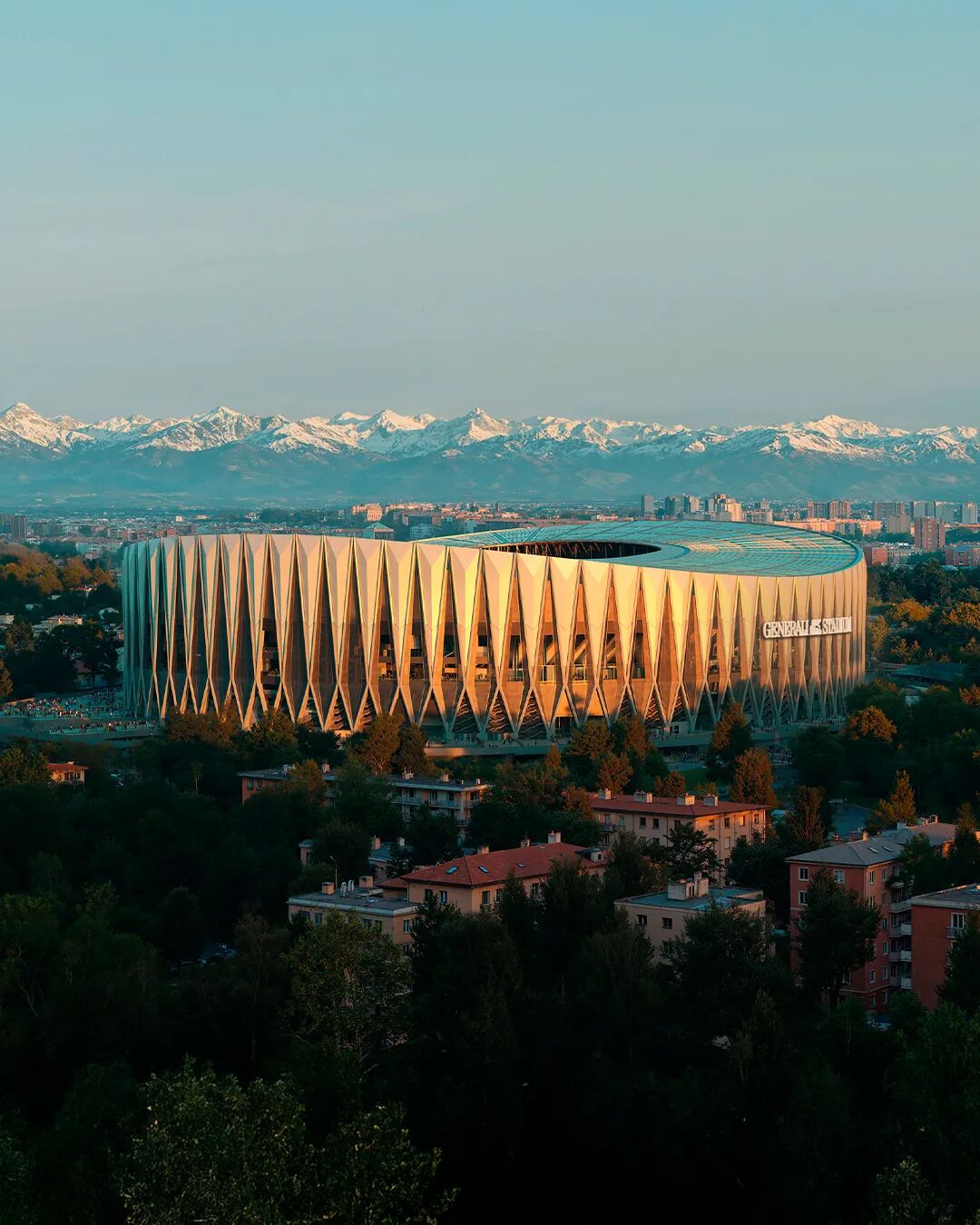
AC Milan's new home Generali Stadium, Source: AC Milan social media
Under this business model, MSE can not only improve the annual utilization efficiency of the venue, but also uniformly develop businesses such as sponsorship, ticketing, catering, merchandise retail and high-end hospitality, expand the commercial value of a single consumer, and enhance its attractiveness to high-quality commercial partners.
However, in the view of Sports Money, although the original intention and idea of RedBird Capital to establish MSE is beautiful, there are still many challenging factors. For example, the construction progress of Generali Stadium and the future performance of AC Milan are all key factors that determine the development curve of MSE.
At least from the current development context, RedBird Capital's goal is no longer limited to running a football club, but trying to use AC Milan as a fulcrum to leverage the sports and entertainment business of the entire city.
RedBird Capital's diversified sports investment landscape
The integration and establishment of MSE is just a microcosm of RedBird Capital's huge sports business landscape.
In 2014, Cardinale, who had worked at Goldman Sachs for about 20 years, founded RedBird Capital, taking sports, media entertainment and financial services as its main investment directions. After more than ten years of development, RedBird Capital now has assets under management of more than 21 billion US dollars.
In the field of sports clubs, RedBird Capital's most well-known investment is none other than AC Milan. But long before acquiring AC Milan, RedBird Capital had already begun to lay out global sports assets.
In 2020, RedBird Capital acquired 85% of the shares of French Ligue 1 club Toulouse. The following year, it invested about 750 million US dollars in Fenway Sports Group (FSG) and became a shareholder of the group which owns sports assets such as Premier League's Liverpool and MLB's Boston Red Sox. In the same year, RedBird also acquired 15% of the shares of Rajasthan Royals, an Indian Premier League team, extending its investment reach to the Indian sports market.
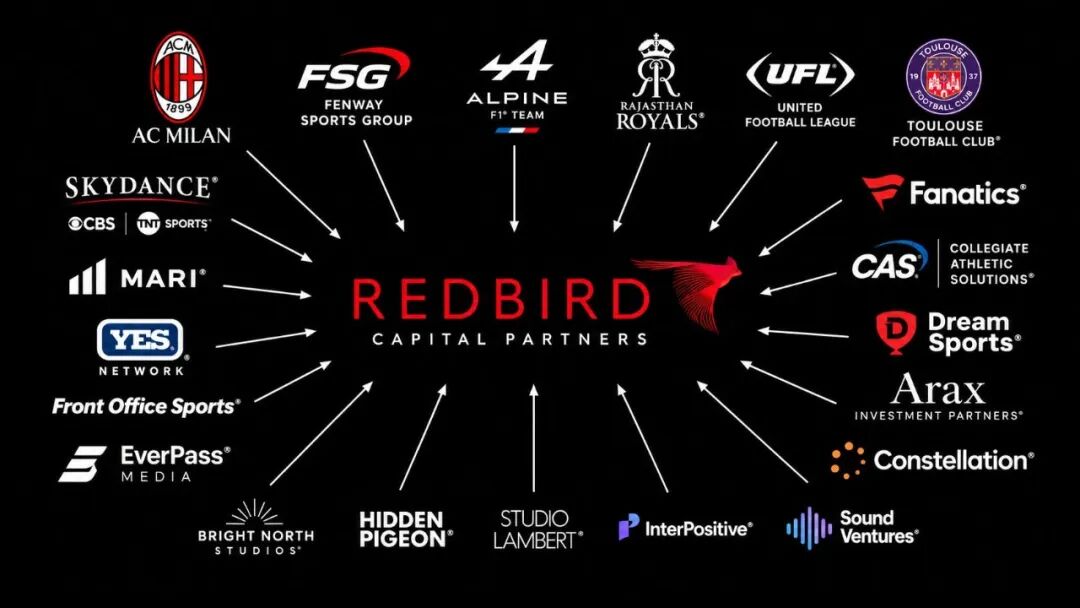
RedBird Capital's investment landscape, Source: Internet
In 2023, RedBird Capital, together with other investors including Otro Capital, acquired 24% of the shares of Alpine Racing for 200 million euros, officially entering the F1 racing field. In addition, RedBird also participated in the investment of UFL, a spring American football league in the United States, further enriching its professional sports asset portfolio.
If professional clubs and event IP form the foundation of RedBird Capital's sports assets, then commercial services developed around sports IP are another important part of its investment landscape.
In the field of sports consumption, RedBird invested in Fanatics, a giant of sporting goods and sports trading cards, in 2026, whose business covers team licensed merchandise, sports collectibles and other fields; in the field of sports technology, RedBird invested in Indian Dream Sports, which owns the fantasy sports platform Dream11.
In the field of sports copyright and media, RedBird Capital also has extensive layouts. In addition to holding shares in YES Network, a regional sports TV network in the United States, RedBird also once co-founded EverPass Media with an investment institution under the NFL to distribute sports event content to commercial places such as bars and restaurants. In August 2026, streaming platform DAZN announced the acquisition of EverPass.
In addition, RedBird Capital also invested in sports business media Front Office Sports through RedBird IMI, a joint platform established with Abu Dhabi Capital, and obtained majority shares in 2024.
It is more noteworthy that RedBird Capital's investment landscape even goes beyond the scope of the traditional sports industry. Skydance, a film and television entertainment company it invested in in its early years, has been integrated with Paramount and Warner Bros. Discovery, and has formed a large entertainment group covering film, television, streaming media and sports content.
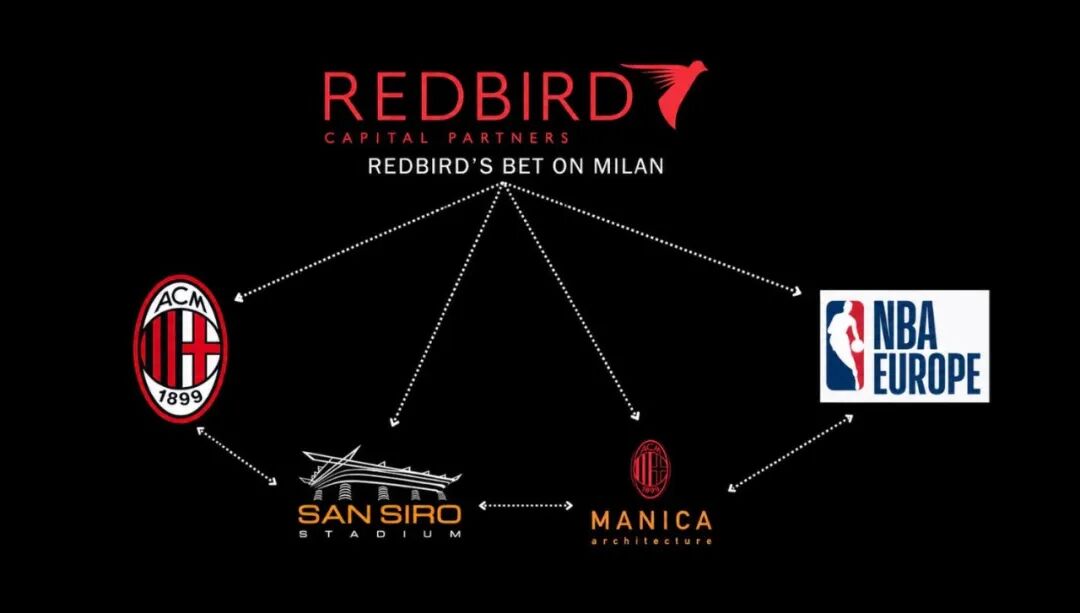
AC Milan "betting" on the sports and entertainment business of Milan city, Source: Internet
From professional sports clubs to event copyrights, from fan consumption to sports media, and then to the film and television entertainment industry, RedBird Capital's investment reach has extended to multiple links in the sports industry chain.
This also means that compared with simply investing in a club and waiting for asset appreciation, RedBird Capital is trying to build a more diversified commercial investment system around sports IP.
American capital is reshaping the commercial logic of European football
Through RedBird Capital's investment landscape, we can also observe a major trend in the global sports industry capital market in the past decade - more and more American capital is turning its attention to the European football market.
According to the "2025 European Football Private Capital Report" released by PitchBook, as of the beginning of the 2025/26 season, 39.6% of the clubs in Europe's top five leagues have American capital shareholding, further up from 34.7% two seasons ago. Among them, 13 of the 20 Premier League clubs involve American investors, and 11 in Serie A.
In addition to AC Milan under RedBird Capital, traditional European giants such as Premier League's Liverpool, Chelsea, Arsenal, Manchester United, as well as Serie A's Inter Milan and AS Roma all have traces of American capital behind them.
In the view of Sports Money, the continuous increase of American capital in the European football market in recent years is not only a recognition of the long-term investment value of top sports assets, but also reflects that European football still has large growth space in terms of commercial development and capital operation.
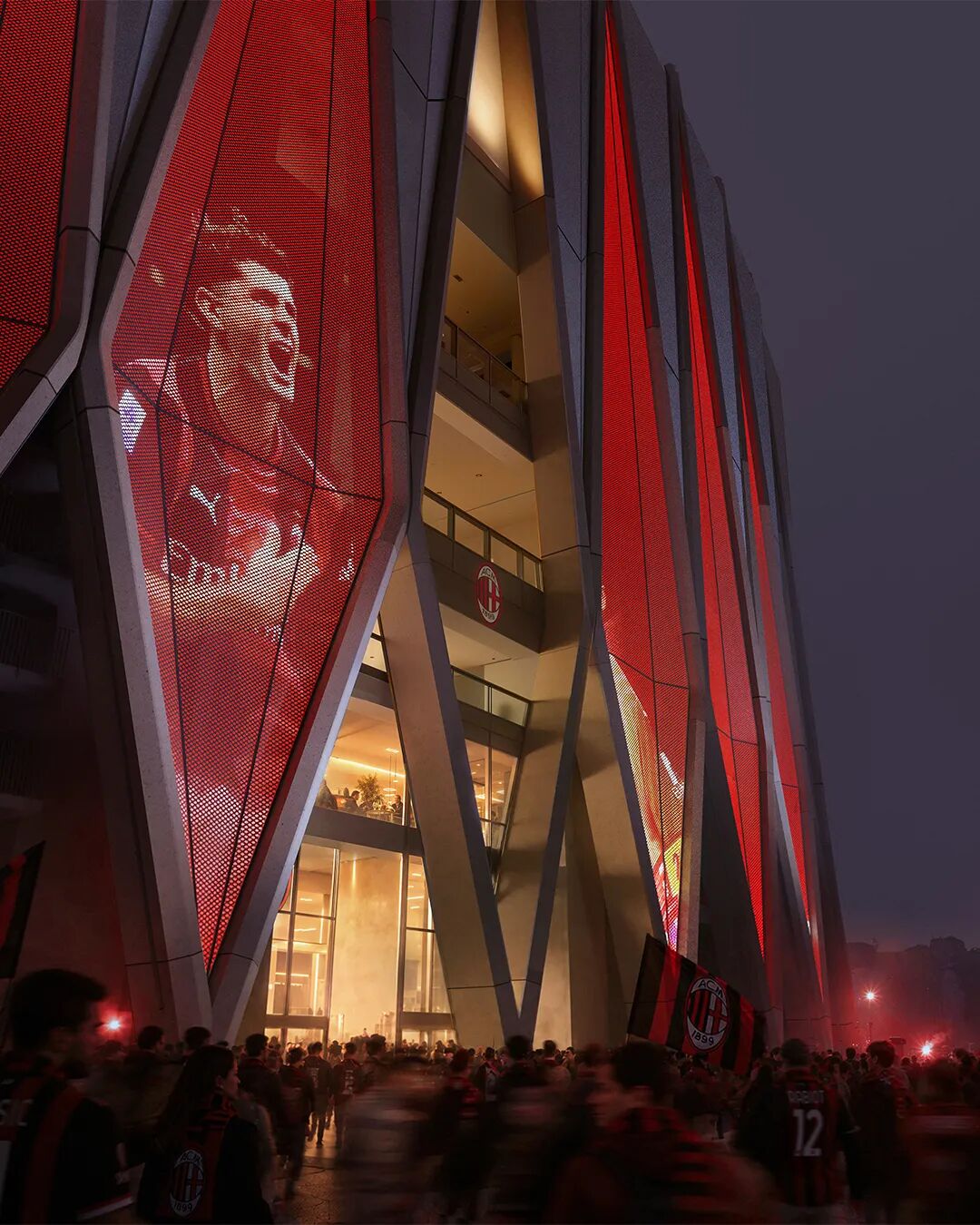
Source: AC Milan social media
On the one hand, it is the investment value of European sports assets relative to North American sports assets. In the United States, professional sports leagues such as the NFL and NBA adopt a relatively closed franchise model with a limited number of teams. In addition, the valuation of professional sports assets has continued to rise in recent years, and the investment threshold has been quite high.
The ongoing NBA expansion plan is a typical case. In March 2026, the NBA Board of Directors officially approved the exploration of the possibility of expansion in Las Vegas and Seattle. According to Reuters, the entry fee for the two potential expansion teams is expected to be as high as 7 billion to 10 billion US dollars respectively. Such a high expected investment threshold has reflected the scarcity of top professional sports assets in North America.
In contrast, European football not only has a huge global fan base, but its professional league system also provides more investment targets. For American capital that wants to enter the sports industry, European football still has commercial value worthy of exploration.
But if we further observe the operation methods of these American investors, we will find that their goal is not just to buy football clubs.
In the past, European football clubs usually operated around competitive performance. American capital, however, attaches greater importance to the commercial development of sports IP, and hopes to expand teams' non-match revenue sources through venues, copyrights, sponsorships, retail and entertainment businesses.
The establishment of MSE by RedBird Capital is the latest manifestation of this idea. By integrating AC Milan with the new stadium and live entertainment projects, RedBird hopes to transform the brand influence of the football club into more diversified commercial revenue.
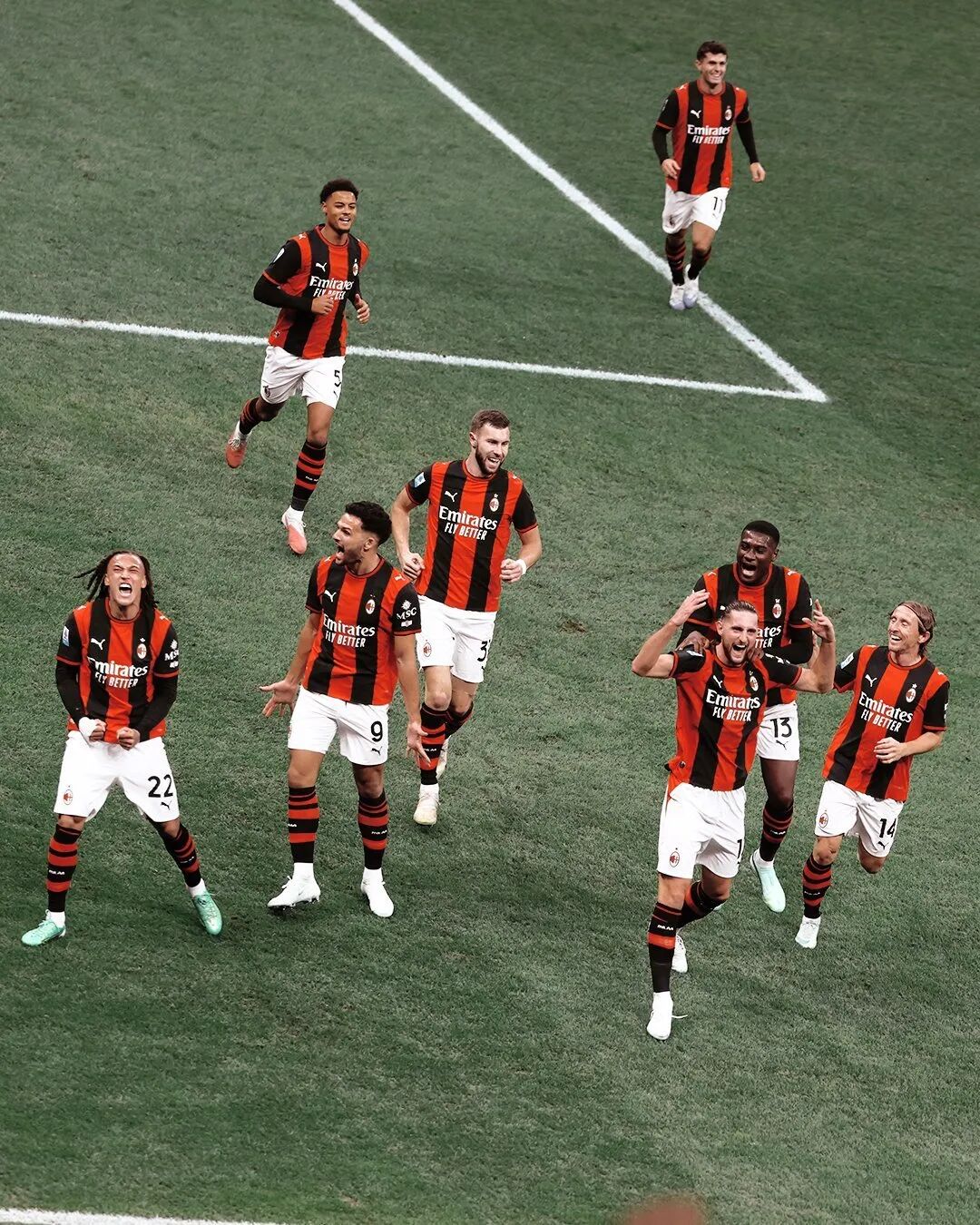
Source: AC Milan social media
At the same time, the multi-club ownership model is also becoming increasingly common. By investing in teams in different countries and different levels of leagues, capital can seek synergies in scouting systems, player training, commercial resources and operation management.
According to PitchBook statistics, at the beginning of the 2025/26 season, 47.9% of the clubs in Europe's top five leagues are in a multi-club ownership system.
However, the influx of American capital does not mean that European football can completely copy the business model of American professional sports.
Different from the relatively closed professional leagues in North America, European football still has operating variables such as promotion and relegation, European competition qualifications and high player expenditures. At the same time, as the carrier of urban culture and fan emotions, clubs are not just an asset on the financial statements.