Nowadays, MicroLED screens for smartwatches are not all about benefits.
If you follow the smartwatch industry regularly, you must be no stranger to the Garmin brand. As a representative brand of "hardcore sports smartwatches" in the industry, Garmin's products, although inferior to Apple and Samsung in chip specifications and computing performance, still occupy a considerable market share by virtue of its long-accumulated sports algorithms and robust weather-resistant design.
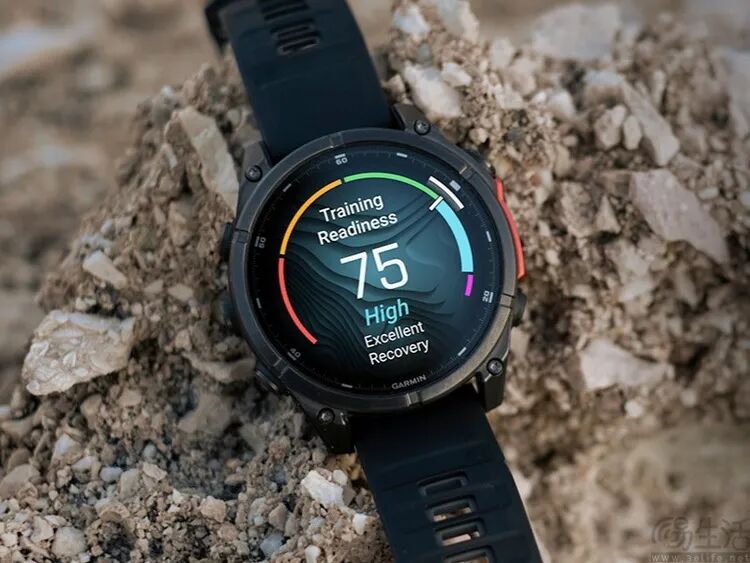
Moreover, even when competing on hardware parameters, Garmin has a fairly prominent advantage over its competitors that take "intelligence" as their selling point. Its Fenix 8 Pro is very likely the only smartwatch with a MicroLED screen available on the market currently.
But recently, Brad Trenkle, Chief Operating Officer of Garmin, revealed in an interview with Forbes that due to insufficient production capacity, they will not be able to continue using MicroLED in this generation of new products.
In other words, the MicroLED applied on smartwatches has just been mass-produced for one generation, and it is about to face "supply interruption".
Why does Garmin want to use MicroLED screens on smartwatches? In their own words, MicroLED can deliver peak brightness far exceeding that of OLED. This is indeed very practical for Garmin watches that focus on professional sports scenarios such as outdoor activities, marathons, and mountain biking.
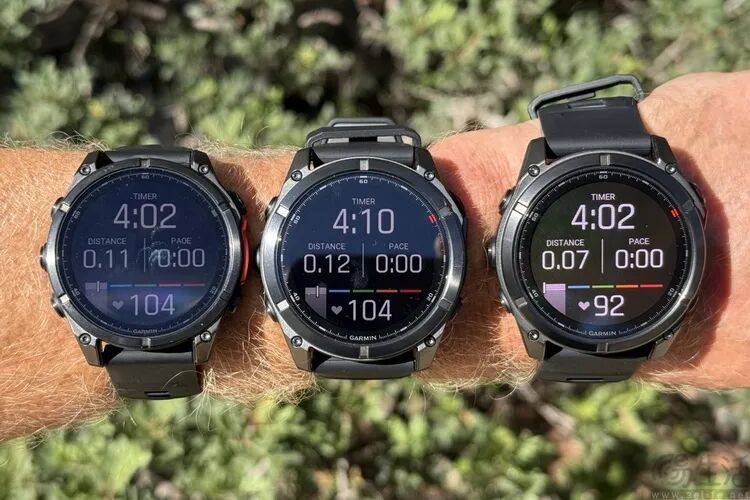
From left to right: transflective LCD, OLED, MicroLED
In addition, from the perspective of product promotion, MicroLED is also regarded by some users as a display technology that is "one generation more advanced than OLED".
Especially after Apple canceled the MicroLED screen project originally planned for the Apple Watch Ultra in 2024, Garmin's move to "seize the opportunity" can obviously bring very direct marketing effects.
So here comes the question: Is MicroLED really more advanced than OLED?
If you follow the TV industry, you may know that there is a well-known "inequality" in the industry.
LCD<MiniLED<OLED<MicroLED
This inequality basically summarizes the positioning hierarchy of display solutions in the current TV industry: the lowest end is ordinary LCD, followed by LCD with array MiniLED backlight, then OLED, and the highest end are those ultra-premium products with giant MicroLED screens.
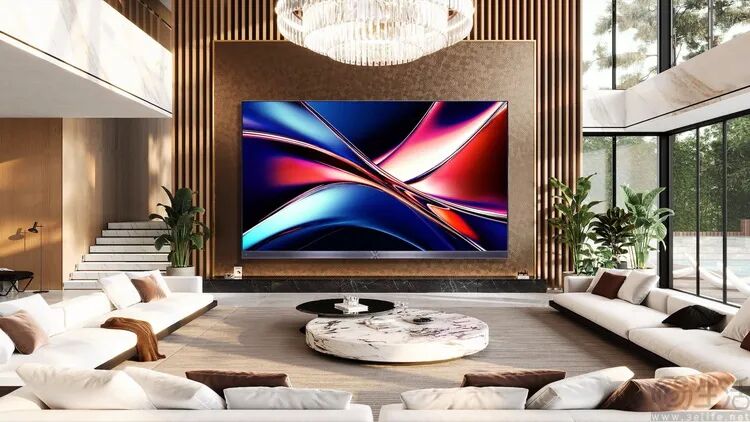
To be fair, although this objectively reflects the price and positioning hierarchy of TV products at different "levels", it is also easy to mislead people into thinking that MicroLED is a superior replacement for OLED, a more advanced next-generation technology.
In fact, according to the theoretical academic definition, MicroLED is indeed more advanced than OLED, but when it comes to actual products, this conclusion is open to question.
Why is MicroLED called "Micro"? This is a big problem
Why do we say that MicroLED at the current stage is not necessarily better than OLED? The problem actually lies in the fact that "the product does not match the description".
What is MicroLED? According to industry standards, an LED chip with a long side length between 100 and 300 microns is called MiniLED. Only when the long side of the LED chip is less than 100 microns, the short side is less than 50 microns, and the substrate is excluded, can it be recognized as MicroLED.
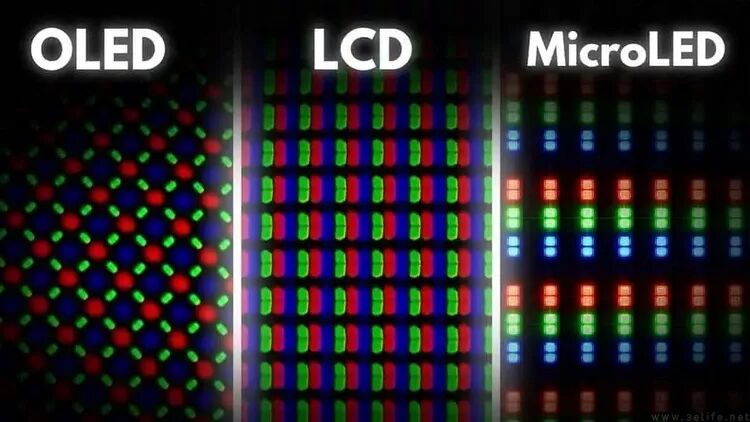
In other words, MiniLED and MicroLED are essentially aliases for two types of LED chips of different sizes. Although there are differences in their production processes to achieve such size differences, the "process difference" is not the main reason for the name distinction. The key factor, in the final analysis, is only the chip size.
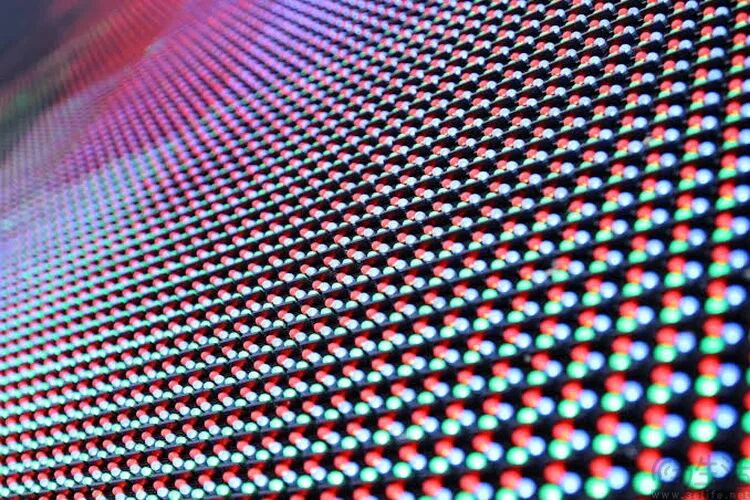
Seeing this, some friends may say that this is not right: the MiniLED we usually see is only used as the backlight of display devices, while all MicroLED screens are self-luminous. How can the difference between the two only be size? The display principles are totally different.
Don't worry, this idea is a typical case of "taking the consequence as the cause". First of all, the reason why MiniLED can only be used as the backlight module of LCD displays in most cases is not that it cannot emit light by itself, but that its chip size is not small enough to directly stack a sufficiently fine pixel layer on small-sized display devices.
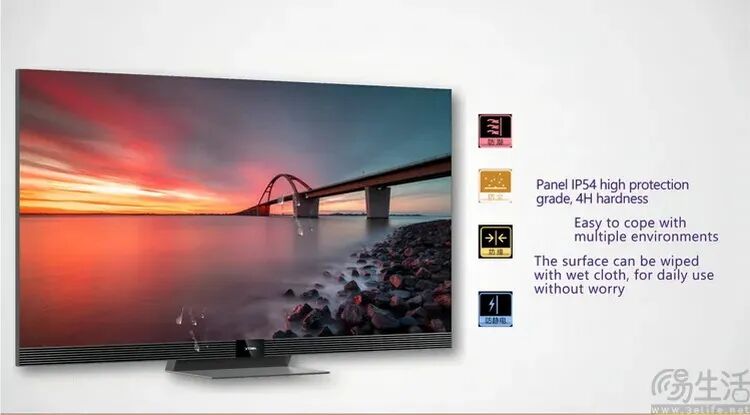
Secondly, some of the so-called "MicroLED displays" that people think of are not actually that "Micro". For example, in some commercial giant screens with COB packaging, they actually use MiniLED chips as direct display units, but take advantage of the cognitive difference that "MiniLED equals backlight" to promote themselves as "MicroLED displays", which is obviously intended to raise the premium.
The challenges of applying MicroLED to smartwatches are already very clear
After clearing up the promotional fog around some "MicroLED giant screens", it is not difficult to understand why MicroLED is difficult to be implemented on small-sized devices.
For devices as small as watches and mobile phones, to pack hundreds of PPI of pixels into an area of one or two inches, the chip has to be as small as a dozen microns or even smaller. The existing MicroLED preparation process is still not mature enough to meet the yield required for mass production, and there are also shortcomings in the display effect.
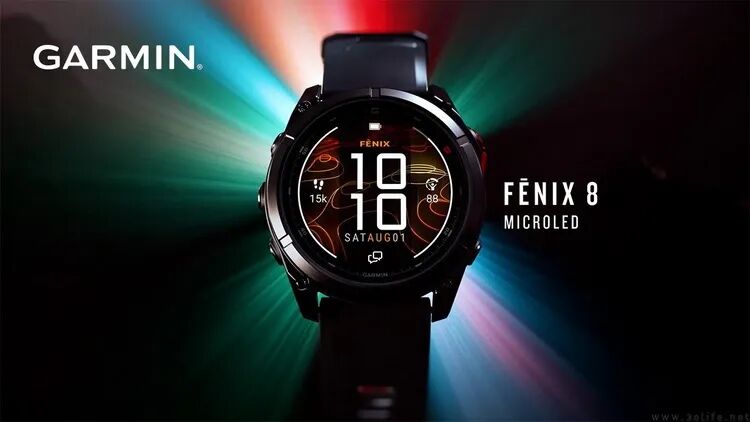
Take the Garmin Fenix 8 Pro MicroLED version mentioned at the beginning of this article as an example, its selling price in the US market is 400 US dollars more expensive than the AMOLED version of the same specification, but because the MicroLED pixels are "not small enough", the actual display clarity is even inferior to the OLED screen with the standard RGB scheme.
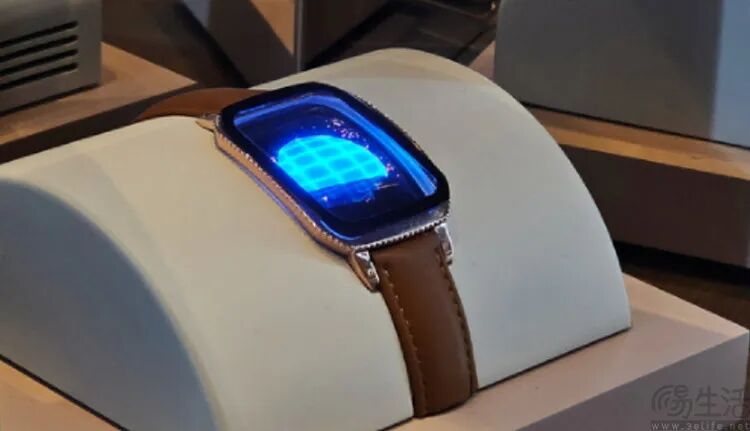
The MicroLED smartwatch prototype previously exhibited by Samsung Display at CES
In addition, the luminous efficiency of small-sized chips will decrease due to sidewall damage, so the battery life of the MicroLED version is significantly shorter. It only has a battery life of about 10 days in "smart mode", while the AMOLED version with the same chip can reach 27 days. The energy efficiency disadvantage of MicroLED on small sizes is obviously very prominent.
In contrast, current OLED panels can more easily achieve higher standards in terms of cost control, display precision, color performance and viewing angle.
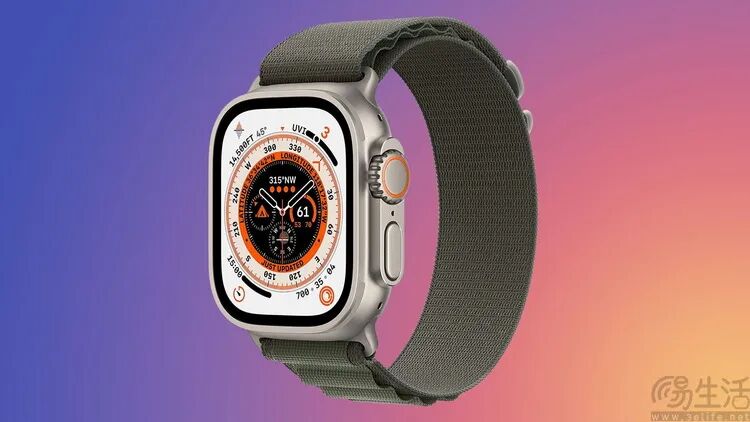
Some friends may say that MicroLED is still the future direction of the industry, which is true. But when an immature "future technology" cannot bring a better user experience at the current stage, neither upstream manufacturers nor consumers are likely to be easily fooled.
This article is from the WeChat Official Account "3eLife" (ID: IT-3eLife), written by San Yijun, and released with authorization from 36Kr.