Luckin Coffee, Starbucks and Mixue are all stepping up their bets, and the entire beverage industry has begun to compete around the "high protein" trend!
High-protein drinks are gaining increasing popularity.
Starbucks, Luckin Coffee, Nayuki, and Peet's Coffee keep rolling out new products, while Mixue Bingcheng has partnered with Yuexianhuo to develop joint offerings.
From the brand side to the supply chain side, the entire industry is betting on this track. Many R&D judgments point out that high-protein is the definite track in the next stage.
Beneath the boom, what new opportunities are hidden?
Starbucks and Luckin Coffee Keep Increasing Investment
High-protein Drinks Usher in Explosive Growth
In April this year, Starbucks launched the "High-Protein Latte PRO" series, which quickly became a hit with the selling points of "6.0 high-protein 0-lactose milk" and "about 20g native milk protein per cup". Later, it successively launched High-Protein Flat White PRO and Toffee Hazelnut High-Protein Latte, continuously expanding its high-protein product matrix.
At the end of September, Luckin Coffee launched high-protein berry yogurt drink and high-protein coconut blue yogurt drink, highlighting that "the protein content of each cup is equivalent to that of 3 eggs". It is rumored that it will soon launch new high-protein yogurt drinks to continue expanding this track.
Peet's Coffee has directly set up a "Peet's High-Protein" section in its ordering mini-program, using 6.0 high-protein milk for all products including lattes, Uji matcha lattes, and dirty coffee. COSTA has also launched the 7.0Pro high-protein series.
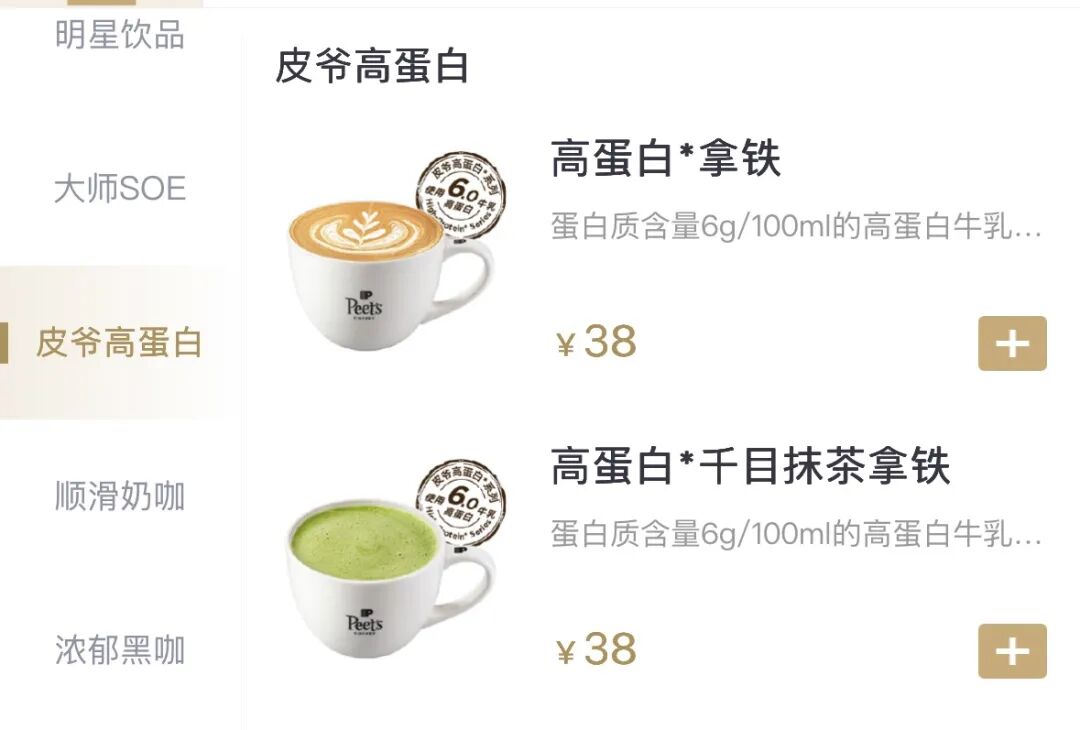
Not long ago, at the Shanghai Lujiazui International Coffee Culture Festival, many booths highlighted the "high-protein" selling point.
Tea drink brands are also following up. In October, Nayuki launched three new Pro+ plant protein milkshakes at its new store in New York's Times Square, with 20g of protein and tens of billions of probiotics in one cup, which many consumers take as meal replacements.
On October 27, Mixue Bingcheng announced a strategic cooperation with Yuexianhuo, and the two sides will carry out joint R&D focusing on high-protein products and other directions.
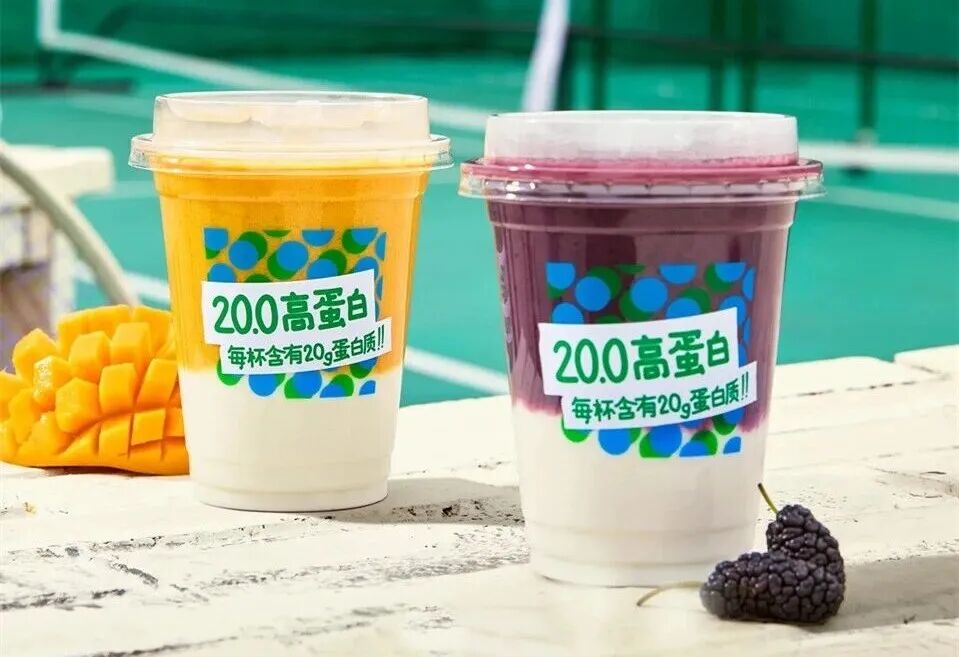
Retail and catering sectors are also entering the market simultaneously. KPRO has launched 20.0 high-protein yogurt shakes with golden mango and anthocyanin berry flavors.
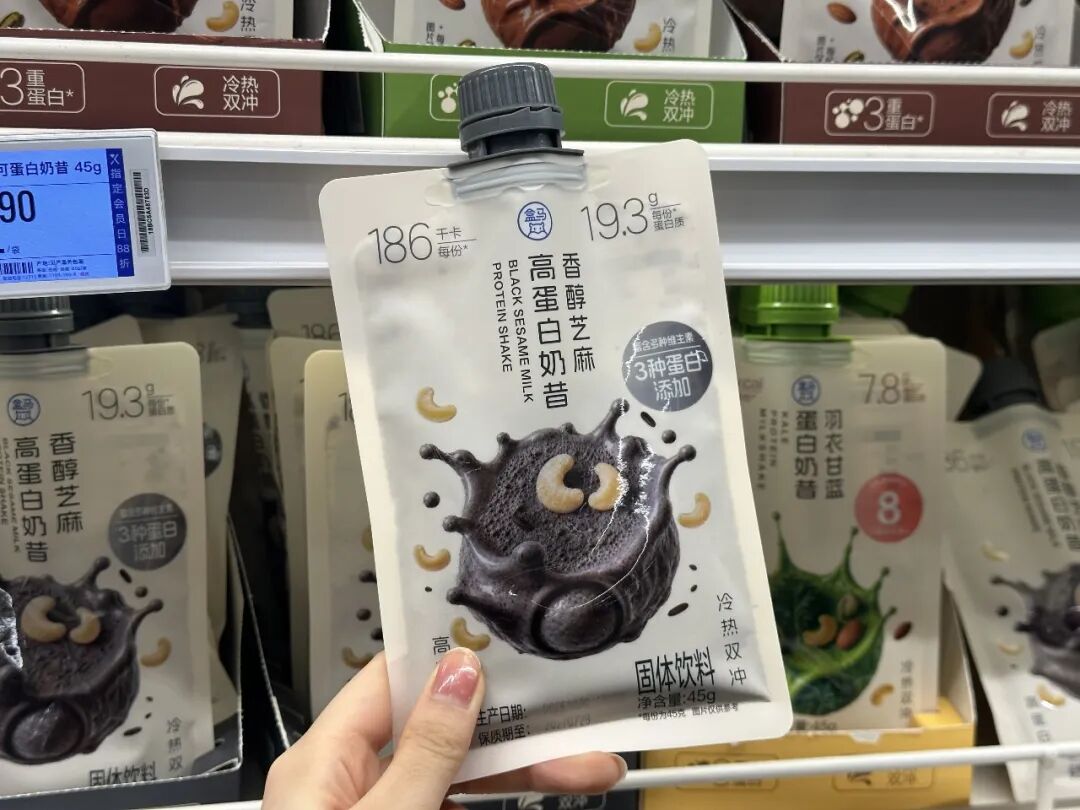
Hema and Sam's Club have successively put protein water, protein milk and protein cakes on shelves; brands including Subway, Shake Shack, and Papa John's have also added protein-related items to their menus.
The whole industry is collectively betting on high-protein not just following the trend, but for new opportunities bred by multiple factors.
On the one hand, the public's growing demand for protein is increasingly being noticed. The Chinese Nutrition Society recommends adults to take 55 to 65 grams of protein per day, but under the fast-paced lifestyle, many people do not get enough protein, so supplementing protein from daily coffee and milk tea has become a new choice.
On the other hand, amid fierce industry competition, brands need new value anchors. In previous years, the health trend focused on subtraction: 0 sugar, 0 fat, 0 calorie. By now, consumers are somewhat desensitized to these concepts. At this time, "high-protein" just provides a new value point for drinks, making it easier to resonate with consumers.
Moreover, the upstream supply chain also provides support. Anchor Milk, Mengniu, Yili and other enterprises have successively launched products such as high-protein milk and isolated whey protein water.
After dairy enterprises have worked out the technical routes and cost structures, brands have the confidence to make high-protein products a regular part of the menu, rather than a limited-time gimmick.
Many R&D personnel believe that almost all milk-containing categories have the opportunity to be remade with high-protein raw materials, and "high-protein" is expected to become a new breakthrough point for the industry.
To Create Hit High-protein Drinks
Three Directions Are Worth Noticing
1. Milk coffee is the natural entry point, and bean matching requires careful consideration
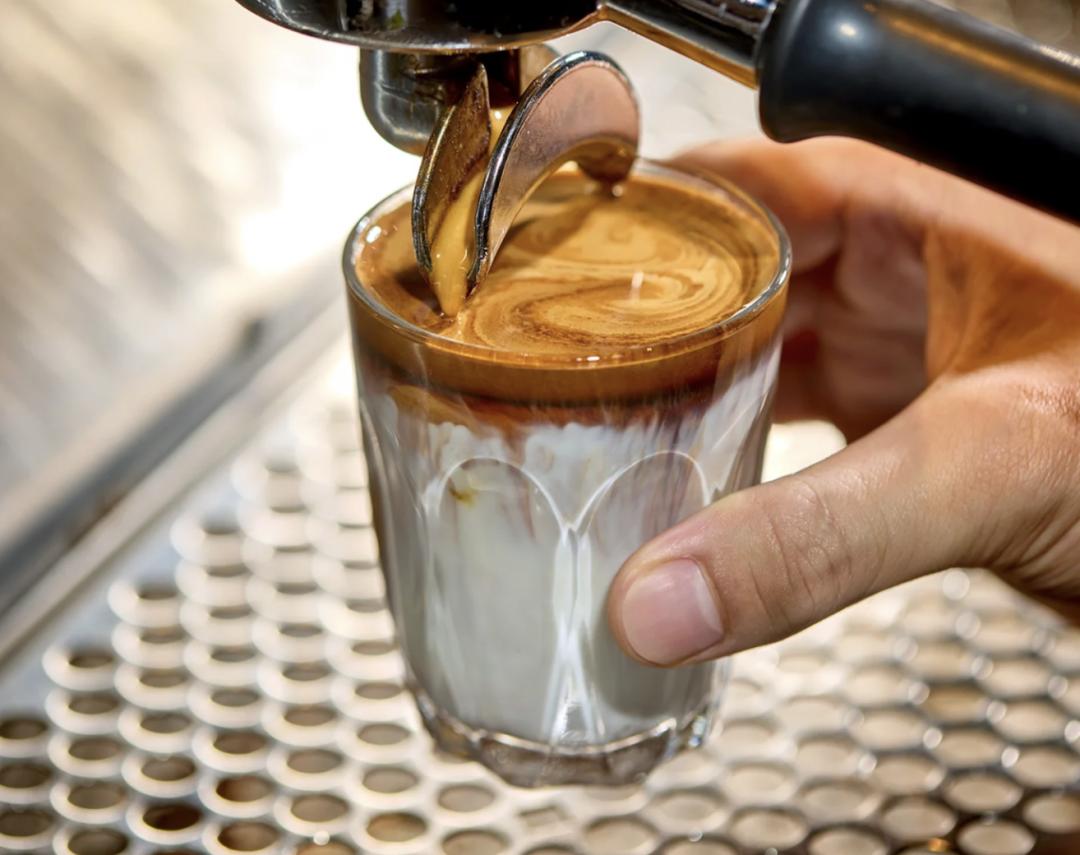
At present, high-protein drinks mostly appear in the coffee track, mainly in latte categories.
This is reasonable — latte itself is based on milk, and consumers naturally expect rich milk flavor. The full, dense and smooth taste brought by high-protein milk is an experience upgrade for customers, rather than a forced transformation of existing products.
Starbucks' High-Protein Latte PRO, Peet's Coffee using 6.0 high-protein milk for all products, and COSTA's 7.0Pro series all follow this logic.
Combining protein with coffee is equivalent to adding a value buff to the product, which intuitively forms differentiation and makes it easier for the product to be both healthy and tasty.
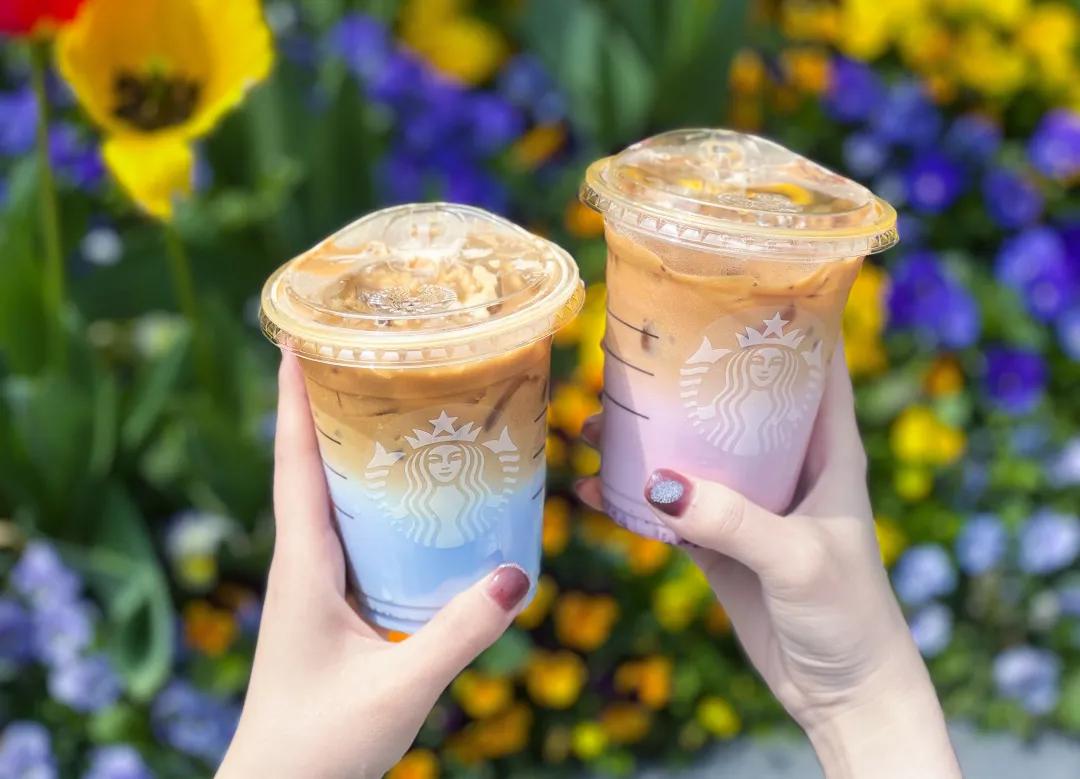
Regarding the selection of coffee beans, senior barista Liu Yang introduced that high-protein milk can be used for all espresso-based drinks, but it is recommended to pair with medium-roasted beans with nut or cocoa flavors.
"High-protein milk itself has a strong sweet taste, and pairing it with this kind of coffee beans can achieve complementary effects. The overall flavor will present the notes of caramel, cocoa, dark chocolate and roasted grains. If you use light-roasted beans with floral and fruity notes, the effect will not be ideal."
2. Yogurt, ice cream and milk tea are all worth remaking with high-protein raw materials
The opportunities for high-protein are not limited to coffee. Yang Shizhong, head of the product R&D center of Baifen Tea, said that from the brand perspective, high-protein itself is a very good selling point.
Brands can increase the protein content of a cup of drink by increasing the addition amount of dairy products, or directly using high-protein milk as the base, and then adding raw materials such as Greek yogurt and whey protein.
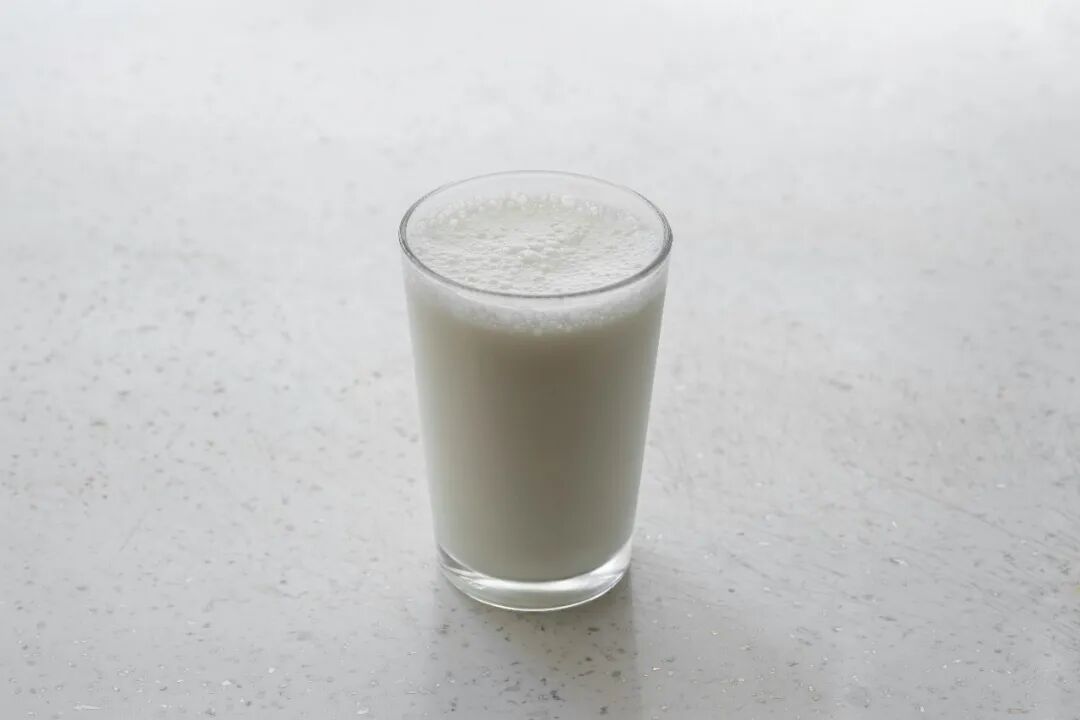
This also means that most milk-containing categories on the menu have the opportunity to be remade with high-protein raw materials, and yogurt, milk tea, light milk tea and even ice cream all have development potential.
The R&D team of Kamen added that high-protein milk has a higher concentration and thicker texture, which is very suitable for making milkshakes and smoothies. It will not taste bland like ordinary fresh milk, eliminating the extra step of compounding base materials to thicken the product.
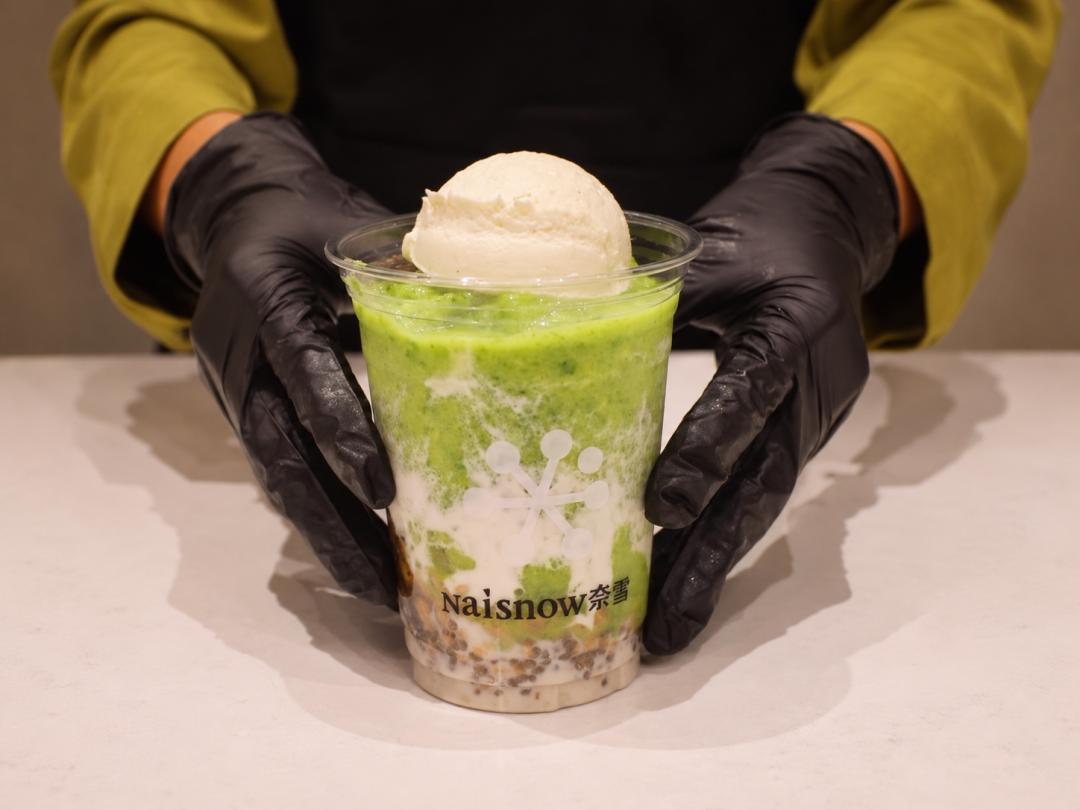
Luckin Coffee, Nayuki, and KPRO have already launched relevant high-protein yogurt shake products.
3. Adaptation for autumn and winter requires careful consideration: avoid high acidity, control sweetness, and select the right tea base
High-protein drinks have natural advantages in autumn and winter — they are mellow, filling, and give a strong warm feeling, but there are also some points to note in the matching process.
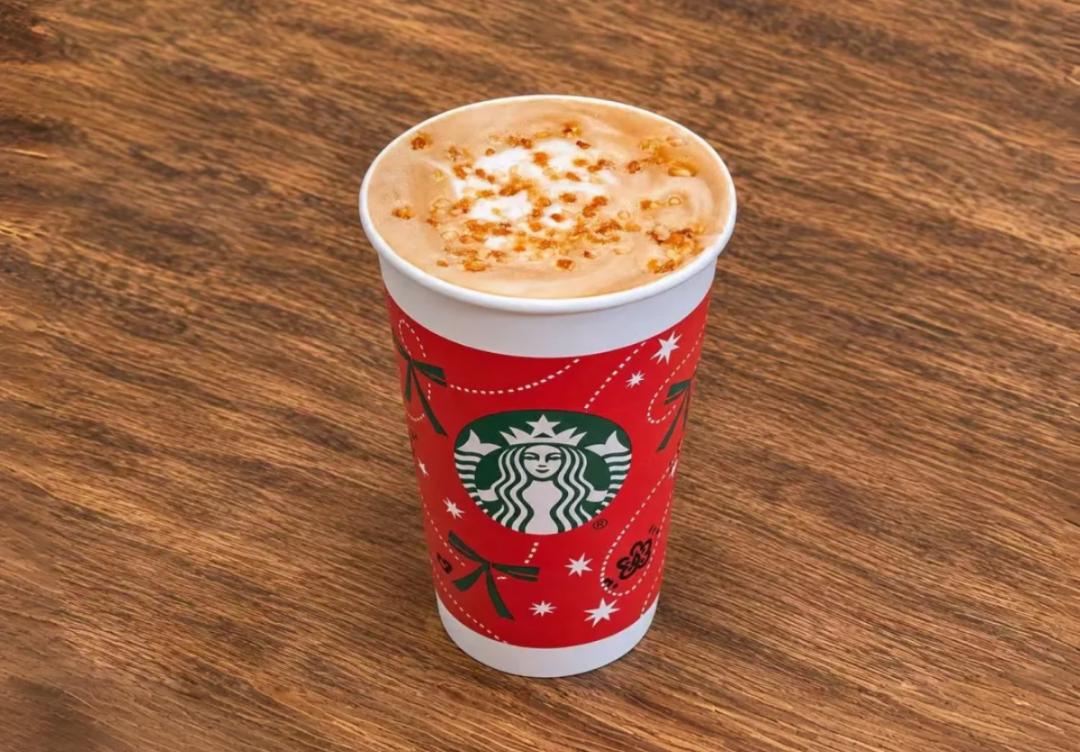
First of all, avoid high-acid raw materials. Lemon, passion fruit, hawthorn, pineapple, green plum, and citrus fruits are highly acidic, which can easily lead to protein flocculation and precipitation, destroying the stability and taste of the whole cup.
Clear tea bases are also not very suitable. Green tea and jasmine tea have a light taste that cannot balance the thickness of protein, so the overall flavor is prone to imbalance.
Sweetness also needs to be controlled. High-protein milk itself is relatively mellow. Appropriately reducing the sweetness to fully release the natural sweetness of milk flavor will make the taste cleaner.
In the final analysis, "high-protein" is indeed an easy-to-understand value point that consumers can grasp at a glance. But after all, it is still a drink, what is left after drinking should be a pleasant experience, not blindly stacking ingredients just for the sake of upgrading.
The Imagination Space of High-protein
More Than Just a Cup of Drink
According to the data from Innova's "Top 10 Trends in China's Food and Beverage Industry 2026", 56% of Chinese consumers are actively increasing their protein intake, and the growth rate of new products with protein-related health claims has reached 134%.
High-protein is no longer an exclusive demand for fitness enthusiasts, and is gradually entering the daily life of ordinary consumers.
Consumers are always willing to pay for a "more valuable" drink, and high-protein just opens a new window for value upgrading for the industry.

This year, more and more drink stores are expanding their bakery and snack product lines. High-protein can completely break out of the single cup of drink, extend to these light food products, and create a combined form of "drink + snack".
When high-protein can extend from drinks to food, it is no longer just a selling point of a single product, but a set of reusable nutrition concepts.
For chain brands, building a "drink + food" combination around high-protein can smoothly enter daily scenarios such as breakfast, commuting, and office, making high-protein a long-term option on the menu.
Around protein, there is still huge room for reshaping in the beverage industry, which is worthy of continuous attention.
This article is from the WeChat official account "Kamen" (ID: KamenClub), written by Wu Yue, and published with authorization from 36Kr.