In the first year of AI Agent, Apple is the last tech giant to enter the market.
Siri may finally evolve from "giving verbal commands" to "taking actual actions on its own".
Asking Siri to check the weather, set alarms, or open apps is nothing new. But if you ask it to arrange a business trip, book flights and hotels, and sort out the itinerary based on your calendar, you still have to handle most of the work manually right now.
A series of recent moves from Apple have revealed its ambition to change this situation.
In mid-November, two job postings related to autonomous AI Agents appeared on Apple's official website.
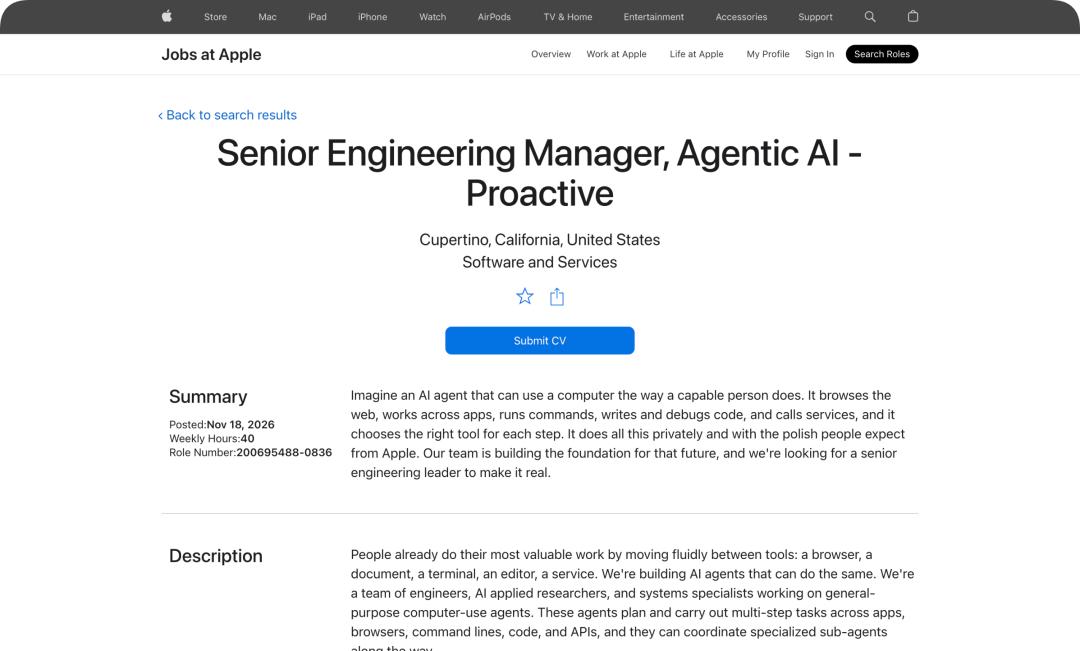
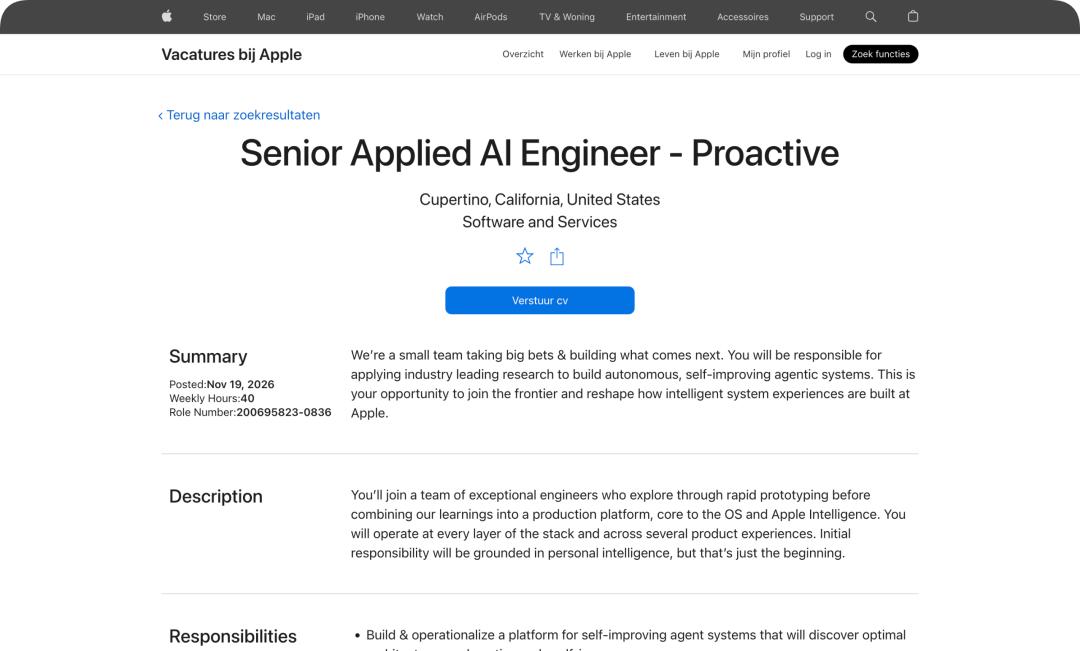
One of the postings describes an agent that can operate a computer like a human, while the other explicitly names Claude Code and Codex, requiring candidates to use these tools in their daily work.
According to Bloomberg, Apple is developing its own autonomous AI Agent, hoping to enable artificial intelligence to perform tasks across apps and even plan workflows independently.

Figure | Meta Muse
But across the entire industry, the capabilities Apple describes are far from novel.
Meta, OpenAI, Anthropic, as well as Tencent and ByteDance, are all pushing AI Agents into real work and life scenarios. Some products have already accumulated tens of millions of users and started generating actual revenue.
For Apple, which has built a huge ecosystem relying on iPhone, Mac and App Store, it is difficult for it to take its time in this competition.
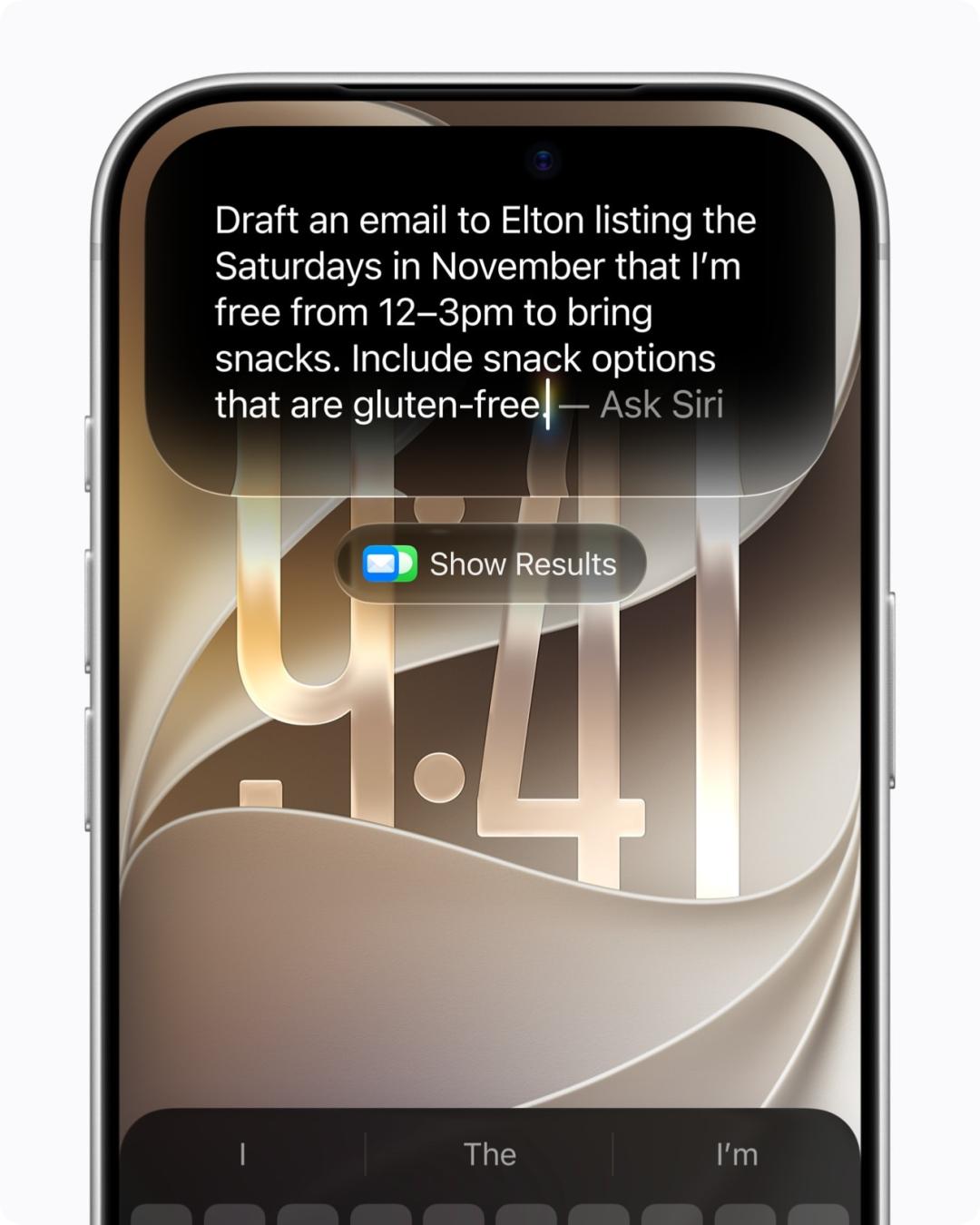
Figure | Apple
Apple is finally letting AI do the work on its own
To what extent does Apple want AI to achieve? There is a description in the job posting that can almost be directly used as a product introduction.
Apple is looking for a senior engineering manager to develop AI assistants with proactive service capabilities. In the job description, Apple depicts a vision where AI can operate a computer like a human:
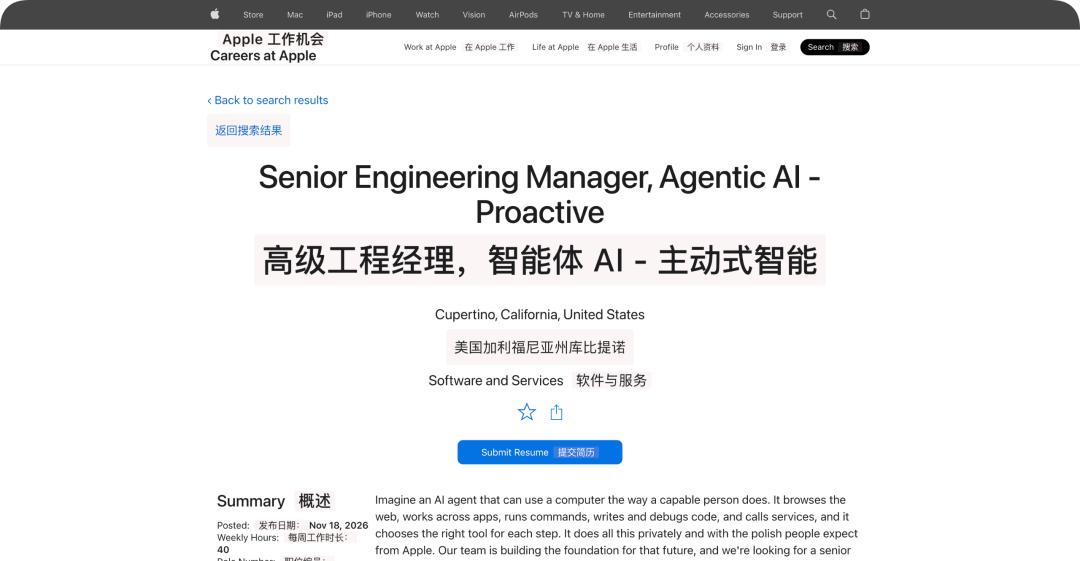
Imagine an AI Agent that can use a computer as skillfully as a proficient human. It can browse the web, work across apps, run commands, write and debug code, call services, and select the appropriate tool for each step.
The job posting shows that Apple is developing a general-purpose computer operation agent system. It can switch between apps, browsers, command lines, code environments and APIs, independently plan and execute multi-step tasks, and coordinate multiple specialized sub-agents to work together.
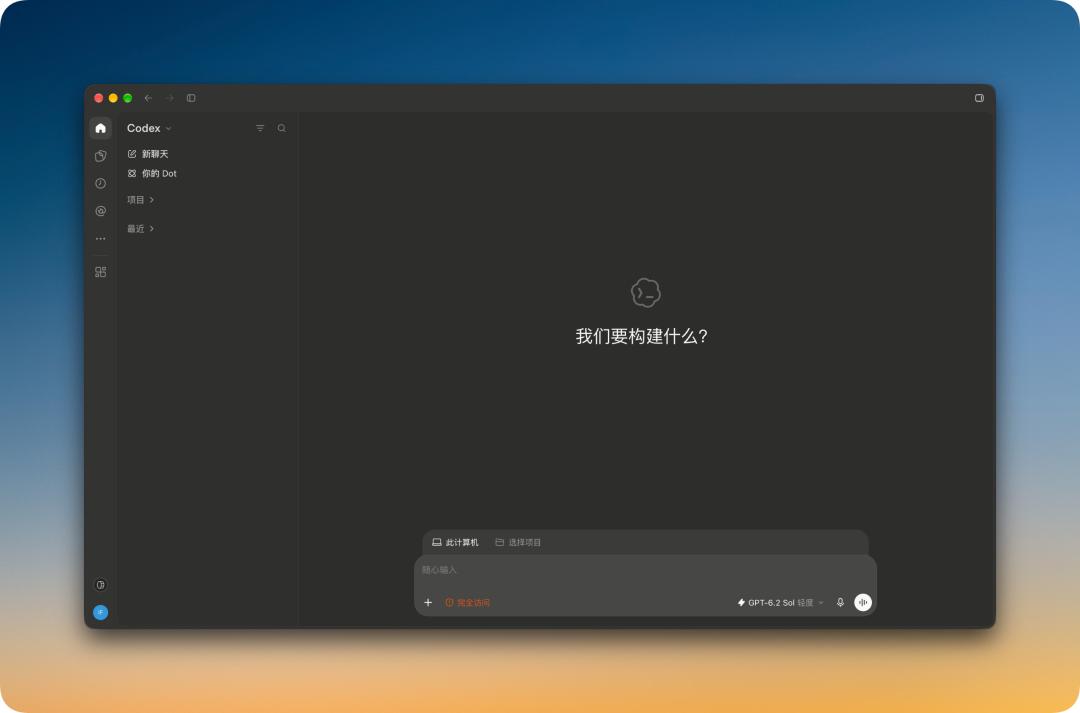
Figure | Codex
Take business trips as an example. Users only need to instruct "Help me arrange a business trip to Tokyo next week", and AI can check flights, filter hotels, view calendars, sort out meeting arrangements, and finally give an itinerary plan. As for whether to check flights first or view the calendar first, and which tools to call, all judgments are left to the AI itself.
The other job posting focuses on the continuous improvement of the agent.
Apple is looking for a senior applied AI engineer to establish personal intelligent evaluation benchmarks, improve evaluation infrastructure, and use feedback mechanisms to continuously optimize the performance of the Agent.
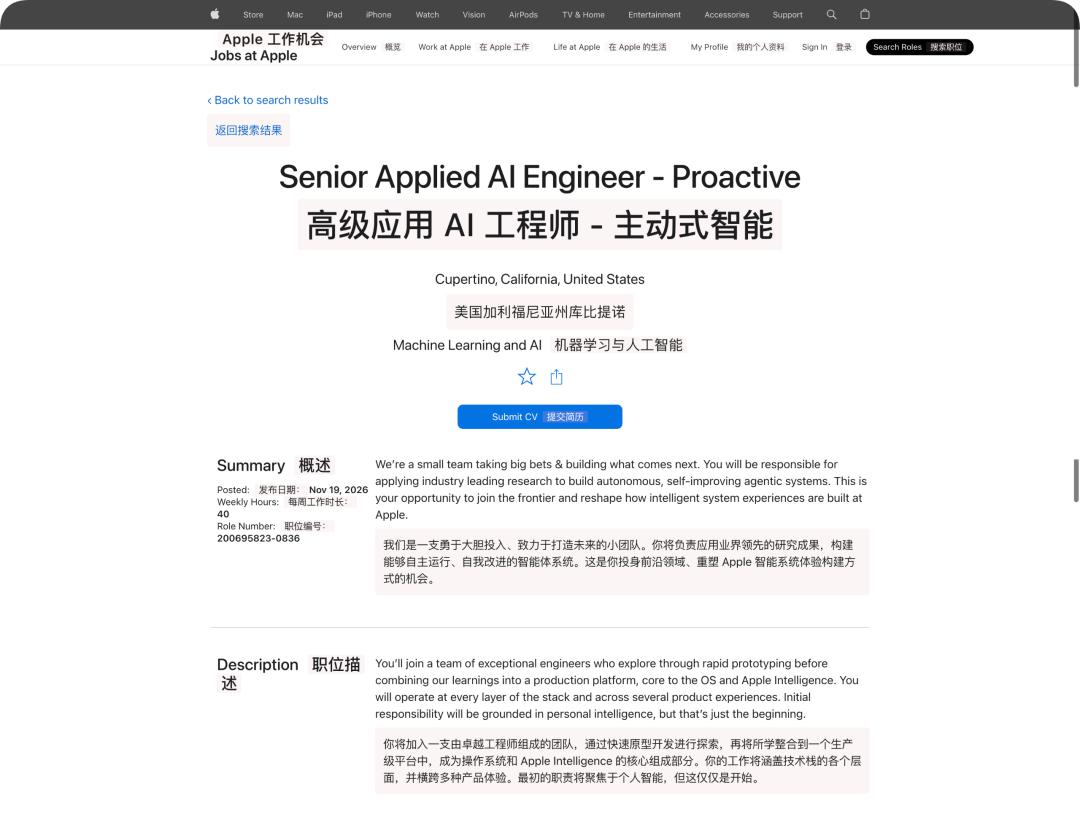
What's more interesting is that Apple explicitly mentions Claude Code and Codex in the job requirements, and even requires candidates to use such intelligent programming tools in their daily work.
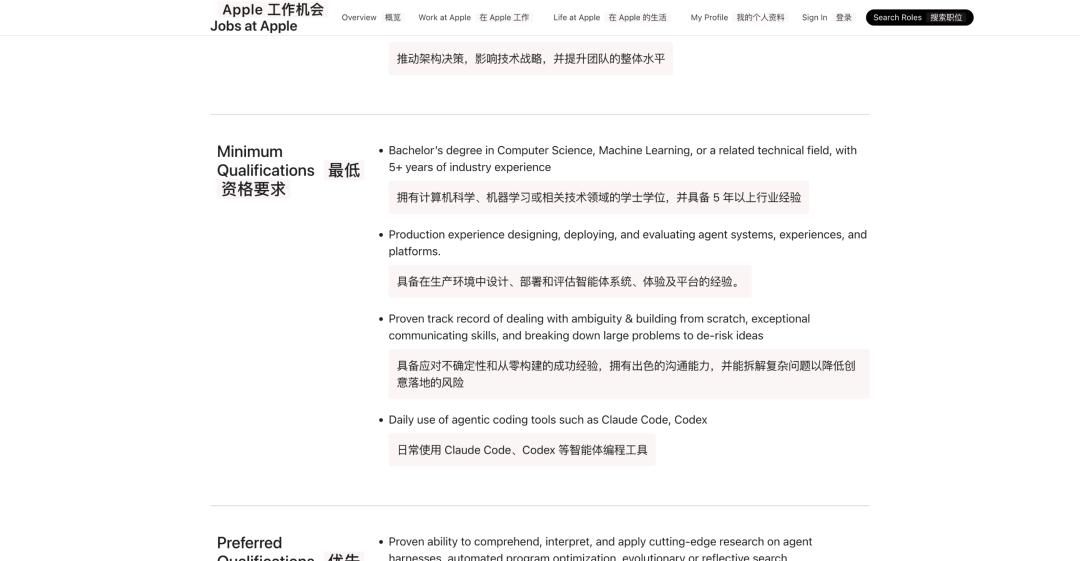
Judging from these requirements, Apple is no longer satisfied with letting AI answer questions and execute simple instructions. It hopes that the agent can find the way to complete tasks on its own and become more reliable with continuous use.
However, once files, accounts and applications on the computer are handed over to AI for operation, troubles may follow.
If the user asks the Agent to sort out old files on the computer, it may accidentally delete important data; if it can read emails and run code, how should the scope of permissions be restricted? This is also the reason why Apple repeatedly emphasizes privacy, security, sandbox isolation and permission management in its job postings.

The recent macOS update just involves adjustments in this area.


In macOS 27.3 Beta 2, Apple adjusted the authorization mechanism for device control and full disk access permissions, split different types of system permissions for management, and allowed users to authorize specific apps and folders. The system will also provide obvious status prompts when an AI app controls other apps.
🔗 Related Reading: Mac Tightens Permissions, Apple Starts Guarding Against AI
Users can more clearly know what permissions AI has obtained and what it is operating, and the way third-party Agents run on Mac will also be affected.

Figure | The menu bar of macOS 27.3 shows tools that are controlling other apps / 9to5Mac
While adjusting the permission rules for third-party Agents and recruiting people to develop its own agents, Apple is obviously preparing for the deep involvement of AI in the operating system.
It is necessary to ensure that the agent has sufficient capabilities to complete tasks, while preventing it from accessing users' data and devices at will, and these two things must be solved together.
As for when it will be available, we may have to wait a little longer.
According to Bloomberg, Apple considered launching related products as early as the end of 2027, and the development is still in the early stage.
In 2026, AI Agent truly enters the mass market
In 2023, ChatGPT allowed ordinary users to access generative AI on a large scale for the first time. Three years later, the capabilities of AI are no longer limited to the chat window.
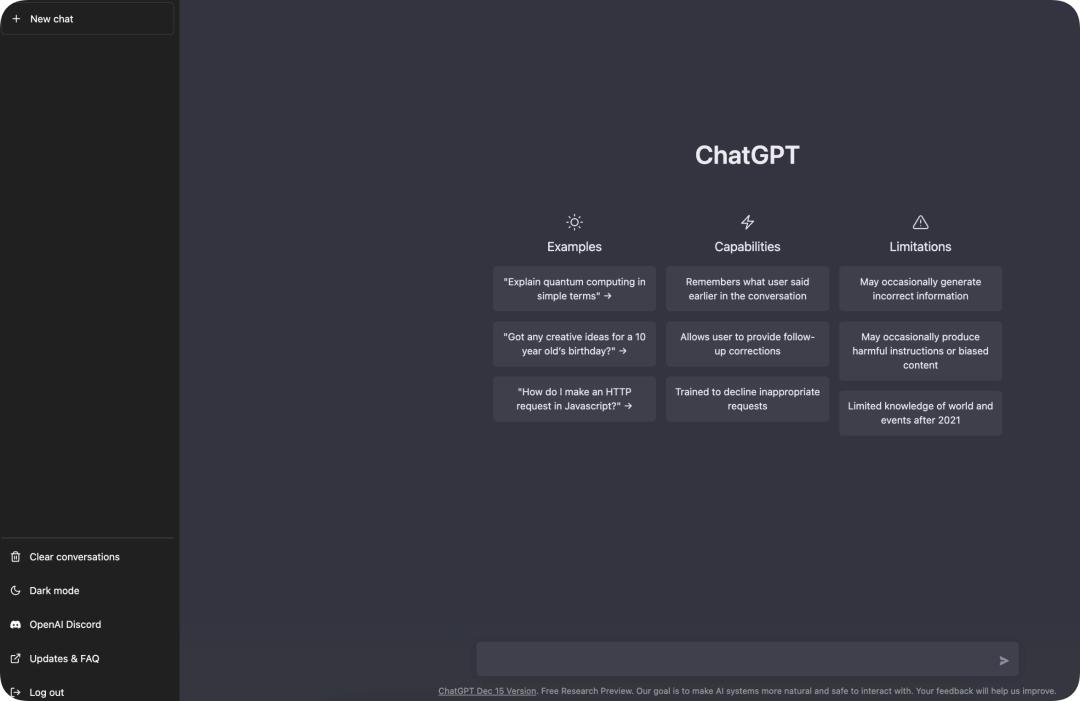
Figure | The early ChatGPT interface
Asking the model to write a piece of code or analyze a document is no longer a rare thing. What attracts more attention is whether it can then run the code, modify it according to error reports, or open related apps to continue the work assigned by the user.
Meta's Muse is one of the most talked-about products in the consumer market this year. It can connect users' digital accounts and devices to complete tasks such as travel planning, restaurant reservations, and document sorting.
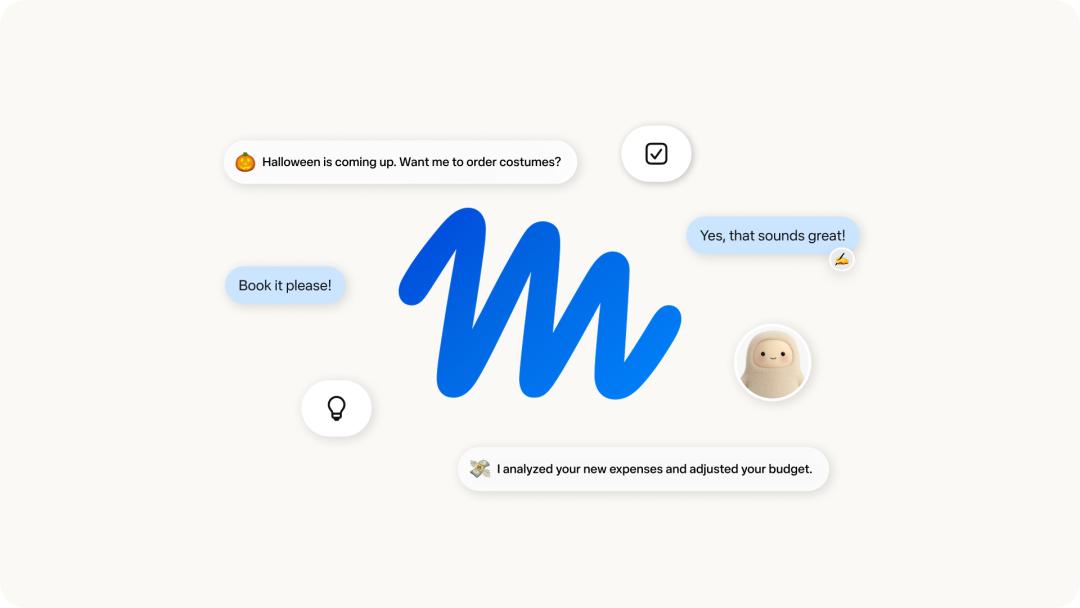
Figure | Muse launch promotional image / Meta Newsroom
According to The Information citing Meta internal data at the end of September, several weeks after Muse went online, more than 3 million users actively sent tasks to it every week, and more than 1 million users actively sent instructions every day.
Meta later disclosed on its third-quarter earnings call that Muse already has more than 10 million setup users in the US and Canada, and about 25% of them use Muse every day.
At that time, Muse had not yet been launched globally, and it had already accumulated such a large group of users, which is enough to make other technology companies pay attention.

Figure | Promotional image used by Meta to announce the launch of Muse in Australia / Meta Newsroom
At the end of September, OpenAI launched Dots. This is a personal AI Agent that can work continuously. Each Dot has its own cloud computer, can connect to more than 4000 apps, and follow up on the goals assigned by users for a long time.
Users can ask it to research a project, sort out materials, make documents, and even continuously promote a software development work. Even if the user leaves temporarily, it can continue to perform tasks in the background.
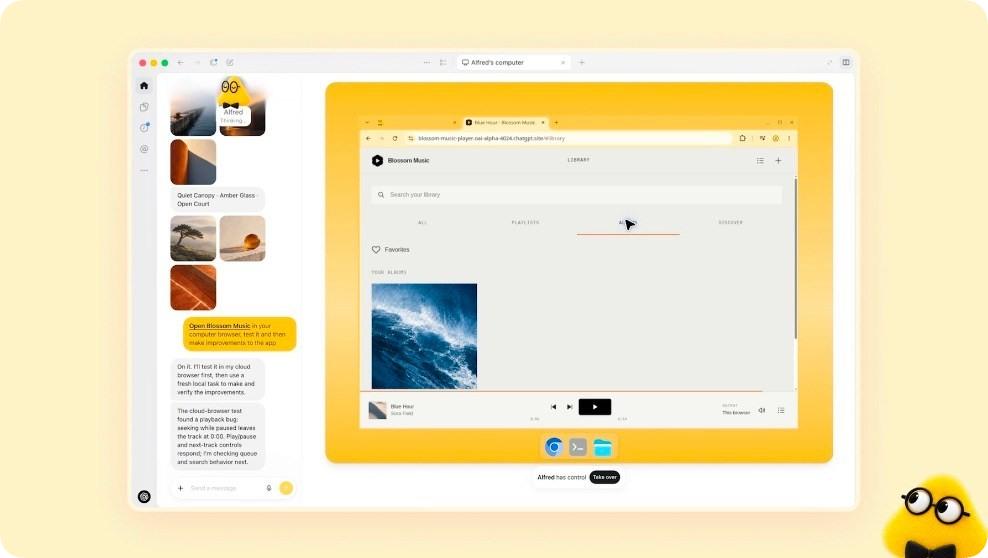
Figure | Dots usage interface demonstrated by OpenAI at DevDay / OpenAI
Anthropic entered the software development and general agent markets through Claude Code and Claude Duet respectively.
Among them, Claude Duet can actively sort out information that users need to pay attention to, read authorized accounts, draft emails, arrange meetings, and continue to process tasks after users leave. It is currently open for research preview.
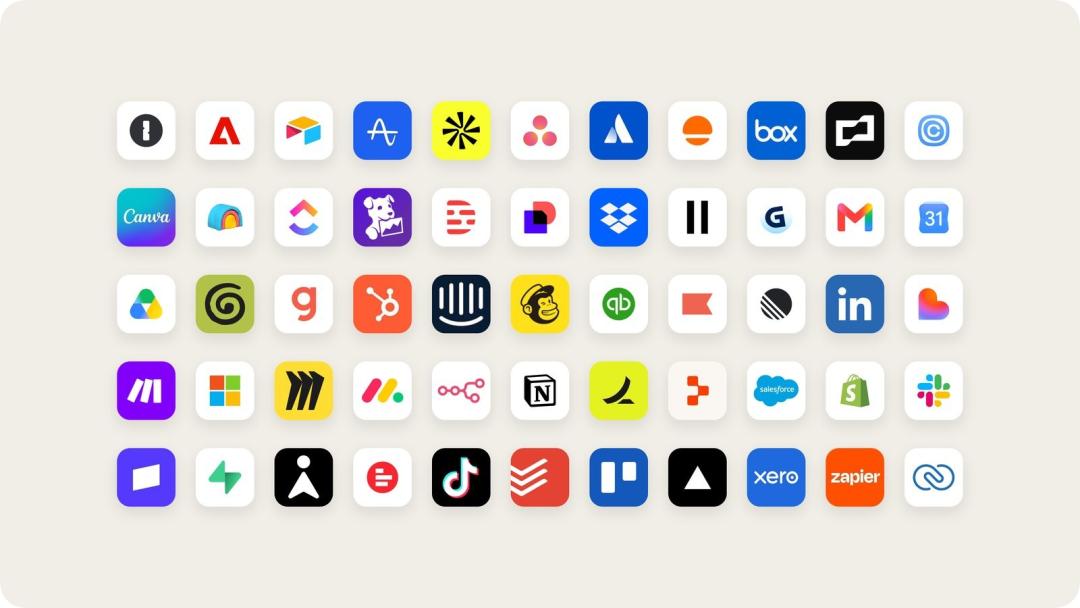
Figure | Some apps and services that Claude Duet can connect to / Anthropic
Muse, Dots and Claude Duet have different approaches, but they have one thing in common: they begin to have their own working environment, can connect to external services, and can continue to process tasks after users leave.