Amid the wave of top leadership reshuffles, Beijing municipal state-owned real estate developers are seeking new ways out.
On November 17, Beijing Construction Engineering Group announced that Zhang Yundong has been appointed as the company's Chief Accountant, concurrently serving as the person in charge of financial affairs and the person in charge of information disclosure affairs of the company. Just last month, the group completed the personnel adjustment of the general manager, with Hu Juan taking over the post of general manager.
In fact, since the second half of the year, many municipal state-owned real estate enterprises under Beijing's municipal governance have successively seen the transition of their management teams from the older generation to the new.
At the beginning of July, Wang Shizhong officially took office as the General Manager of Shoukai Group, and was elected as the Chairman of Shoukai Co., Ltd. in August; in August, Beijing Housing Construction Group completed its leadership reshuffle, with Chang Jiang taking over as Chairman and Xue Wei being recommended as the candidate for General Manager.
After October, many real estate enterprises ushered in management adjustments again: Financial Street Holdings, Yang Yang was re-elected as Chairman, Jiang Xin was promoted to General Manager, and Chen Quan was promoted to Deputy General Manager; Capital Group, Mi Yong, the former General Manager, was promoted to Chairman. At the beginning of November, Li Hongquan, who once served as the Deputy Director of Beijing Municipal State-owned Assets Supervision and Administration Commission, took over the post of General Manager. Within one month, the adjustment of the two core principals of Capital Group was fully completed.
01
Behind this series of personnel adjustments is the realistic choice of municipal state-owned real estate enterprises to pursue survival and development in the current period.
During the past upward period of the industry, a large number of real estate enterprises including Shoukai and Capital became the main force in Beijing's property market. For example, Shoukai, known as "the top player in Beijing's real estate sector", once ranked first in Beijing's real estate enterprise sales for four consecutive years, with its annual sales revenue once exceeding 100 billion yuan.
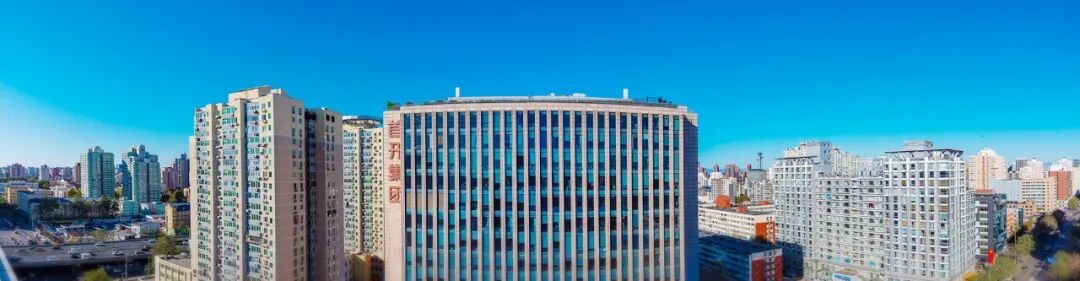
Source: Official website of Shoukai
Real estate enterprises including Capital, Beijing Urban Construction, Jingtou Development, and Financial Street, though smaller in scale than Shoukai, also occupied a place in Beijing's property market in those years. In addition to representative residential projects such as Tiantanfu, Park Yuefu, and Xirui Villa, they also created well-known works in the fields of commercial real estate and cultural tourism, such as Capital Outlets, Tangu, and Financial Street Shopping Center.
However, when the industry entered a downward adjustment period, most of these real estate enterprises entered a pressure-bearing stage: the pace of expansion and development slowed down, the scale shrank, and the pressure on capital and debt became prominent.
The safety and stability of capital and debt are the top priorities for all parties. It can be seen that talents with financial background have become the focus of promotion for municipal state-owned real estate enterprises in the near future.
For example, Hu Juan, the new General Manager of Beijing Construction Engineering Group, has a typical financial background. Before taking the new position, she served as the Chief Accountant of Beijing Construction Engineering Group, and also served as the Minister of Finance Department of BBMG Group and other positions. She has very rich experience in capital management. Relevant data shows that in the first half of this year, the gross profit margin of Beijing Construction Engineering Group rose slightly to 9.14%, but its operating revenue decreased by 3.59% year on year. Promoting Hu Juan at this time may be intended to leverage her experience in overall capital planning to ease the current operating pressure and reverse the downward trend of operating revenue.
Mi Yong from Capital Group is in the same situation. The key factor for his promotion from Capital Urban Development to the group is precisely his overall financial management capability. Under his previous charge, Capital Urban Development narrowed its loss to 3.091 billion yuan in the first half of this year, and its gross profit margin rebounded to -13.2%. Facing the inventory pressure of 96.274 billion yuan of the group, how to revitalize assets, recover funds, and absorb impairment will be the key focus of Mi Yong's upcoming work.
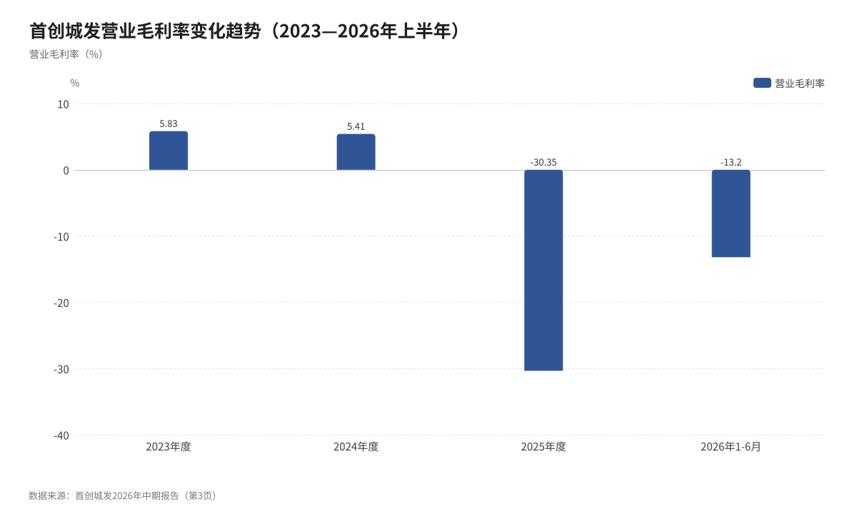
Data Information
Looking at Financial Street Holdings, the reason why Yang Yang was re-elected as Chairman is largely attributed to the results he achieved in capital control and debt reduction. The announcement of Financial Street Holdings shows that in the first three quarters of this year, the company's asset-liability ratio dropped to 78.07%, the net profit attributable to shareholders sharply narrowed its loss year on year, and operating cash flow increased by 32.55% year on year.
Another long-established local state-owned real estate enterprise in Beijing — Beijing Housing Construction Group has ushered in personnel adjustments again after 9 months. Different from the former Chairman Zhang Suoquan who was seconded from Beijing Urban Construction, the new Chairman Chang Jiang and General Manager Xue Wei are both cadres who grew up within the system of Beijing Housing Construction Group.
Changing leaders twice in less than a year is closely related to the operating pressure of Beijing Housing Construction Group. Data shows that from 2023 to 2025, the operating revenue of Beijing Housing Construction Group dropped from 42.114 billion yuan to 35.702 billion yuan, and the net profit fell from 730 million yuan to 388 million yuan. Last November, after Zhang Suoquan took office as Chairman, the group's performance did not improve. In the first half of this year, the operating revenue of Beijing Housing Construction Group was 17.959 billion yuan, down about 18.5% year on year, and the net profit also decreased by 19.66% to 188 million yuan.
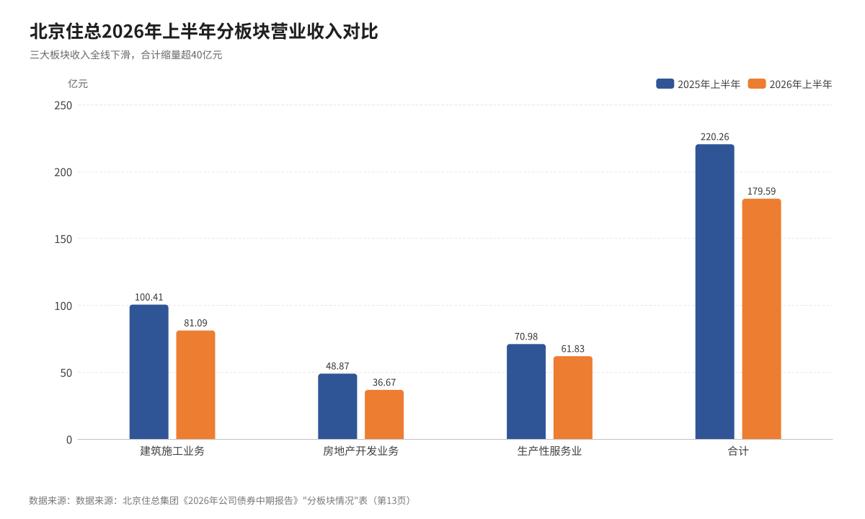
Data Information
02
Under the pressure of underperforming performance, transformation has been directly placed in front of these municipal state-owned real estate enterprises. After the development focus of Beijing shifted to improving the quality of stock assets, renewal and operation have gradually become the key development direction for real estate enterprises. This round of personnel adjustments is largely to adapt to the needs of the new track.
For example, Shoukai Group has taken urban renewal as an important direction of its transformation. In June, it further restructured with Beijing Institute of Architectural Design, making up for the lack of core front-end design capabilities, and opening up the whole chain of "design-construction-operation" for urban renewal. Wang Shizhong, the General Manager who took office at this node, has a professional experience that highly matches the transformation direction of Shoukai. He once worked at BBMG Group and Shougang Group, not only being familiar with the whole process of real estate development, but also leading large-scale urban renewal projects such as Shougang Park, with rich practical experience.
At the same time, Wang Shizhong also serves as the Chairman of Shoukai Co., Ltd. Under the guidance of the positioning of "Urban Revitalization Officer", Shoukai Co., Ltd. continues to increase investment in urban renewal business on the basis of its main business of real estate development.
At the end of September, Songzhuang Shoukai LONG Street, a key urban renewal project of Shoukai Co., Ltd. located in the sub-center of Beijing, opened to the public. With the mode of "Art + Commerce + Micro-vacation", this open block has received excellent market response. According to official reports, the passenger flow on its opening day exceeded 80,000 person-times, and the total exposure in the first month of opening was nearly 81 million.
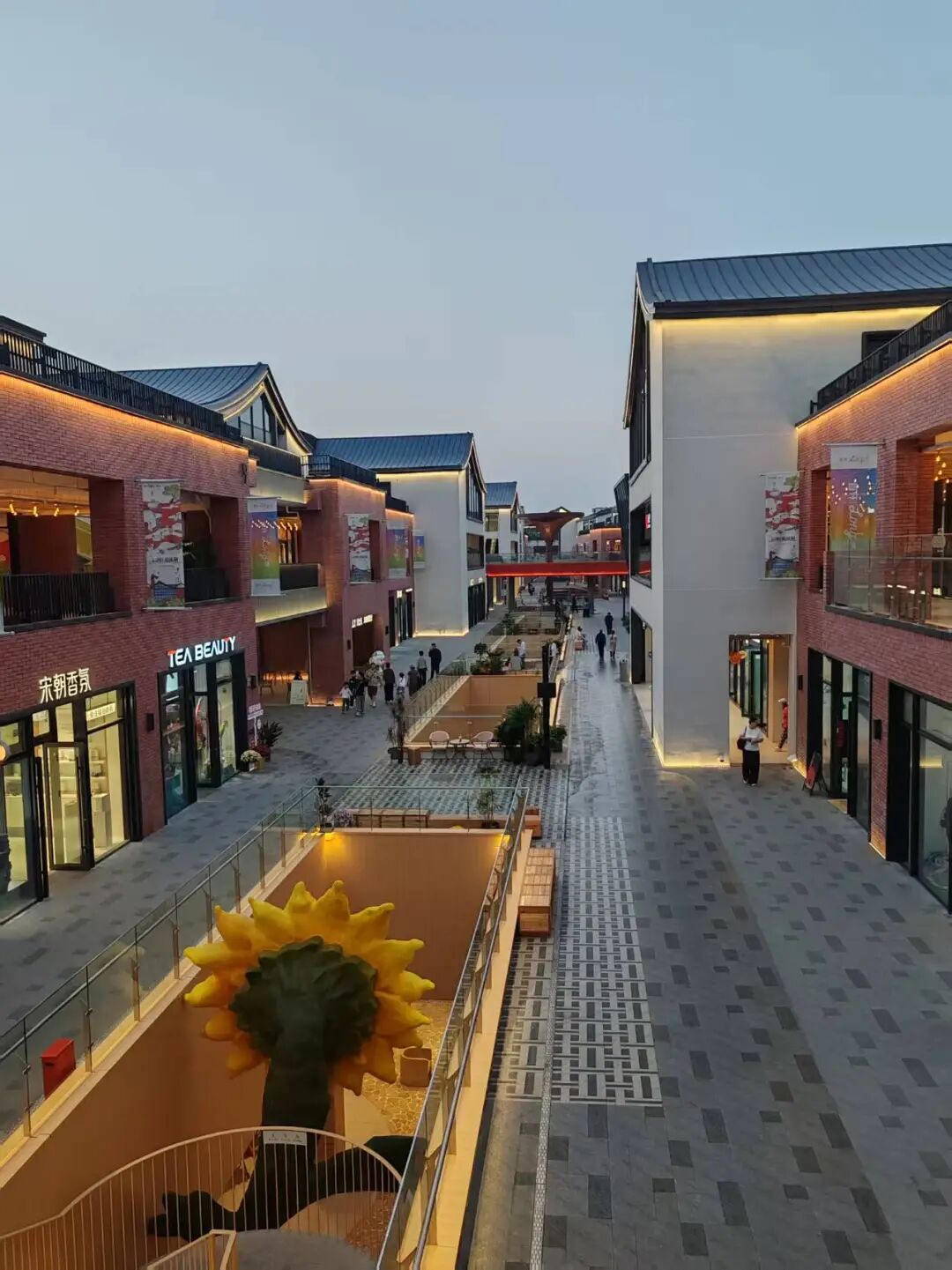
Songzhuang Shoukai LONG Street
However, destocking of stock assets and asset disposal are still its key tasks at the present stage. By the end of 2025, Shoukai Co., Ltd. has 148 (to be) sold projects, with the full-caliber remaining salable area of 9.2943 million square meters, and the book value of inventory is as high as 86.549 billion yuan. The scale of stock assets is not small, but Shoukai Co., Ltd. has not stopped the pace of development. In April this year, it successfully won the residential land in Songzhuang, Tongzhou. The project Xiyue Jinyan it developed opened for sale in September, and the destocking rate has exceeded 62% so far, with remarkable performance.
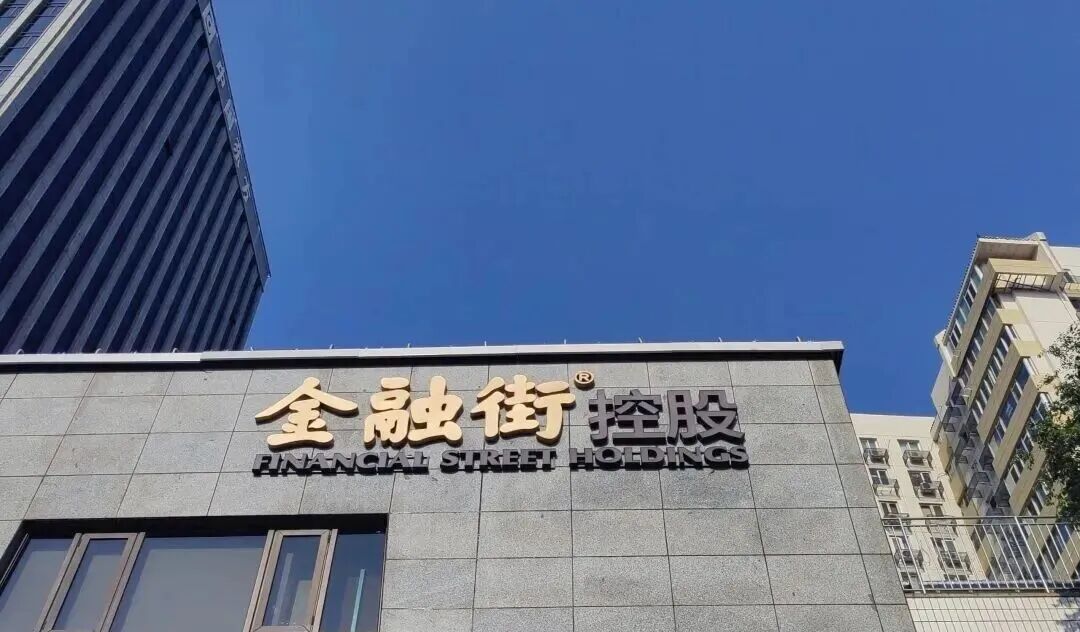
As for Financial Street Holdings, Chen Quan, its Deputy General Manager, is the only newly promoted executive among the four current deputy general managers. His other identity is the General Manager of the Urban Renewal Management Department of Financial Street, who is in charge of urban renewal business, and coordinates the promotion of many urban renewal projects such as Tongzhou Business Park.
Source: Internet
Financial Street Holdings' key layout of urban renewal at this time is also closely related to the pressure on its development business. In the first three quarters of this year, the operating revenue increased by 6.71%, and the net profit attributable to shareholders narrowed the loss by 74.77% year on year, but the contracted sales revenue was only 3.85 billion yuan. With sluggish sales, urban renewal is regarded as a breakthrough for transformation.
While bearing the realistic pressure of stock asset destocking and debt, real estate enterprises are exploring new tracks such as urban renewal. This round of intensive personnel changes is exactly an attempt for real estate enterprises to seek breakthroughs: when the old mode fades out, how should real estate enterprises survive and develop steadily?
This article is from the WeChat official account "Future Habitat", author: Future Habitat, published with authorization from 36Kr.