From Traditional Foreign Trade to Proprietary Brand: The Overseas Business Pivot of a Wenling Factory
Replacing old-fashioned boilers with heat pumps for heating is no longer a new practice in China, yet it is a quietly unfolding change in many parts of the world. In 2025, the sales growth of heat pumps in Europe even reached double digits.
In Wenling, Zhejiang, aerodynamic equipment and HVAC products marked with the "Xinlei" label are being shipped to Southeast Asia, the Middle East and European markets one after another.
As a national-level "Little Giant" enterprise specializing in sophisticated, unique and innovative technologies, Xinlei's business covers products such as air compressors, blowers, vacuum pumps and HVAC equipment. In 2025, the revenue of HVAC equipment increased by 24.75% year-on-year, making it one of the company's main growth segments.
Since its founding in 1996, Xinlei has long focused on OEM manufacturing, with products sold to Europe, America and Southeast Asia. In recent years, Xinlei has begun to launch its own brand overseas, trying to transform from a behind-the-scenes manufacturer to a front-stage brand owner at the node where "Made in China" is collectively shifting its development path.
"Chinese manufacturing enterprises have built extremely strong manufacturing capabilities over the past few decades, but today more and more enterprises are facing another problem: as a brand, can it be understood and accepted by the global market," observed Zhang Fei, General Manager of New Customer Development of Talent Solutions at LinkedIn China. "There is actually a gap between making good products and letting the global market truly understand and trust the company."
Zhong Jiayu is right in front of this new challenge. She is the daughter of Zhong Renzhi, the founder of Xinlei, born in 2000, and grew up in the Xinlei factory. After graduating from university in 2021, Zhong Jiayu returned to the company, started working in the marketing department, and took over as general manager in 2023.
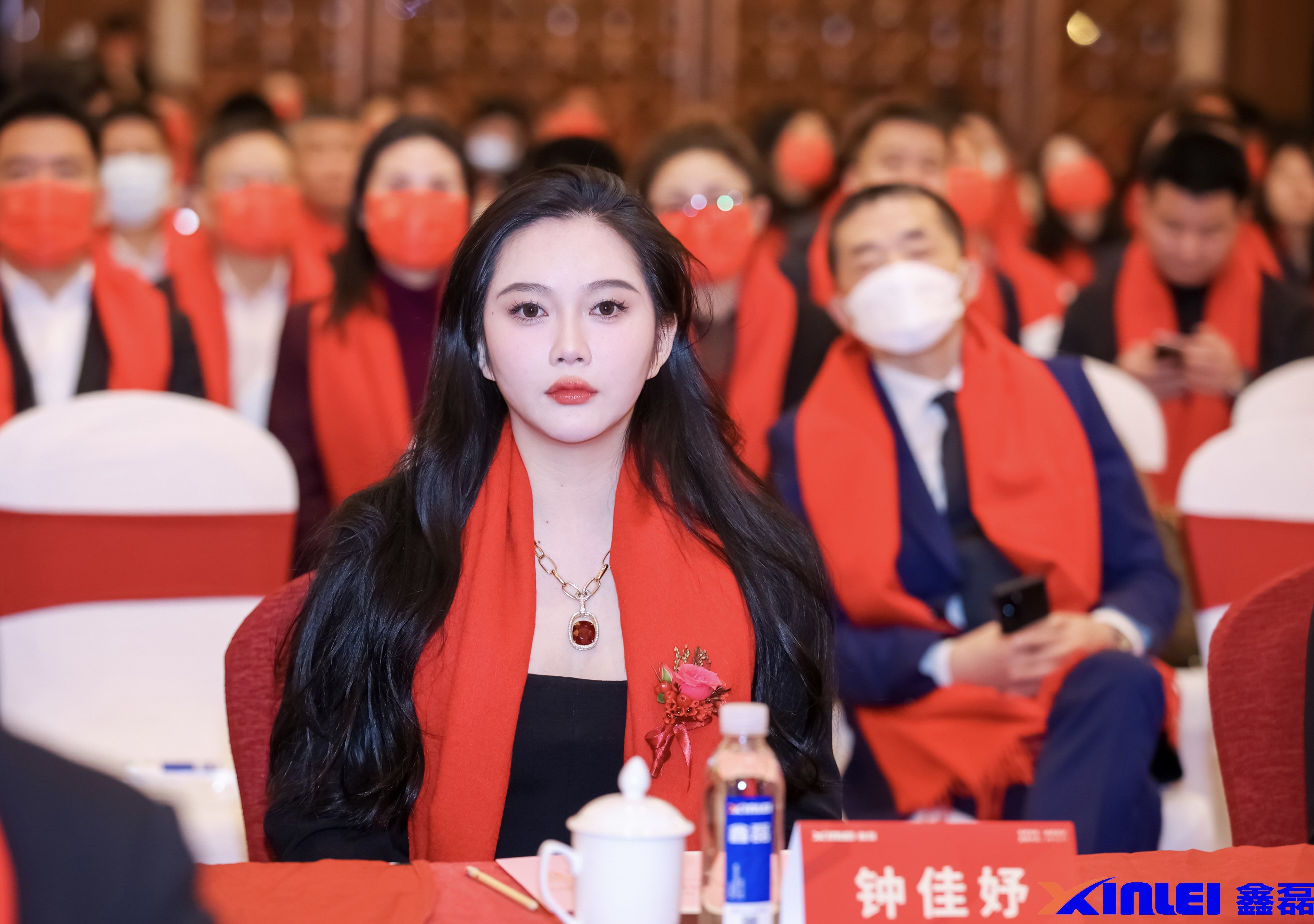
Zhong Jiayu
1. From a 5-mu Plant to an A-share Listed Company
According to Zhong Jiayu, Xinlei is one of the earlier enterprises in China to obtain ASME tank certification and CE certification, and thus became one of the first Chinese factories to sell small air compressors to Europe.
"The first plant of our founders was only 5 mu in size, and it was rented from the side of the national highway," she recalled. At that time, business was extremely prosperous, and trucks coming to pick up goods would line up until the early hours of the morning, because very few enterprises could obtain CE and ASME certifications.
Before 2008, Xinlei was mainly engaged in the production and sales of compressors, with a very high proportion of export sales. Between 2008 and 2010, the company encountered anti-dumping measures, and was imposed tariffs of more than 70%, leading to the loss of European customers, and a significant decline in orders and revenue.
Xinlei tried two ways to break through the predicament: the first was to set up a factory in Vietnam, but finally gave up due to sharp exchange rate fluctuations; the second was to cooperate with Italian manufacturers, who assembled Xinlei's parts and components, but this path had limited effect due to rising costs. In the end, Xinlei returned to focus on products itself, and jointly developed new products such as rotary, scroll and screw compressors with universities. After the EU anti-dumping measures expired, orders came back again with the support of new products.
Also in those two years, Xinlei built its domestic sales system from scratch, and was forced to develop its own market, product and delivery capabilities. Zhong Jiayu believes that this experience also laid the foundation for building its own independent brand overseas later.
During the COVID-19 pandemic in 2020, Xinlei participated in the equipment replacement of Sinopec's mask production lines, replacing South Korean equipment with domestically produced equipment; in 2022, the company was selected into the fourth batch of national-level specialized, sophisticated, unique and innovative "Little Giant" enterprises; on January 19, 2023, Xinlei Co., Ltd. was listed on the ChiNext Board of the Shenzhen Stock Exchange.
This is a path familiar to many Chinese manufacturing enterprises. Zhang Fei observed that in the past, the globalization of many enterprises was the globalization of products. Products may have been spread all over the world, but the enterprises always stayed behind the scenes. Because at that time, customers first cared about products, technology, quality and delivery capabilities, and the identity of the company, its team and corporate culture were not always the most important information.
2. Be a Learner First, Then a General Manager
Zhong Jiayu majored in communication, and interned at 4A companies and the marketing department of brand owners when she was in college, and returned to the company right after graduation.
At first in the marketing department, she was responsible for brand upgrading, reorganized the team, and unified the visual output of exhibitions, documents and agent stores. The first thing she modified was the brand name that was most easily overlooked. In the past, the company was called "Xinlei Compressor" externally, and she changed it to "Xinlei". "As our product categories continue to expand, we are far more than just a compressor manufacturer," she hopes to leave customers the impression that Xinlei is a company, a brand, not just a factory that produces machines.
When she first returned to the company, Zhong Jiayu reported problems as soon as she found them, thinking that this place should be changed and that place should also be adjusted. The chairman reminded her that if she only acted as a messenger to pass on problems, she would never truly integrate into the company. Since then, she has first figured out the whole context of the problem, then brought two or three sets of solutions she had thought of to discuss with the corresponding person in charge; she would do small things that can be handled by herself first, and take responsibility if problems arise.
At the board of directors re-election in October 2023, Zhong Jiayu took office as General Manager. Previously, she was mostly responsible for marketing and sales. When she first became the general manager, she was somewhat resistant to manufacturing and R&D: links were connected manually, and data was reported by staff, which had a clear gap compared with the advanced production lines she had seen outside.
A remark from one agent influenced her deeply: "Learn about Xinlei, understand Xinlei, then change Xinlei." In her opinion, an enterprise that can operate for 30 years and get listed must have its own inherent logic, so learn first before talking about making changes.
She chose to start with sales first, a link where she could follow the orders to understand the division of labor of different people: an order from reception to delivery needs to go through R&D, procurement and production. By following each link one by one, she could see what they usually do, where they get stuck, and under what circumstances the process will be delayed.
After taking office, she replaced some staff. For those who stayed and new joiners, she spoke very directly: at work, they are my subordinates, but in daily life, all of them are my teachers.
In the first year, she used two measures to make colleagues willing to be honest with each other. The first was job rotation: people in charge of production would do sales for a period of time, and people in charge of sales would stay in the workshop for a period of time. Once the positions were swapped, the information gap hidden behind their respective posts disappeared. The second was project practice: she did not give answers directly, put the problems on the table, and let relevant people come up with their own solutions and explain why they chose such plans. After several projects, everyone understood the ideas of the middle and senior management.
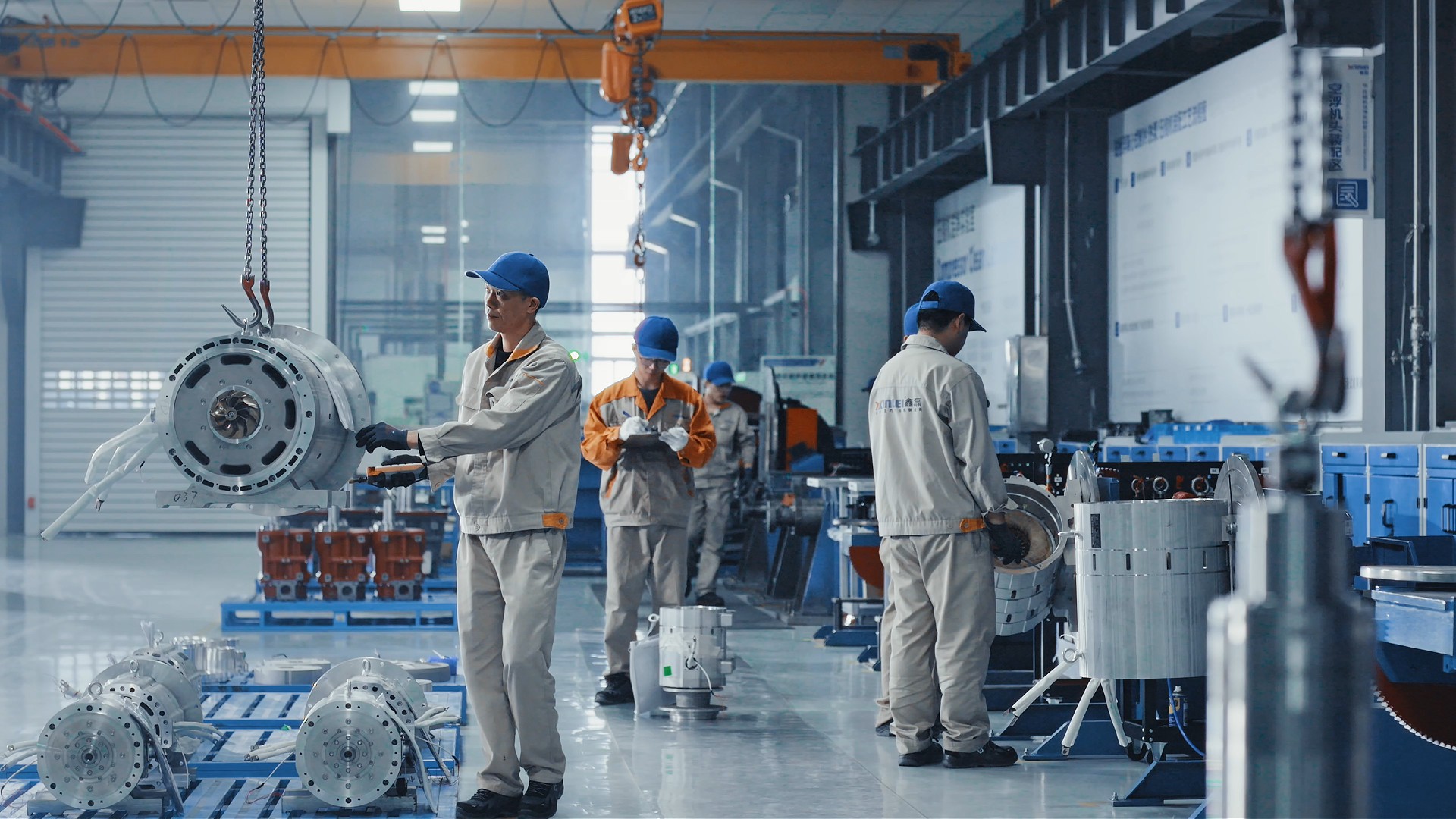
Xinlei employees at work
On the business expansion to overseas markets, she believes that the most effective thing she has done is to push sales staff out of the factory. In the past, several senior sales staff took orders, while others followed up the orders, and the company mainly relied on exhibitions, independent websites and Alibaba International Station to acquire customers, with most sales staff staying in Wenling waiting for customers to visit. Nowadays, Xinlei first establishes contacts with potential customers through customs data platforms to figure out who is importing, how much they import and where they import from; then arranges sales staff to make cold visits overseas and stay abroad for a long time to expand the market.
In terms of overseas organizational structure construction, Xinlei adopts two sets of strategies according to geographical distance. For neighboring markets with dense Chinese population such as Southeast Asia, the company directly selects suitable staff from the internal sales team through competitive post transfer, and sends them there with overseas subsidies; Chinese people are appointed to management positions, while local employees with multilingual capabilities are recruited for back-office work, and field sales, warehousing and after-sales services are all localized.
For farther markets with more complex environments, the company relies on its brand to attract talents. Zhong Jiayu said that overseas candidates have very limited understanding of Xinlei when they first hear the name, so Xinlei continuously publishes content on LinkedIn to let people in the industry get to know the company first, plus competitive salary and benefits, the brand will naturally become attractive.
Her judgment on the timing has also proved correct: in Russia, the Middle East and Southeast Asia, the dominance of European and American brands is gradually weakening, and the market's acceptance of Chinese brands is rising. When local professional managers change jobs, Chinese brands naturally become a good option. After the Russia-Ukraine conflict, Europe faced energy shortages, and countries replaced boilers and natural gas with heat pump central air conditioners, forming a fast-growing emerging market.
3. From OEM to Independent Brand
In recent years, Xinlei has set up an independent brand department, established subsidiaries in Vietnam, the Middle East and the Netherlands, hired local employees to carry out localized sales, and supported the operation with localized warehousing as well as pre-sales and after-sales services.
Xinlei has also persuaded some OEM partners to operate their own brands, and launched supporting brand support policies, including official website building, exhibition participation, and local marketing, and shares the brand marketing costs with them.
However, developing independent brands will inevitably form a competitive relationship with previous foreign trade customers. To this end, Xinlei has drawn a clear boundary.
In terms of products, products such as piston air compressors rely on supermarket channels for sales, and the channels are controlled by OEM partners, so these products are still mainly produced under OEM mode. The products that are transformed to independent brands are divided into two categories: one category is industrial equipment, where customers value R&D and manufacturing capabilities more than brand popularity, and have higher acceptance of Chinese brands. The other category is heat pump central air conditioners, which can get 50% to 60% of overseas subsidies when combined with photovoltaics.
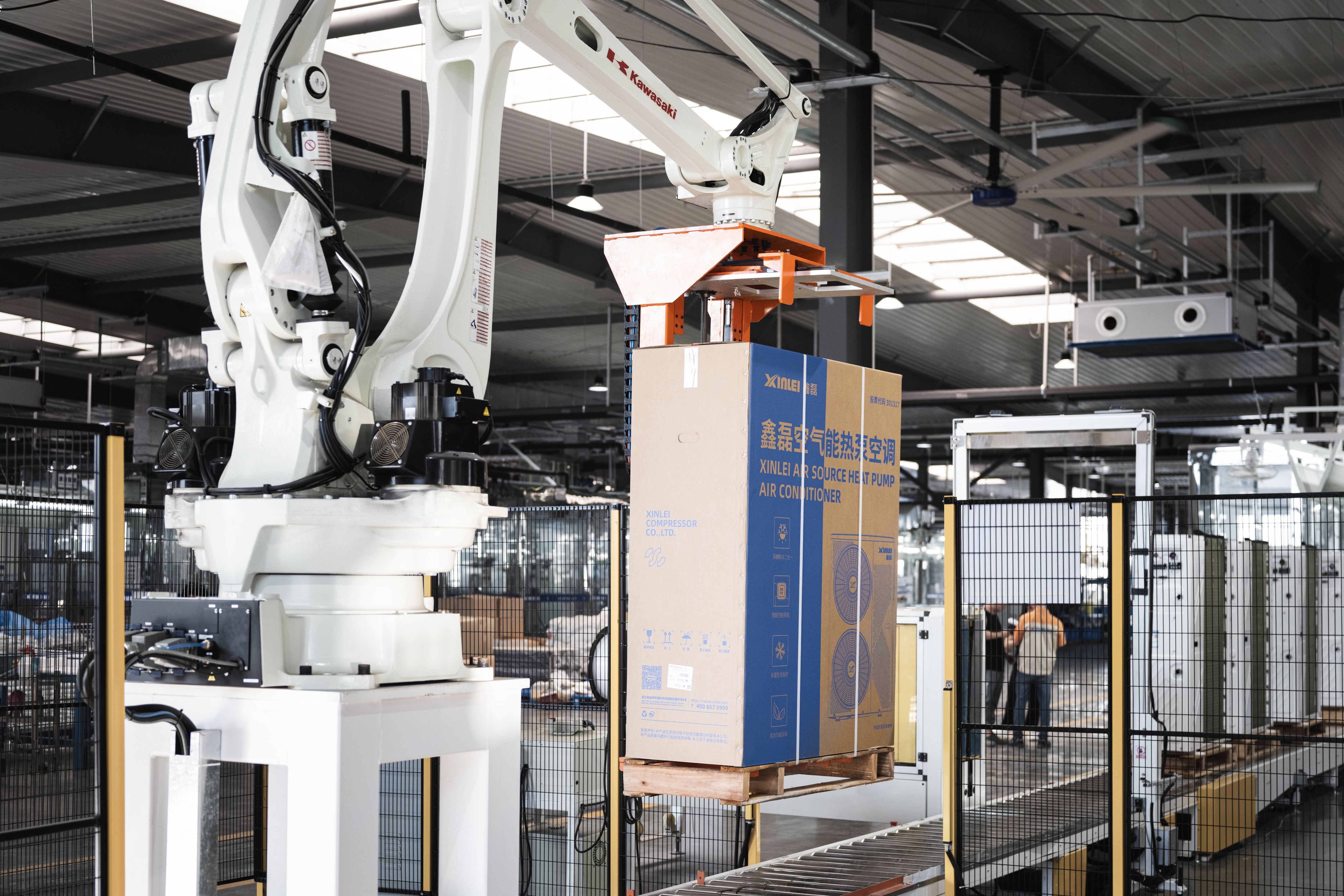
Xinlei Air-source Heat Pump Air Conditioner
From the market perspective, Europe and the United States are still the most concentrated markets for Xinlei's OEM business, and the independent brand business focuses on Central Asia, the Middle East, Southeast Asia and the regions along the "Belt and Road Initiative".
In terms of brand positioning, Zhong Jiayu's idea is: if we cannot build a mass consumer brand, we will build a professional brand. Mass consumer brands rely on public awareness, advertising and offline stores. Xinlei mainly targets installers, provides close services, and offers local training and technical support. Only by serving the installers well first, will they prioritize Xinlei's products when recommending products to end users.
Before serving the installers, the first step is to be noticed by the installers. The procurement decision-making chain of industrial products is long, and customers usually have checked the basic information of the company before they contact the sales staff for the first time. If the information cannot be found clearly at this time, the company will not even get the chance to be considered.
LinkedIn is a professional network covering more than 200 countries and regions with over 1.4 billion members. Enterprises can find purchasers and decision-makers in the target market by industry, function and region, and also let the other side find themselves. "This is also the reason why Xinlei chooses LinkedIn as its window. When customers have learned about Xinlei on the professional network before receiving the contact from sales staff, they do not need to build understanding from scratch, and trust can be accumulated faster," said Zhang Fei.
Xinlei once planned to build a factory in Vietnam for an American customer, and the address and plot had already been selected. On the weekend just before the contract was about to be signed, the US tariff policy was released. After careful consideration, Zhong Jiayu finally decided to abandon the plan. Soon after, the United States launched anti-dumping and countervailing investigations on products from Malaysia and Vietnam, and her decision to give up prevented the company's investment from going down the drain.
"Going global does not mean blindly increasing investment. When everyone is scrambling to lay out overseas markets, knowing what not to do is also a kind of capability.
"Zhong Jiayu concluded.
Over the past 30 years, Chinese manufacturing has gone global relying on product strength. Zhong Jiayu feels that for her generation, what they have taken over is not just a factory, but also the opportunity to transform "Made in China" into "Chinese Brand". Whoever seizes this opportunity will stay in the game in the next 30 years.
(Author: Feng Yaling; Editor: Yang Yuexin)