36Kr Exclusive | A sodium-ion battery cathode material manufacturer has secured tens of millions of yuan in strategic investment from Jintou Zhiyuan, and its 10,000-ton production line will be put into mass production in Q4.
Source / Enterprise
This article contains about 3100 words, with an estimated reading time of 8 minutes
Author: Ou Xue
Editor: Yuan Silai
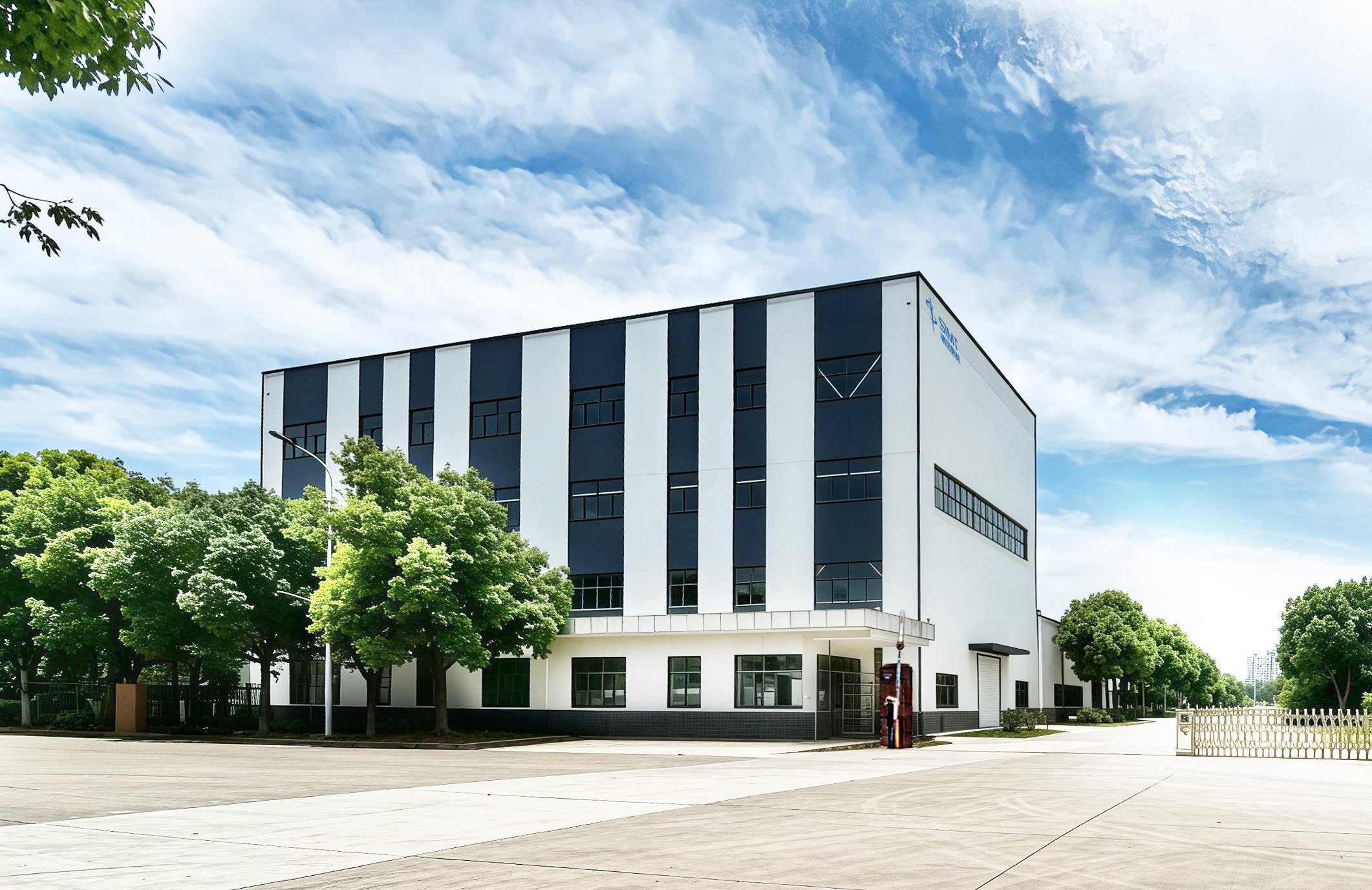
Hard Krypton learned that Nayuan New Materials Technology (Wuxi) Co., Ltd. (hereinafter referred to as "Nayuan New Materials"), a sodium-ion battery cathode material enterprise, has recently completed tens of millions of yuan in Series A financing, with strategic investment from Jintou Zhiyuan. The funds raised in this round will be mainly used for the construction of the advanced battery terminal integrated intelligent manufacturing base in Ma'anshan Economic Development Zone, and support the development of anode-free batteries and overseas market expansion at the same time.
Nayuan New Materials was founded in 2022 by a team of German returnee doctors who have deep roots in the battery industry for many years. Dr. Liu Zhongqing, the founder, once worked at the Forschungszentrum Jülich in Germany (Europe's top energy research institution), studied under Martin Winter, academician of the German Academy of Engineering, and has been engaged in the development and research of battery materials and products at the University of Oxford and Schott AG, the global leading advanced materials enterprise based in Germany.
Liu Zhongqing believes that the evolution path of sodium-ion battery cathode materials can be summarized into three stages: layered oxides dominated from 2022 to 2023, the industry shifted to NFPP from 2024 to 2025, and NFS will gradually see volume growth starting from 2026.
The logic behind this is: Layered oxides share similar processes with ternary lithium batteries, which were easy to industrialize when lithium prices were high in the early stage, but their cost performance disappeared after lithium prices plummeted, and they also have potential safety hazards. NFPP is closer to lithium iron phosphate, with traceable manufacturing processes and application scenarios, so it took the lead in achieving volume growth. NFS has the highest technical difficulty — soft materials produced by low-temperature sintering are prone to absorb water, and are prone to decompose and generate gas under high voltage.
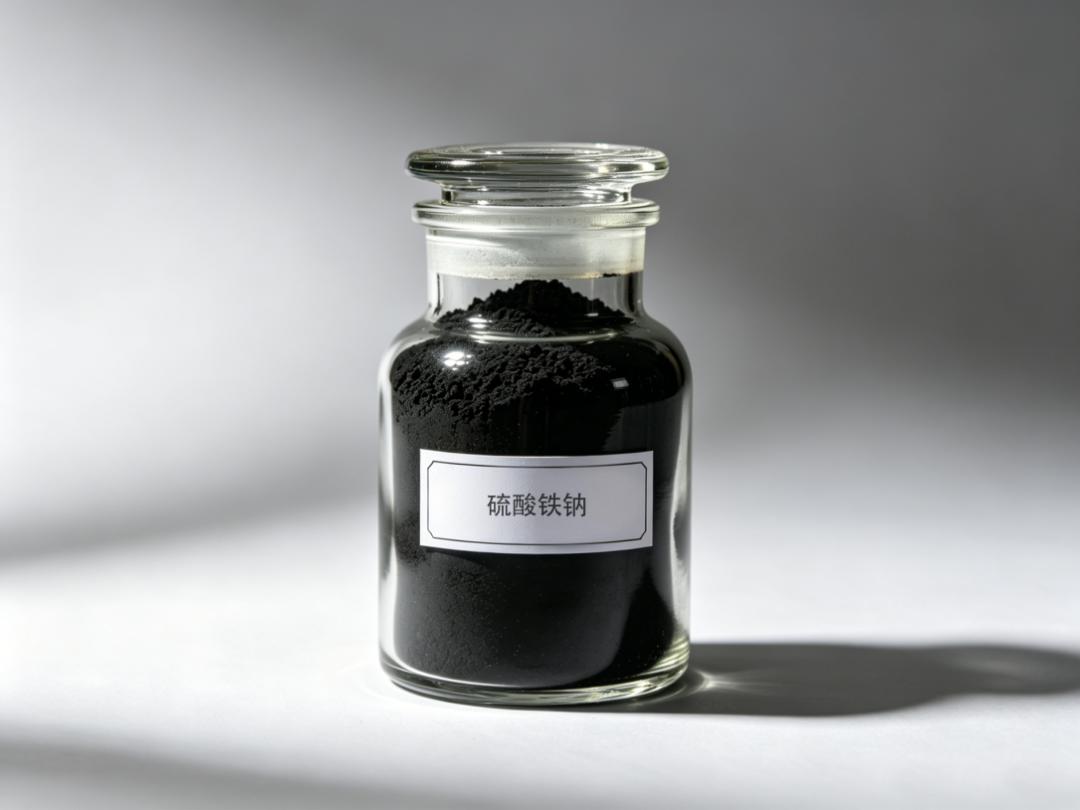
At present, Nayuan New Materials has formed two polyanion material systems of NFS (sodium iron sulfate) and NFPP (sodium iron phosphate pyrophosphate), with a supporting recycling material system.
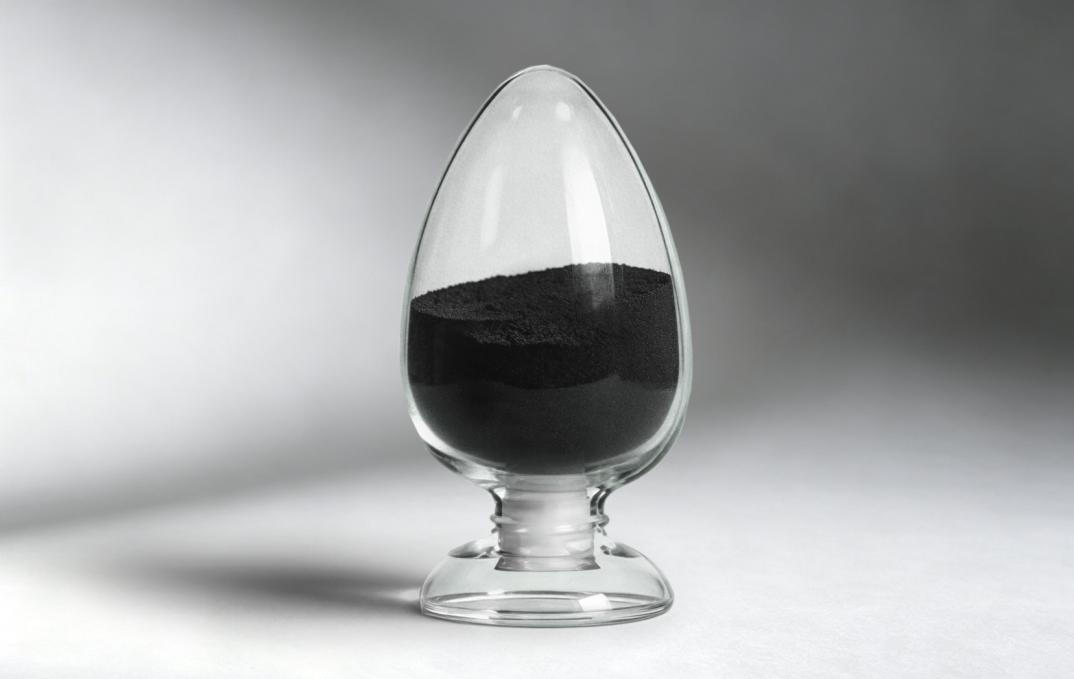
According to Hard Krypton, the team of Nayuan New Materials has created the original NFS "soft and hard combination + skeleton building" technology, which solves the technical bottlenecks of single NFS material including low compaction density, poor high-temperature cycle performance and easy gas generation through the "AB material system" composed of hard additives and main materials. For NFPP, the "ultra-fusion synthesis technology" is adopted to greatly reduce the powder resistance of materials and improve material performance.
NFS (sodium iron sulfate) material (Source / Enterprise)
The company has a clear division of labor for the two materials: NFS is targeted at non-ultra-long cycle scenarios such as consumer electronics, light power, UPS and start-stop in the short term, and forms significant cost advantages at the PACK end with its 3.6V high voltage platform. NFPP is targeted at large-scale energy storage and artificial intelligence AIDC scenarios, focusing on long cycle life and high compaction density.
NFPP (composite sodium iron phosphate) material (Source / Enterprise)
The company judges that NFS does not contain phosphorus, and its BOM cost is less than 10,000 yuan per ton, while NFPP contains phosphorus element with raw material cost ranging from 15,000 to 18,000 yuan per ton. The raw material price difference between the two is about 10,000 yuan per ton. Besides, NFS is the only material that is not affected by the price fluctuation of lithium iron phosphate. Compared with NFPP, it is more suitable for price-sensitive scenarios such as light power, and can replace the existing lead-acid batteries.
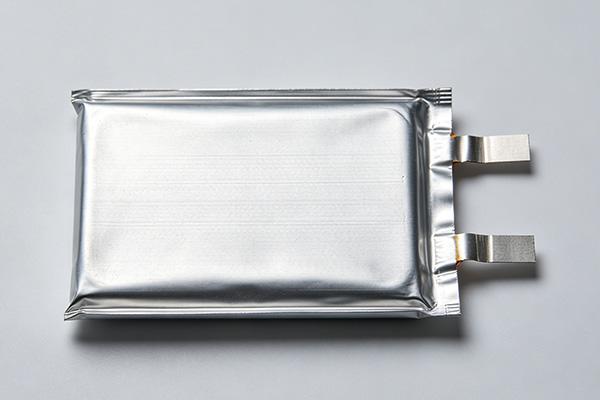
At present, the NFS material of Nayuan New Materials has achieved mass production on the 1000-ton pilot verification production line in Jiangxi in 2025, adopting the second-generation spray process. The company is further developing the adaptation scheme of hard additives and AB material system to expand the application boundary of materials. In the field of anode-free batteries, the company has made large investments, advancing from small soft packs below 1Ah in the early stage to the development of large cells at 10Ah and 20Ah levels, and plans to produce a complete battery pack of 6020 or 7220 system for on-board verification by the end of this year.
At present, the company is cooperating with Schott AG from Germany (solid-state sodium-ion battery development project). Schott provides solid electrolytes while Nayuan provides cathode materials and anode-free solutions, which gradually promotes the transition of battery technology from pure anode-free liquid state to anode-free semi-solid state and full solid state. Interface optimization and nano solid electrolyte coating are carried out on the cathode side, and SEI interface treatment is carried out on the anode side. It is expected that the density of sodium-ion batteries will be increased to 250-320 Wh/kg in the future, and further applied in emerging scenarios such as vehicles, low-altitude aircraft and robots.
At the same time, the company is extending its business to terminal integration. A representative from Nayuan New Materials told Hard Krypton that this extension does not mean the change of its main business. The domestic material business will always be the first growth curve of the enterprise, while the terminal integration solution is a "supportive and complementary" second growth curve for overseas markets.
This is because the demands of overseas customers are different from those of domestic cell customers. Overseas markets often need a complete integrated solution, and it is difficult to land by simply providing cathode materials. "The terminal demand for sodium-ion batteries overseas is no weaker than that in China, but there is no complete industrial chain overseas, so we can't directly sell materials to overseas markets. That's why we have to participate in terminal integration," Liu Zhongqing said.
Sodium-ion battery cell (soft pack) (Source / Enterprise)
The company emphasizes that its positioning is still a material enterprise. The layout of battery terminal integration is more to promote the industrial application and accelerate the marketization process. For the mass production of PACK packs in the future, the company will not rule out seeking industrial partners to promote it together.
At present, Nayuan New Materials has made layouts in overseas markets including Southeast Asia (solar-storage integrated distributed projects in Indonesia and Malaysia), Central Asia (Pakistan, where the Ministry of Commerce of Pakistan and overseas customers have visited China for investigation, and the company takes the lead in uniting domestic partners covering cathode materials, cells, terminal PACK and vehicle application for docking), Russia and northern low-temperature regions, as well as the European market (projects of special power supplies, RVs and distributed energy storage are under negotiation). Domestically, the demand for low-temperature battery swapping and low-temperature light power after-market is also being promoted simultaneously, forming synergy with overseas low-temperature demand.
Looking ahead, the company believes that industry competition has shifted from "telling stories and boasting good technology" to "whether products can truly meet customer demands and whether the entire supply chain can make profits". The problem to be solved from 2026 to 2028 is how to form a virtuous cycle from materials and cells to terminals.
In terms of production capacity planning, Nayuan New Materials follows the progressive route of "pilot test — 1000-ton level — 10000-ton level — long-term capacity expansion": the 100-ton engineering technology center was built in Wuxi in 2024, the 1000-ton pilot verification production line in Jiangxi achieved mass production in 2025, and the 10000-ton double-stack production line in Lu'an, Anhui is scheduled to achieve mass production in Q4 2026. Meanwhile, the long-term 100,000-ton production capacity plan is under preparation. The company plans to reach 10,000 tons of production capacity next year, 30,000 to 50,000 tons the year after next, and gradually develop to the 100,000-ton level, where sustainability will become the core test.
The following is an excerpt of the interview between Hard Krypton and Liu Zhongqing, the founder (edited):
Hard Krypton: For sodium-ion battery cathode materials, the industry evolves from layered oxides to NFPP and then to NFS. Why is NFS the most difficult but the most worthy of development?
Liu Zhongqing: Layered oxides are similar to ternary lithium batteries, with similar equipment and processes, which are easy to develop at the earliest stage. But when the lithium price is lower than 200,000 yuan per ton, it no longer has cost performance, and it can not pass the nail penetration test at a slightly higher voltage. NFPP is similar to lithium iron phosphate, with traceable manufacturing processes and application scenarios, so many companies chose to switch from layered oxides to NFPP in 2024 and 2025, leading to rapid volume growth. NFS is a soft material produced by low-temperature sintering, which is prone to absorb water, decompose and generate gas under high voltage, resulting in cell swelling. At that time, we were the only enterprise in the industry that chose this direction.
We launched hard additives at the end of 2024, solved application problems with the soft-hard combination skeleton building technology, achieved mass production in 2025, and completed customer verification one after another in 2026. NFS does not contain phosphorus, with BOM cost lower than 10,000 yuan per ton. It is the only material that is not affected by the price fluctuation of lithium iron phosphate, and its raw material cost is nearly 10,000 yuan per ton lower than that of NFPP. After the volume growth next year, it is very likely to be applied in more scenarios, just like NFPP replaced layered oxides in the past.
Hard Krypton: What is the cost advantage of NFS at the PACK end?
Liu Zhongqing: We can not only look at a single cell. For example, to make a 7220 battery pack, NFS has a 3.6V voltage platform, and only 20 cells are enough to reach 72V; the voltage of NFPP is only 2.85V, and 26 to 27 cells are needed for a 72V battery pack. A 20Ah cell costs more than 30 yuan, and the cost difference at the PACK end alone reaches 200 yuan, while a 7220 pack may be sold for less than 1000 yuan, which means a 20% cost difference. Originally, NFS had many problems and could not be applied, but once it is available, it can quickly open up the market, and the volume growth has started in the second half of this year. We are also willing to help customers with cell design and scenario expansion. When customers complain about poor rate performance, we iterate NFS from 0.5C and 1C to 20C and 30C — if customers perform well and buy more materials, it is also good for us.
Hard Krypton: Anode-free and solid-state batteries are the next-generation direction. As a material enterprise, why does Nayuan invest so much in this field? Where is the boundary?
Liu Zhongqing: Anode-free is regarded as the first step towards solid-state batteries, which forms the three-stage evolution logic of anode-free sodium-ion battery — anode-free semi-solid battery — anode-free full-solid battery. But the biggest problem of anode-free technology is that the sodium metal on the anode side will melt at more than 90 degrees Celsius. Only semi-solid and full-solid structures can ensure safety and pass the 130℃ oven test, which is a must for high-power applications. We cooperate with Schott AG from Germany, Schott provides solid electrolytes, we provide cathode materials and anode-free solutions, and promote the transition from pure liquid state to semi-solid and full-solid state. We carry out interface optimization and nano-scale coating on the cathode side, and SEI interface treatment on the anode side. This year we plan to first complete the 20Ah level anode-free cell and the assembled module pack for on-road testing, and promote the semi-solid and full-solid verification with Schott next year. But Nayuan is a material enterprise, our research on cell technology is mainly to promote the development of the industry. The future production mode of cells may be developed or promoted together with industrial partners, which has not been determined yet.
Investor's View:
Fang Jian, Chairman of Jintou Zhiyuan: We are optimistic about the long-term strategic value of sodium-ion batteries. Nayuan New Materials has built differentiated technical barriers around the two polyanion cathode technical routes of NFS and NFPP, and opened up the technical closed loop covering cathode materials, cell design and terminal application. The material system of Nayuan is characterized by high safety, wide temperature range and recyclability, and is compatible with the next-generation anode-free sodium-ion batteries, which highly meets the industrialization demands of scenarios such as energy storage and light power.
The investment raised in this round will be used for the construction of the advanced battery terminal integrated intelligent manufacturing base in Ma'anshan Economic Development Zone, which is a key step for the company to extend from the material end to the downstream terminal system. It will complete the integrated manufacturing capacity of "material — cell — PACK", shorten the product verification cycle and improve delivery response efficiency, and accelerate the application verification of future anode-free sodium-ion batteries at the terminal at the same time.
Ma'anshan has mature new energy industry supporting facilities. The parent fund of Ma'anshan Economic Development Zone managed by Jintou Zhiyuan relies on the local industrial ecology to help enterprises land manufacturing capacity and connect with downstream customer resources nearby. We believe that sodium-ion batteries are currently in the key window period of commercial volume growth. The dual-route parallel integrated layout of Nayuan New Materials is conducive to continuously optimizing yield, reducing system cost and accelerating the landing of complete sodium-ion battery solutions. In the future, we will continue to empower the enterprise in industrial chain docking, production line construction and market expansion, and jointly support and promote the development of Nayuan.