Tencent has launched "WeFund" to seize the discourse power over the distribution of mini-games on WeChat and Douyin.
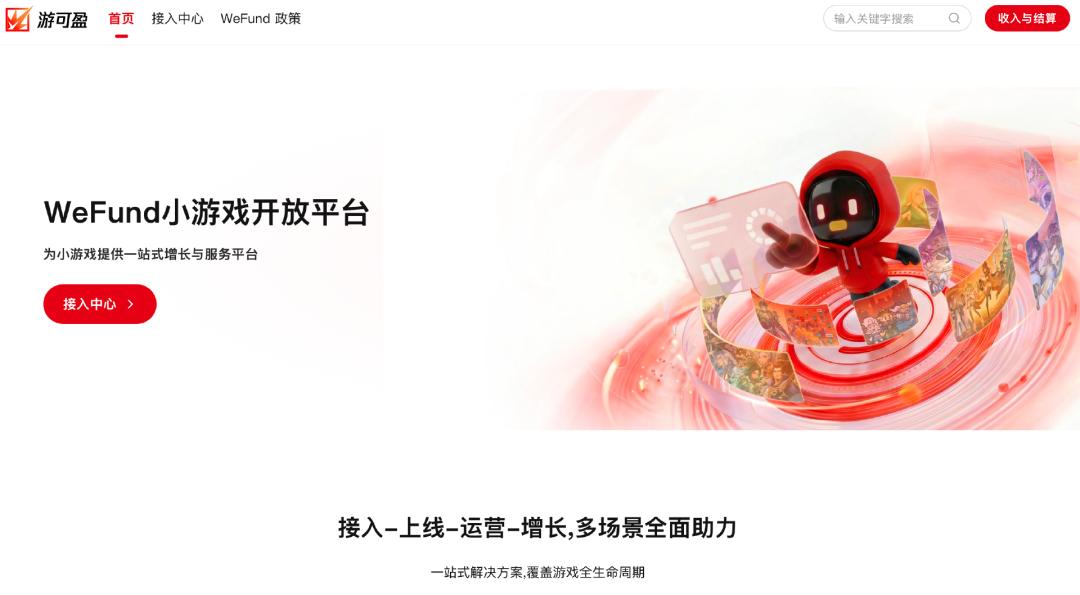
ReadPlus learned that Tencent has quietly launched WeFund (Youkeying) mini-game open platform, with the goal of "enabling high-quality products to be seen by more people and allowing great ideas to release unlimited commercial value".
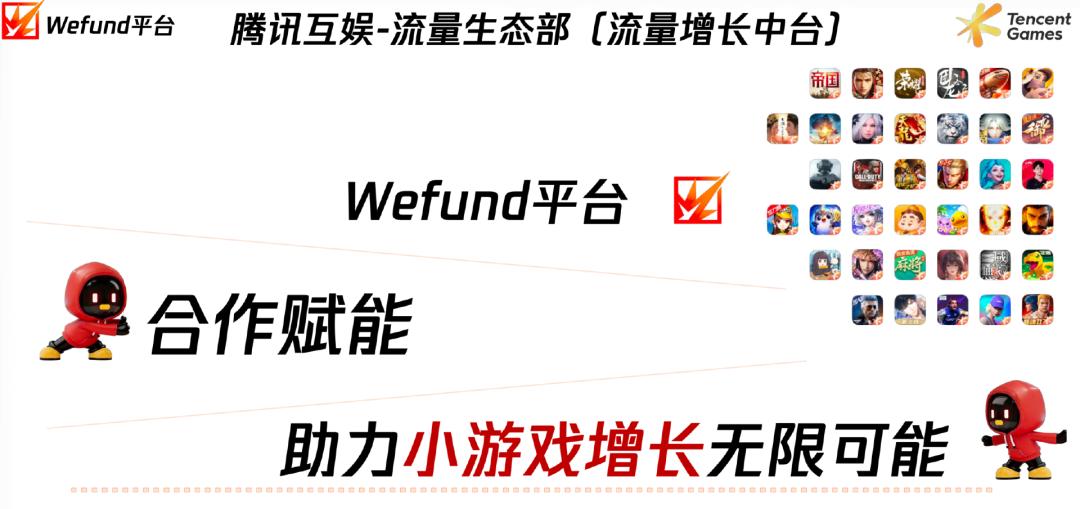
It is reported that WeFund is a one-stop distribution empowerment platform focused on the mini-game track under the Traffic Growth Middle Platform of Tencent Interactive Entertainment Traffic Ecology Department. It integrates Tencent's core capabilities and resources in the five dimensions of "Product, User Acquisition, Operation, Creative Materials, and Community", and achieves rapid growth of mini-games through support incentive policies and R&D teams.
ReadPlus also learned that multiple mini-game projects on WeFund are currently in the internal test phase.
01
WeFund (Youkeying), One-Stop Distribution Middle Platform
ReadPlus understands that as a technology and growth middle platform for mini-game R&D teams, WeFund is a service carrier that runs through the entire lifecycle of mini-games from access, launch, data monitoring to delivery and monetization.
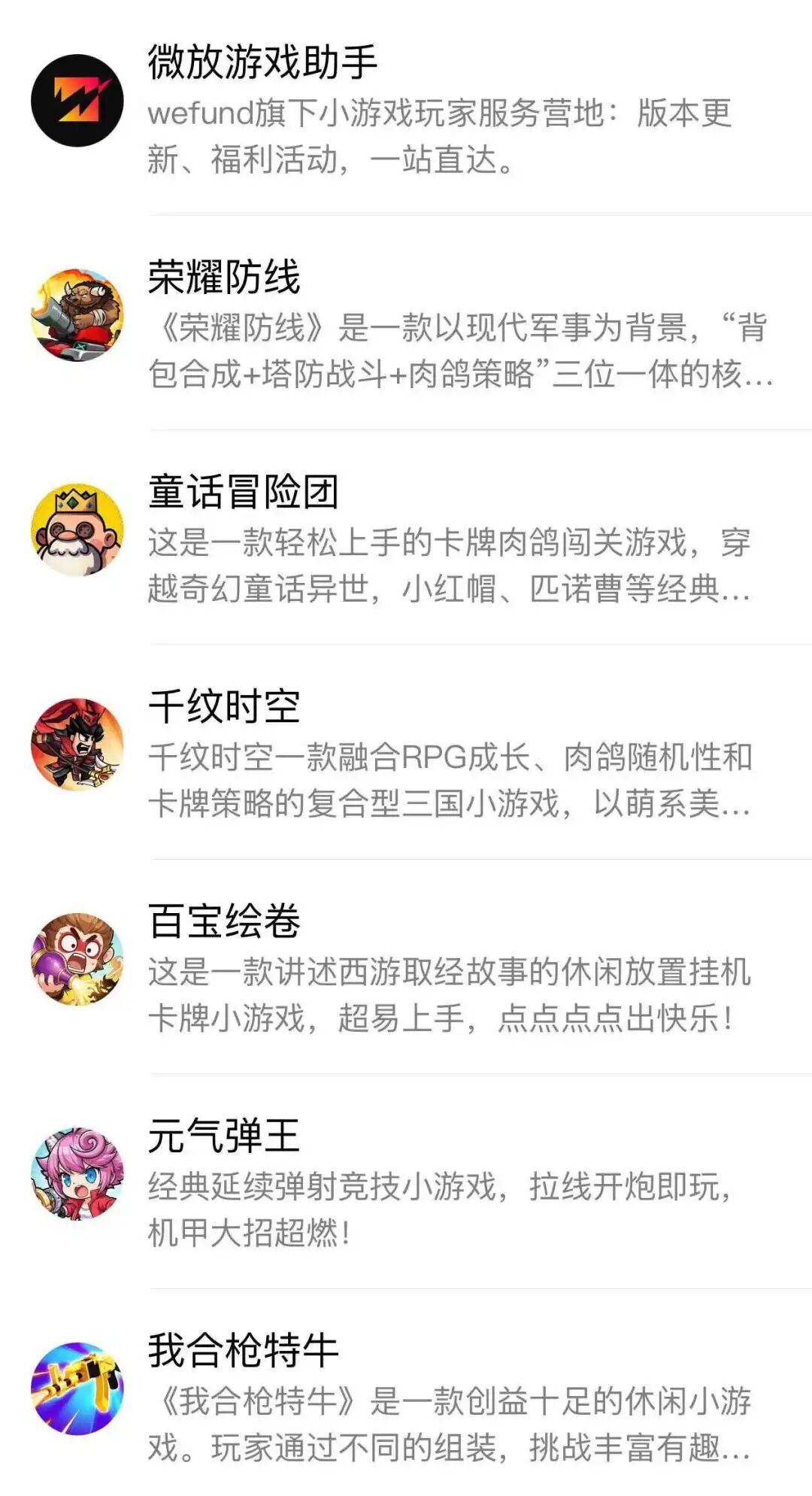
ReadPlus also learned that a number of cooperative mini-games on WeFund are already in the internal test stage. The platform has launched products on WeChat, and is equipped with a mini-game player assistant to continuously verify the implementation effect of this middle platform distribution system.
The core of the WeFund platform relies on the OSDK open interface, Developers only need to integrate once to adapt to both the WeChat and Douyin mini-game ecosystems at the same time, which greatly reduces the cross-platform adaptation cost.
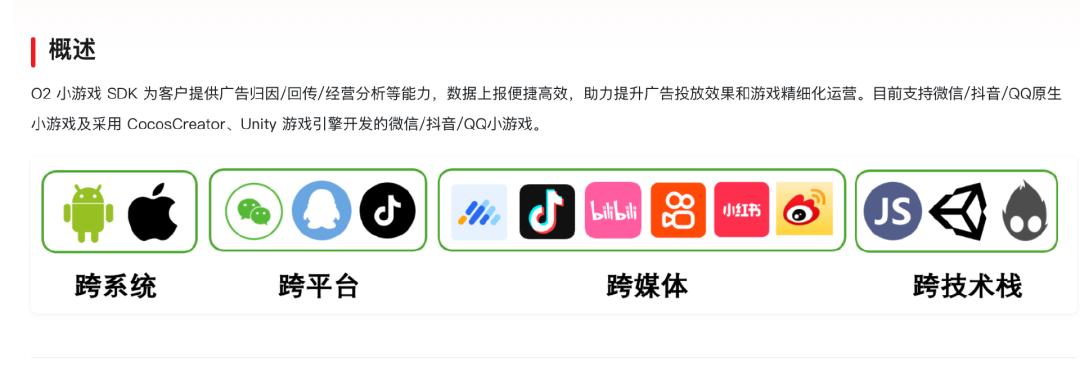
In terms of specific capabilities, the platform has built-in data collection, tracking point verification, and abnormal monitoring capabilities, which can automatically complete game business data reporting. It is also equipped with A/B testing tools to support gray-scale testing of product versions and activity strategies, helping teams verify iteration directions with data. At the same time, the platform is equipped with a toolbox including marketing dashboard, game resource hosting, and data security guarantee. The standardized access process compresses project registration, SDK integration, and data verification to a very short cycle.
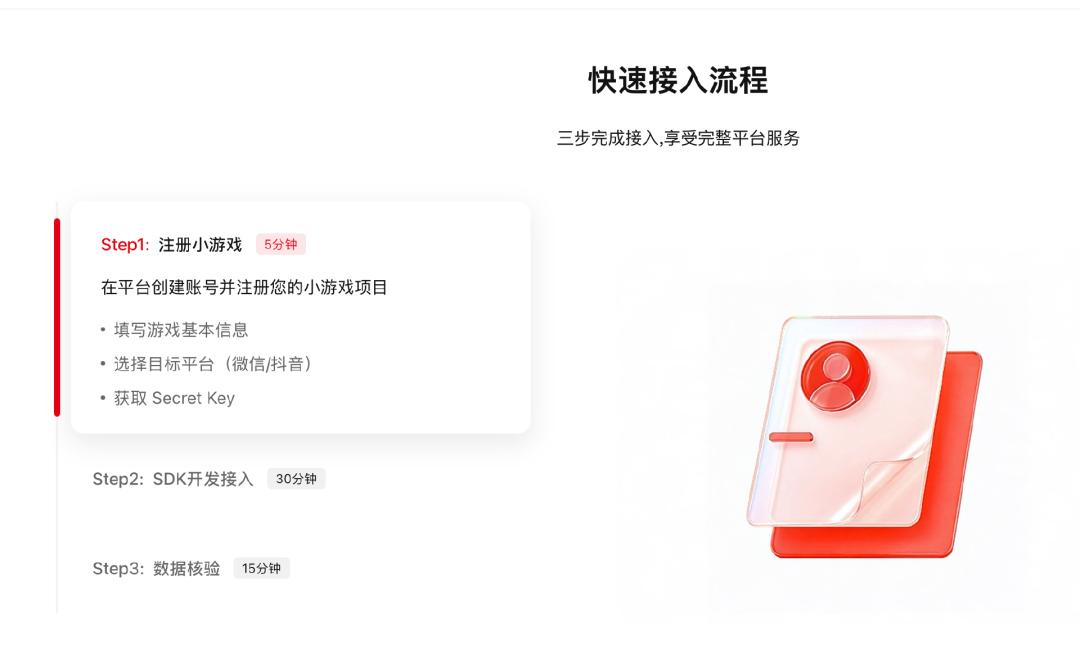
Small and medium-sized teams do not need to build a complex data system by themselves, and can obtain big-factory-level data diagnosis and delivery assistance capabilities. The platform also opens up the case library and technical documents, and is equipped with business docking channels to break down the barriers between technical development and commercial growth.
At the project selection level, WeFund (Youkeying) takes integrated products as the core mining direction, and clarifies three product selection principles to anchor high-quality mini-game projects.
The platform emphasizes that the so-called gameplay integration is not a simple pile of functions, but a real chemical reaction between different game mechanisms to create a novel gaming experience. Secondly, it values verified numerical indicators, considering that numerical indicators are the bottom line of products. Teams are not encouraged to blindly bet on new ideas, and products need to be verified by the market and run through the basic commercialization model. Finally, the product is required to have a differentiated art style or memorable feature, with selling points that can be clearly explained in one sentence, high recognition, so that players can remember the game.
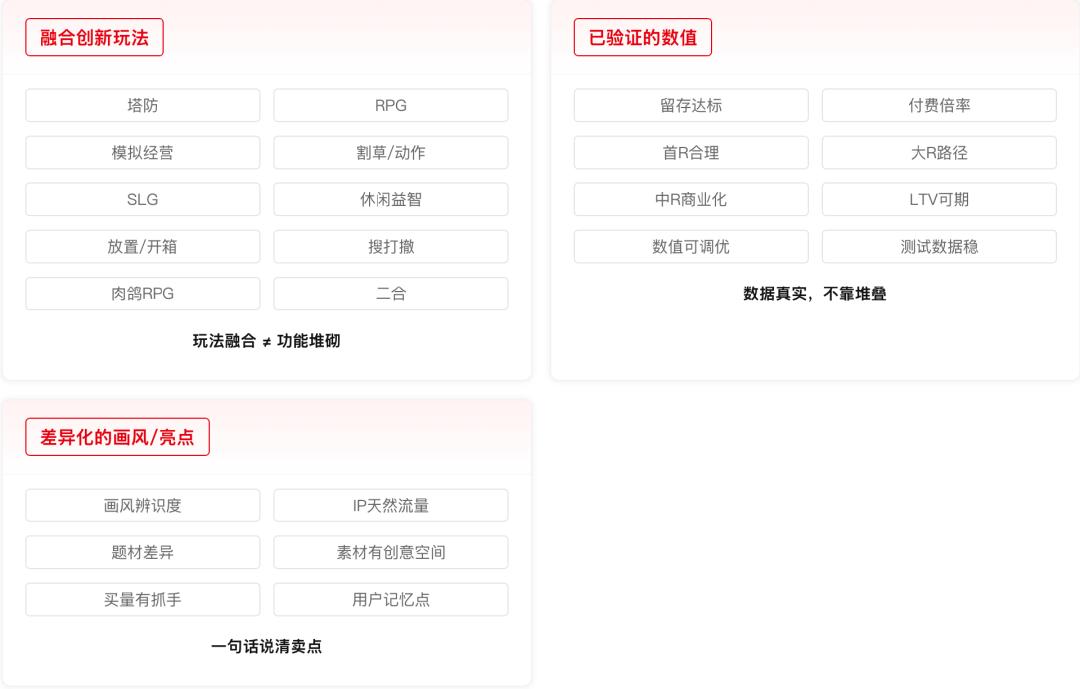
This set of product selection standards also reflects the underlying logic of WeFund: instead of blindly chasing follow-up skin-changing products, it is more inclined to tap integrated mini-games with innovative potential, stable commercialization and unique memorable features, and then rely on the platform's user acquisition, data and middle platform resources to expand the growth space of such high-quality projects.
WeFund currently mainly provides two cooperation modes: omni-channel agency distribution and customized development:
The first is the domestic omni-channel agency distribution mode, the core concept of which is that the R&D team concentrates on polishing the products, and Tencent takes over the distribution links. Tencent will take charge of the full-link distribution work including delivery, operation, creative material production, and community maintenance, while developers focus on development and directly reuse Tencent's mature distribution system. This mode is suitable for mini-game teams that already have mature products or are in the research and development stage and need professional distribution capabilities.
The second is the customized development mode, which focuses on in-depth binding and co-creation. Tencent provides funds to jointly customize and develop products with developers, providing both capital and distribution resources at the same time. Both parties jointly finalize the product direction, share risks and benefits. This mode is for teams with outstanding R&D strength but lack of project funds and distribution channels. The platform also stated that other cooperation plans can be negotiated and customized according to the needs of the team, and detailed policies need to be confirmed by contacting the business department.
02
Export Middle Platform Capabilities to Seize the Discourse Power of Mini-Game Distribution
ReadPlus believes that Tencent's layout of WeFund is essentially a strategic choice to export middle platform capabilities to the outside world under the background of intensifying competition in the mini-game track. At present, the mini-game industry has bid farewell to the early stage of barbaric growth, and a large number of small and medium teams are facing multiple pain points: repeated development for multiple platforms, distorted data caused by messy tracking points, lack of mature experimental tools for user acquisition and delivery, and it is difficult for high-quality creative products to stand out from massive works.
In the past, mini-game developers needed to connect with different platforms separately, build independent data backends, and the user acquisition, creative materials, and user operations were scattered and isolated, leading to extremely high trial and error costs. By launching WeFund, Tencent packages its internally accumulated capabilities in traffic growth, algorithm recommendation, and user acquisition materials into standardized tools to lower the threshold for mini-game entrepreneurship.
On the other hand, this is also a measure for Tencent to consolidate its discourse power in the mini-game ecosystem. With the help of middle platform tools, Tencent can deeply bind upstream and downstream R&D teams, attract more high-quality mini-game projects to access, and enrich the supply of ecological products. For Tencent, the platform does not take direct revenue sharing as the primary goal. Its core value is to improve the distribution efficiency of the entire mini-game track, activate the traffic ecosystem, and amplify the overall revenue of mini-game advertising monetization, joint operation and other businesses.
At the industry level, the launch of WeFund means that the competition in the mini-game track has shifted from a simple competition of traffic delivery to a competition of middle platform capabilities including data, experiments and refined operations. Relying on this one-stop empowerment system, small and medium-sized developers can focus their energy on the game creativity itself; while Tencent, with the help of the middle platform, continues to tap the long-term commercial potential of the mini-game ecosystem.
This article is from the WeChat Official Account "ReadPlus", author: ReadPlus, published by 36Kr with authorization.