Does Gen Z's spending on "competing to pamper the elderly" mean that the 500-billion-yuan senior companionship market has started to "harvest" young people in a reverse way?
The trend in the senior companion track has begun to shift.
Over the past few years, as the size of the senior population continues to expand, their social and emotional needs have been on the rise, making the companion service business a booming trend. Young people have stepped into the lives of the elderly, providing them with services such as medical accompaniment, chatting companionship, and travel companionship, to address issues including living alone, shrinking social circles, and insufficient companionship from their children.
However, a "reverse companionship" phenomenon has recently emerged on social platforms: Young people are starting to pay to find elderly people, inviting unfamiliar seniors to visit scenic spots together at their own expense.
In October this year, Beijing Wildlife Park launched a combined package that grants free admission to seniors accompanied by adults, prompting many young people to post team-up information on social platforms to find seniors who meet the age requirement to buy tickets and visit the park together. The demand surged rapidly for a while, and the news that "there are not enough seniors" even topped internet trending searches. What's more, a new group of "agents" have become active on various social platforms, acting as matchmakers for young people who need seniors to buy tickets and accompany them on visits.
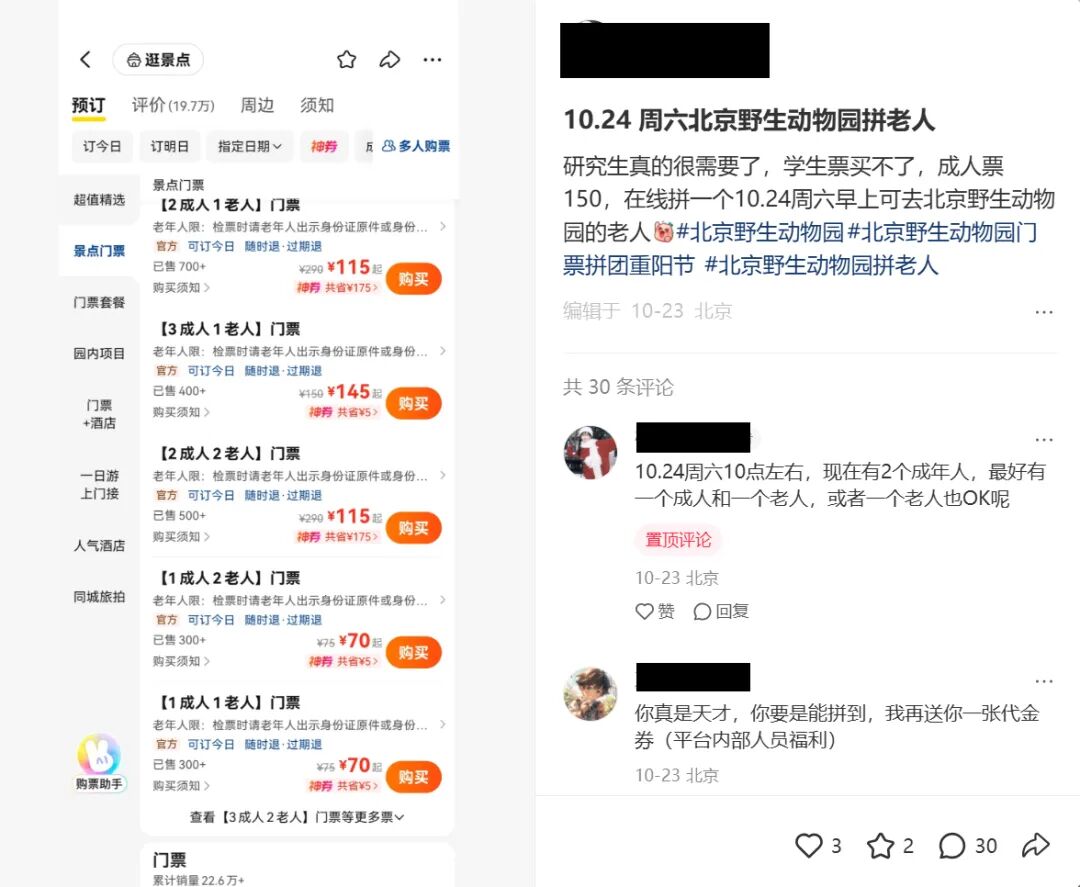
(Source: Xiaohongshu)
This seemingly accidental phenomenon sends a signal to the outside world: the commercial boundary of the silver economy is changing. When the consumption demands of young people and the elderly begin to overlap, new market opportunities are emerging around vertical tracks such as intergenerational socializing, cultural tourism experiences and companion services.
PART 01
Paying seniors to hang out with you,
Is the silver economy "harvesting" young people in reverse?
For the cultural tourism industry, how to attract tourists of different age groups has always been a key topic in scenic spot product design and marketing strategies.
In the past, the most common family packages for scenic spots were usually designed around "adult + child", corresponding to mature consumption scenarios such as parent-child travel and family travel. As the population structure and family travel demands change, traditional ticket packages have also begun to see new adjustments. In particular, as the travel willingness of the retired population continues to rise, how to connect the senior customer group with the consumption demands of other age groups is becoming a new idea for scenic spots to explore incremental markets.
Nowadays, "buddy socializing" has long been integrated into the daily life of young people, and it is no longer a novelty for strangers to form temporary groups around common consumption demands. This time, however, the group young people are looking for has become retired seniors.
In October this year, Beijing Wildlife Park launched a Double Ninth Festival exclusive package: 1 adult with 1 to 2 seniors costs 75 yuan; 2 adults with 1 to 2 seniors costs 100 yuan; 3 adults with 1 to 2 seniors costs 150 yuan.
In comparison, the regular adult ticket for the scenic spot is 150 yuan. That means if two young people can find one senior who meets the age requirement to enter the park together, their original ticket expense of 300 yuan can be reduced to 100 yuan.

(Source: Beijing Wildlife Park)
Young people quickly figured out the math behind this deal.
A large number of posts looking for seniors to join group purchases appeared on Xiaohongshu for a while. Some directly posted travel dates and number of participants, some looked for other young people who also lacked travel partners, and some offered to cover the park admission fee for the senior in exchange for the chance to buy the combined ticket. What's more, "agents" who "rent out seniors" have even emerged.

It is understood that this preferential activity of Beijing Wildlife Park is open to seniors who meet the age requirement, with no restrictions on household registration or region, but it requires all package members to enter the park at the same time, and the package cannot be used separately. It is exactly this combined ticket purchase rule that makes it possible for strangers to form teams.
In the past, senior tickets for scenic spots usually offered price discounts for elderly consumers themselves, with the core purpose of reducing the travel cost of the senior group. This type of combined adult-and-senior ticket embeds the senior's age qualification into the entire consumption package, making the senior an important condition for young people to get discounts.
By setting age thresholds and accompanying conditions, scenic spots guide consumers who might otherwise only buy single tickets to make multi-person combined consumption. One senior can not only enjoy free admission, but also help the scenic spot bring 1 to 3 paying adults. For scenic spots, waiving one senior's ticket in exchange for more young tourists entering the park is not necessarily a losing deal.
Especially outside of holidays, how to attract more tourists and improve the utilization rate of venues and facilities has always been a problem that all types of scenic spots need to solve.
For some retired people, scenic spot discounts, free admission, and having travel companions are attractive in themselves, and the team-up invitations from young people instead provide them with a new social opportunity.
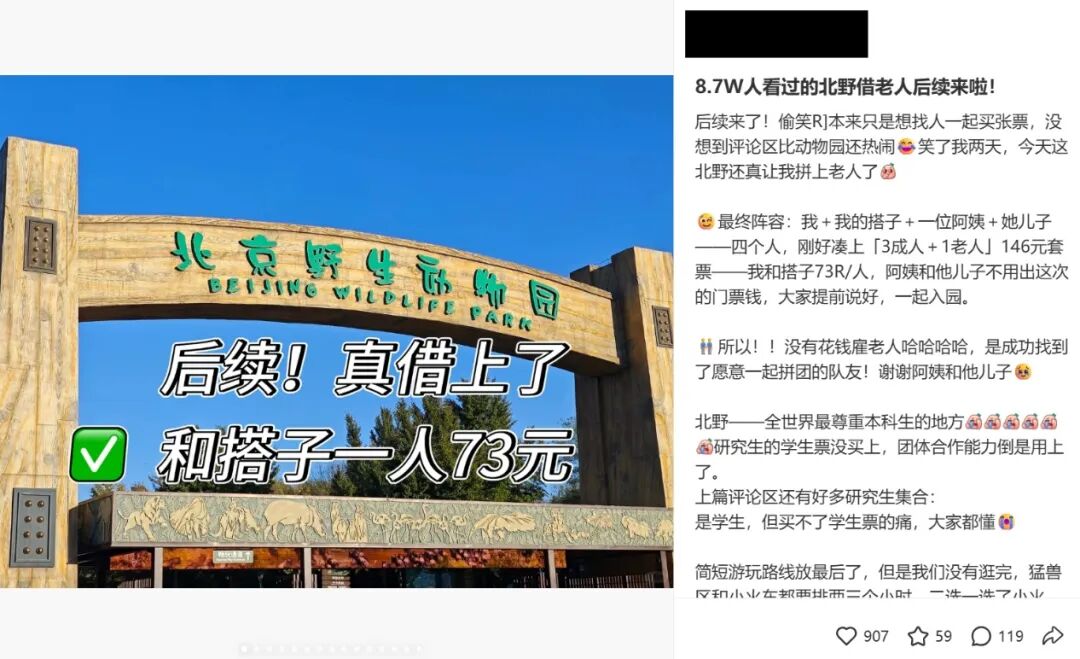
(Source: Xiaohongshu)
It is obvious that when scenic spots start designing consumption rights and interests through adult-senior combinations, the consumption relationship between young people and the elderly will have the opportunity to shift from one-way family companionship to more flexible collaboration between strangers. This also provides a new entry point for subsequent intergenerational companion services with higher commercial value.
PART 02
From service recipients to playmates,
Opening up new space for intergenerational socializing
Compared with young people looking for senior travel buddies, what is more worthy of the industry's attention may be the change in the social role of the elderly behind this phenomenon.
In the past, the elderly were often regarded as the demand side of companion services. Around this group, the market has already seen a variety of service models such as medical accompaniment, care companionship, and travel companionship. For some senior users who have no children around and lack daily social interaction, enterprises recruit young service personnel to provide companionship and help for the elderly.
However, as the structure of the retired population changes, more and more elderly people are no longer satisfied with passively accepting services. They have their own hobbies, the ability to travel independently, and the willingness to participate in social activities and make new friends. For this group of people, retirement does not mean the end of social life, but may instead be the beginning of rearranging their personal lives.
Data from the National Bureau of Statistics of China shows that by the end of 2025, China's population aged 60 and above has reached 323 million, of which the young-old group accounts for a considerable proportion. Many people in this group are in good physical condition and still have strong social participation capabilities.
At the same time, the consumption demands of the elderly are also extending from basic living security to cultural entertainment, tourism and experience consumption. The *Spatio-temporal Big Data Analysis Report on Silver Tourism* released by the China National Aging Association shows that the number of silver tourists in China has reached nearly 800 million person-times. Data disclosed by the State Taxation Administration also shows that sales revenue of elderly tourism services increased by 26.2% year on year, sports and health services increased by 23.9%, and cultural and entertainment activities increased by 20.7%.
It can be seen that the growth of silver consumption is expanding from the traditional life service field to the cultural entertainment experience field. The resources owned by this group of seniors are exactly complementary to some of the demands of young people.
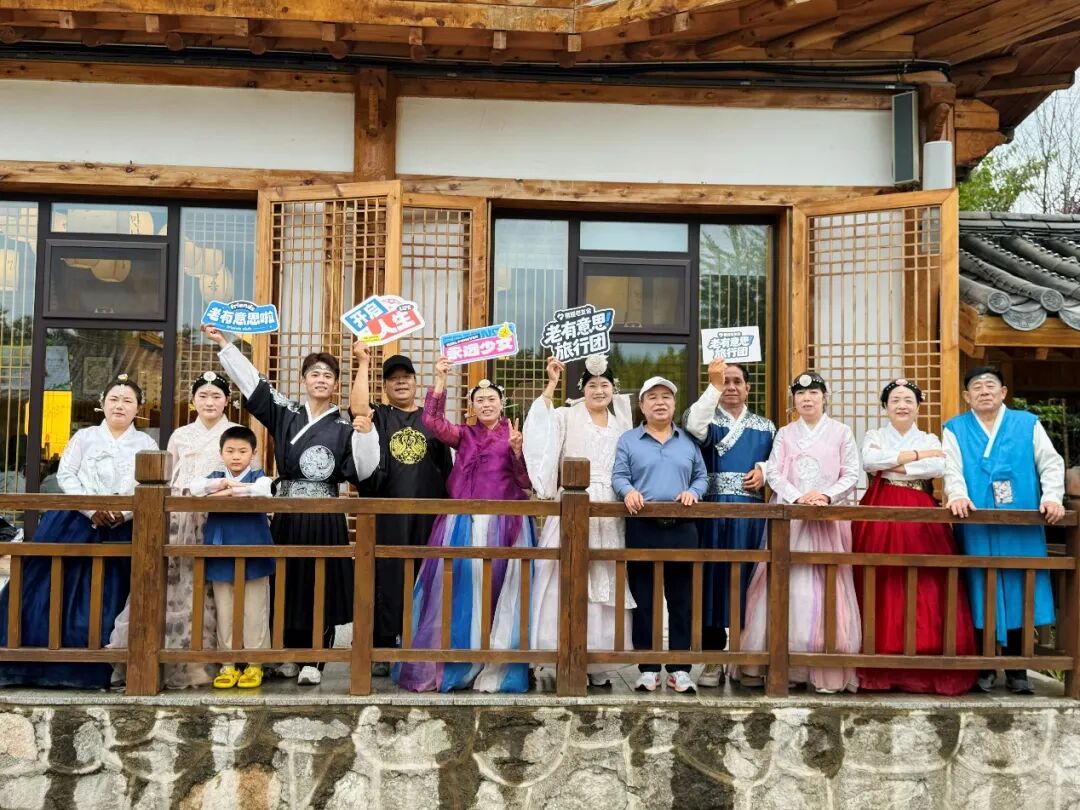
(Source: Trip.com Senior Club)
But from the perspective of the consumer market, this demand complementarity is not just an occasional match between individuals, it also means that a new service supply opportunity is emerging. When young people are willing to pay for companionship, experience and interest interaction, the elderly are no longer just service recipients in the traditional silver consumer market, and have the opportunity to become the party that provides services and creates value.
In fact, some domestic commercial institutions have begun to explore the interest socializing and companion value of the elderly.
Liu Jing, a post-90s entrepreneur, founded the Taiyouqu Retirement Club in Beijing 3 years ago. She told AgeTravel that the original intention of founding the club came from solving the social gap after her parents retired. "At that time, there was almost no concept of 'retirement club' in the market," Liu Jing said. In order to let her retired parents participate in social life, she posted a note looking for buddies on Xiaohongshu, and did not expect to get responses from netizens quickly.
Nowadays, with stable event operation and reliable member growth, Taiyouqu holds more than 80 events on average per month, with an annual revenue of over 6 million yuan.
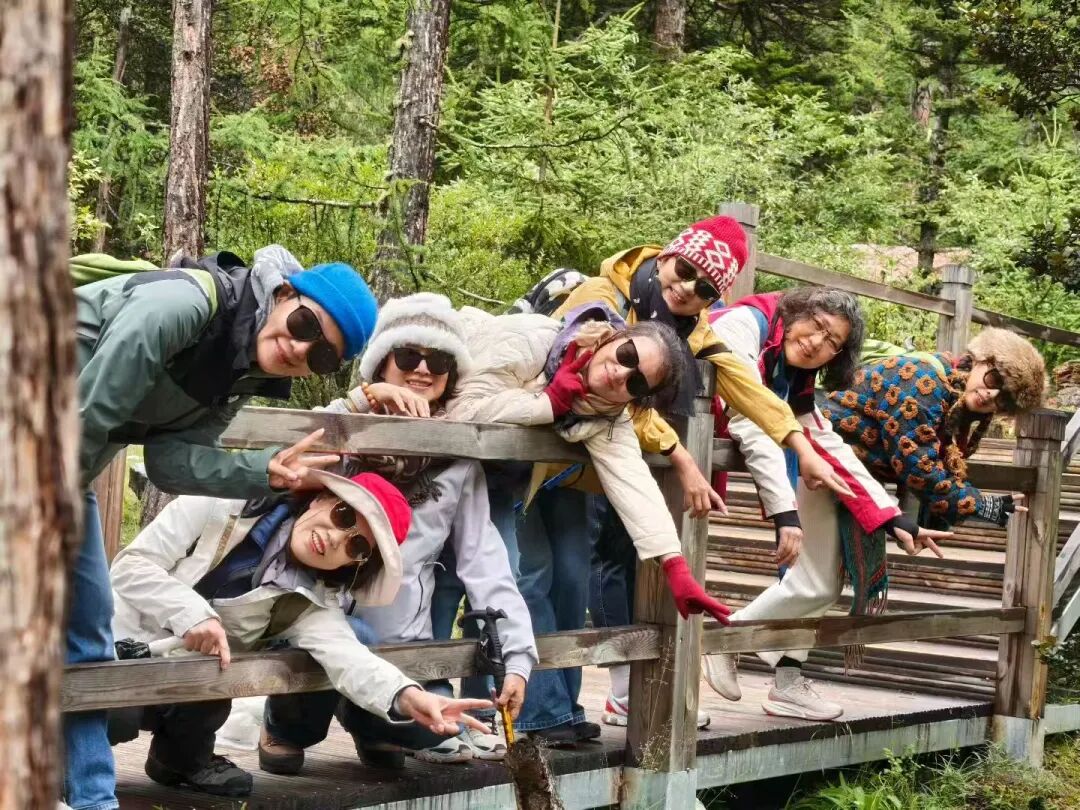
(Source: Taiyouqu Retirement Club)
At this stage, retirement clubs like Taiyouqu, which aim to find buddies for the elderly and enrich their spiritual and entertainment life, can be found everywhere across the country. This exactly proves that the elderly can fully become organizers, participants and content contributors of interest activities, rather than only being in the position of being served.
Similar changes are also taking place at the community level.
The "Siji Neighborhood · Elderly Care Buddy" program launched by Hangzhou Sijiqing Sub-district in 2026 classifies and matches demands for housekeeping, hobbies, cloud services, dietary therapy, sightseeing and other needs. Many post-2000s even signed up in the first batch of applicants. Through garden parties, WeChat groups and other methods, the community allows people of different ages to build connections around common interests.
It can be seen that intergenerational companionship does not necessarily mean that young people unilaterally serve the elderly, but can also be a two-way connection between people of different ages around interests, experiences and life needs.
For the silver industry, this means that the commercial value of the senior population needs to be re-recognized. In the past, enterprises paid more attention to what services the elderly need and what products they are willing to pay for. In the future, they also need to think about what resources the elderly can provide and how to convert these resources into sustainable consumption scenarios.
PART 03
Young people looking for seniors to hang out with,
Can a new model come out of this?
From teaming up with seniors at scenic spots to retirement clubs, and then to community intergenerational buddies, although the commercial attributes and maturity of the above cases are different, they all show that the senior population is gradually transforming from a single demand side to an indispensable participant in intergenerational consumption scenarios.
If this type of demand is further productized, what commercial opportunities can be derived from young people looking for seniors to hang out with?
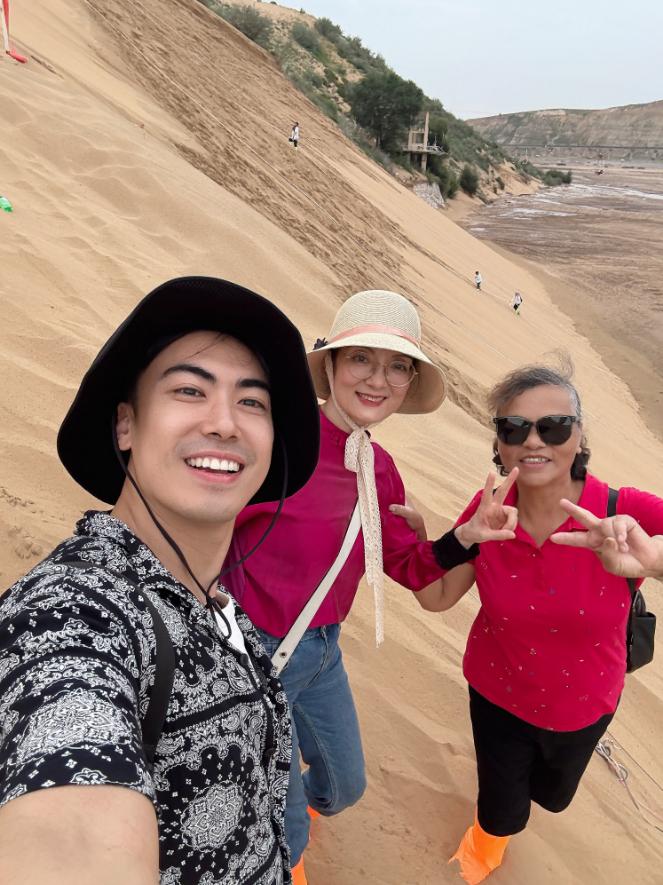
(Source: Trip.com Senior Club)
The first thing worthy of attention is the intergenerational team-up service around scenic spots and cultural tourism consumption scenarios.
The case of Beijing Wildlife Park has proved that specific ticket rules can stimulate young people's demand to find elderly travel companions. For scenic spots, instead of simply interpreting senior discounts as a kind of price concession, it is better to further think about how to expand customer group coverage through adult-senior combined products, and convert the original single ticket discount into more consumption opportunities.
Secondly, develop intergenerational playmate services around interest skills.
The commercial space of this type of model may be even larger. Nowadays, the companion economy for young people has gradually extended from traditional chatting companionship and play companionship to more segmented scenarios. Mountain climbing, hiking, visiting exhibitions and other activities can all become specific paid companion services.
Estimates from relevant industries show that the scale of China's companion economy is about 50 billion yuan. At present, the supply side of such services is mainly young people, but if the age boundary is further relaxed, the retired population can also become a core participant in the companion economy.
For example, retired teachers who are familiar with local history and culture can provide exhibition visiting companionship; retired people who are good at calligraphy, painting and handicrafts can provide interest experience and skill exchange. Compared with traditional tour guide services, the core value of such products is not necessarily professional explanation, but more real life experience and social interaction.
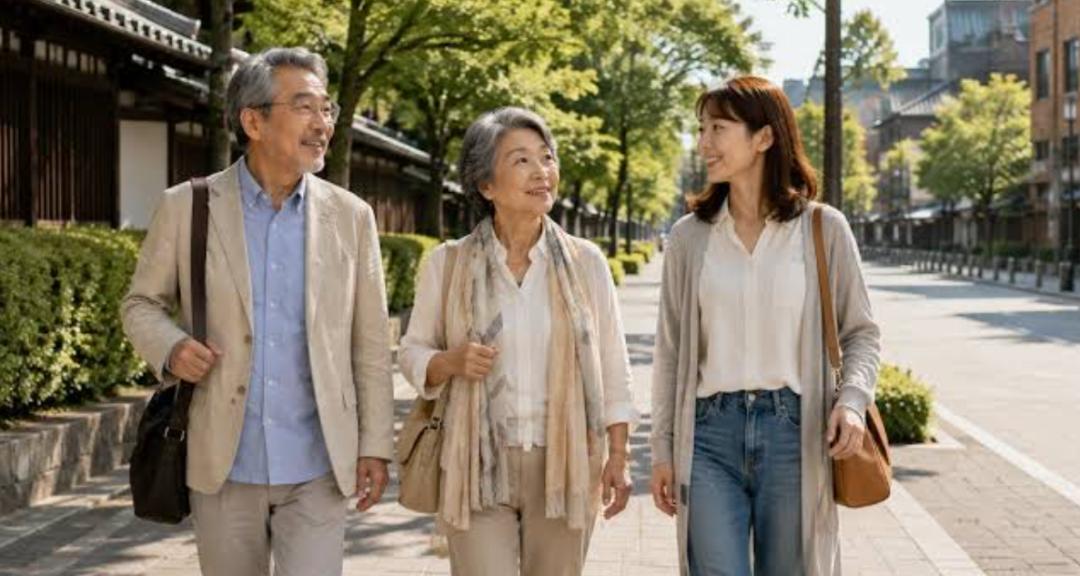
Third, build a cross-generational social platform for young people and the retired population.
Judging from current cases, young people looking for senior buddies mainly rely on social channels such as Xiaohongshu and WeChat groups. Although this model can quickly gather traffic, it also has several problems: information asymmetry between the two sides, low matching efficiency, inconsistent service standards, and even potential safety hazards.
If a dedicated buddy platform for people of different ages appears in the future, such scattered demands can be further integrated.
The South Korean enterprise Forparents is one of the cases. Its Buddy brand initially provided travel care and social companionship for elderly seniors, and later launched the travel brand Honored for people aged 50 and