The "Hermès of the yogurt industry" has closed 89 stores, yet the 18-yuan yogurt paste in county towns is being frantically snapped up?
Blueglass once sold a cup of yogurt for nearly 50 yuan, yet consumers still queued up to buy it; now its stores in many regions have closed one after another.
But on the other hand, in cities like Shanghai and Beijing, "yogurt paste" has quietly become a hit, with some stores recording daily revenue of over 50,000 yuan; brands such as Li Ruotao and Gu Ershu are rapidly expanding across the national market.
While former star brands are scaling back, new brands and new products are constantly emerging. What changes have taken place in the fresh-made yogurt track?
1
Blueglass Store Closures, Yogurt Paste Gains Popularity
Differentiation in the Fresh-made Yogurt Track
The fresh-made yogurt track is currently experiencing a round of replacement between old and new players.
On October 31, the Blueglass store at Nanning MixC ceased operation. This is just a microcosm of the brand's contraction.
According to data from Zhaimen Canyan, as of October 12, 2026, Blueglass has 148 operating stores, and closed 89 stores in the past year, with a store closure rate reaching 62.24%.
It used to sell a cup of yogurt for nearly 50 yuan, but now it has to face the operational pressure brought by changes in consumer demand.
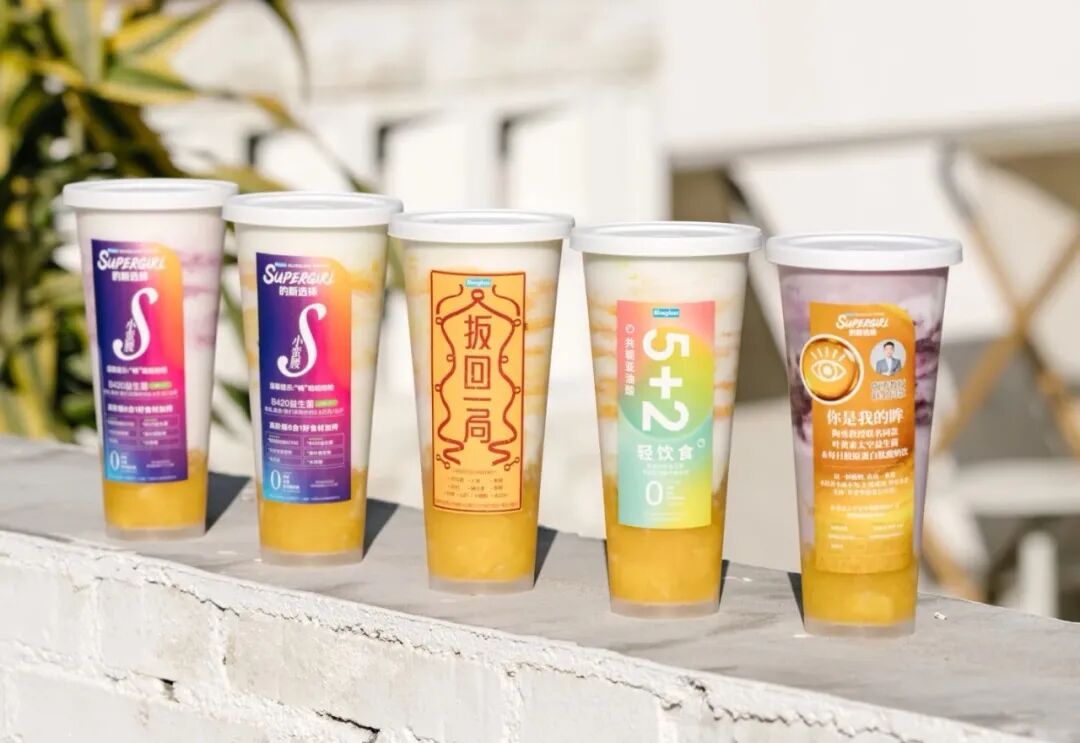
Interestingly, while Blueglass is scaling back, the fresh-made yogurt track has not lost its momentum.
Since September this year, "yogurt paste" has quietly become popular. It has spread all the way from Qiqihar, Dandong and Yingkou to counties and cities like Langfang and Suqian, priced at 18 to 25 yuan per cup. The Hello Kitty mango passion fruit yogurt paste launched by store owners in Harbin and Ningbo has been continuously trending on social platforms.
Brands such as Shanghai NIBU Ranch Handmade Yogurt and Youhou Yogurt, have ranked among the regional "queue kings" relying on yogurt paste.
NIBU focuses on cold-brewed yogurt paste and Mongolian yogurt bowls, which became popular from Beijing and Shanghai to Hangzhou and Wuxi. According to industry insiders, its maximum daily turnover exceeds 50,000 yuan.
Zhang Zuming, founder of Youhou Yogurt, told Kamen that the small store on Xiangyang South Road has a real income of nearly 20,000 yuan a day, selling more than 400 servings of yogurt paste per day.
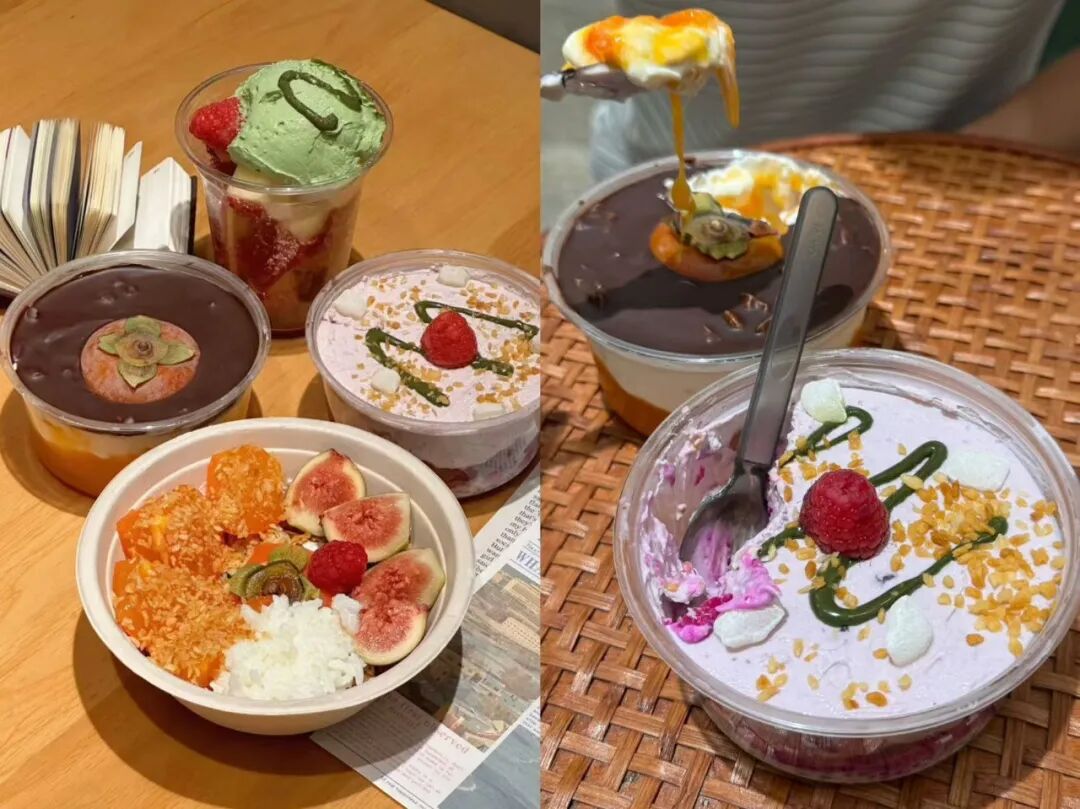
Muye Chenxi, which focuses on yogurt and fresh milk, recorded monthly revenue exceeding 1 million yuan at its single store in Hohhot in August this year, and successfully opened its first store in Beijing in the third quarter.
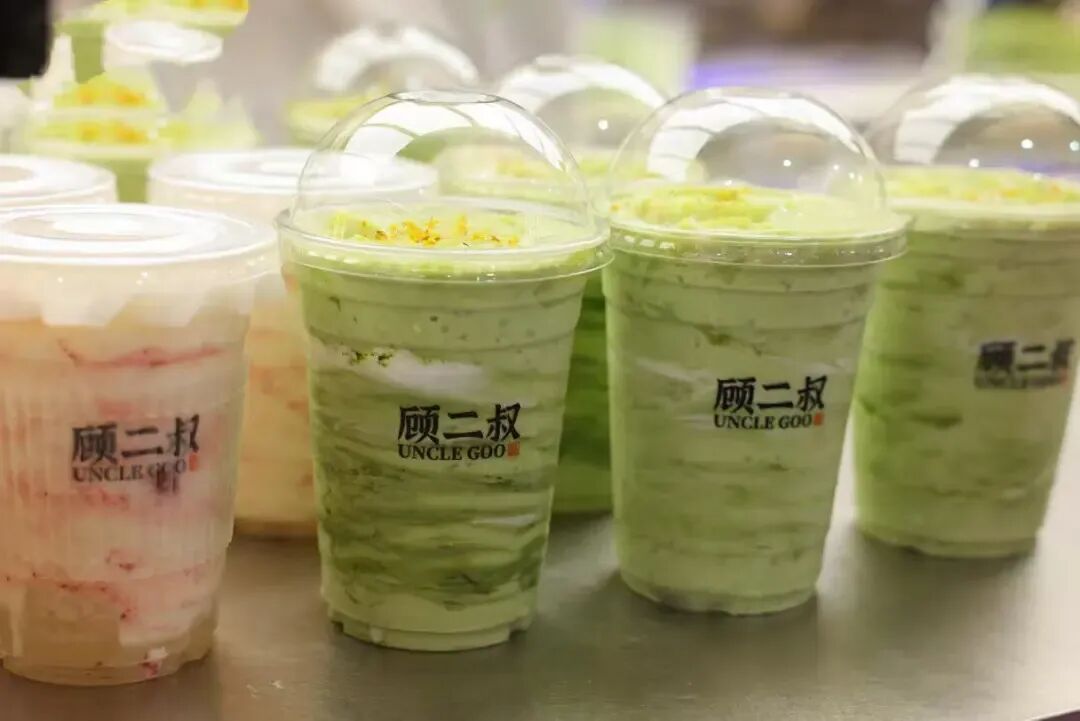
New yogurt forces are also accelerating store opening: Li Ruotao has opened 442 new stores since 2026, with the total number of national stores exceeding 660; Gu Ershu started from Xi'an, added about 160 new stores only from May to September, and had more than 230 stores by the end of September.
The store closures of Blueglass mean that the model driven by high-end positioning and shopping mall foot traffic is fading out. And new brands that innovate through product forms and shift consumption scenarios are reactivating the market.
2
From "Drinking Yogurt" to "Eating Yogurt"
The Structure of Fresh-made Yogurt Has Changed
In the past, fresh-made yogurt mostly existed in the form of "yogurt smoothies".
The most representative products are yogurt smoothies mixed with ingredients such as avocados, kale, blueberries and toppings, with the core attribute of being a drink, where consumers pursue the drinking experience of quenching thirst and light health preservation.
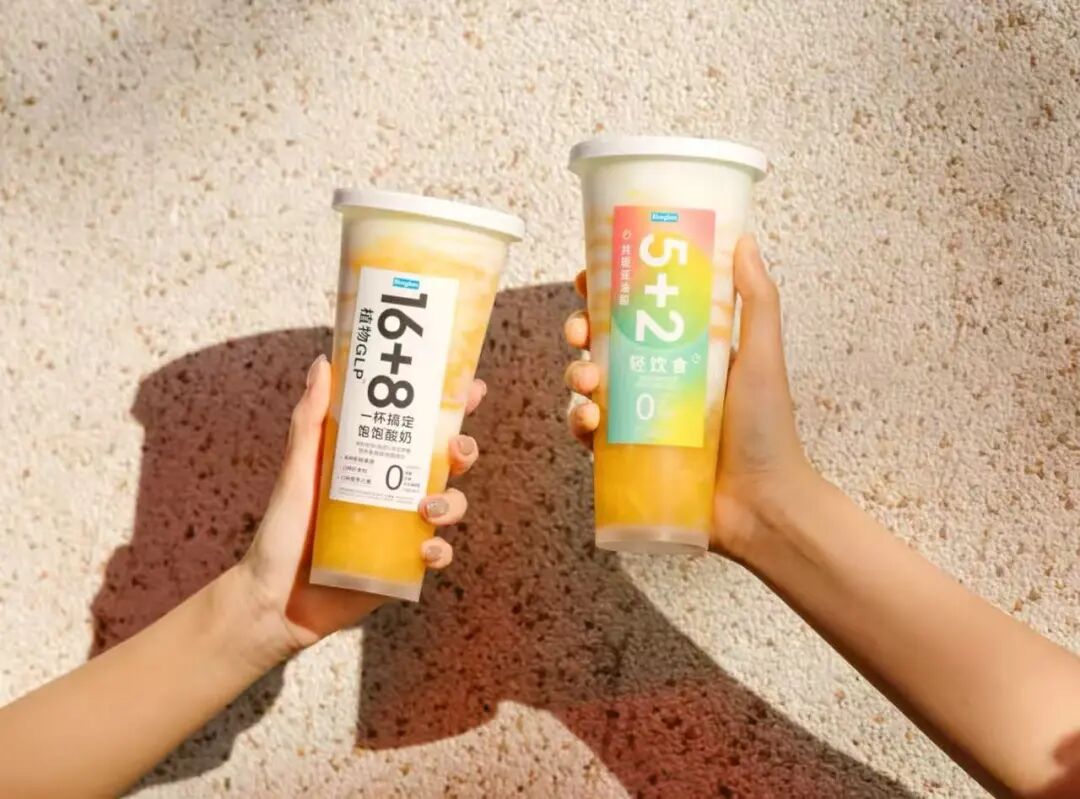
But now, more and more products such as yogurt paste, thick dry yogurt, cold-brewed yogurt and yogurt bowls are emerging. Through low-temperature fermentation, filtration and concentration processes, they weaken the fluidity of liquid, presenting a thicker, nearly solid texture.
NIBU's signature handmade yogurt bowls, made with 100% raw milk slow-fermentation, have original flavor canned yogurt, Mongolian milk tea yogurt cups, hazelnut banana fig bowls on the menu, which are "satisfying desserts" rather than drinks.
Consumers have shifted from "drinking a cup" to "eating a serving". This is not only a change in product form, but also means the shift of consumption scenarios.
Traditional smoothies mostly achieve taste changes through fruits, yogurt and ice cubes, which are prone to homogenization. Yogurt paste has more room for innovation, and fruits, nuts, chocolate, oats, jams, crispy flakes and other ingredients can be used as matching elements.
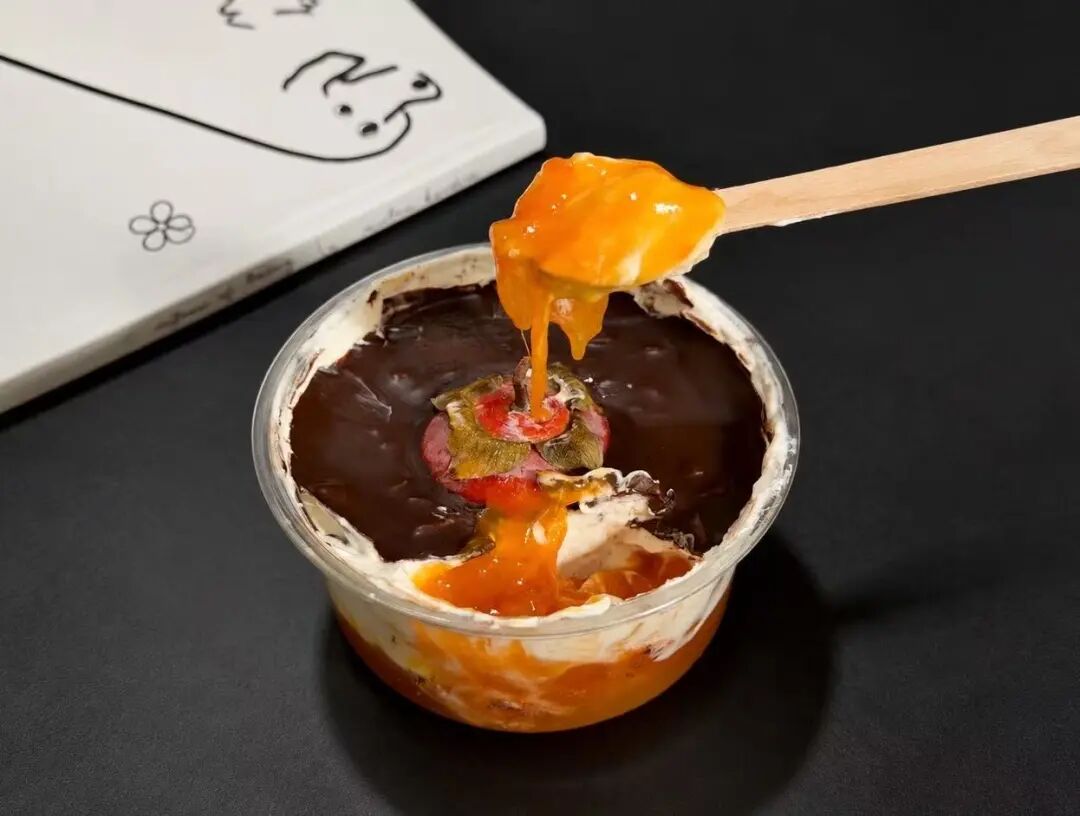
Take Youhou Yogurt's hit product "Crispy Dark Chocolate Flow Heart Persimmon Yogurt Paste" as an example, it contains fresh persimmons, chocolate crisps, nuts and other ingredients, bringing rich taste layers and more visual appeal.
"Our competitors are never the yogurt shops downstairs or Moi Yogurt, but light food brands, most consumers buy yogurt paste as a meal replacement." Zhang Zuming said.
As afternoon tea and dinner meal replacements, new-form yogurt is entering the consumption scenarios that originally belonged to desserts and light food.
This shift follows a clear trace.
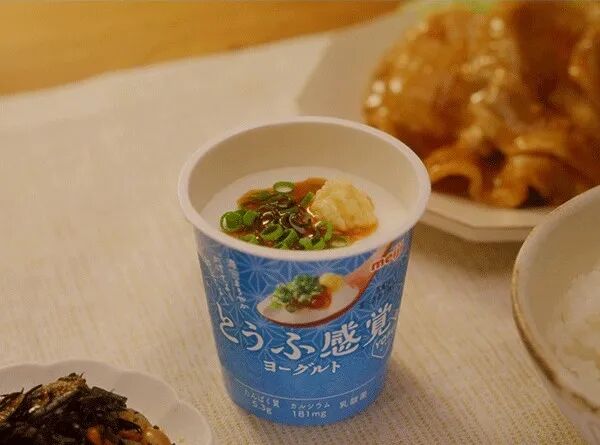
Japan has long had the trend of "yogurt as staple food". Meiji launched "tofu-like yogurt" in October 2025, which replicates the side dish collocation of tofu on Japanese dining tables, and its sales in the first month of listing reached 140% of the internal plan.
In Europe and America, the "staple food transformation" of yogurt has gone further: Yough's frozen Greek yogurt pizza entered nearly 2,000 Target stores across the United States in March 2026.
Li Ruotao's glutinous rice yogurt is the localized expression of this trend: the addition of rice makes the carbohydrates, chewing sensation and satiety of a cup of yogurt all reach the desired level at the same time. "Meal replacement" is no longer a marketing label, but a result brought by the product structure itself.
This is an important opportunity for fresh-made yogurt brands.
Drink consumption has a frequency ceiling, but when yogurt can cover multiple scenarios such as breakfast, snack, dessert and light food, it has the opportunity to obtain more consumption time slots.
Fresh-made yogurt is extending from drinks to food, and the category boundary is being reopened.
3
Fresh-made Yogurt Focusing on "Eating a Serving"
How Much Growth Potential Is Left?
In the wave of health upgrading of new tea drinks, fruit and vegetable tea was once the core answer of the industry.
Plant ingredients such as kale, shaddock and wheatgrass became popular in the market, and leading brands such as Heytea, Hushang Ayi and Chabaidu successively laid out this track, achieving extremely high sales and repurchase rates.
Now, is it possible for the upgraded fresh-made yogurt to take over the baton from fruit and vegetable tea relying on its advantages such as health benefits and meal replacement?
Compared with fruit and vegetable tea, fresh-made yogurt has more prominent category advantages:
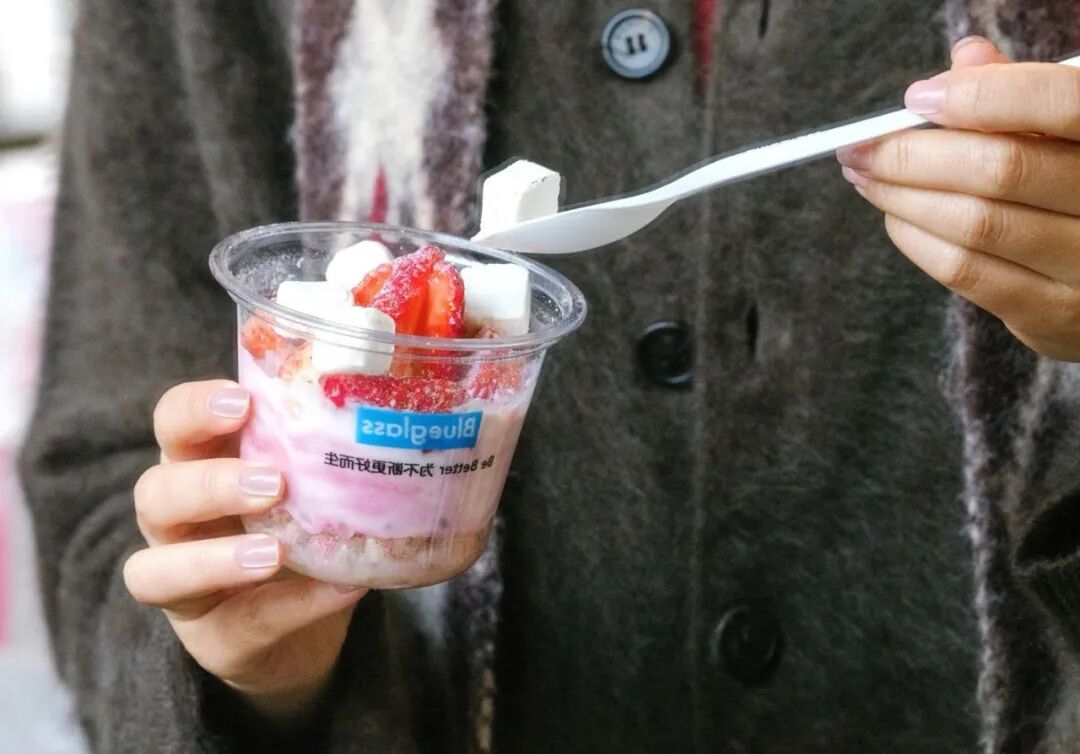
It can be drunk or eaten, and can enter the scenarios of breakfast, afternoon tea and light meal replacement; it has larger space for flavor innovation, and the milk base can carry multiple flavors such as sour, sweet and salty, matching rich ingredients such as grains, fruits and chocolate; the health attributes can be quantified, and selling points such as high protein, live probiotics, raw milk base and 0 added sugar are more intuitively perceived by consumers.
Most importantly, yogurt products can achieve precise scenario anchoring. C'estbon's "One Hour After Meal" directly tells consumers when to drink. After the launch of Dingdong Maicai V5 "Good Night Black Yogurt", its monthly sales increased by 200% and the repurchase rate exceeded 40%.
The potential of fresh-made yogurt lies precisely in that it can do both subtraction and addition. A serving of yogurt paste or glutinous rice yogurt has real types and quantities of probiotics, immediate chewing sensation and satiety, and meets the meal replacement demand.
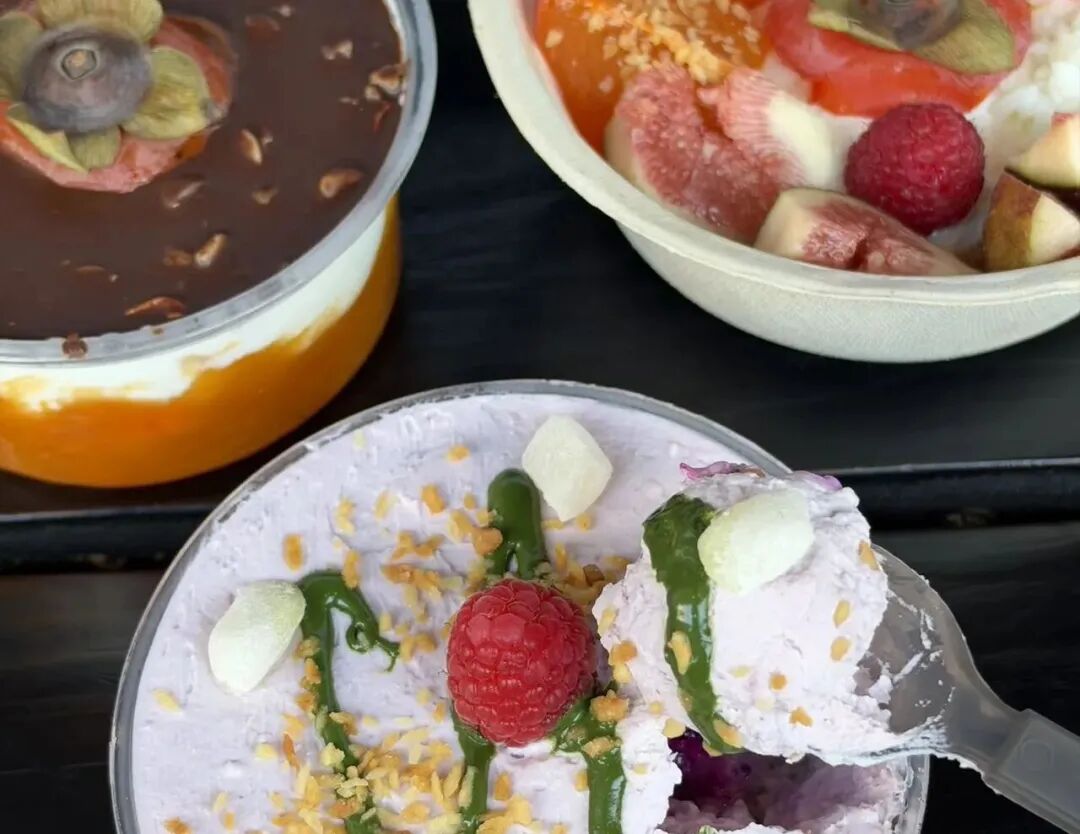
Fresh-made yogurt has the opportunity to become an important direction for the health exploration of fresh-made drinks.
It is worth noting that relevant industry standards need to keep up.
At present, popular categories such as yogurt paste, cold-brewed yogurt and thick dry yogurt have similar names, but there are obvious differences in raw materials, fermentation processes, concentration levels, water content and storage methods, leading to uneven product quality and mixed good and bad products in the market.
This is both a hidden worry and an opportunity.
In the future, whoever takes the lead in establishing product standards, stable supply chains and consumer trust will have the opportunity to gain advantages in the new round of competition.
This article is from the WeChat official account"Kamen" (ID: KamenClub), written by Guojun, and published with authorization from 36Kr.