IP prices have slumped by 50%, why are 400 modern idol dramas nowhere near as fun to gush over as *Feixue*?
The 95-generation actresses head-to-head modern romance drama face-off on two streaming platforms failed to outperform the viral fan-favorite chemistry between Li Na and Xu Fei that took the entire internet by storm in a variety show.
While Folding the Moon and Sunshower Today aired head-to-head at the same period, several interactions in the variety show See You Later, Buddy quickly drove netizens wild over the pairing. This adds another awkward case to China's modern romance drama sector: how could the carefully portrayed love stories performed by good-looking actors and actresses be less engaging than a few bickers and eye exchanges in a variety show?
Not to mention the "Feixue" CP (Li Na & Xu Fei), even the two competing modern romance dramas airing in the same window show a stark difference in aesthetic standards.
Folding the Moon still follows the outdated cliché where the female lead keeps getting wronged and waits for the male lead to step in and rescue her. All conflicts in the drama are entirely driven by a vicious supporting female character who creates scenarios to make the male lead look like a perfect protective partner. Sunshower Today also depicts bullying, deliberate harassment and redemption, but it lets the female lead fight back on her own, and leaves room for mutual support between female characters. Unfortunately, its low-saturation visual style and youth-pain tone failed to attract a large audience at the premiere.
The disputes over the two dramas have sparked widespread discussion: after the short-lived market boom brought by Early Spring Sunny, the modern romance drama sector has returned to a sluggish state. With the broadcast of The Sun Is Blazing, the top-tier modern romance IPs that were once frantically snapped up by film and television companies seem to have marked the end of an era. An industry insider commented that the ongoing "film and television winter" has also cooled down the IP market, with the copyright prices of some modern romance works dropping by more than 50%. Those love stories that used to be competed for at high prices now see their market value starting to loosen.
But with lower copyright prices, is it easier to produce modern romance dramas? As top-tier modern romance IPs are gradually exhausted, how much money and time are film and television companies still willing to invest in developing the next romance drama? Why are the once foolproof formulas of popular star actors, big IPs and viral CPs getting harder to turn into hit works? The more realistic problem is that audiences' views on love and aesthetic preferences are constantly changing, while a modern romance drama may take 3 to 5 years just in the development stage. By the time it finally airs, can the love story in it still resonate with audiences?
Love still has market demand, and modern romance dramas still have commercial value. But where exactly is the next hit hidden? Yule Ziben Lun (ID: yulezibelun) has interviewed literary planners of film and television companies, screenwriters, producers, as well as audio drama production teams such as Maoer FM and Sancao Culture, to discuss the real reasons behind the difficulty of making breakout modern romance hits along the whole chain of IP procurement, content development and film production.
# This article has interviewed six relevant practitioners, who are the 355th to 360th interviewees of "Yule Ziben Lun" in 2026
1
Modern Romance IP Prices Drop by Over 50%: Are Film and Television Companies Still Willing to Buy?
"The film and television winter has also chilled the IP industry."
Ou Keke, a literary planner at a film and television company, told our reporter that the copyright prices of modern romance works on Jinjiang Literature City have dropped, "the price drop even exceeds 50%. But the price of a good ancient-style romance work still remains very firm."
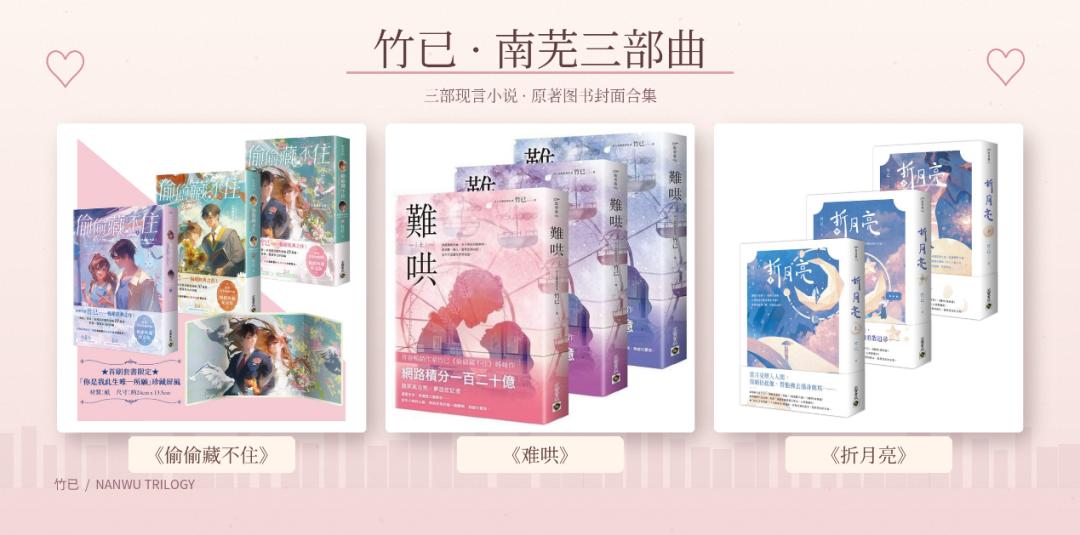
With well-known novels such as Hard to Hide and The Sun Is Blazing being adapted into screen works one after another, the top-tier modern romance IPs that were once scrambled for by major platforms are seemingly leaving the era of high-price bidding.
Our reporter counted the public long-form drama film and television copyrights sold on Jinjiang Literature City and Douban Reading from 2021 to September 2026. In 2025, the number of transactions on Jinjiang dropped from 84 in 2024 to 42, while the number on Douban Reading dropped from 27 to 10, down 50% and about 63% respectively. In the first three quarters of 2026, the two platforms sold 25 and 7 copyrights respectively, and the transaction scale is still at a low level.
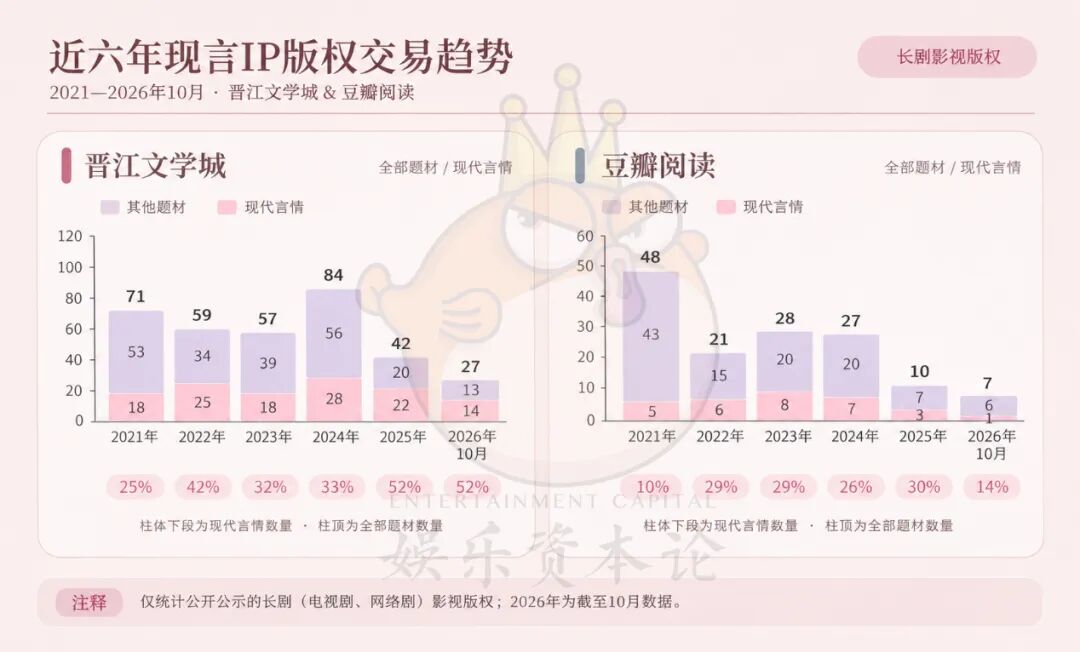
But modern romance is still an important procurement theme. In 2025, Jinjiang sold 22 long-form drama copyrights for modern romance IPs, down from 28 in the previous year, but the proportion rose from 33% to 52%; the number on Douban Reading dropped from 7 to 3.
Zhao Jing, head of copyright at Dayu Culture, revealed to our reporter that in the past two years, the long-form drama copyright procurement of film and television companies has clearly tilted towards grand ancient-style romance, suspense and feminist themes, with the demand for modern romance relatively lower. However, modern romance still has certain transaction space in the vertical short drama and medium-length drama markets.
Ou Keke believes that the loosening of prices is also related to the competition among literary platforms, "Jinjiang is no longer the only player in the modern romance market". As top-tier novels such as Hard to Hide and The Sun Is Blazing are adapted for screen one after another, new works can hardly replicate the previous influence quickly.
Fumeng Ruowei, producer and voice actor of audio dramas at Sancao Culture, shares similar feelings. She believes that early works such as Secretly Can't Hide and Hard to Hide had about two years of reader accumulation from the completion of the novel to the development of the audio drama. Now new works have no time to settle before they have to face the competition for users' attention from short videos and other content forms. "Creating a so-called big IP at the source of the IP is much harder than before. First, there is no enough time, second, it is really difficult to capture users' attention now."
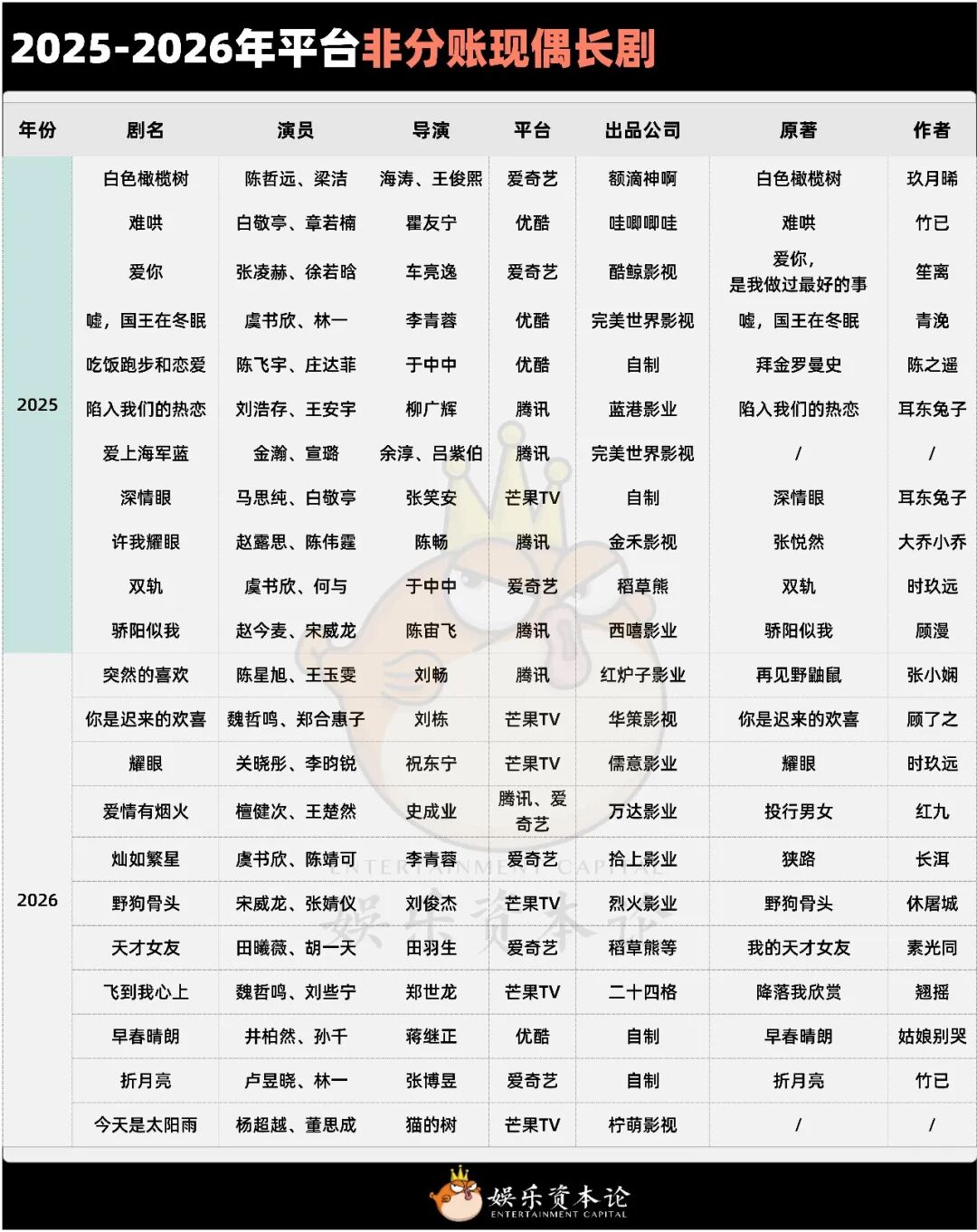
Ou Keke believes that top-tier modern romance projects are not easy to produce in the first place. Our reporter sorted out the key modern romance dramas of the four major long-form video platforms in the past two years, and about 10 new projects are broadcast on average every year, with a small number of backlogged projects released. There are still very limited works that can achieve both effective viewership, social viral spread and widespread public discussion.
The general production scale of modern romance dramas is at level A to A+. Taking a project with an investment of 80 million to 100 million yuan as an example, Ou Keke said that the salaries of two leading actors account for 40% of the total budget, marketing accounts for another 5% to 10%, leaving less than half of the budget for actual production.
The cost reduction and efficiency improvement of long-form video platforms have also squeezed the living space of mid-tier modern romance dramas. Many modern romance novels are relatively short in length with concentrated character relationships, which originally cannot support a 20 to 30 episode long drama. Now that medium-length dramas, micro dramas, comic dramas and other forms are gradually mature, these stories have more suitable adaptation destinations, and film and television companies do not need to forcibly expand the content volume to make long dramas.
However, Ou Keke said frankly, "The investment promotion revenue of modern romance dramas can make up for the insufficient production budget. As long as you can sign top-tier or popular actors, you don't have to worry about investment promotion. Besides, it is much easier to get brand placement deals in modern dramas than in ancient costume and period dramas."
Compared with themes like ancient costume and period dramas, modern dramas have richer consumption scenarios. Brands of food and beverages, beauty and skincare, mobile phones and automobiles, clothing and home supplies can all naturally integrate into the daily life of characters. In addition to in-drama placement and mid-roll advertisements, character-related merchandise, classic CP scenes, brand co-branding and peripheral derivatives also provide space for commercial development after the drama is broadcast.
Ou Keke calls modern romance dramas the "evergreen tree" in long dramas, with relatively flexible shooting and post-production, outstanding investment promotion advantages, so platforms and production companies can hardly abandon this track. She believes that film and television companies should pay more attention to the content when selecting IPs, and the original work's data, author popularity and past screen adaptation performance can only be used as commercial references.
But the actual trading market relies more on data. Zhao Jing told our reporter that in recent years, film and television companies have actually paid more attention to the data of original works, especially in the long-form drama market. Even if works with average data have potential content, there are rarely cases where multiple companies compete for them.
Fumeng Ruowei said frankly, "The so-called IP now does not equal content that is very suitable for film adaptation and audio drama adaptation."
As top-tier modern romance IPs are gradually exhausted, discovering good stories in works with a small fan base has become a necessary skill that film and television companies have to re-learn. Zhao Jing recommended the author Meng Zhiwan to our reporter, saying that the data performance of her past works is very good, and both film and television companies and platforms have high expectations for her new work The Mist Clears and the Flute Returns.
2
Even 95-generation Actresses Can't Drive Viewership: What Exactly Went Wrong in Modern Romance Dramas?
This year, the hardworking actress Tian Xiwei has had 4 dramas aired, covering almost all mainstream drama themes. Her works Chasing Jade, Marry the Golden Hairpin and Low-IQ Crime all achieved the result of exceeding 10,000 in popularity on iQiyi, Tencent Video and Youku respectively, but the broadcast performance of her modern romance drama Genius, Girlfriend is obviously much weaker.
First-tier 95-generation actresses including Yu Shuxin, Lu Yuxiao and Wang Churan have all experienced the market test of modern romance dramas. Works such as Bright as Stars and Folding the Moon all failed to meet expectations. Wang Churan even received a large amount of negative public opinion due to disputes over her modern romance works, and has not taken any modern romance drama projects since then. The theme that once made it easiest for young actors to open up the market with good CP chemistry now cannot guarantee continuous audience engagement even with popular leading actors and well-known IPs.
Ou Keke believes that creators need to figure out what the audience wants to see in a romantic pairing, "What modern romance audiences are craving for is the reaction of the male and female leads, their reaction to being in love."
She mentioned Li Na and Xu Fei in See You Later, Buddy: the two did not have deliberately designed grand dramatic events, and only relied on micro-expressions, a few lines and interactions, and a few eye exchanges to make the audience obsessed with their pairing. In contrast, some modern romance dramas only focus on piling up misunderstandings, villain characters and workplace crises, without leaving enough space for emotional accumulation between characters.
"Every couple has different obstacles in their relationship, and every couple has different reasons for falling in love." Ou Keke believes that what really needs to be made clear is why the two people fall in love, and how they change their understanding of each other in the process of getting along.
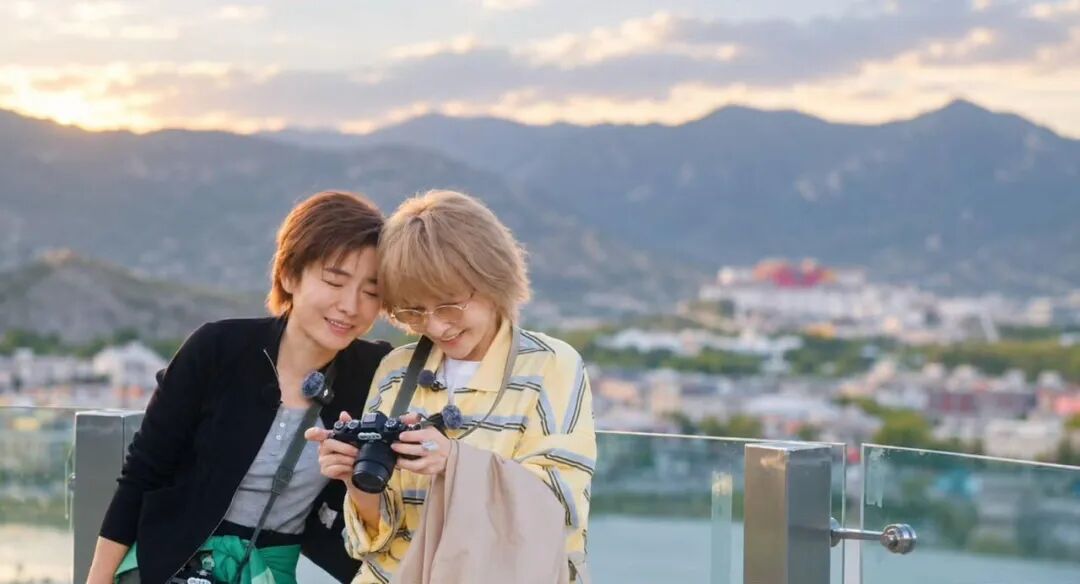
The whole internet is obsessed with the "Feixue" CP in See You Later, Buddy
The audio drama industry may provide another perspective for this kind of understanding.
Fumeng Ruowei recalled that around 2023, she accidentally saw the recommendation of Early Spring Sunny on Xiaohongshu, and proposed the development suggestion to Maoer FM after finishing reading it. At that time, this novel was not a top-tier IP with a huge fan base, and it did not attract readers with strong plot or high-concept settings, but the completely different personalities of the male and female leads made her see the potential of the character relationship.
"The male lead and the female lead are two extreme characters, so the chemistry they generate has room for discussion, which we noticed at that time."
Luan Nian's sharp tongue and strong personality form a sharp contrast with Shang Zhitao's softness and tenacity, making it difficult for the audience to simply judge who is right or wrong. Fumeng Ruowei believes that the really attractive part of this story is that it can trigger the audience's discussion on views on love and life, "It is not like other dramas where after the broadcast, people just say 'it is very sweet, and you will envy this kind of love pattern'. It is actually a discussion of related topics."
This choice later got positive market feedback. Ding Ding, head of content production at Maoer FM, told our reporter that compared with works such as Secretly Can't Hide and Hard to Hide, Early Spring Sunny did not have explosive growth at the initial launch, but formed a very stable long-tail performance, and even attracted a group of mature users who rarely came into contact with audio dramas before.
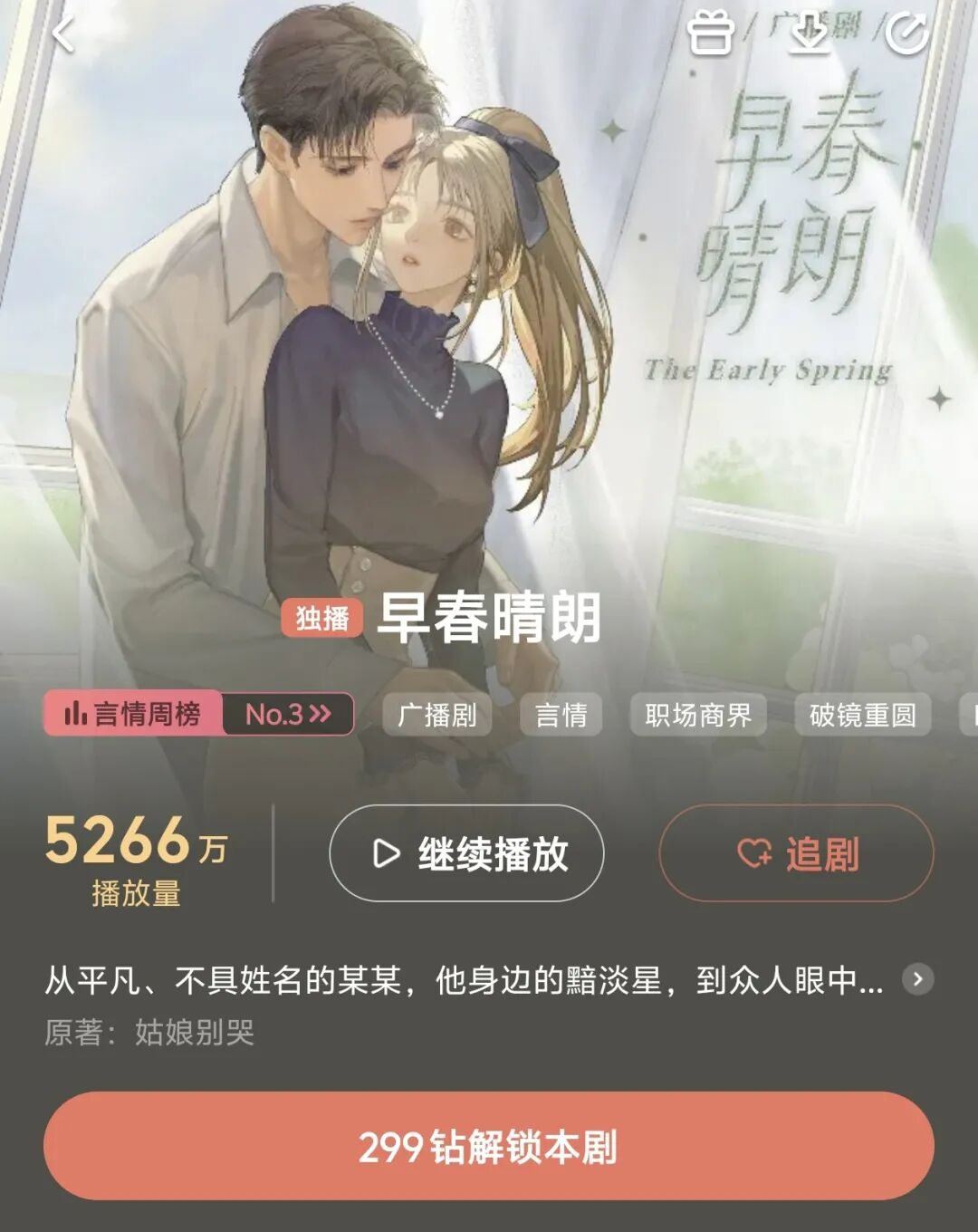
Fumeng Ruowei observed that the largest audience group of audio dramas used to be female users around 20 years old, but many female listeners in their 30s and 40s appeared among the audience of this work. After the free episodes switched to paid episodes, the number of users hardly dropped significantly. During the broadcast, the plot involving workplace sexual harassment and the key breakup scene of the male and female leads successively drove discussions and spread on social platforms.
Early Spring Sunny is not the first hit work that Maoer FM has launched in the modern romance audio drama sector. The play counts of Secretly Can't Hide and Hard to Hide have exceeded 100 million, and popular modern romance IPs such as Deep in My