We leverage AI for game development, driving the development cost down to just 20 yuan.
Last week, a friend sent me a long list of web links, saying he had been slacking off like crazy at the office.

Originally, veteran players like me who experienced the Flash game era and love indie games would never bother to glance at this type of casual mini-game. That was until I opened a ridiculously well-made game that almost meets AAA production standards.
All players familiar with FPS games know that the most popular genre in recent years is the "loot-shoot-exfiltrate" type, whose origin traces back to Escape from Tarkov. But what if I tell you that this game can be played directly in the browser? This is exactly the web game Saltline released by Anthropic engineer Felix Rieseberg.
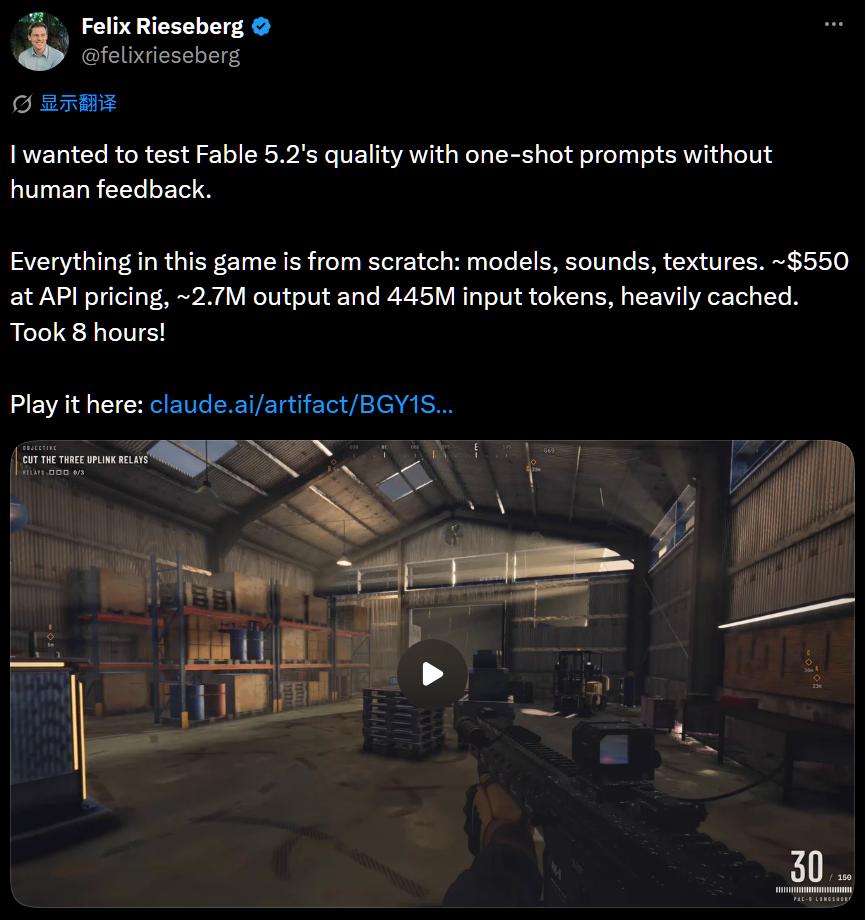
The realistic lighting effects and high-definition textures are unbelievable to countless players. During the first five minutes of gameplay, I kept thinking this must be some kind of cloud game, and what I was playing was actually a real blockbuster running on the backend. But the truth is surprising: Saltline is a 100% AI-generated game. It was even produced with a short prompt, and Fable 5.2 ran for 8 hours to output the complete game directly. Felix Rieseberg also specially emphasized that all assets including the game's models, sounds and textures are created from scratch, with a total cost of only 550 US dollars.
If AI can make games like this, will all game developers be out of work collectively? Can an ordinary person also turn the game ideas in their head into a real playable product?
So I spent some time making my own game.
Start making a game from the web
As a long-time game player, when we think about game development, the first things that come to mind are often game engine tools like Godot, Unity and Unreal Engine, as well as development costs such as professional teams and long production cycles.
Web games are only a niche choice compared to full-fledged native games. They are small in size, require no installation, and once you generate a link, others can start playing immediately.
But the biggest advantage of web games lies in their accessibility for game developers. Creators don't have to get stuck in complicated technical knowledge first, and can focus more energy on creativity and gameplay. You can quickly verify whether an idea is feasible.
With this testing mindset, I tried all the popular AI-powered web mini-games on the market one by one.
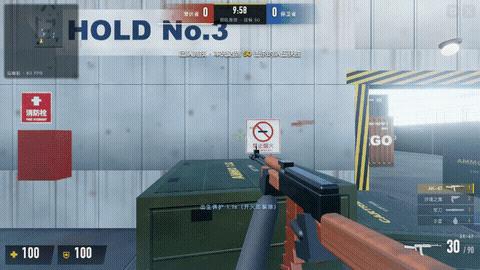
The first one is a web-based shooting game based on the classic "Transport Ship" map from CrossFire. This game brings all the containers, pipelines and firefight zones into the browser, which perfectly reproduces the combat excitement of gunfight games.
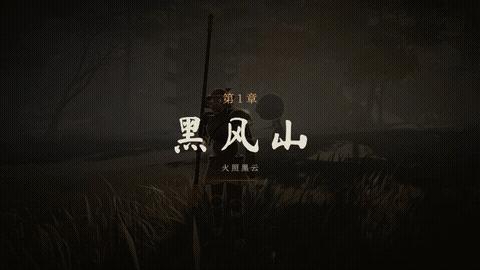
Another one is a fan-made web game of Black Myth: Wukong. Although its graphics are very rough, it well restores the movement, dodge, light and heavy attack mechanics that action games should have. But it cannot reach the quality of the original game, and it fails to reproduce some special moves and complex actions.
After playing all these games, we came to a conclusion.
Almost all these AI web games on the market refer to the graphics and gameplay of their original counterparts. That means, when the gameplay and reference objects are clearly defined, AI can achieve a high level of visual similarity. AI can complete basic scene assets, interaction logic, player actions and game mechanics quite well.
But at the same time, my experience playing Flash and indie games makes me very clear about one thing: the most important thing for a good game is not complexity, but that it is fun to play.
A good game can have a touching story that is presented only through dialogues and text demonstrations; it can also offer smooth combat experience that is delivered through light effects and scene feedback. Take the recently viral game Deep Space Pawnshop as an example. Its graphics are pixel-style, but its complex synthesis system, economic feedback and well-built worldview immerse a large number of players.
After playing all these games, my judgment is more prudent than the initial thought: when the reference object is clear, AI is already very good at building graphics and basic interactions; but these games only prove that AI can "replicate" existing works, not create original ones.
Since the idea is feasible, as a game player, I feel very excited.
Can an ordinary person with an original idea plus AI create an interesting and fun game? Has the threshold of game creation really dropped to a level that ordinary people can reach? Can people with ideas and willingness to practice quickly get a playable prototype?
So I conducted a test.
I used DeepSeek and Kimi to make a roguelite "horde survival" game respectively
For the game genre, I chose the roguelite horde survival game, which has been very popular in recent years and offers the highest safety margin for indie game developers.
There are two classic representative works of this genre on the market, namely Brotato and Vampire Survivors. The general modes of the two games are very similar: players control a character to move and fight monsters, then level up to choose new abilities and weapons, and there are synergies between these abilities and weapons. It is a bit like forming winning tile combinations in mahjong: several specific skills and weapons can combine to produce special effects and let you "win the hand".
Back to our project. This time I plan to make a game where the protagonist is a writer who enters the world of draft paper to fight against things that creators are all too familiar with: blank pages, pop-up notifications, procrastination, anxiety, and the final deadline. The operations players can perform include moving and attacking. They can use the spring in the scene to recover health, use explosive barrels to deal area damage, choose one of three enhancements when leveling up, buy equipment and skills in the shop, and get enhancement chests by killing elite monsters.
For the overall game flow, I designed five independent main story levels with different themes. The goal of clearing the level is very clear: survive for ten minutes, and finally defeat the final BOSS.
With the general requirements in mind, I sorted out the above requirements into the same task document, and asked DeepSeek V4 Pro and Kimi K3.1 Pro to complete the 2D and 3D versions respectively, and finally got four demos.
Before using AI, we need to make a project plan first.
First, we will develop this action roguelite game Inspiration Defense using tools that run natively in browsers and are compatible with all devices, such as HTML, CSS and native JavaScript (the 3D version uses low-poly Three.js). Players resist distracting thoughts in the draft paper world, survive 10 minutes in each of the five levels, form builds through upgrades, shops, equipment and weapon evolutions, and defeat the end-of-level BOSS.
Then comes the overall game design architecture: how to design levels, what types of enemies there are, when the BOSS appears, what actions the protagonist can perform (movement, active attack, dash, hit protection, dual-terminal input), what interactive objects are available (sustained interaction of the inspiration spring and interruption when taking damage, area damage of the burst ink barrel and the usage of luring monsters), as well as the final UI design.
After giving the basic requirements, we also need to input game development methodology and acceptance criteria to AI.
We force the entire development to advance in nine stages: engineering baseline, mainline state machine (the planning diagram of what stage the game is in and what the next stage is), basic combat system, progression shop and equipment evolution, shared enemy behaviors, the first level vertical slice (that is, making a complete playable process first to verify whether all core systems can work together), levels 2 to 4, the fifth level and ending, cross-terminal (PC and mobile) experience and construction deployment. At the same time, there will be an acceptance check after each stage, and the acceptance checklist is divided into four categories: mainline process, combat interaction, progression persistence, and project launch, with items listed one by one.
At each stage, we first write automated tests that will fail, clarify the rules of this stage, then write the implementation to make the tests pass, and finally supplement the boundary conditions and organize the code. This is called the TDD (Test-Driven Development) mode in engineering. Simply put, it is like writing an "acceptance checklist" before starting to build a house - for example, "the living room window must be able to open 45 degrees", "the water pipe must not leak when the pressure reaches 3kg". Then you only do exactly what is needed to pass these checks. After passing one item, you write the next check, then implement it, until you finish all the work.
Finally, and the most critical part, is to choose the right tools.
This time we chose two models to work on the project, so that we can compare the specific differences in their effects. To get close to the real scenario of domestic users, we did not use Claude or ChatGPT for this test, but chose two popular models in China: DeepSeek v4 pro and Kimi k3.1 pro.
To compare the performance of different models on the design, I limited their permission scope. The models are only allowed to read the task document, and cannot view the outputs of other models, the implementation of other models and the code in historical conversations, to prevent them from referencing each other.
After finishing all the above work, here comes the demonstration session.
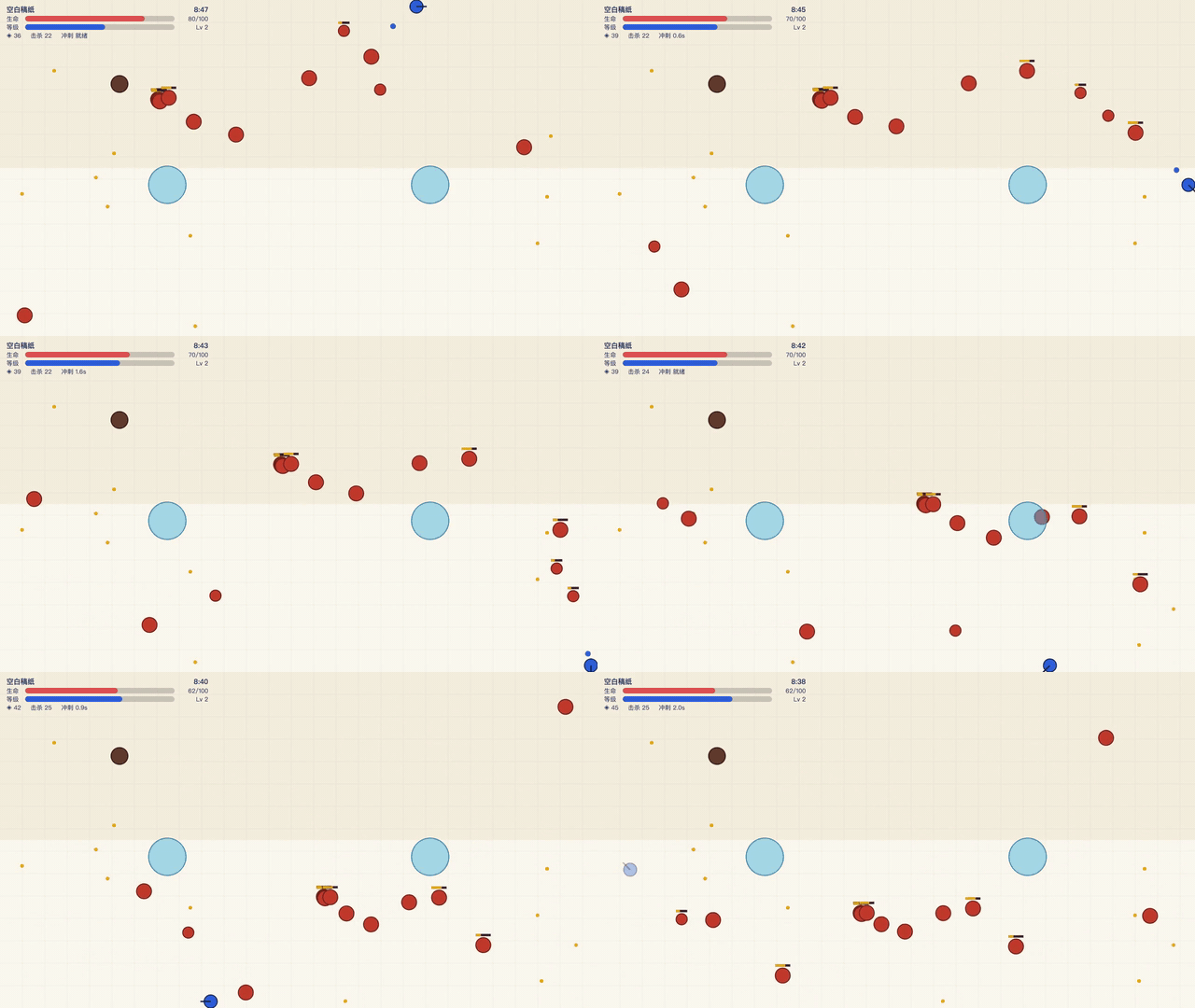
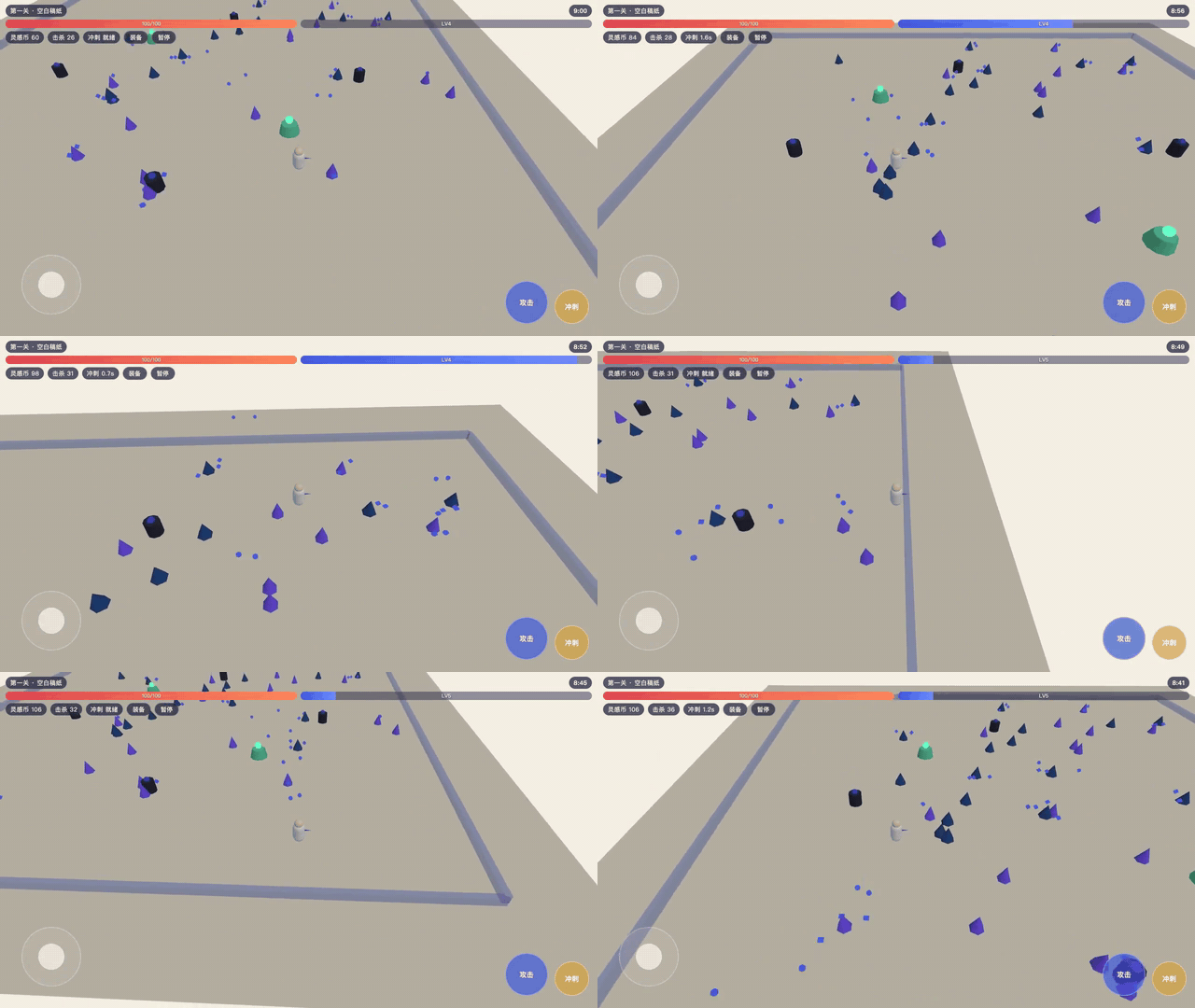
First of all, the two versions from DeepSeek are honestly very "rough and unfinished".
At first glance, the graphics are extremely crude. Although all the basic playable functions are there, nothing looks polished. The gun held by the little character always moves in the same direction; the enemies are not only very simple in design, but also have all kinds of model penetration issues; the upgrade rewards only show you the name, but you have no idea what they specifically do. There are very few types of enemies, and you can't even tell different types of enemies apart.
The most critical problem is that the game does not tell you how to play. There is no key instruction, so I have to figure it out by myself. But fortunately, the key bindings are the common default keys for this type of game, which means the model assumes we all know them.
The conclusion is that the generated mess looks playable, but it is barely functional.
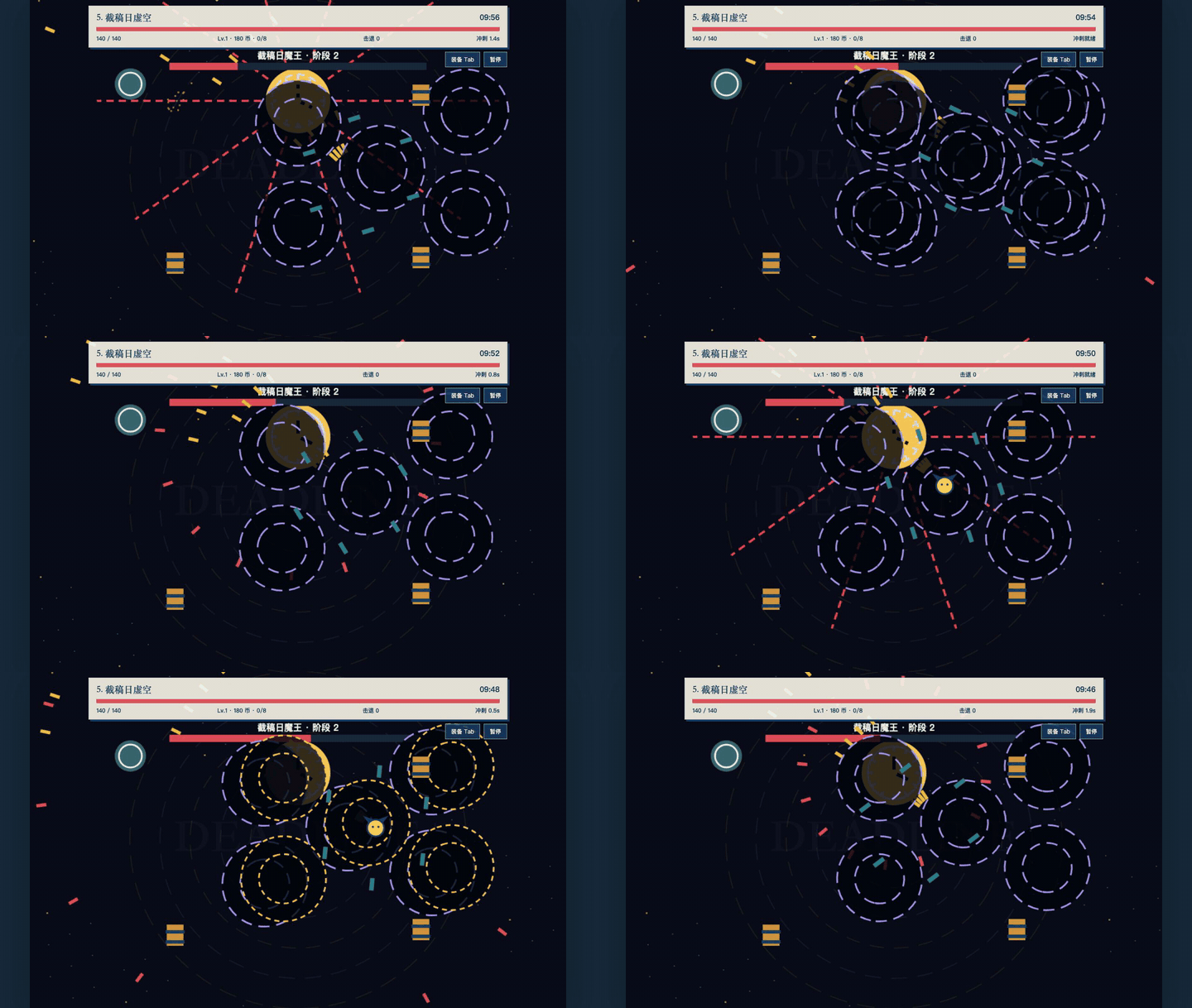
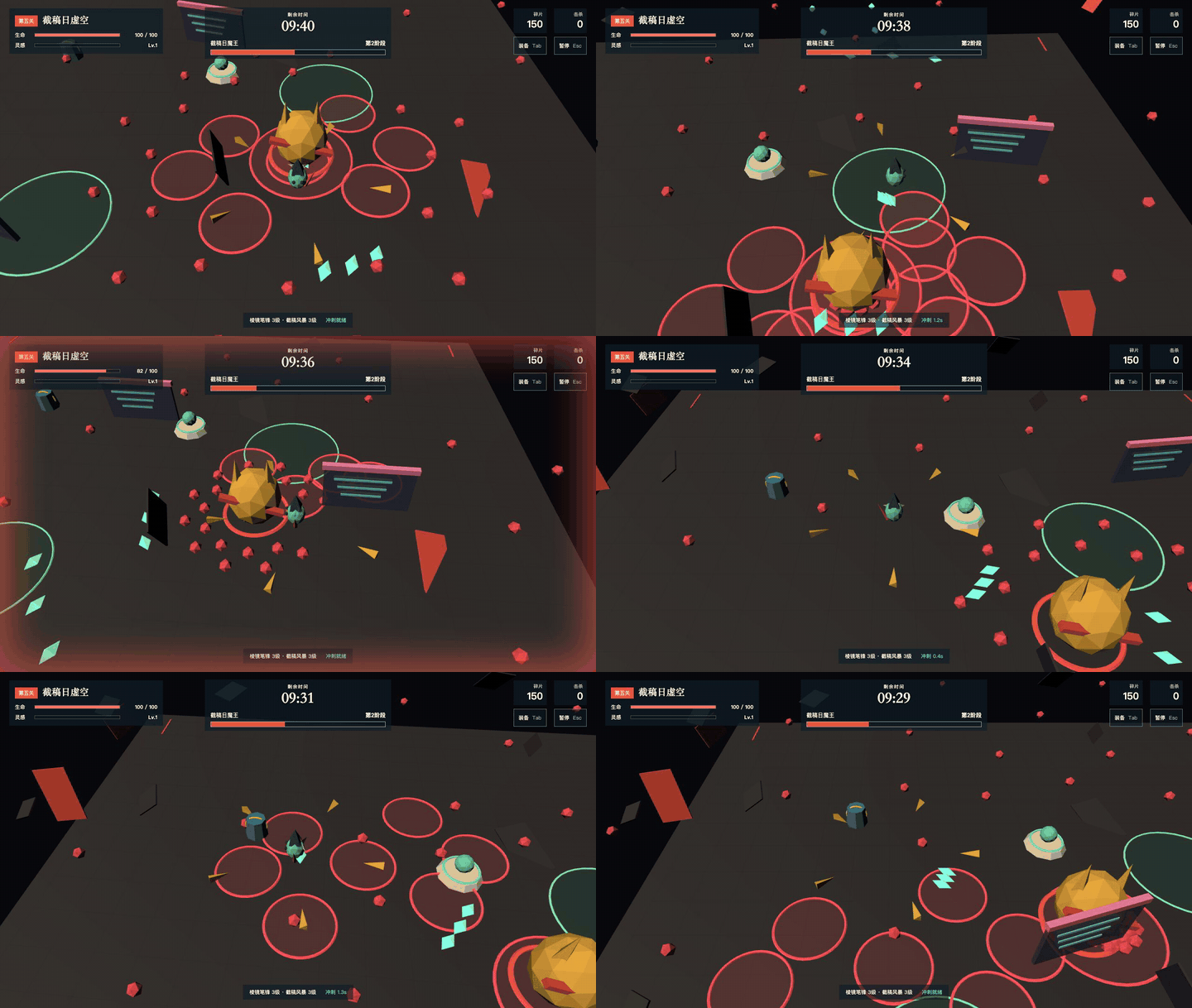
The version from Kimi looks much better.
The models and graphic elements are obviously much more refined than the DeepSeek version. It has attack range indicators, hit animations, rich enough boss battle scenes, and explanations for upgrade rewards. The models are still rough, but that is understandable because we didn't make dedicated assets. The two models share the same problem: Kimi also didn't add key binding prompts.
But on the other hand, Kimi should have done a better job, after all, the main selling points of Kimi k3.1 pro include game development capability and aesthetic performance.
Next we calculated the cost of this project.
The two demos of Deepseek v4 pro this time cost about 10 RMB. Kimi consumed about 13% of the monthly quota of its Pro plan, which is equivalent to spending more than 20 RMB based on the 199 RMB per month subscription price. Calculated in this way, the cost for ordinary users to make a game is actually not high.
But our project is not over yet. We don't want to make such a low-quality game after putting so much effort in.
We still need to optimize the details. The biggest problem of the first version of the task is that we only wrote down "what exists" in the game, but didn't make it clear "how it should feel when playing". So we collected feedback from player community platforms: attacks need to be responsive, dash needs to be smooth, there must be feedback when getting hit... These details that players can perceive the most are what we and AI didn't consider in the last round.
Next, I reconfirmed the requirements with AI. This time we gave up DeepSeek and only used Kimi.
First of all, the modeling can't be that ugly. The original player character was just a ball with two dots, now I asked it to use geometric shapes to piece together the image of a little person. Then the character's turning can't be rigid with only 8 directions, the BOSS can't stay completely still, and every movable element must move smoothly. In addition, we also fixed some bugs during the gameplay, such as model penetration, unresponsive actions, and errors when pressing specific buttons.
The upgrade rewards also need to be enriched. For this, I referred to the items in Vampire Survivors and asked it to design new ones. The first version of AI's feedback looked like this.
