With nearly 1,000 sports events held every year, how has New York become the world's No. 1 sports city?
In the early hours of November 15 Beijing time, the final of the 2026 League of Legends World Championship concluded at the Barclays Center in Brooklyn, New York. BLG defeated GEN 3-1 and lifted the Summoner's Cup.
Prior to this, the nearly one-month matches of the 2026 League of Legends World Championship were held in Los Angeles and Texas respectively, with New York hosting the final showdown. This arena, which normally serves as the home court for two professional basketball teams, the Brooklyn Nets and New York Liberty, has now hosted another global esports grand event.
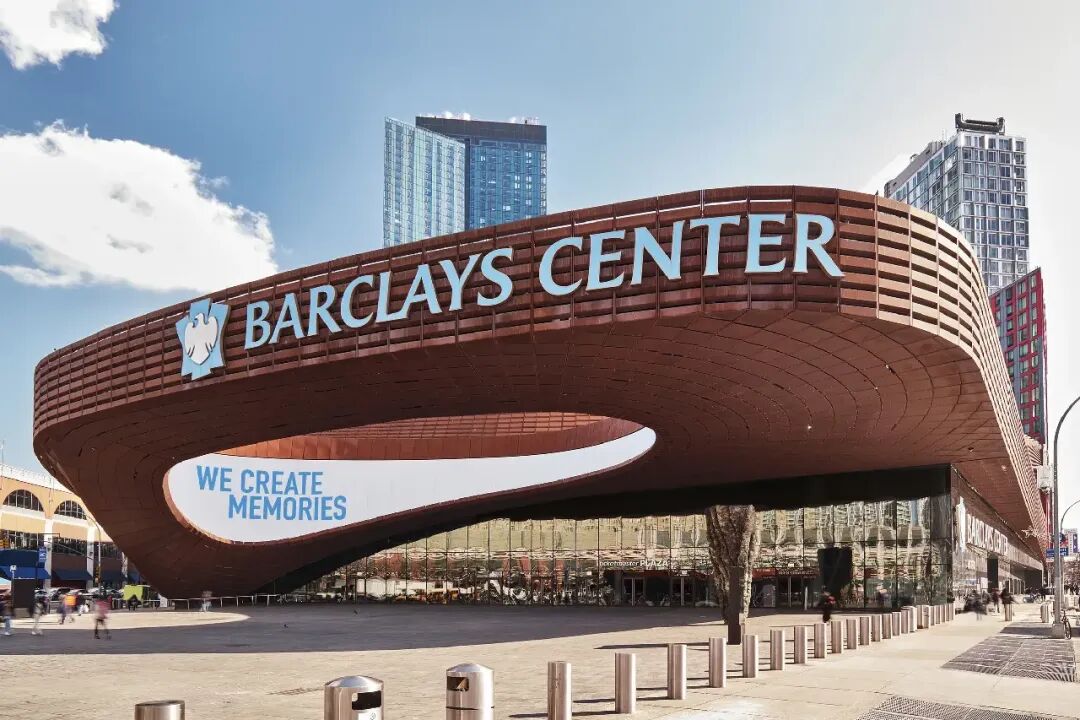
Photo of the Barclays Center venue Image source: @lolesports
For New York, 2026 is indeed a special year packed with major sports events.
Apart from the final of the League of Legends World Championship, the New York/New Jersey metropolitan area also hosted 8 FIFA World Cup matches, including the final between Spain and Argentina, as well as the annual US Open Tennis Championships.
But New York already boasts a large number of professional teams. If all these matches are added together, how many top-tier sports events will there be in 2026 in total? And on how many of the 365 days of the year can spectators attend matches on site?
We selected 14 teams from 8 top local professional leagues, as well as several major events including the World Cup and the US Open, and compiled the 2026 match calendar event by event. The result is 890 matches covering 301 calendar days. Even if the World Cup matches and the League of Legends final are excluded, there are still 881 matches across 299 match days.
And this is only part of the sports events in New York. Major competitions in track and field, golf, marathons, UFC and other sports are also held this year.
To calculate these figures clearly, we first need to define the statistical scope: what exactly does the "New York" we refer to include?
01
Starting with professional leagues
In the context of sports teams, what counts as "New York".
Although the New York Giants and New York Jets both have "New York" in their names, their home stadiums are located in New Jersey; the New York Islanders play their home games on Long Island, and the New York Red Bulls are also based in New Jersey. Therefore, if we only count the five boroughs of New York City, we will miss a considerable number of matches that are generally considered part of the New York sports market.
Therefore, this statistics uses the calibre of the New York metropolitan area (including the five boroughs of New York City, as well as relevant event venues in surrounding areas such as New Jersey and Long Island), while separately retaining the data of the five boroughs of New York City (Manhattan, Brooklyn, Queens, the Bronx and Staten Island) for comparison.
We first selected 14 teams from 8 top local professional leagues, and counted their home matches that have been held or scheduled within the 2026 calendar year, including regular seasons, confirmed playoffs and related cup competitions, excluding pre-season, warm-up and exhibition matches.
The results are as follows:
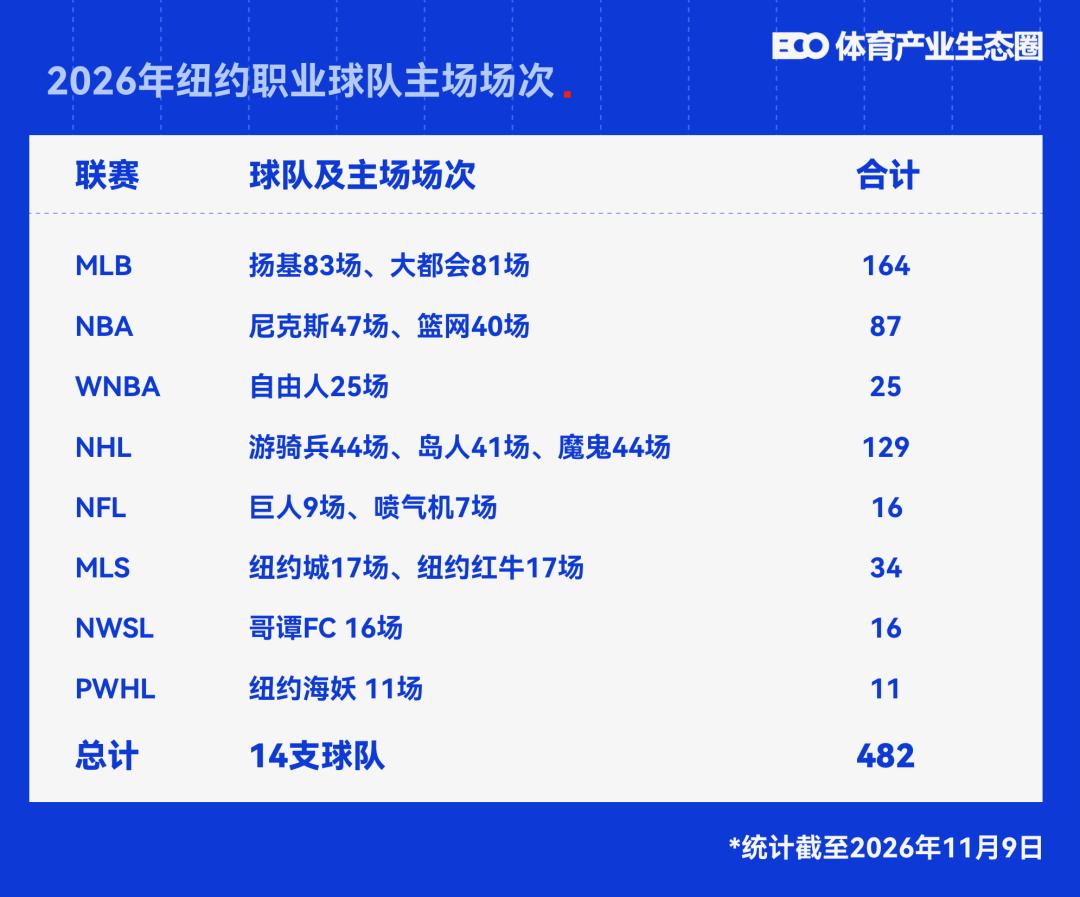
Two statistical calibres need to be explained here. For cross-year leagues such as the NBA and NHL, the second half of the 2025-26 season and the 2026-27 season home matches within 2026 are counted at the same time; in addition, matches between two teams from the same city are counted only once (for example, Knicks vs. Nets), while baseball doubleheaders (two matches held in one day) are counted as two separate matches as they are actually played.
According to this method, the 14 professional teams alone contributed 482 matches in the New York metropolitan area in 2026.
In addition to professional leagues, there are 16 more matches: 8 World Cup matches hosted by the New York/New Jersey division, 3 U.S. Open Cup matches, 4 Leagues Cup matches, and 1 League of Legends World Championship final held at the Barclays Center on November 15.
Thus, we get the first number:
498 matches.
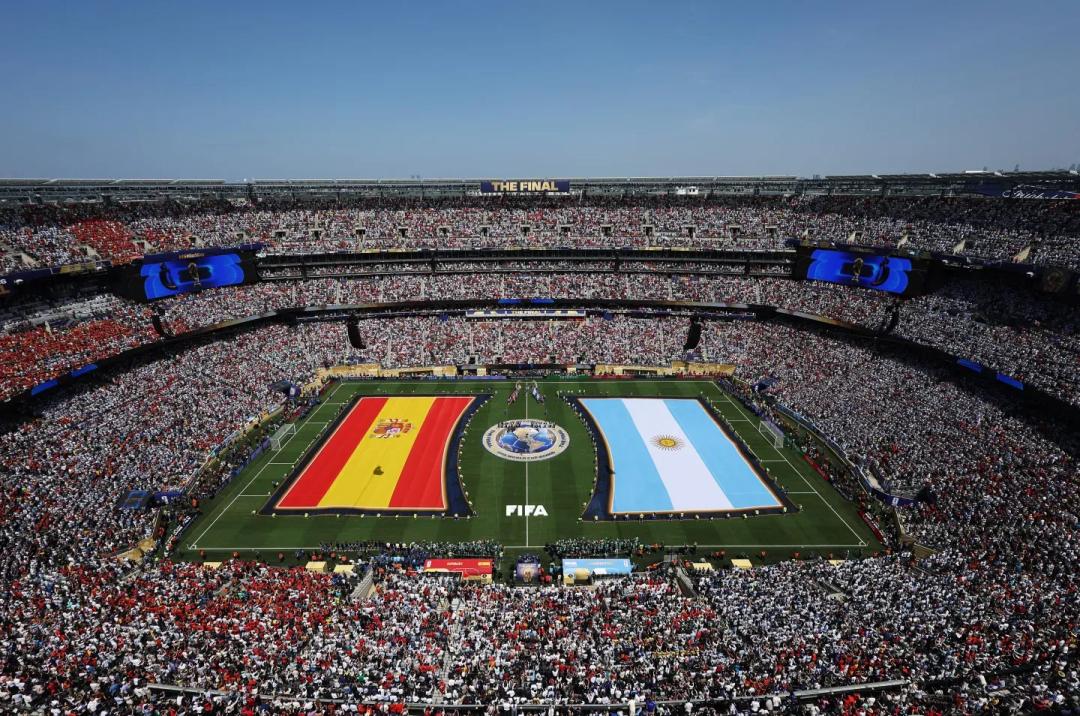
2026 FIFA World Cup final at MetLife Stadium Image source: Getty Images
This does not yet include one of the most important individual sports events in New York throughout the year - the US Open Tennis Championships.
02
Non-stop "venue match days"
The obvious difference between the US Open and professional leagues is that a baseball match usually requires the use of the entire stadium, while tennis events can be held simultaneously on multiple courts in the same park on the same day.
Therefore, we counted the main draw matches of the five senior divisions of the 2026 US Open.
There are a total of 395 matchups according to the draw, among which 2 men's doubles matches and 1 women's doubles match were not actually played due to walkovers; there are 127 matches each in men's singles and women's singles, 61 in men's doubles, 62 in women's doubles, and 15 in mixed doubles, with 392 matches actually included in the statistics. Withdrawals that occur after the start of the matches are still counted, while qualifying, junior and wheelchair events are not included in this scope.
As a result, the total number of top-tier sports matches included in this statistics in the New York metropolitan area in 2026 has reached 890.
However, if you want to know how busy New York is throughout the year, simply counting the number of matches is not enough.
The 392 US Open matches are concentrated within 17 days, and there are 56 matches counted on August 31 alone, the vast majority of which are from the US Open. In contrast, an MLB stadium usually hosts about 80 home matches scattered over the regular season of about half a year.
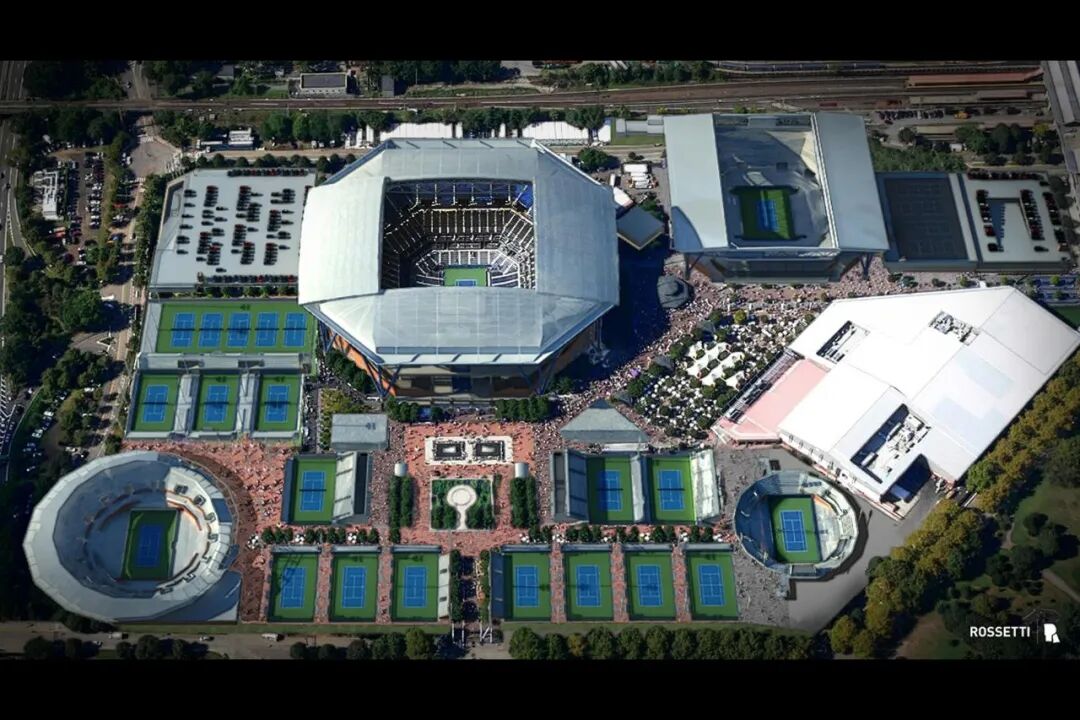
Panoramic view of multiple courts at the USTA Billie Jean King National Tennis Center during the US Open Image source: US Open Tennis
Therefore, in addition to the total number of matches, we also counted the number of venues and actual match days.
These 8 main venues hosted a total of 496 matches, covering 483 venue match days. The other two venues, Icahn Stadium in New York City and The Stadium at Memorial Field in Mount Vernon, Westchester County, each hosted 1 match. Adding the USTA Billie Jean King National Tennis Center where the US Open is held, a total of 11 venues or event parks are involved throughout the year, with a total of 502 venue match days.
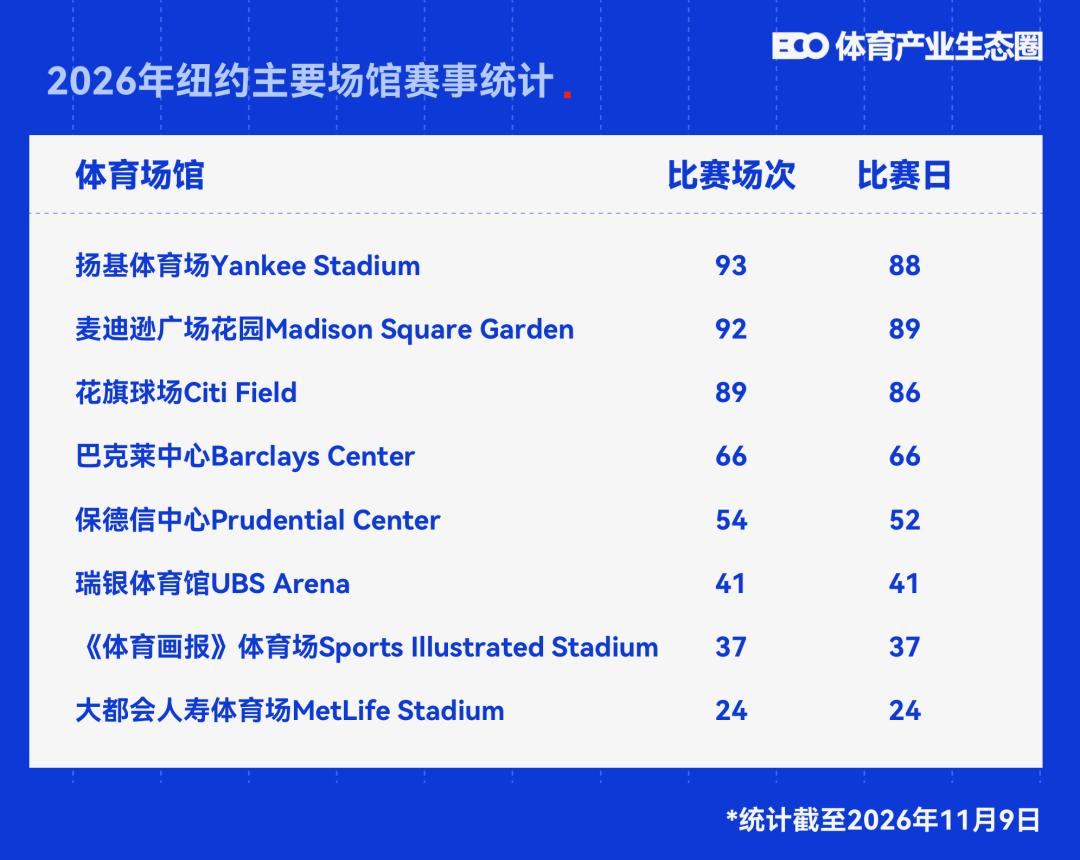
"Venue match days" are calculated separately for each venue. If three venues host matches on the same day, it is counted as three venue match days. Therefore, the cumulative value can exceed 365 days. If matches at different venues on the same day are deduplicated, the New York metropolitan area has a total of 301 match days in 2026, covering 82.5% of the 365 days of the year; excluding the 8 World Cup matches and 1 League of Legends World Championship final, there are still 881 matches, covering 299 calendar days, accounting for 81.9% of the whole year.
If strictly limited to the five boroughs of New York City, the result is 733 matches and 259 match days. After including surrounding areas such as New Jersey and Long Island, both the number of matches and the number of covered days throughout the year have increased.
Moreover, many large-scale events in New York (such as track and field, golf and marathons) are organized in different ways from the single matchups of professional teams, so they are not directly converted into the number of matches mentioned above.
For example, from July 23 to 26, the USA Track & Field and Para Athletics National Championships were held at Icahn Stadium in New York; from June 18 to 21, the U.S. Open, one of the four men's golf majors, landed on Long Island; and the New York Marathon, which just ended on November 1.
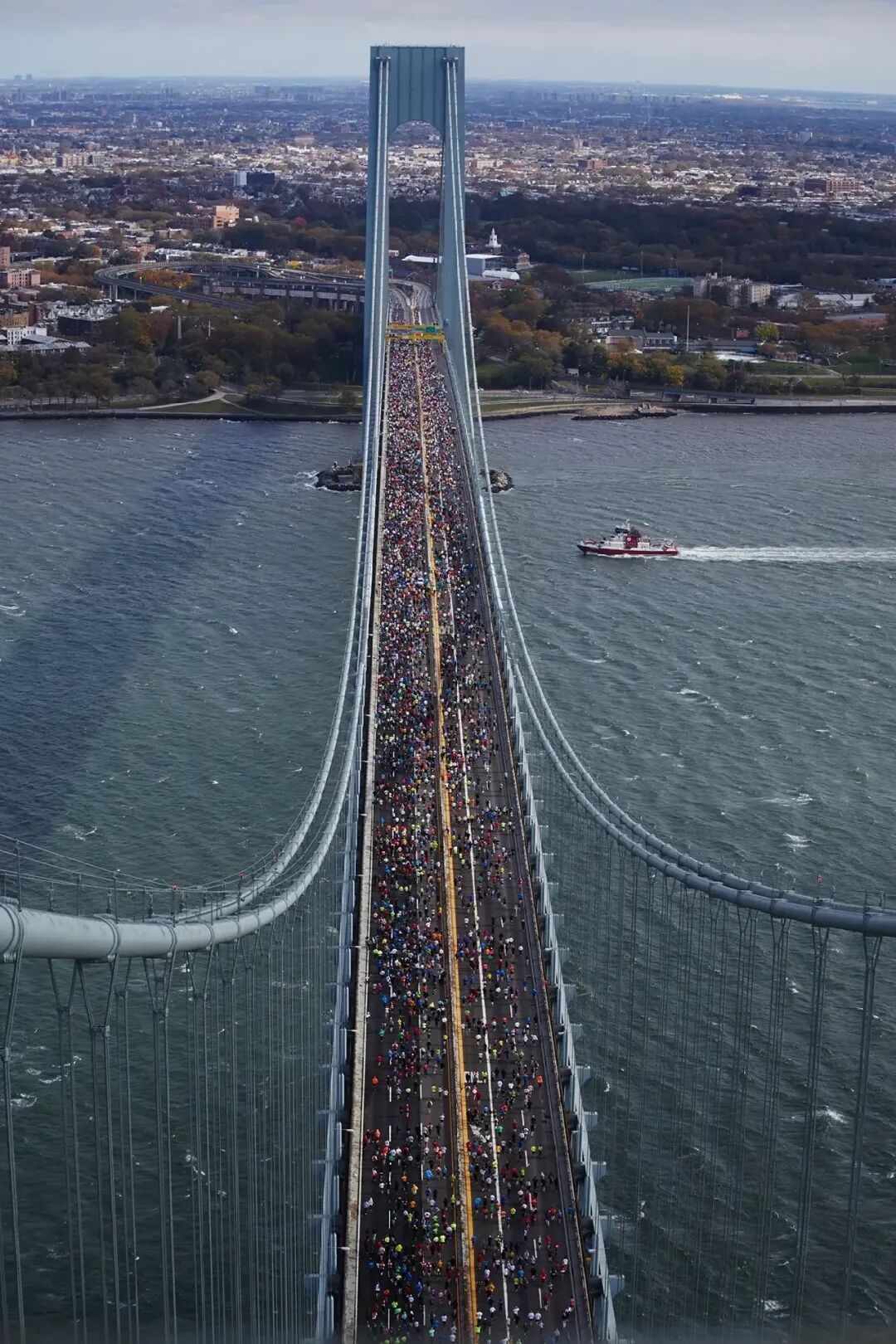
The annual New York Marathon Image source: NYRR
But the existence of these diverse events further enriches the dimensions of New York's actual sports activity landscape.
03
How did New York's event calendar
accumulate over time?
In the first half of the 20th century, teams including MLB's New York Yankees, NFL's Giants, NHL's Rangers and NBA's Knicks successively settled in New York. However, this history did not always expand upward. After the end of the 1957 season, the Brooklyn Dodgers and the New York (baseball) Giants moved to California one after another, and New York was left with only the Yankees as its MLB team for a time.
From the 1960s to the 1980s, New York welcomed a new round of professional team expansion. In 1960, the New York Titans, the predecessor of the Jets, began to participate in the AFL; in 1962, the Mets joined MLB; in 1972, Long Island welcomed the NHL Islanders; in 1982, the original NHL Colorado Rockies moved to New Jersey and became today's New Jersey Devils.
The activity scope of professional teams also gradually expanded outside New York City. In 1976, the NFL Giants moved to New Jersey, followed by the Jets in 1984. The NBA Nets moved to New Jersey in 1977, and did not return to New York until 2012, moving into the Barclays Center in Brooklyn.
By this point, New York's professional sports market has formed a pattern covering multiple administrative regions and having multiple mature league teams. Baseball is mainly held in spring and summer, basketball and ice hockey cover autumn, winter and the following spring, while football is concentrated in autumn and winter.
The overlapping seasons of different sports are an important foundation for New York to have 301 match days throughout the year.
After that, emerging professional leagues continued to enter the New York market. In 1996, the New York/New Jersey MetroStars (now New York Red Bulls), a founding MLS team, started playing matches; in 1997, the New York Liberty became one of the first WNBA teams; in 2015, New York City FC joined MLS; in 2024, the PWHL Professional Women's Hockey League kicked off, and the predecessor of the New York Sirens also participated in its first season.
Even the seemingly already saturated New York sports market is still attracting new investment.
In November 2026, NWSL Gotham FC announced the completion of a $100 million financing, which will be used for team building, infrastructure and fan experience. According to data released by the club, its average home attendance has increased by 73% compared with 2023; the match against Washington Spirit at Citi Field in July 2026 even attracted 42,175 spectators, setting a club record.
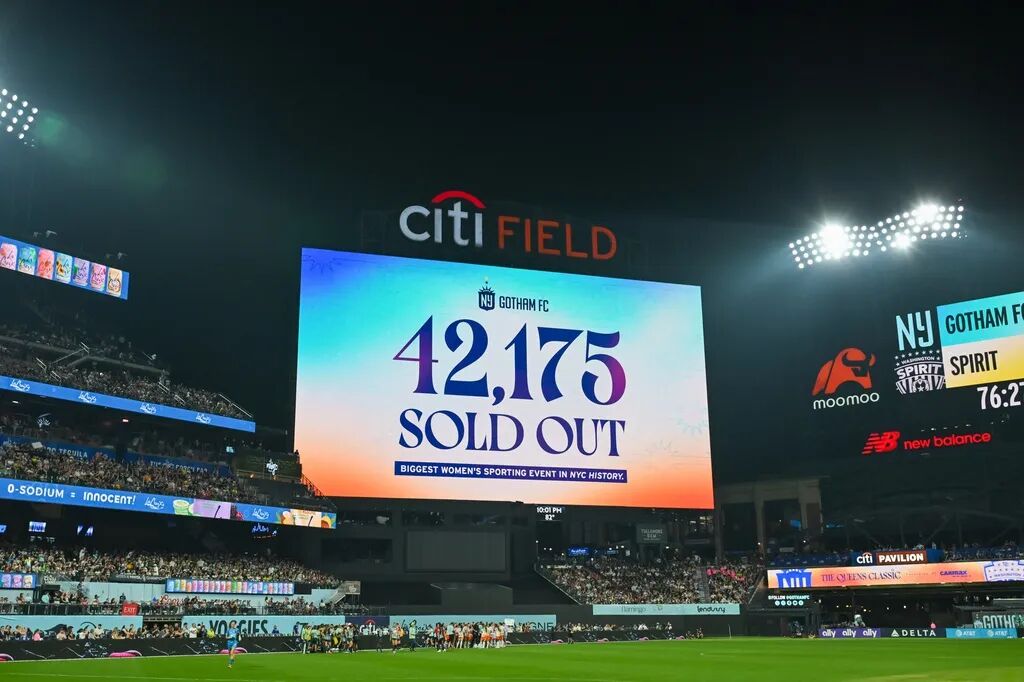
A women's football match that broke the club's attendance record Image source: Imagn Images
Gotham FC is not a newly established team. Its predecessor, Sky Blue FC, was one of the founding teams of the NWSL as early as 2013, and was not renamed until 2021. This financing and attendance growth reflects that a long-established club has obtained new development opportunities in the process of the women's sports market expansion.
Venue construction is also adapting to market changes.
New York City FC, which joined MLS in 2015, has long used two baseball stadiums, Yankee Stadium and the Mets' Citi Field, to host its home football matches. The club does not plan to move into Etihad Park, a dedicated 25,000-seat football stadium located in Queens, until 2027. Gotham FC, which currently mainly uses Sports Illustrated Stadium in New Jersey, also plans to move into Etihad Park in 2028 and share the new stadium with New York City FC.
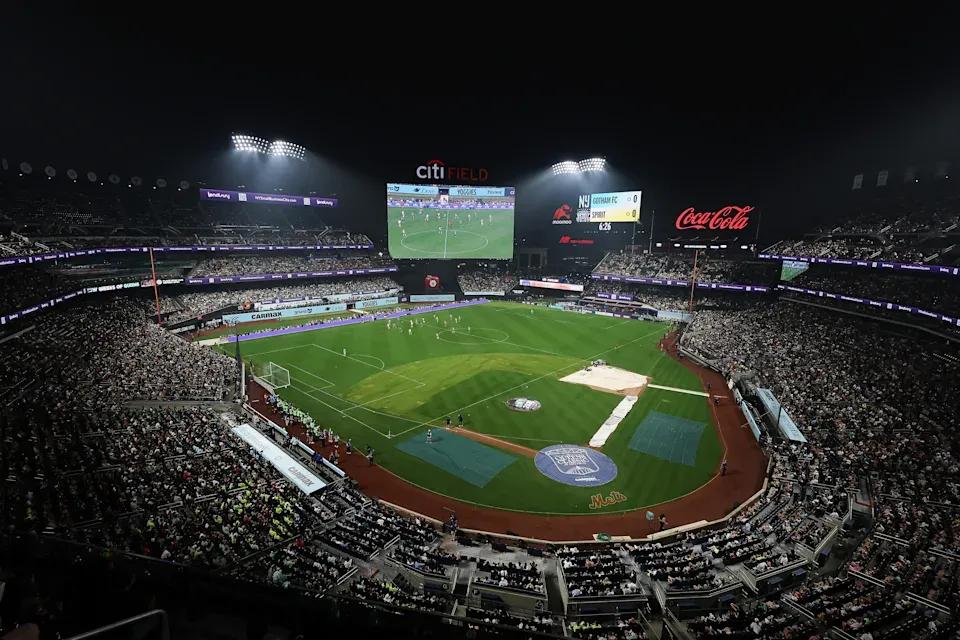
Citi Field was converted into a football pitch for a Wednesday football match Image source: Getty Images
The expansion of professional sports in New York has not always been accompanied by the construction of new venues. New York City FC first borrowed existing baseball stadiums to host matches before investing in a dedicated football stadium; Gotham FC plans to move in from New Jersey and share the new stadium.
