The Next Battlefield for AI Manhua Dramas: From Chasing Traffic to Vying for Paying Users
Making money from AI manhua dramas is getting increasingly difficult.
Two years ago, the industry was still discussing how a manhua drama could exceed 100 million views in just a few days, and how many episodes a team could produce in a single month. This year, while the hype remains, the revenue per 10,000 views in the industry has dropped from dozens or even hundreds of yuan previously to single digits or around ten yuan. Works are launched, views are accumulated, but the revenue does not follow.
This is not hard to understand. AI has lowered the production threshold and brought more participants into the track. In the first half of 2026, 221,900 new AI short dramas and manhua dramas were added on Douyin alone, with total views exceeding 500 billion. The content supply has surged all at once, all creators are competing for the same group of users, and the competition between works has shifted from "who can produce the work" to "who can be noticed, who can keep the audience watching till the end, and who can make the audience pay".
As a result, paid access has once become an unavoidable topic for the industry. The free model can recover costs through advertising and view-based revenue sharing, but as the revenue per 10,000 views keeps shrinking, it is increasingly difficult to support production purely by relying on high traffic volume. For producers, paid access is no longer just an added bonus, but a practical issue that determines whether a work can survive.
Supply explodes, profit margins shrink
What initially made AI manhua dramas appealing was their low cost and high production capacity. In the past, a live-action short drama required coordinating actors, venues, costumes, props and shooting schedules, while AI manhua dramas move part of these processes to the computer. A small team or even an individual can get the chance to produce a complete work. As the production threshold lowers, content supply expands rapidly, and it seems that countless new players have suddenly emerged in the industry.
However, higher production capacity does not mean everyone can get a share of the revenue. After a work is launched, it still has to face issues of exposure, views, user retention and revenue settlement. Costs are saved in the early stage, but the revenue in the later stage is not necessarily guaranteed.
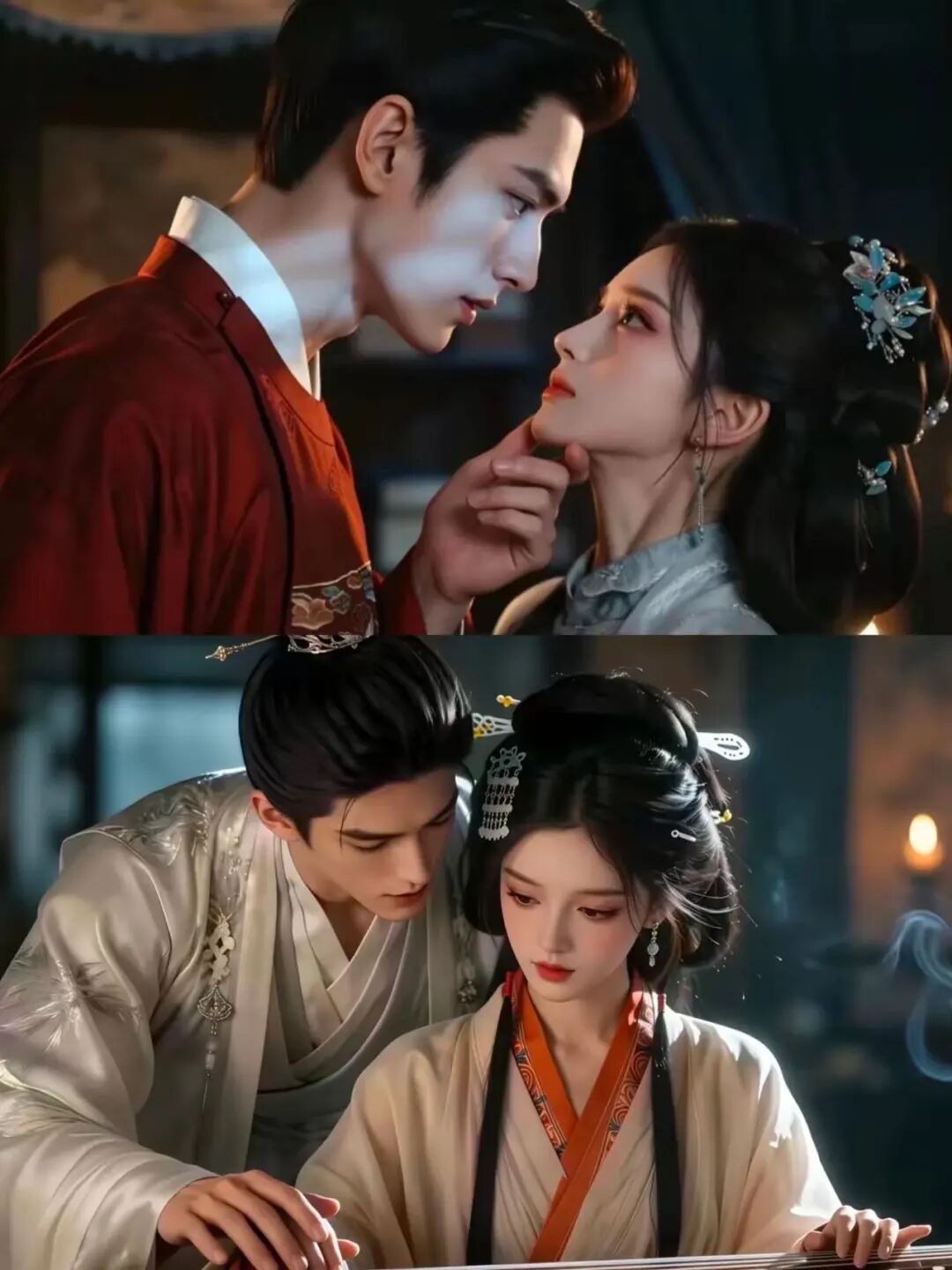
In the first half of 2026, around 221,900 new AI dramas and manhua dramas were added on Douyin, among which 1,055 works exceeded 100 million views, accounting for about 0.48% of the new works. If 50 million views is taken as the reference line for break-even calculation, only about 1.3% of the works can reach this level. In other words, a large number of works have been submerged in massive new content before they get a chance to prove their value.
This also explains why while there is a flood of news about GMV, market size and view volume in the industry, producers generally feel huge pressure. The overall market growth can be driven by total supply, promotion investment scale and head works together, but these figures do not mean that the paid conversion rate has improved synchronously.
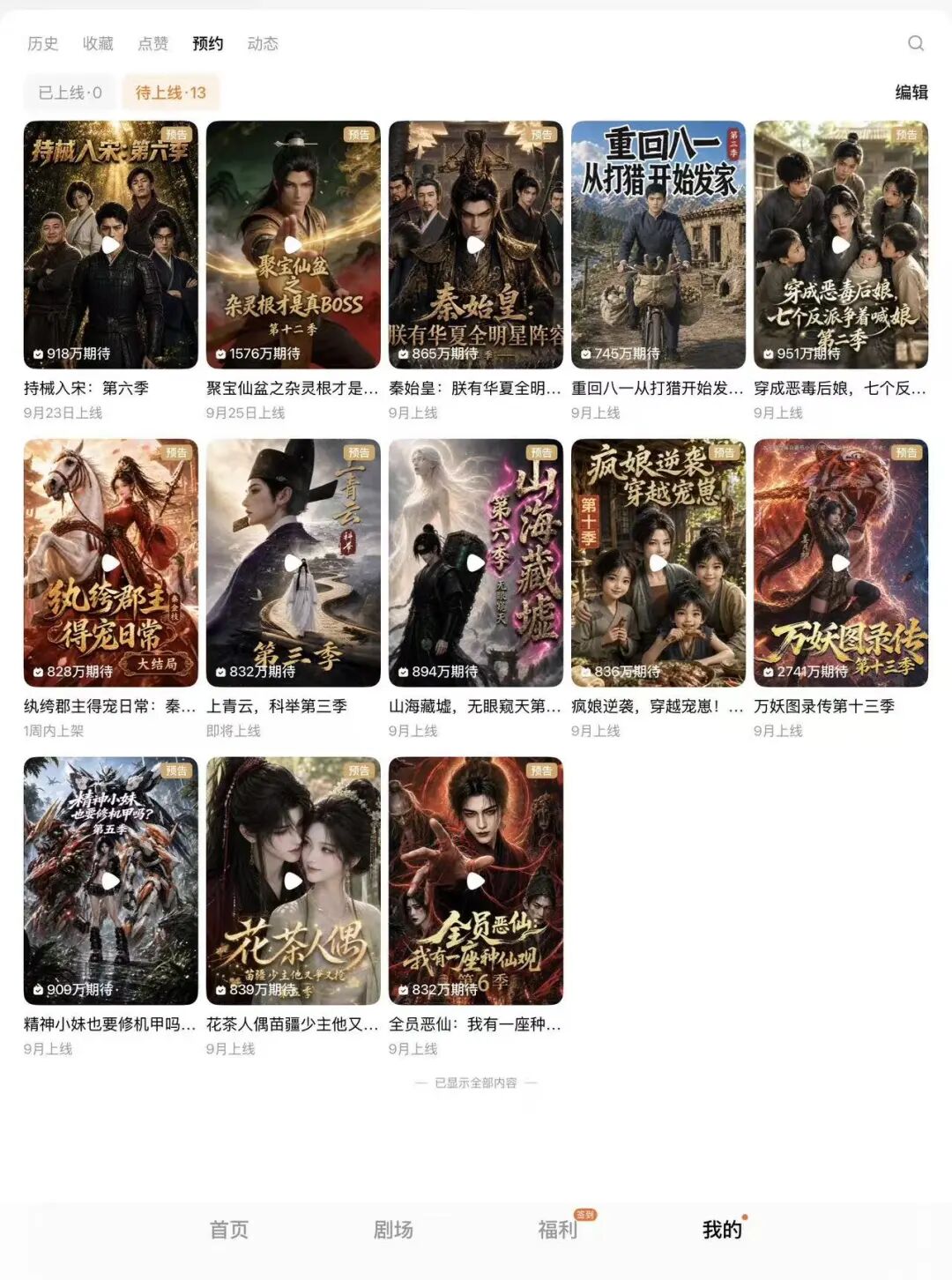
The free model once provided a relatively straightforward way for AI manhua dramas to get started. Users do not need to pay in advance, they can watch as soon as they click in, and platforms and producers gain revenue through advertising, view-based revenue sharing and other methods. The problem is, as the number of works keeps increasing, traffic is diluted by massive content, and the revenue generated by a single view is also under pressure.
Paid promotion is another separate cost. To get more people to see their content, creators usually need to run promotions. Paid promotion brings more views, but also increases costs. According to Guduowangluo Yingshi, the promotion cost of some teams can account for 20% to 80% of the total cost, which means that even if the production cost is reduced, the traffic cost may eat up all the saved money.
Therefore, the current problem faced by AI manhua dramas is not just "whether the production is cheap", but "whether you can find people who are willing to pay for the work after it is produced". When free revenue sharing can hardly cover costs, paid access naturally changes from an optional attempt to a survival issue that producers must take seriously.
Why are female-oriented works more likely to get paid?
In the exploration of paid access for AI manhua dramas, female-oriented works have taken a clear lead. For example, the *Forbidden Zone of Heart* that attracted much attention this year tells a story where the female lead disguises herself as a man to go to school instead of her brother, and starts a cohabitation life with two male roommates. The setting is not complicated, and even has a familiar idol drama vibe, but it focuses on the interactions between the female lead and the two male characters.
This type of content naturally reminds people of otome games. Characters have relatively stable appearances and personalities, the relationship development is continuous, and the audience can form preferences for different characters. Some people like a certain male lead, some care more about the emotional tug-of-war between the two, and others will rewatch their favorite interaction clips over and over again. The plot is surely important, but the characters themselves also become the reason for the audience to stay.
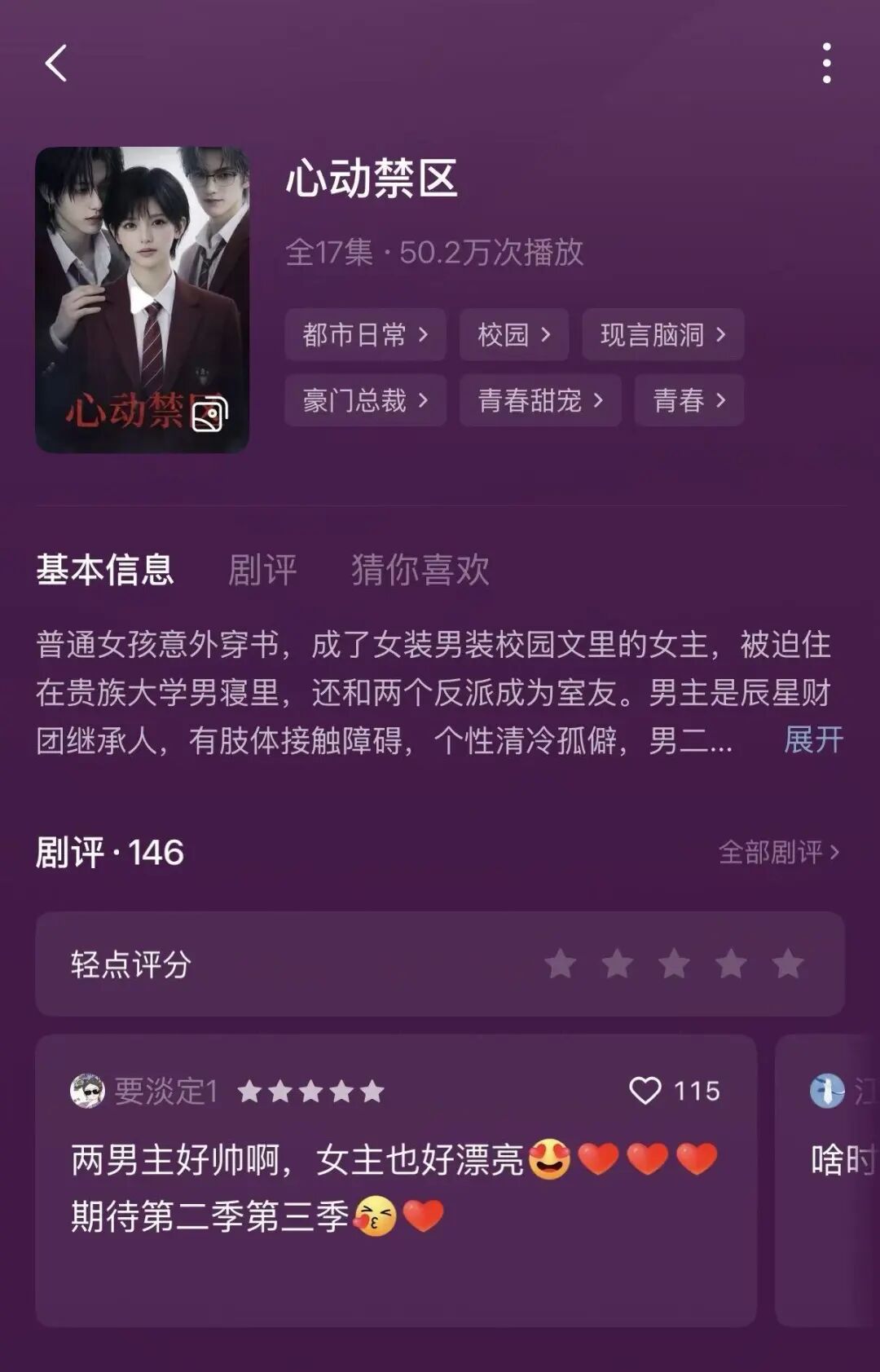
The first season of *Forbidden Zone of Heart* accumulated audiences through free content first, and the second season moved to Bilibili, unlocking full episodes and side stories through the "charging" donation mechanism. Public reports show that one week after the second season was launched, the related account gained more than 5,400 "charging" supporters. Roughly estimated at the 30-yuan monthly tier, the corresponding revenue on this single platform exceeded 160,000 yuan.
This data proves that when the audience develops lasting interest in the characters, there are indeed people willing to pay for follow-up content. The paid access design of traditional short dramas usually centers on plot suspense. Right when the male and female leads are about to resolve their misunderstanding, the paid point pops up; right before the villain reveals his true identity, the next episode needs to be unlocked; if the audience wants to know whether the revenge succeeds, they have to keep watching.
Female-oriented AI manhua dramas have more room for development. The audience may already know roughly how the story will go, but they still want to see more interactions between their favorite characters, want to know what a certain character will say in the side story, and want to see the daily interactions outside the main plot. What they pay for is not just the plot of the next episode, but also the opportunity for the character relationship to continue.

This is consistent with the consumption logic of otome games. Otome game players do not pay every time just to advance the main plot. Character cards, voice lines, personal storylines, birthday events and character peripherals all extend the connection between players and characters. Characters are no longer just figures in the story, but also objects for players to continuously invest their emotions in. If AI manhua dramas can create distinct enough characters, the audience will naturally be willing to pay for more content.
But "otome game-style development" cannot be simply understood as giving the male lead a more refined face. Characters need to have unique recognition, relationships need to develop, and the story must make the audience believe that the interactions between characters are continuous. The current attempt of *Forbidden Zone of Heart* is still a single case, and we cannot conclude that female-oriented AI manhua dramas have already established a mature paid model. But it at least shows that AI manhua dramas do not have to compete with free content with the same logic.
Works targeting general users can pursue wider exposure, while works targeting core audiences can dig deeper into characters and relationships. The former relies on scale, while the latter relies on user stickiness. What is really worth observing is whether creators can turn the temporary excitement of the audience into continuous following and continuous payment.
What are the audience's reasons to pay?
The paid access problem of AI manhua dramas ultimately comes down to the content itself.
From the production side, scenes, characters and visual effects that were difficult to achieve in the past can now be completed at much lower costs. For creators, this means they can try more themes, and allocate part of the budget from shooting execution to script creation and post-production. However, lower production cost only reduces the cost line of the work, and cannot automatically raise the audience's willingness to pay.
Whether the audience is willing to pay first depends on whether the work is good enough. Whether the plot is logical, whether the characters are attractive, and whether the emotional rhythm is well delivered are all the most basic requirements. No matter how beautiful the AI visuals are and how novel the setting is, if the characters have stiff expressions, incoherent movements, and the story is just a recombination of popular clips, the audience will easily lose interest after a few episodes.
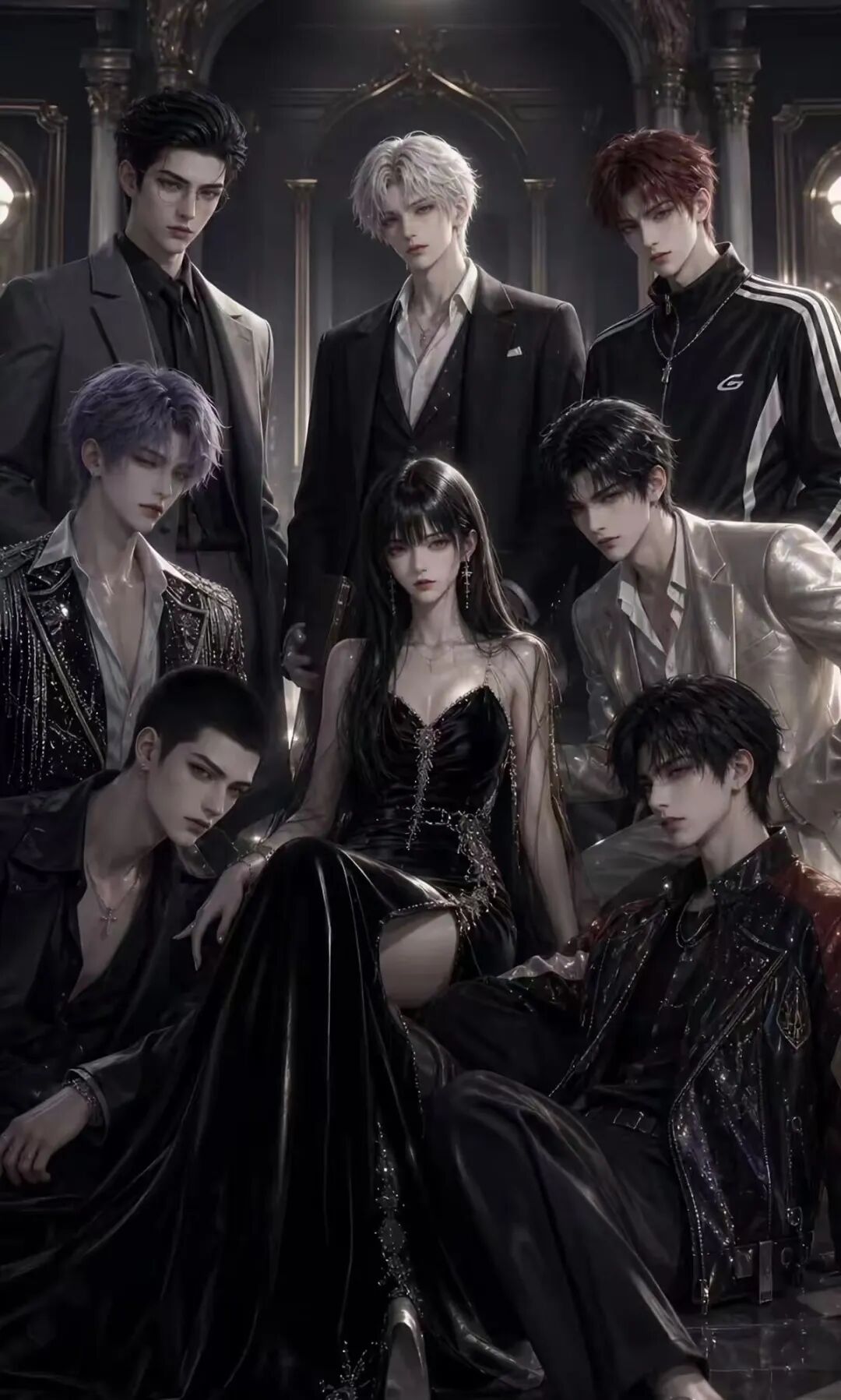
There is an obvious change in the industry this year: the visual completion degree of AI manhua dramas is improving rapidly, but the content quality has not risen synchronously and evenly. Technology allows more people to produce a work, but it does not make everyone master the ability to tell a good story. The audience does not actually care how many models the creator has used, nor will they lower their requirements for the plot just because a drama is made with AI.
The free consumption habit is also a practical threshold. The main dissemination scenarios of AI manhua dramas have long been connected to free content on short video platforms. When users scroll to a work, they usually watch for a few minutes first, continue watching if they find it interesting, and swipe away if they don't like it. There are more than enough free contents and alternative options. At this time, if creators suddenly ask the audience to pay, they must answer a question: why is this drama worth my money, while the free one next to it is not?
All in all, the audience does not reject paid access, they just are not willing to pay for low-quality content. This is why female-oriented, otome game-style works are worth paying attention to. They at least make the characters memorable first, then make the audience care about the character relationships, and finally meet the paid demand through side stories, follow-up plots and other content. Fantasy, action and level-up themed works do not have to copy the operation method of otome games, but they also need to find their own core audiences and the things that the audiences are willing to pay for.
For male-oriented works, the audience may be more willing to pay for a complete worldview, continuous level-up experience and high-quality visual scenes. For suspense works, the driving force for payment may come from rigorous puzzles and solid enough plot twists. Different genres have different consumption reasons, and we cannot expect all AI manhua dramas to solve the problem with a single paid button.

At the same time, once creators start charging users for characters and IP, they must take original creation and copyright more seriously. Character images, voices, music and story settings may all involve rights issues. Attracting users by imitating popular game characters or borrowing the voice lines of famous actors may gain attention in the short term, but it is difficult to build your own exclusive character assets in the long run.
The paid conversion of AI manhua dramas has not yet formed a mature and proven model. Free revenue sharing is still the main source of income for most works, and the paid cases of female-oriented works are only a few. But the industry has at least reached a stage where it needs to seriously answer the audience's questions. In the past, creators competed on who could produce faster and more, and next they have to compete on who can tell a good story, build vivid characters, and make the audience willing to pay for the next episode, a side story, or even a character for a long time.
AI can make a manhua drama come into being faster, but it cannot decide for the audience whether it is worth paying for. Technology solves the problem of "how to make it", but the real business still relies on creators to answer the questions of "why to watch" and "why to pay".
This article is from the WeChat Official Account "Guduowangluo Yingshi" (ID: guduowlj), written by 00, and published by 36Kr with authorization.