95 million people suffer from depression, and only 9.5% of them seek medical treatment: Ji Can uses humanoid robots for medical consultation
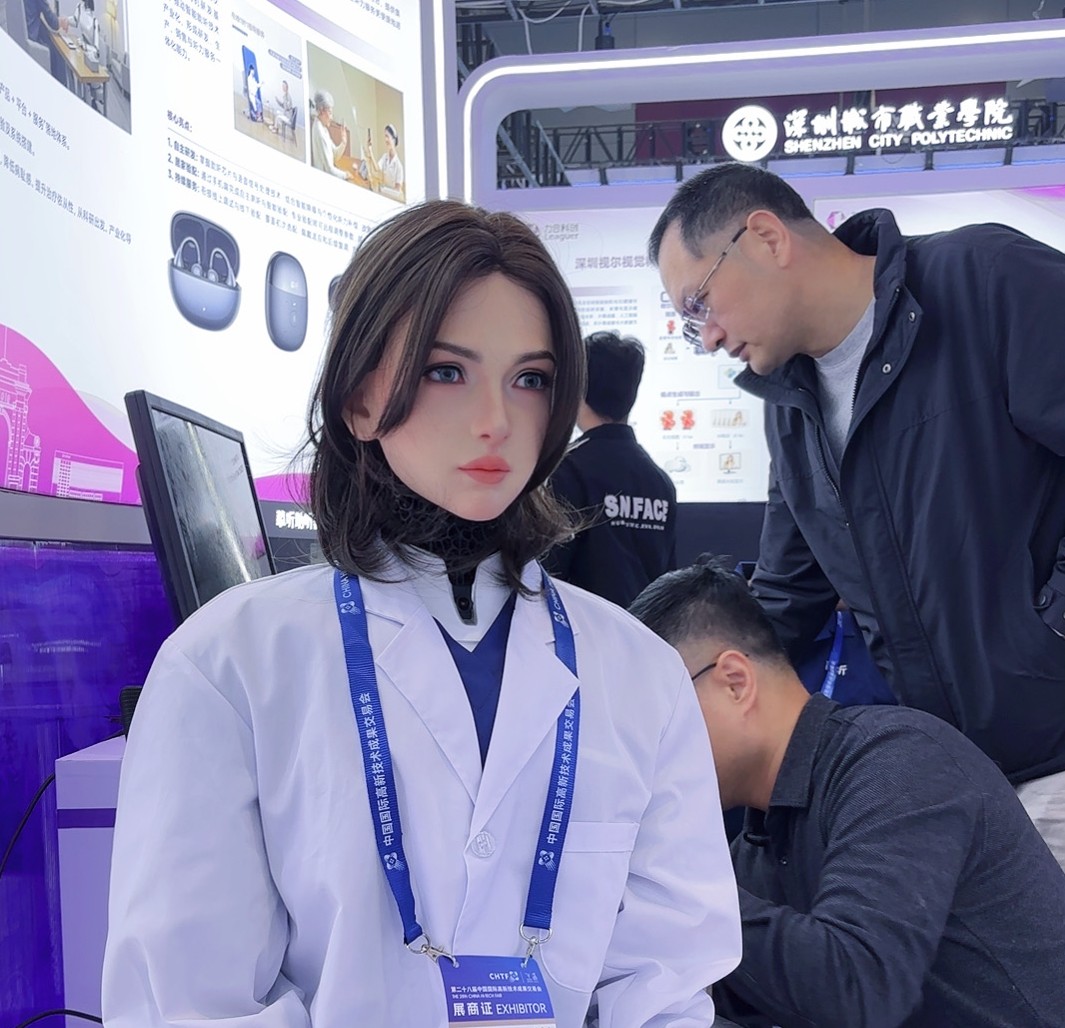
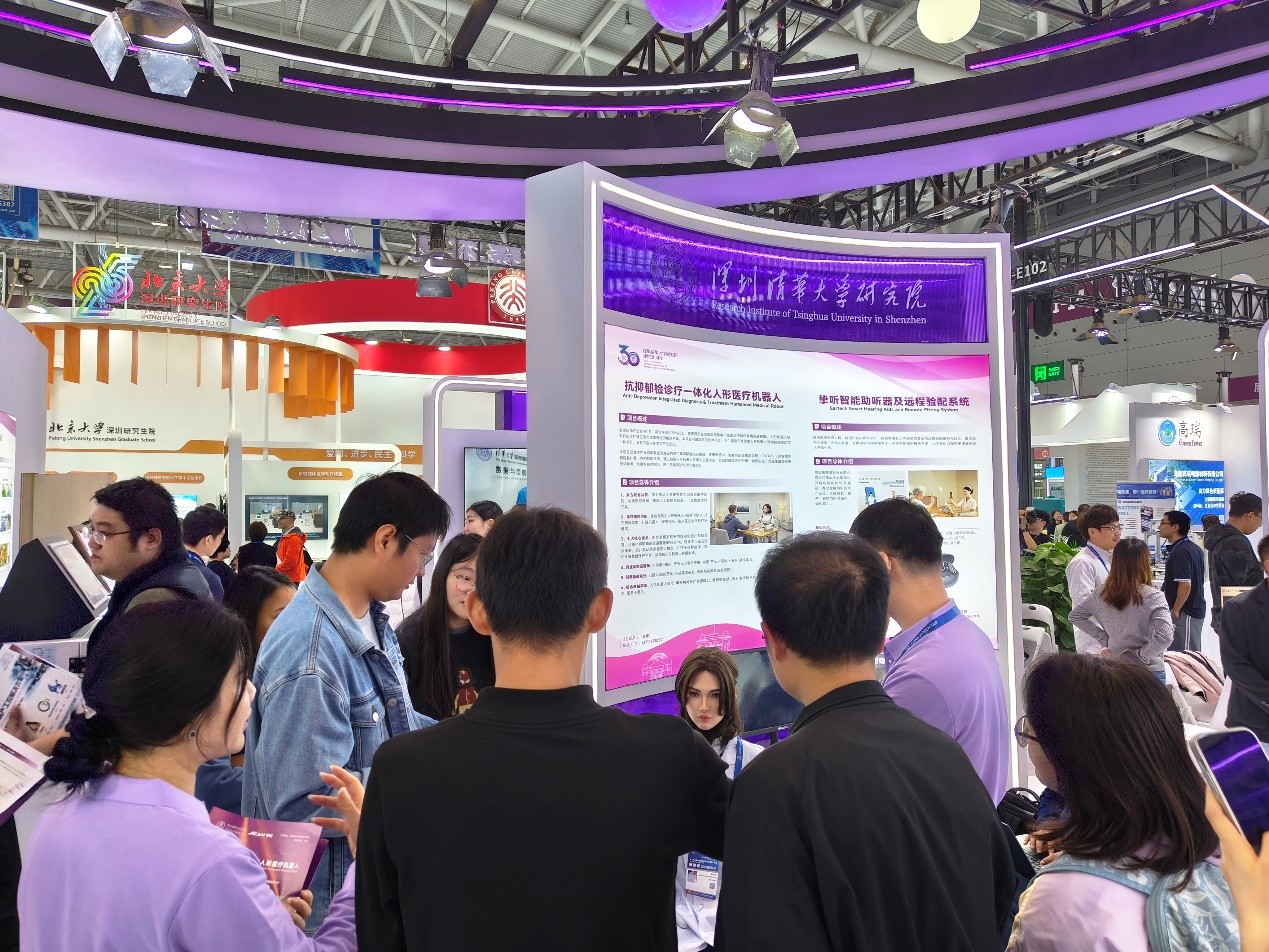
With the China Hi-Tech Fair approaching, Shenzhen Jican AI Laboratory has brought its humanoid robot solution for depression diagnosis and treatment into the public view, striving to take a critical step from scientific research verification to productization and implementation in the long-cycle track of digital mental health.
I. Project Origin
The project was initially derived from the team's business connection with Shenzhen Kangning Hospital, combined with the technical accumulation of the Tsinghua-affiliated AI R&D team. Starting from the clinical rigid demand for depression diagnosis and treatment, the team has launched scientific research verification in the form of research projects in cooperation with scientific research and medical institutions including Tsinghua University and Kangning Hospital, and gradually promoted the market-oriented implementation. At present, the project is in the final stage of product R&D, the complete consultation process has been fully verified at the software level, and the integration of embodied robots is being carried out simultaneously.
II. Clinical Demands and Limitations of Existing Solutions
According to the China Mental Health Survey, the lifetime prevalence of depressive disorders among Chinese adults is 6.8%, of which depression accounts for 3.4%, and the number of depression patients exceeds 95 million. However, the China Mental Health Survey published in *The Lancet Psychiatry* shows that among the respondents diagnosed with depressive disorders in the past 12 months, only 9.5% have received treatment from health service institutions, and only 0.5% have received adequate treatment.
The long-standing structural problems in this field include the insufficient total amount of psychiatric medical resources, the strong dependence of traditional consultation on the personal experience of doctors, and the fact that some patients hide their true feelings due to mental illness stigma; Pure software digital therapy also faces challenges in user retention due to the lack of physical accompanying scenarios.
The human-machine collaboration path attempted by Jican Laboratory is to equip the self-developed "Xinjing" multimodal consultation model on the humanoid robot to complete 7×24-hour intelligent consultation, and automatically generate structured electronic medical records and risk assessment reports based on the clinical cases and multimodal data accumulated by the team.
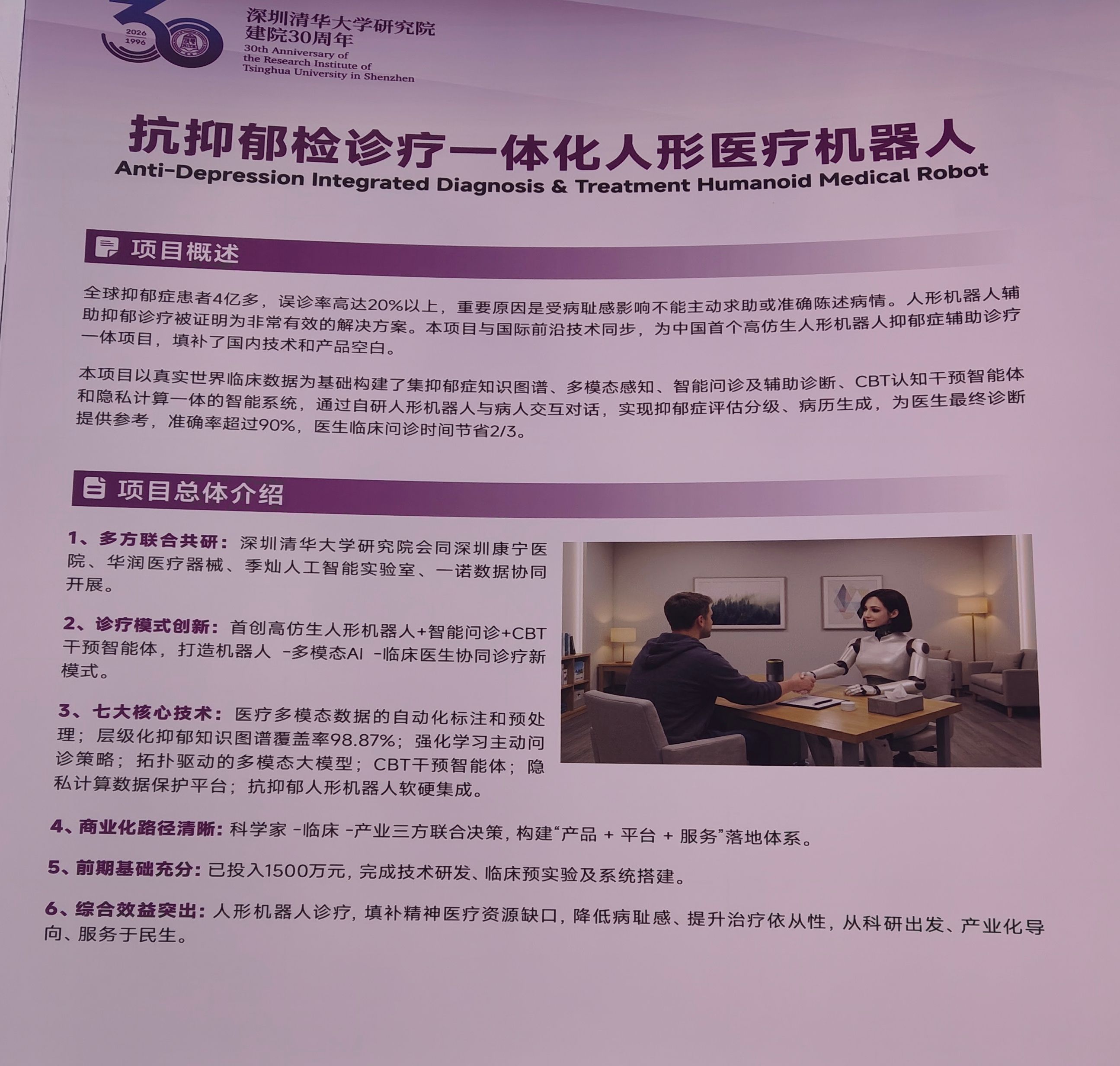
We hope to reduce the doctor's initial consultation time from about 40 minutes to around 15 minutes in the future, to help improve the diagnosis and treatment efficiency. The project is positioned not to replace doctors, but to try to become an intelligent auxiliary tool in psychiatric scenarios, similar to the role played by CT and MRI in the radiology department.
At the technical level, the project has constructed an adaptive hierarchically expanded knowledge graph for depression, with the scale of covered entities and relationships disclosed by the team exceeding 16,000 and 81,600 respectively, and the coverage rate of psychological knowledge reaches 98.87%. The consultation strategy adopts a three-stage design of passive-active-heuristic, and attempts to conduct comprehensive reasoning through multimodal information such as facial expressions, intonation, eye movement and physiological signals.
The team disclosed that the accuracy rate of auxiliary diagnosis exceeds 86.96% in internal verification, The whole link adopts federated learning privacy computing architecture to process medical data in a "usable but invisible" manner. These indicators are still the phased achievements of the team at present, and larger-scale, multi-center independent clinical verification is still required.
III. Introduction of Team Members
The core team consists of roles covering scientific research technology, clinical experience, product operation and financial control: Wen Zhiqing, Chief Scientist, is a PhD from Tsinghua University and a specially-appointed expert of national-level talent program, who has long been engaged in AI and robot research; Rong Han, Chief Clinical Expert, is the Vice President of Shenzhen Kangning Hospital, Doctor of Medicine, Chief Physician and PhD Supervisor, who presides over many projects including the National Natural Science Foundation of China; Xu Haojing, COO, holds bachelor's and master's degrees in biomedical engineering from Tsinghua University, and has experience in chip and AI product operation; Gao Ting, Executive Director, holds DBA from University of Nice Sophia Antipolis in France, and has many years of entrepreneurial experience.
The team also admits that several types of practical obstacles have been encountered in the promotion process: it is difficult to obtain real clinical data, compound talents with both clinical experience and algorithm capabilities are scarce, and there are technical thresholds for small model hallucination and accuracy improvement. To this end, The team has set up a dedicated CRC team to participate in clinical data collection, introduced algorithm doctors to form a task force, and attracted cross-field talents through corporate culture and compensation system. According to the team's disclosure, a number of invention patents have been deployed, some of which have been authorized, relevant academic papers have been published, and other patents are under application.
IV. Business Model
The business model adopts the B2B2C path, At this stage, the early-stage financing has been completed, the cumulative investment has reached a certain scale, and industrial resource cooperation has been established with China Resources, trying to reach B-end customers such as hospitals and elderly care & wellness institutions relying on its medical device and channel system. The application for the Class II Medical Device Qualification Certificate has been submitted, and the team expects to get approval within 2026. The implementation priority will be given to top specialized mental health centers and the psychiatry departments of tertiary hospitals, and then gradually expand to scenarios such as secondary hospitals, private hospitals and community psychological clinics.
From the perspective of industry background, data from Grand View Research shows that the global medical service robot market size was about 20.59 billion US dollars in 2024, The compound annual growth rate from 2025 to 2030 is about 16.5%; AI tools for clinical dialogue scenarios have also been given high growth rate expectations by many market research institutions. The software-hardware integrated solution of Jican is consistent with the trend of digital mental healthcare in direction, but it is still in the early stage in terms of product verification.
V. Conclusion
Xu Haojing, COO, said that the team's deepest experience along the way is that medical AI products cannot stay at the level of technical demonstration, Only by sinking into the front line of clinical practice to understand the real work process of doctors, and polishing products from the perspective of reducing patients' mental illness stigma and improving the accessibility of diagnosis and treatment, can it be possible to create things with clinical implementation value. This time participating in the China Hi-Tech Fair, Jican Laboratory's expectation is also very pragmatic: to use the exhibition platform to connect more industrial and clinical resources, and push the exploration of digital depression diagnosis and treatment one step further.