Heytea is "making ramen", Luckin Coffee is stewing tapioca, are beverage stores collectively switching their business to become "congee shops"?
This autumn and winter, milk tea shops have suddenly become very "good at living frugally".
HeyTea's staff have started making "hand-pulled noodles", Luckin and Mixue have launched tapioca stewed milk, Cotti Coffee has added pumpkin products to its menu for two consecutive years, and Juancha simply packages sorghum, corn and taro as "Super Crops".
Coarse grains commonly seen in home kitchens are collectively appearing on drink menus. What magic power of coarse grains are brands exactly targeting?
1
Sorghum, Corn and Tapioca Are Collectively Added to Menus
Milk Tea Shops Have Entered the "Pure Frugality Mode"
If you go to work at HeyTea now, you even need to know how to make "hand-pulled noodles".
On November 13, HeyTea launched the "Fresh Coconut Hand-pulled Noodle" in co-branding with Nissin Cup Noodles. To highly restore the shape and eating method of the cup noodles, the staff not only need to make coconut smoothie as the soup base and mango noodle jelly, but also cook corn in the store to replicate the side dishes in the cup noodles.
A cup of milk tea unexpectedly brings the sense of ritual of "adding extra toppings to instant noodles", the topic of "Fresh Coconut Hand-pulled Noodle" has also gone viral on major platforms, with popularity exceeding tens of millions.
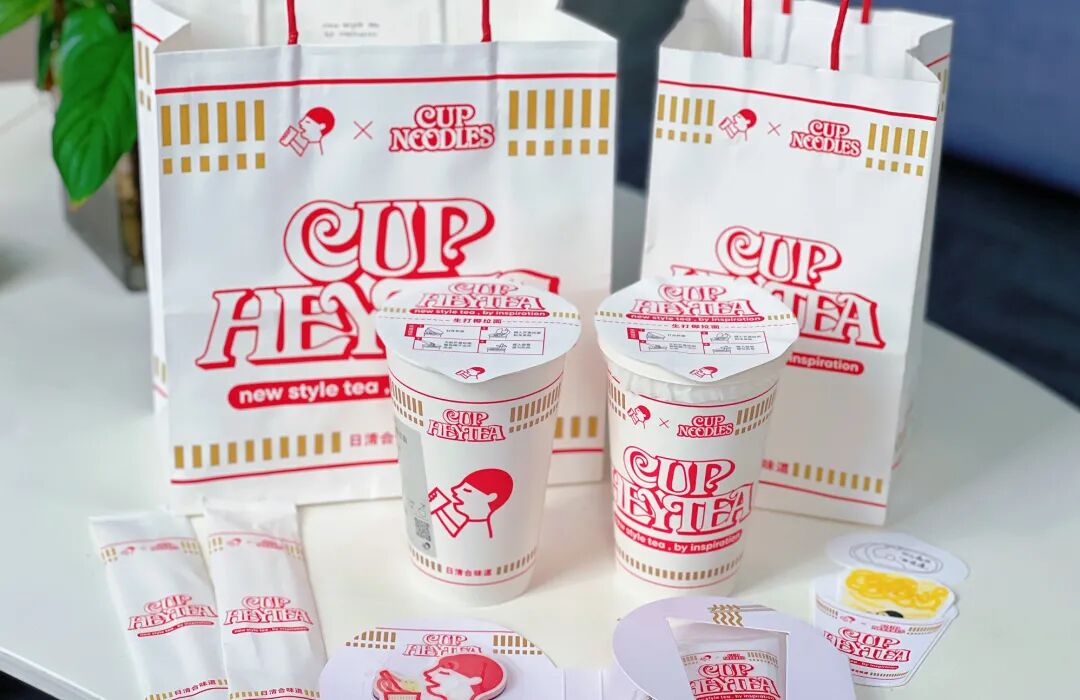
Hand-pulled noodles are not the most contrasting combination with milk tea. This autumn and winter, I found that corn, tapioca, pumpkin, highland barley and other coarse grains commonly seen in kitchens are collectively entering the drink menus.
Corn, the supporting ingredient in HeyTea's "hand-pulled noodle" drink, is one of the most active ingredients in this coarse grain trend.
Purenliangxin Juice combines golden corn with salty cheese and sea salt to make a salty-sweet corn drink. Some consumers described it as: "The corn flavor is extremely rich, just like sucking a freshly cooked corn directly into your mouth".
After the temperature drops, the familiar grain aroma and coarse grain texture add an extra layer of appeal.

In October, Cotti Coffee brought back the "Super Pumpkin" series first launched last year, matching pumpkin puree with oat milk and coffee; one month later, it launched the "Butter Pumpkin Pie" series, extending the ripe sweet taste of pumpkin to the direction of butter and baking aroma.
Some people said straightforwardly: "This is an amazing cup, you can taste the combination of chestnut, sweet potato and pumpkin milk"; others directly shouted that "This drink is absolutely Cotti Coffee's lifetime stable bestseller".
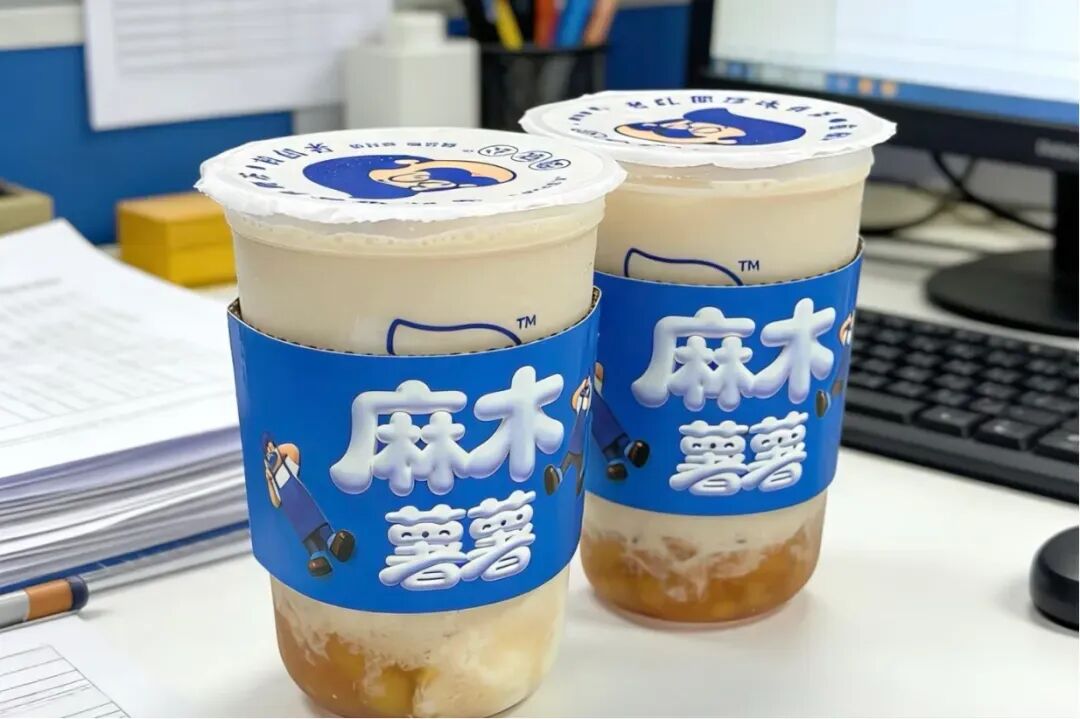
Tapioca has also been targeted by more chain brands. From the end of October to the beginning of November, some stores of Mixue Ice City and Luckin successively launched Peach Resin Tapioca Stewed Milk, with large pieces of tapioca matched with peach resin, tremella and other ingredients, and even the packaging was changed from a straw to a spoon.
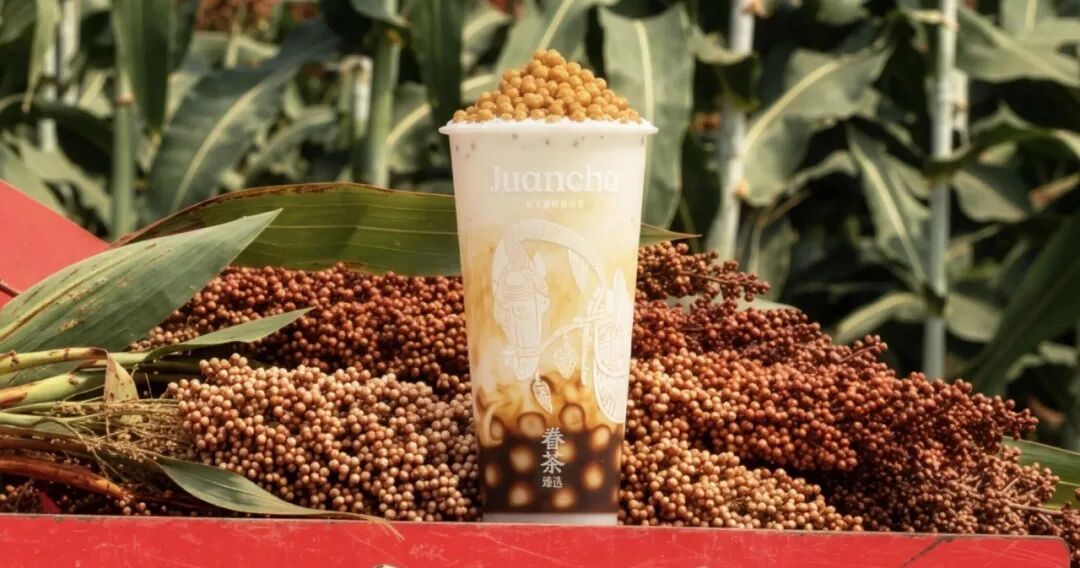
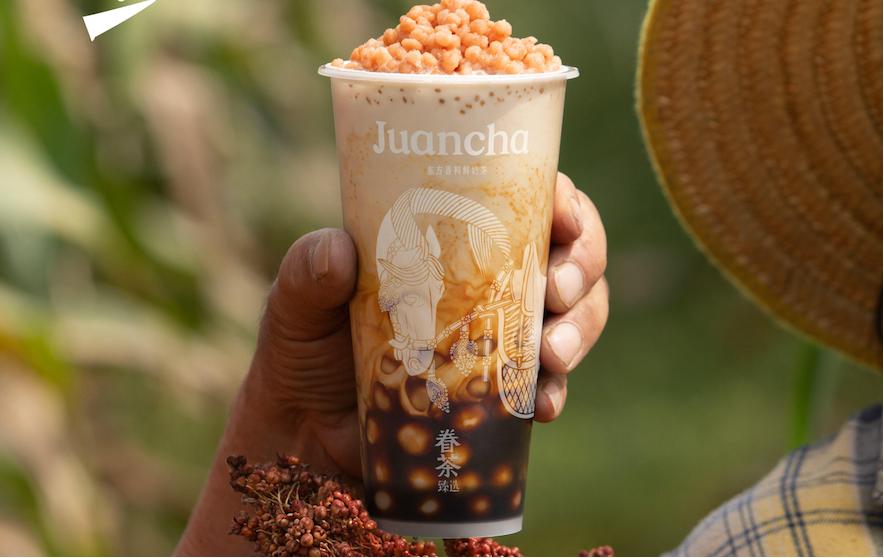
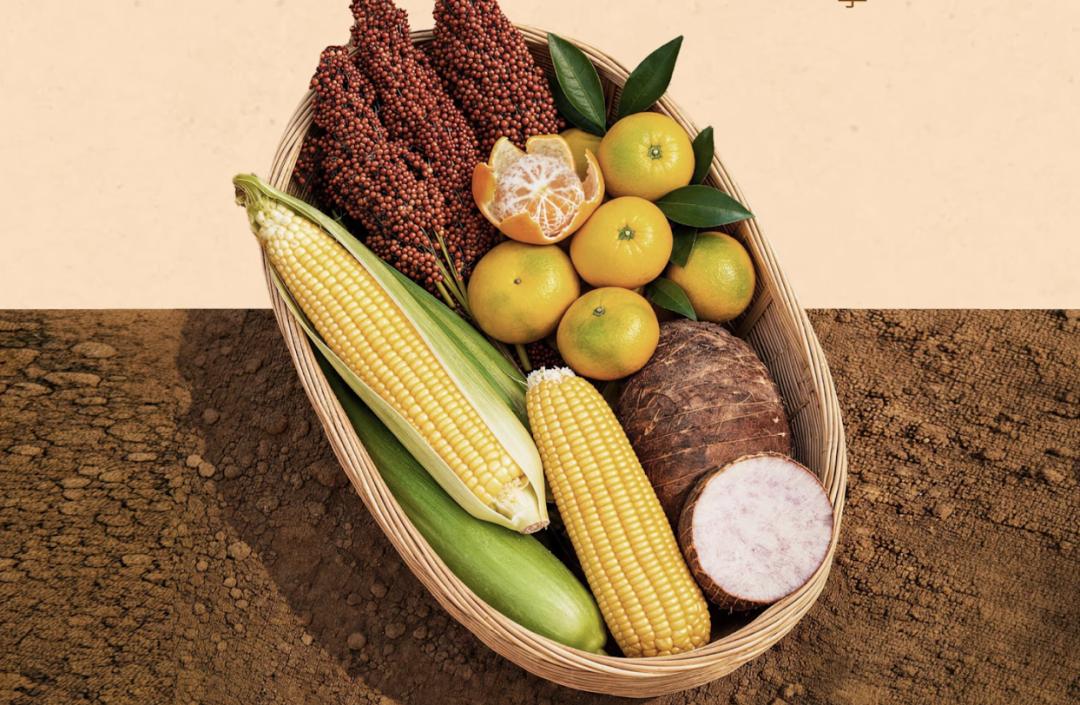
Juancha focused on "autumn harvest" and launched sorghum, corn and taro drinks. "Red All Over the Sky · Sorghum Brown Sugar" is added with sorghum grains, and "Full Ears in Sichuan · Gardenia Corn" uses corn with gardenia tea and white glutinous rice balls.
It is obvious that this winter, coarse grains are no longer just embellishments at the bottom of the cup, but have been pushed to the leading role of product innovation.
2
From "Super Plants" to "Super Crops"
Coarse Grains Offer Far More Than Just Health Benefits
1. Coarse grains hit the emotional demand of "pure frugality"
In previous years, "super plants" such as kale and chia seeds entered the drink industry. Brands relied on relatively unfamiliar names and health labels to provide consumers with reasons to try new products.
The coarse grain drinks that became popular this autumn and winter follow the opposite logic: the raw materials are very daily, and what brands need to do is to re-introduce them.
Behind this "reverse operation" is the change of consumer sentiment.
Some time ago, "the whole people have entered the era of pure frugality" became a popular online meme, which refers to not chasing an overly exquisite personal design, but living the present life down-to-earth.
Simple ingredients are highly respected by health-conscious groups, and the entry of coarse grains into milk tea menus just meets this emotion of "returning to daily life".
Juancha launched the "Super Crops" series around coarse grains such as corn, yam and purple sweet potato. In its view, sorghum itself has a distinct farming image, connected with collective memories such as harvest and original taste, which can provide a more specific emotional expression for a cup of drink than "healthy coarse grains".
At present, the "Super Crops" series has become a stable second growth curve in Juancha's autumn and winter products.
2. From puree, milk to grains, it brings both layered flavor and satiety
The value of coarse grains is not just adding one more topping. The addition of sorghum, corn and other ingredients allows consumers to directly perceive the grain flavor brought by whole grains when they taste the drink.
Kawangka recently launched "Sweet Potato Cream Puff" and "Sweet Potato Milk Tea" in some stores, adding both sweet potato puree and flowing heart sweet potato balls, the same ingredient presents two different textures in the cup.
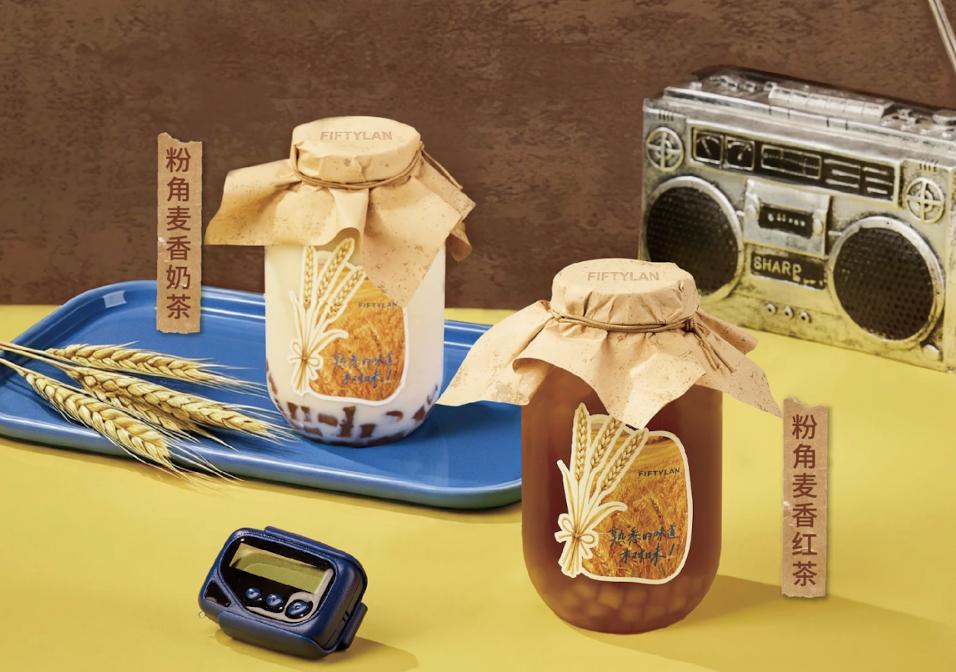
FIFTYLAN uses barley aroma with black tea and brown sugar crystal pieces to add a more obvious grain flavor to traditional Taiwanese milk tea; KOI integrates traditional Minnan fried flour tea into milk tea, which has a soft and glutinous taste, and adds the aroma of fried wheat, peanuts and sesame seeds when chewing.
Pumpkin and sweet potato are usually steamed and mashed to increase the consistency of drinks; rice can be made into rice milk and fermented rice; yellow rice and glutinous rice can be made into mochi; fried tartary buckwheat and barley mainly provide grain aroma; corn, sorghum and oat grains are responsible for increasing the chewing texture.
Different presentations of the same ingredient provide a more layered and full flavor for the product.
3
Don't Make Milk Tea Taste Like Porridge
Coarse Grain Drinks Need Proper Control of Texture
However, the distinct texture of coarse grains and cereals also increases the difficulty of balancing the product.
Sweet potato puree will increase the consistency, and grain grains bring satiety. After adding milk and sugar, if you don't control the proportion properly, it will easily change from "smooth and dense" to "sticky in the mouth", and from "satisfying" to "unable to finish drinking".

When consumers describe a cup of milk tea as "like porridge", it is sometimes a compliment and sometimes a complaint. But if the drink is too thick to suck, or the grains frequently block the straw, the drinking experience will drop significantly.
In addition to controlling the texture, the choice of liquid base also tests the sense of propriety more than imagined.
Cheng Yao, R&D staff from Kamen Drink Power Lab, told me that when consumers see ingredients such as pumpkin and sweet potato, they often imagine their sweet and greasy taste in advance.
But in actual products, these raw materials are not eaten directly, but also added with tea, milk or other liquid bases, and the flavor will be diluted accordingly.
"In this case, it is not recommended to choose a base with too strong flavor. Otherwise, the sweet aroma and characteristics of coarse grains will be easily covered, and consumers can only taste tea or coffee in the end, but can't taste the ingredients that the product wants to highlight." Cheng Yao said.
This means that the balance between autumn and winter drinks and toppings is not simply using the bitter taste of strong tea or coffee to "suppress the sweetness and greasiness", but choosing a relatively restrained base, so that the flavor of the ingredients can be perceived without becoming a burden.
Allowing consumers to taste the raw materials and be willing to finish the whole cup is the key for such products to get through the novelty-seeking stage.
4
Coarse Grain Drinks Do Not Need to Be on the Menu Permanently
But They Can Come Back Every Year
Many interviewed R&D staff hold similar judgments: coarse grains and other autumn and winter ingredients are not a short-lived product trend, but for a single specific drink, it does not necessarily need to be on the menu all year round.
Juancha believes that "Super Crops" has strong scalability, the supply chain is relatively stable, and the taste acceptance of ingredients such as corn, sorghum and taro is also high, which has the foundation for long-term development.
However, long-term category development and year-round sales are two different things. This also explains why some brands do not forcibly extend the sales cycle, but choose to bring back old products when the temperature drops.
Seasonal limited products do not make the products forgotten, but gradually form the expectation that "it's time to come back and drink this cup when the weather gets cold".
At the same time, the market is still screening: which ingredients are worthy of continuous development, which forms are more suitable for drinking, and which products can form a stable seasonal cognition.
Therefore, this round of new product launches may not give birth to a unified "coarse grain milk tea" category. Consumers are more inclined to remember a certain ingredient, or a specific delicious product that is difficult to replace.
Being remembered again by consumers in a fixed season is already another kind of stability. Perhaps when the temperature drops again next year, which products can return to the menu will be the real answer left by this round of coarse grain new product launches.
This article is from the WeChat Official Account "Kamen" (ID: KamenClub), written by Zi Qi, and published with authorization by 36Kr.