You bought a treadmill but still have to pay to watch the videos on it? A foreign man got so furious that he decided to crack the restriction with Claude.
For Lao Hu, there are always monthly expenses on subscribed software services, such as AI tools, cloud drives, information platforms... Nowadays, the one-time purchase model that solves all problems once and for all is no longer popular. For necessary services, you still have to pay for subscriptions as needed.
Since you have already paid for the membership, you would naturally assume it is cross-platform compatible. However, some manufacturers act in bad faith: you have clearly paid for the membership of a software, but you are still required to pay extra when using it on other platforms?
I don't know if you have ever had such an experience, and recently a user on Reddit abroad encountered this very annoying situation.

A few years ago, this guy's girlfriend bought a treadmill of the NordicTrack brand. In the United States, this brand occupies a dominant position in this field, and even the treadmill installed on Air Force One, the exclusive aircraft of the US President, is made by this brand.
One of the reasons they chose this treadmill was that they could watch videos on the large screen of the treadmill while running. Combining running with watching teaching videos, movies and other content is a good way to balance work and rest.
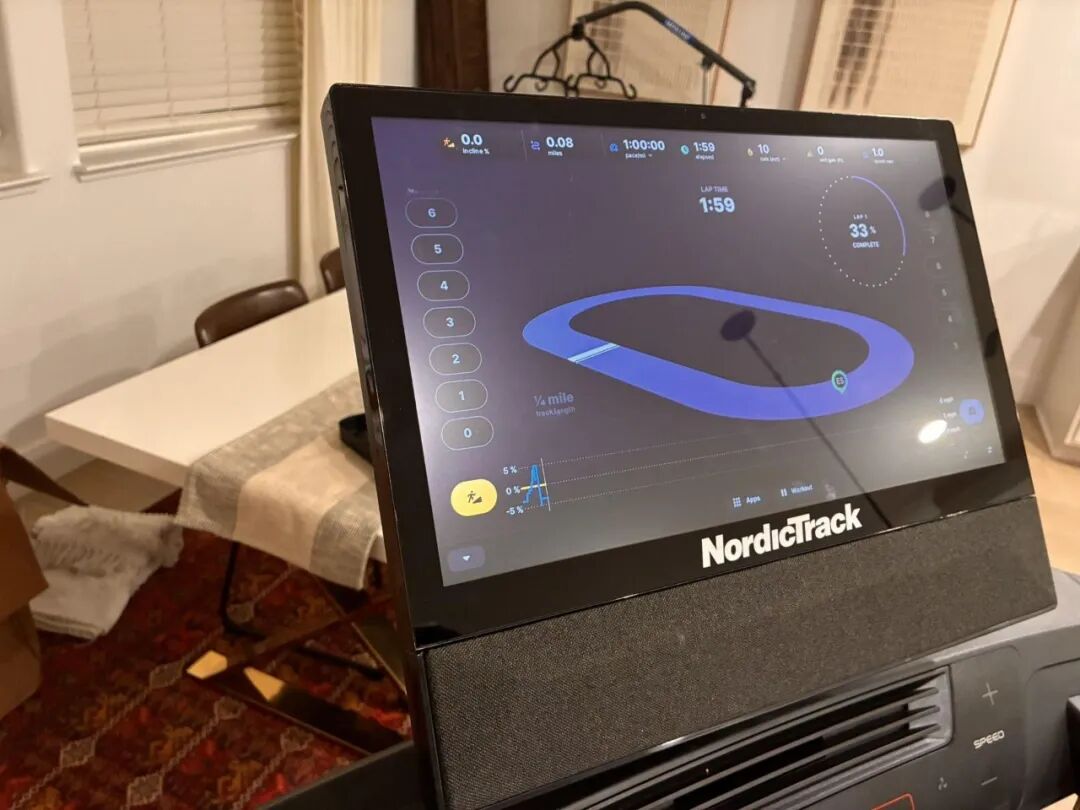
However, after they got the treadmill, they found that apart from the most basic sports control functions, all other extended features were locked behind the paid membership of iFIT, the built-in system app owned by the treadmill's parent company.
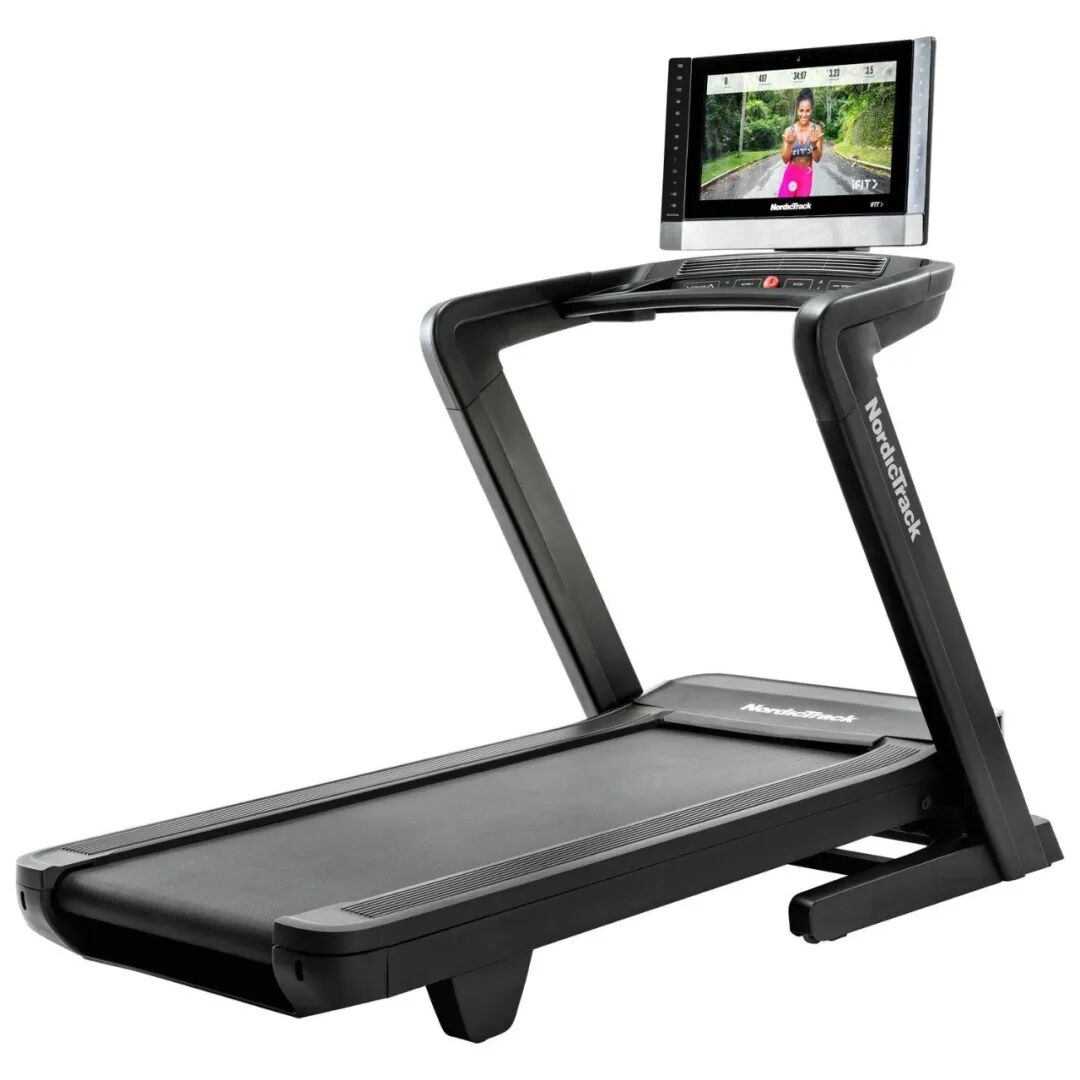
Originally, this guy already had a Netflix membership, but now he had to subscribe to the iFIT membership to open Netflix on the treadmill to watch videos.
What's even more infuriating is that even for basic workouts, the treadmill will slowly load this built-in app, and force users to watch carefully (extremely annoying) prepared ads on the screen...
Who can tolerate this? This kind of unfair clause should not be indulged! The guy decided to find a way to modify the treadmill on his own.
The technology democratization brought by the AI era also makes cracking a feasible option. Opus 5.5 + Claude Code became the key weapon for this reverse engineering process.
He first found that this treadmill runs on the Android 9 system, so he could let Claude Code analyze the apps and services on the device to find reusable interfaces.
After several attempts, he found that the treadmill's motor control service itself provides a local interface. Instead of developing everything from scratch, Claude referred to the method of QZ (qdomyos-zwift), an open-source project for sports device connection.
Previously, the developer of QZ had already studied how some NordicTrack devices communicate with external programs. Referring to these existing achievements, Claude wrote a new client in Java.
However, finding the motor interface does not mean that the interface can be replaced smoothly.
There is an update and locking component called com.ifit.eru in the iFIT system. He found that this component will restore the manufacturer's apps, disable debugging access, and re-enable some restrictions when the device restarts.
The guy tried to disable related apps one by one, once he crashed the motor service, and another time he spent half an hour restoring the normal operation of the device.
In short, this task cannot be completed directly by AI in one go. Even with relevant experience, it still took a lot of effort to finally get everything done.
After a day and a half of hard work, he finally succeeded! Actual test results show that the app startup time of the treadmill was directly reduced from the original 1 minute to more than 20 seconds, and all the annoying ads were removed completely.
After this incident was posted on Reddit, a large number of users in the comment area liked it, saying that it was a great relief for consumers who have suffered from the hardware subscription system for a long time.

"Finally someone made it. It's ridiculous that everything requires a subscription fee now."
Some people also said that they do not reject paying for software, and are willing to pay a one-time fee for software with real value, but they are really unwilling to pay annual fees continuously for these simple applications.
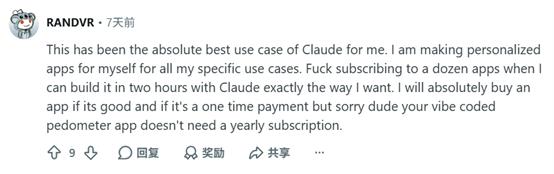
Since the guy has made this project public on GitHub, some people said they are going to study it carefully over the weekend to see if their own devices can be modified in the same way.

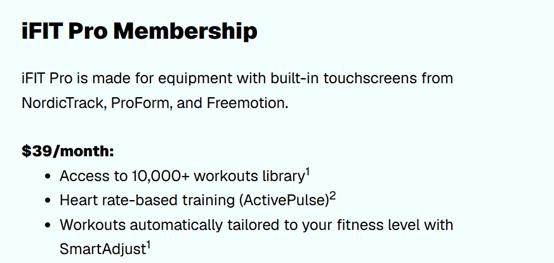
In fact, this guy has the same attitude as most consumers: he is not against paying for apps, but he is unwilling to pay a monthly subscription fee as high as 39 dollars just to watch Netflix on his own treadmill. The treadmill company bundles all these features behind its own membership, which is nothing but pure exploitation of consumers!
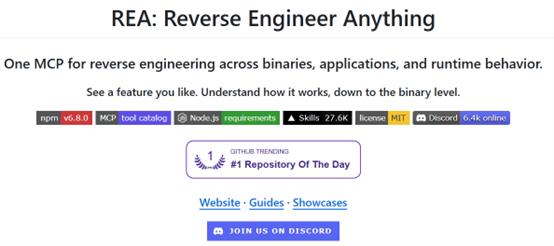
Seeing this, Lao Hu also thought of the REA (Reverse Engineer Anything) project that went viral last month. This project connects existing reverse analysis tools such as Ghidra, Hopper, and IDA to AI agents, so that the model can analyze reverse programs.
After this project was launched, it became extremely popular, and directly won more than 400,000 Stars on GitHub.
Some people tried to port early small games on Windows to Mac and browsers, and some people even modified their own smart toilets, so that the toilet that could only be controlled through WeChat Mini Programs can now be remotely controlled by a computer.
In short, as cutting-edge large language models have entered the intelligent stage of GPT-6 Astra and Opus 5.5, the threshold for modifying a large number of programs has been greatly reduced. Although it cannot be said that even a complete novice can do reverse engineering, compared with the past when you had to learn pre-requisite knowledge such as decompilation first, people have indeed achieved a certain degree of "technology democratization" now.
But is the story of AI reverse engineering really all the way smooth? Obviously not.
No matter how ugly the eating habits of manufacturers are, just like the treadmill manufacturer in this case, in the business world, developers are always unwilling to let consumers crack programs at will.
The party involved in this incident also shared the project anonymously on GitHub. Once there is a copyright-related dispute, he may still get into trouble.
For small and medium-sized game developers, the ubiquitous reverse engineering tools are even a catastrophic disaster.
Digital Sun, the indie game developer that made "Moonlighter", originally planned to open the public test of its new game ReVamp recently. But later it decided to cancel the public test, because it worried that other developers would use AI reverse engineering to copy its game content and launch competing products before the official version was released.

In the long run, independent game developers will have to face a dilemma: if they reduce exposure to avoid plagiarism, they may lose marketing opportunities as a result. Large manufacturers can of course hire more professional teams to conduct confidential tests, and have other ways to promote their products, but small creators may not be able to afford such costs.
Facing this kind of "cyber out of control" where "everyone has a gun", Claude also responded quickly. On October 30, Anthropic employee Addy Osmani confirmed that Opus 5.5 has added restrictions on replicating specific commercial games.
At present, Claude Code has begun to reject some reverse engineering and product activation analysis tasks in conversations. When Lao Hu talked about this topic with GPT, as long as GPT "feels" that you are trying to do edge-ball reverse engineering, it will immediately stop and refuse to answer (its vigilance is pulled to the maximum level...).
There are always some obvious or hidden conflicts between consumers and manufacturers. If hardware and software manufacturers "oppress" consumers too much, cracking and reverse engineering seem to become a kind of "Robin Hood-style" justice. But if this technology is abused, small developers will suffer more, while large manufacturers have more room to maneuver.
Under the background of the rapidly developing AI, the interweaving of technology, business and legal boundaries always seems to lag behind and be vague. Consumers gained the freedom of reverse engineering with the help of AI for a while, but they may soon be suppressed by AI manufacturers.
The law is strong one foot, and the devil is strong ten feet. The relationship between Sun Wukong and the Tathagata Buddha is probably just like this.
Written by: LJM
This article is from WeChat official account "Tech Fox" (ID: kejihutv), the author is Lao Hu, and 36Kr publishes this content with authorization.