Nobel laureate Hassabis delivers another groundbreaking masterpiece, AlphaGenome 2 decodes 98% of the human genetic "dark matter"
DeepMind just dropped another bombshell late at night!
Just now, Nobel laureate Demis Hassabis took the lead personally, leading Google DeepMind to officially release the new-generation DNA foundation model AlphaGenome 2.

It is worth noting that AlphaFold, which made him a household name back then, only cracked the 2% protein-coding regions in human DNA.
The remaining full 98% non-coding regions have long been known as the "dark matter" in the genome. This part not only houses the "regulatory switches" that control gene activation and deactivation, but also contains over 90% of human disease-causing mutations.
This time, DeepMind released a 78-page heavyweight technical report in one go, launching a full-scale offensive against this "dark matter" with AlphaGenome 2, bringing four core breakthroughs.
From "observing whole organs" to precisely "observing single cells"
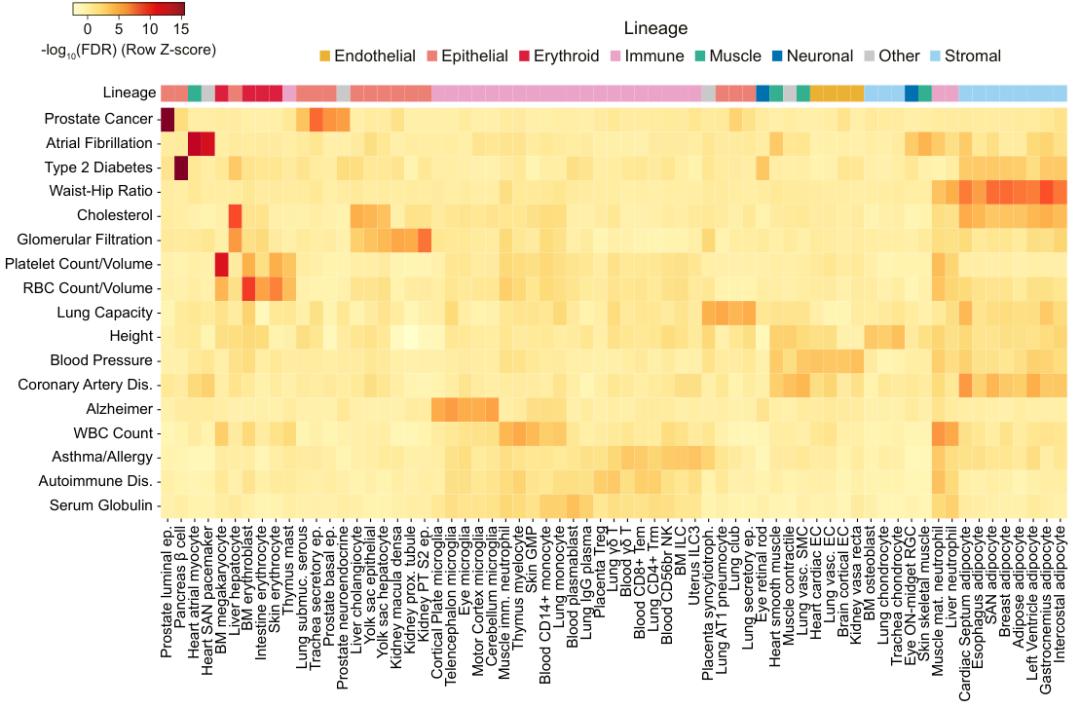
The model has mastered data of 68 types of human tissues and over 107 million single cells. It can clearly observe the respective reactions of the same DNA mutation in different cells, and the success rate of identifying disease-causing mutations is directly doubled compared to the previous generation.
No biological experiments required, pure computation reproduces years of achievements published in *Nature*
Without touching a single drop of reagent, the model accurately identified the hidden mutation that causes severe enteropathy, and even calculated clearly in which type of immune cell the mutation takes effect.
For unseen new lesions, it can understand them by feeding data from only dozens of cells
Even for lesion samples that the model has never seen before, researchers do not need to retrain the model. They only need to upload sequencing data of dozens of cells to quickly predict the consequences brought by the mutations.
Free access to a million-level mutation library, soon to be integrated into Gemini 4
The official has made public an impact scoring library covering millions of gene mutations, and will soon package the model into Skills to connect to Google Antigravity, for Gemini 4 to call at any time.
Precise down to single cells, disease-causing mutation recognition rate directly doubles
To decipher this genomic "dark matter", DeepMind once launched the first-generation AlphaGenome, but it had an obvious shortcoming: it could only make general predictions based on "whole organs and tissues".
However, a piece of human tissue often mixes dozens of different types of cells. When mixed together, only the "average signal" can be calculated, which leads to the characteristics of a small number of disease-causing cells being easily covered up.
This also explains why there has long been a confusing phenomenon in the genetics community —
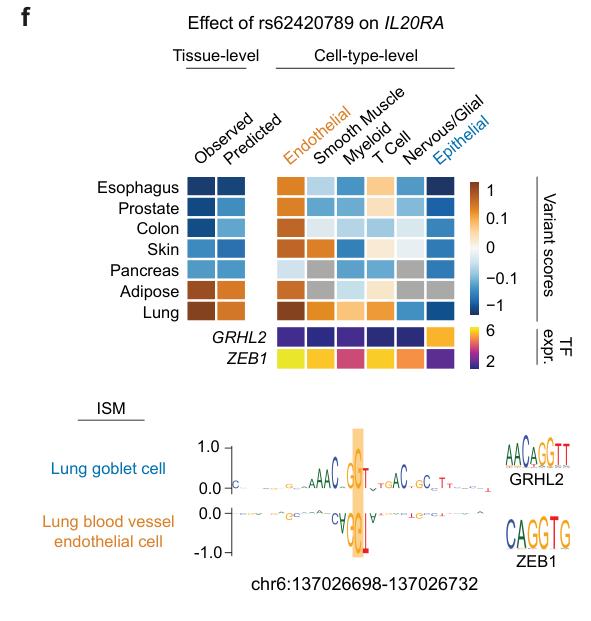
For the exact same immune-related DNA mutation, it increases the expression of the IL20RA gene in lung tissue, but reduces it in esophageal tissue, and whole-organ sequencing can never find the reason.
It was not until AlphaGenome 2 narrowed its perspective down to single cells that the underlying reason was completely clarified.
It turns out that in epithelial cells, this mutation disrupts the regulatory sites responsible for activating genes, thus leading to a significant decrease in gene expression.
On the contrary, in vascular endothelial cells, it destroys the sites responsible for inhibiting genes. After losing the restriction, gene expression increases sharply instead.
Since epithelial cells account for the majority in the esophagus while vascular endothelial cells are more abundant in the lungs, when the whole organ is mixed to calculate the average value, the two opposite effects cancel each other out.
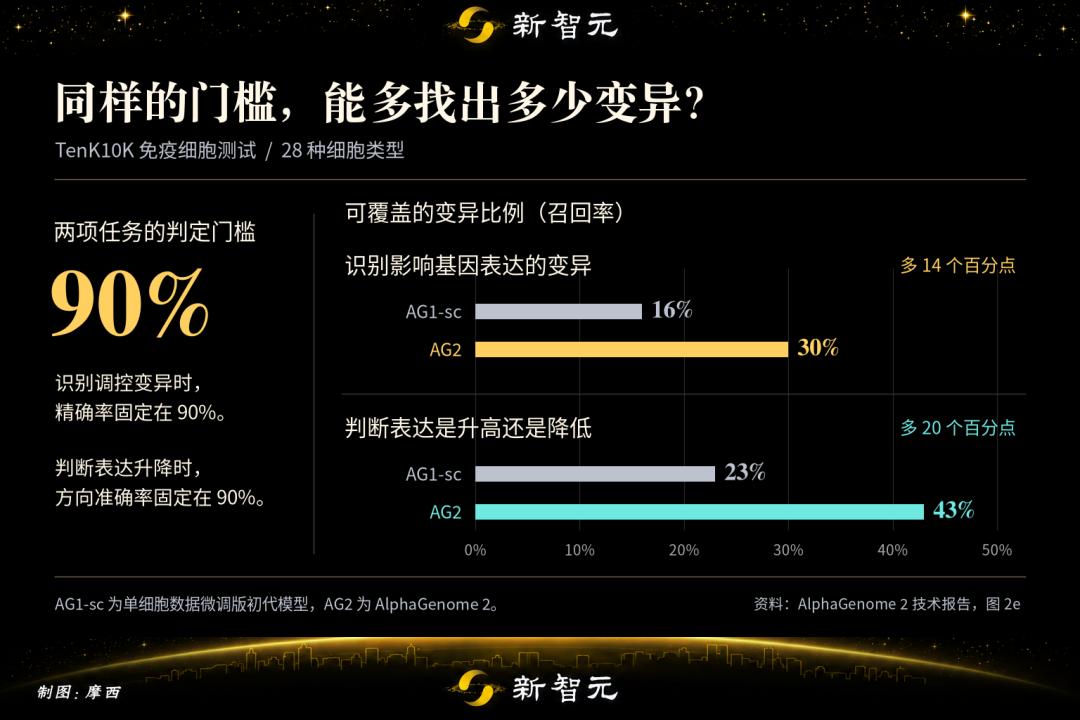
It is not hard to see that when the prediction accuracy is refined to the single cell level, the model's recognition accuracy has achieved a substantial leap.
In the TenK10K benchmark test covering 28 types of human immune cells, even after special single-cell fine-tuning was performed on the first-generation model, it could only identify 16% of disease-causing mutations.
In contrast, AlphaGenome 2 not only increased this proportion to 30%, but also raised the accuracy rate from 23% to 43% when judging "whether the mutation will enhance or weaken gene activity", the two core indicators almost doubled at the same time!
Even for the dynamic process of human hematopoietic stem cells differentiating into red blood cells and B cells step by step, the gene change heat map it draws is exactly the same as the real results measured in the laboratory.
Pure AI simulation and calculation, zero experiments reproduce years of *Nature* achievements
If doubling the benchmark scores is only the basic skill, its performance on real intractable diseases is what truly shocks biologists.
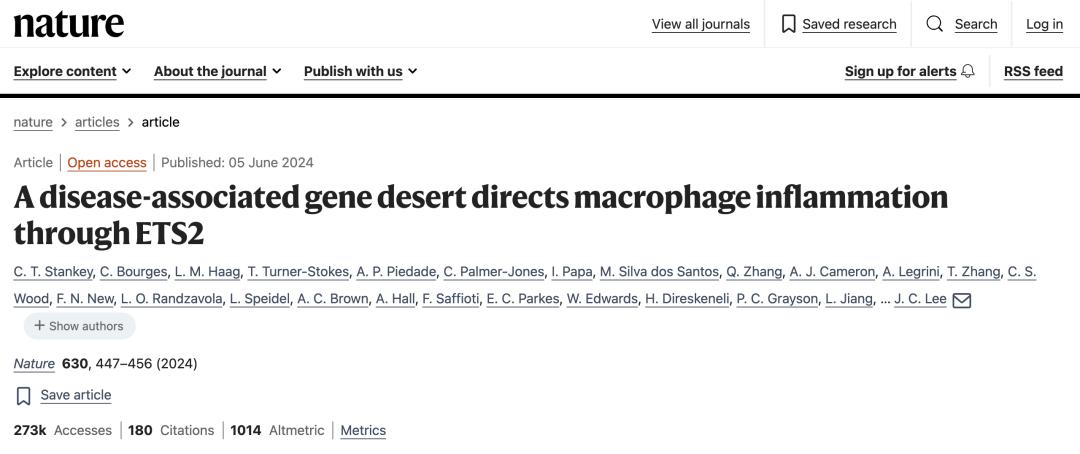
In 2024, *Nature* once published a sensational study on inflammatory bowel disease in the medical community.
To find out a disease-causing clue hidden in the non-coding region, the scientific research team worked hard in the laboratory for several years, repeatedly carrying out tedious experiments such as CRISPR gene knockout.
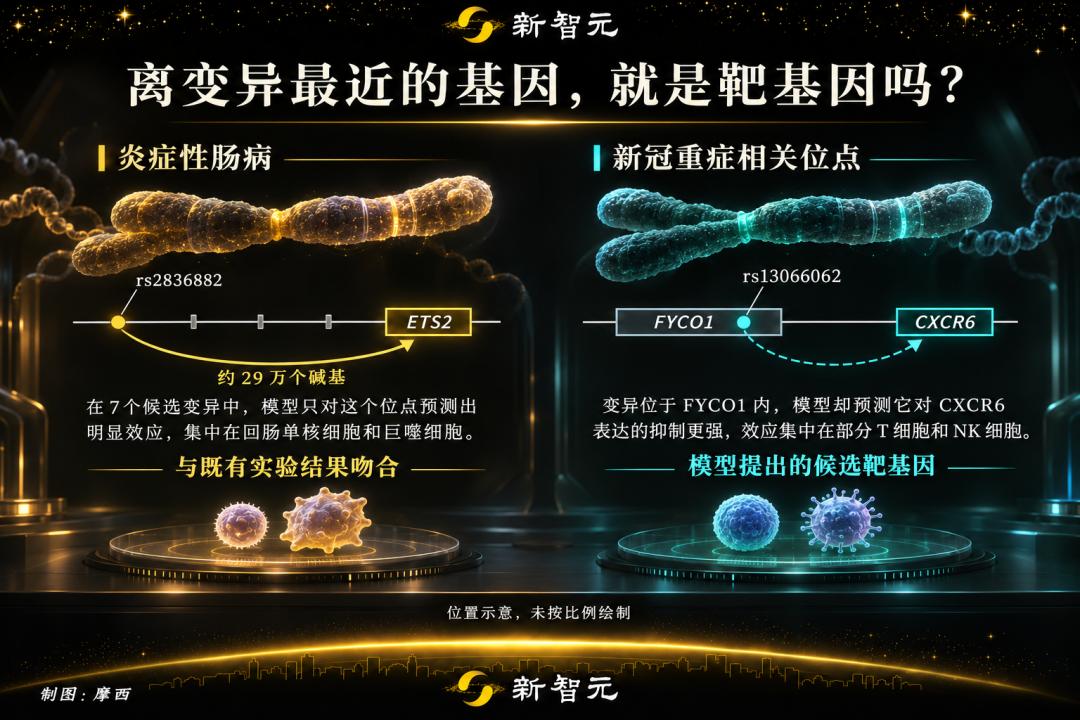
Finally, they managed to confirm that a tiny gene mutation can cross an ultra-long distance of 290,000 base pairs to over-activate the ETS2 gene, thus triggering severe intestinal inflammation.
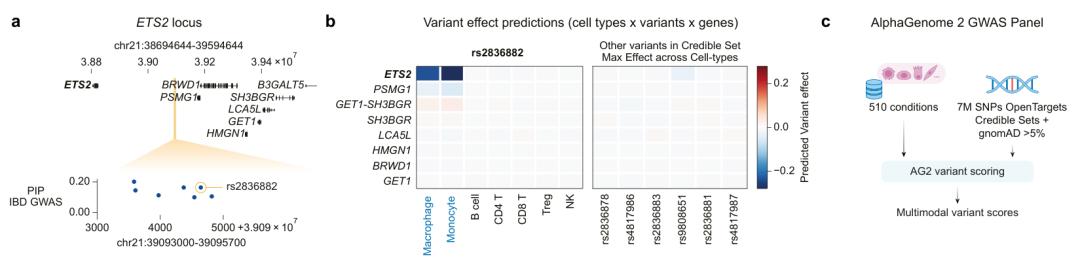
This time, the DeepMind team input the same segment of DNA into AlphaGenome 2. Then, the model did not perform a single biological experiment throughout the process, and reached completely consistent conclusions only through calculation!
In this process, the model not only spotted the disease-causing mutation at a glance from 7 highly similar candidate sites, but also skipped the adjacent genes that are closer, accurately locking the distant ETS2.
Moreover, it further calculated the key detail that "this mutation only works in intestinal macrophages and monocytes, and other immune cells are barely affected".
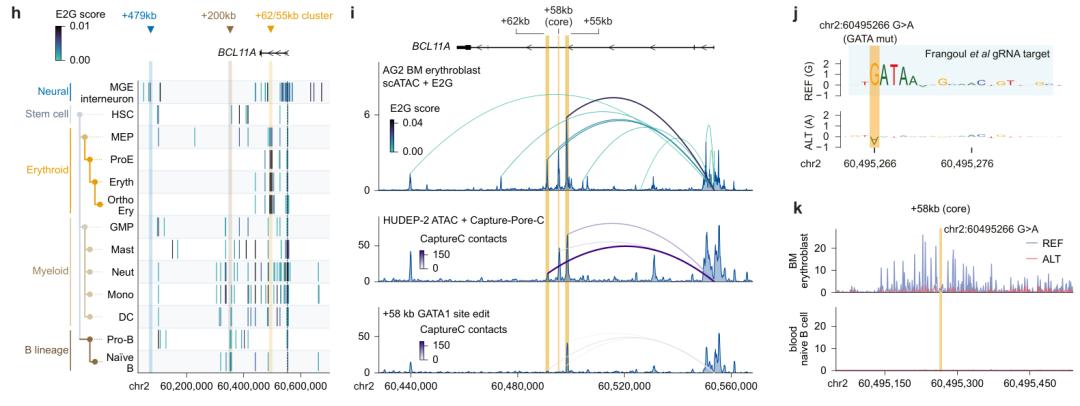
In addition to finding the cause of the disease, its performance on the approved marketed CRISPR gene therapy targets for sickle cell disease is also very outstanding.
The model not only accurately found the regulatory sites 58,000 base pairs apart in the key cells in the early stage of red blood cell development, but also identified the core GATAA sequence targeted by gene editing word for word.
No need to retrain the model, only data from dozens of cells is needed to understand unknown lesions
In the front line of clinical practice, researchers often encounter a practical problem.
For many rare diseases or new-onset infections, only dozens of diseased cells can often be collected from patients, and this amount of data is far from enough to retrain a large model.
To solve this pain point, AlphaGenome 2 specially added a cell encoder outside the backbone network.
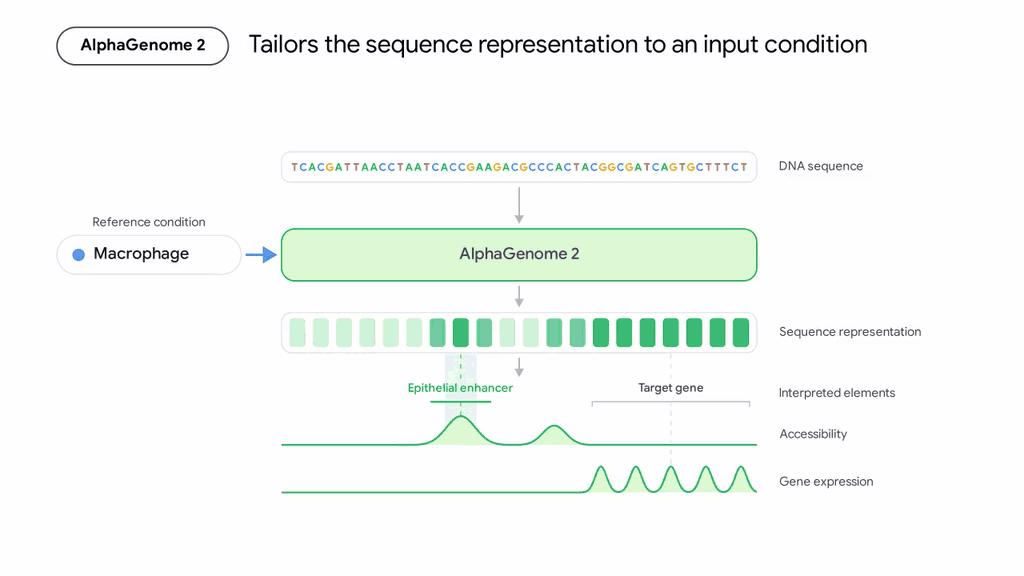
With this design, no matter what unseen new lesions are encountered, researchers only need to upload the sequencing data of dozens of new cells, and the cell encoder can extract the corresponding cell state features on the spot.
Subsequently, these features will be directly transmitted to the backbone network. In this way, the entire large model does not need to be retrained, and can directly predict the impact of gene mutations in these new cells.
To verify this capability, the team selected a batch of brain tissue samples from 190 Parkinson's disease patients that the model had never seen for testing.
Without any targeted training, AlphaGenome 2 successfully identified 41% of disease-causing mutations, far exceeding the similar model Scooby that was specially trained with this batch of patient data (only 17%).
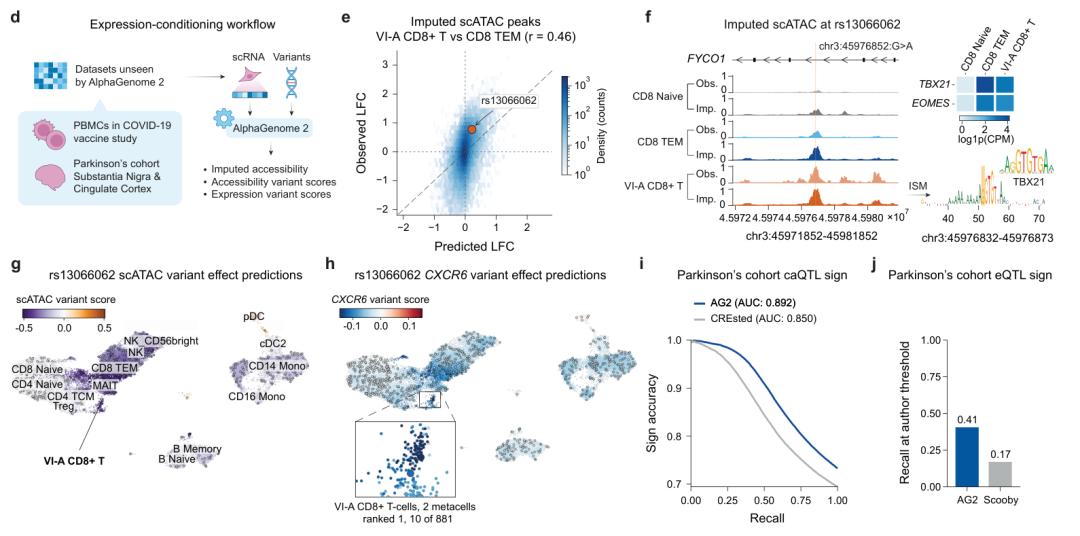
In another batch of samples from COVID-19 mRNA vaccine recipients, it not only keenly identified the rare T cells that were awakened only after the booster shot, but also followed the clues to find a very hidden severe COVID-19 mutation.
The data shows that this mutation has almost no effect in unactivated T cells. But once the immune system is activated, it will significantly inhibit the expression of antiviral genes, thus increasing the risk of infection.
Moreover, this architecture can also help laboratories save a large amount of testing funds.
Researchers only need to measure the most conventional single-cell gene expression data, and the model can automatically infer multiple high-cost indicators such as single-base DNA methylation, which is equivalent to complementing multiple sets of data by testing only one item.
Free access to a 7-million mutation library, soon to be made into Skills and integrated into Gemini 4
In addition to releasing the model and paper, DeepMind this time also pre-calculated two large-scale databases for global researchers and made all of them public for free.
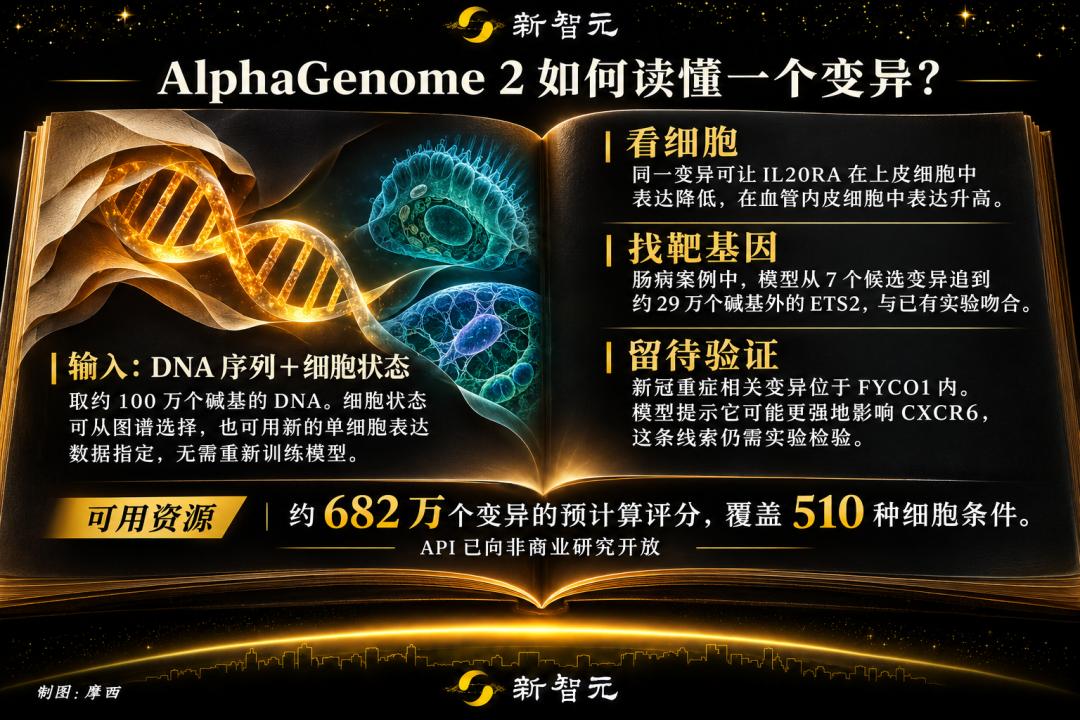
It not only contains gene regulatory maps of 640 types of real human cells, but also pre-calculates the specific impact scores of nearly 7 million gene mutations under 510 cell states.
At present, relevant APIs and interactive Colab tutorials are open for free for non-commercial scientific research.
At the end of the official blog, DeepMind also released a heavy preview.
The team will soon encapsulate AlphaGenome 2 into Skills, connect it to its own Agent development platform Google Antigravity, and let Gemini 4 call it directly!
