It can output 4K images in 10 seconds, draw CAD drawings and disassemble mechanical structures. This open-source image model from MiniMax is really something.
Zhidx reported on November 11 that late last night, MiniMax officially released its new-generation image generation model H3-Image, and simultaneously opened the model weights.
According to actual test feedback from a large number of netizens, the performance of H3-Image is already comparable to the world's top-tier image generation models, reaching SOTA level among open-source image models. In terms of speed, the high-speed version of H3-Image can generate a 4K high-resolution image of 4096×4096 pixels (16MP) in about 10 seconds, which is only 1/5 of the time cost of mainstream models on the market.
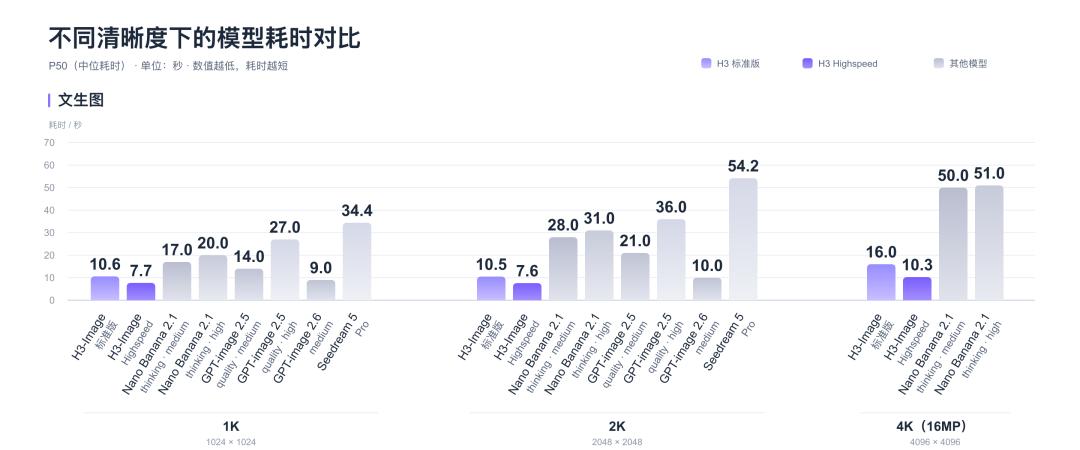
Apart from the improvements in generation speed and picture quality, another notable change of H3-Image this time is the model's ability to understand complex instructions and visual information. This model supports the fusion of up to 16 reference images, can process complex instructions and structured information, and has leading instruction-following capabilities among open-source models.
How many of these capabilities can stand up to actual tests? We connected H3-Image through MiniMax Conch and MiniMax Code at the first time, and conducted a round of high-intensity actual tests focusing on visual performance, complex task understanding, multi-material reference fusion and other directions.
01. Actual test of H3-Image visual performance: from retro comics to realistic photography
For the visual part, we designed five groups of tests in total, which respectively investigate the real texture, style conversion, game scene restoration, poster text typesetting, and 16-image reference fusion capability.
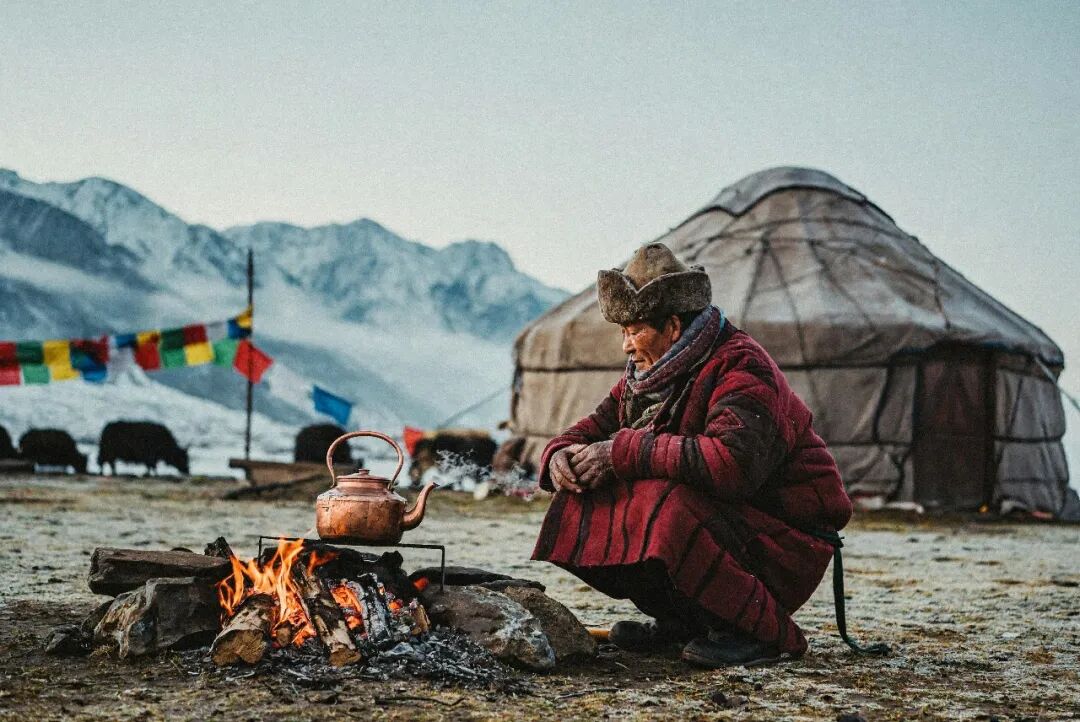
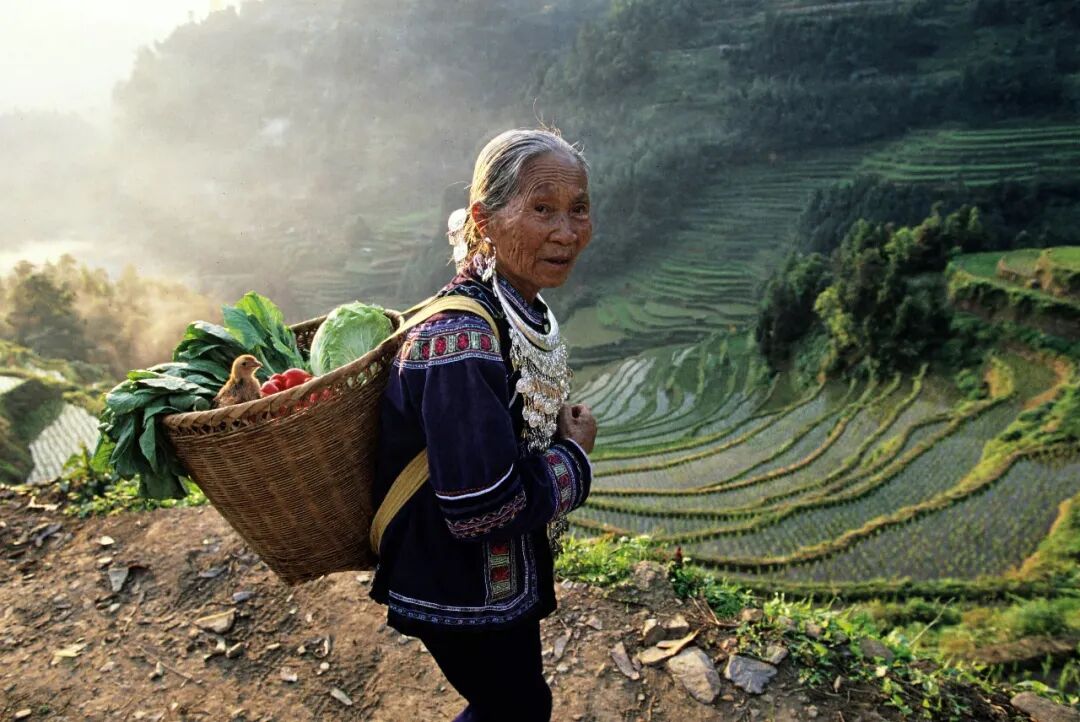
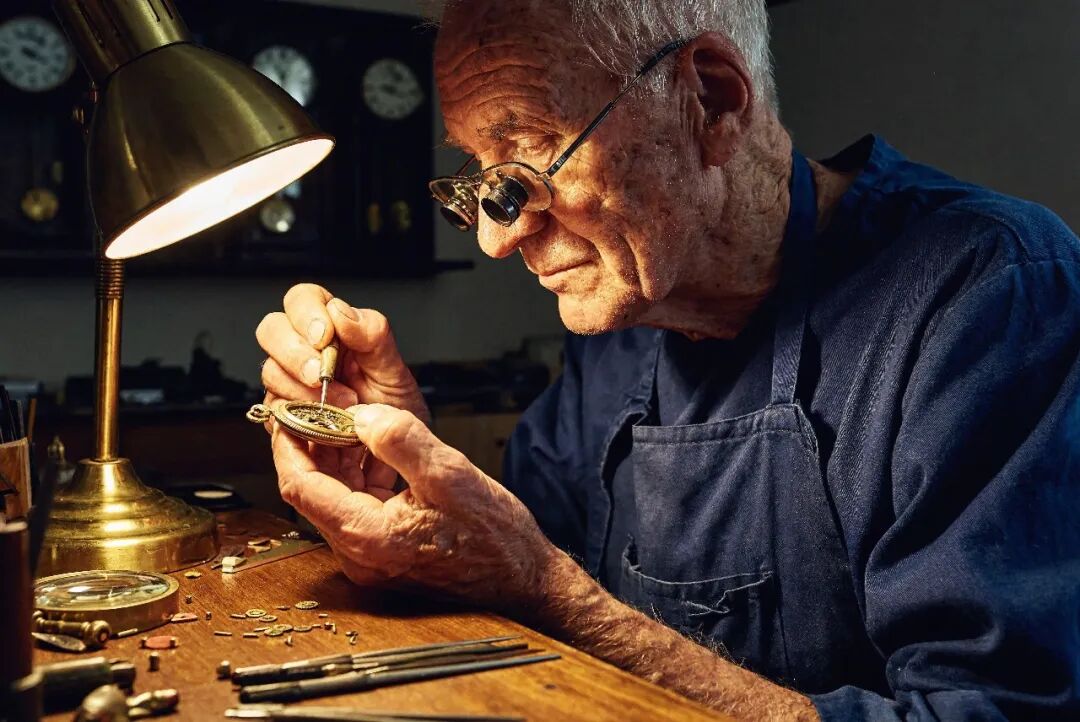
H3-Image can generate pictures with the texture of ultra-realistic photographic works. For these pictures below, if there is no prior statement, most people will take them as actual shot works of humanistic documentary: the light and shadow texture of the picture is real, the natural texture and subtle flaws of human skin are retained, and the ambient light also acts on the characters and surrounding objects realistically, there is no plastic feeling caused by excessive skin smoothing, sharpening and highlight stacking that commonly seen in AI images.
Next, let's look at this "nature photography" work. Nature photography is actually a quite challenging category in AI image generation. Unphysical object motion, distorted animal postures, and overly regular natural environment details can easily expose traces of AI generation.
The images generated by H3-Image do not deliberately make every element very clear. Light, color and dynamic details together form a complete picture atmosphere, and even bring a certain sense of story. It is quite rare that the posture of seagulls skimming over the waves, the layers of waves and the overall light and shadow relationship are relatively coordinated, there is no obvious structural disorder or trace of AI rendering, and the realism is pulled to the full.

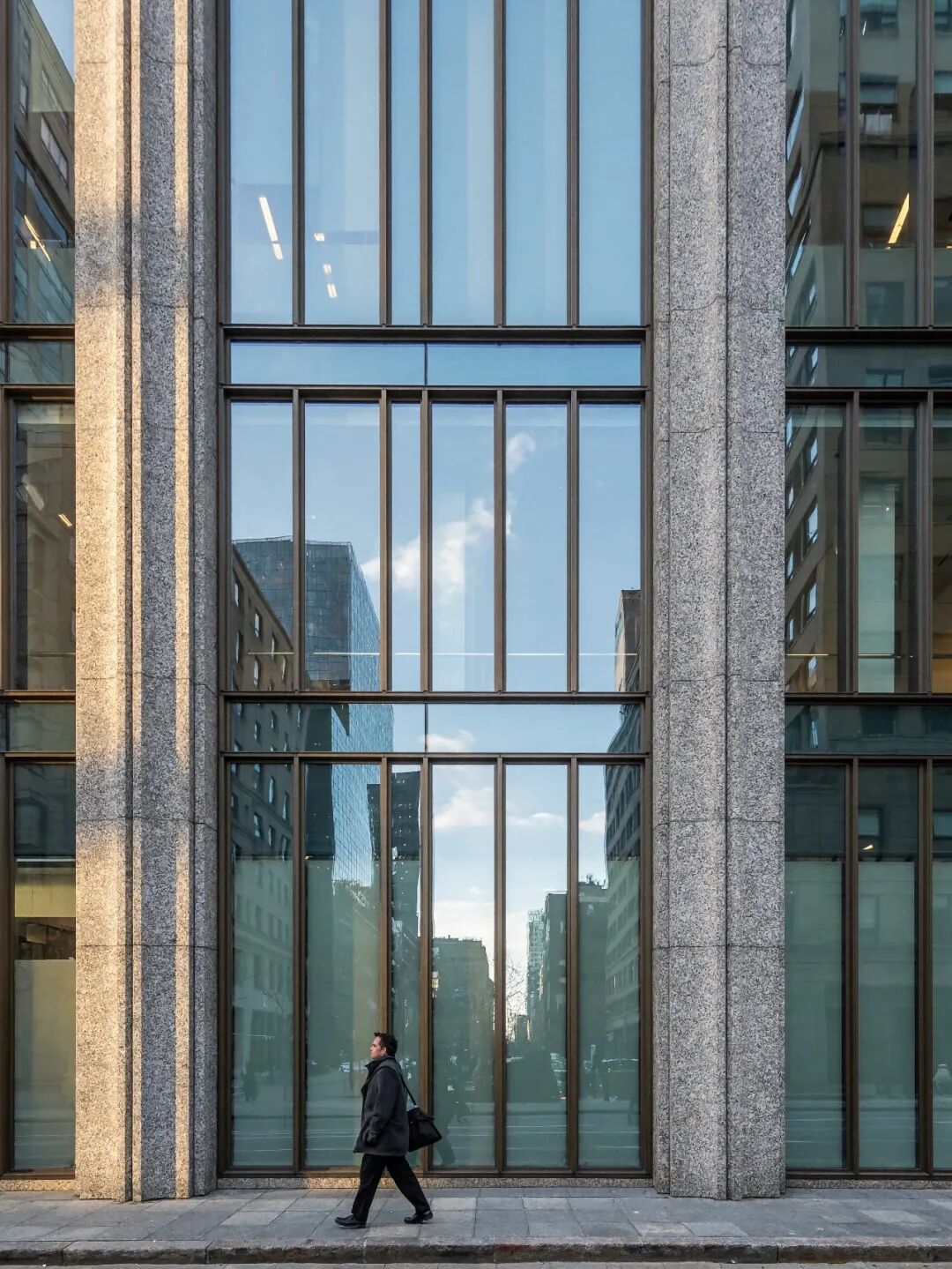
Generating architectural images is also difficult for AI, which requires lines to be perfectly horizontal and vertical without any deviation, the reflection of glass curtain wall to conform to the physical law of mirror imaging, and different materials to present texture and reflection characteristics that conform to the real situation. H3-Image has reached first-class level in these difficult points. It is particularly worth pointing out that the transmission of indoor ceiling lights and outdoor reflections in the picture coexist without contradiction, which reflects the model's understanding of light and shadow.
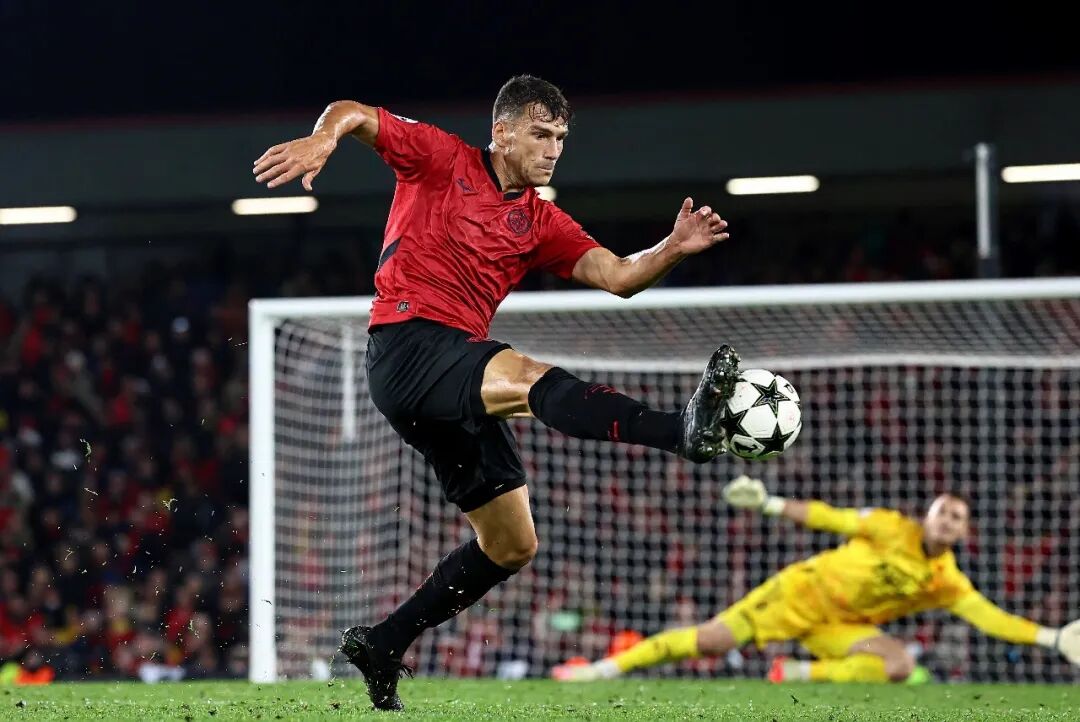
In the sports scene, the "athletes" generated by H3-Image conform to the real sports mechanics in terms of body center of gravity and force posture. Their arms spread naturally to maintain balance, thighs are tensed due to force, the goalkeeper in yellow jersey in the background dives sideways with stretched body, and the turf on the field splashes. In the sports theme that most tests the authenticity of physics and human body, the generation results of H3-Image still show the level of professional photography.
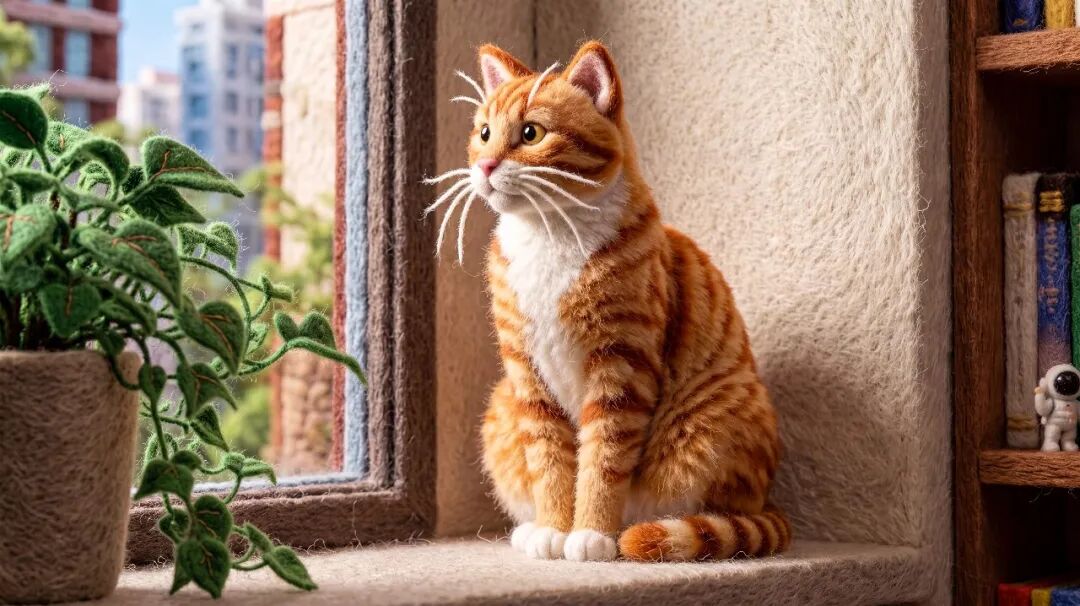
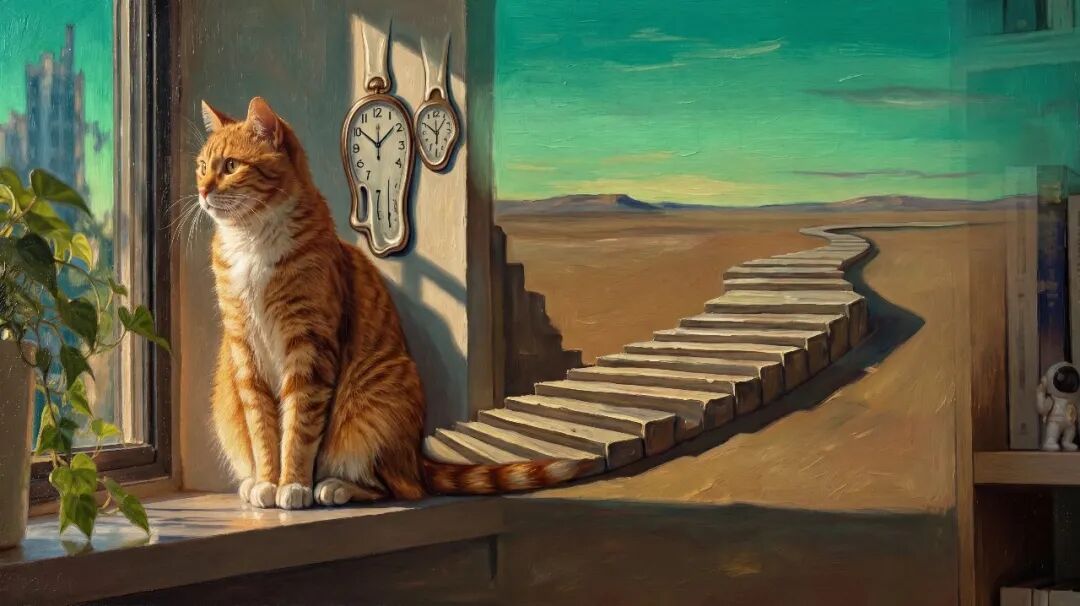
In the next group of tests, we selected the same photo of an orange cat, and asked H3-Image to convert it into two different art styles respectively, including felt stop-motion animation and surrealist oil painting, to investigate the stylization ability of the model.
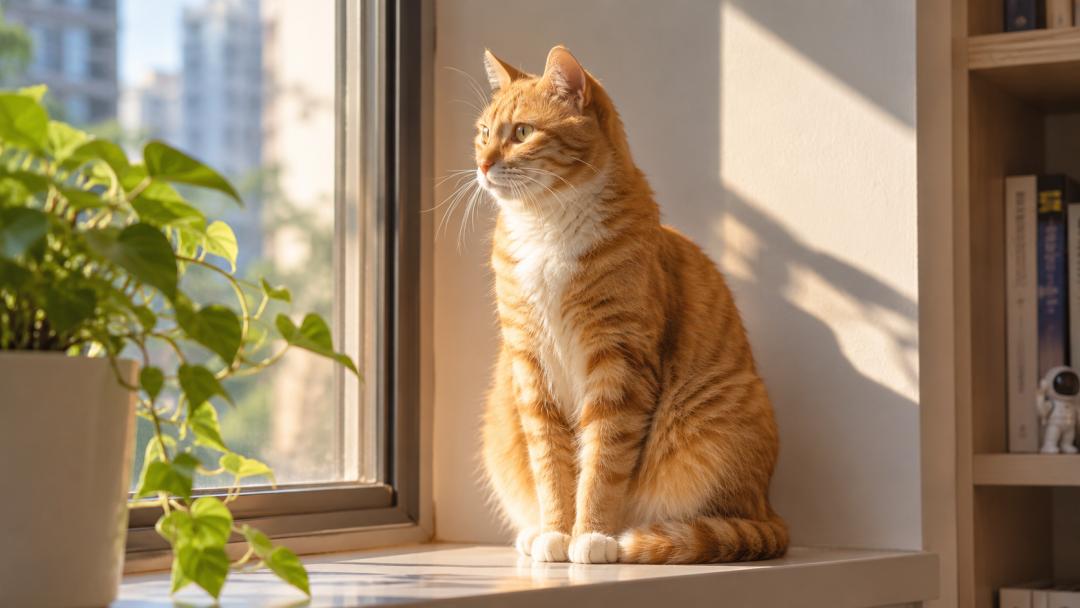
This group of tests also added some specific production requirements. For example, in the felt style, we required the model to present the texture of interwoven fibers, instead of simply adding a layer of blur effect. It can be seen that H3-Image has converted all elements in the picture into the corresponding style. If you look at the details carefully, even the leaves have the texture of felted fibers, which restores the requirements of the prompt very well.
The surrealist style also performs well. We only mentioned the Dali-style in the prompt, and H3-Image actively added iconic elements such as melting clocks. In the picture, the combination of indoor space and desert, windowsill and suspended ladder that does not conform to the logic of real space not only retains the main subject of the orange cat in the original picture, but also creates a surreal atmosphere through scene reorganization.
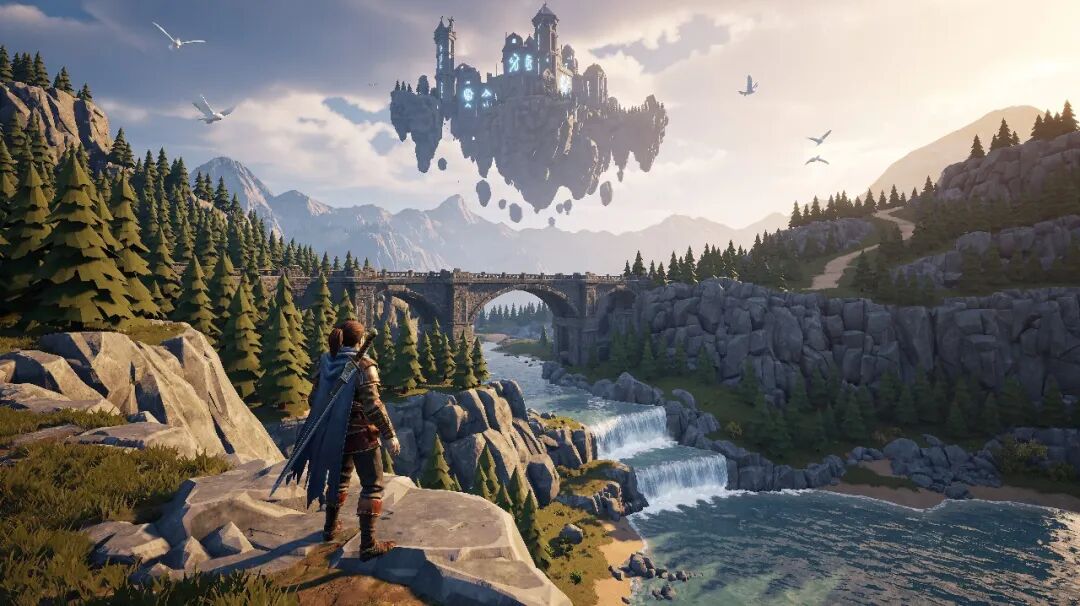
Nowadays, games have become an important application scenario for image generation models, and we also ran several actual tests in this scenario. First, let's take a look at the open-world game picture below inspired by "The Legend of Zelda: Breath of the Wild". The model restores the iconic low-poly art style of the original work, and the overall light, shadow and color are also coordinated, presenting a visual effect close to a real game screenshot.
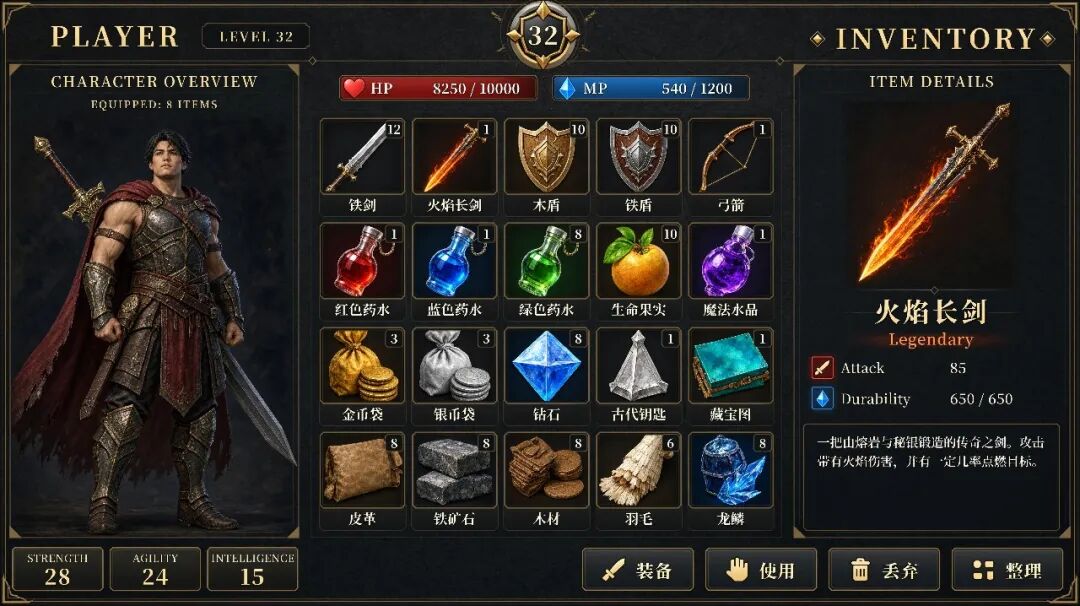
When asked to generate reference designs for game UI, H3-Image can also deliver decent results. We took a fantasy RPG game as the hypothetical requirement, and asked it to generate a complete HUD interface including health bar, skill bar, inventory slots, mini-map and quest tracking panel. It can be seen that the layout of each functional module conforms to the interaction logic of mainstream game UI, and the design style is unified, which can be used as an effective reference for subsequent development.
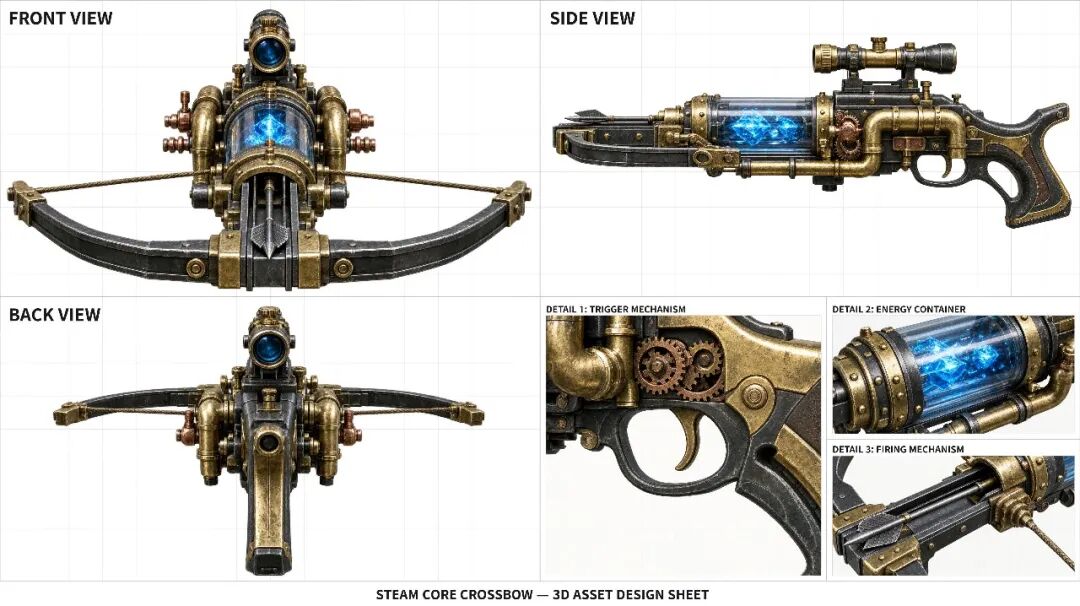
We also asked the model to design a fantasy steampunk weapon called "Steam Core Ballista", and the whole picture is divided into four areas: front view, side view, rear view and partial details. The performance of H3-Image exceeded expectations: the weapon outlines of the four views are basically consistent, and the rivets and gears in the partial detail diagram are depicted finely. As a reference diagram in the conceptual design stage, this degree of completion is already very high.
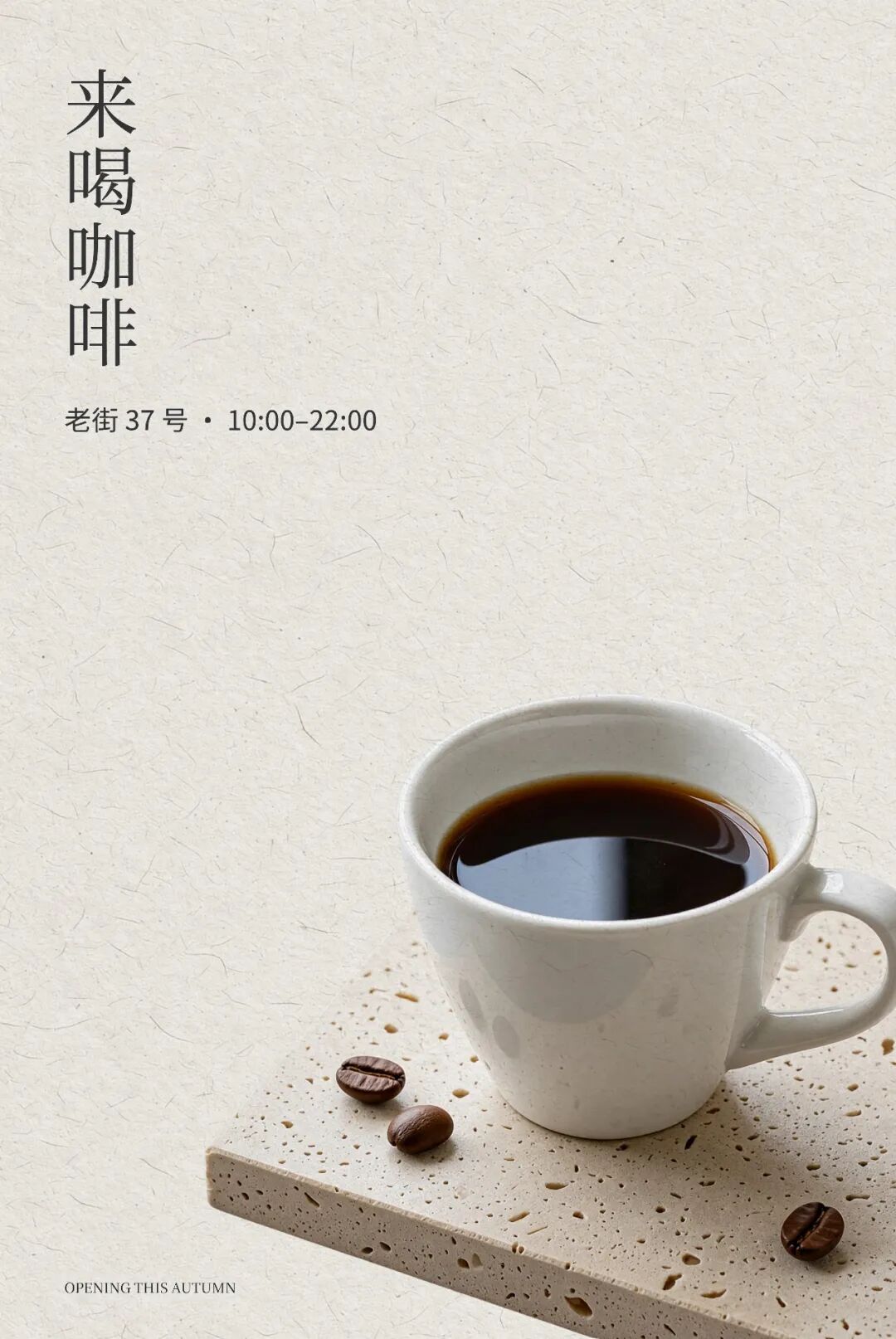
Text generation has always been a problematic part for image models, especially Chinese. When the number of words increases, the model is prone to problems such as stroke adhesion, wrong characters and missing characters.
In this scenario, we first tried a relatively low-difficulty poster, asking the model to generate a poster titled "Come for Coffee". In the end, all the text was generated correctly, and the design logic of "less is more" in our prompt was accurately executed.
Then we increased the difficulty. The picture contains a title, six numbered steps, and about 100 Chinese characters, as well as numbers and units such as 15g, 92°C, 30 seconds, 2 minutes and 30 seconds, 1:15. The result delivered by H3-Image exceeded our expectations: the text of the title, the six steps, and all the numbers and units were generated accurately, the text is clear, and there is no misalignment between the icons and the corresponding text.
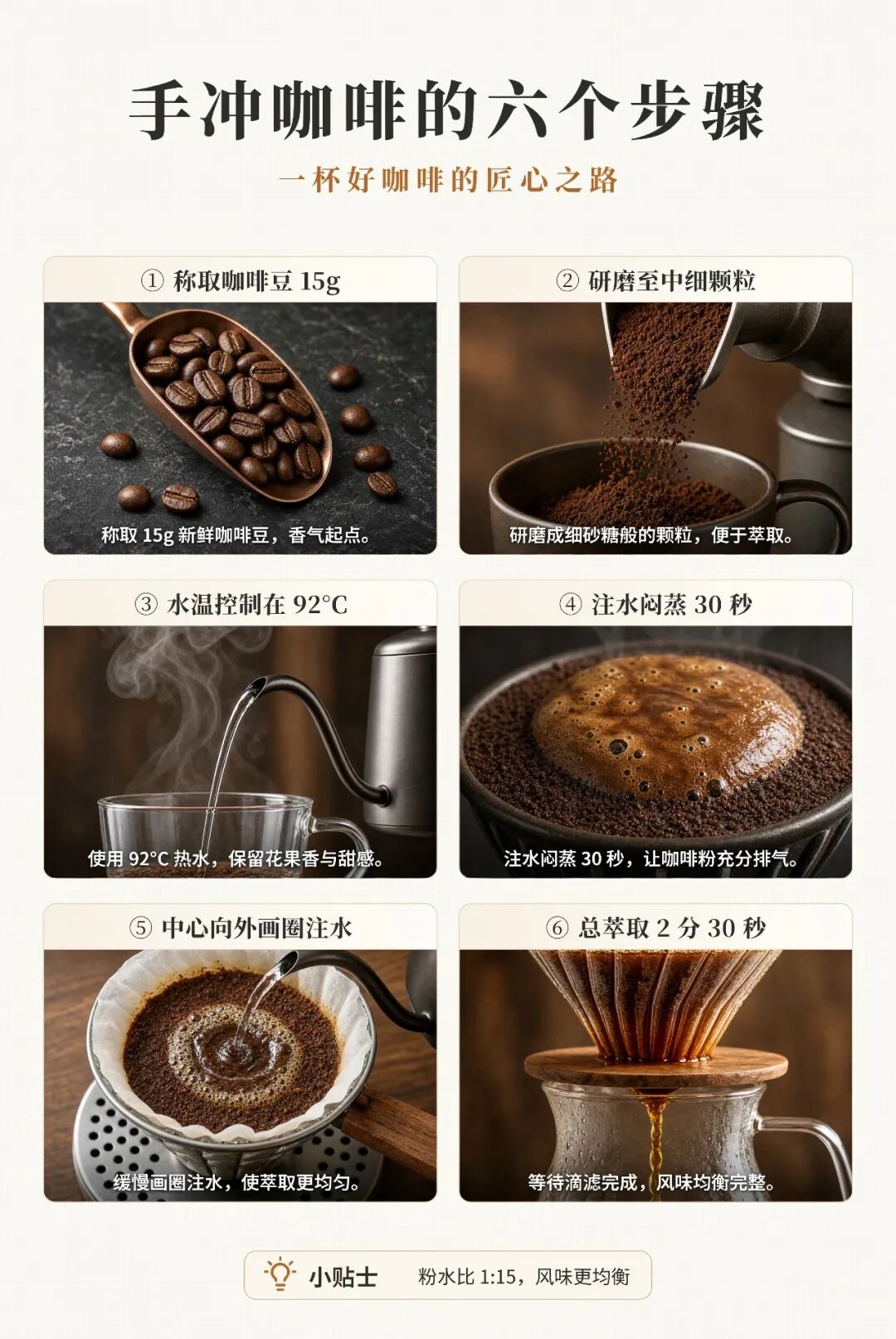
For scenarios that need to process a large number of Chinese text and graphic elements at the same time, such performance can already fully enter the commercial environment and undertake real design and production tasks.
We also tested the 16-image reference fusion capability of H3-Image: upload 16 different types of materials at one time to generate a band tour poster. It includes character references, clothing references, hair color and action references, as well as material pictures, color schemes, font styles, logo position diagrams and typesetting wireframes.
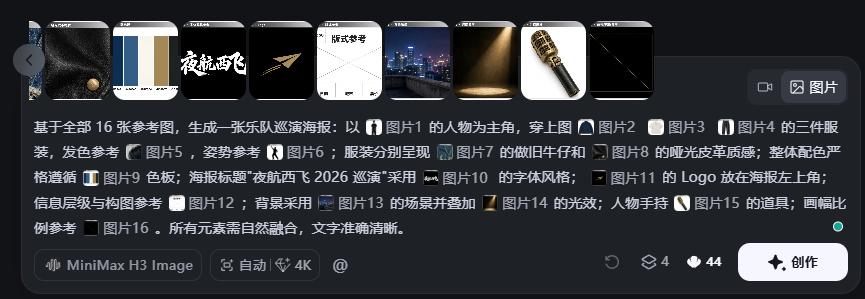
In the finally generated poster, we checked 16 specific requirements item by item, and H3-Image hit all of them. Whether it is specific visual elements such as characters, costumes and props, or background scenes, light effect atmosphere, and even abstract layout skeleton, they are all accurately identified, disassembled, and naturally reorganized into the same poster.
