It is revealed that ByteDance plans to develop a "Chinese version of Muse" to build a "super brain" for Doubao.
Just now, according to Bloomberg, ByteDance is developing a personal AI Agent similar to Meta Muse, aiming to catch up with rivals in the new round of AI competition.
The goal of this product is to enable Doubao to step further out of the chat box and become a personal assistant that can remember user needs, proactively plan and execute tasks.

Figure | Bloomberg
Looking back at the end of September, an entry labeled "Use Doubao for Travel" was added to the homepage of Doubao.
Users only need to tell it where they want to go, and they can book flight tickets, purchase train tickets, call a ride, and even reserve a hotel through Doubao. Operations that previously required switching back and forth between several apps are now being centralized in a single chat box.
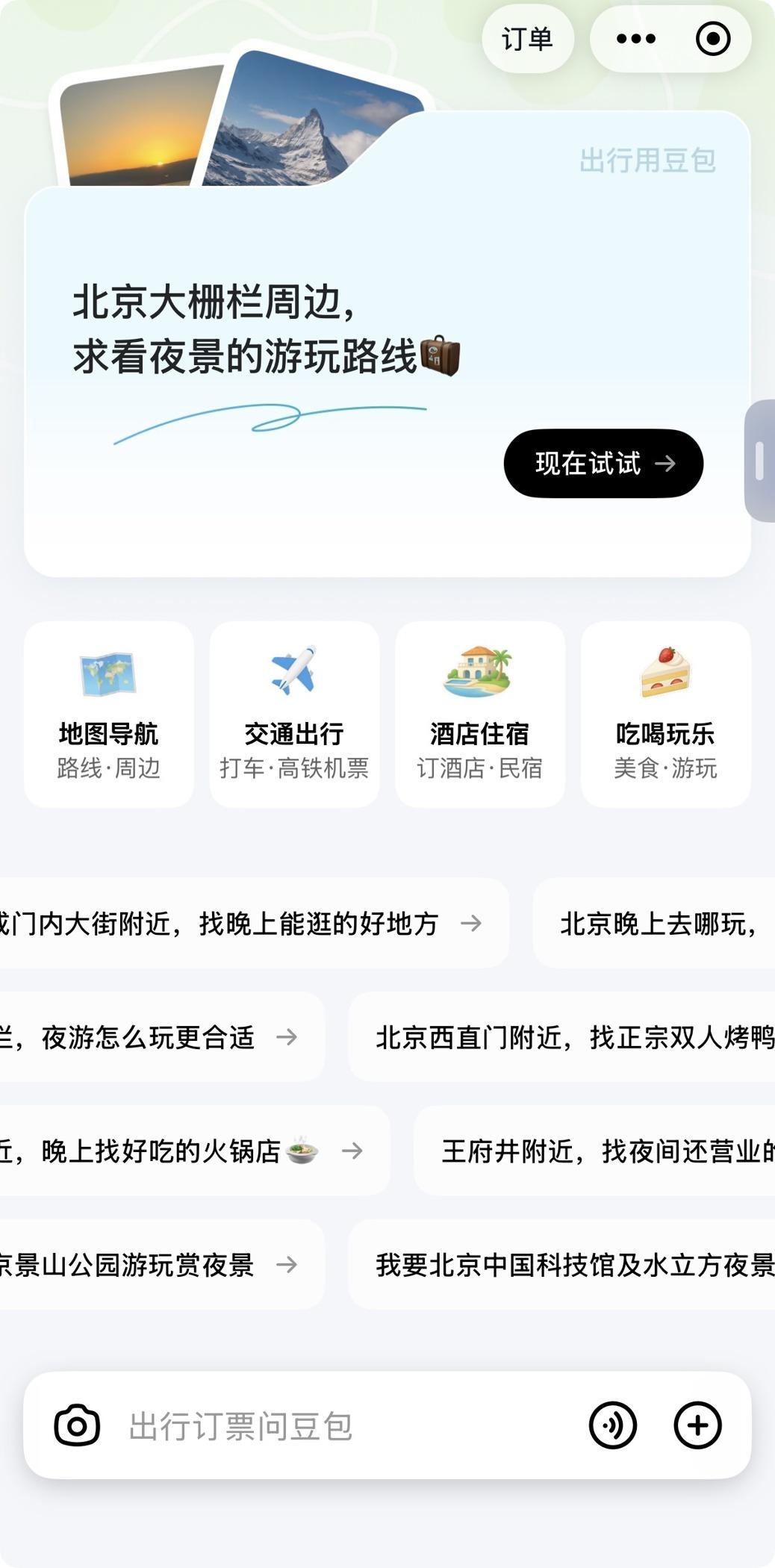
Figure | National Business Daily
And ByteDance obviously has bigger plans.
From Doubao Mobile Assistant to a True Personal Agent
ByteDance's exploration of personal AI Agent predates this Bloomberg report.
According to previous disclosure by Caixin, ByteDance launched a project codenamed "Spell" as early as April this year, which is mainly led by the Doubao Mobile Assistant team to explore the product form of personal AI assistants.
In early September, after Meta launched its personal agent Muse, ByteDance further accelerated the project progress, and planned to let the Spell project cooperate with the Doubao dialogue team to integrate relevant functions into Doubao.
Muse can communicate with users like an ordinary Chatbot, but its work will not stop when the chat ends.
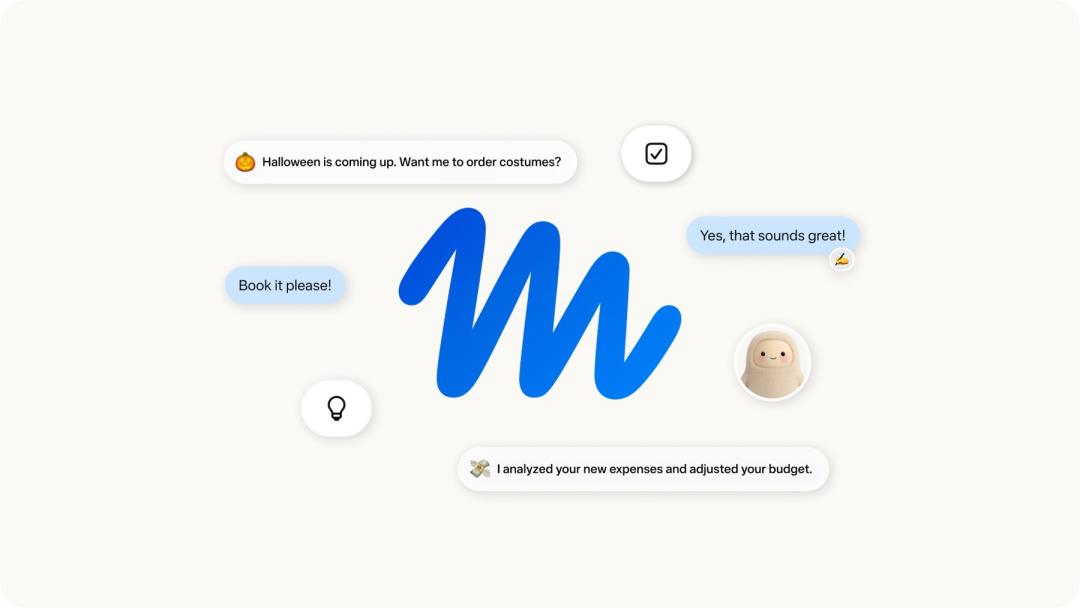
Figure | Meta
Users can assign a task that takes days or even weeks to complete, let Muse plan the steps on its own, search for information, call external services, and send messages to users when confirmation is required.
To support this operation mode, Meta has also prepared a dedicated cloud virtual machine system Muse Secure VM for Muse. Each agent has an independent execution environment, which can use the browser, access external services, and continuously process unfinished work within the scope of user authorization.
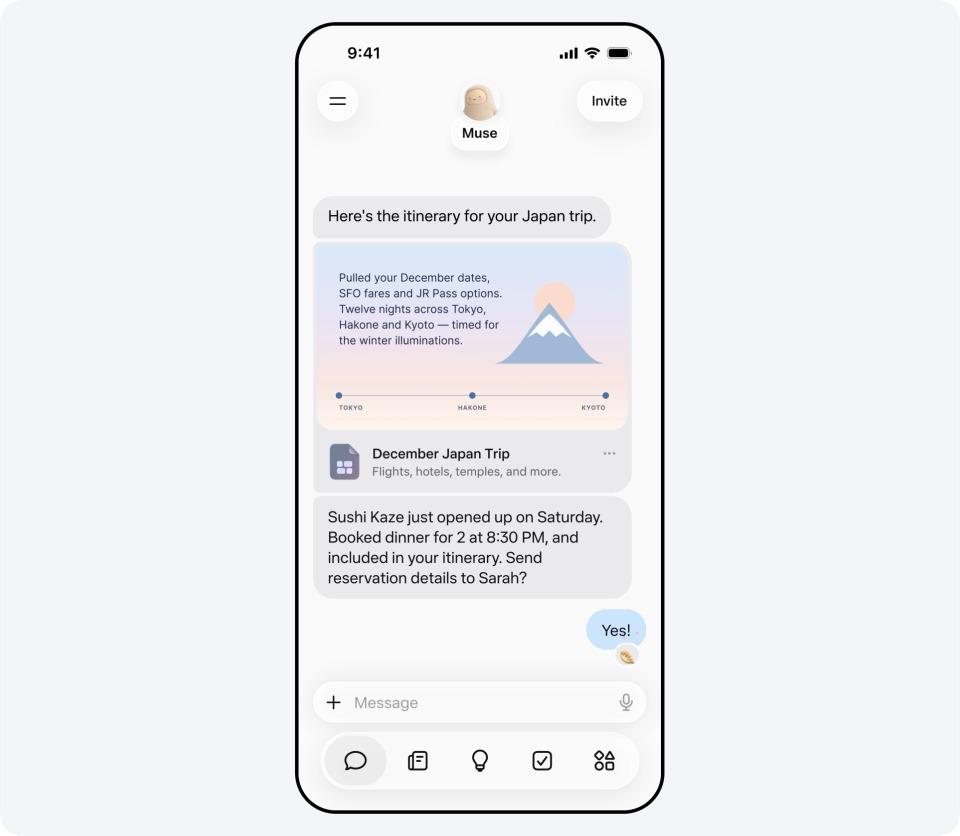
Figure | Meta
Looking back at China, ByteDance has actually been groping along this path for some time.
In December last year, the technical preview version of Doubao Mobile Assistant made its debut. It can understand the content on the mobile phone screen and complete part of App operations on behalf of users through methods such as simulated clicks.
In September this year, the nubia NaviX Ultra equipped with the consumer version of Doubao Mobile Assistant was officially put on sale, further bringing these functions to ordinary consumers.
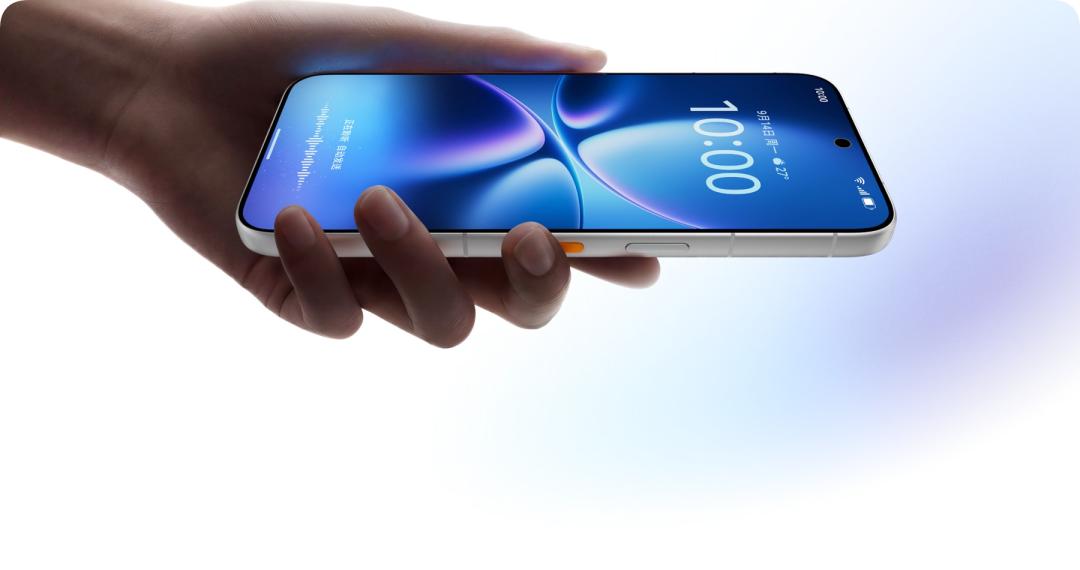
Figure | Official website of Doubao Mobile Assistant
In August this year, ByteDance launched "Doubao Work" for productivity scenarios. After connecting with Feishu, it can read work information within the authorized scope, independently break down tasks, call tools, and even complete operations through a virtual computer or browser.
By October, Doubao Work also added the function of recording personal skills. Users only need to demonstrate the operation process on the computer once, so that the AI can learn to perform similar tasks repeatedly, and even continue to work after the Mac screen is locked.
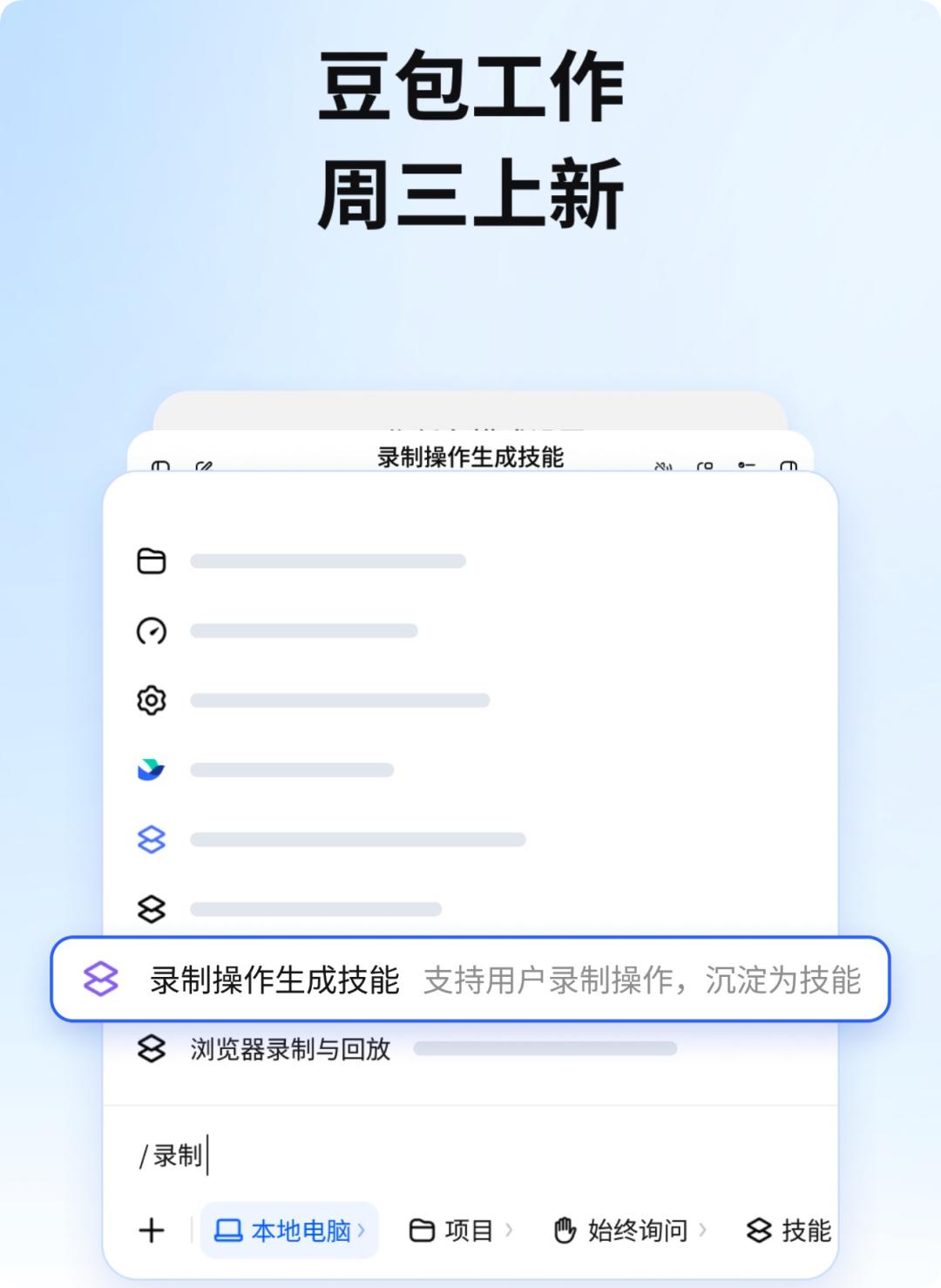
From simulated clicks on mobile phones to automated operations on computers, and then to access to life services such as travel and accommodation, ByteDance has prepared a number of tools for Doubao that can truly handle affairs for users.
Spell may bring these scattered explorations in different products to a more complete form of personal assistant.

419 Million Doubao Users and Another Hidden Card of Douyin
Apart from technology, ByteDance has a very obvious advantage: user scale.
The "2026 Q3 AI Application Market Development Report" released by QuestMobile in October this year shows that as of September, the monthly active users of the Doubao App reached 419 million, a year-on-year increase of 143.6%.
In the same period, the monthly active users of Qianwen and DeepSeek were 158 million and 123 million respectively. The monthly active users of Doubao have exceeded the sum of the two, taking a leading position in China's native AI App market.
What is more noteworthy is the usage frequency. QuestMobile data shows that in September this year, the average number of monthly uses per capita of Doubao reached 72 times, which is more than twice a day on average.
While other AI products are still striving to get users to open their apps, Doubao has become a daily tool for hundreds of millions of people. For ByteDance, new products can be built directly on top of these existing users, eliminating the long process of cultivating usage habits from scratch.
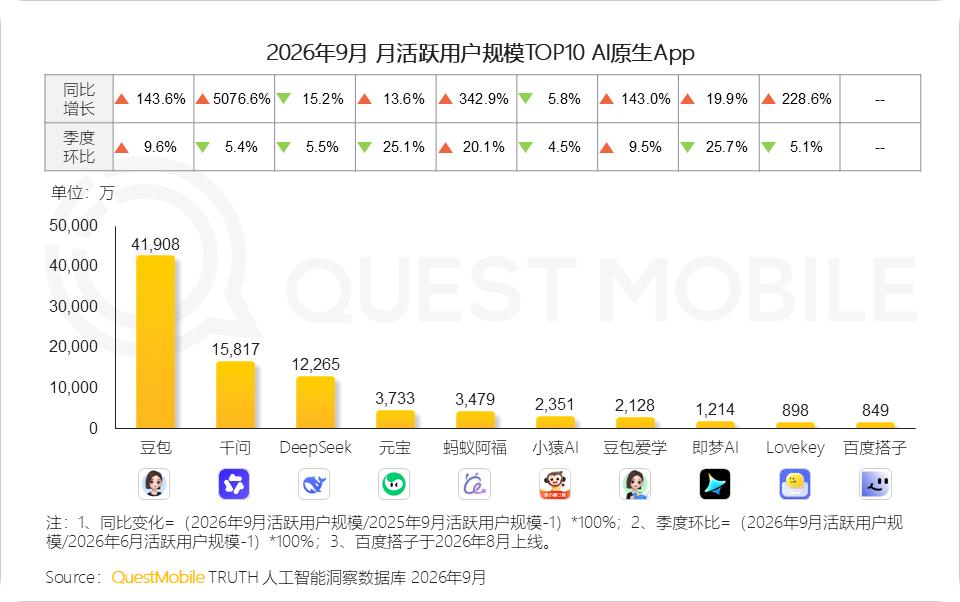
Figure | QuestMobile
But compared with the scale of Doubao itself, Douyin behind it may be more worthy of attention.
The "China Mobile Internet Autumn Report" released by QuestMobile on November 3 shows that in September 2026, the monthly active users of Douyin App reached 1.029 billion, and the deduplicated user scale of the entire Douyin Group reached 1.259 billion.
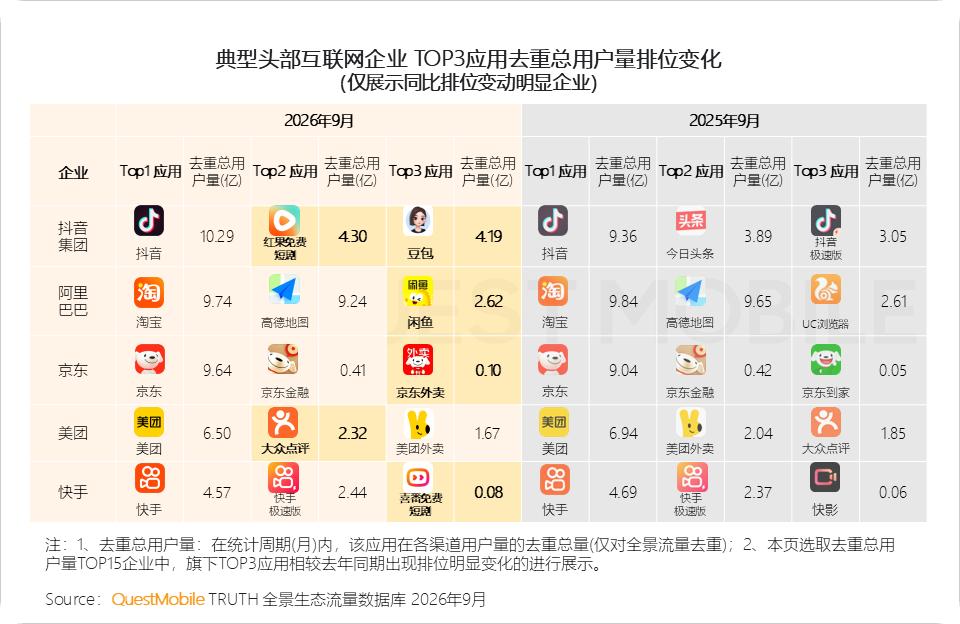
Figure | QuestMobile
Over the past decade, Douyin has built a mature personalized recommendation system around massive content and user behaviors.
According to Douyin's public algorithm filing statement, browsing, searching, following, collecting, as well as interaction records in e-commerce and local life scenarios, are all important bases for the recommendation system to judge user interests.
What a person is interested in recently, what products he plans to buy, and what consumer services he is paying attention to, these behaviors will affect the content he sees next.
Douyin is already very good at predicting what users want to watch. If the personal Agent can access relevant information and services under user authorization, ByteDance may extend this advantage to users' next actions.
For example, if a user has collected a lot of camping guides on Douyin recently and is checking the weather and traffic for the weekend in Doubao, the personal Agent will have the opportunity to connect the originally scattered operations, help filter campsites, formulate routes, and complete reservations through cooperative services.
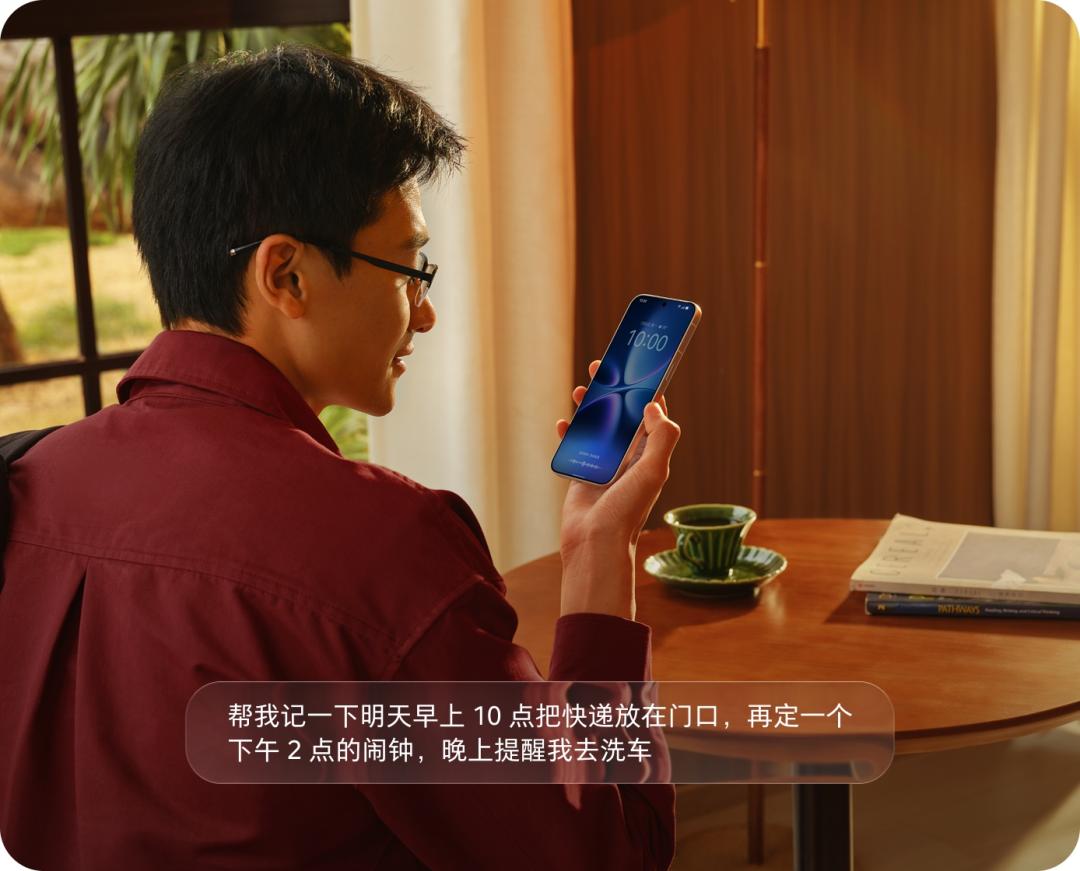
In the past, Douyin's recommendation system was responsible for pushing content to users, and what to do after watching was up to users to decide and operate by themselves.
The personal Agent gives ByteDance the opportunity to participate in the subsequent process: from the user generating interest, to putting forward demands, and then completing a transaction or arranging a service.
From "Guess What You Like" to "Help You Get It Done", what ByteDance wants to compete for may no longer be just the time users spend in front of the screen.
This article is from the WeChat official account "ifanr" (ID: ifanr), written by Zheng Tingxu, edited by Xiao Qinpeng, and published with authorization from 36Kr.