Will the back secondary screen of smartphones make a comeback? The "weak notification display" scenario has found a new way forward, with AI Agent serving as the behind-the-scenes driving force.
The back-screen that the mobile phone industry has been testing intermittently for nearly 10 years finally ushered in its golden age in 2026.
On November 9, 2026, Fang Fei, President of Product Line at Honor Terminal Co., Ltd., released a post, announcing that the entire Honor 700 series is equipped with AI dynamic smart back-screen, even the entry-level Honor 700S is also fitted with this feature, meanwhile Honor also released the full official images of the new device, and some offline stores even put the real devices on display directly.
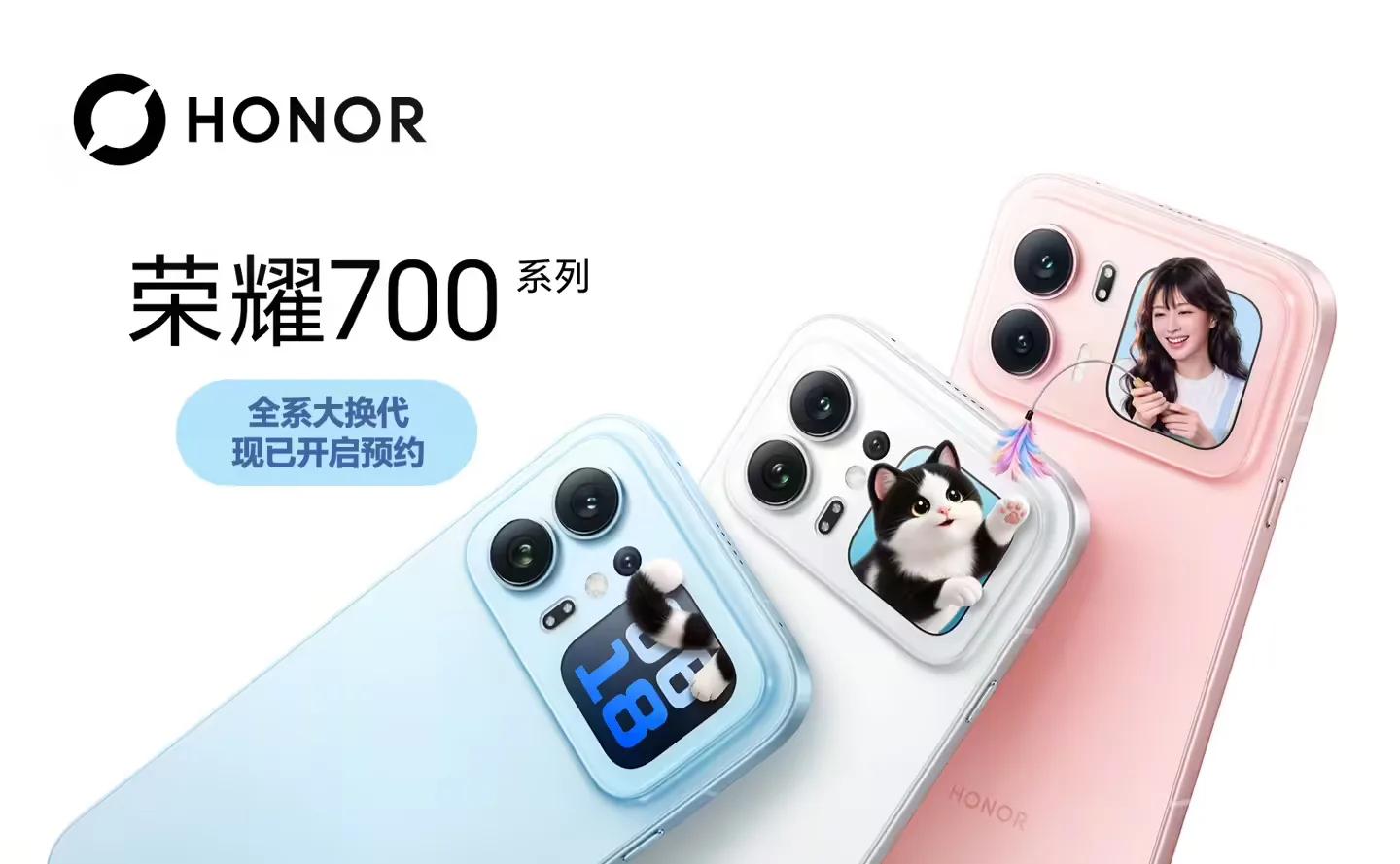
Image source: Honor
To be fair, as an unreleased new phone, Honor 700 has publicly disclosed its design details in advance this time. However, instead of delving into the configurations of the Honor 700 series, the fact that the back-screen is standard across the entire lineup is more worthy of our attention. After all, as a concept that is not new, the back-screen has long been regarded as a premium tool for high-end phones rather than the default configuration for mainstream phones. Why did Honor go against the trend this time and build the back-screen as the default configuration for its phones?
The demand for "weak notification display" has never faded away
From the perspective of Lei Technology (ID: leitech), Honor's move to make the back-screen a standard configuration this time is related to the "weak notification display" concept that has been frequently mentioned in recent years.
Looking back at the development of mobile phones, in the feature phone era, almost every phone had an LED indicator light to show the device status: it flashed green for incoming calls, flashed blue for incoming messages, and lit orange when charging, which is believed to be impressive for everyone. But in the full-screen era, limited by the extremely precious space on the front of the phone, manufacturers had to "optimize out" the LED notification light, which was later replaced by the always-on display technology in the OLED era.
Later, Meizu tried to add a screen on the back of the phone, but failed to gain user recognition due to extremely limited functions. Xiaomi 11 Ultra even directly turned the small screen next to the camera into a decorative piece; it was not until the launch of the Xiaomi 17 Pro series that the back-screen concept returned to the public view.
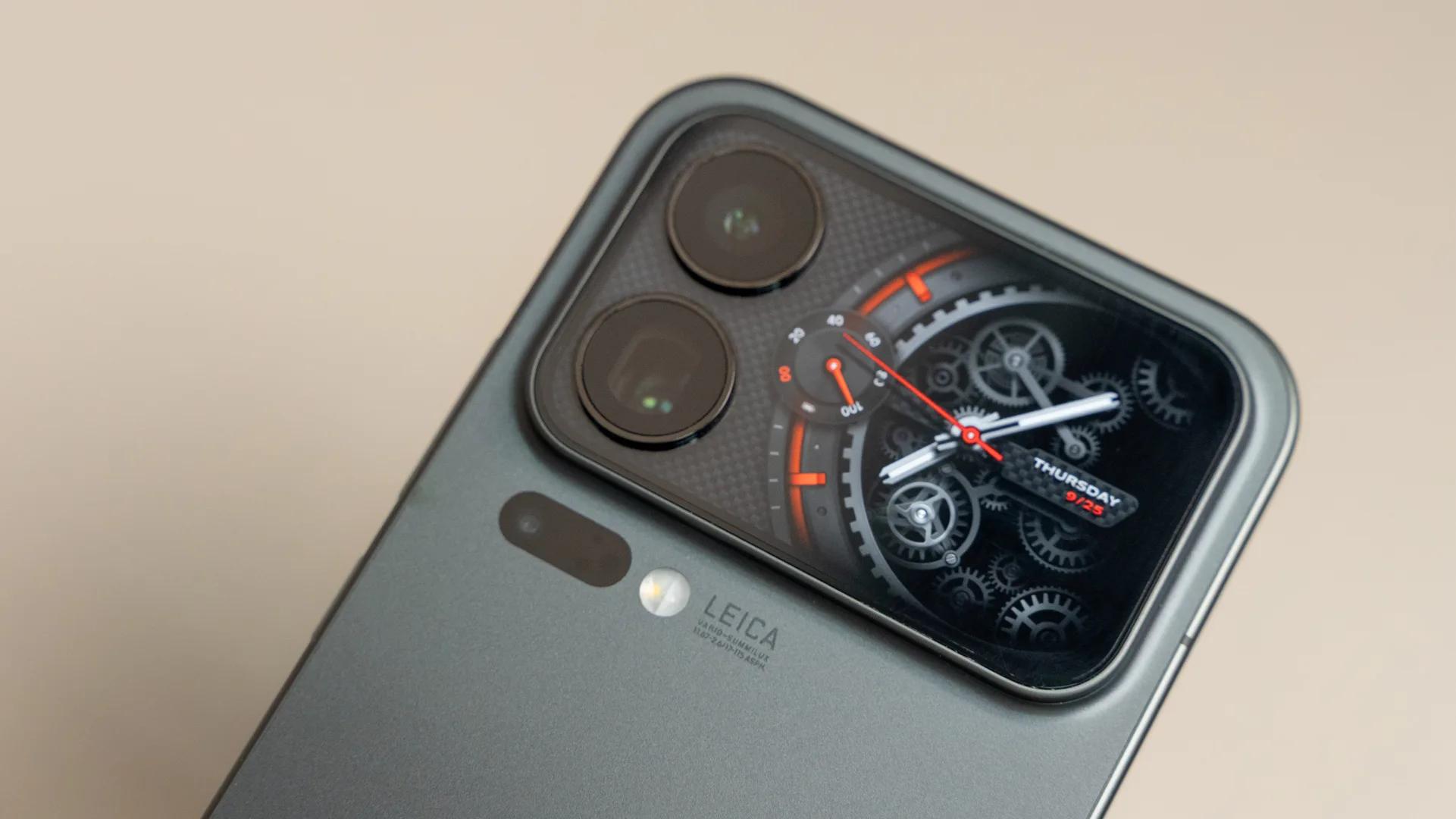
Image source: Lei Technology
At this point, we have to mention a concept first — "weak notification display". According to Lei Technology, from the earliest LED light reminders to today's back-screen reminders, these notification channels independent of the main phone screen essentially meet the demand for weak notification display. The so-called weak notification is different from the strong notification displayed on the main phone screen, featuring a "fast and efficient" experience: for strong notifications on the main screen, we will most likely tap the notification to proceed with the next operation, which is essentially a two-way interaction mode.
But for weak notifications, we only need a quick glance, which is essentially a one-way interaction mode. For example, notifications such as express pickup codes, flight boarding gate information, and courier delivery progress are highly instant but essentially weak notifications that require no secondary operation from us. It can be said that the two concepts of strong notification and weak notification have already come into being ever since mobile phones broke away from the identity of "tools for making calls and sending text messages" and started to evolve towards the mobile internet ecosystem.
From this perspective, even in 2026, our demand for weak notification display on mobile phones has never faded. The emergence of the phone back-screen just creates an exclusive window for weak notifications.
Cold-shouldered due to application ecosystem, making a comeback in the AI era
But as mentioned earlier, in the short history of mobile phone development, Honor is far from the only brand that has tried the back-screen idea. The smart interactive back-screen of Xiaomi 17 Pro is the latest example; in the field of foldable phones, the back-screen, or the outer screen, has even become the standard configuration for vertical foldable phones.
But the problem is that these back-screens are not content with being only a weak notification display panel. Almost every brand has tried to add unique and complex interactive capabilities to the outer screen, and some vertical foldable phones have gone even further, emphasizing that their outer screens can support activities such as browsing Weibo and playing games just like the inner screen, which violates the essence of the back-screen as a weak notification display carrier.
Putting aside the niche vertical foldable phones, even for simple back-screen card interactions, these applications need to be jointly developed by phone manufacturers and APP vendors. The size, proportion and interface layout of each card must be planned and tested separately.
Although some manufacturers claim that their back-screens are called more than a million times every day, we have to admit that most of these cards are developed by the phone brands themselves, and the scenario where third-party apps design their own cards based on a general style template has not yet appeared.
That's not all. Apart from the limited third-party ecosystem, the existence value of the back-screen as a weak notification display channel has also been threatened by the Dynamic Island in recent years. A large number of mobile phone brands have begun to display time-sensitive weak notification pop-ups on Dynamic Island, and these pop-ups can also be expanded into strong notifications when necessary.
Under the double pressure of the application ecosystem and system notifications, the significance of the back-screen has also begun to be questioned by the public: Since the main screen of the phone can display corresponding information, why do we need to put weak notifications on the back-screen that we can only see by turning the phone over with the other hand?
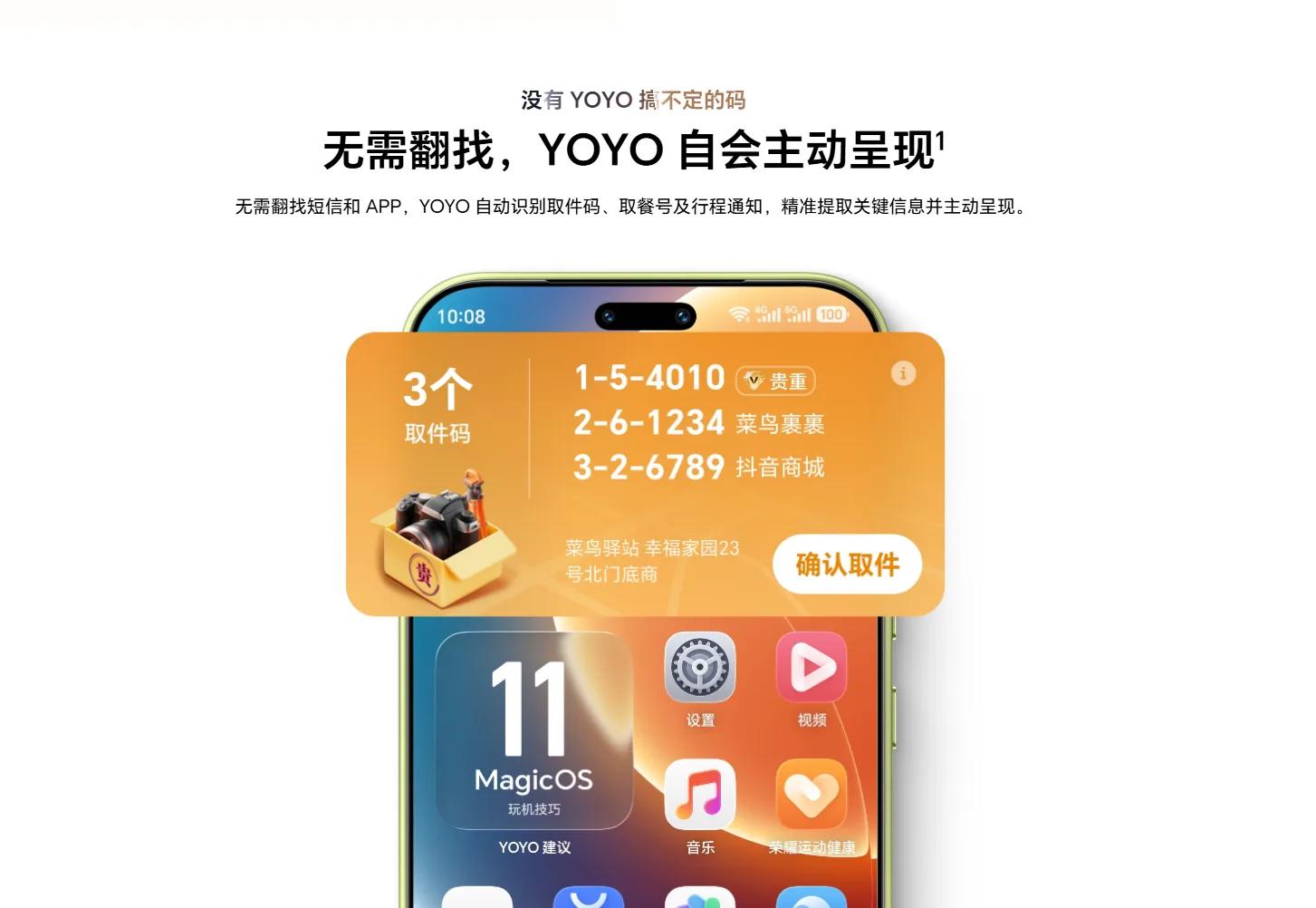
Image source: Honor
Fortunately, in 2026, the development of the artificial intelligence industry has brought the back-screen an opportunity to reflect its unique value: serving as the status indicator of AI Agent. Taking the Honor 700 series as an example, although in the official displayed images we still see the common weak notification display, Fang Fei also mentioned that "it does not occupy the main screen and will not interrupt daily use". From the perspective of Lei Technology, this is almost an explicit announcement that the AI Agent will occupy the back-screen of Honor 700 to provide all-day display for users.
The unique value that only belongs to the second screen
From the perspective of Lei Technology, Honor's move to make the back-screen a standard configuration this time is actually answering the long-debated value question of the back-screen since its birth in its own way. Looking back at the development of the back-screen, Lei Technology believes that the value the back-screen provides for users, or the significance of the existence of the back-screen can be roughly divided into three points.
First of all, just like the LED indicator light in the past, the emergence of the back-screen can provide a relatively practical notification display window when the phone is placed face down. In recent years, mobile phone notifications have become more and more numerous and complex. A back-screen strictly controlled by the brand can filter meaningless notifications for users from the system level, bringing users a quiet experience.
Secondly, when users use their phones, the back-screen, as the second screen, can provide continuous notifications without interrupting the display consistency of the main screen. It is true that the Dynamic Island notification on the phone can also display this kind of content, but compared with the limited notification space, the back-screen that users can see by simply flipping the phone over is better in display space and content richness. In fact, this is also the mainstream strategy for mobile phone brands to promote back-screens in the past two years. The express pickup codes, high-speed rail ticket checking gate information and flight boarding gate information we mentioned earlier all fall into this category.
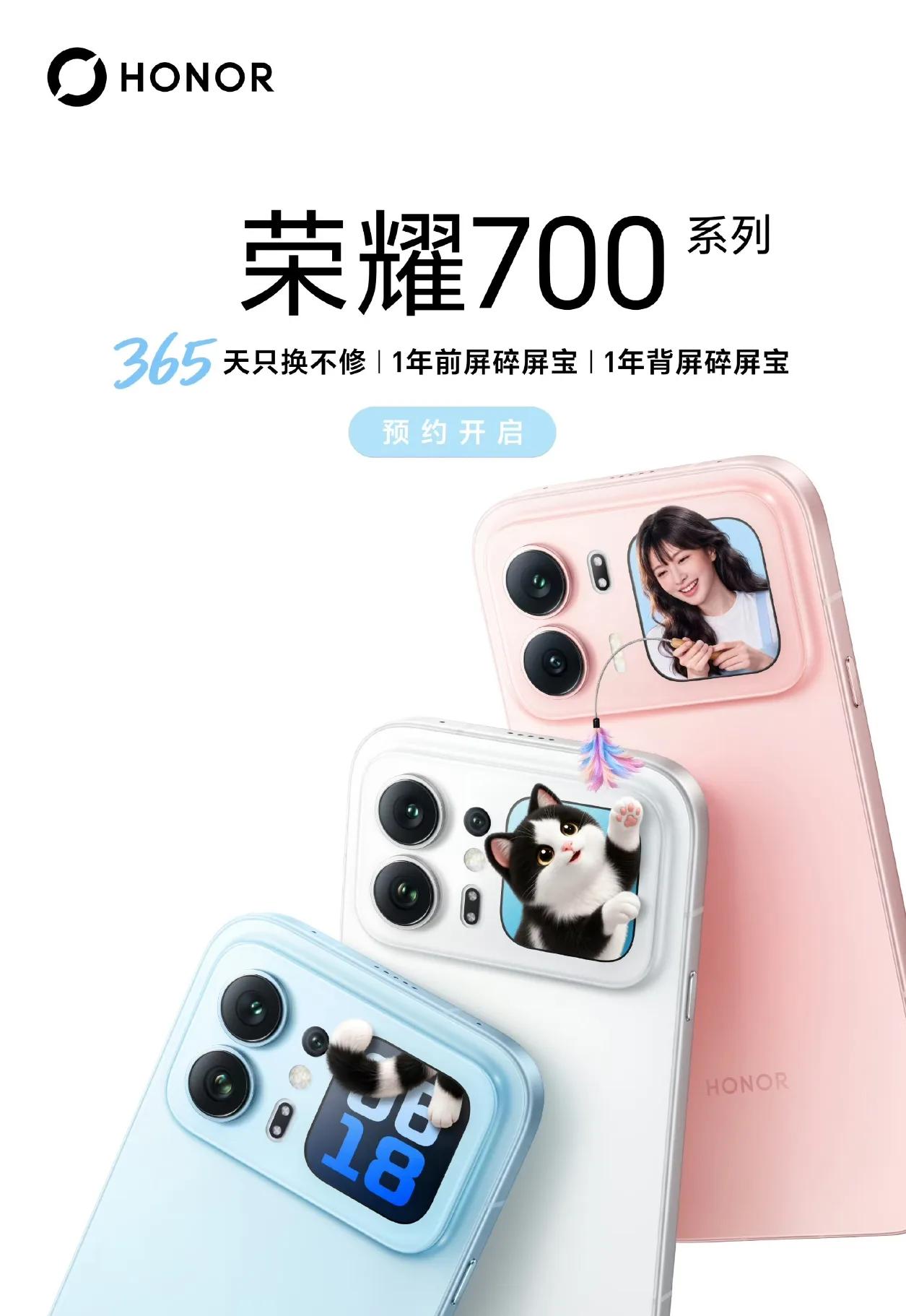
Image source: Honor
In the AI era, using the back-screen as the status indicator of AI Agent has also become an industry convention to a certain extent: the Stepfun Star AI phone released some time ago used the dot matrix screen on the back of the phone as the AI Agent status indicator; even in the DIY field, many AI enthusiasts have begun to turn the magnetic back-screen into an exclusive monitoring window for AI Agent. It can be said that in 2026, the rise of AI Agent provides the best opportunity for the phone back-screen to return to the public view.
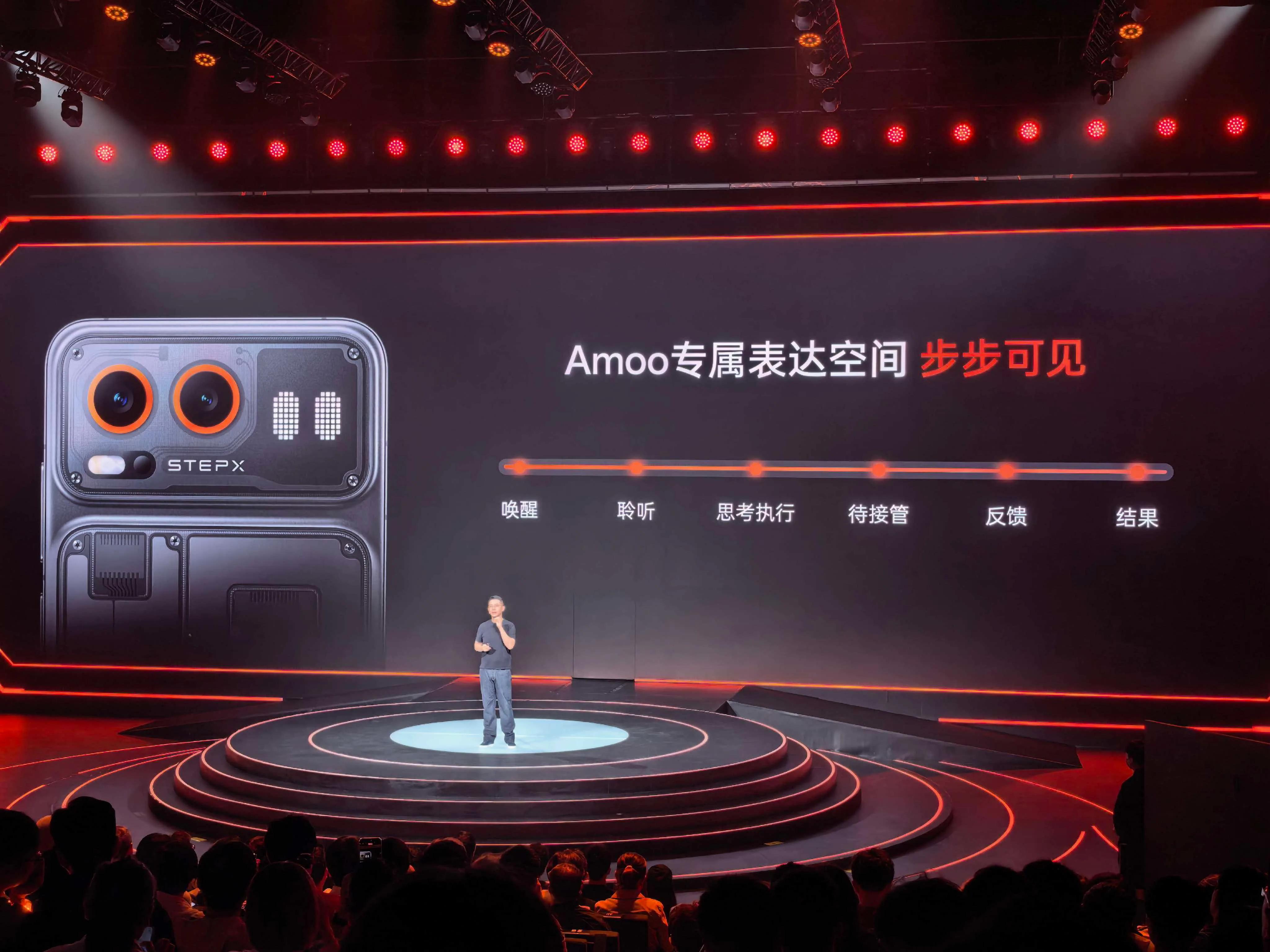
Image source: Lei Technology
Of course, from the perspective of appearance and design, since the design of the camera module on the back of mobile phones has become more and more "boring" nowadays, the addition of the back-screen can also greatly improve the product recognition of mobile phones. After all, the homogenization of mobile phone shapes has become a cliché in the past two years. Adding a screen on the back cover can bring immediate effect on improving the recognition of mobile phones.
Making the back-screen standard is just the beginning, making good use of the back-screen is the long-term solution
Lei Technology believes that Honor's move to make the back-screen standard across the entire Honor 700 series will inevitably set off a back-screen trend in the mobile phone industry. But it is certain that enabling the back-screen display capability is only the first step for Honor to build the back-screen ecosystem for mobile phones. A truly easy-to-use back-screen definitely requires the participation and adaptation of more apps.
No matter it is strong notification display or weak notification display, the screen is always for viewing. The pioneers in the past have proved at a painful cost that "an unadapted back-screen is no different from a smart band". Only when mobile phone brands carefully "operate" the back-screen applications and content ecosystem, can the back-screen of mobile phones usher in real development.
In addition, the built-in back-screen independently developed by mobile phone manufacturers must also meet the challenge from magnetic back-screens. Compared with the built-in back-screen of mobile phones, the magnetic back-screen not only has a larger screen, but its magnetic detachable design also brings more flexible usage scenarios. Facing this challenger with larger screen, richer content and usage scenarios, and better experience, the built-in back-screen camp must find its own irreplaceable unique value.
It is not hard to see that in 2026, the mobile phone back-screen is about to usher in its highlight moment. As for how high the Honor 700 series can push the back-screen concept, we believe we will see the answer at the launch event soon.