The smarter AI gets, the hungrier it is for power: who will foot the "electricity bill" for AI?


The evolution of the times is such an interesting thing: sometimes the further we move forward, the more we have to look back.
In recent years, with the rapid advancement of AI, the shortage of memory sticks has astonished many people: shouldn't this thing, along with the glow of Moore's Law, see its cost gradually approach zero? It was no longer a rare item more than a decade ago, yet it has unexpectedly become highly sought-after now?
However, in this world, some people are not only short of memory sticks, but also find that there is not enough electricity. At the moment when the cutting-edge AI technology is developing rapidly, humanity has encountered the power shortage problem that seemed to have been overcome long ago. It turns out that the availability of a steady stream of electricity is not a constant norm.
People have to figure out where the electricity that was once taken for granted comes from. People have to follow the cables all the way upstream: while the terminal devices in front of us are forging and using the most advanced AI magic, what is connected to the other end of the line, which provides energy for the AI magic, is mostly the gas turbines that emerged in the era of the Second Industrial Revolution.
These bulky, far-from-cool machines have long hidden themselves completely behind the scenes for a very long time. People not only cannot see them, but even gradually forget their existence. Until AI blew the horn of the Fourth Industrial Revolution, these ancient metal behemoths also danced along, making the world hear their heavy panting once again.

Where Does the Power Shortage Come From?
The power shortage that has emerged in the past two years is not a black swan that suddenly takes off, but a gray rhinoceros that is clearly visible and galloping from afar.
The power problem first showed signs in 2023-2024, and power outages caused by reserve power shortages occurred from time to time in the areas covered by the PJM grid.
Take the United States as an example. On July 7, 2025, the U.S. Department of Energy released the *Resource Adequacy Report*, formally warning that insufficient power capacity will lead to a sharp rise in the risk of power outages.
By the beginning of 2026, the "AI power famine" in many regions has replaced the partial power tension problem and become the core issue of concern led by the United States. A structural crisis driven by the rapid expansion of AI infrastructure is before people's eyes.
According to forecasts by relevant institutions, the peak summer load growth in the United States from 2025 to 2030 will be about 170GW, of which 159GW is related to data centers, accounting for more than 90%. Although traditional power demand is still growing, it remains relatively stable overall. What has truly broken the balance between power supply and demand is the explosive growth of power demand from AIDC (AI Data Centers).
In the next five years, Silicon Valley's major companies are expected to present a series of eye-catching figures in the layout of data centers and incremental power consumption.
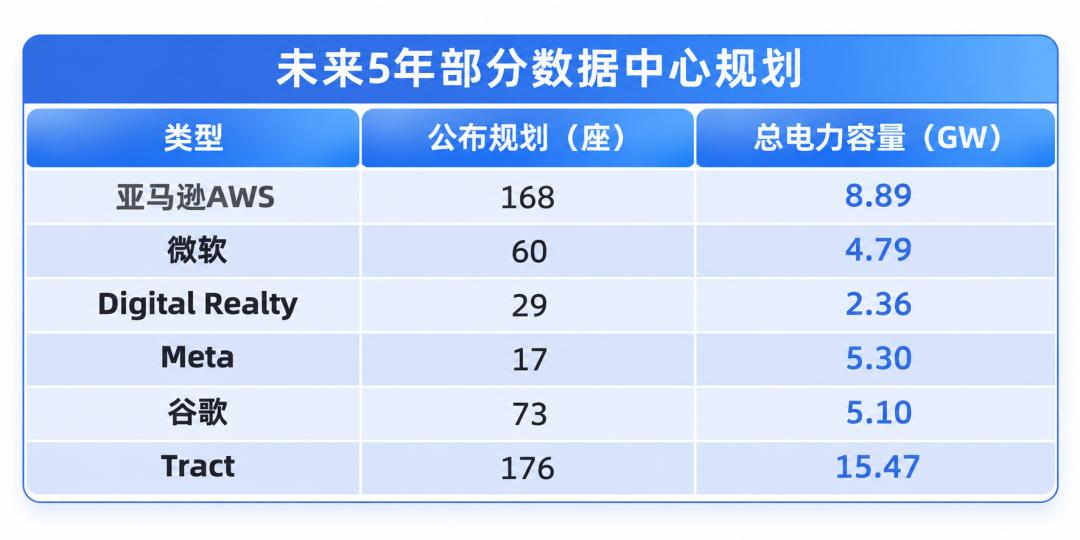
The demand side is exploding, but the supply side cannot keep up, and is even retreating.
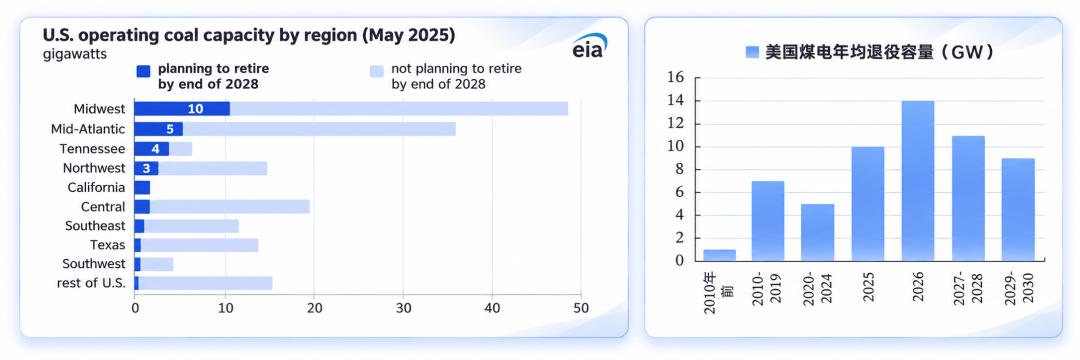
Coal-fired generating units in the United States are ushering in a peak decommissioning period, and the power generation capacity of coal-fired power plants will drop from 172GW in May 2025 to 145GW at the end of 2028. The reduction in coal power will bring about a 2% drop in total U.S. power generation by the end of 2028, further exacerbating the power shortage.
At the same time, the lengthy grid connection process for newly built units has also greatly restricted the replenishment of the power supply side. The grid connection process for newly built coal-fired units in the United States needs to go through multiple links including 45 days of cluster application, 60 days of preliminary docking, 250 days of cluster research, 120 days of facility research, and 60 days of agreement execution. The overall process is planned by FERC, with RTO/ISO responsible for detailed operation, and must comply with NERC reliability standards. Currently, it takes about 375 to 645 days for a generating unit to complete this process.
Such a lengthy grid connection process greatly limits the potential of newly added high-reliability units such as thermal, hydro and nuclear power units, and even restricts the expansion of the installed scale of reliable units.
In addition, the insufficient interconnection capacity of regional power grids is also a major factor leading to weak supply side. Information shows that the site selection and licensing rights for power transmission lines are mainly in the hands of state governments, and an interstate line must obtain approval from every state along the route. Grid interconnection capacity is an important prerequisite to ensure that power sources exert effective capacity, and also a strong guarantee for power system reliability.
In the short term, due to the complexity of site selection and planning for power transmission and transformation projects, the United States cannot effectively increase the grid interconnection capacity for the time being, which further deteriorates the current power shortage problem. This in turn leads to large differences in power consumption and effective capacity in different regions, making it difficult to effectively alleviate regional power shortages.
In addition to coal power, we also need to see the insufficient effective capacity of newly added wind and solar units. New power generation resources are dominated by solar energy and battery energy storage, but their characteristics are clearly mismatched with the system risk periods, making it difficult to replace the reliable capacity provided by decommissioned units. Solar energy generates power during the day, while data center loads run 7×24 hours; energy storage can shift peak loads, but cannot supply power independently, and must match the load curve.
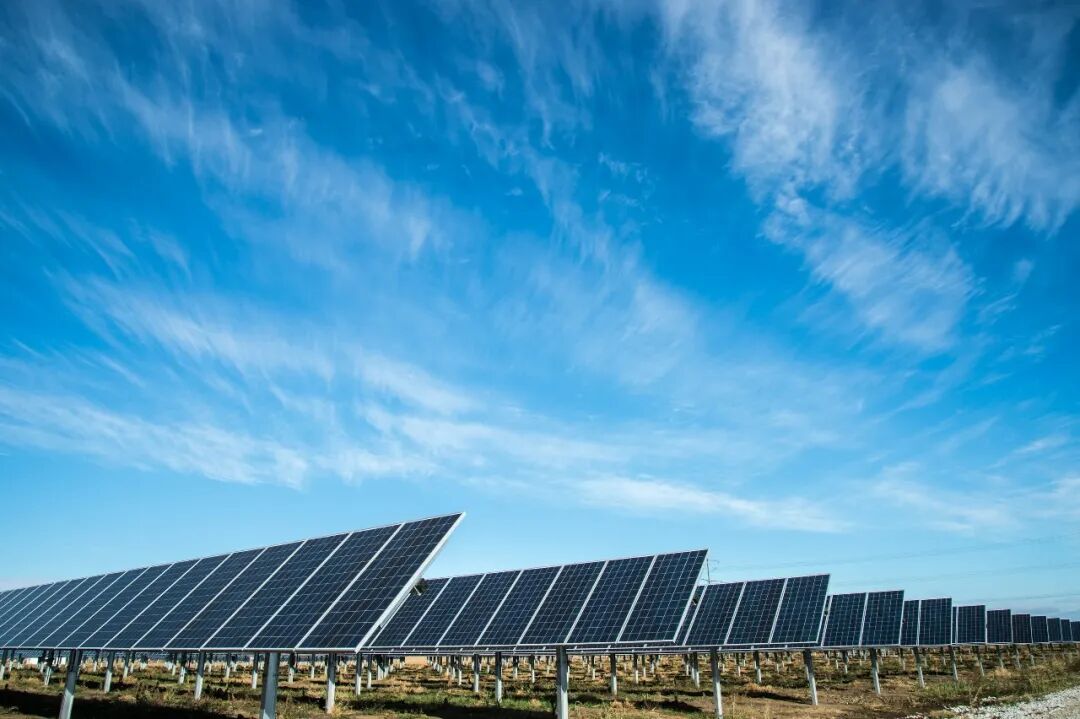
The construction of alternative resources is also restricted by approval and transmission bottlenecks, and the progress is far less than expected. Overall, if intermittent power sources continue to be used to replace reliable capacity, it will create even greater hidden dangers to the reliability of the power system.
Based on the current situation on both sides of power supply and demand, it can be predicted that from 2026 to 2028, there will still be a positive power gap across the United States, but the gap will narrow year by year. In 2029, supply and demand will be close to balance. By 2030, there will be an obvious power gap of about 41GW across the United States. This is equivalent to 25% of the planned data center capacity, and also equivalent to the power consumption of 12 million people, whose scale cannot be underestimated.

How to Fill the Gap?
The power shortage problem already exists, but it is not without solutions. There is still adjustable space in the national power supply and demand system, and the key lies in the selection of technical routes, the activation of supply chain capabilities, and policy coordination.
Generally speaking, it is the two major ideas of expanding sources and reducing consumption.
In terms of expanding sources, self-built power supply equipment such as gas turbines, SOFC (Solid Oxide Fuel Cell), energy storage technology, and even SMR (Small Modular Reactor) can greatly alleviate the power shortage problem of data centers.
Below, we will briefly analyze the advantages and potential problems of each solution one by one.
Gas Turbine: Mature Main Power Supply, But Production Capacity Is Locked
Gas turbine is the preferred solution for on-site power supply of current data centers. Its features such as continuous airflow work for power generation, continuous operation, stable output, and rapid adjustment can adapt to the data center as a primary main power source and peak shaving for the grid.
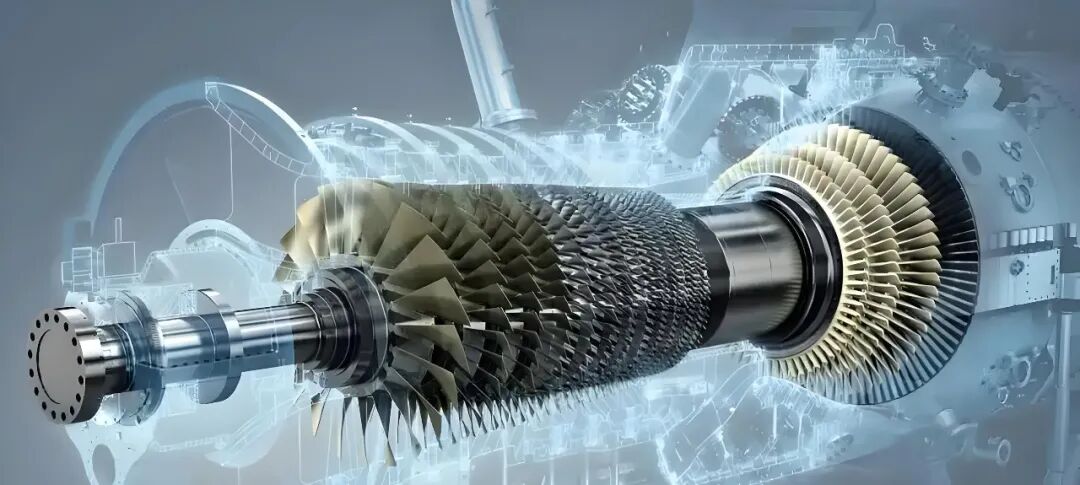
The equipment procurement cost is about 800 to 1800 US dollars per kilowatt, the power generation cost is about 0.06 to 0.08 US dollars per kWh, the construction period is 3 to 9 months, the service life is 20 years, and the commercialization process is mature. Its market positioning can be defined as "core main power supply", suitable for self-owned power plants, full coverage of peak shaving/base load, and is the first choice for large IDCs (Internet Data Centers).
But the problems of gas turbines are also prominent. The global heavy-duty gas turbine market is mainly occupied by three traditional giants: GE, Siemens, and Mitsubishi. The production capacity of the three turbine giants in the next 3 to 5 years has all been booked. Newly built data centers may not be able to get goods before 2030 or 2035. This means that although gas turbines are the most technically mature and most cost-effective solution, their supply elasticity is very low, and they cannot solve the short-term gap alone.
SOFC: Fast Deployment and Fast Response, High Cost and Short Service Life
SOFC uses solid electrolyte, which can directly convert the chemical energy of fuels such as methane into electrical energy. SOFC features fast deployment, fast load response, and strong cost-effectiveness, and is suitable for data centers. The equipment procurement cost is about 2500 to 4000 US dollars per kilowatt, the power generation cost is about 0.08 to 0.10 US dollars per kWh, the construction period is 1 to 3 months, and the service life is 10 years.
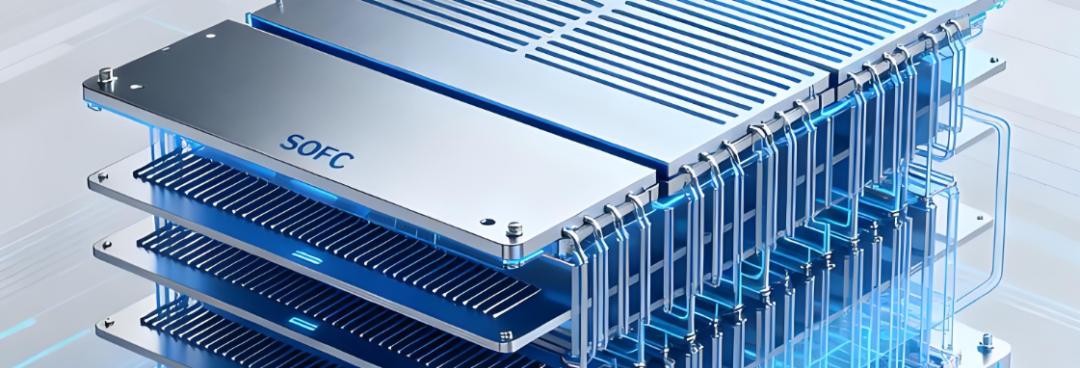
The biggest advantage of SOFC is speed. The core contradiction of power shortage in data centers is often that they cannot afford to wait, while SOFC can complete deployment within 1 to 3 months, much faster than gas turbines and grid expansion. However, SOFC has high cost and short service life, and its large-scale commercialization is still in the initial stage. Blue Energy, a solid oxide fuel cell company, currently has a market value of more than 60 billion US dollars, which shows that SOFC is commercially viable, but it still needs continuous evolution and time verification in terms of overall supply chain and large-scale capabilities.
Energy Storage: Flexible Peak Shaving and Valley Filling, But Cannot Supply Power Independently
Energy storage uses electrochemical media, with flexible deployment and fast load response, which is very suitable for peak shaving and valley filling. The equipment procurement cost is about 1200 to 1800 US dollars per kilowatt, the power generation cost is about 0.03 to 0.05 US dollars per kWh, the construction period is 6 to 12 months, the service life is 20 to 30 years, and the commercialization process is mature. However, energy storage needs to match the load curve and cannot supply power independently.
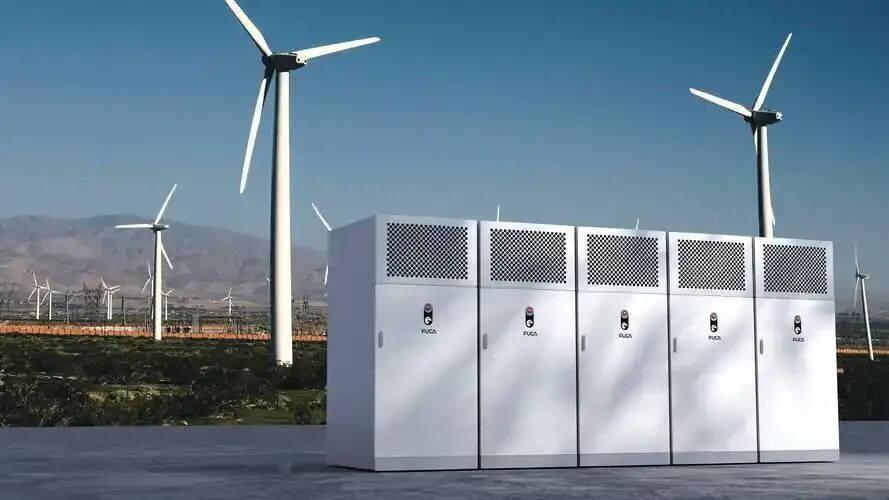
The role of energy storage in data center power supply is changing. In the early days, data centers used UPS (Uninterruptible Power Supply) as a long-term power supply unit: when the main power supply was cut off, the UPS would be connected first to maintain operation, and when the UPS power was insufficient, the backup gas turbine units would be started quickly.
Now, as the power of a single cabinet gets higher and higher, energy storage has changed from large batteries to small batteries inside the rack, with one battery per cabinet — the latest LUBIN architecture from NVIDIA has a BBU (Battery Backup Unit) design. This change means that energy