Surpassed 1 million in just a few days: "One person + AI" reaps massive profits
Another hit Pokémon fan-made work?
In recent days, a rather unexpected new hit has popped up in the gaming circle.
It has no backing from large game manufacturers, nor high-standard graphical performance, and players can start playing directly just by opening their web browsers.
Yet this seemingly rather simple small game has attracted millions of players to participate in just a few days. It is *PokéBonk*, a Pokémon fan game made by independent developer Charcher.
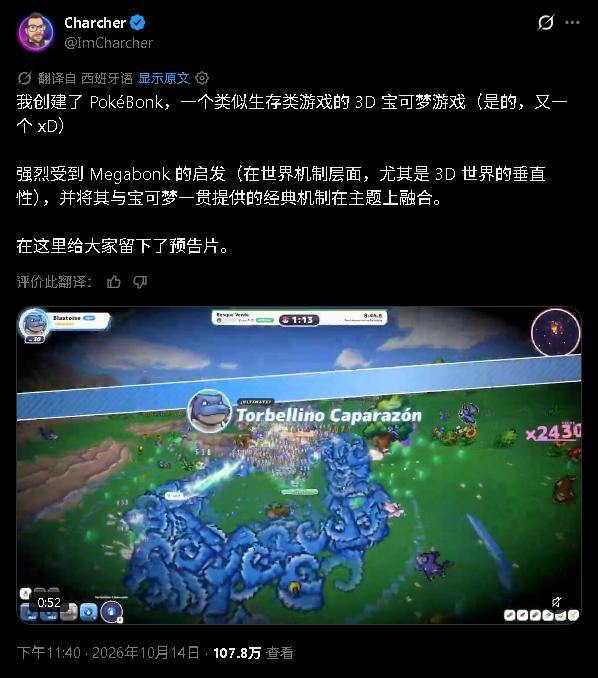
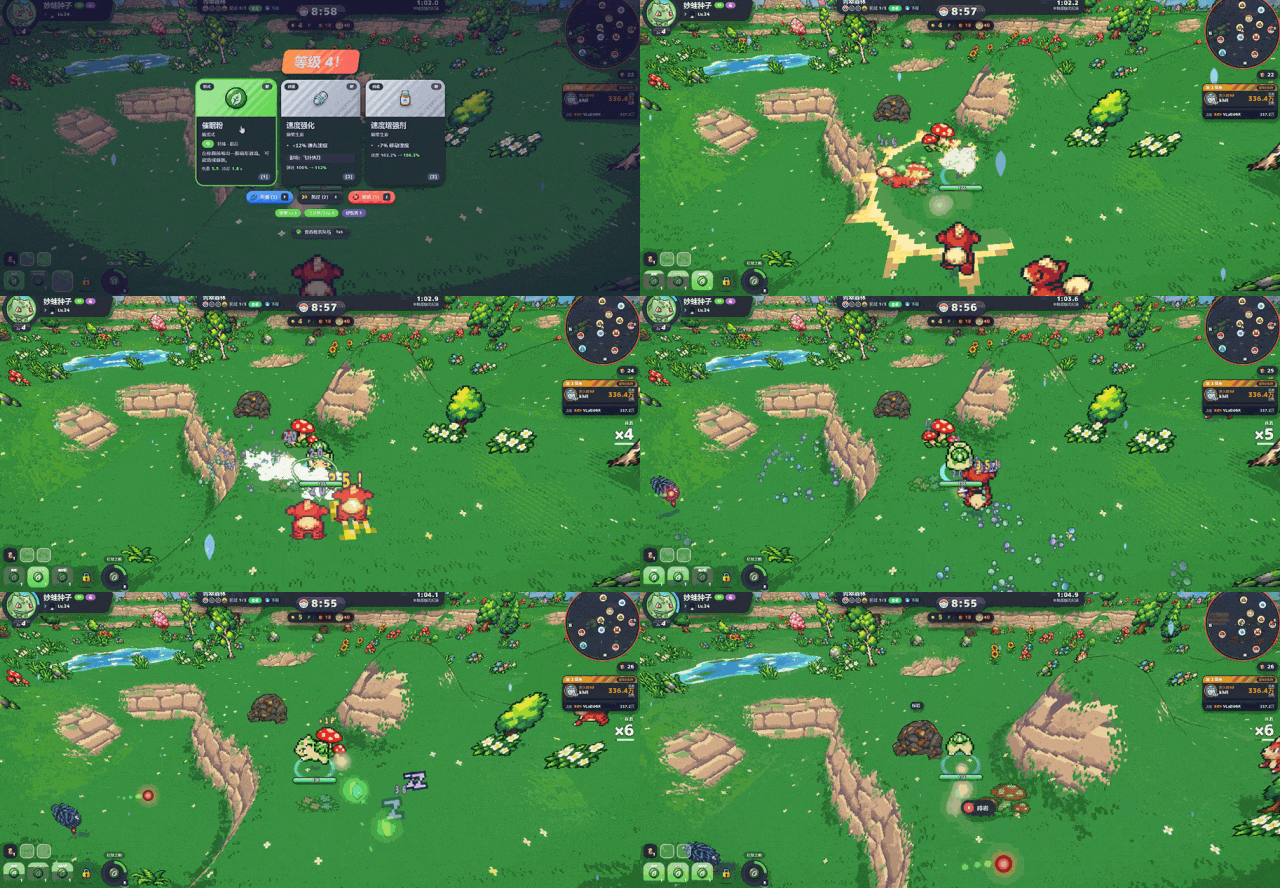
In this completely free-to-play web game, players need to operate classic characters such as Charmander and Bulbasaur to break through the siege of monster swarms, and experience the fun of leveling up, evolving, and capturing rare Pokémon along the way. This somewhat "unconventional" but highly appealing core gameplay has quickly gained massive popularity for *PokéBonk*.
According to public data, after *PokéBonk* launched its test in mid-October, it quickly became popular among overseas player communities. Shortly after the game went online, its servers once encountered problems due to a massive influx of players; up to now, the in-game leaderboard shows that the total number of players has exceeded 1 million.
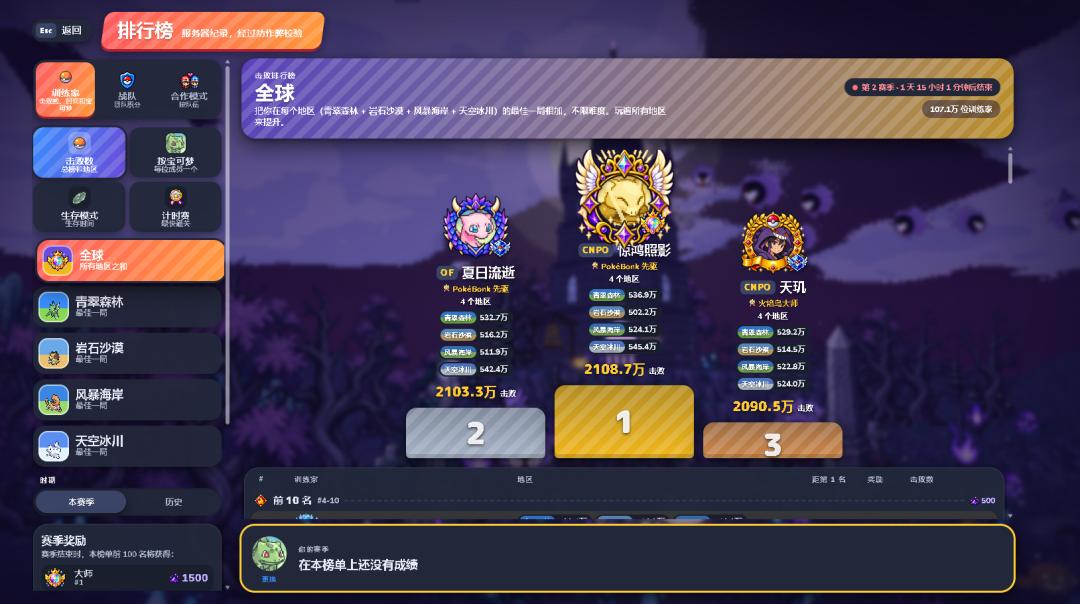

For a personal project that has almost no traditional commercial promotion and is completely free to play, such achievements are more than impressive.
What is more worth mentioning is that developer Charcher heavily used AI tools during the production process to participate in the creation of scenarios, art assets, visual effects and even music, then combined the classic Pokémon IP with the market-proven 3D hack-and-slash gameplay, and finally created a game that quickly attracted a large number of players.
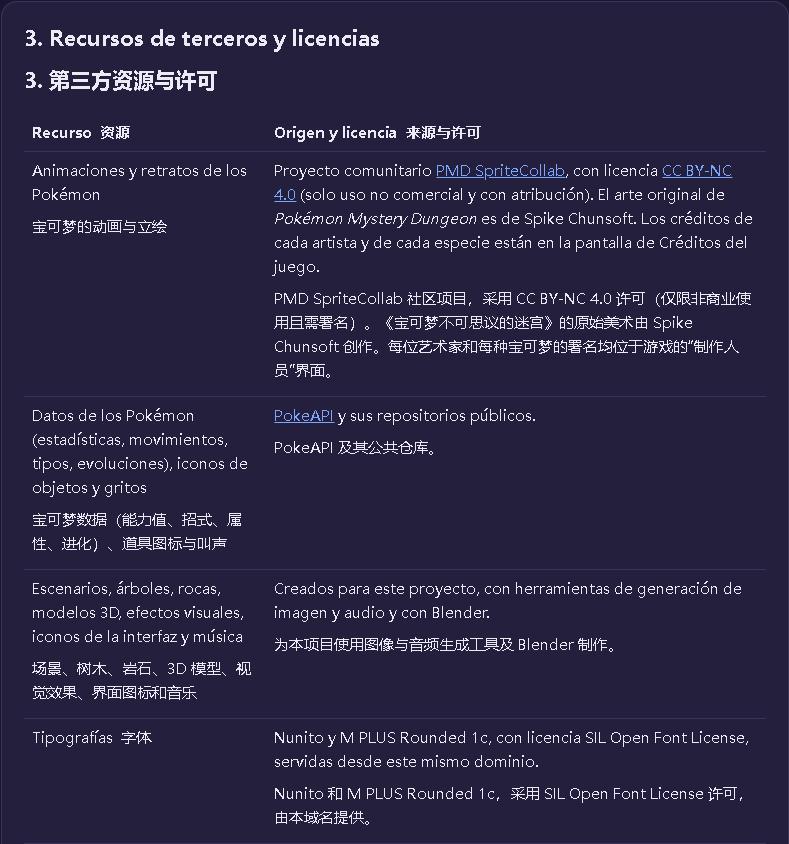
Admittedly, the rise of *PokéBonk* is inseparable from the strong IP influence of Pokémon itself, and its nature as an unofficial fan work also means it has obvious limitations in long-term operation and commercialization. Therefore, rather than being a product that can replicate the traditional commercial success path, it is more like a creative practice initiated by an independent developer that has finally received responses from a large number of players.
Therefore, instead of simply marveling at the popularity of *PokéBonk*, I am more interested in what exactly it did right. On one hand, there is the classic Pokémon IP with a huge user base, and on the other hand, there is the survivor-style gameplay whose market potential has been repeatedly verified in recent years. The two seemingly mismatched elements have produced a rather wonderful chemical reaction in this game.
So, what exactly makes this seemingly uncomplicated small web game attract millions of players?
When "Pokémon" meets "Survivor", unexpectedly addictive
In terms of core gameplay, *PokéBonk* can be said to perfectly combine the smooth and refreshing "hack-and-slash" experience of survivor games with the classic "collection and evolution" mechanism of the Pokémon series, and integrate the most attractive parts of both into a single game session.
Specifically, the underlying logic of the game is quite similar to the common survivor games on the market: players control the selected Pokémon to move continuously, clear monsters, gain experience and level up by defeating enemies, and unlock new enhanced abilities in this process to cope with the increasingly dense and powerful enemies later on.
This mature survivor-style design has a low enough entry threshold and sufficiently straightforward growth feedback. Players hardly need to spend much time understanding the rules, they can experience the thrill of getting stronger and clearing the screen to kill enemies in just a few minutes after starting the game, which also provides a good entry point for deeper gameplay later.
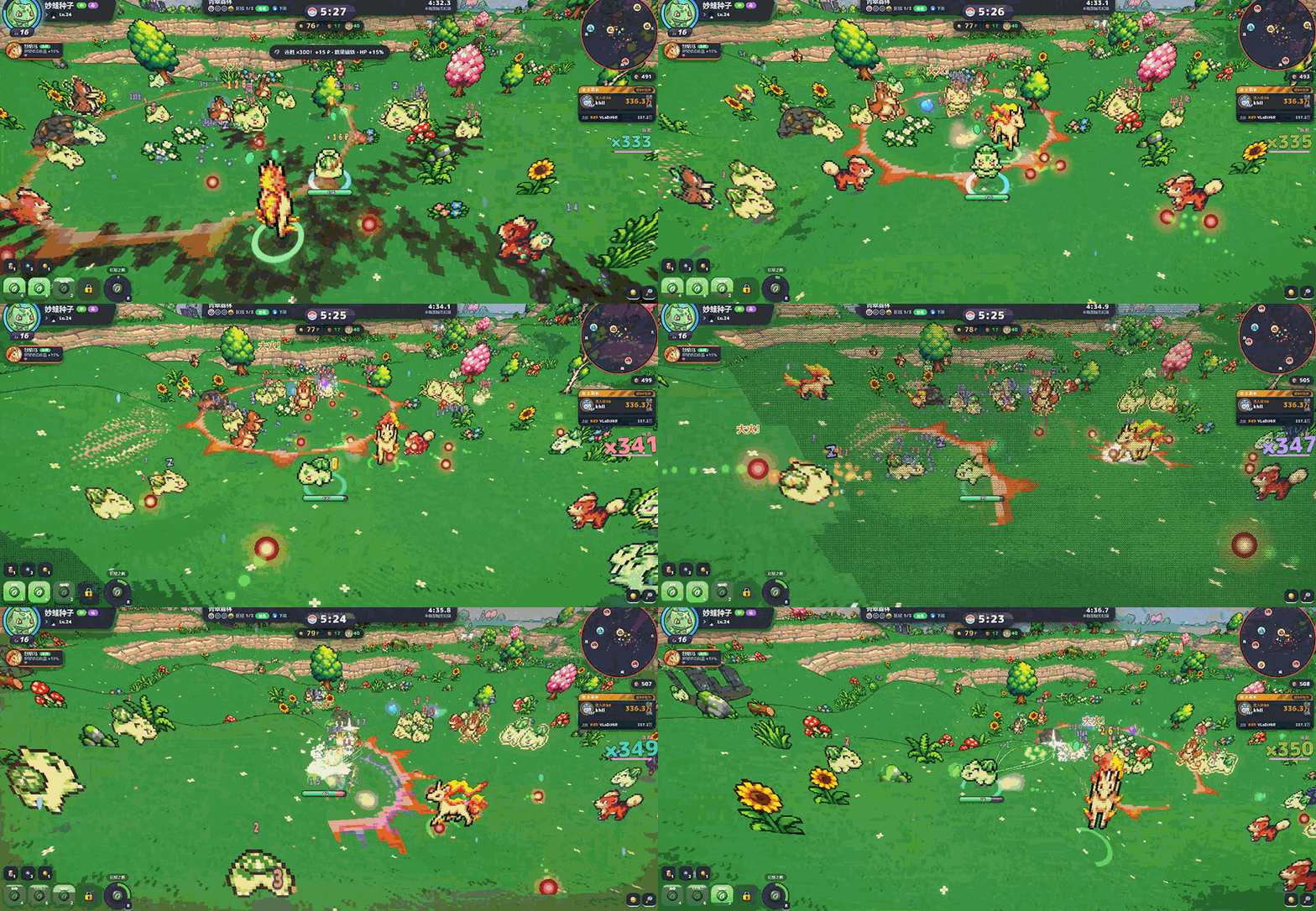
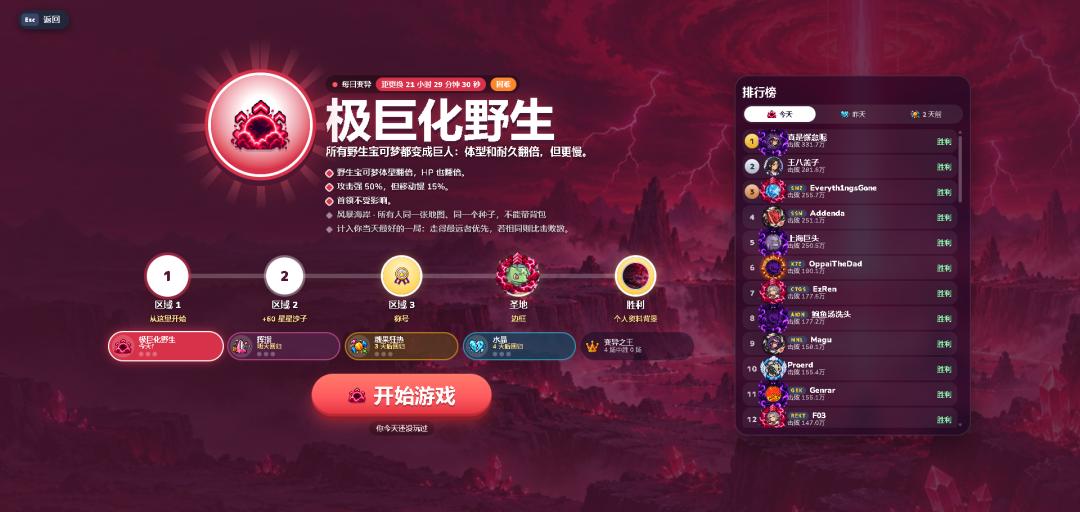
On this basis, the game also provides classic mode, endless mode, as well as the "Daily Mutation Mode" with more variable rules and special holiday modes. Different modes adjust level rules and challenge conditions to bring players different game session experiences, and add more variations to the originally relatively fixed battle cycle.
For players who are already familiar with the basic gameplay, these contents also provide motivation to further try different enhancement combinations and clearance strategies.
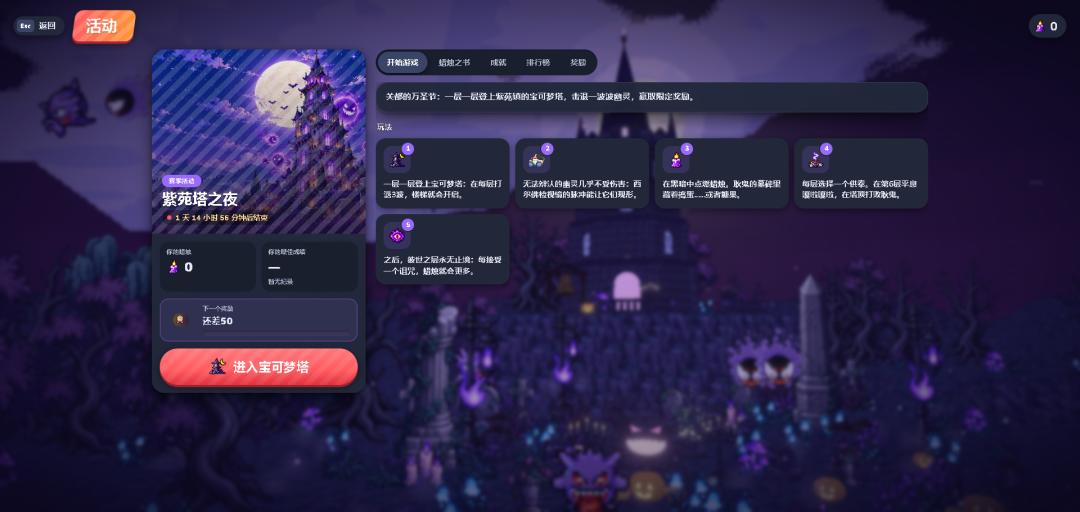
However, if the above content mostly follows the already verified gameplay framework of survivor games, what really makes *PokéBonk* show the characteristics of the Pokémon series is its integration of classic elements such as "evolution", "exploration" and "capture".
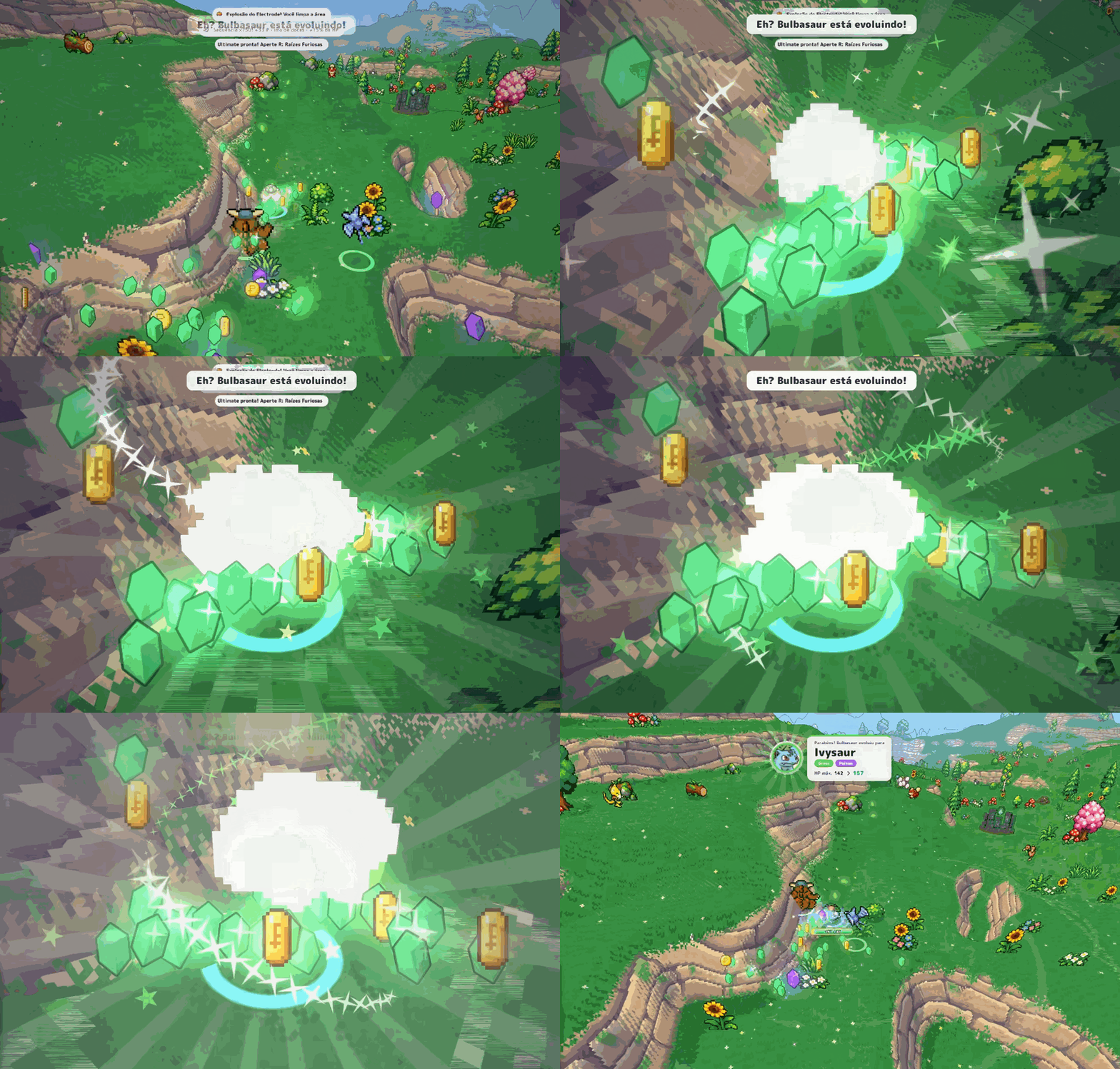
The first is "evolution". The game does not set overly complicated trigger conditions for this mechanism. The Pokémon controlled by the player only needs to reach a specific level to evolve to the next form and unlock the corresponding new skill set.

This seemingly simple design makes good use of players' natural expectation for character evolution in the Pokémon series. Players can form an expectation for the subsequent growth route right at the start of the game. As the level increases, the form changes and the skill set updates, evolution is no longer just a simple numerical reward, but becomes an important driving force to push players to go deeper into the game session.
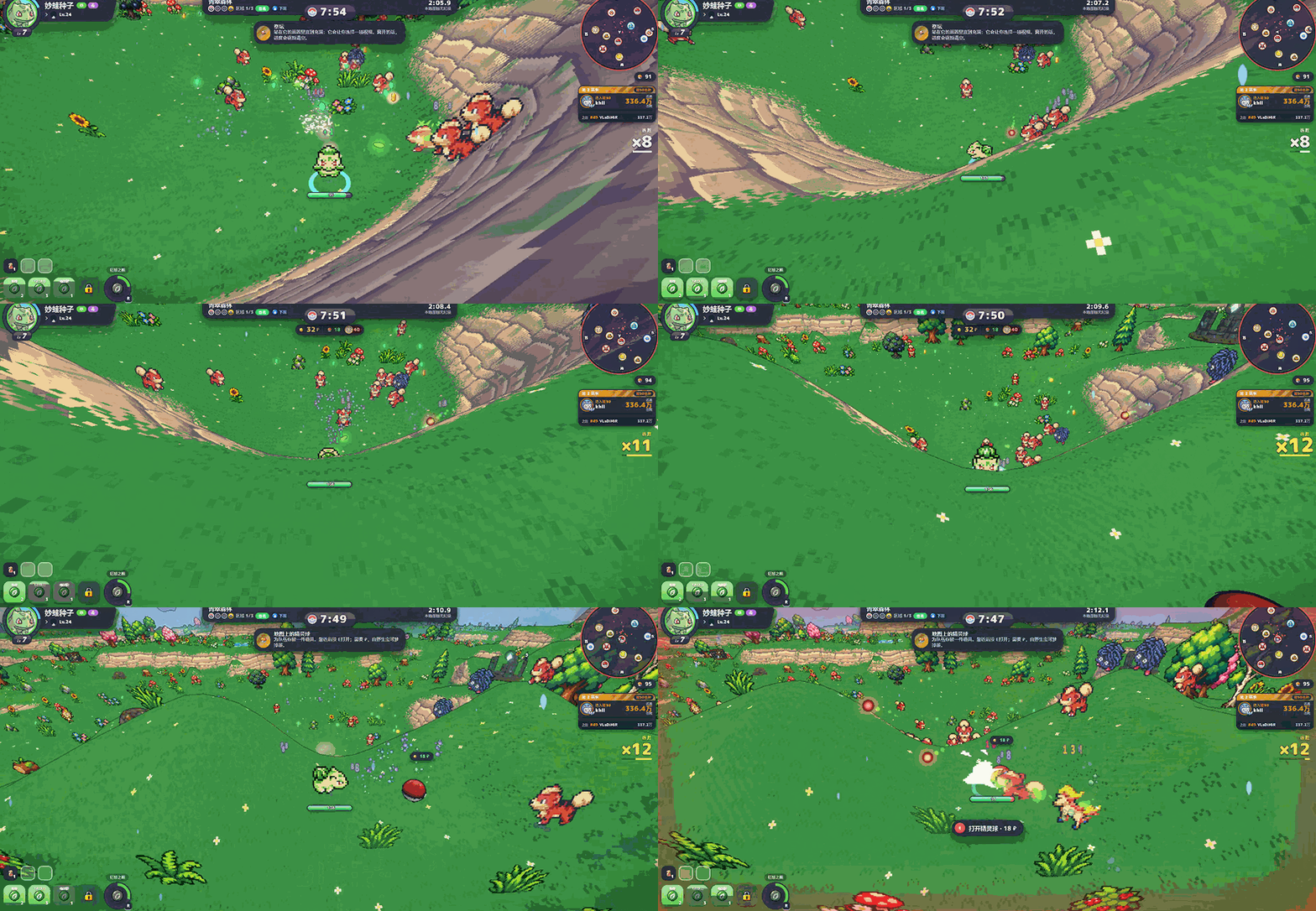
At the same time, the game adopts a top-down 3D map design similar to *Megabonk*, and arranges a large number of explorable points of interest in the scene.
This allows players' actions to no longer be limited to moving around and clearing monster swarms. Whether it is using the height difference in the map to pull enemies, or actively exploring different areas to find enhancement resources, it adds a bit of route planning and exploration fun to the originally battle-focused game session. Compared with simply constantly farming monsters in a flat scene, this design further enriches the experience of each game session.
Of course, the most representative "capture" gameplay of the Pokémon series is naturally not absent in *PokéBonk*.
The Pokémon available for capture in the game are mainly divided into two categories. The first category is "League" members that can be unlocked as playable characters. Players need to complete specific goals in the game session to have the opportunity to capture the corresponding Pokémon and unlock it as a new playable character.
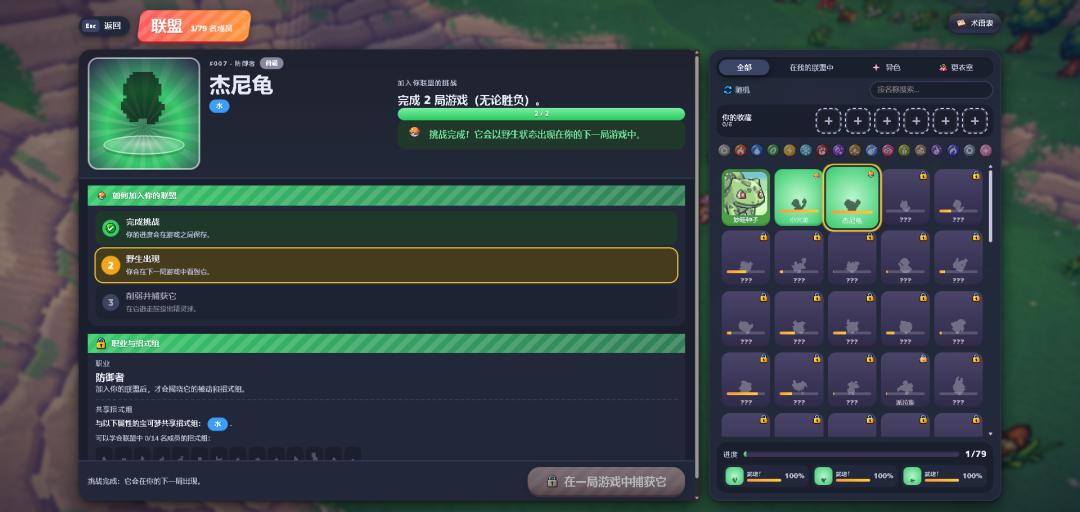
The other category is shiny Pokémon that appear randomly in the game session without preconditions. This type of Pokémon has higher rarity, and after being captured, it can unlock new appearance skins for the corresponding "League" Pokémon (the corresponding main body needs to be unlocked first), which is an extra pursuit target more oriented to deep collection players.
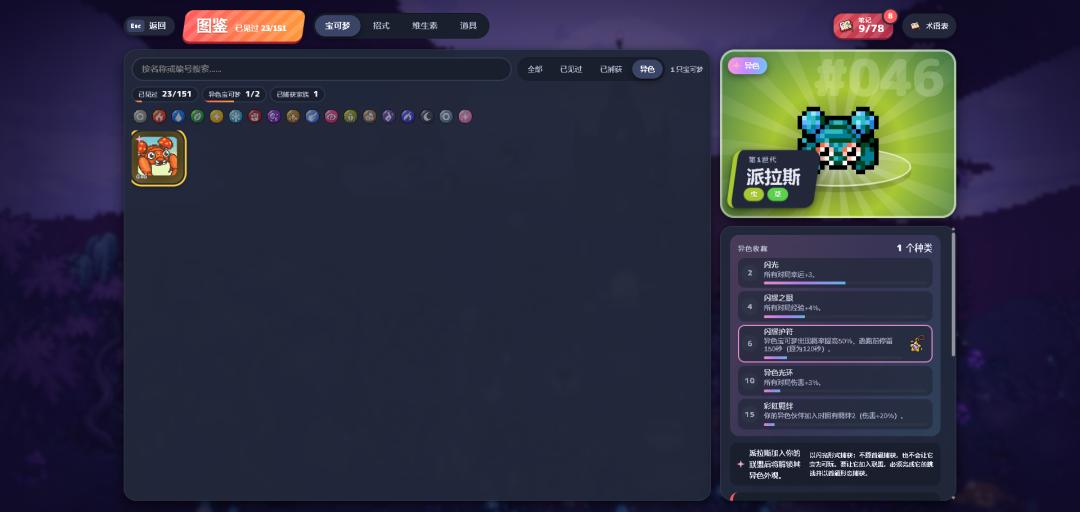
The value of this set of capture mechanisms lies in that it does not let collection only stay at the illustrated book level, but directly connects with players' actual gameplay behavior.
On one hand, capturing new Pokémon can expand the selection of playable characters; on the other hand, rare shiny Pokémon provide more challenging collection goals. The two together form different levels from basic character unlocking to rare appearance collection, and give players a reason to enter the game session repeatedly.
Putting all these designs together, you will find that *PokéBonk* does not simply put a layer of Pokémon art packaging on the survivor gameplay, but tries to truly combine the core fun of the two: players can not only enjoy the immediate feedback of constantly growing and defeating strong enemies in hack-and-slash games, but also experience the representative collection and nurturing fun of the Pokémon series through evolution and capture.
Two originally relatively independent experiences form a mutually promoting relationship in one game session, which is also an important reason why it can bring a sense of freshness.
And if the dense in-session feedback is the first step for *PokéBonk* to attract players, then the long-term goals built around out-of-session growth further extend this gameplay loop.
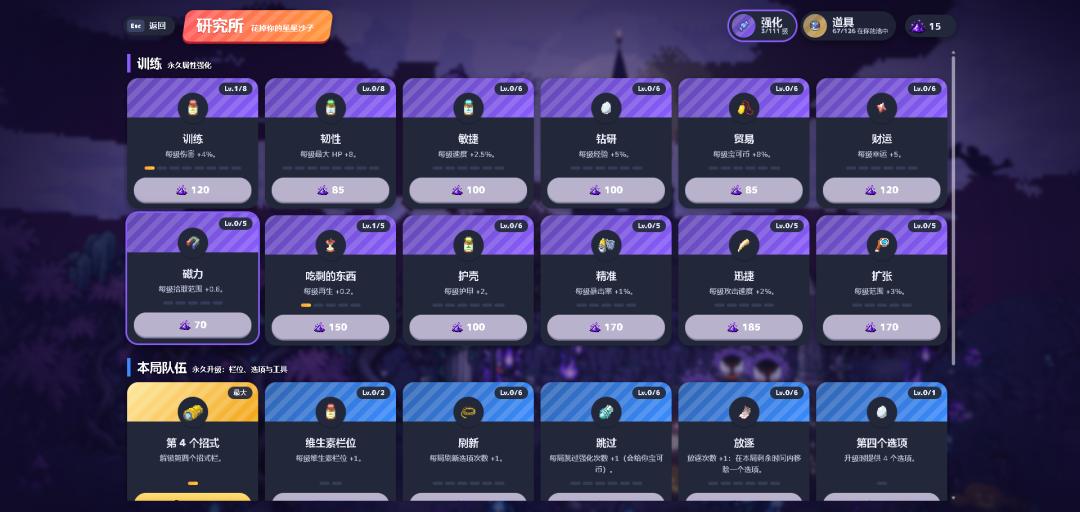
In terms of out-of-session nurturing, the game builds a relatively simple growth line through the mission and achievement system, and the core currency "Stardust". Players can get a certain amount of Stardust by completing specified tasks or reaching specific achievements during gameplay, and exchange it for permanent attribute enhancements or special items in the "Research Institute" to improve subsequent game session experiences.
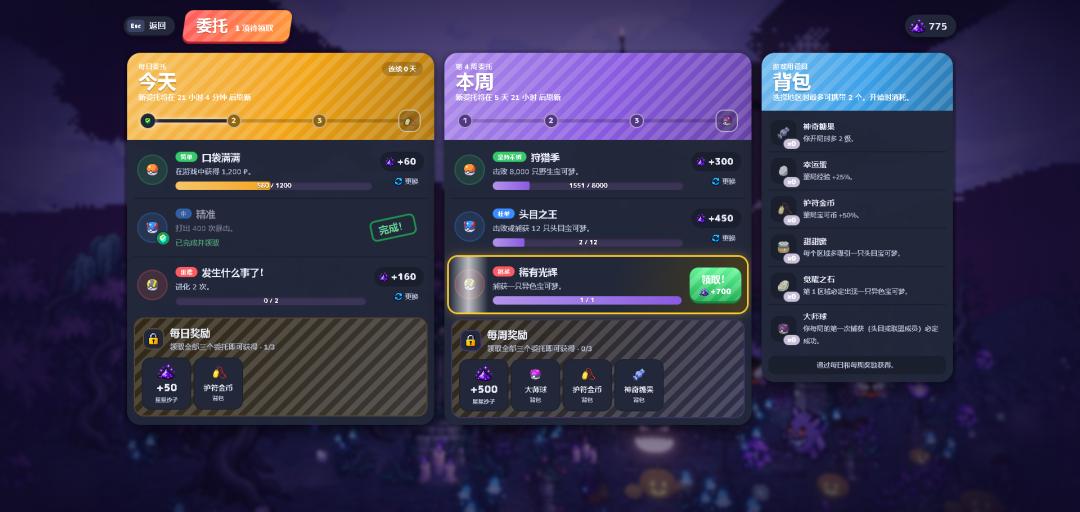
This design that directly links single-session gameplay with long-term growth is quite important for survivor games. Even if a player does not get ideal results in a certain session, they can still accumulate resources through tasks and achievements, turning every attempt into tangible growth progress, and thus forming a loop of "enter session - get rewards - enhance character - challenge again".
What is more surprising is that as a web-based fan work, *PokéBonk* also has a fairly complete social system design.
For example, the game sets up dedicated leaderboards for different modes and gameplay, allowing players to show their achievements in their respective areas of expertise, and also providing clearer goals for repeated challenges.
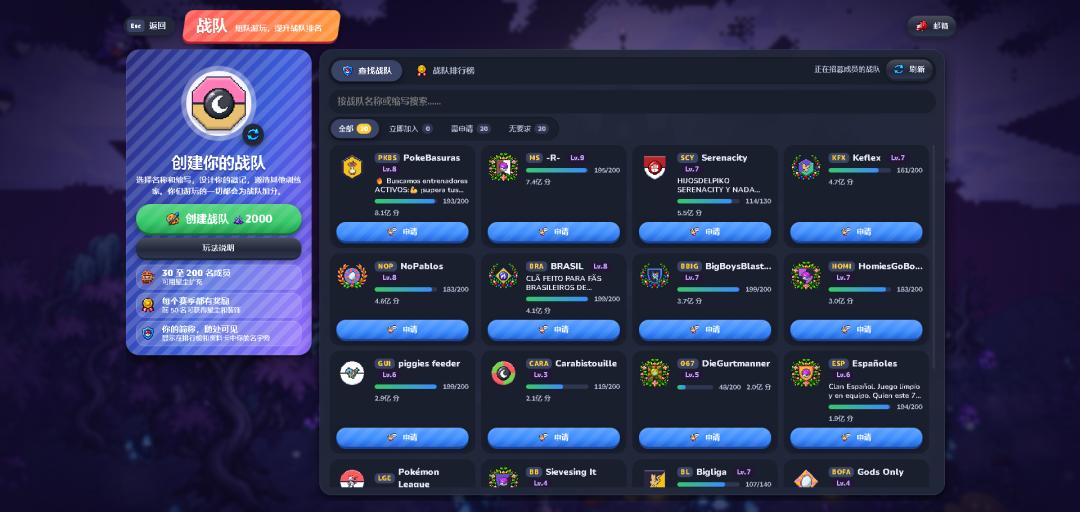
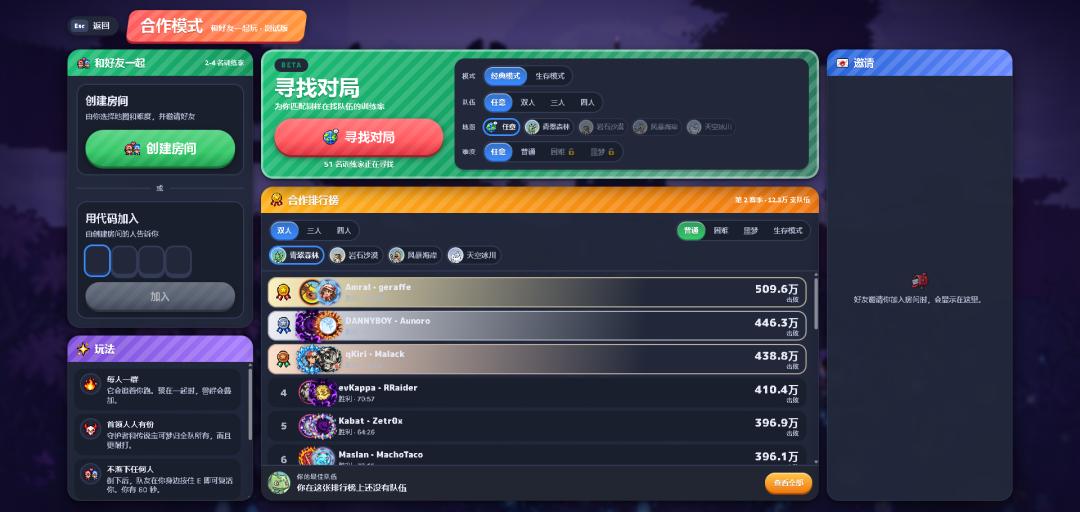
At the same time, social modules such as teams, team leaderboards and friends are all available. The game also adds a cooperative mode that supports up to 4 players online, allowing players to extend from challenging alone to playing in teams with friends.
To further enrich players' long-term pursuits, the game also designs a large number of appearance decorations as rewards.
For example, after players defeat a BOSS in the game session, they have a chance to get Bonk Coins that can be used to draw appearances; special modes