The competition over smartphone form factors is escalating: OPPO and vivo are collectively following the trend, will the wide straight-edge smartphone become the next mainstream form factor?
The smartphone market is about to usher in a new round of competition focused on displays.
Recently, well-known digital blogger @Digital Chat Station broke the news that vivo is planning a small-sized wide flat smartphone, whose screen size is likely to be controlled within 6.5 inches, and it is expected to be launched in 2027. Before that, OPPO's wide flat engineering prototype has also been exposed many times, which is said to adopt a 16:9 flat screen of around 6.35 inches and target the high-end flagship market. In addition, Huawei has also been revealed to be preparing more affordable wide flat products to further improve its wide flat smartphone product layout.
Although the product plans and release timelines of various manufacturers are not completely confirmed, wide flat smartphones have obviously become a new focus of the mobile phone industry. It is worth noting that in the past few years, mobile phone manufacturers have been working hard to make screens longer and narrower, but now they have shifted their direction to explore how to make smartphones wider.
So here comes the question: what appeal do wide flat smartphones have that makes domestic manufacturers follow up one after another? Has Huawei once again bet on a new trend in the mobile phone industry this time?
Mobile phone manufacturers are collectively researching wide flat smartphones
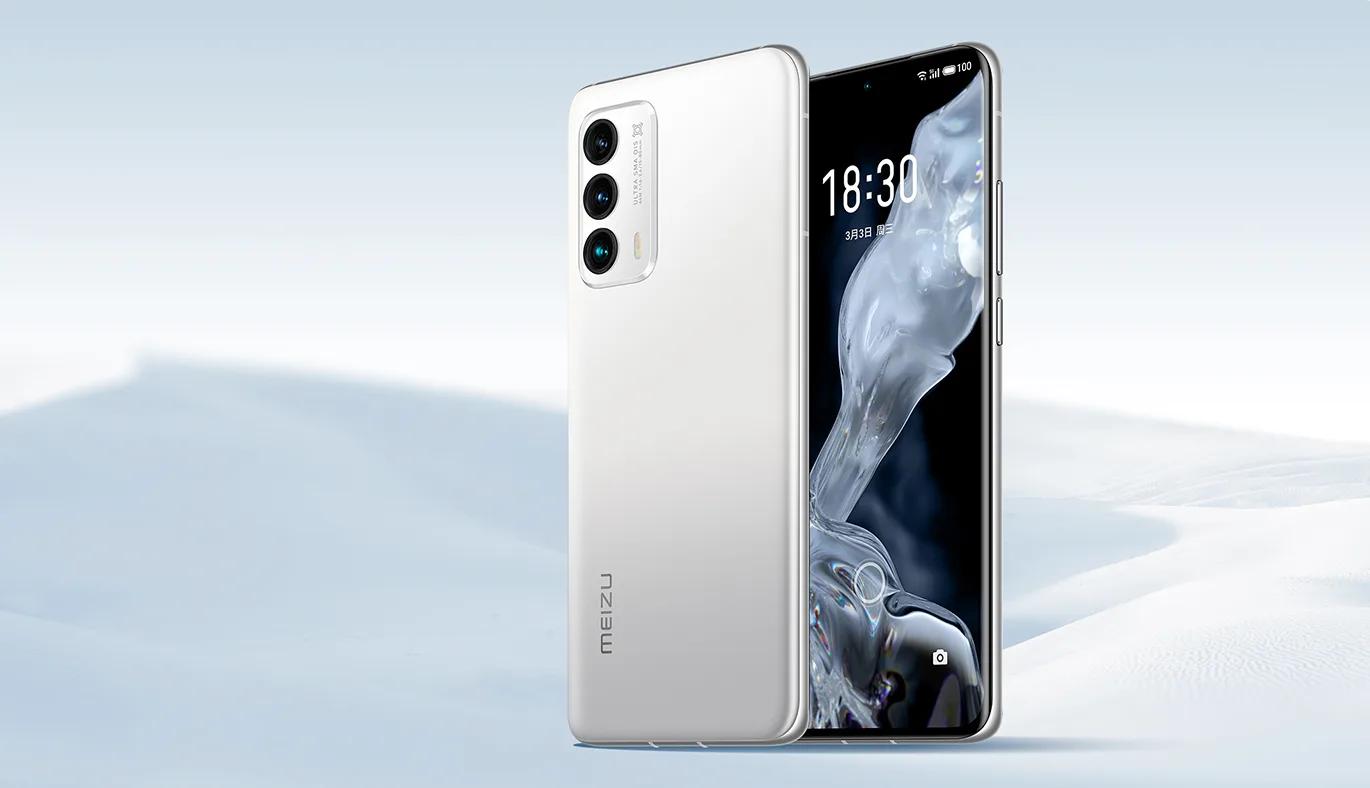
If you understand the development history of mobile phones, you should know that the screen form and aspect ratio of mobile phones have changed several times. Before full-screen design became popular, 16:9 was once the most common screen aspect ratio for smartphones. Later, as full-screen design gradually gained popularity, 18:9, 19.5:9 and even 20:9 gradually became the mainstream. The main reason why manufacturers keep stretching screens is to provide a larger display area without increasing the width of the fuselage.
(Image source: Official Meizu)
After all, for most users, a smartphone is a device that they hold in their hands for a long time every day. An overly wide fuselage is inconvenient for one-handed operation, while an overly narrow one will affect video viewing and text reading. Therefore, in the past few years, almost all smartphones on the market have adopted a relatively slender fuselage design.
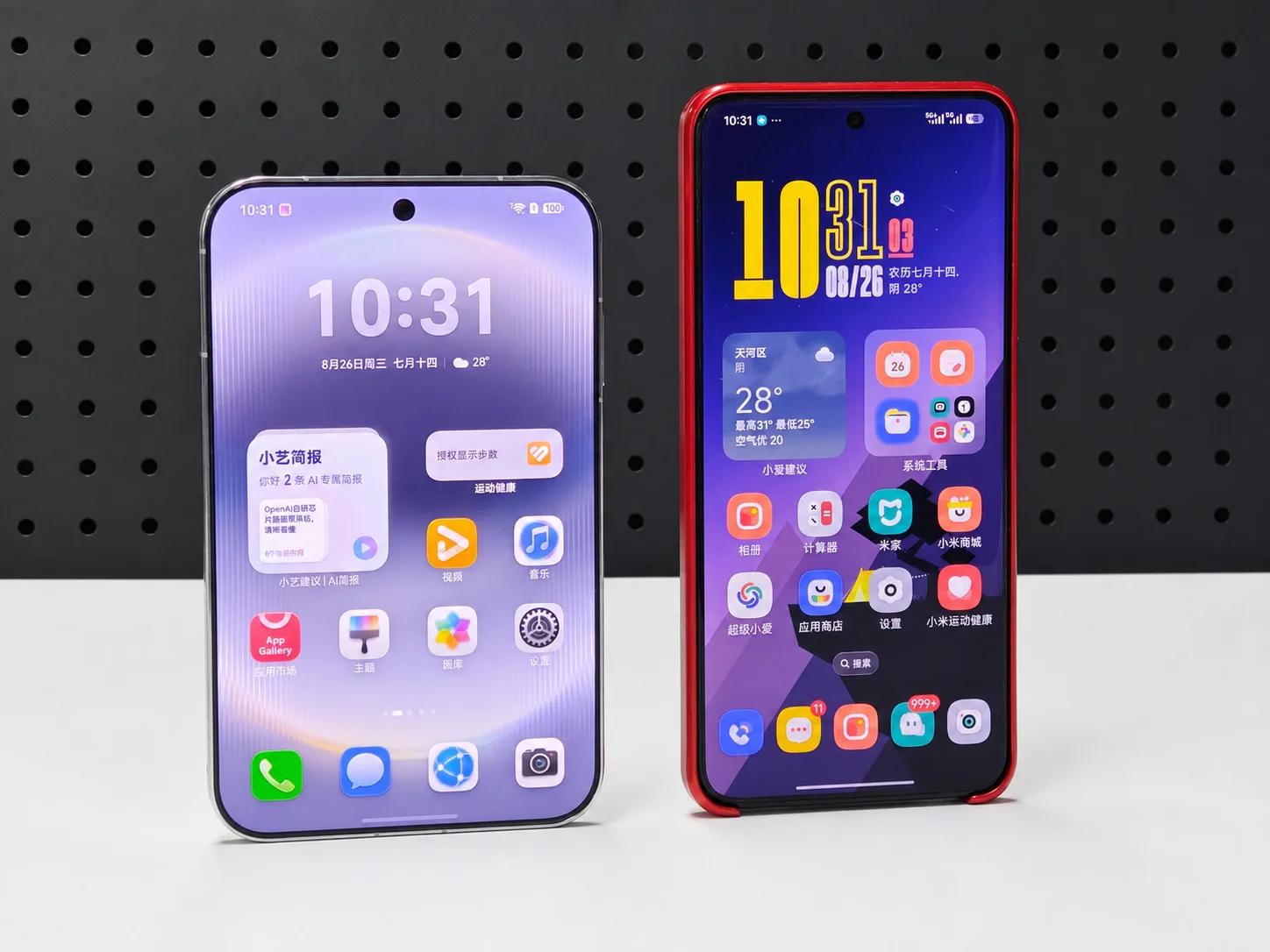
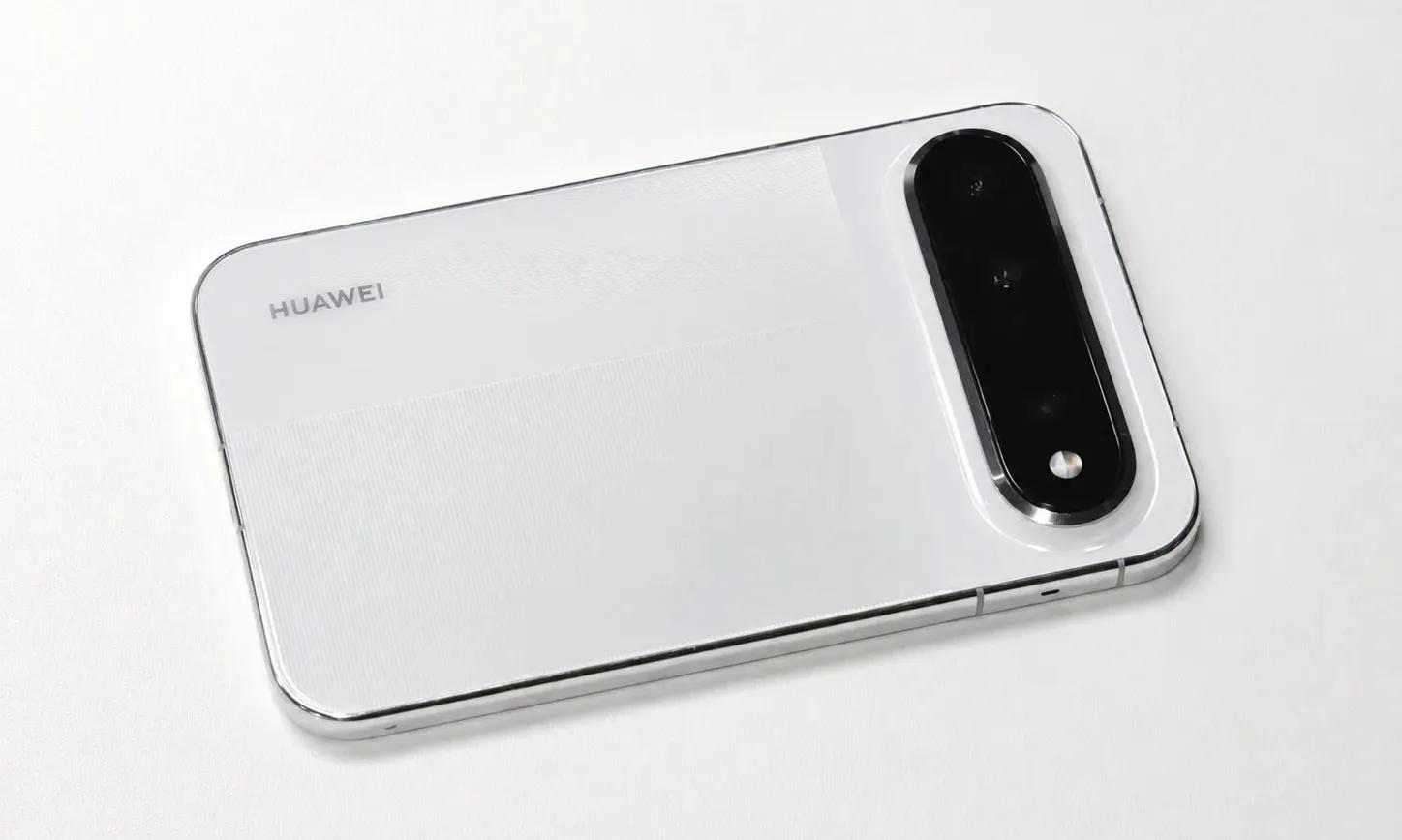
But this product logic may be broken. In September this year, Huawei launched the Pura X View, which is equipped with a 6.39-inch OLED screen with an aspect ratio of 16:9.5, and the fuselage width reaches 87mm. Its overall shape forms a sharp contrast with traditional flat smartphones. According to the data disclosed by digital blogger @RD Observation, as of the 43rd week of 2026, the cumulative sales of Huawei Pura X View reached about 755,300 units. Considering the starting price of 5999 yuan for this product and the market performance that it was once in short supply, this result is quite good.
Although this result cannot prove that wide flat smartphones have become the new mainstream, it at least confirms that users still have certain demand for new-form flat smartphones.
(Image source: Shot by Leitech)
In addition to Huawei, OPPO and vivo have also put their wide flat smartphones on the agenda. Among them, OPPO's wide flat engineering prototype adopts a standard 16:9 screen aspect ratio, equipped with a flagship processor, 3D ultrasonic fingerprint and a high-quality imaging system, so its positioning should also be flagship. vivo is relatively more conservative, its solution is a small-sized wide flat smartphone under 6.5 inches. In addition, brands like Honor and Xiaomi have also been exposed to be testing similar products.
The sales of Huawei Pura X View have proved that even at a price close to 6000 yuan, there are still users willing to try this special screen aspect ratio. Moreover, wide flat smartphones can also create a new segmented market outside the existing product line. Nowadays, the product layout of various manufacturers is quite mature, from mid-range phones priced at two to three thousand yuan to flagships priced at six to seven thousand yuan, almost every price segment is crowded with products of different positioning.
If manufacturers continue to launch conventional flat smartphones, new products will easily compete with their existing models. Wide flat smartphones, with different screen aspect ratios and usage scenarios, can attract users who want to try new forms but are not willing to buy foldable phones. In particular, Huawei has verified certain market demand through the Pura X series, and other manufacturers naturally hope to take a place in this segmented market in advance before it matures.
Compared with foldable phones, wide flat smartphones have another advantage: the R&D and manufacturing costs are relatively lower. Although a wider screen requires redesign of the internal stacking, motherboard layout and heat dissipation structure, at least it does not need complex hinges, nor does it need to consider the reliability problems caused by repeated folding of the screen. For manufacturers that already have a mature flat smartphone supply chain, the difficulty of launching wide flat smartphones is obviously much lower than redeveloping a new foldable phone.
In terms of price, wide flat smartphones also have the opportunity to enter the mainstream price range that foldable phones cannot easily cover. At present, although foldable phones are much cheaper than they were a few years ago, the selling price of mainstream products is still on the high side, and the subsequent maintenance costs also make some users hesitate. Wide flat smartphones do not have these problems. If Huawei really launches more affordable products and other manufacturers follow up one after another, it is not impossible that more wide flat smartphones will appear in the 3000-4000 yuan price range in the future. For users who want to experience a new form but do not have enough budget to buy a foldable phone, this may be a good choice.
Apple also joins in, are wide screens really more user-friendly?
In fact, the wide screen design is not a new concept. As early as this year, Huawei continued to lay out the wide screen market through the Pura X series, and then products such as Xiaomi 18 Fold and Apple iPhone Duo were launched one after another, making this screen form get more attention. Especially for iPhone Duo, as Apple's first foldable phone, its wide screen design also makes many users pay serious attention to this special screen aspect ratio for the first time.
Earlier, Richard Yu also revealed that in the week after the release of iPhone Duo, the sales of Huawei Pura X Max increased by 76%. Although we cannot attribute all the sales growth to Apple, at least it can be seen that Apple's entry has indeed made the wide screen market more lively.
However, wide foldables and wide flat smartphones are two different products after all, and we cannot simply apply the market performance of the former to the latter. For foldable phones, the wider screen can provide a display effect close to that of a tablet after unfolding, especially when browsing web pages, processing documents and running multiple applications at the same time, the advantages are relatively obvious. But wide flat smartphones do not have a folding structure, and the improvement of screen area is relatively limited, so the actual experience may not reach the level of wide foldables.
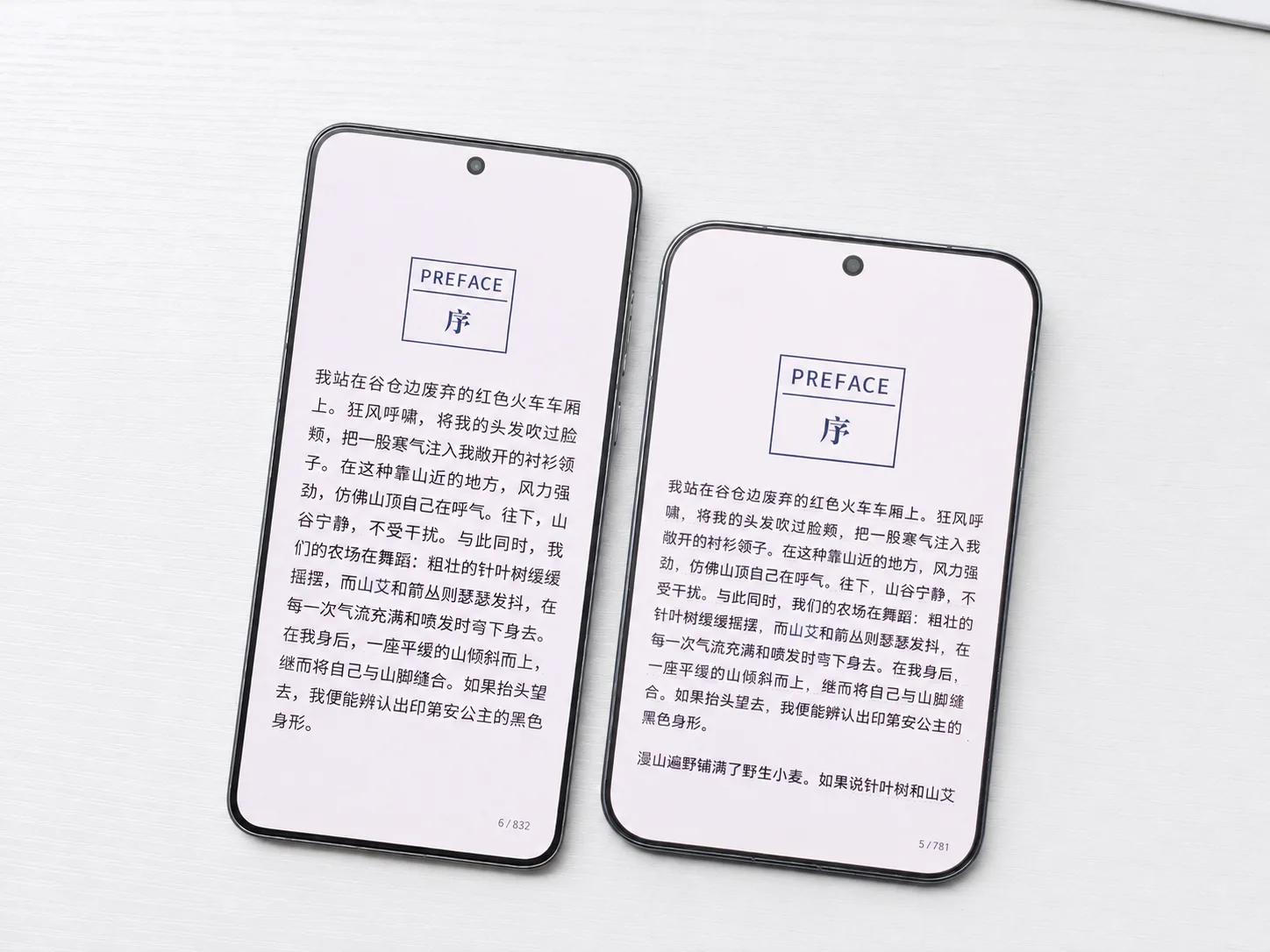
The scenario where wide flat smartphones can most easily show their advantages is video viewing. Nowadays, the screen aspect ratio of most traditional flat smartphones is around 19.5:9 or 20:9. Although it is convenient to swipe short videos on the vertical screen, there will be obvious black bars on both sides of the screen when watching 16:9 videos in horizontal screen. The screen aspect ratio of wide flat smartphones is closer to traditional video content, so it can improve screen utilization.
In addition, when reading e-books, browsing web pages and checking tables, the wider screen can also display more horizontal content, reducing some zooming and sliding operations. However, how obvious these experience improvements are depends on the final screen size and aspect ratio chosen by the manufacturer.
(Image source: Shot by Leitech)
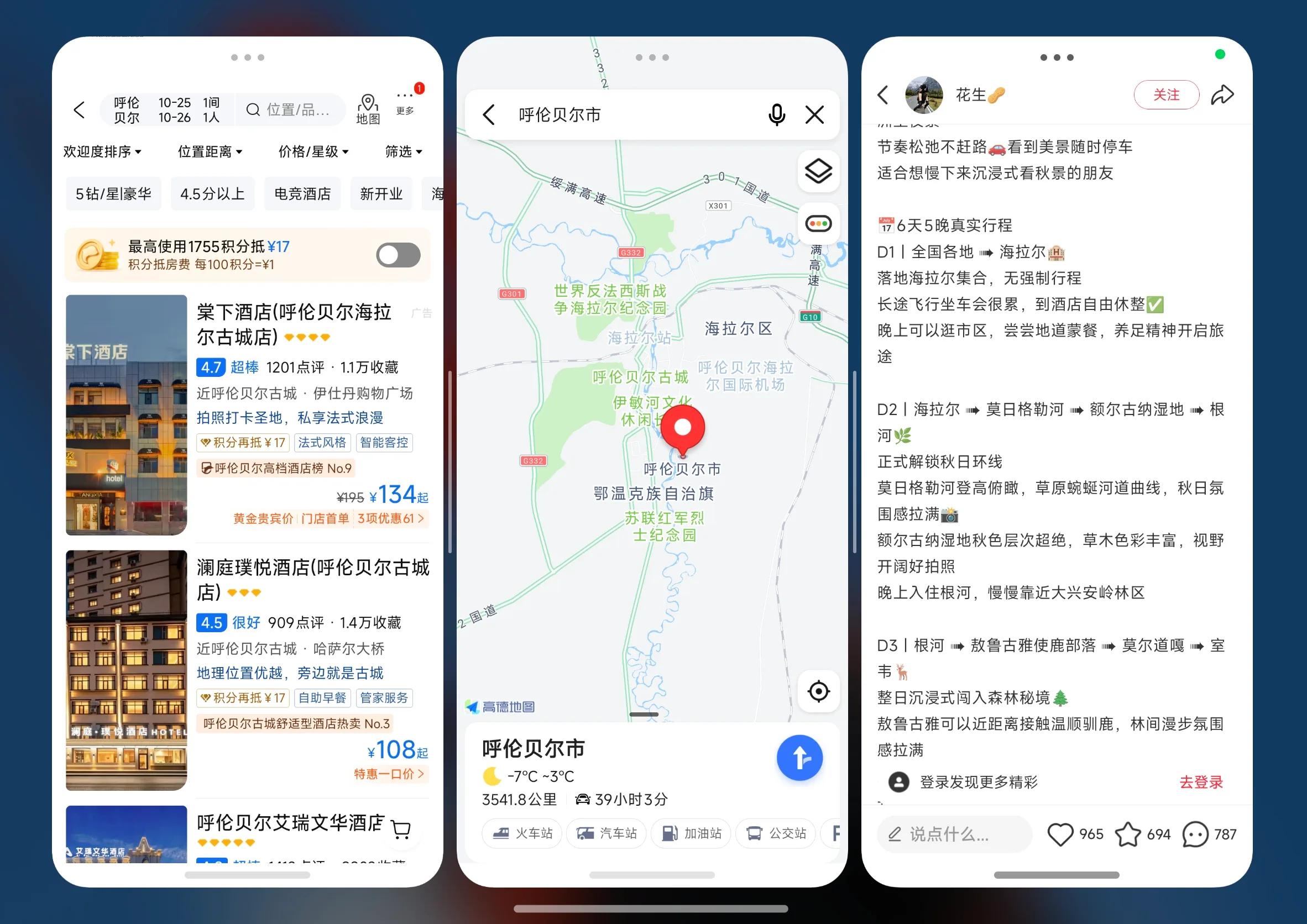
As for multi-task operation, wide screens do have certain advantages. Leitech (ID: leitech) previously found when comparing iPhone Duo, Xiaomi 18 Fold and Huawei Pura X Max that the wider screen is very suitable for displaying content in left and right columns. Taking Xiaohongshu as an example, the adapted application can display the information flow on the left and the note details on the right, so users do not need to frequently return to the previous page.
(Image source: Shot by Leitech)
Huawei and Xiaomi have also designed different multi-window interactions for wide screens, especially when switching between multiple applications, the operation efficiency is indeed higher than that of traditional flat smartphones. However, considering that the screen area of wide flat smartphones is significantly smaller than that of unfolded foldable phones, whether manufacturers can fully transplant these functions still needs actual experience to judge.
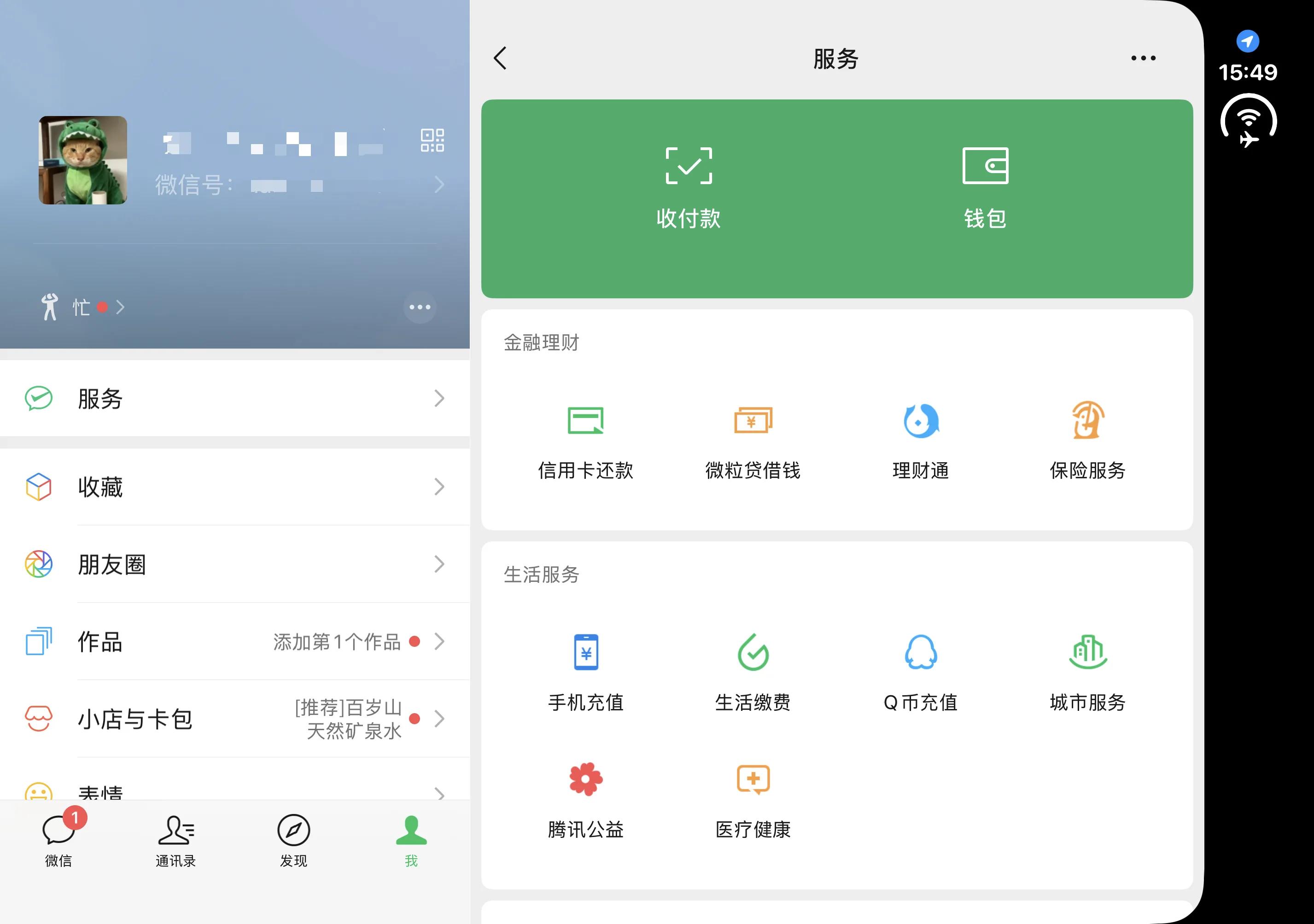
But application adaptation has always been an unavoidable problem for wide screen phones. Taking iPhone Duo as an example, although Apple has redesigned part of the system interaction for foldable phones, in actual tests, Leitech found that common applications such as WeChat, Weibo and Douyin still have adaptation problems of varying degrees. Some applications cannot be displayed in full screen normally, some interfaces have obvious black bars, and some applications simply magnify the original content without making full use of the extra screen space.
(Image source: Shot by Leitech)
Even a manufacturer like Apple failed to solve these problems on its first-generation product, so it is obvious that OPPO and vivo need to invest a lot of energy to do a good job in application adaptation for wide flat smartphones.
In addition, the grip feel is also a problem to be considered. Nowadays, the fuselage width of many flagship phones is close to 80mm, and one-handed operation is not easy in the first place, while the width of some wide flat smartphones may further increase to 85mm or even higher. For users with smaller palms, one-handed typing, WeChat chatting and daily sliding operations may be affected.
What's more, foldable phones can at least switch between the inner and outer screens to make a trade-off between portability and large screen experience, but wide flat smartphones do not have such a choice. Users have to accept the wider fuselage all the time, which means manufacturers need to find a proper balance between display area and daily use experience.
Led by Huawei, will wide flat smartphones become the next industry trend?
Judging from the current situation, Huawei does have a first-mover advantage in the wide screen market. From the initial Pura X to the later Pura X Max and Pura X View, Huawei has gradually formed a product layout covering wide foldables and wide flat smartphones. After all, whether a product form can become a real industry trend ultimately depends on how many users are willing to use it for a long time and whether manufacturers can continue to launch related products.
Similar follow-up phenomena have appeared in the mobile phone industry before. From curved screens to pop-up cameras, to various special-shaped screen designs in the full-screen era, manufacturers have tried a large number of different product solutions, some of which eventually became the industry standard, while others gradually withdrew from the market after a flash in the pan.
Wide flat smartphones are also facing such a test. Especially after more manufacturers join in, it is difficult to attract users for a long time only by relying on the special screen aspect ratio. After all, the screen aspect ratio itself does not have high technical barriers. Once upstream panel manufacturers start to supply similar products on a large scale, it is not difficult for other brands to follow up.
(Image source: AI generated)
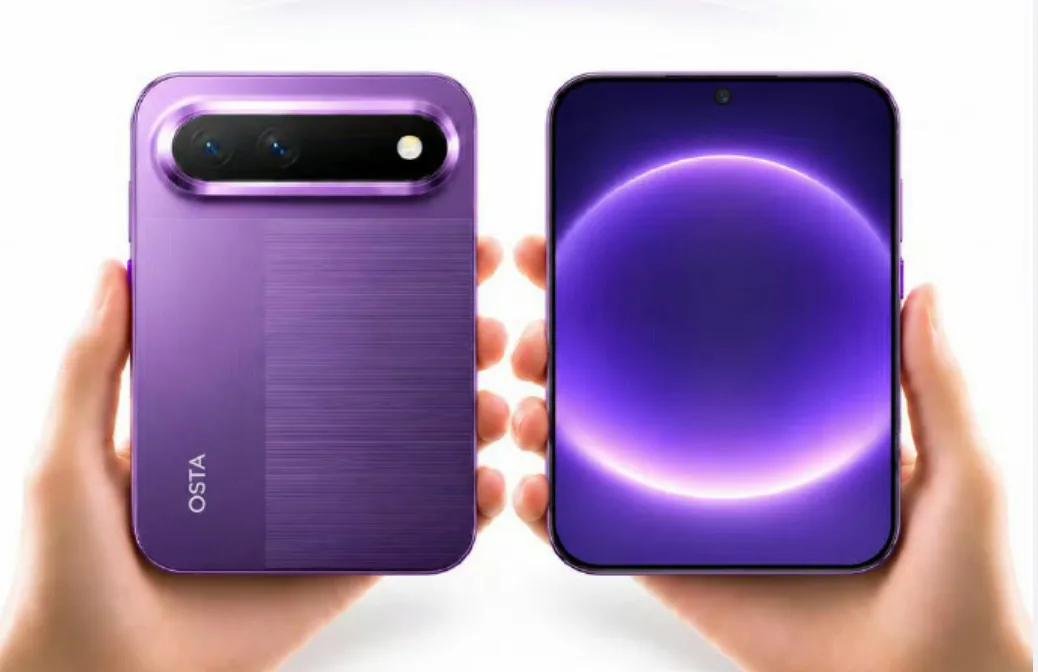
Moreover, with the entry of manufacturers such as OPPO and vivo, new product differentiation is likely to appear in the wide flat smartphone market. For example, Huawei will continue to focus on high-end business and multi-task experience, OPPO will combine wide flat smartphones with flagship imaging, vivo will try a more compact fuselage design, and other manufacturers may also launch products focusing on games or audio-visual entertainment.
Products with different positioning can cover more users, but they will also make wide flat smartphones gradually lose their initial sense of freshness. However, whether wide flat smartphones can achieve scale is also related to the supply chain and software ecosystem of mobile phone manufacturers. If only a few high-end models adopt this screen aspect ratio in the future, it will be difficult to significantly reduce the customization cost of upstream panels, and third-party developers will also lack the motivation to adapt for wide screens.
Conversely, if manufacturers such as Huawei, OPPO and vivo all launch related products, and even bring wide screens to the mid-range market, the screen supply chain will have the opportunity to form a certain scale, and common applications will naturally optimize for this aspect ratio.
But from another perspective, wide flat smartphones may further intensify the homogeneous competition in the mobile phone market. Nowadays, many mobile phone manufacturers already have quite complex product lines. If everyone launches similar wide flat smartphones in the future, they may eventually return to the old path of competing in processors, battery capacity and imaging configurations.
For users, more choices are certainly a good thing, but if it is just a change of screen aspect ratio without obvious improvement in actual experience, this product form is destined not to go far.
The opportunities for wide flat smartphones have just begun
From Huawei taking the lead in exploring wide screen design, to Apple joining the wide foldable market, to OPPO and vivo starting to lay out wide flat smartphones, mobile phone manufacturers are obviously still trying to attract users through new product forms. Compared with foldable phones, wide flat smartphones have relatively lower cost and technical threshold, and are more likely to enter the mainstream price range. If problems such as application adaptation and grip experience can be solved in the future, they can indeed become a new choice outside traditional flat smartphones.
(Image source: Shot by Leitech)
But Leitech believes that it is too early to draw a conclusion on whether wide flat smartphones can truly become the next industry trend. After all, Huawei's current market performance only proves that some users are