Launch Review of iPad mini 8: It Could Have Been a Perfect Tablet
When we finally got our hands on the iPad mini 8 — the iPad mini that Apple claims is "the biggest update in its history", both its new ID design and overall screen quality truly make it the best iPad mini ever made.
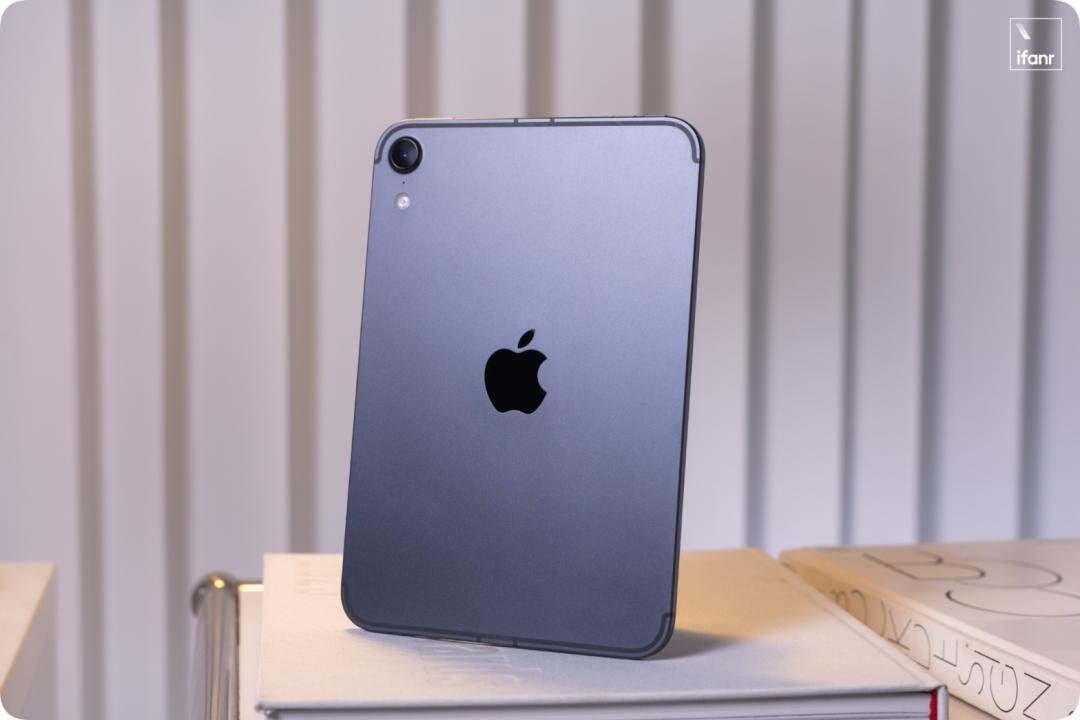
The ultra-slim 5.4mm body, no speaker openings across the chassis, and exquisite deep space black back panel bring full satisfaction. The OLED screen, nano-texture glass, and screen with slightly narrowed bezels adopted for the first time deliver a completely refreshed visual experience.
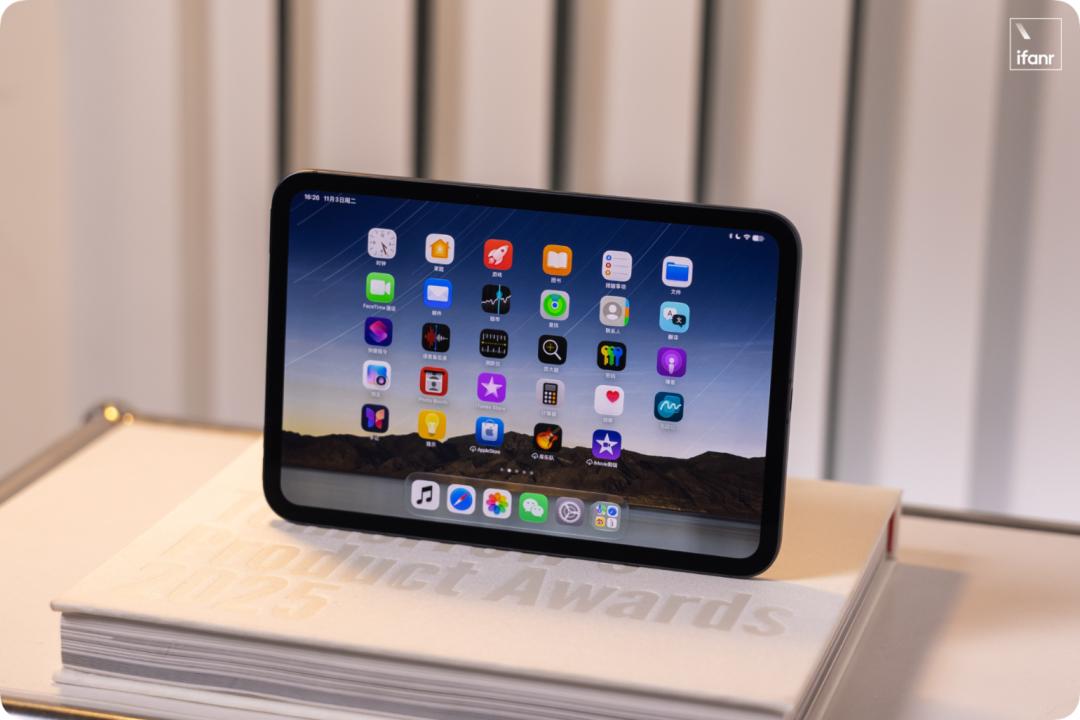
But the moment I first swiped the home screen, all that perfection was diminished.
It is also the most tangled model among all generations of iPad mini I have ever got. On one side is full of joy, on the other side is lingering hesitation — this complex emotion runs through the whole process of my use.
The most elegant iPad mini in history
The changes brought by the new iPad mini first appear on the appearance. Its design language is fully aligned with the Pro line: minimalism on the front, only 5.4mm in thickness, no speaker openings on the bezels, and the restrained, elegant Deco design on the back — this is probably one of the most beautiful shapes in the iPad family.
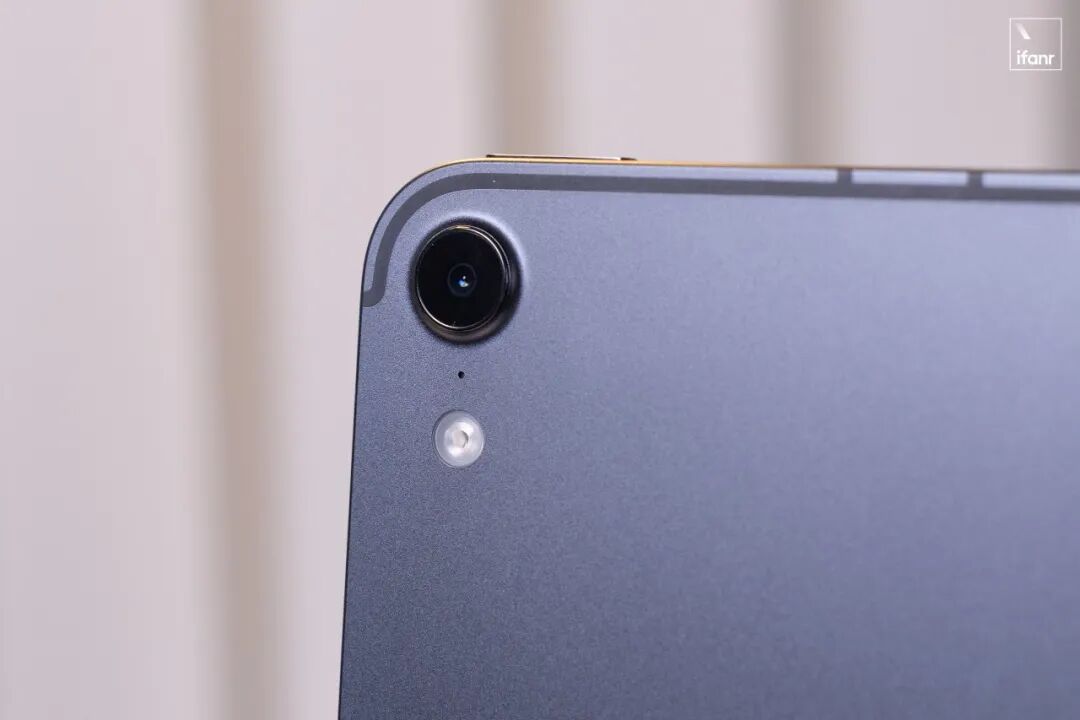
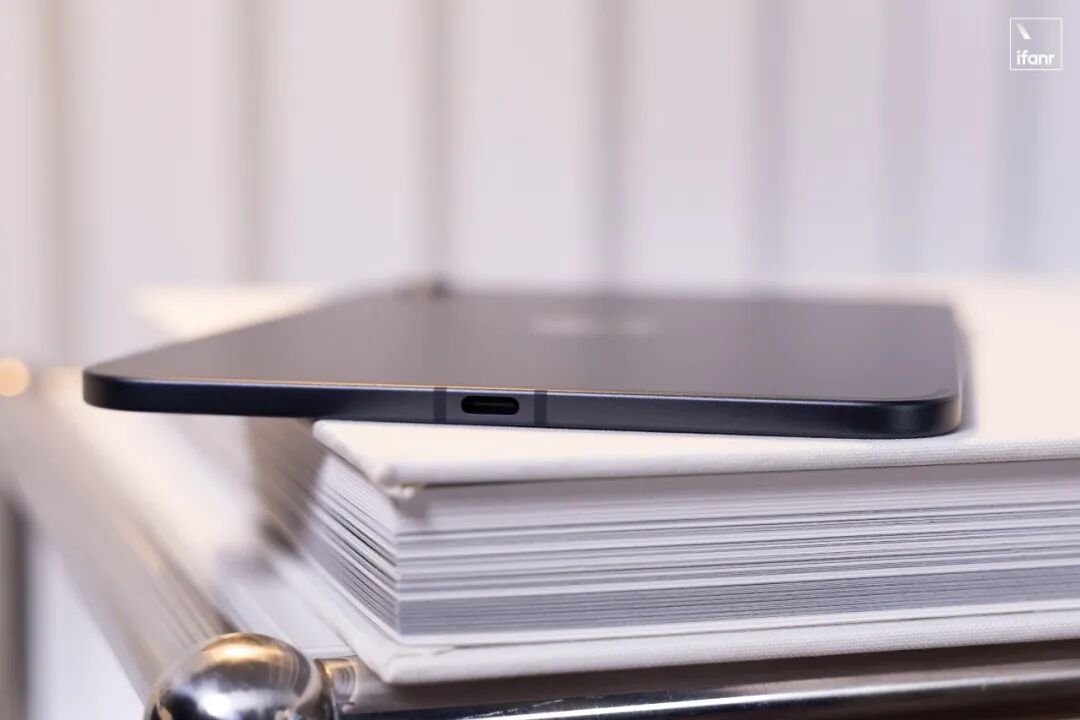
The overall size is very handy, the weight drops to 255g (263g for the cellular version), and you will not feel tired even holding it with one hand for a long time. There are only two restrained neutral color options left; there are no speaker openings on the whole body, and IP67 dust and water resistance is added for the first time.
But the real key upgrade of this generation is the OLED screen.
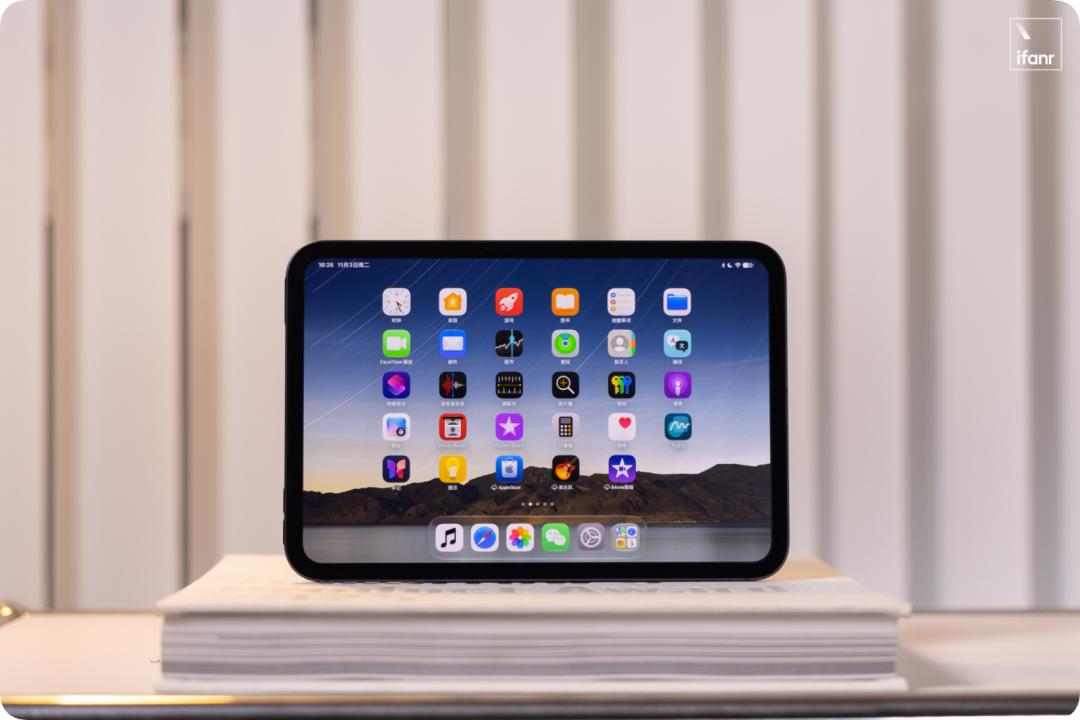
Photo | The Super Retina XDR display adopts OLED technology
Since the full iPhone 12 series switched to OLED in 2020, this has long been the standard configuration of Apple's mobile phones, and the iPad mini finally bids farewell to the LCD that has been used for many years. OLED brings pure black level, sharp high contrast, and significantly better HDR and color performance; the global brightness is increased from 500 nits to 600 nits, with a peak brightness of 1200 nits, the usability in outdoor sunlight that iPad mini users complained about in the past has also been improved at the same time.
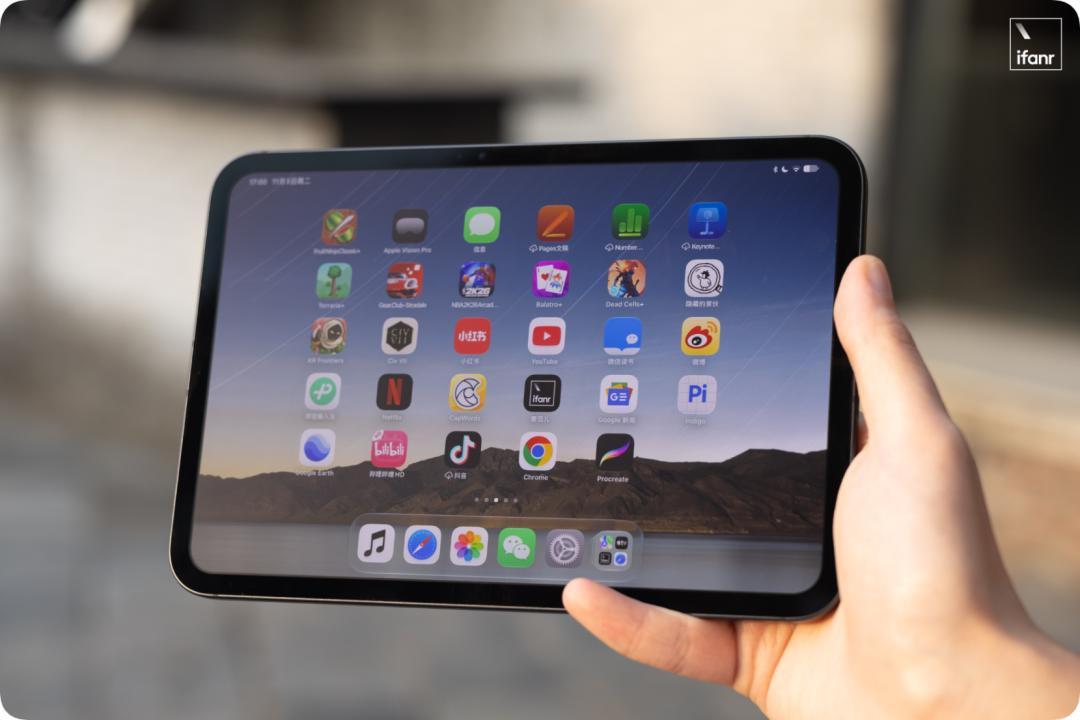
Photo | Nano-texture glass is a configuration that you will never want to give up once you use it
Apple also provides an optional upgrade of nano-texture glass for this screen, which is the same treatment as the iPad Pro. At first I didn't think it was special — just a frosted screen. Until I actually used it, I found that there is no obvious reflection on the screen under the light and in the sun, and the usability is improved far more than I imagined. It can be described as "once you use it, you can't go back".
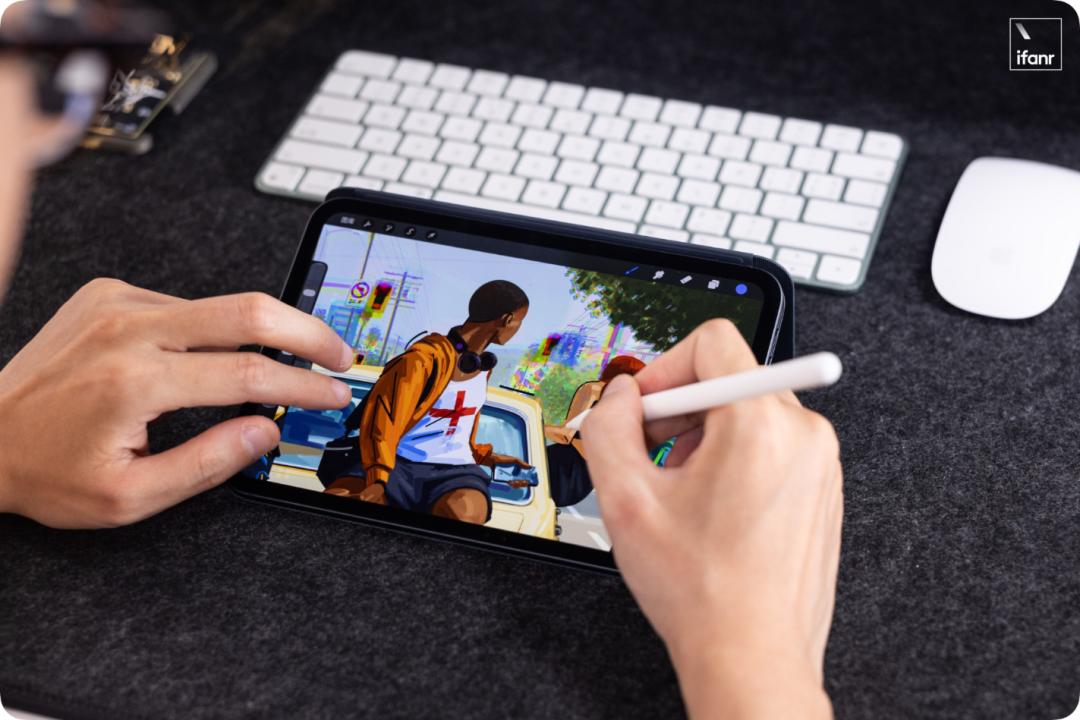
But it does not come without a price: the nano-texture is not stain-resistant, and oil stains from fingertips easily leave marks; this is a nano-texture directly attached to the screen, but its "graininess" is more obvious, making the "colorful" effect caused by diffraction when viewing a pure white page more obvious — even a little worse than the effect of the iPhone Duo nano-texture (which is called "screen protector" by social media) when viewing a pure white page; and choosing this version basically means you can no longer use a screen protector, so you still need to protect the screen carefully in daily use.
In actual use, we also found that its matte anti-reflection strength is slightly weaker than that of iPhone Duo and OPPO Pad mini: when facing a point light source, the outline of the light source will still be reflected on the screen. This should also be a trade-off made between screen clarity, contrast and soft light effect.
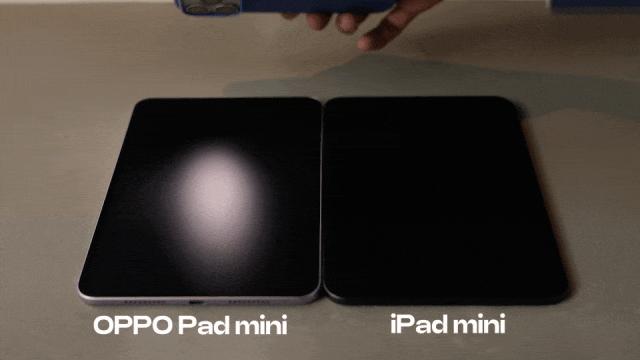
Photo | The soft light degree of the two devices is different
The bezels on all four sides are slightly narrowed, the 12-megapixel Center Stage front camera is moved to the long side, and the front is still a complete screen without any punch holes. The speaker openings have also disappeared — Apple uses the Acoustic Display screen sound-emitting technology to hide the tweeter between the glass panel and the aluminum metal body, and the woofer is placed at both ends of the display.
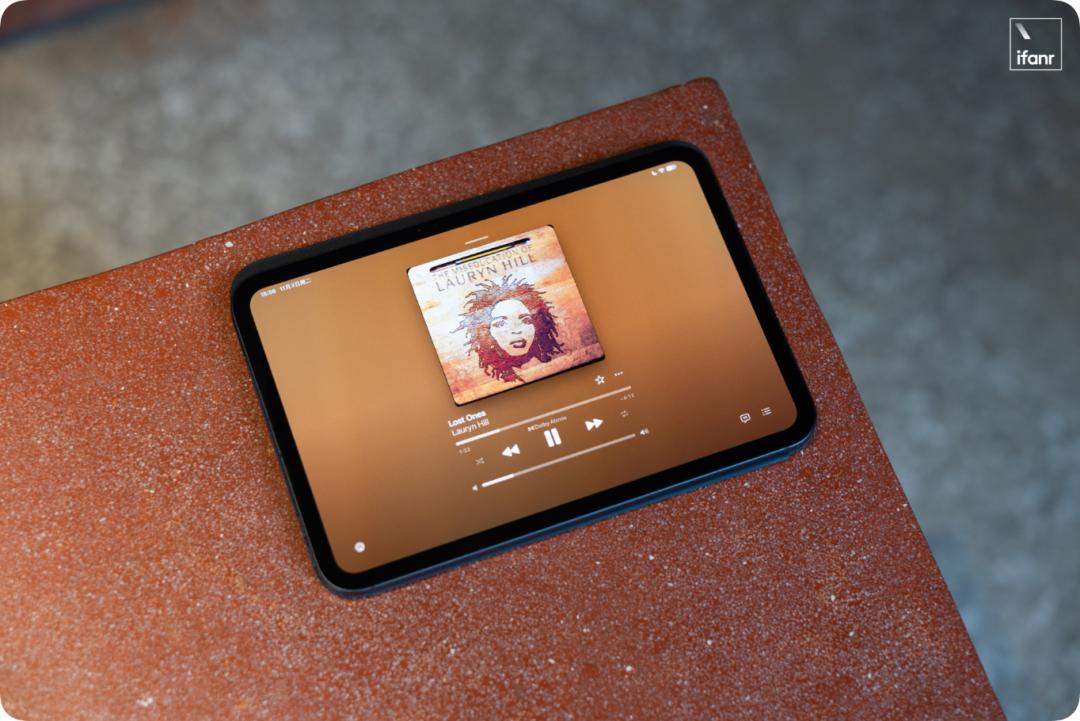
Photo | The maximum volume is even higher than that of iPad mini 7
Compared with the iPad mini 7, when both are turned to the maximum volume, the sound of iPad mini 8 is 5-6dB higher, and it has directivity towards the human face — the sound of mini 7 spreads to both sides. In contrast, holding the device horizontally will no longer block the speakers, which is a more practical improvement of this generation.
If the screen refresh rate deducts points from the screen of iPad mini 8, then the Acoustic Display technology does bring it back to a higher level.
In the past, some smart devices used piezoelectric ceramics and micro-vibration units to replace the earpiece in order to increase the screen-to-body ratio and compress the bezels (such as Sharp Aquos Crystal, Xiaomi MIX, vivo NEX, Huawei P30 Pro, etc.). Similar solutions work very well on extra-large size devices (such as TVs), but on small-scale devices like mobile phones and tablets, they generally encounter problems such as lack of low frequency, dry external playback, serious sound leakage, and hand vibration —
To put it bluntly, for a very long time in the past, screen sound emission was acceptable as a near-ear earpiece, but the effect as an external speaker was very poor.
On the iPad mini 8, Apple builds a high and low frequency separate path, panel coupling architecture, arranges woofers at both ends of the long side of the display, and uses the extra large edge area of the entire screen as a passive diaphragm to obtain deeper low frequency; in terms of high frequency, it does not rely on screen vibration, but hides the tweeter in the gap between the glass cover plate and the middle frame, to ensure that the high frequency part of human voice and music still has analytical power and crispness.
Apple's research on screen acoustics began in 2014, when it submitted the first related patent; later Apple acquired the British acoustic company Redux, and continued to release related patents in the following time. The Acoustic Display on iPad mini 8 is not only the embodiment of these technical accumulations, but also Apple's commercial product exploration for the future iPhone with no openings / more highly integrated body.
If there is anything that is not perfect, it is that spatial audio cannot be activated when holding the iPad mini vertically, and the sound will sound a little thin.
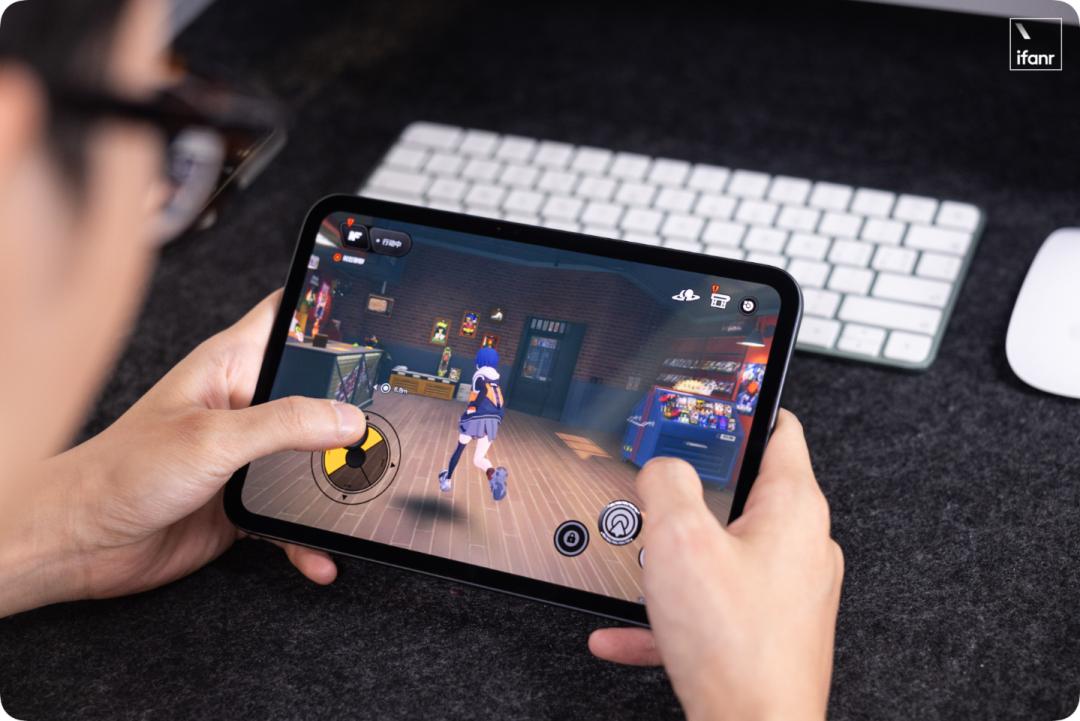
Photo | It is still the most suitable iPad for playing games
As for performance, the A20 Pro is more than enough on this small device, and gaming performance is still the long suit of iPad mini. In the actual test of running Zenless Zone Zero with full image quality for half an hour, the average frame rate is stable at 60 frames, the back of the body is only slightly warm, and the heat is mainly concentrated under the camera Deco. With the 263g (cellular version) body, holding it with both hands for half an hour of continuous fierce battles will not make your wrists sore.
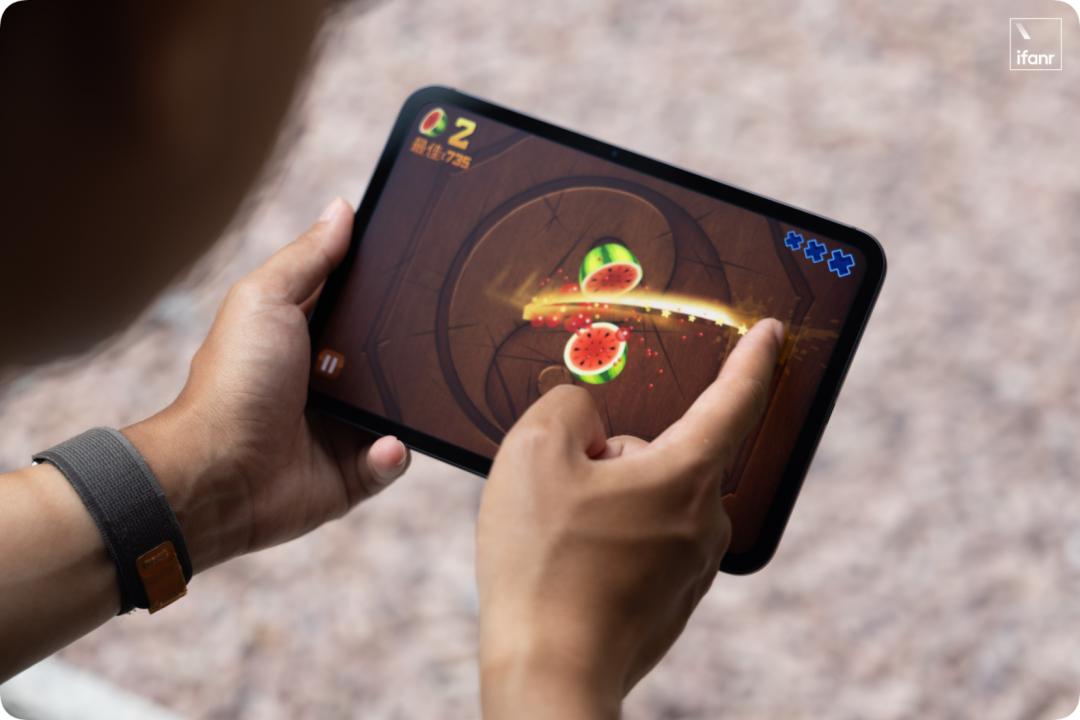
However, there are still some differences between the A20 Pro chip on iPad mini and that on iPhone.
In the past, when Apple differentiated performance on non-flagship devices, the common practice was to directly cut off several high-frequency gears of CPU and GPU, which was equivalent to cutting off the peak performance of the chip at one stroke. But on the A20 Pro of iPad mini, Apple adopted a different approach: it cuts off part of the high frequency, but keeps the maximum high frequency, the single-core burst performance remains, but in some scenarios that require continuous performance, it is not as durable as the iPhone.
According to the data currently read by the software, the maximum frequency of CPU, GPU and ANE of the A20 Pro on iPad mini is the same as that of the chip on iPhone, only three middle high frequency gears (4704MHz, 4752MHz, 4872MHz) are cut off. To obtain instant burst performance, it jumps directly from 4656MHz to 4932MHz. This choice may also be related to the fact that the iPad mini 8 does not have a built-in vapor chamber.
In terms of battery life, this generation of iPad mini 8 is equipped with a 4900mAh battery, which is 100mAh slightly smaller than the previous generation, but there is little difference in battery life after actual experience.
Tested by the ifanr Tangzhi Factory Laboratory, this generation of iPad mini does not support the AVS charging protocol, and actually adopts the 15V PD fixed protocol commonly used by iPads in the past. When using a power adapter over 35W (the original charger is 20W), the stable charging power is 26W when the battery is low, the peak is 28W, and it can be charged to 50% in about half an hour.
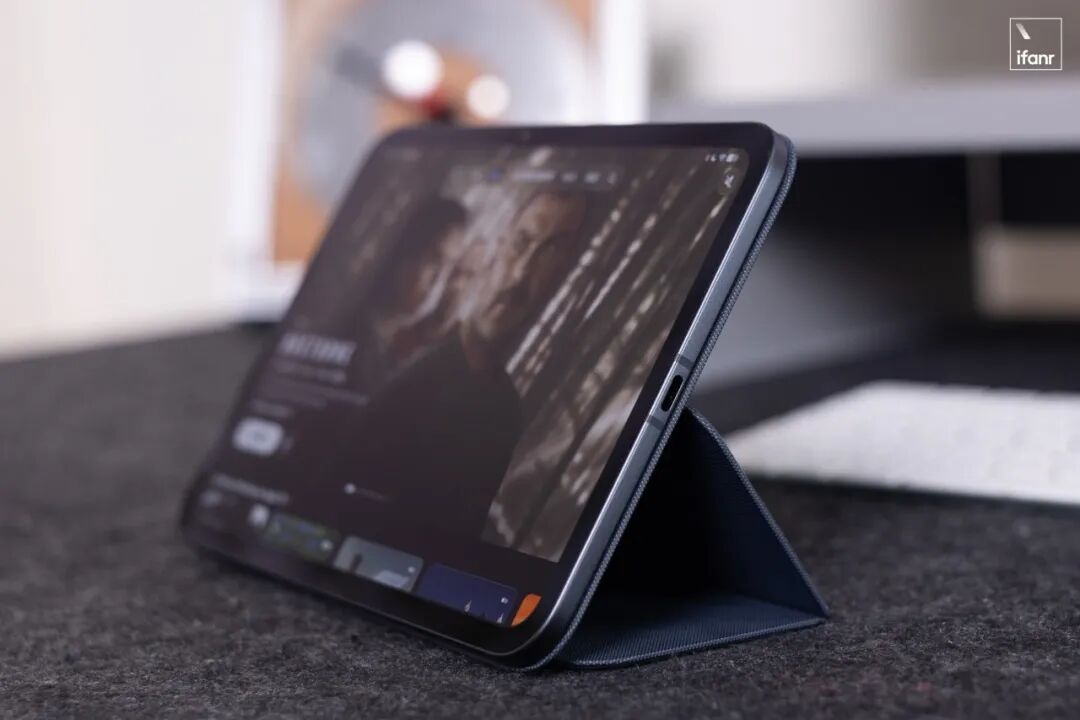
The redesigned Smart Folio is the most commendable accessory of this generation. The two-section structure makes it very stable when placed horizontally on the desktop, providing 3 support angles; What's more wonderful is that when you flip it back and hold it with one hand, a step similar to Kindle Oasis will naturally form on the back of the body, where your fingers can just get stuck, and the center of gravity is stable.
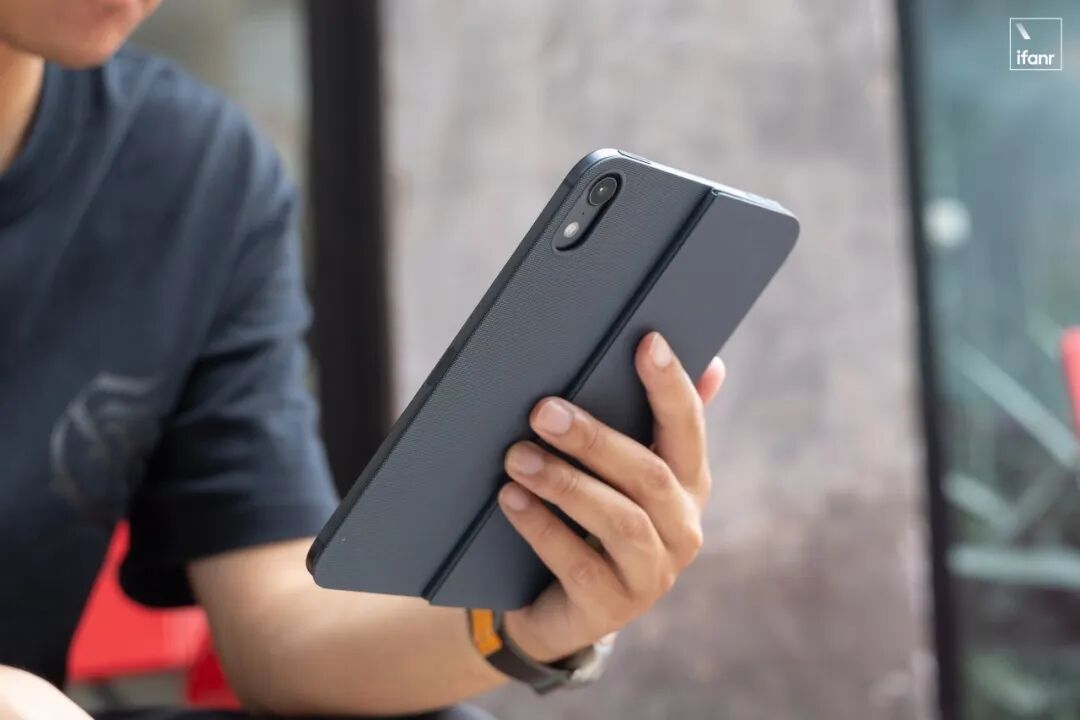
To be honest, when I used the new iPad mini immersively, the experience was really quite good — until I picked up the iPhone 18 Pro on the table, looked at the 4K 160Hz display, I still can't ignore the 60Hz refresh rate screen of this iPad mini.
We are already at the end of 2026, no mainstream mobile phone / tablet device should use the outdated 60Hz refresh rate anymore.
But there is no way, Apple did it this way, which is puzzling.