One-click Generation of Interactive Games from Teaching Materials: 700 Users Registered on NarrativeOS in Its First Month
Built on generative AI, this platform adopts a four-layer technical architecture that can convert knowledge and cultural IP into interactive digital experiences. It has obtained multiple software copyrights and patents, with over 700 registered users in the first month and an active user ratio exceeding 67.3%, and has launched cooperative projects with Longman Singapore Publishers and Qisi Secondary School in Hong Kong. It is understood that the financing funds from this round will be mainly used for product marketing and expansion, the promotion and implementation of student-end products, as well as supplementing R&D investment of the team to accelerate the construction of the AI interactive knowledge ecosystem.
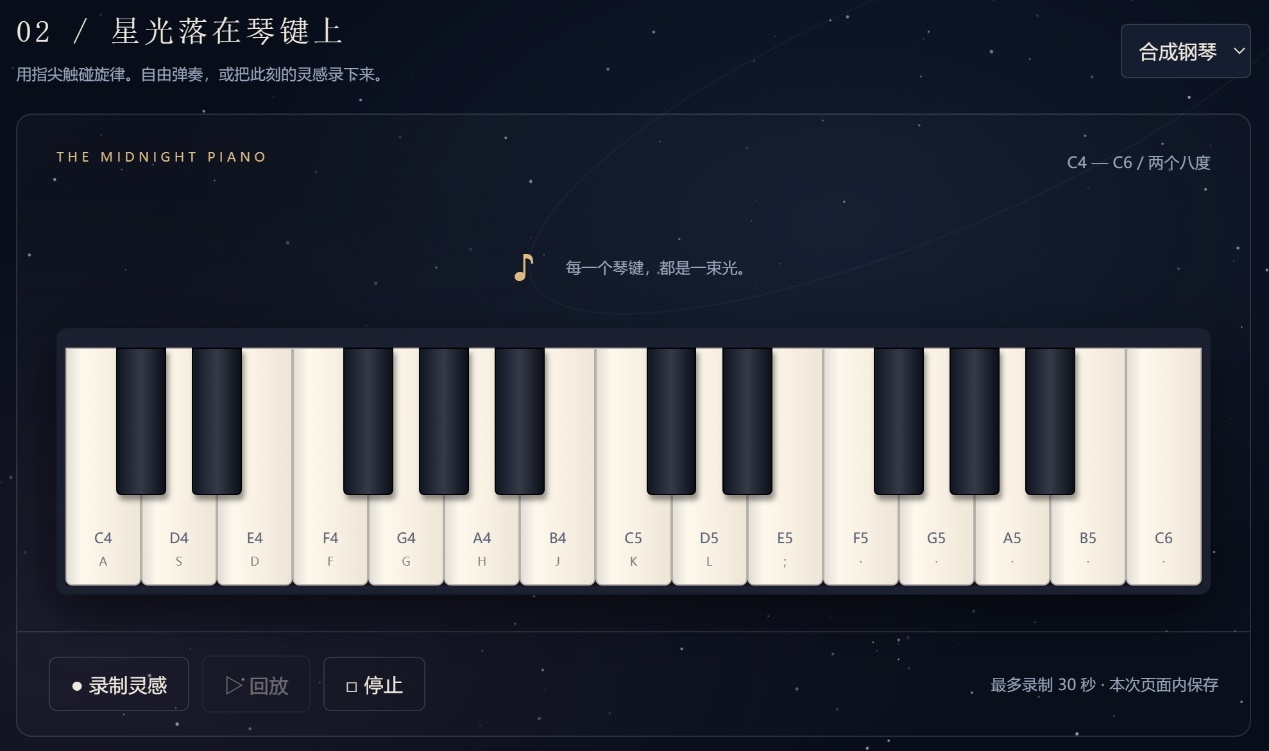
NarrativeOS is a self-developed AI-native interactive knowledge experience platform. Based on generative AI technology, it builds a four-layer technical architecture covering the foundational large model layer, knowledge intelligence layer, experience intelligence layer and application delivery layer. It has self-developed interactive situational music, scene and special effect material libraries, integrating capabilities of content understanding, multimodal generation, interactive narrative and situational learning design, to transform teaching materials, knowledge content, literary works and cultural IP into explorable, participatory, interactive and feedback-enabled digital experiences. At present, the project has applied for three software copyrights, multiple trademarks and patents, and relevant research results have been published in core journals in the field of digital humanities. The platform had more than 700 registered users in the first month, with the proportion of active users exceeding 67.3%, and has launched cooperative projects with Longman Singapore Publishers and Qisi Secondary School in Hong Kong.
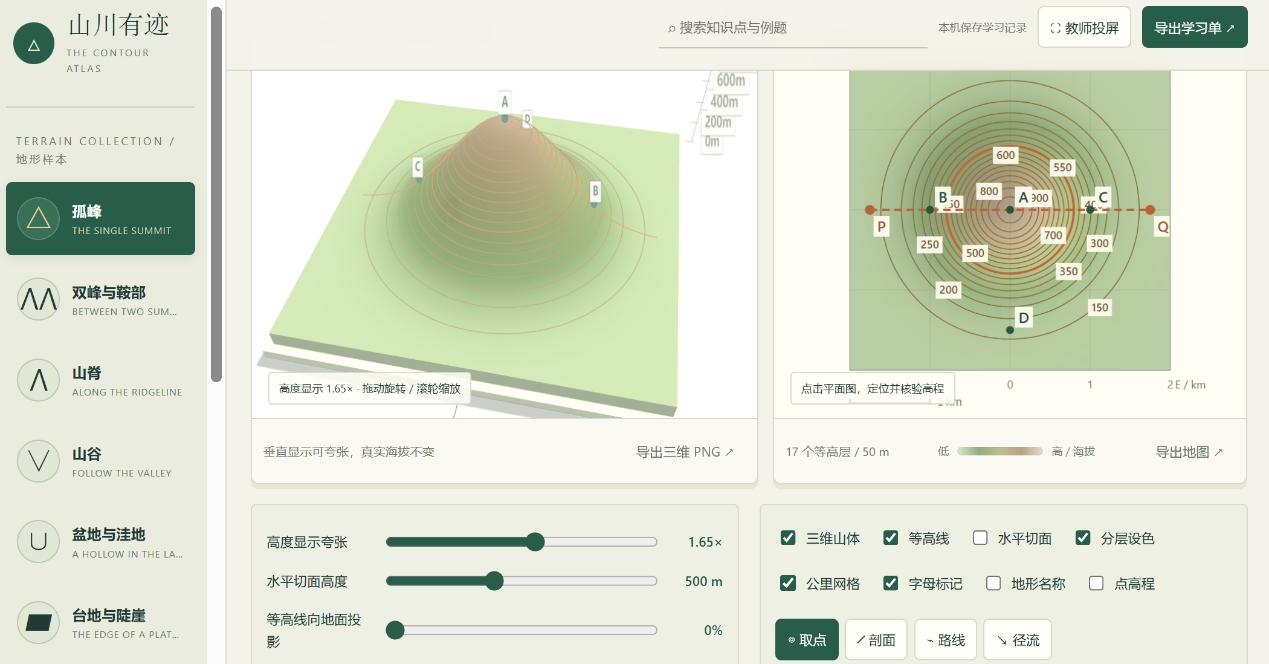
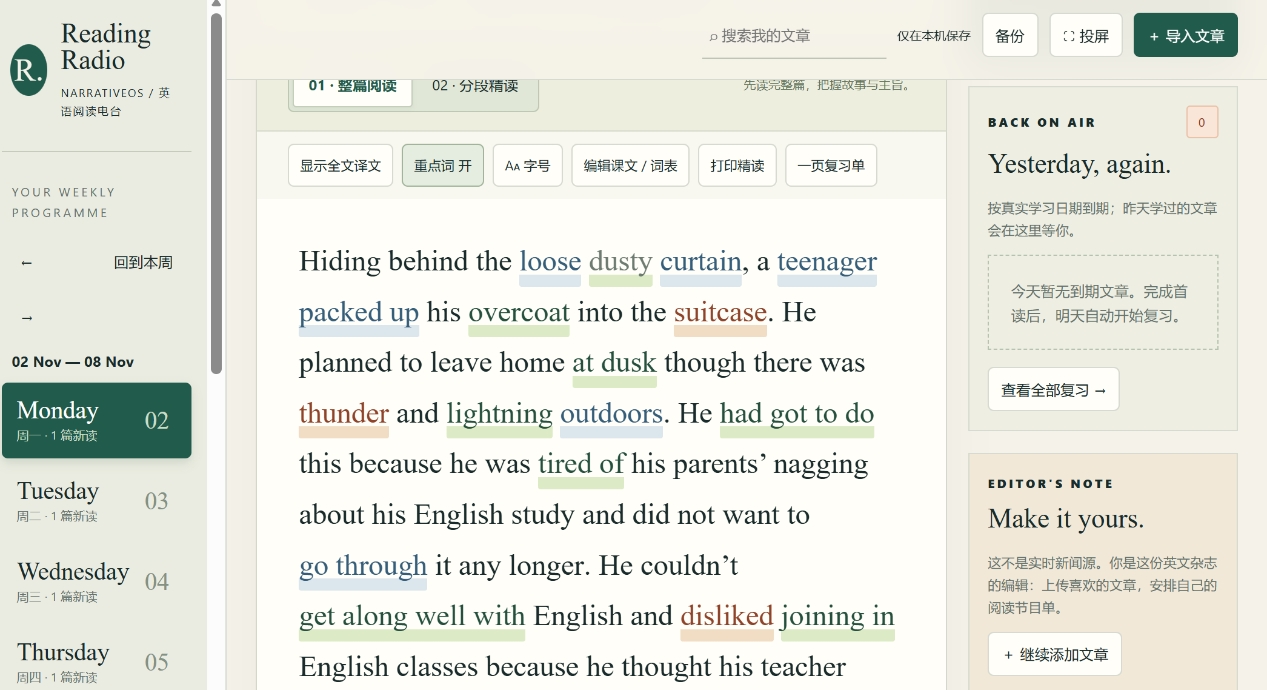
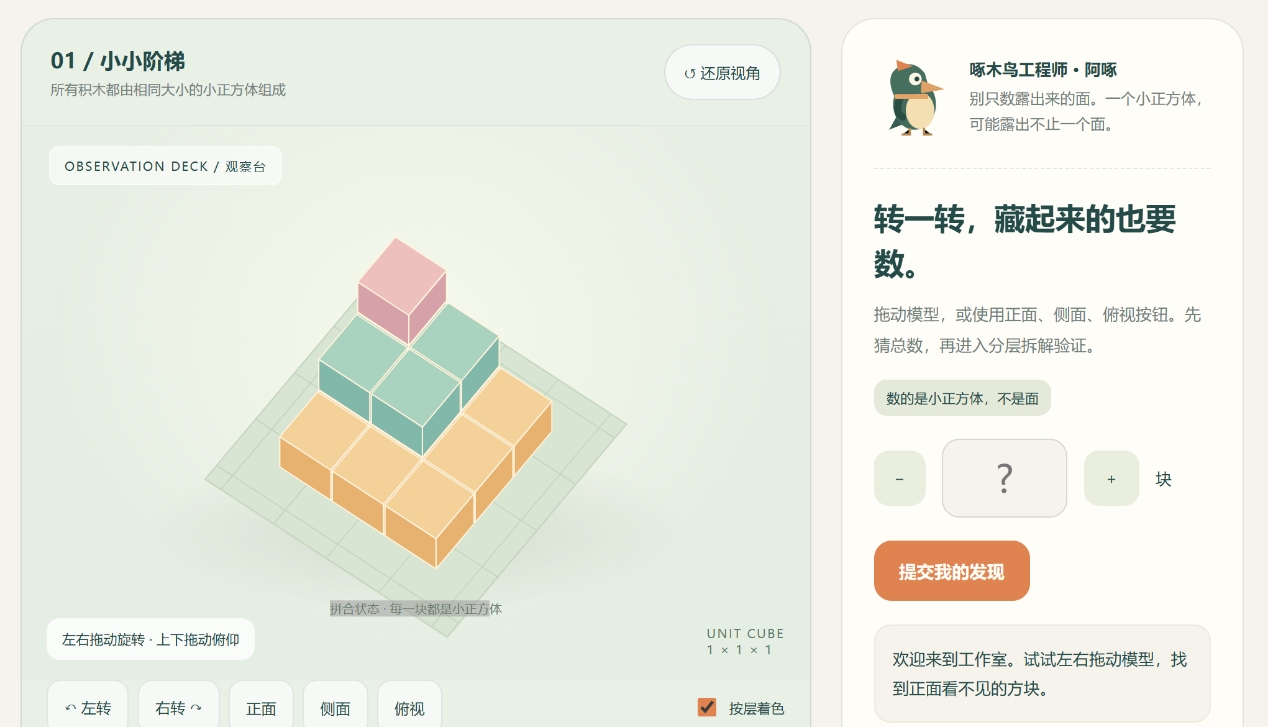
At present, the AI education and digital cultural industries have completed the first two stages of development: information digitization and content generation. The industry is generally facing a structural gap: massive amounts of digital content have been accumulated, but the basic capability to convert knowledge into participatory experiences is widely missing. For the education sector, the production of high-quality situational, project-based classroom content requires the collaboration of multiple roles including teaching researchers, screenwriters, artists and programmers, which features a long cycle, high cost and difficulty in large-scale replication. For the cultural and cultural tourism sector, museums and cultural tourism IP have rich content assets, but the threshold for converting them into interactive experiences is high, making it difficult to realize online-offline integration. Current industry competition has not yet covered the application layer at the intersection of AI-native creation, learning intelligence and interactive experience. NarrativeOS breaks away from the inherent path of general AI education products that focus on Q&A and explanation, and traditional interactive tools that rely on professional development capabilities. Its core differentiated advantage lies in the realization of a smooth workflow that supports editing at all process nodes and one-click white-box collaboration, and has completed the full link of generating super-large interactive educational games from text content with one click, with output quality at the top of the industry. At the same time, backed by the accumulated user assets and content reserves, it breaks away from homogeneous competition and forms unique core competitiveness.
NarrativeOS has no public financing records before, and this angel round is the first publicly disclosed financing event since the establishment of the company. At the current stage, the core challenges faced by the company are concentrated in two aspects: first, the investment in the marketing and publicity sector is limited, and there is still much room for expansion of brand reach; second, the large-scale implementation and promotion of student-end products require more capital and resource support. At present, the team is prioritizing polishing core scenarios around the verified tool capabilities to iterate products quickly with minimal investment.
The founder and CEO of NarrativeOS said: "Knowledge is not only something to be instilled, but something that can be actively experienced, chosen and gone through."
As the core leader, founder Josephine has many years of front-line teaching experience in international education. She once served as the head of humanistic innovation smart education R&D for schools in Hong Kong and Macao, and an AI curriculum researcher in Hong Kong, and is herself a deep practitioner in education scenarios. All core team members come from leading internet enterprises, top universities and front-line international education practitioners, including CTO Eden who has more than six years of full-stack AI development experience in large factories and led the construction of cloud-native architecture, as well as senior members in various fields deeply engaged in content planning, user operation and UI design. Together with the academic advisory team composed of highly cited scientists from Stanford and former core engineers of iFlytek, they form composite capabilities that cover education scenario understanding, AI technology implementation and content creative production at the same time.
Nowadays, the supply side of AI content generation has entered a relatively saturated stage, and users' demand for high-quality knowledge experiences is being released rapidly. NarrativeOS has identified the blank track between "content generation" and "experience implementation". Relying on the team's gene of understanding education and emphasizing experience, it is gradually building an AI interactive content ecosystem with the participation of educators, learners and content creators, giving the originally static knowledge and content more possibilities for in-depth understanding, immersive experience and wide dissemination.