Autel Releases AAGI Air-Ground Intelligent Solution, Enables Unmanned Swarm Collaborative Operations Through the AIP Platform | Frontline
Author | Huang Nan
Editor | Yuan Silai
Recently, Autel Intelligent launched the AAGI (Autel Air-Ground Intelligence) solution brand in Shenzhen, and jointly launched the AIP base and three industry application platforms including EIS 2.0, Avant Hub 2.0 and Skyshield 2.0 in partnership with Daohe Tongtai and Saifang Technology.
At the event site, Autel demonstrated the collaborative operation of air-ground equipment including drones, unmanned vehicles, robots and intelligent docking stations.
AAGI is not a standalone hardware product, but a collaborative system that connects aerial drones, ground robots, unmanned vehicles and industry-specific software. Wang Yuelu, CEO of Autel Intelligent, summed it up as "collaboration between digital intelligent agents and physical intelligent agents": through standardized products, scenario-based customized services and end-to-end delivery, air-ground capabilities can be integrated into actual business workflows, rather than remaining at the level of single-unit demonstrations.
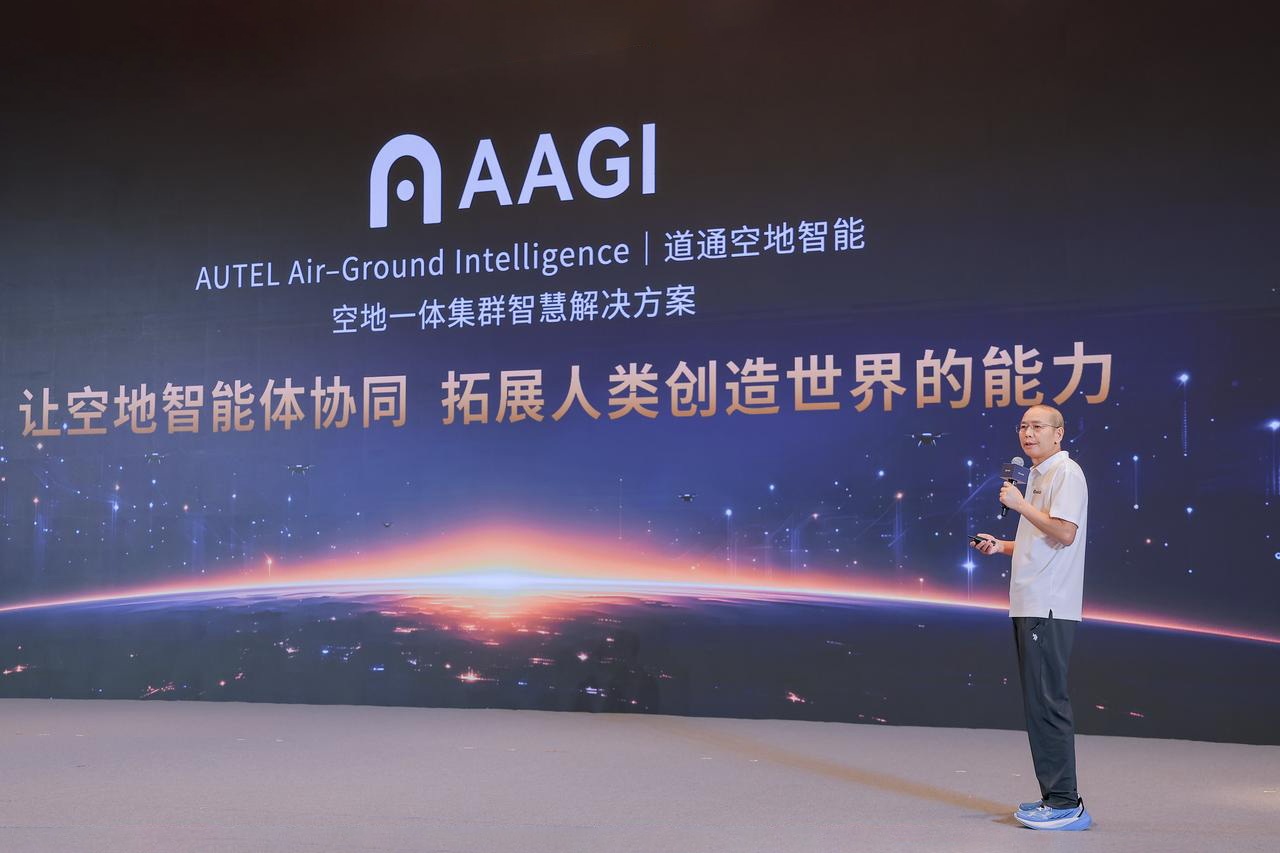
Autel Air-Ground Intelligence (Source / Enterprise)
This shift corresponds to the ongoing changes in the unmanned equipment industry. In scenarios such as transportation, energy, industrial parks and public safety, long-standing common pain points include wide patrol coverage, a large number of repetitive operations, and difficulties in cross-system connection for exception handling.
As the number of equipment such as drones, unmanned vehicles and robots increases, the focus of the industry has shifted from "whether the equipment is available" to "whether the equipment can collaborate with each other, whether information can be aggregated, and whether business systems can be interconnected". Single-unit capability is no longer a scarce resource. The stable division of labor of heterogeneous equipment in the same task and the closed business loop from detection to disposal are becoming new thresholds.
However, the engineering difficulty of heterogeneous collaboration is often underestimated. Drones and unmanned vehicles have significant differences in perception perspective, motion dynamics, communication conditions and computing power constraints. Tightly coupled decision-making and limited communication bandwidth make stable collaboration far more complex than single-unit control.
The engineering path provided by AAGI is the AIP platform: taking business ontology as the core, associating regions, facilities, equipment and tasks, converting operation requirements into solutions that can be executed by different equipment, while personnel retain the right of confirmation and supervision in key links.
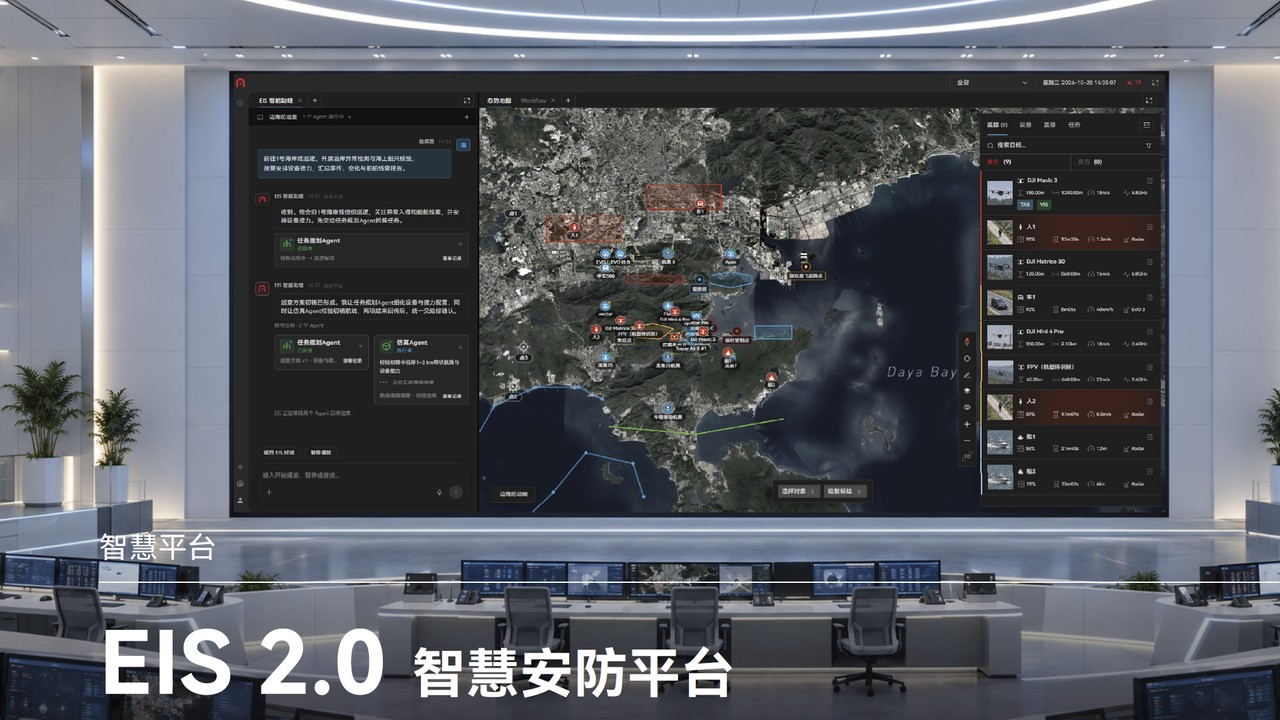
Autel EIS 2.0 Smart Security Platform (Source / Enterprise)
Above the platform layer, different industry applications are targeted at security, inspection and low-altitude safety respectively. EIS 2.0 supports task issuance through dialogue and maps, and centralized viewing of equipment locations, on-site images and execution progress, which is suitable for regional security, police law enforcement and emergency rescue in complex environments. Avant Hub 2.0 is oriented to power, oil and gas, expressway and industrial park inspection, matching images and locations with specific equipment, road sections or facilities, and connecting to customers' original work order systems. Skyshield 2.0 aggregates target clues, trajectories, alarms and images from different detection equipment, and supports key area on-duty and authorized disposal.
The underlying consensus of the three is that AI and unmanned equipment are not new independent systems separated from the site, but deeply integrated into the original post processes, undertaking part of the operation links, making up for the shortcomings of manpower, and operating in coordination with on-site personnel and existing equipment.
The equipment matrix is the physical foundation for the implementation of AAGI. On the air side, the EVO III series is upgraded around autonomous operation, environmental perception, networking collaboration and open mounting. APEX provides 10kg-level mounting capacity, supports multiple mounts and cross-unit collaboration. The Dragon Fish series undertakes long-endurance and wide-area patrol, and the supporting docking station supports remote task issuance, automatic take-off and landing, and automatic battery replacement.
On the ground side, the Explorer Flex can switch between wheeled and flight forms, penetrating into indoor, underground and narrow spaces. The Docking Station 2 supports normalized unmanned on-duty. The Ranger series has launched the wheeled robot R1-W and the biped robot X1, which are oriented to park inspection, facility operation and maintenance, public area patrol and emergency support.
In addition, Autel also disclosed the follow-up plans for the unmanned vehicle Pioneer series, the vector drone Vector, and the Titan 100 heavy-lift transport drone, and related products will be promoted in stages combined with the progress of R&D and verification.
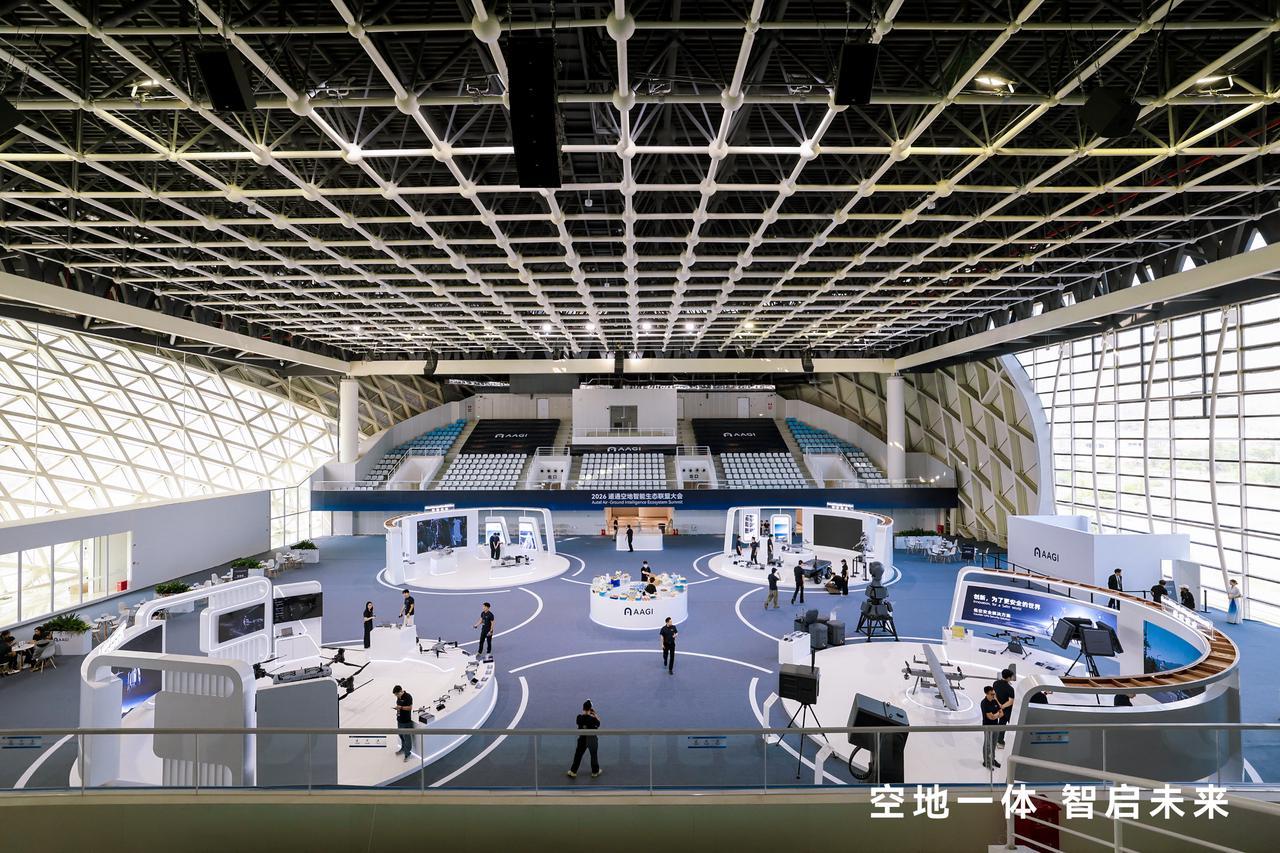
Autel Air-Ground Equipment (Source / Enterprise)
From a strategic perspective, Autel is extending from an equipment supplier to a system solution provider. Relying on the intelligent hardware platform of Autel Intelligent, AAGI integrates the industry brain model capability of Daohe Tongtai and its technical accumulation in the fields of electric power, oil and gas and transportation, as well as Saifang Technology's experience in the field of low-altitude safety, to jointly promote application construction and collaborative delivery.
In terms of delivery methods, Autel combines standard products, FDE (Field Delivery Engineer) and full-process services: standard products provide reusable software and hardware bases, FDE is responsible for on-site adaptation and business process docking, and full-process services cover deployment, training and subsequent operation and maintenance. At the same time, AIP precipitates verified industry rules, operation processes and equipment access capabilities into reusable modules, so that new projects do not need to be integrated from scratch, reducing the cost of repeated development and on-site debugging.
The focus of this delivery structure is not just to sell equipment to the customer site, but to gradually convert the collaborative operation capability into a replicable and maintainable system capability.
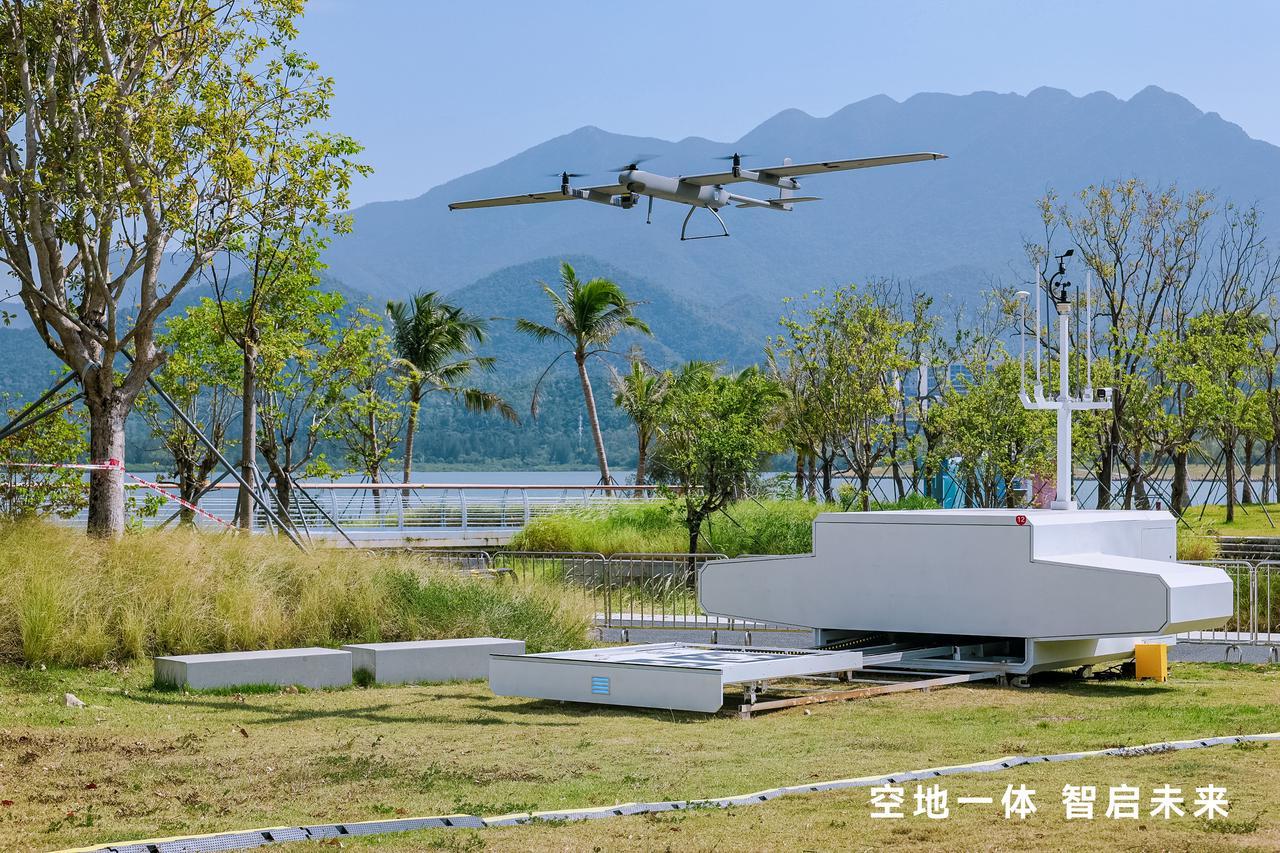
Autel Air-Ground Intelligence Solution (Source / Enterprise)
Intelligent operation of unmanned clusters is moving from "single-unit demonstration" to "systematic operation", but the competitive focus at this stage is no longer the parameter upper limit of a single piece of equipment, but the stability of the collaborative system in repetitive tasks, the interconnection capability of heterogeneous equipment, the fault self-scheduling and fault-tolerant mechanism, as well as the long-term operability and large-scale replicability under actual working conditions.
At the commercial level, Autel adopts the "project + channel" approach for promotion, and explores the pay-per-Token model for AI large model services. This model is still in its early stage: the long-term reliability of air-ground collaboration, the delivery consistency of multiple equipment at different sites, and whether AI services can form a sustainable payment structure still need to be verified by more real projects.