Today is a suitable day for rest. Wang Teng has released two new sleep technology products, targeting Oura and Eight Sleep | Frontline
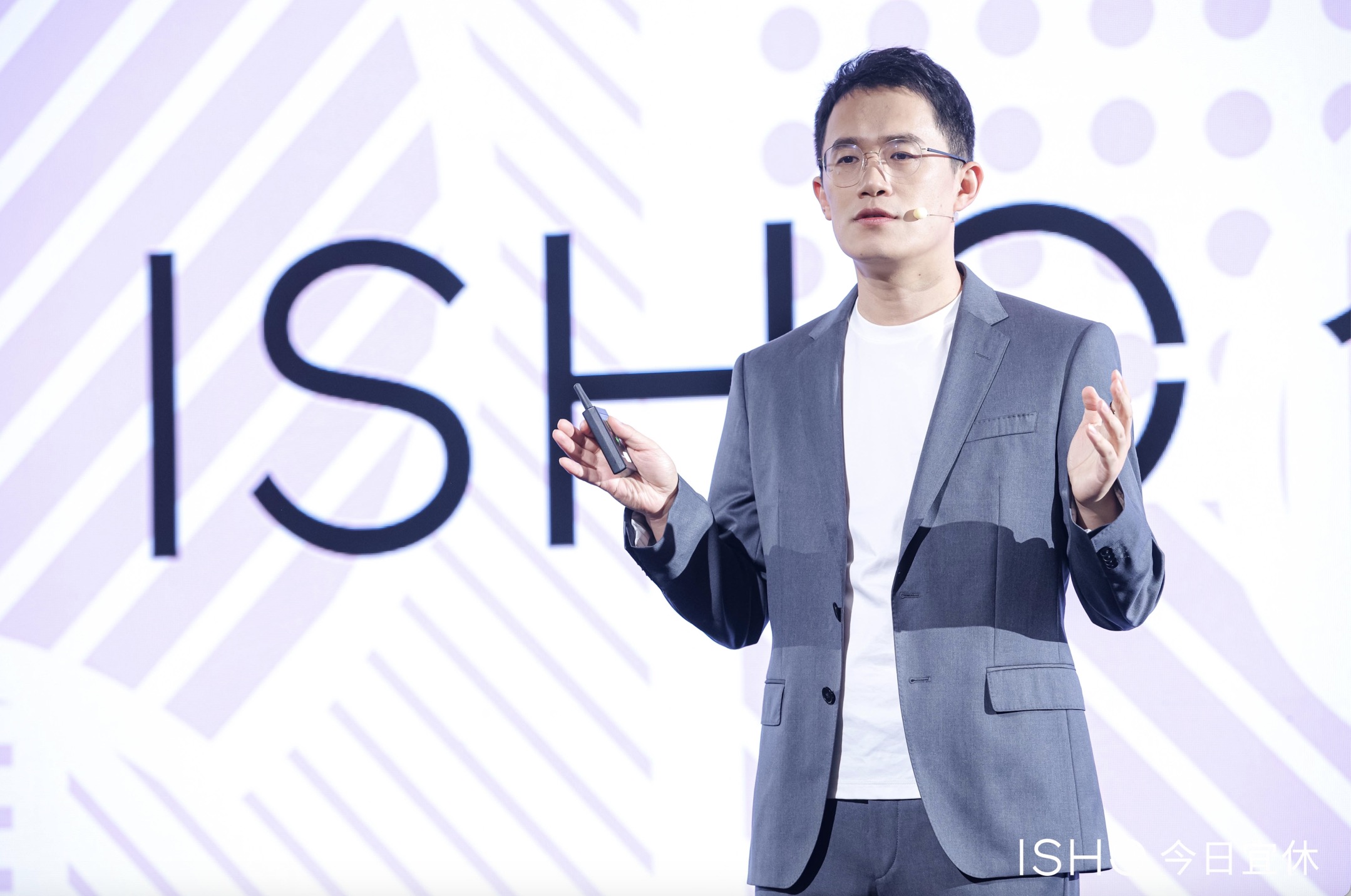
Wang Teng, Founder of ISHO (Source: Enterprise)
By Ou Xue
Edited by Yuan Silai
Sleep, a scenario that takes up one third of human life, is becoming a new battlefield for AI hardware competition. On October 29, ISHO launched two flagship new sleep technology products in Beijing — the ISHO Ring smart ring and the ISHO iFlow intelligent temperature control system, and rolled out ISHO Intelligence, an AI technology system for personal sleep health.
After smart wearable devices have long focused on the "16 hours of waking time", ISHO attempts to extend its technical capabilities to the "8 hours of sleep". Wang Teng, Founder and CEO of ISHO, said that in the past, sleep products only had monitoring functions without intervention, making it difficult to form a large-scale market. The maturity of AI capabilities has made it possible to implement the closed loop of "monitoring - analysis - intervention - evolution".
Shifting from passive monitoring to active intervention. The underlying logic behind this choice lies in the data quality advantage of the sleep scenario. Wang Teng said in a group interview that people are in a state of complete relaxation and almost no movement during sleep, so the signal collection quality is much higher than that in the daytime.
As ISHO's first health monitoring product, the ISHO Ring has been evaluated against the benchmark of Oura since its debut. Wang Teng made it clear on Weibo before: "We will be more cost-effective than Oura."
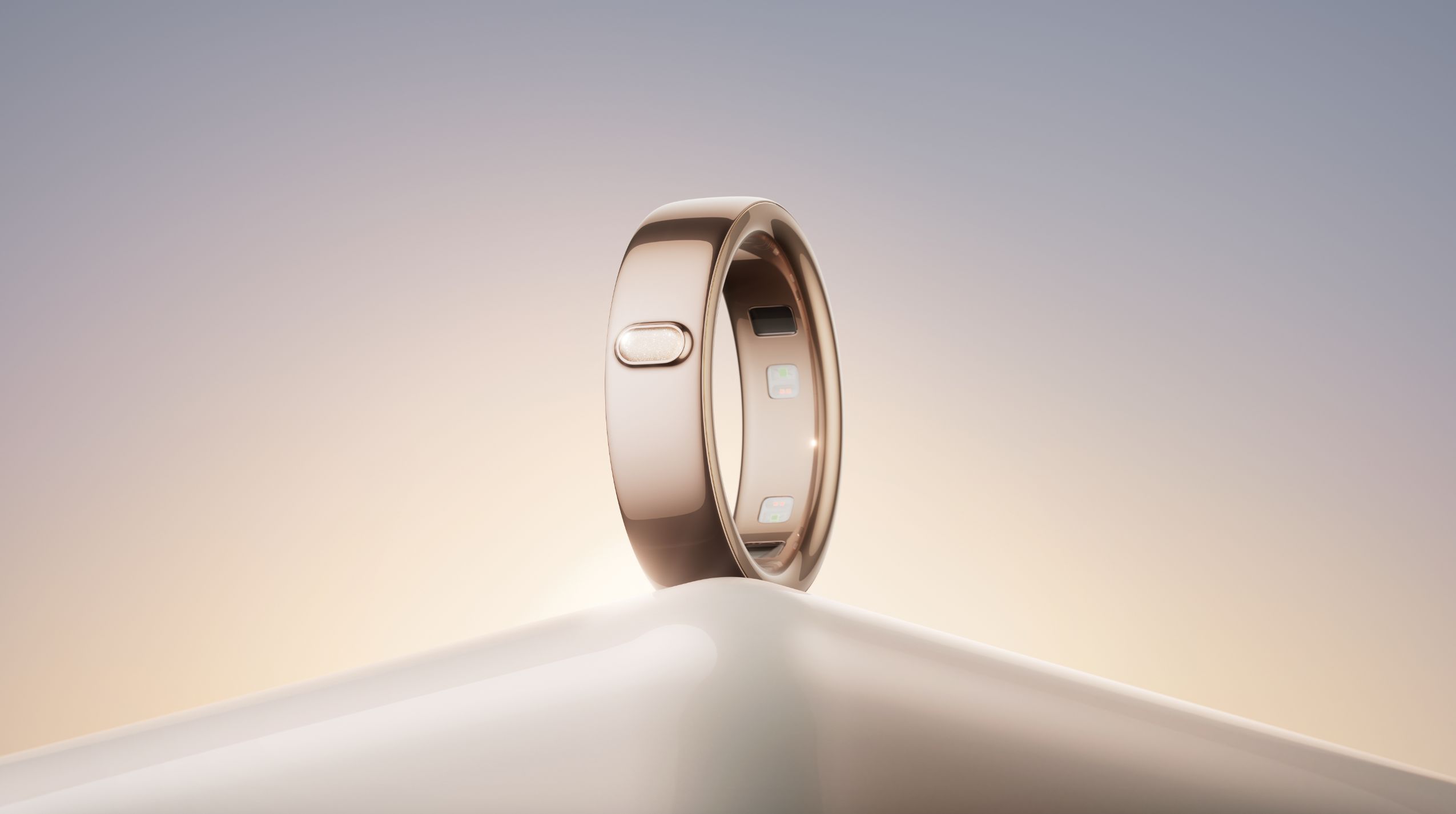
ISHO Ring (Source: Enterprise)
From the perspective of hardware parameters, the ISHO Ring adopts more aggressive configurations: it is the world's first product equipped with the Apollo 330B Plus chip, with 32MB of storage, supporting independent operation of on-device AI, and a battery life of 6 to 10 days. For comparison, the Oura Ring 5 has a maximum battery life of 8 days.
The more critical difference lies in the charging model. Oura's core health analysis functions are unlocked via a subscription system, with a monthly fee of $5.99 or an annual fee of $69.99, and non-subscribers can only view three basic daily scores. ISHO has chosen a route where basic functions are free of charge, and only some AI functions that consume Tokens in the future will be charged.
However, Oura's accumulated first-mover advantage cannot be ignored. The ISHO Ring continuously monitors 18 types of data mainly through multi-sensor fusion. It is worth noting that the sensing charging dock of the ISHO Ring Pro version also integrates a 5-in-1 environmental monitoring function for CO₂, temperature, humidity, noise and indoor light, which rarely combines physical and environmental monitoring directly.
In the smart ring track, Wang Teng's judgment remains very rational. Citing data, he said that the total global scale of smart wearable watches and bands exceeds 100 million units, while the smart ring market is still at the 10-million-unit level. In the early stage, restricted by semiconductor processes and device miniaturization, the form and experience were not yet mature. As the process matures, the differentiation of smart rings will be sufficiently obvious, and there is an opportunity to achieve a scale of tens of millions or even larger in the future. He also emphasized that the entry of leading technology companies will jointly expand the market influence of this product category.
If the ring is designed to "understand the status", the ISHO iFlow tries to "change the status". The most direct reference for this product category worldwide is Eight Sleep. The latest generation of Eight Sleep Pod 6 starts at $1,999 for the single version and $2,699 for the standard double version, and users still need to pay extra for the Autopilot subscription (starting at $199 per year) to unlock the full automatic temperature control and health analysis functions.
The pricing strategy of iFlow is clearly targeted at this price range. The starting price is 9,999 yuan, the Pro version starts at 12,999 yuan, and the co-branded version starts at 15,999 yuan. Wang Teng frankly said in the group interview that the price range of similar products from competitors in China is between 18,000 yuan and 24,999 yuan, and the pricing of iFlow is "about 60% to 70% of that".
In terms of technical routes, both iFlow and Eight Sleep adopt the architecture of unobtrusive bed surface monitoring plus active temperature control, but their implementation methods are different. The Eight Sleep Pod 6 increases the sensor density to 9 times that of the previous generation, with 18 biosensors on each side, and completes temperature regulation through water circulation. The Hub is half the size of the previous generation and can be hidden under the bed.
iFlow uses dual BCG sensing bands to capture heartbeat, respiration and body movement, cooperates with 8 body temperature sensors and 1 bedroom temperature and humidity sensor for zonal collection, and the Pro version adds a 512-point flexible pressure sensing array to identify sleeping postures; the temperature regulation end adopts TEC semiconductor modules plus water circulation, and the Pro version is upgraded to 6 sets of TEC with 900W heat dissipation power.
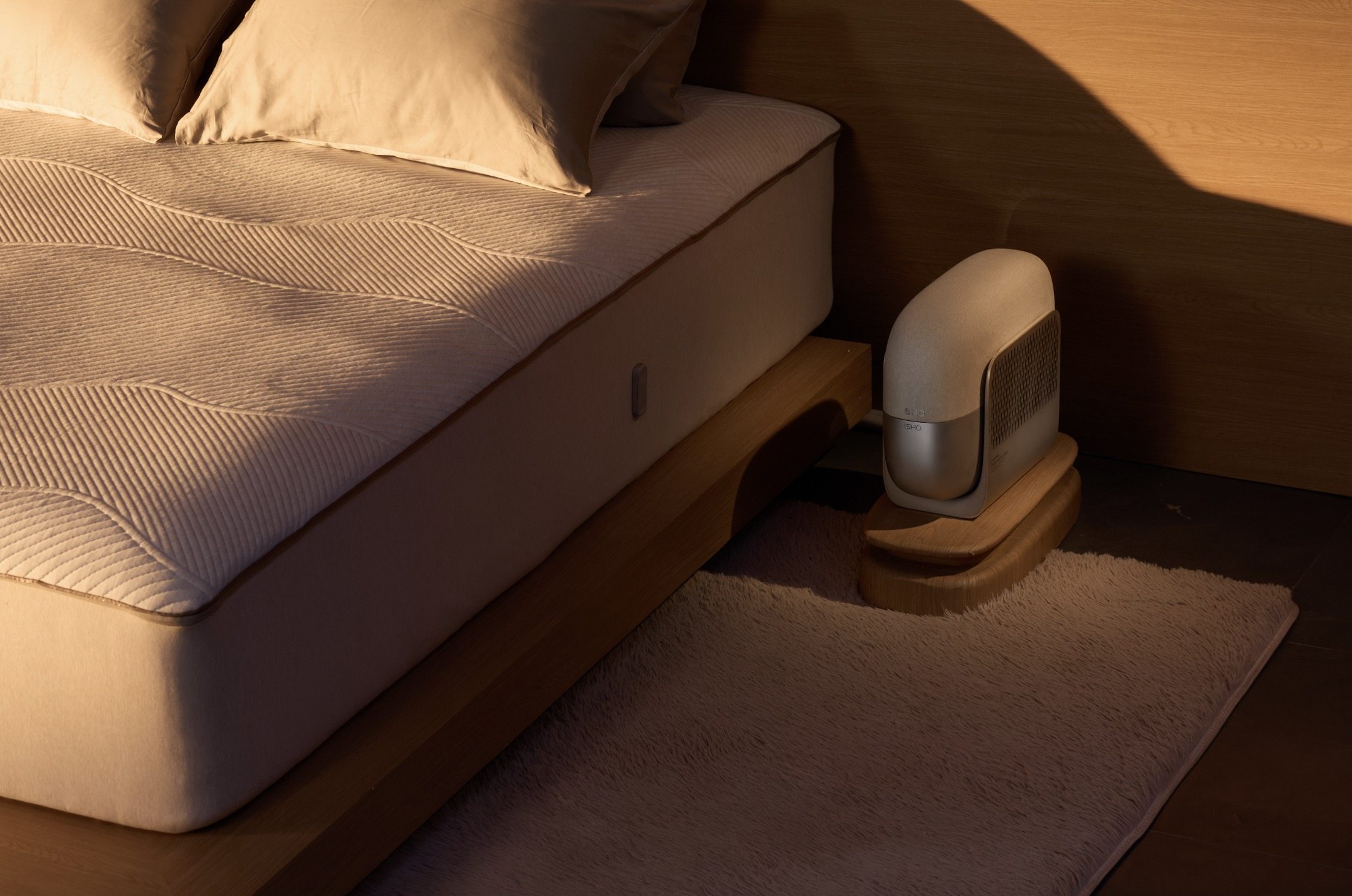
ISHO iFlow (Source: Enterprise)
Wang Teng attaches great importance to the monitoring accuracy of iFlow, and the statistical data accuracy shows that it is "higher than that of Apple Watch", because the bed BCG piezoresistive sensor is continuously powered and collects data in full time sequence, while the PPG of the watch is a sampled signal. However, he also admitted that the product has clear boundaries: it cannot collect data when leaving the bed, and cannot replace a smart watch.
In addition to the two hardware products, ISHO also simultaneously launched the ISHO Intelligence personal sleep health AI technology system, including an App with ISHO Personal Agent as the core capability and a self-developed physiological signal large model. According to its vision, the ring collects physiological and sleep information throughout the day, and the temperature control system provides unobtrusive bed surface monitoring. The data of the two complement each other to improve accuracy, and then the Personal Agent completes status judgment and outputs suggestions.
Wang Teng mentioned that the team had previously made a demo of data fusion. After fusing the data of the two products, the accuracy of ISHO Intelligence will be even higher in the future.
In fact, Wang Teng positions ISHO not as a pure hardware company: the first layer is that smart hardware maintains a relatively appropriate gross profit margin, and the second layer is that with the accumulation of devices and data, AI health analysis services will be used as a long-term source of value.
"The reason why we offer free services in the early stage is that the data volume and knowledge base are not sufficient enough; we will have the ability to charge only after the accuracy of reports and user satisfaction are improved," Wang Teng said.
At present, ISHO has chosen a heavier and longer path than most wearable manufacturers: the smart ring benchmarks Oura to differentiate in hardware specifications and no-subscription model, the temperature control system benchmarks Eight Sleep to compete in price and localization, and the AI system connects the two.
Wang Teng has set a timeline of 5 to 10 years to fully build the entire system. Whether this path can be successfully implemented still depends on two variables: whether the smart ring category can complete market education with the entry of leading manufacturers, and whether the closed-loop experience of software and hardware collaboration can truly be perceived as "effective" by users.