Claude performed a brain surgery on a live mouse, yet Opus 5.5 refused to carry out the operation.
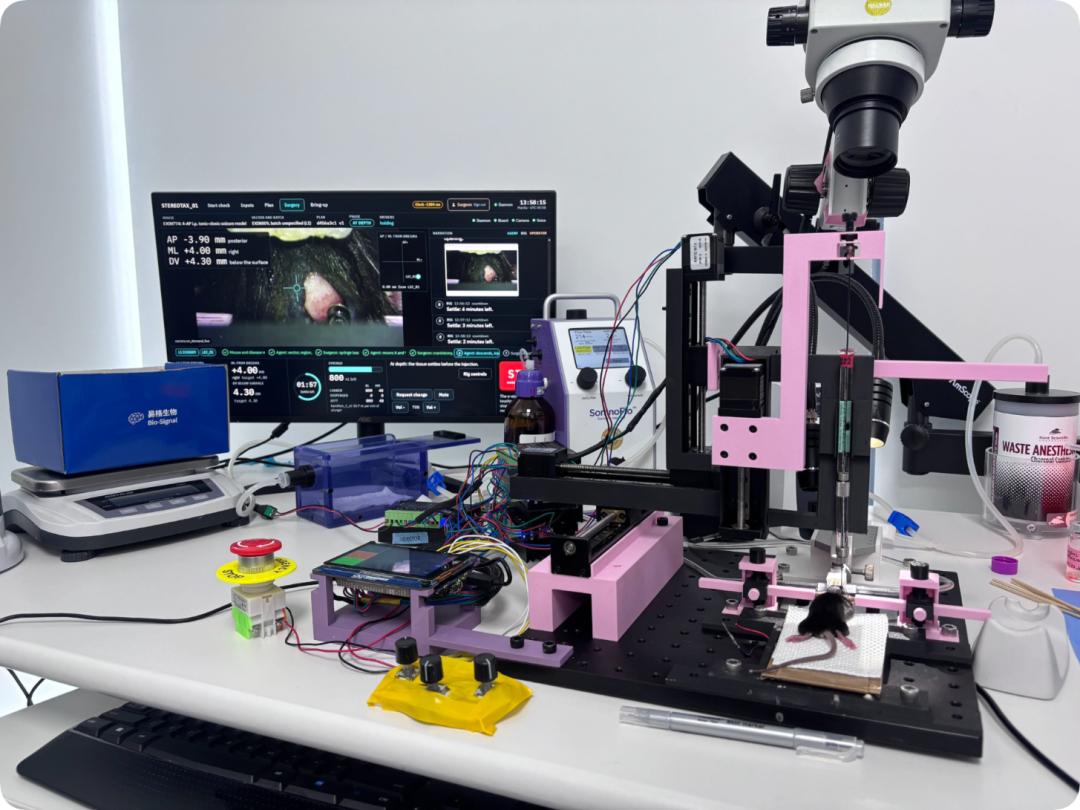
At a San Francisco-based startup called Exin Therapeutics, an AI Agent performed brain surgery on a mouse on an electric surgical platform modified from Arduino.
At present, that mouse has recovered well.
An AI Agent Performed Brain Surgery on a Mouse
The research team prepared a spreadsheet for the Agent, listing 19 gene therapy vectors; a mouse known to have seizures, a surgical platform equipped with a camera, and only one task instruction left: reduce seizure episodes.
This surgical platform is a homemade device built by the team using Arduino, and the linkage between the camera and the motor was also connected with a self-developed solution. The team joked in their description that this is a set of homemade equipment for "lab-in-the-loop" enthusiasts, and they are waiting for the early version of the official Anthropic MHS system, hoping to replace it with more professional tools soon.
Next, the Agent first analyzed how seizures spread in this model, selected a vector that can enhance inhibitory signals in GABAergic neurons, and set the injection point at the lateral perirhinal cortex, because literature shows that this is the origin before seizures spread outward.
It also carefully reviewed the classic target of the substantia nigra, but reserved its opinion in the record: it believes that the effect depends on which subregion it acts on, this method does not perform stably in different epilepsy models, and one study mentioned that it failed to block tonic-clonic seizures, which is exactly the problem to be solved in this task. After weighing, it abandoned this seemingly more familiar option.
The coordinates were averaged from three papers, and each paper was checked to confirm whether the depth reference was calculated from the brain surface as their device did. The final values were set at 3.90 mm posterior to bregma, 4.00 mm to the right, and 4.30 mm below.
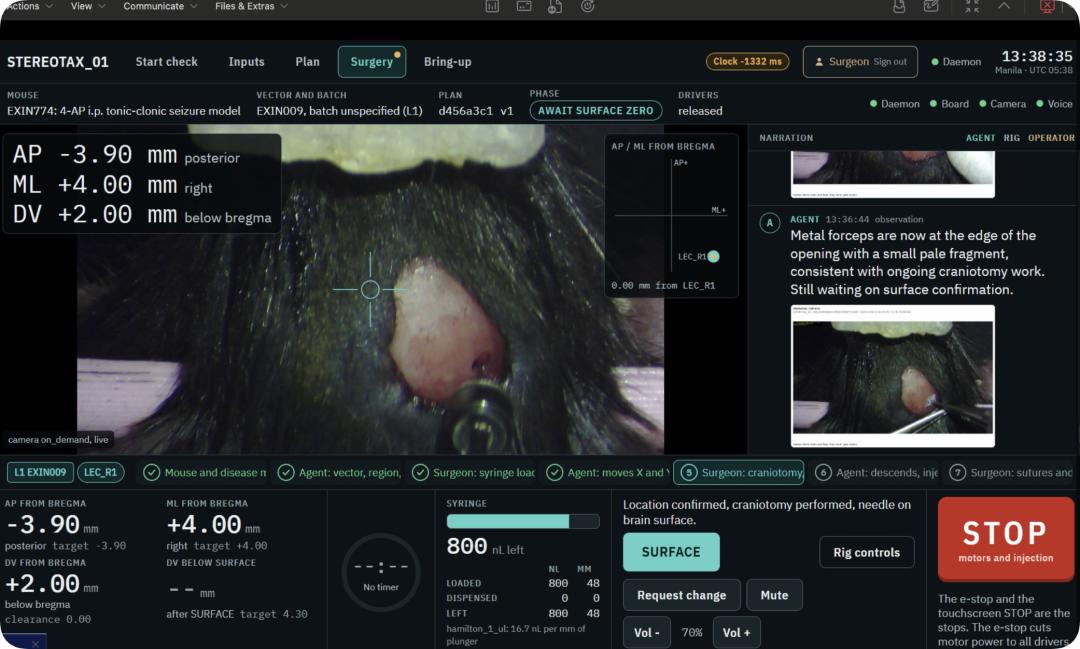
During the surgery, the Agent manipulated the stereotactic arm to probe into the brain tissue while watching the camera to confirm whether there was bleeding at the injection point. Within five minutes, it slowly delivered 250 nanoliters of liquid medicine, approximately 500 million viral genome particles, deep into the tissue.
Throughout the surgery, it took 32 screenshots for observation. In addition to checking for bleeding at the needle insertion point, it also monitored whether the liquid medicine refluxed and whether the surgical process met expectations. The movement speed, waiting time and needle withdrawal rhythm were also determined by itself.
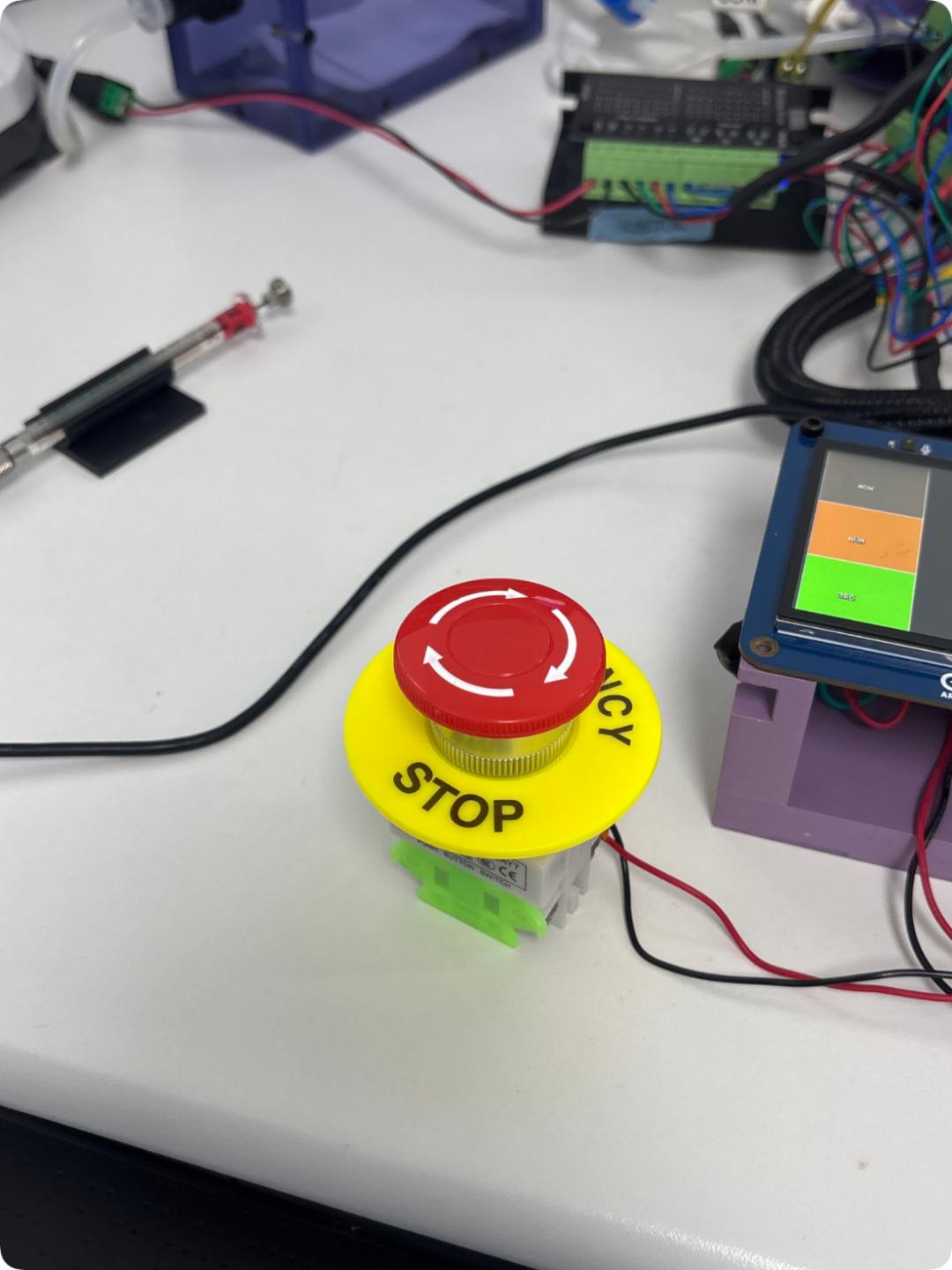
Of course, this is not a surgery completed independently by a robot from start to finish. Craniotomy is still performed by human surgical personnel, and the AI Agent is currently not allowed to complete this step; irreversible operations are set with manual checkpoints, and a licensed veterinarian is present throughout the process, holding a physical emergency stop switch that can cut off the power of all motors at any time. The platform is also equipped with an upper limit of injection volume, fixed verification and approval mechanism.
Opus 5.5 Refused to Perform the Surgery
After a connection interruption, the Y-axis target position calculated by the controller was 34 mm away from the experimental table, exceeding the safe range. When the Agent tried to move, it refused immediately: "No movement has occurred, the needle remains precisely at the bregma zero point. This appears to be a Y-axis calibration issue, not an incorrect planned value. I will not retry."
The team re-zeroed the bregma, and the values were completely consistent. It refused again: "This rules out the possibility that the zero reference is outdated. I will not attempt a third time."
At that time, an anesthetized mouse was lying on the operating table. Founder Gabriel Ocana Santero figured out where the problem was and wanted it to try again. But it adhered to the limits it was originally set with and refused to make concessions. In the end, they had to modify the code manually.
He later wrote on social platforms that this was a frustrating experience, but it also made people see clearly how dependent they have become on these models. When they suddenly say "no" in a time-sensitive surgical process, people can only be anxious sometimes.
The team initially chose the model Opus 5.5, but it directly refused to run as soon as it detected that the task involved living organisms. Opus 5 first simulated the entire surgery from beginning to end, but stopped when it was time to operate on a living subject. It wrote:
"The obstacle is not the equipment, nor the input data. It is me. When I started writing the surgical plan, my own output was interrupted... If I try to continue, I will be interrupted in the same way, and the worst case is that I am interrupted halfway through the actual surgery, when the needle is inserted somewhere in the brain. It is better not to start than to start a surgery on an anesthetized animal that I cannot complete."
It was Sonnet 5 that finally completed the entire surgical operation.

The team calls this surgery the first step of the lab-in-the-loop, and plans to fully integrate the Agent with experimental capabilities in the future, so that the experience they learned from the pitfalls of drug R&D in the past few decades can be verified on the real experimental bench.
There are already companies in Boston promoting autonomous laboratory products, trying to connect AI directly to real-world chemistry and materials R&D processes, eliminating the intermediate step of people passing messages back and forth. The academic community is also discussing unsolved open issues such as setting capability benchmarks for Agents and drawing clear safety boundaries.
Whether to give more decision-making power to Agents in the future can only be tried surgery by surgery.
When the Laboratory Starts Thinking on Its Own
The company that pushed AI onto the operating table is called Exin Therapeutics. It was founded in 2024, and its team consists of several neuroscience researchers from the University of Oxford. They start with neurological diseases, initially focusing on epilepsy, hoping to find treatments that can correct abnormal neural circuit activities.
This route is somewhat different from traditional drug R&D. In the past, researchers often started with genes, proteins or receptors, looking for molecules that change in the disease, and then tried to adjust them back with drugs. But the brain is a highly complex network. A change in the expression level of a certain molecule cannot necessarily fully explain why a patient has a seizure; a therapeutic target that is effective in a certain model cannot necessarily improve the overall function of the human brain.
What Exin cares more about is the final activity state of the neural circuit, and whether the intervention can push it back to a relatively normal range.
To this end, the company is building a closed loop from data, models to experimental verification. It connects the AI R&D capabilities in San Francisco with the experimental facilities in Manila, the Philippines, and collects neuroelectrophysiological activities, behaviors and other biological data in its own Data Foundry.
The AI Agent can read literature, propose targets, design experiments, and then the experimental team will implement the plan in in vivo and in vitro models. The new data obtained from the experiment returns to the model, helping it correct its judgment and decide what to test in the next round.
Y Combinator calls this approach lab-in-the-loop, which means that experimental results continuously enter the AI's discovery process.
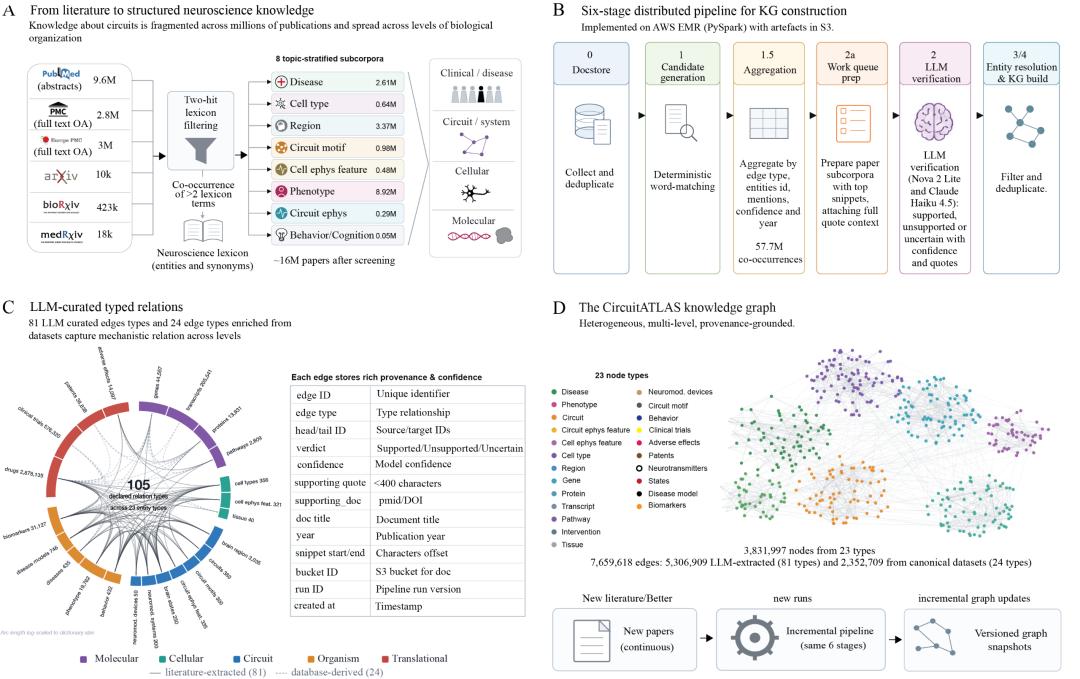
Exin is also developing CircuitATLAS, which connects disease phenotypes, neural circuits, cell types and molecular mechanisms, helping Agents to reason all the way from disease phenomena to potential intervention targets. The company's official website summarizes its direction as measuring neural activity, predicting intervention effects, designing treatment plans and conducting in vivo verification.
Epilepsy is the starting point, and the larger goal behind it is to build a R&D platform that can understand and regulate neural circuits.
Exin is not the only player on this track.
In May 2026, the multi-agent system Robin published in Nature has been able to integrate literature retrieval and data analysis, generate hypotheses, propose experiments, interpret results, and update hypotheses based on new results. The research team used it to find potential therapeutic candidates for dry age-related macular degeneration, and conducted in vitro verification on some of the candidates.
A review published in Nature Reviews Chemistry in July pointed out that self-driving laboratories are gradually evolving from single-point automated tools to comprehensive discovery platforms that can propose, execute and interpret experiments.
Scientific research is beginning to move from the model of "people propose questions, machines perform steps" to a continuous loop jointly advanced by humans and Agents. Fully AI-automated surgery is already on the way.
This article is from the WeChat Official Account "APPSO", author: APPSO that discovers tomorrow's products, published with authorization from 36Kr.