Secured 105.5 billion yuan in financing, DeepSeek expands its AI hardware partner network: ecosystem comes first, model second.
Recently, foreign media outlet The Information broke a major scoop in China's AI industry: DeepSeek's latest financing round has been expanded to 1.055 trillion RMB, pushing its valuation directly to 6.155 trillion RMB.
In addition to the record-breaking financing amount, the report also disclosed a long list of investors. Apart from CATL and China Mobile, the list includes nearly 30 enterprises such as CXMT, SMIC, vivo, Midea, Luxshare, Geely, Meituan, and Xiaohongshu.
Judging from the list, their participation is far more than just a simple financial investment. These enterprises cover domestic sectors including semiconductors, communications, consumer electronics, smart home appliances, advanced manufacturing, and internet applications, all of which are industries that can be interconnected with AI. From the perspective of Leikeji (ID: leitech), the 1.055 trillion yuan investment raised by DeepSeek is not only used to purchase computing power and expand model parameters, but also a layout for the future of AI, forming a grand strategy to realize the end-to-end implementation of AI software and hardware.
Backed by SMIC, CXMT, China Mobile and China Telecom, no worries about computing power infrastructure
DeepSeek's key allies include chip manufacturers and telecom operators, which is not surprising. The huge computing power required to support DeepSeek's large model cannot be achieved without chips and backbone networks.
Currently, domestic AI brands are generally facing a common problem: the price of NVIDIA's high-end chips continues to rise, and due to the impact of geopolitics, there are supply restrictions for the Chinese market, which has become a huge uncertainty for domestic AI platforms. If DeepSeek wants to maintain its full model capability in a long-term and stable manner, it must seek diversified supply solutions for its computing power infrastructure.
At an internal meeting in July this year, Liang Wenfeng shared his views on AI chips. He believes that the price of NVIDIA chips is rising year by year, forcing customers to look for domestic alternative solutions. Domestic chips can already achieve equivalent performance, with no problems in hardware and ecosystem, and the only remaining issue is insufficient production capacity. SMIC represents the strongest force in China's wafer foundry industry, and it is a key link in the domestic AI chip manufacturing chain.
CXMT is a leading enterprise in the domestic memory industry. At present, a small number of international memory giants dominate the price of memory, especially HBM, in the AI wave. CXMT plays two roles in this regard: on the one hand, it increases supply to provide sufficient resources for domestic AI; on the other hand, it competes with international memory giants to curb disorderly price hikes in the memory sector.
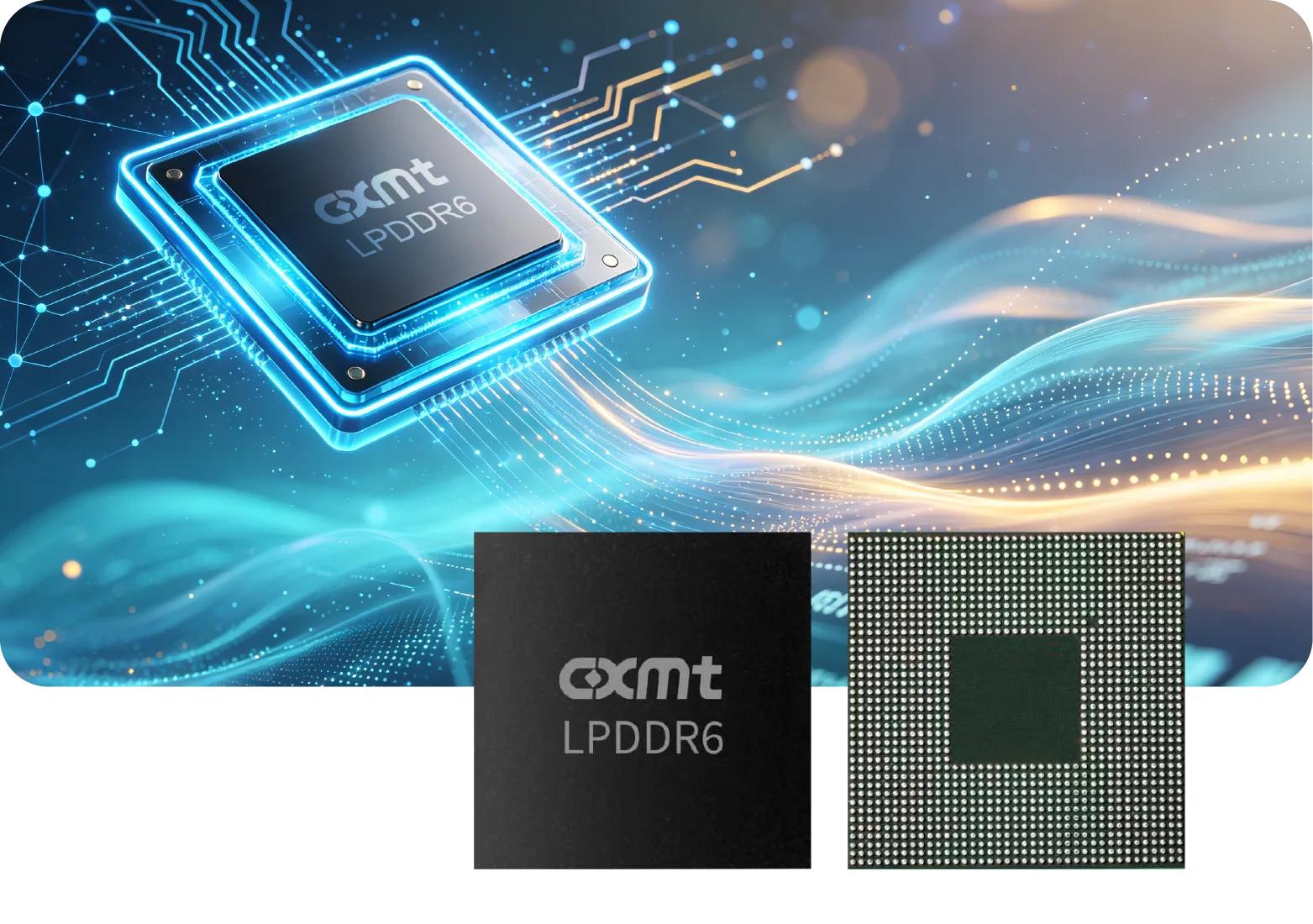
(Source of image: CXMT)
The training and inference of AI models largely rely on computing power and video memory. The introduction of these two giants can be regarded as DeepSeek paving the way in advance for the adaptation and customization of domestic chips in the future.
The list of investors in this round also includes two telecom operator giants, China Mobile and China Telecom, which control the national backbone network and a huge number of IDC data centers. With their support, DeepSeek has eliminated worries in terms of data transmission and cloud-side inference.
Cooperating with vivo and Midea: Seize terminal entrances and increase investment in AI hardware
No matter how well the large model performs on the cloud, it ultimately needs to be implemented on terminal devices that ordinary users and families are willing to pay for. In DeepSeek's list of investors this round, vivo and Midea are two very representative brands.
First of all, for the mobile phone industry, all manufacturers are now focusing on AI competition. Vivo laid out its AI deployment on mobile phones very early, and has invested a large amount of resources in this field currently. Vivo's AI solution for mobile phones adopts the common end-cloud integration architecture. Its self-developed Blue Heart large model with parameters covering different magnitudes is mainly responsible for local end-side tasks, while more complex tasks are handed over to cloud models for resolution.
As early as February 2025, vivo announced in-depth cooperation with DeepSeek, integrating the full-performance version of DeepSeek-R1 directly into the OriginOS system, adding deep thinking capabilities to the built-in AI assistant Blue Heart V. When facing complex logical reasoning, long text creation or in-depth web search, vivo mobile phones will not simply rely on its own cloud computing power, but can also directly call DeepSeek's capabilities.
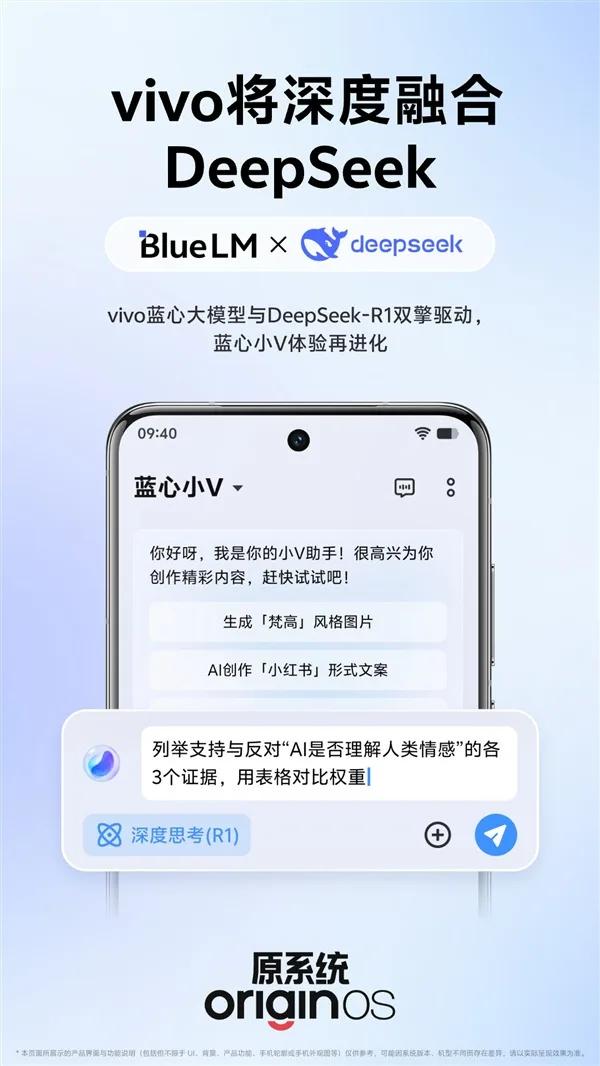
(Source of image: vivo)
In addition to underlying logical reasoning, AI imaging is also a key priority. Frankly speaking, current AI imaging is far more than simple skin smoothing and beauty enhancement. The large model's semantic understanding of images, generative filling, and frame-by-frame rendering of real-time video images are very likely to become the focus of future competition. By introducing DeepSeek's powerful multi-modal and inference capabilities, vivo can further optimize the algorithm of its self-developed imaging chip, and the entire process of mobile imaging from pressing the shutter to outputting the final picture may be subverted by AI.
It is obvious that vivo's investment is based on its recognition of the inference efficiency and capability of DeepSeek's model. For DeepSeek, cooperating with a leading mobile phone brand like vivo can also obtain the smartphone, the C-end entrance with the strongest user stickiness, to implement its own AI capabilities in a wealth of scenarios.
As for the home appliance sector, at a press conference for Midea's air conditioners in March 2025, the Leikeji (ID: leitech) team experienced the Midea Fresh & Clean Air Conditioner T6 equipped with large models including DeepSeek on site. It can automatically perceive multi-dimensional environmental parameters such as weather, temperature and air quality with one click, and independently adjust air parameters including temperature, humidity, wind, cleanliness and freshness to realize real intelligent air management.
The smart home appliances in the past, to put it nicely, are voice-controlled devices, but to put it bluntly, they are just voice-activated remote controllers that require users to give precise instructions. But after integrating DeepSeek, home appliances have their own "thinking". Users only need to state their needs in natural language, and the Agent connected to the home appliances can automatically adjust device parameters according to the user's body surface temperature, environmental parameters, historical preferences and other information.
For DeepSeek, home appliances are also an important entrance covering a huge consumer group, forming a differentiated scenario from the mobile phone sector. At the same time, if DeepSeek wants its AI capabilities and C-end scenarios to break away from web-based conversations and integrate into the daily life of ordinary users, it must continuously increase its presence in consumer electronic products such as mobile phones and home appliances. From this perspective, the in-depth cooperation between DeepSeek, vivo and Midea is a key step to build a complete AI software and hardware ecosystem.
Cooperation with Luxshare, Meituan and Xiaohongshu: AI will eventually be tested in the real world
There are several enterprises in DeepSeek's investor list that seem to have little connection with large AI models, such as OEM manufacturer Luxshare Precision, and internet service providers Meituan and Xiaohongshu. But in fact, their connection with AI is closer than the outside world imagines.
As a leading intelligent manufacturing giant, Luxshare's participation represents the implementation of large models in the industrial internet sector. Yield detection in factories, robotic arm scheduling, and supply chain automation all require strong data analysis and visual understanding capabilities. In recent years, the trend of deploying robots in factories has become popular, and those robot companies are doing this to let robots get trained in the real world and verify their actual capabilities in the physical world. DeepSeek is not directly involved in the robot business, but has invested in many related enterprises, including previously taking a stake in Unitree Robotics, and leading the investment in Winverse AI not long ago.
It is conceivable that with DeepSeek's "brain" plus Luxshare's manufacturing scenarios, self-evolving AI robots may be widely popularized in intelligent manufacturing factories in the future. Luxshare has also been deeply involved in the AI industry in recent years. It itself has data center hardware business, and its produced high-speed copper cables, optical modules and optical connections are all important components of AI servers.
Meituan and Xiaohongshu control high-quality high-frequency scenario data in the domestic market. For Meituan, its uniqueness lies in its massive sales and service data of a large number of merchants in the offline local life sector; Xiaohongshu is a community with a huge number of users, with a large amount of real interaction data and strong consumption conversion capability.
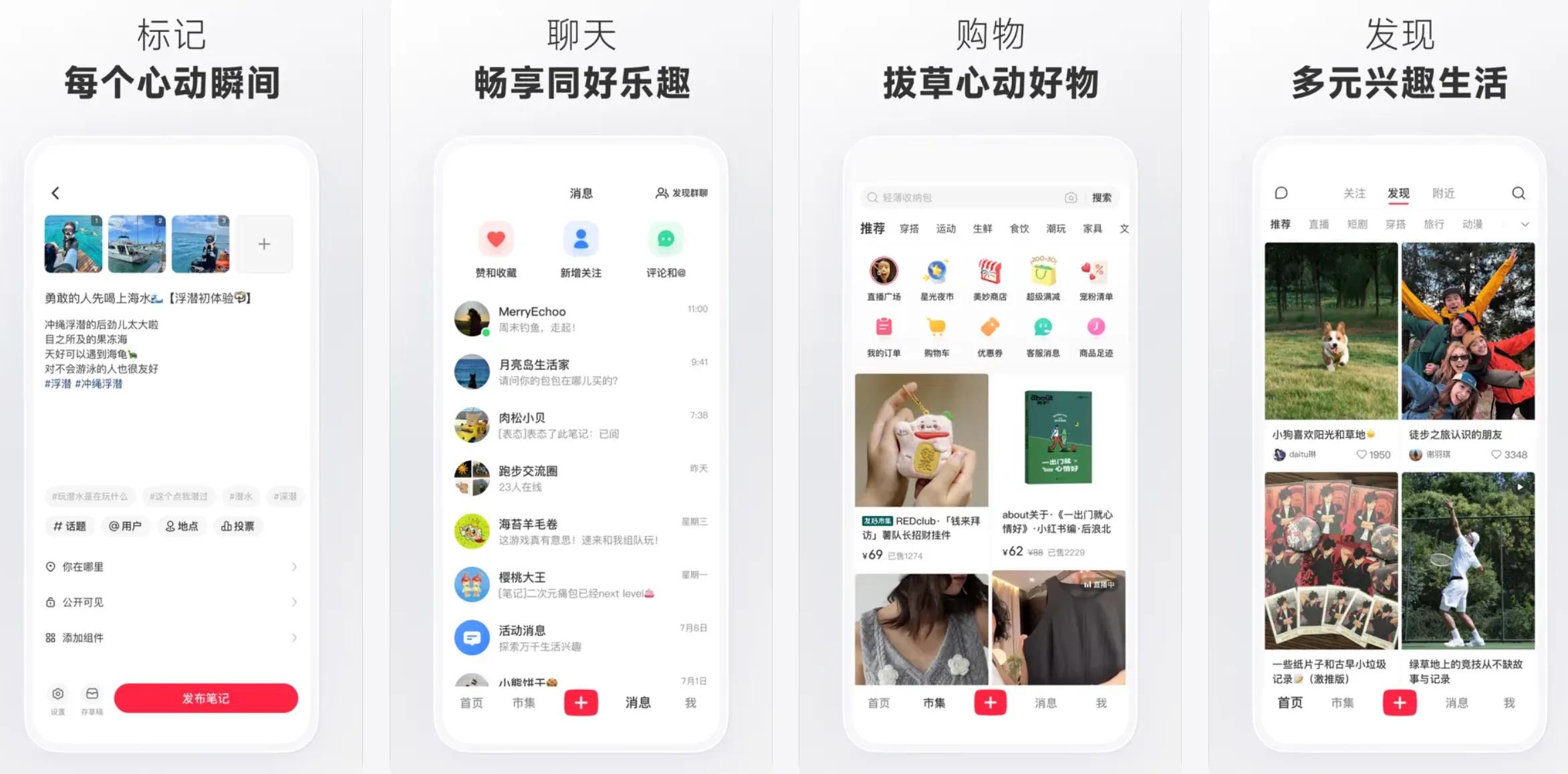
(Source of image: Xiaohongshu)
If they cooperate, DeepSeek can obtain high-quality corpora to make the model better understand the real needs of users, which is a characteristic that laboratory data does not have. At the same time, Meituan and Xiaohongshu can also reconstruct their search, recommendation and intelligent customer service systems through DeepSeek. The participation of Meituan and Xiaohongshu in DeepSeek's financing brings more possibilities for future cooperation.
CATL and Geely: Penetrating into the new energy travel scenarios
In DeepSeek's investor list, CATL and Geely are two other enterprises worthy of separate introduction. Their participation reflects the implementation forms of AI in the new energy and automotive industries.
Frankly speaking, current cars are increasingly similar to smart devices on four wheels. Geely's participation mainly targets two directions: intelligent cockpit and advanced autonomous driving.
First, for the cockpit, although current in-vehicle voice assistants can complete basic instructions such as opening and closing windows and navigation, their experience is often compromised when encountering complex continuous dialogues or vague intentions. With the access of DeepSeek's large model, the in-vehicle infotainment system can better understand users' natural semantics and continuous context.
For autonomous driving, the current technical route highly relies on massive video data processing and cloud model training. DeepSeek's capabilities in multi-modal understanding and logical reasoning can provide support for Geely's autonomous driving algorithms.
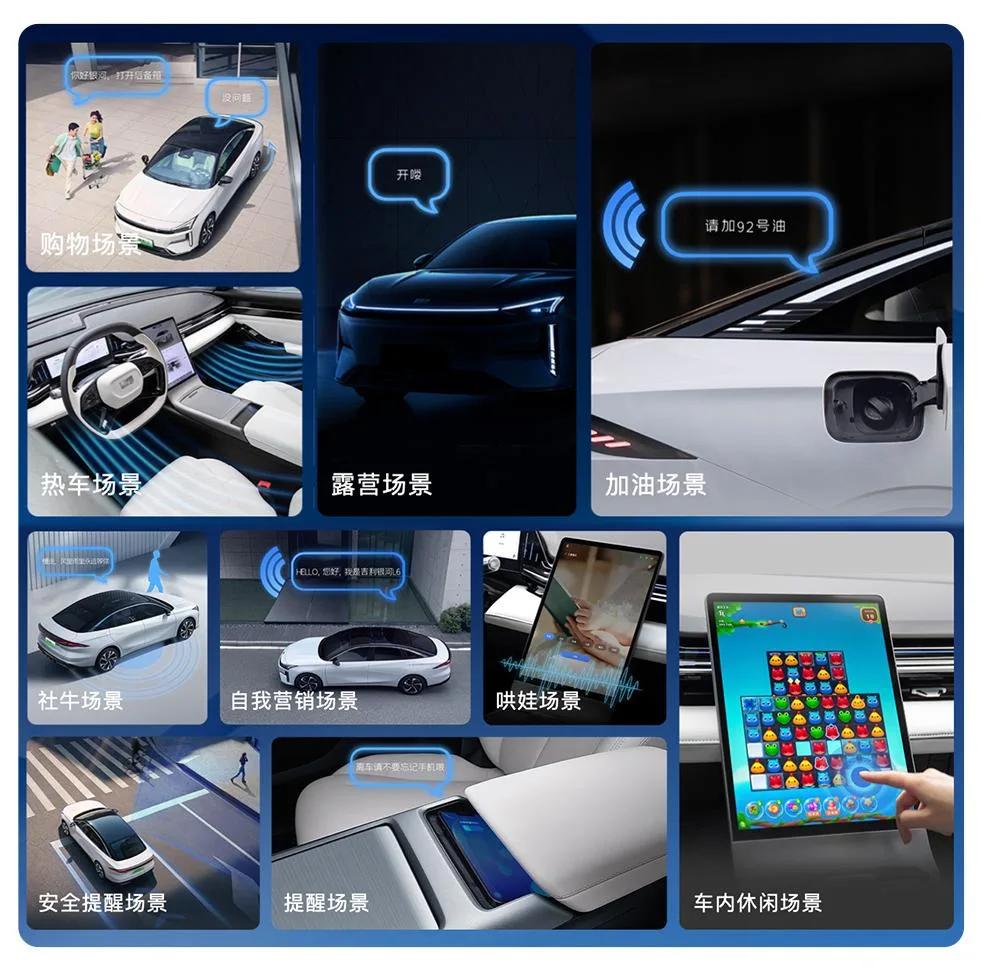
(Source of image: Geely)
As for CATL, the outside world mainly regards it as a battery giant, but the R&D and production of power batteries are actually inseparable from AI participation. At the R&D level, the reasoning capability of large models can help CATL shorten the verification cycle of battery materials and reduce trial-and-error costs.
At the manufacturing level, CATL not only has huge battery production lines, but also is deploying unmanned mines and heavy-duty truck battery swapping networks. In these complex physical scenarios, AI models can play a role in optimizing equipment scheduling efficiency and improving the yield rate of battery production lines.
To put it simply, compared with mobile phones and internet applications, deploying AI models in automobiles and battery production lines faces higher reliability requirements and lower fault tolerance rates. But this is also the only way for large models to penetrate into the real economy. The close cooperation between DeepSeek and these two leading enterprises is to a certain extent to obtain more real-world data in the travel and manufacturing sectors, so that the model can be truly implemented in specific links of the real industry.
The essence of trillion-yuan financing: DeepSeek expands its AI partner ecosystem
Looking back at this 1.055 trillion yuan financing list, to be honest, capital is only the most basic part of this cooperation. Given DeepSeek's current scale, if it wants to maintain its leading position in the next stage of competition, it cannot rely solely on its own efforts. This list covering nearly 30 enterprises is essentially the full AI industry chain partner ecosystem that DeepSeek has built for itself.
From the perspective of Leikeji (ID: leitech), the development of current large models has entered a deep water zone where implementation capabilities are the core competition point. On the one hand, the bottleneck of underlying hardware and rising costs are common problems faced by domestic AI players. By bringing in SMIC and CXMT, DeepSeek is essentially preparing a guarantee for its long-term future development. Once fluctuations occur in the external hardware supply chain, with the support of these domestic semiconductor giants, DeepSeek can at least have alternative solutions to maintain its basic market.
On the other hand, AI cannot only exist in cloud servers, nor can its growing valuation be supported only by web versions and API services. If large models want to continue to evolve, they need to absorb real-world data outside the laboratory; to expand commercial tracks, AI technology must further penetrate into the terminal devices of ordinary consumers. Vivo and Midea provide mobile phones and home appliance terminals that are closer to users, Xiaohongshu and Meituan provide rich life consumption and social interaction data, while Geely, CATL and Luxshare have travel and physical manufacturing scenarios.
In general, DeepSeek has not entered the mobile phone, home appliance or robot manufacturing business on its own. Instead, it has formed a community of shared interests with leading players in various industries through financing.
We can also see that the next phase of competition in the AI industry will focus on who can truly implement technology into specific scenarios that ordinary users are willing to pay for. At present, DeepSeek has made preparations in advance.
This article is from "Leikeji", authorized for release by 36Kr.