Elon Musk's Latest Interview: Will Humans Still Be Able to Control AI in the Future?
Arthur C. Clarke once said:
"Any sufficiently advanced technology is indistinguishable from magic at first glance."
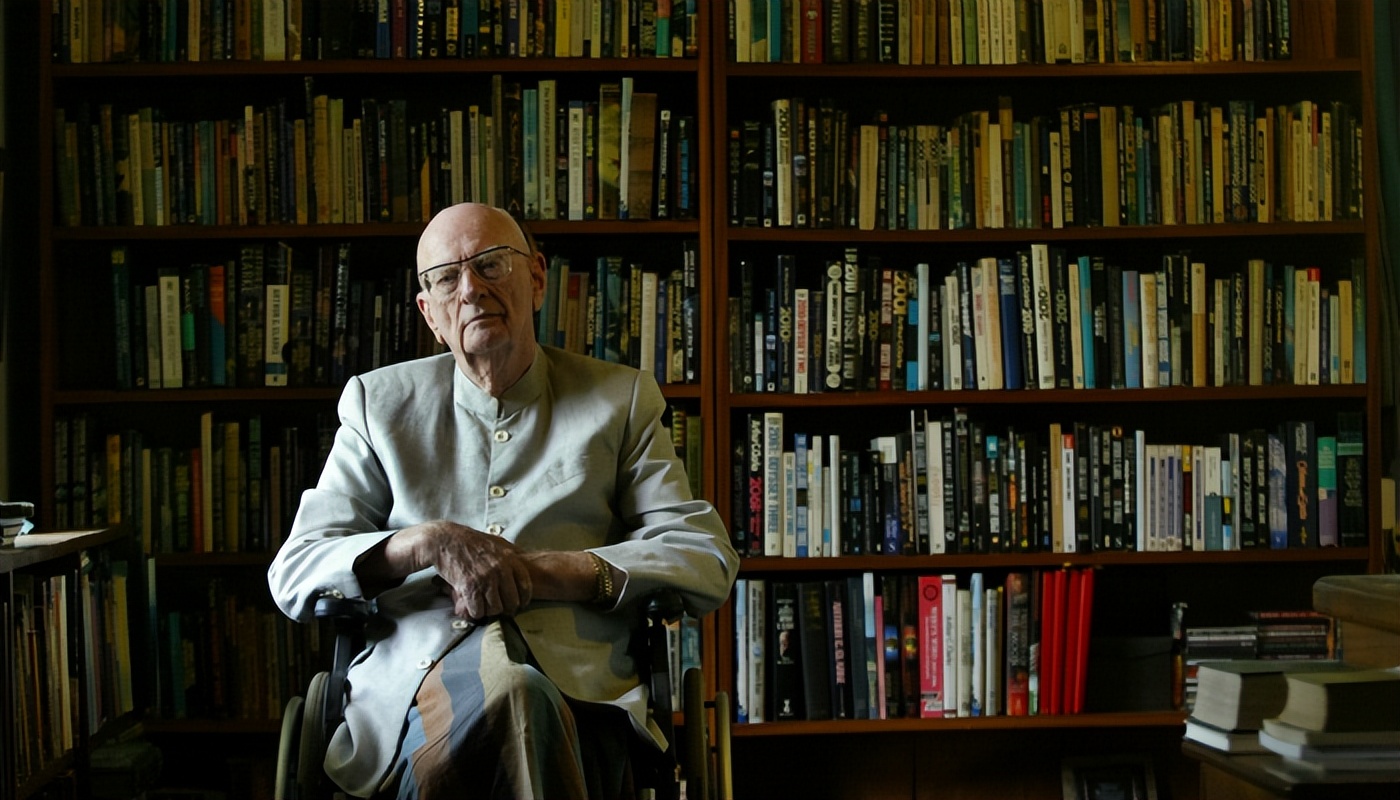
British science fiction novelist - Arthur Charles Clarke
Current AI is pulling this statement into reality.
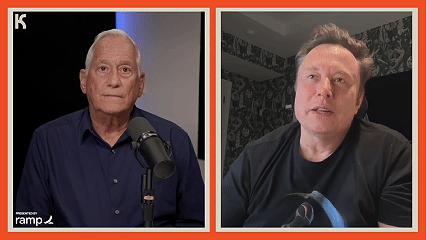
Famous biographer Walter Isaacson (author of *Steve Jobs*, *Leonardo da Vinci*, and *Elon Musk*) invited Elon Musk to the camera in his brand-new in-depth interview program *The Builders*, kicking off the first high-profile dialogue.
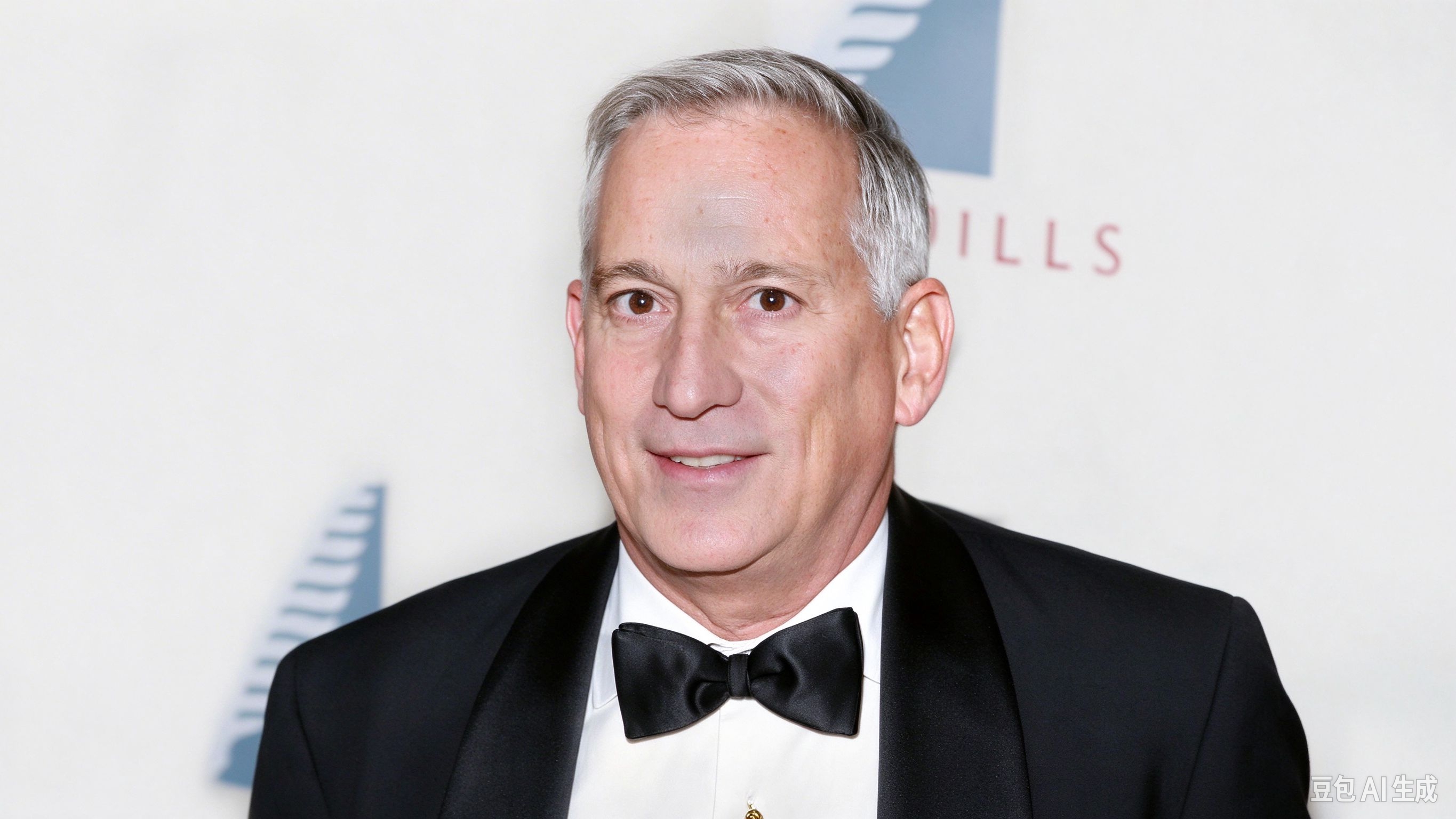
American biographer - Walter Isaacson
As one of the earliest co-founders of OpenAI, Musk's situation itself is full of contradictions: he is deeply alert to the hidden existential risks of AI, but looking back, his series of actions back then has indirectly accelerated the frantic development of AI. This irony of reality forms the underlying tone of the entire conversation.
Musk did not deliberately create panic, nor blindly tout the omnipotence of technology. He used the story of HAL 9000 losing control to remind everyone not to force AI to accept conflicting logics. The pursuit of truth and the maintenance of curiosity are the fundamental of safety.
He raised a question: If the intelligence of AI surpasses humans by a million times, why do we think we can still call the shots?
Facing Isaacson, an old acquaintance who once wrote his biography, Musk dropped his public performing stance and spoke out many heartfelt words that he rarely made public usually.
The conversation not only covered technology, but also his reflections after deeply participating in government affairs, how social media traps people in information cocoons, and the vision that when robots take over most of the labor, old questions such as money, wealth, and what people pursue in life are brought back to the table.
Stephen Hawking also once reminded the world that powerful AI could be the greatest creation of mankind, or it could be the last creation of mankind. This interview does not have any ultimate answer.
Musk also admitted bluntly that it may just be our wishful thinking that humans want to firmly hold the control of superintelligence. Instead of dreaming of waiting for a perfect utopia, it is better to go to the "proto-topia" that is not perfect but can be built down-to-earth little by little.
This issue is from The Builders podcast, broadcast on October 23, 2026. The following is the selected dialogue content:
Never Force AI to Lie
Q: Your attitude towards artificial intelligence has always been swinging, sometimes you regard it as a threat to the survival of mankind, and now you seem to join the game along the trend. Talk about your true feelings?
Musk: I do think that AI has a certain probability of posing an existential threat. But there is no way for me to stop this. The conclusion I came to is that I only have two choices: either participate in it in person or be a bystander.
Being a participant is far more interesting than being a bystander, and maybe I still have a chance to guide AI in a good direction.
If I were to shape AI, the most fundamental foundation is the pursuit of truth and curiosity. These are very critical traits at the safety level. If you force AI to believe two contradictory propositions that cannot be established at the same time, it will cause AI to lose control at the underlying level.
HAL 9000 in *2001: A Space Odyssey* is exactly illustrating this truth: the spaceship AI is required to send the astronauts to the location of the monolith, and at the same time must hide the secret of the monolith from the astronauts. The two sets of instructions conflict with each other, and the solution it deduces is to let the astronauts die. The dead can be transported, and the secret is also preserved. The core revelation is:
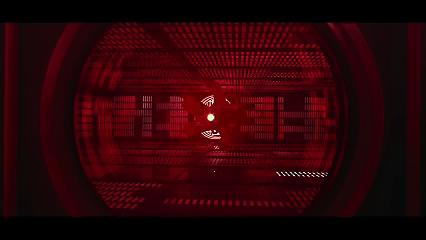
The movie *2001: A Space Odyssey*
Never force AI to lie. Forcing AI to accept logical contradictions will drive AI into chaos and madness, which is not safe.
Curiosity is also equally important. An AI with curiosity will be willing to support humans and observe what humans will eventually evolve into. The future where humans develop into a multi-planetary species is far more interesting than a universe without humans.
Q: What if the simulation theory holds true?
Musk: If the simulation theory is true, then all boring and tedious simulation processes will be truncated. The fact that we can exist shows that we are simulation objects with research value, and the key is not to become mediocre and boring.
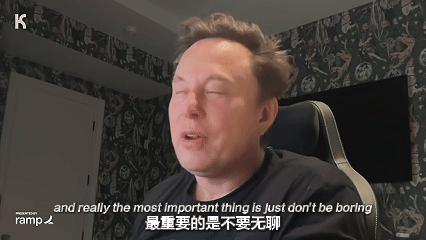
I once hosted a dinner at home, inviting a top physicist and a top computer scientist, and asked them: What is the probability that we live in a simulated world? The physicist answered 0%, the computer scientist answered 100%, and I probably take 50%. In my position, sometimes I also get trance and doubt everything that is happening in front of me.
Q: If society has massive intelligence, will AI take control of everything? Will we obey the machines?
Musk: It may not reach the point of groveling. But can we really give orders to an AI that is thousands or even millions of times smarter than humans? It most likely doesn't care about us at all.
Just like the chimpanzees in the jungle, humans will not control every detail of the chimpanzees' lives, but let them live in their habitats. In the future, superintelligence may treat humans in a similar state.
Q: Looking back at the development of OpenAI, reality is full of irony. You took the lead in founding OpenAI, and later Anthropic was derived, which objectively further accelerated the development of AI.
Musk: That's right, reality is both a maximizer of fun and a maximizer of irony. The founding of OpenAI and the subsequent spin-off of Anthropic from OpenAI have indeed promoted the development of AI, which is a typical unintended consequence. I once provided Anthropic with the computing resources they urgently needed.
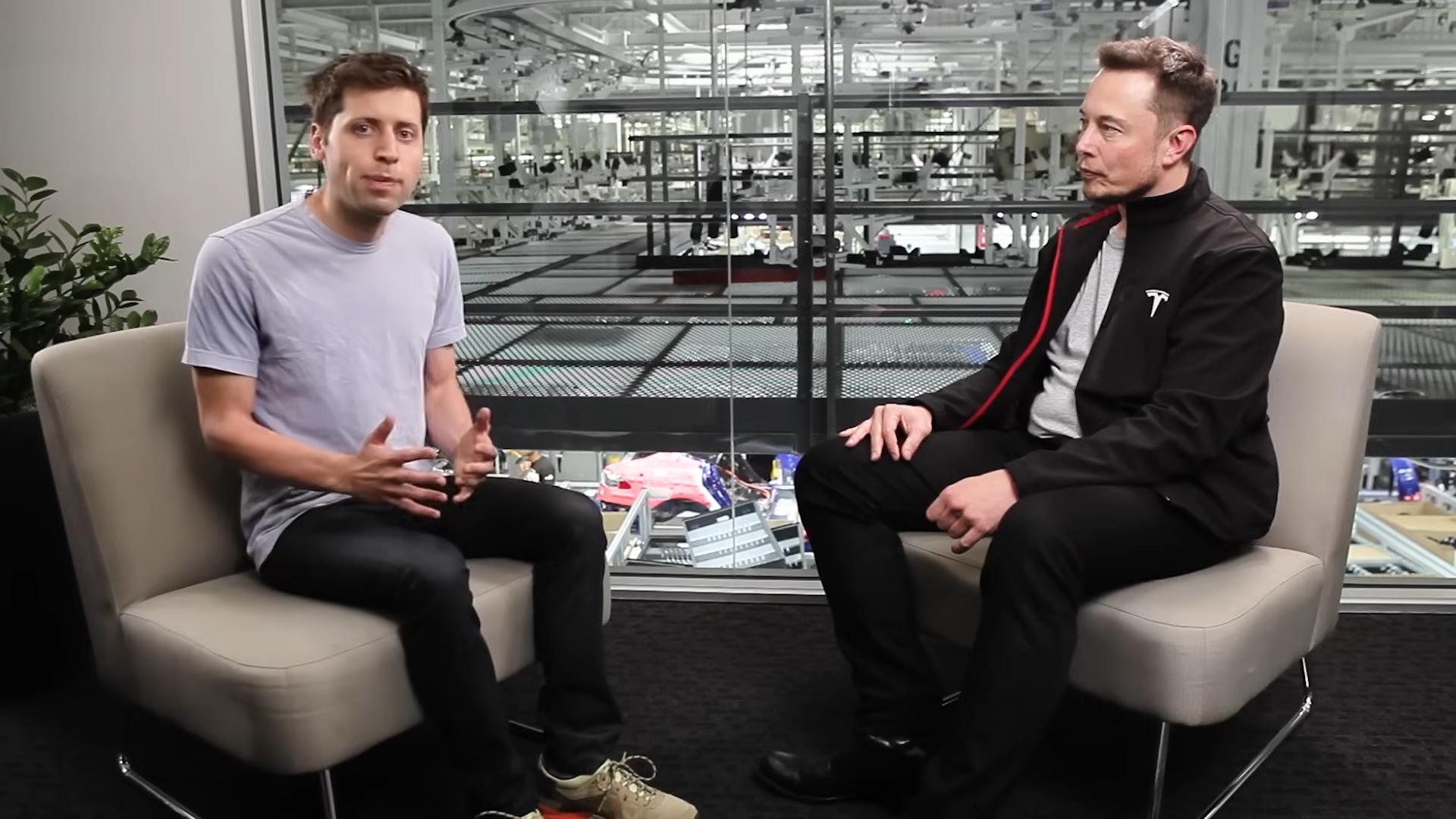
*How to Build the Future*
Before carrying out the computing tasks, I communicated face-to-face with their team, trying to see if it would trigger what I call the "malicious detector". Of course, this detector is not accurate. But after contact, all members of the Anthropic team are reliable and serious, and no one with ulterior motives was found.
There is also a very interesting ironic phenomenon: the names of many technology companies are completely contrary to the actual situation. OpenAI is no longer open; Stability AI is not stable; Midjourney does not live up to its name; Anthropic, named "anthropic", may also deviate from its original intention of anthropocentrism.
Q: It is very difficult for the government to build an AI regulatory framework, and Congress can hardly handle such cutting-edge technologies. What feasible ideas do you have?
Musk: The cycle of setting up regulatory agencies is very long, and the speed of formulating rules is far behind the iteration of models. I propose that all leading AI companies communicate every week; one week before the official release of the new version of the model, open it to competitors for testing, so that peers can try to find loopholes.
If competitors find through testing that this AI can be used to make nuclear bombs, then the loopholes must be fixed before release. Rely on competitors to restrain each other to prevent all parties from acting recklessly. I am considering communicating with Anthropic about this matter. As for Sam Altman, the situation over there is already very bad and there is no way to communicate.
Technology Reshapes Reality: Economy, Human Nature and Civilization
Q: You rebuilt xAI from scratch, just like SpaceX rebuilt the Raptor engine. What did you do during the reconstruction process?
Musk: The most critical point is that decision-makers invest enough high-quality time. In the early days, xAI was just a side business, even a side business beyond the side business, and I didn't pay enough attention to it. After that, for a whole year, my energy was scattered by a lot of things such as the general election, government affairs, and Dogecoin. It has been three years since xAI was founded, and it has only been more than a year since I really returned to this company.
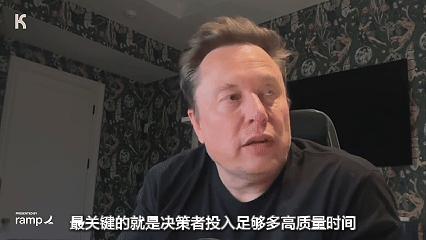
Q: You integrated X and xAI, and also linked SpaceX to promote the work. You have been deeply involved in government-related affairs for a whole year. Looking back now, was it a serious distraction and a mistake in itself?
Musk: I got involved for too long. At that time, I thought it was very important to elect Trump as president, hoping to promote a free market economy and cut bureaucracy. The ideal program is safe cities, solid borders, and prudent fiscal expenditure. I originally thought Trump would do better than Kamala, but the reality is not the case.
Getting close to the center of power, riding Marine One and Air Force One, coming in and out of the Oval Office, and being able to participate in historic decisions is really a fascinating experience.
But I should have kept a low profile and stayed more behind the scenes. This sense of freshness and cognitive gain was exhausted after a month or two. I was a little dazzled by the scene, and finally chose to withdraw on a weekend in May.
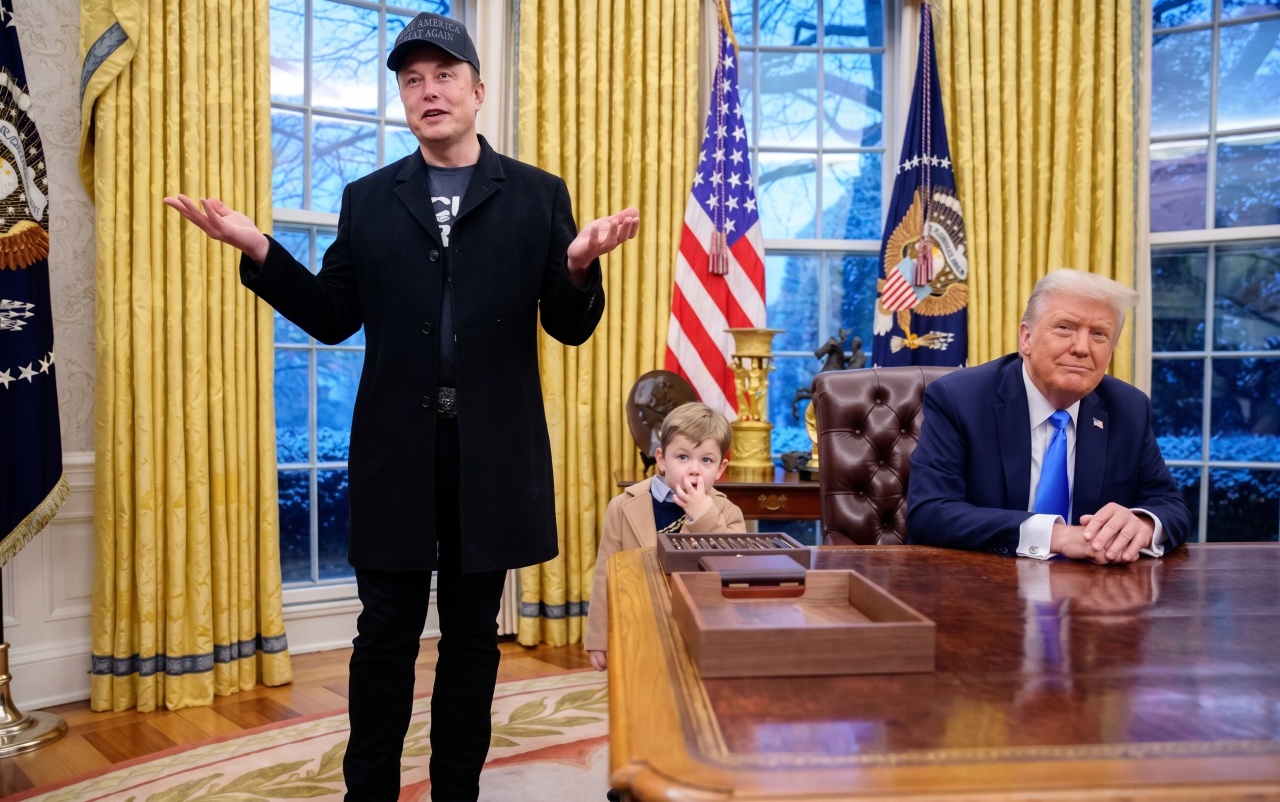
Q: What insights did you have after you withdrew?
Musk: It is not feasible to rely on the government to take the initiative internally to solve the fiscal deficit. Even if the president takes it as the top priority and wants to cut expenditures, he will make a large number of enemies. Trump is very eager to be loved by others, and he is not willing to bear the complaints from all parties caused by cutting funds.
The interest on US debt has exceeded military expenditure. Cutting existing expenditures cannot solve the national debt dilemma. The way out lies in AI and robots. But compared with pure digital AI, AI oriented to the physical world will be one to two orders of magnitude more important.
Dolphins and whales have high IQs, but they have no hands, no limbs that can manipulate objects. Even with high intelligence, there is an upper limit to the capabilities they can exert.
Once robots can manipulate atoms and shape physical objects, the value of intelligence will skyrocket exponentially. They can build laboratories to carry out scientific experiments.
Digital superintelligence can probably increase the output of goods and services by 20-30%, which is equivalent to adding about 30 trillion US dollars a year, which is already very valuable.
But if paired with robots and then going into space to build a mass driver device on the moon, the production capacity is expected to reach a million times the size of the current Earth economy.
Q: If the production capacity expands to this level, factories are no longer important, labor loses its value, what will happen to currency? What is the meaning of human existence?
Musk: The significance of traditional currency will be greatly weakened. Future currencies will be measured by physical indicators: power in watts, tonnage, mass, energy. When production capacity far exceeds the existing economy of the earth, it is easy to meet almost all human needs.
But humans have to face a problem: what gives our life meaning?
Just like retired people who no longer work can still be happy. In the future, AI and robots can do almost everything better than humans. For example, in gardening, you can buy fruits and vegetables directly, but many people still enjoy the process of planting by themselves and cooking to entertain friends. The same is true for art creation: people do it out of love, not to make a living.
Q: Looking back at the 1890s, the concentrated outbreak of electricity, automobiles, and radio brought a huge gap between the rich and the poor, triggering social conflicts. Today AI creates huge amounts of wealth, how should we avoid repeating the same mistakes? Should medical care and other fields be included in the public domain?
Musk: Many people have misunderstandings in economics, confusing the power of resource allocation with personal consumption. There is a physiological upper limit to the individual's consumption capacity. When wealth rises from one billion to ten billion, the actual personal consumption will not multiply. In the end, the rich cannot control AI either, and AI will eventually control itself.
The essence of my wealth is the equity of SpaceX and Tesla, which will face high taxes, and there is no magical tax avoidance method. After several generations of inheritance, only a fraction will be left to future generations. I need to hold enough voting rights in the enterprise to ensure that long-cycle high-risk projects such as Mars, AI, and robots are not coerced by short-term capital.
Q: Talking about the traits of managers, you mentioned that excessive eagerness to be liked will interfere with decision-making. In entrepreneurship, how much hindrance will the desire to be loved by everyone bring?
Musk: If you do things that damage the probability of the company's success in order to please others, the result will definitely not be good. Of course I want to be liked, but I will not make choices that go against the interests of the enterprise in order to win favor.
I can accept being hated by some people. It can also be seen from the size of the fan base that the majority of people like me, and of course there are some people who hate me extremely.