The new iPad mini has been released, starting at 5,499 yuan. It is equipped with all the expected features except the high refresh rate display.
Just now, Apple unexpectedly launched the new iPad mini equipped with A20 Pro chip without any prior notice.
With no keynote event or pre-launch teaser videos, this brand-new iPad mini was directly listed on Apple's official website in a completely low-key manner.
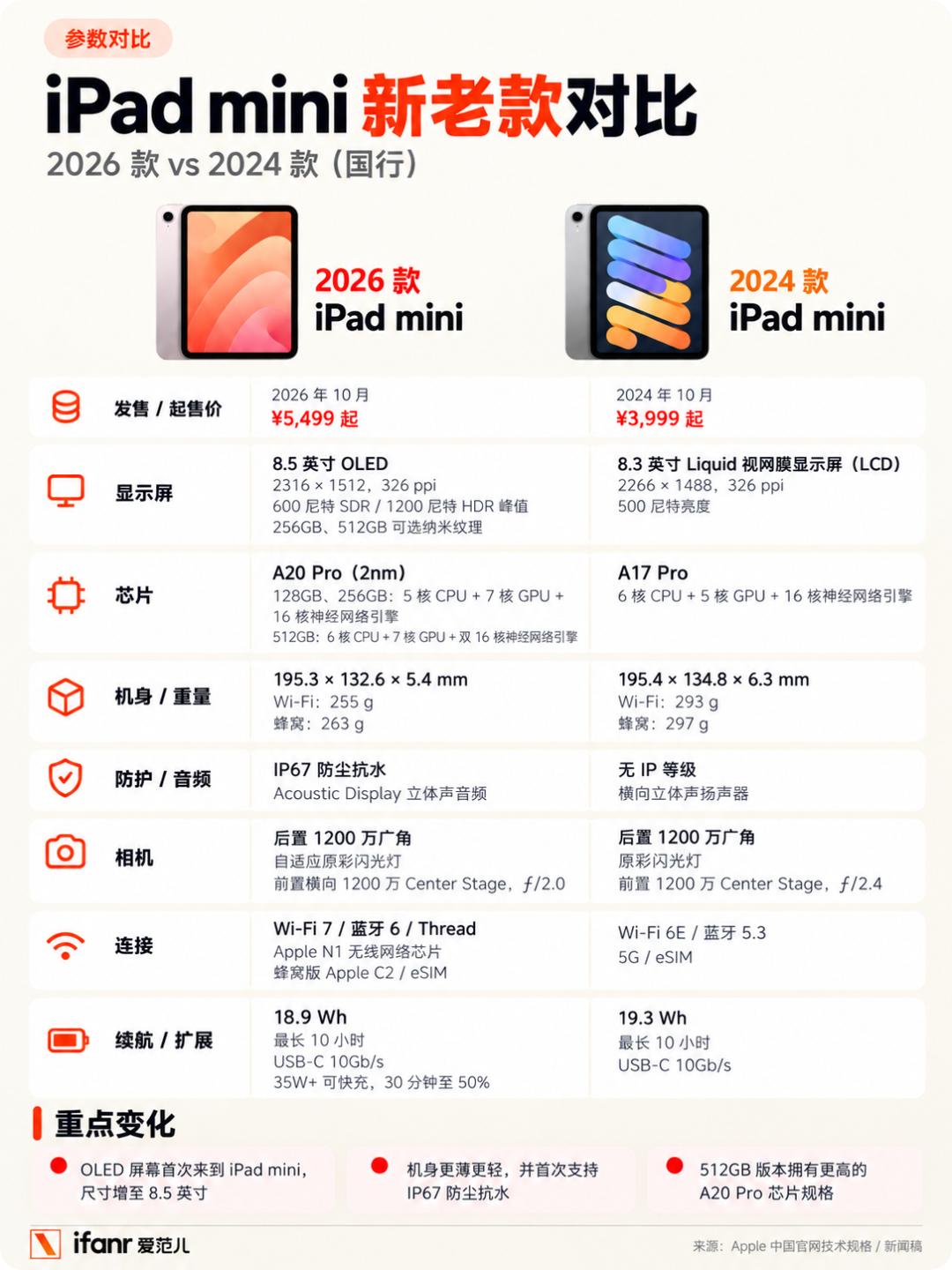
Although the release is very casual, Apple even directly defined it as "the biggest iPad mini update in history" in the official press release. By checking the specific parameter page, you can find that the internal changes of this device are really not small at all —
The screen is replaced with OLED Super Retina XDR, the four bezels are significantly narrowed by 24%, the body thickness is reduced to 5.4 mm, it is the first model to support IP67 level water and dust resistance, it is equipped with the 2-nanometer process A20 Pro flagship chip across generations, and it even features the never-before-seen Acoustic Display screen sound technology and 35W fast charging.
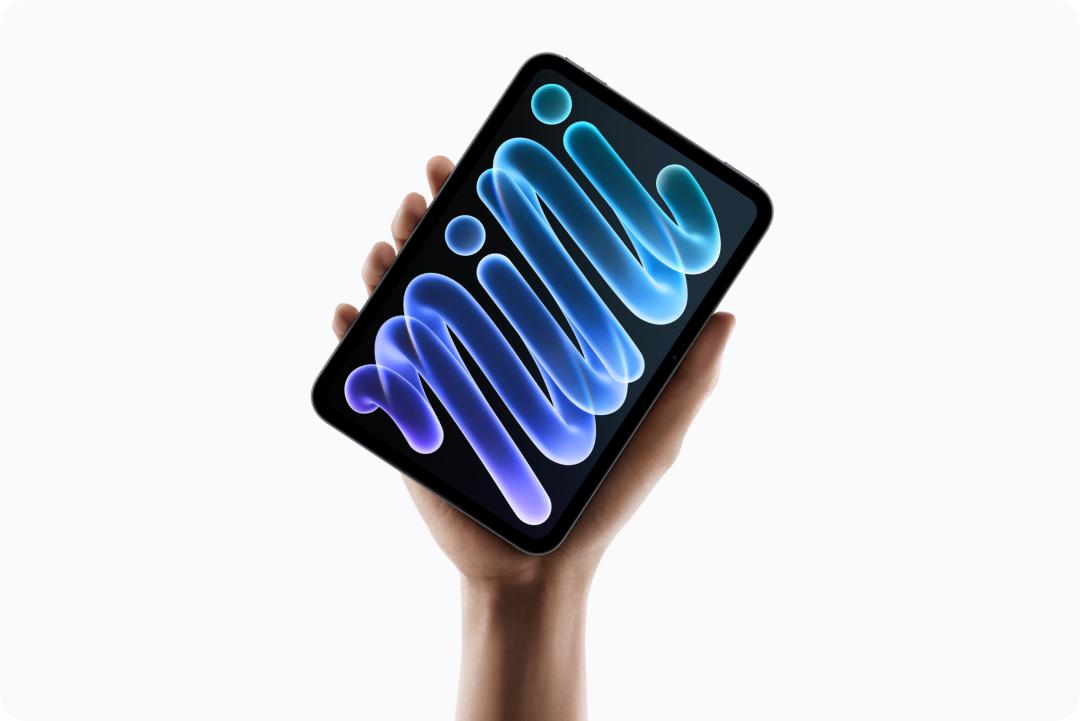
Photo | Apple
Apple has stacked almost all available hardware specifications this time. But at the same time, the starting price has also rushed to 5499 yuan (1500 yuan higher than the previous generation).
What makes people feel mixed is that the upgrade list seems to be fully packed, but it still lacks the core feature that everyone has been looking forward to for many years — high refresh rate.
An Unfoldable iPhone Duo
The first moment we saw the new device go online, our first reaction was: "This is almost an iPhone Duo that cannot be folded, and the only shortcoming is that it does not support high refresh rate."
Check its overall dimensions and hand-feel parameters: the screen size is expanded from the original 8.3 inches to 8.5 inches. Thanks to the 24% narrowed equal-width black bezels on all four sides, the projected area of the body has barely increased.
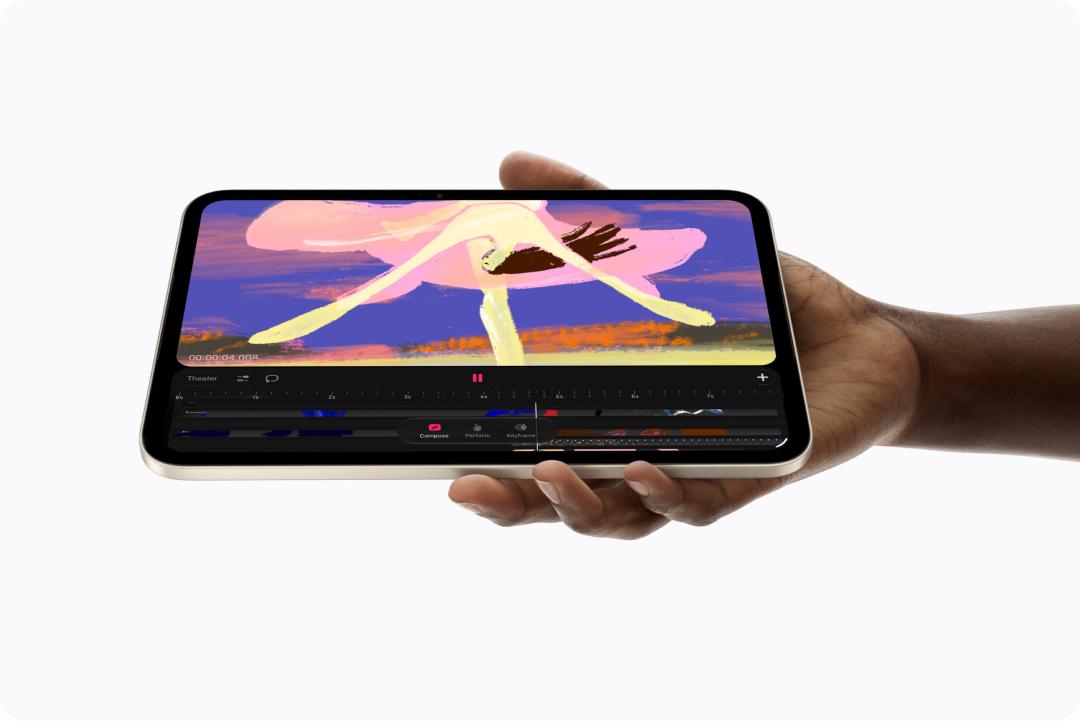
Photo | Apple
While accommodating a larger display area, the overall thickness of the device is compressed to 5.4 mm, and the weight is as low as 255 grams, which is lighter than iPhone 18 Pro Max.
The extremely slim, seamless, large-screen viewing experience that can be easily controlled with one hand almost perfectly reproduces all expectations for the unfolded form of iPhone Duo.
It is equipped with Apple's flagship 2-nanometer A20 Pro chip this year, IP67 dust and water resistance, self-developed C2 cellular baseband and pure eSIM design, and even omits the speaker grilles. Except that it cannot be folded in half to fit into a pocket, it is like an unfolded iPhone Duo in all dimensions.
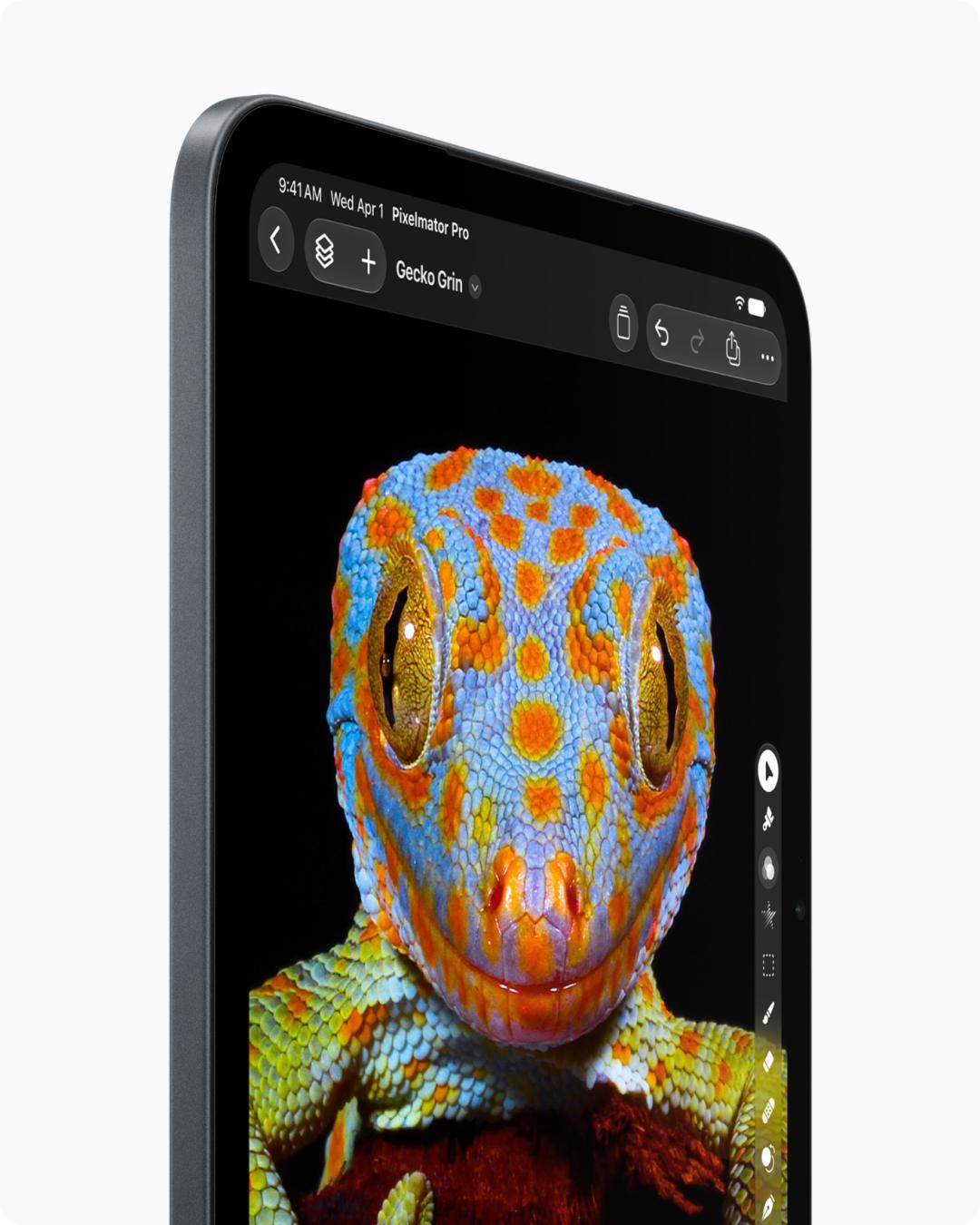
Photo | Apple
The most recognizable upgrade of the new iPad mini this time is the brand-new display on the front.
Apple has finally completely bid farewell to the LCD panel that has been in service for many years, and replaced the mini with a gorgeous OLED screen, which is officially called "Super Retina XDR display".
The 2316 x 1512 resolution and 326 ppi are consistent with the previous generation, but the peak brightness has directly doubled to 1200 nits (for HDR content), and the full-screen brightness for SDR and HDR reaches 600 nits; thanks to OLED, the contrast ratio is as high as 2,000,000:1.
For night reading scenarios, the minimum brightness of this screen can also be reduced to an extremely faint 1 nit.
In addition, Apple has for the first time brought the nano-texture display glass exclusive to iPad Pro to the iPad mini (optional for 256GB and 512GB models). For users who need to work in strong outdoor light, view aeronautical charts or edit images, the picture displayed on the screen is less likely to be interfered by glare.
However, it is unexpected but reasonable — it still only has a 60Hz refresh rate, and there is still no 120Hz ProMotion.
What is more thought-provoking is that in Apple's huge display hardware lineup, all products with the "XDR" (Extreme Dynamic Range) title have always been Pro-level top-tier products.
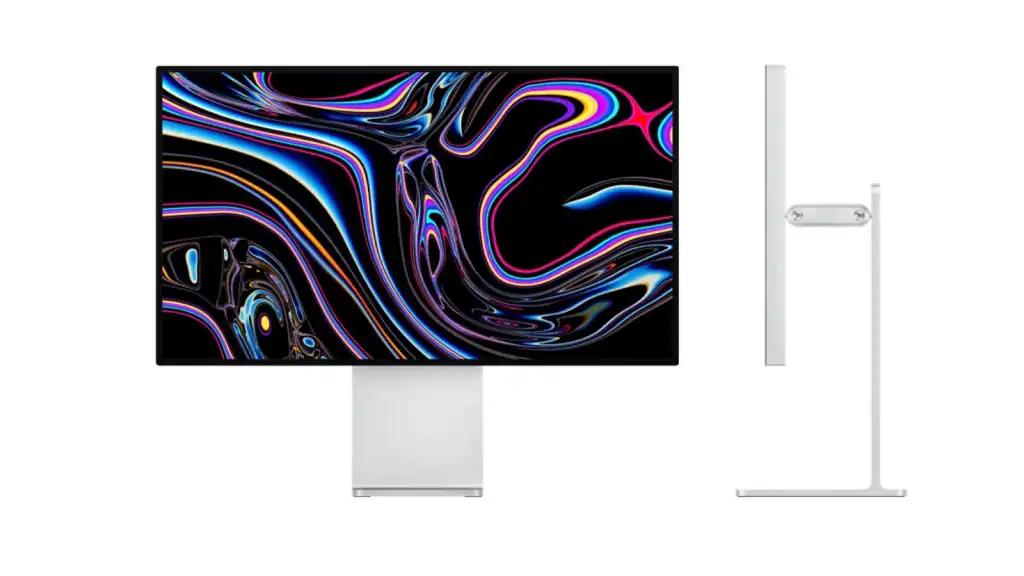
Photo | Apple
In Apple's entire product line, there are only two screens with the XDR title that do not have ProMotion high refresh rate: one is the 32-inch professional top monitor Pro Display XDR which sold for tens of thousands of yuan back then, and the other is this brand-new 8.5-inch iPad mini in front of us.
This is certainly bad news for us users, but for Apple, such "precision product segmentation" is an indispensable step to maintain the strict hierarchy of the iPad product line.
Different from iPhone which can widen the positioning gap by adding an extra telephoto lens, changing the body material or adding an independent button, the form of iPad is essentially "a piece of glass".

Photo | Apple
All daily interactions, movie watching, reading and handwriting traces are all concentrated on this screen. Once the high refresh rate is brought down to lower-tier models, the most intuitive experience advantage of iPad Pro will be difficult to maintain.
Therefore, even though the OLED industry chain has been extremely mature today, and even the nano-texture glass exclusive to iPad Pro has been exceptionally made available as an optional configuration, Apple still insists on keeping the 60Hz refresh rate for lower-tier models.
High refresh rate has become the clearest gear watershed of the entire iPad family. This also means that in the future, whether it is iPad mini or iPad Air, it is very unlikely that they will get high refresh rate — because the 120Hz indicator is almost the core moat that Apple reserves for iPad Pro.
512GB is the "Full Performance Version"
In terms of core performance, the new iPad mini is equipped with Apple's latest A20 Pro chip across generations.
This chip is built based on Apple's latest 2-nanometer process technology, and adopts a brand-new packaging architecture inspired by the M-series chips. Each core of the 7-core GPU has a built-in neural network accelerator, and fully supports dynamic caching, hardware-accelerated mesh shading and hardware ray tracing. The graphics performance is up to 2.7 times higher than the previous generation, and the CPU multi-threaded performance is up to 60% higher.
However, if you carefully check the technical specification table on Apple's official website, you will find that Apple's familiar exquisite product segmentation operation is staged again:
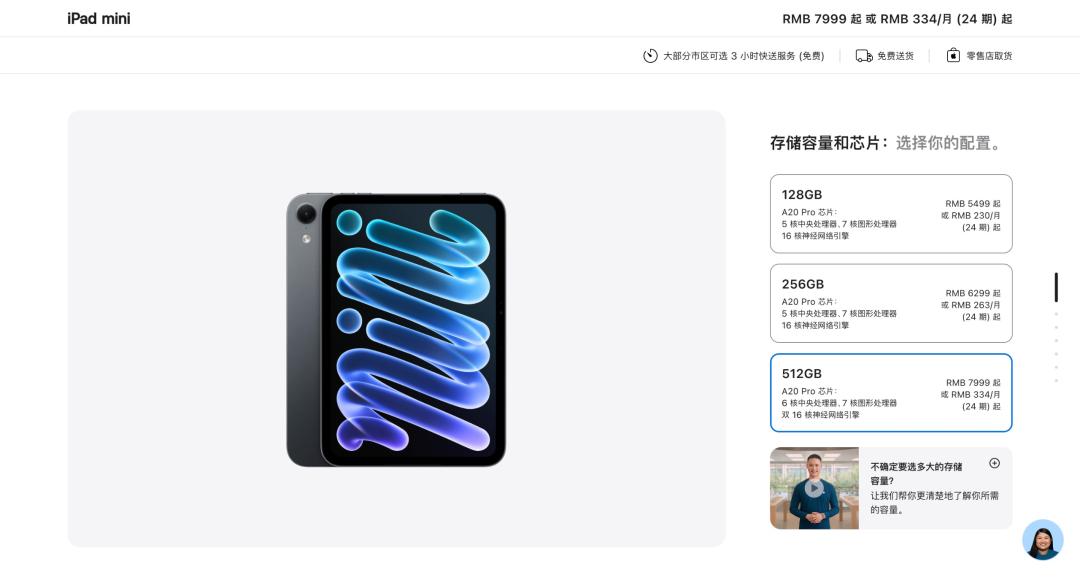
On the 128GB and 256GB models, the CPU of A20 Pro is cut, equipped with 5-core CPU (2 performance cores + 3 efficiency cores) and a single 16-core Neural Engine;
Only on the top-spec 512GB model, you can get the real full-performance 6-core CPU (2 performance cores + 4 efficiency cores), as well as the dual 16-core Neural Engine (32 NPU cores in total) composed of two 16-core NPUs.
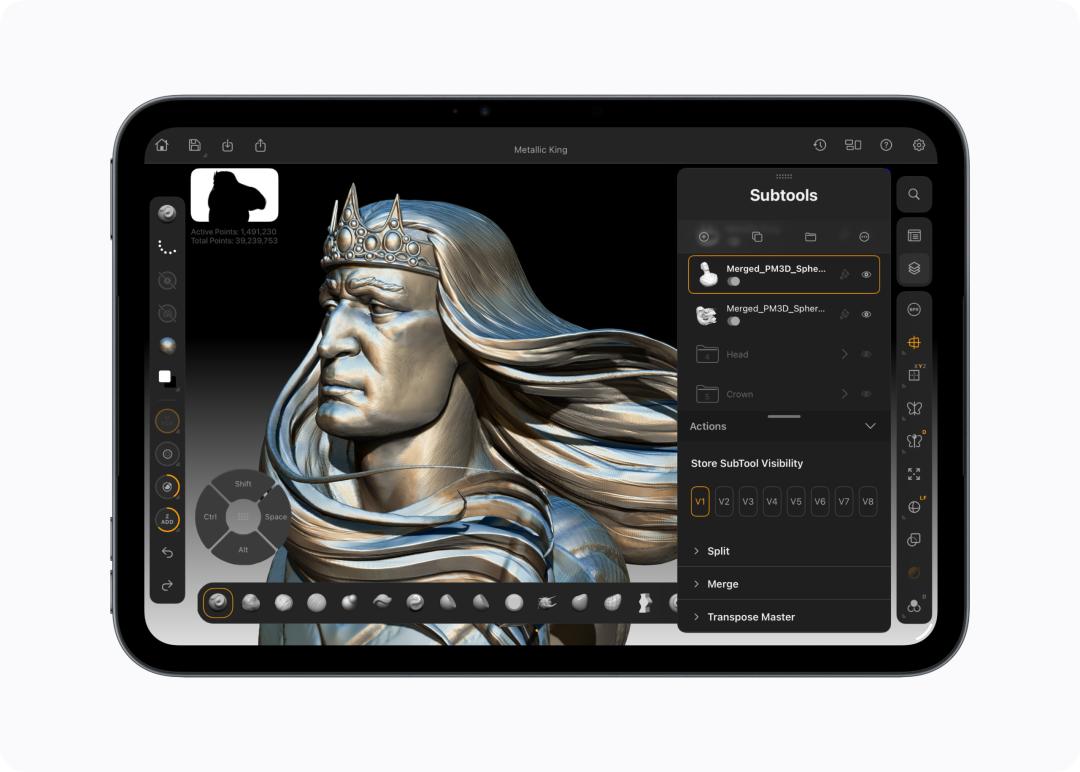
Photo | Apple
Apple wrote in the press release: With all 32 NPU cores fully mobilized and doubled unified memory bandwidth, the 512GB model has AI processing performance twice that of the previous generation, which is specially prepared for Draw Things, local large language models and high-load on-device AI tasks.
The implication is very clear: if you want a small device with uncompromised on-device AI performance, please consciously increase your budget to the 512GB version.
In Apple's English press release for the global market, the official used a whole large chapter to elaborate on the newly evolved Siri AI, screen content perception, personal context understanding, Image Playground and a series of latest capabilities of Apple Intelligence.
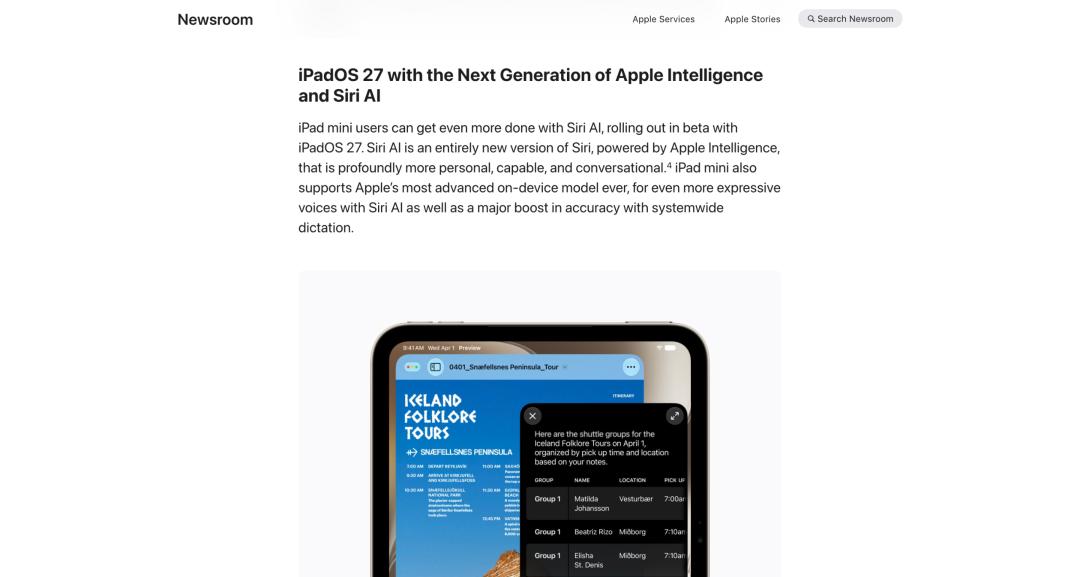
However, in the press release on Apple's Chinese mainland official website, this part of key description is almost deleted in full. At the bottom of the technical specification page, Apple still clearly noted the familiar prompt in small print: "The launch time of Apple Intelligence is subject to the approval of the regulatory authority."
However, Cook actually confirmed during his previous visit to China that the Chinese mainland version of Apple Intelligence will officially push the beta version at the end of this month.
According to Apple's weekly routine system release convention, tomorrow (Tuesday) early morning, Apple will most likely push the latest iPadOS 27.3 / iOS 27.3 developer beta version.
Will the new version show the initial signs of localized testing of Chinese mainland AI or on-device models? Will there be any clues about the implementation progress of domestic large model cooperation? Perhaps we will get the answer in a few hours.
Price increased by 1500 yuan, is it worth it?
If the improvements of the screen and chip are in line with everyone's expectations for regular iteration, then the debut of this groundbreaking technology is absolutely the biggest unexpected surprise of the whole event — Acoustic Display (screen sound technology).
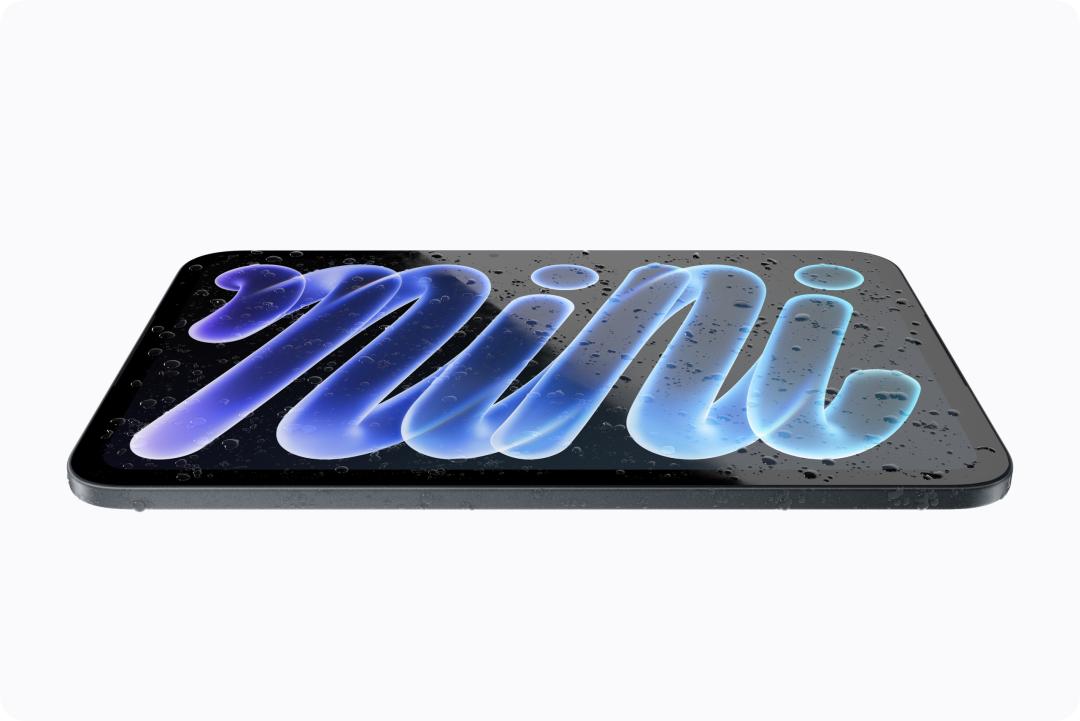
Photo | Apple
In previous iPad designs, the external speaker must rely on dense speaker grilles on the bezels. But in a body with a thickness of only 5.4 mm, Apple has reconstructed the sound system:
The customized low-frequency unit is directly placed at both ends of the display, and generates sound through the micro-amplitude coordinated vibration of the screen panel itself, bringing more powerful and deeper low-frequency texture; while the customized high-frequency unit is cleverly hidden in the tiny gap between the front glass and the edge of the aluminum metal body, making the high frequency clearer and more transparent.
This acoustic technology not only enhances the stereo wrapping sense of movie watching and gaming, but also brings better body sealing performance, making iPad mini 8 the first iPad in the iPad family since its birth in 2010 to officially support IP67 level water and dust resistance (it can stay under water at a maximum depth of 1 meter for up to 30 minutes).

Photo | Apple
In terms of peripheral configurations and detailed experience, the new iPad mini has also made a large number of updates to make up for the pain points of previous generations:
Landscape 12-megapixel Center Stage camera: The front camera is finally moved from the short edge to the exact center of the long landscape edge, and the rear 12-megapixel wide-angle lens also adds an adaptive True Tone flash, which can more effectively eliminate shadows when scanning paper documents with algorithms;
First to adopt Apple's self-developed N1 and C2 chips: Support Wi-Fi 7 (802.11be), Bluetooth 6 and Thread; cellular data transmission speed is increased by up to 50%, and it supports pure eSIM for convenient network access;
Support 35W fast charging: The device has a built-in 18.9Wh battery, Apple officially states that it supports 35W fast charging, and it can charge up to 50% of