A developer installed Claude on a TV, and here are the changes that took place in its system.
Not long ago, in people's impression, a TV was a device you could watch as soon as you turned it on, and switch channels just by tapping the remote control twice.
Now, when you turn on the TV to watch a movie, the first thing that catches your eye is a boot-up ad. After you finally get to the home page, you are immediately greeted by full-screen poster recommendations and membership top-up pop-ups. If you press pause halfway, a full-page promotion overlay will even pop up.
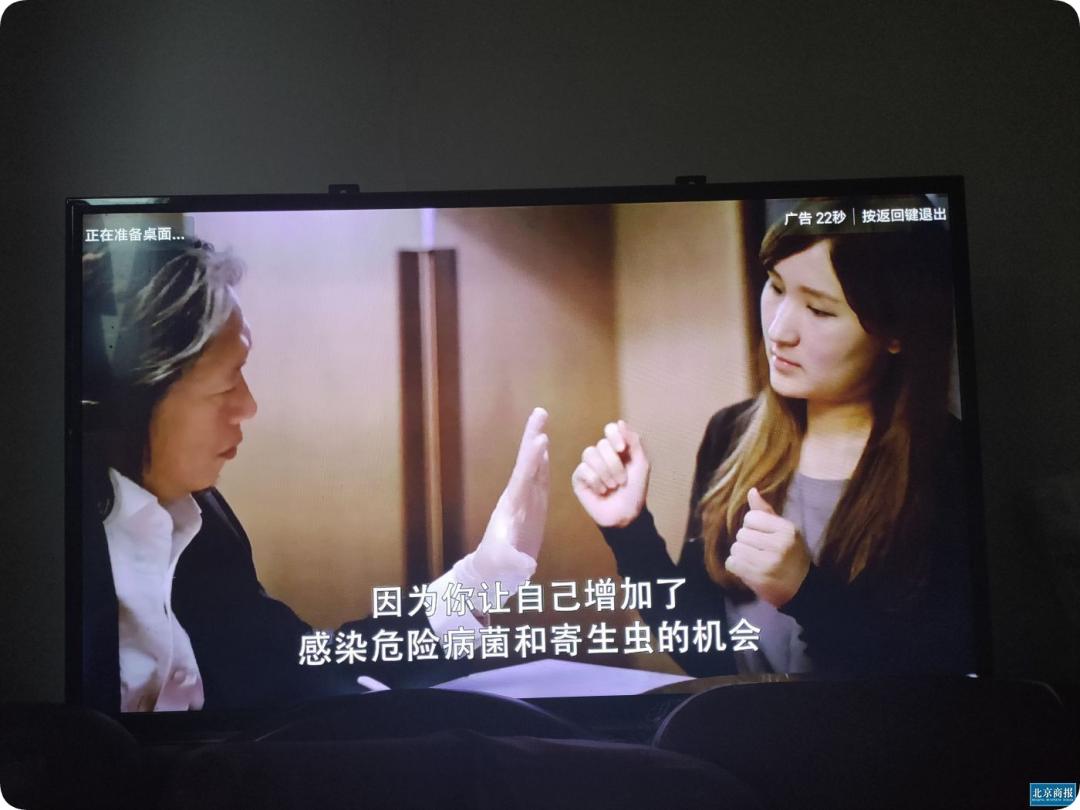
Photo | Beijing Business Today
Recently, a group of people finally decided not to put up with it anymore. They found an unexpected helper — AI, and tried to "restore" the TV back to its original state.
Give your TV a "deep clean"
Last week, developer Gathin posted a set of photos of modifying the TV for his parents on social platforms. According to his description, his Xiaomi TV had to display a sponsored ad even before opening Netflix.
So he submitted the TV model to the programming assistant Claude Code, let it access the device via Wi-Fi, deactivated 25 system components in one go, and wrote a minimalist launcher — the original messy home page instantly became clean and tidy.
He later open-sourced this set of prompts, launcher source code and problem-solving records on GitHub, and named the project CleanYourTV.
In just a few days, the project quickly gained about 13,700 Stars. It is fair to say that "the whole world has suffered from smart TVs for a long time". The relevant discussion section on Reddit is full of users asking if their own TV models can be adapted, and many people have successively posted their modified minimalist home pages.
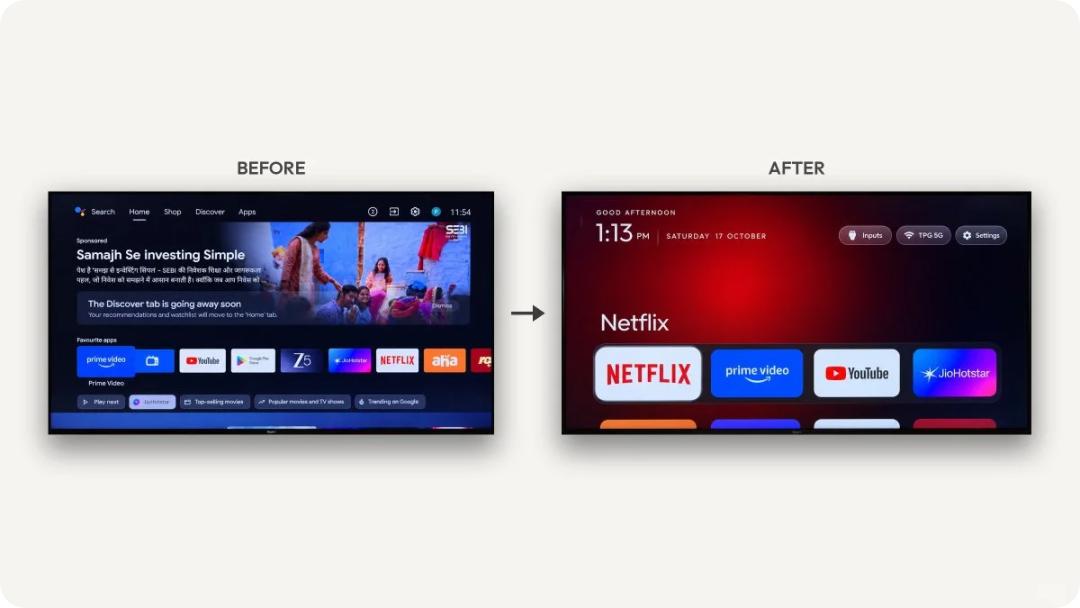
Photo | 🔗 github.com/Gathin23/cleanyourtv
The underlying logic of AI "taking over" the TV is not mysterious, and the core is still the old tool that has been used in the Android ecosystem for more than ten years: ADB (Android Debug Bridge).
As long as you are connected to the same local area network and enable the debugging permission of the TV, AI can check hundreds of running application components through the terminal interface. AI will screen out which are boot-up ads and which are telemetry programs that secretly report viewing data, issue commands to "freeze" them one by one, and finally replace them with a pure open-source launcher.
Even the HDMI and external input sources that were originally hidden in multiple layers of secondary menus can be directly made into permanent entrances on the home page.
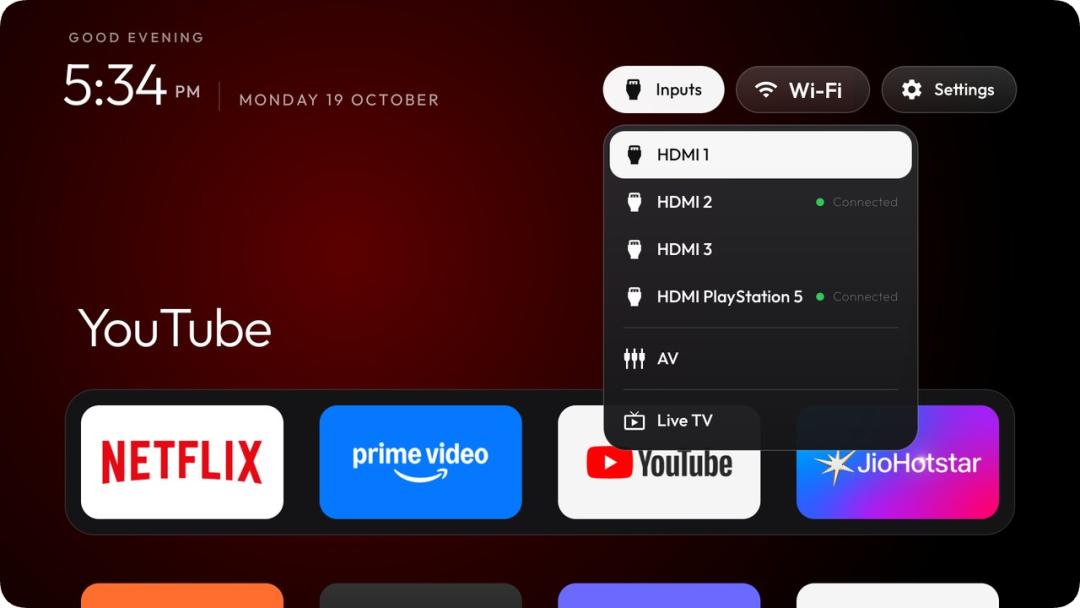
Photo | CleanYourTV
Another YouTuber Ansub Khan also recorded his modification process and open-sourced the project as TV Detox. On his original TV, the default boot setting would automatically play noisy carousel content.
After the modification, the new home page only leaves the clock, commonly used video applications and input sources.
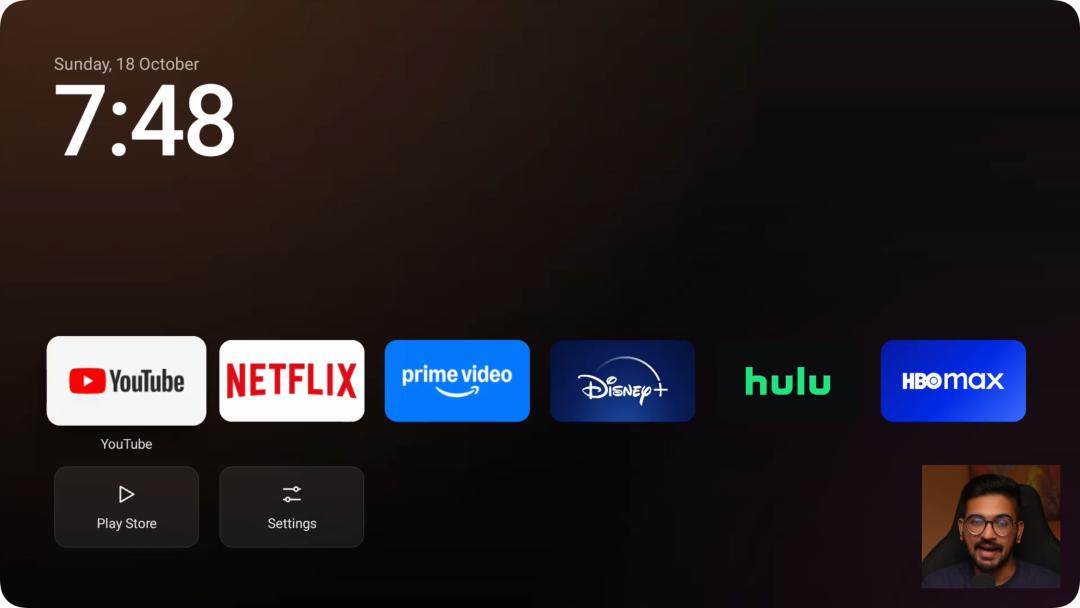
Photo | 🔗 github.com/Ansub/tv-detox
In the video, Ansub tested that the available memory of the TV soared from about 370 MB to 600-650 MB; a TCL Beyond user who followed the prompts also said that although there is no accurate data, after getting rid of the heavy background resident processes, the sliding and response of the whole TV is obviously much faster.
Looking through the discussions in the Reddit community, I noticed a very interesting detail: The "ideal TV" in everyone's mind does not seem to be the same at all, and they cannot even reach a consensus with each other.
Some people are still used to the original factory interface, only want to remove ads and redundant recommendations, and remap the shortcut keys of the remote control to commonly used applications;
Another Sony KD-55A8H user pursues more minimalism — he changed the clock to 24-hour format, deleted the morning and evening greetings, date and all decorative lines, and even replaced the system font with the neat and cold IBM Plex Sans.
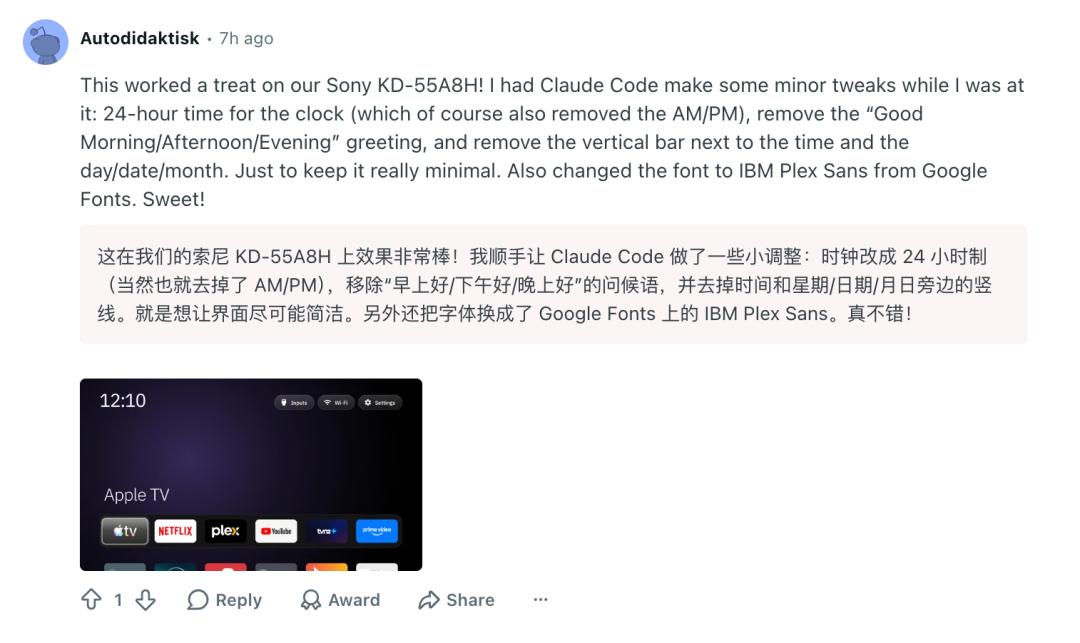
In fact, people's needs are inherently diverse. But in the commercial logic of pursuing standardization, users can often only customize within the framework given by the manufacturer.
Dramatically, the intervention of AI unexpectedly provides a customization path that ordinary people can explore and follow for these extremely segmented and strange personalized demands.
Hardware makes no profit, so the screen becomes an advertising space
In recent years, TVs have become cheaper and cheaper. In addition to the decline in panel costs and the improvement of productivity, there is also the element of manufacturers "losing money to gain popularity". But after all, manufacturers are not doing charity. Hardware is responsible for "making friends at low prices", and money naturally has to be earned from other places.
As for how to make money after the TV is sold, we can get a glimpse of it from the financial report of Roku, a overseas streaming media giant.
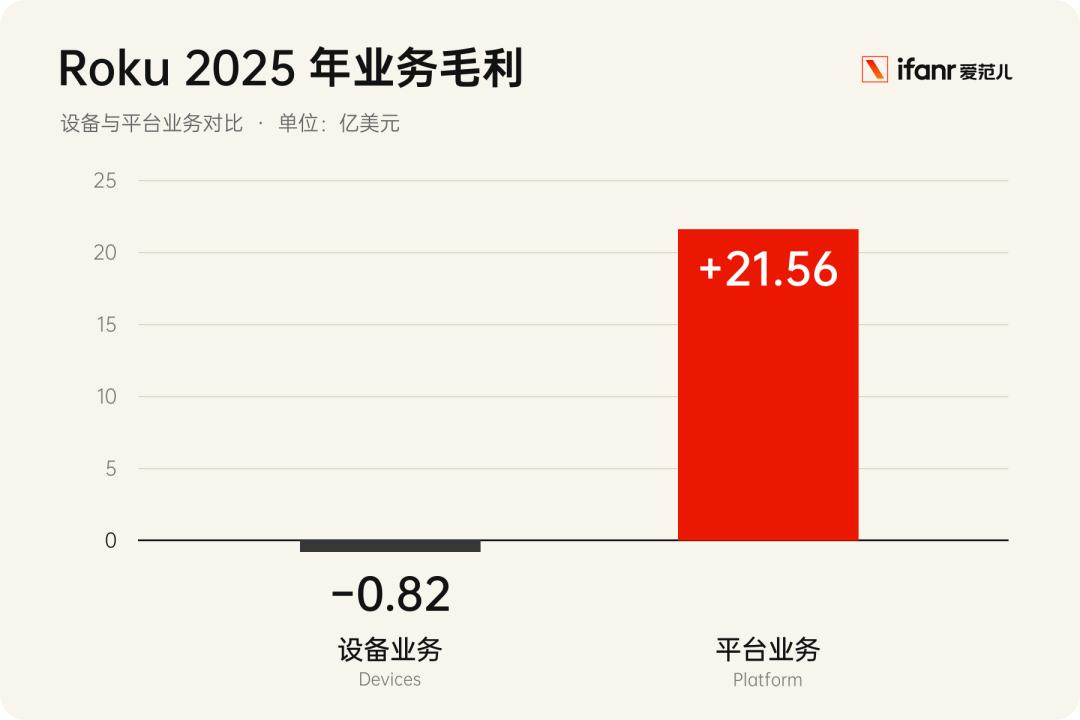
In 2025, its device hardware business recorded a gross loss of 82.02 million US dollars for the whole year; relying on the platform business composed of digital advertising, subscription and content distribution, the gross profit was as high as 2.156 billion US dollars.
TCL Electronics also disclosed that its Internet business revenue in 2025 was HK$3.11 billion, with a gross profit margin of 56.4%; in the same period, the gross profit margin of the large-size display business was 16.8%. It is obvious that the Internet operation around TV has a higher gross profit margin than hardware.
In China, the rectification of smart TVs has indeed achieved certain results. According to the data disclosed by the National Radio and Television Administration, 93% of the models of mainstream brands support one-click closing or permanent closing of boot-up ads.
But this still treats the symptoms but not the root cause. The boot-up countdown ads are restricted, which cannot stop the manufacturer's demand for monetization, and their commercial calculations will only become more hidden.
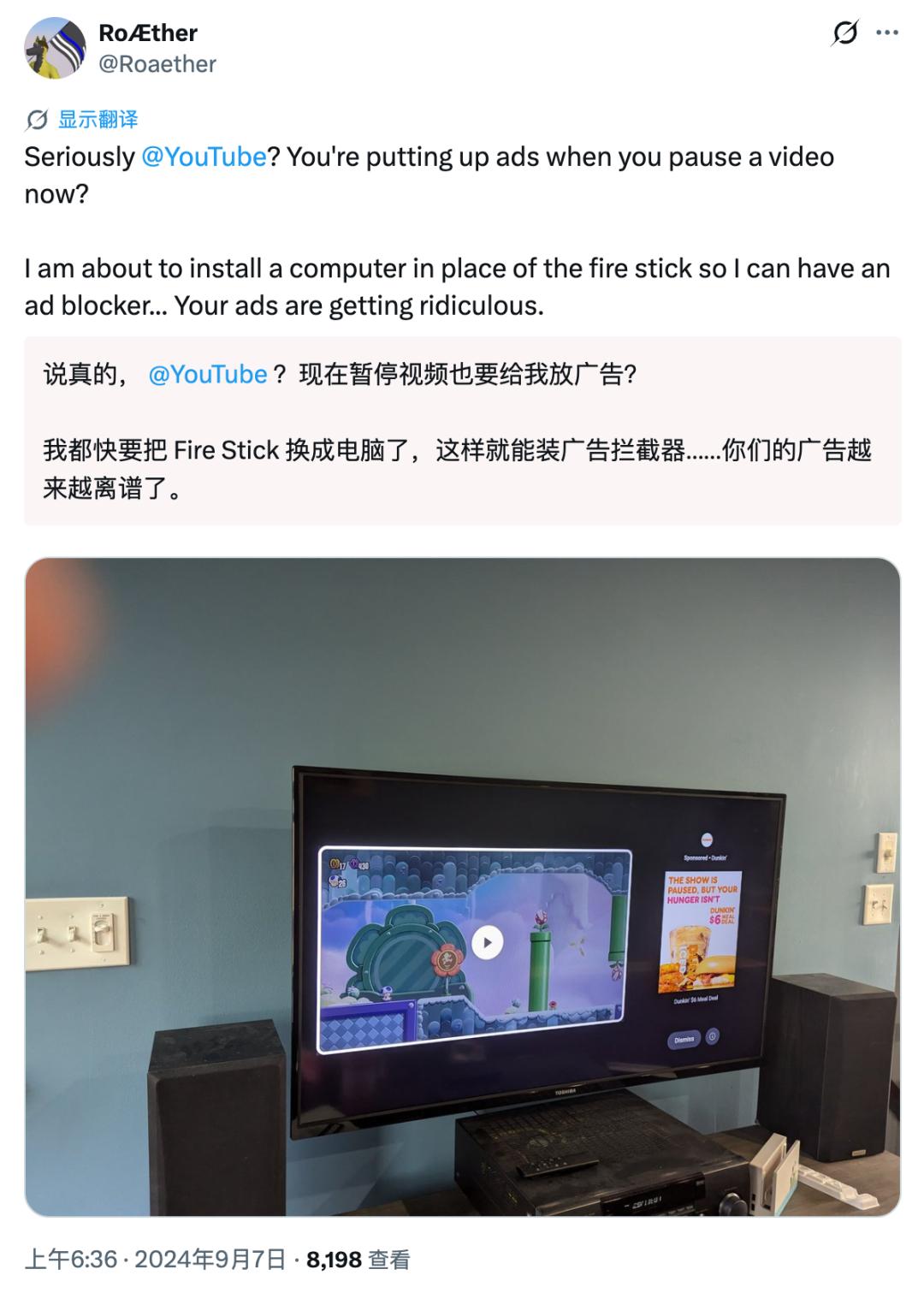
Photo | X users complain about the annoying ads displayed when YouTube pauses
Take some domestic streaming media platforms as an example. The pre-roll ads that are often 90 seconds long, the full-screen promotion posters when pausing, and the "large-screen exclusive VIP" pop-ups that cannot be used with mobile annual cards, are still stuck there like stubborn rashes.
Tools like CleanYourTV can only clean up the pre-installed packages of the TV system itself and the official launcher. It can help you clean the door of the living room, but it cannot control the rules inside each App.
Why can't we take full control of the hardware we bought?
The trend of "Vibe-Hacking" is not limited to "TV".
In the camera circle, a group of photographers are also trying their best to retrieve the functions hidden by the manufacturer.
On old Sony cameras, the open-source project Recipe Lab uses the old PlayMemories Camera Apps entry to allow models such as A6000 and A6300 to load custom color recipes, and write color matrix and white balance parameters into the underlying layer of the camera body.
Another study on the A7 IV firmware even directly dug out the officially blocked shutter angle and LUT implementation deep in the 6.02 version firmware. Although currently only the icons can be called up and the dial adjustment is still limited, the existence of the code itself confirms that the hardware capability already exists long ago.
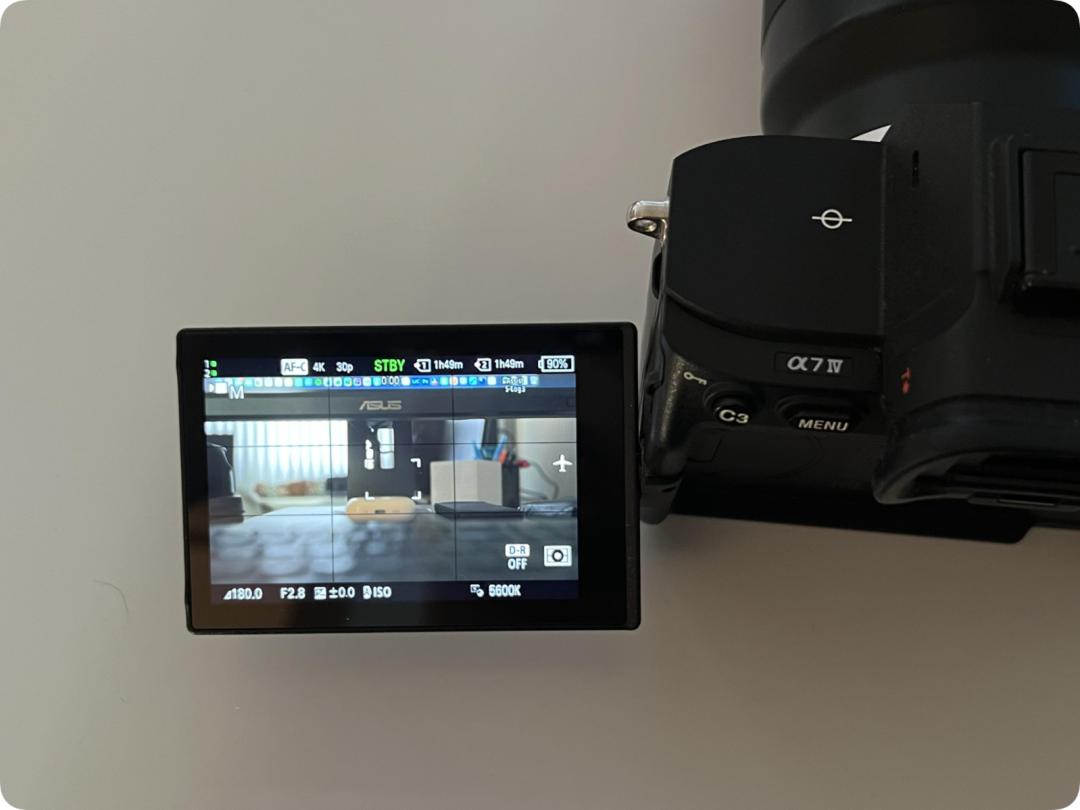
Photo | 🔗 github.com/leogenot/sony-a7iv-feature-research
The open-source project Wonder Lantern in the Nikon community takes personalization to a deeper level. Some developers not only expanded the Z30 with 900-second ultra-long exposure, on-screen histogram and custom shutter sound, but the domestic reverse engineering community even directly unpacked and reconstructed the Nikon firmware, repackaged and signed it with a private key, and successfully added new setting options to the camera menu.
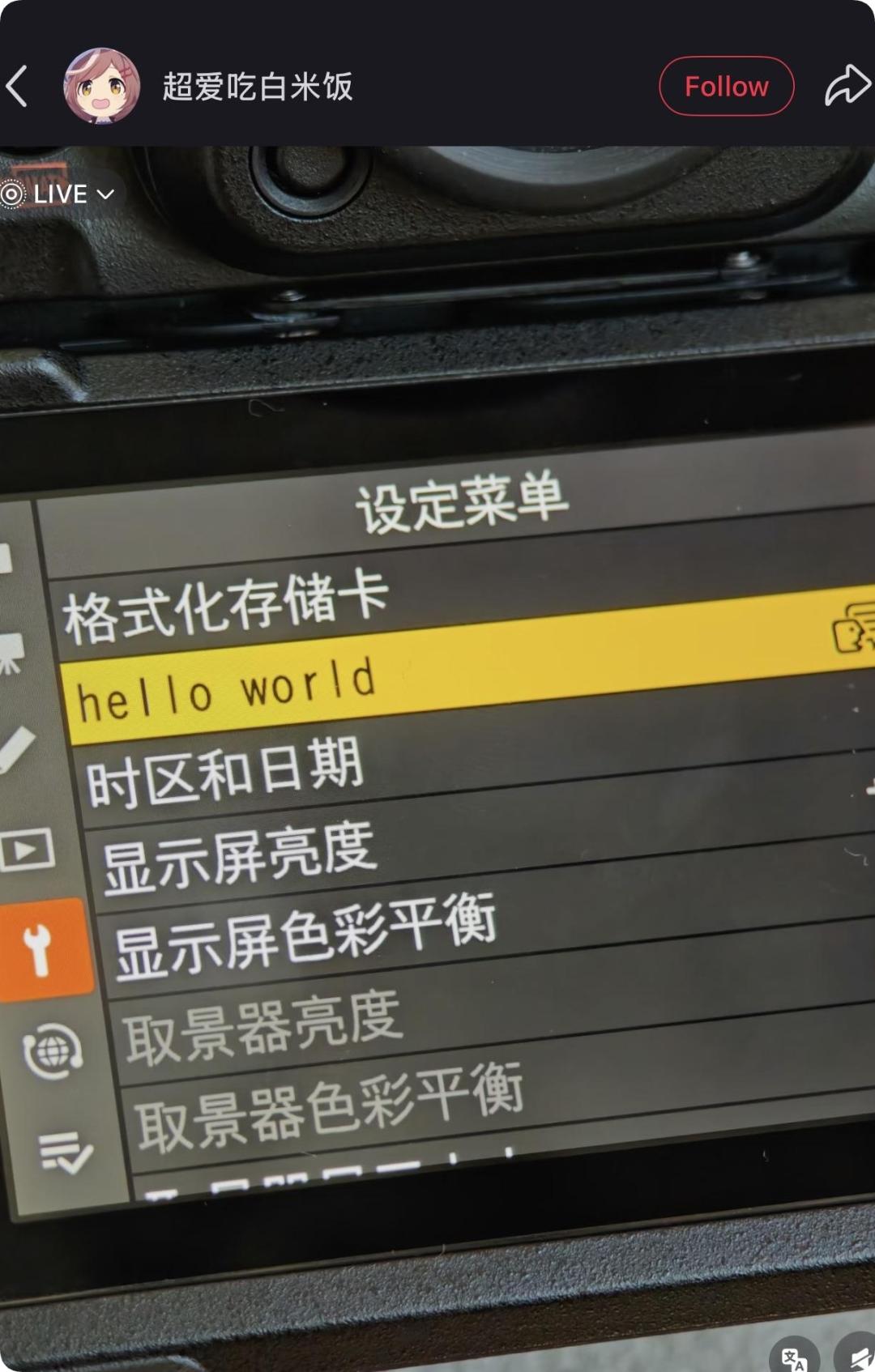
Photo | After the developer modified the firmware, the "hello world" entry was successfully written into the native setting menu of the Nikon camera (Source: Xiaohongshu)
The GR Mod in the Ricoh community fits the photographer's own .cube LUT color presets into the in-camera style slots that the camera can recognize, and even adds a 65:24 wide aspect ratio, so that this street snap camera directly has a film-like style and XPAN composition field of view.
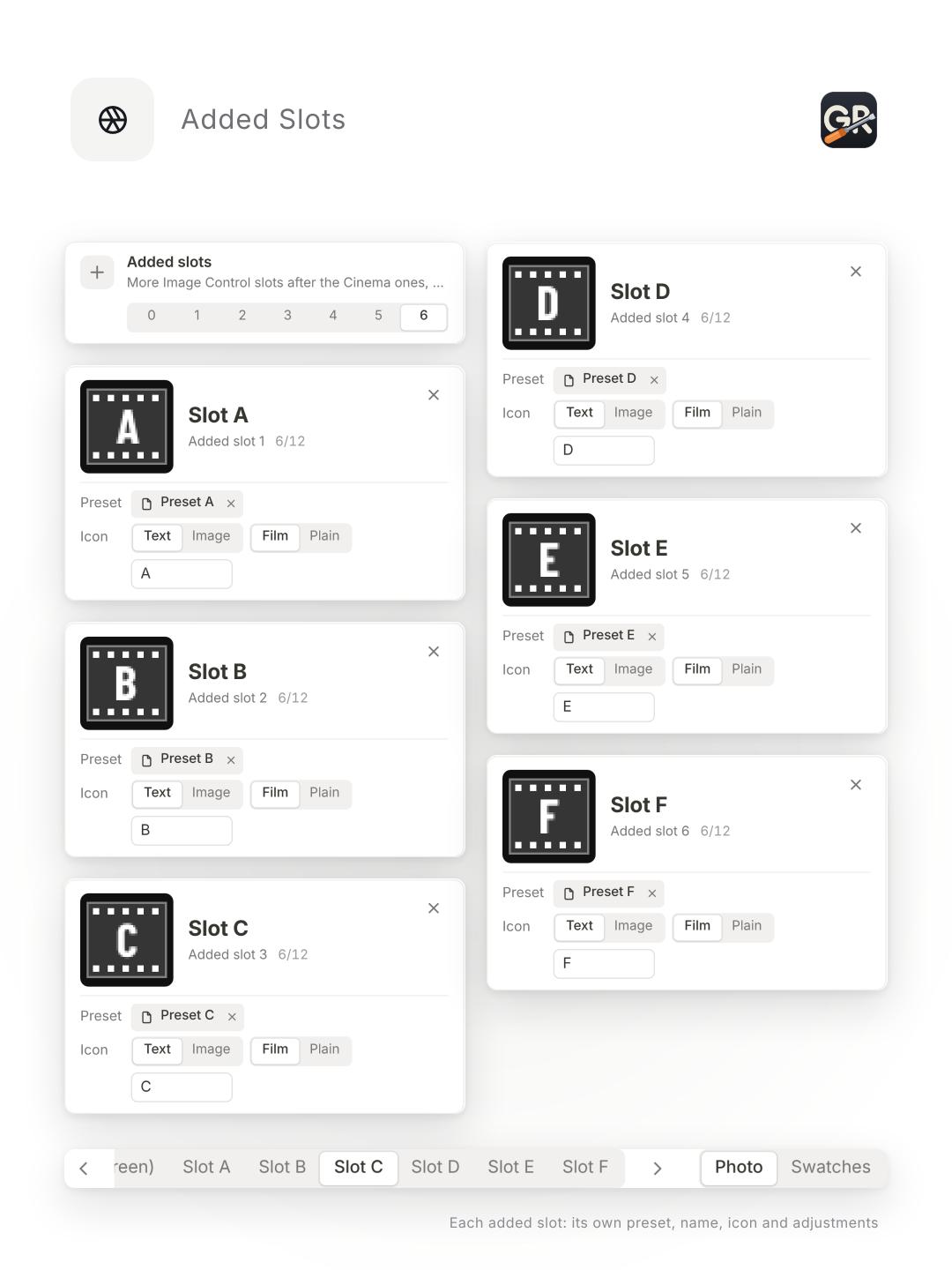
Photo | The new style slot interface disclosed by the GR Mod author (Source: GR Mod author Southern-Use7212)
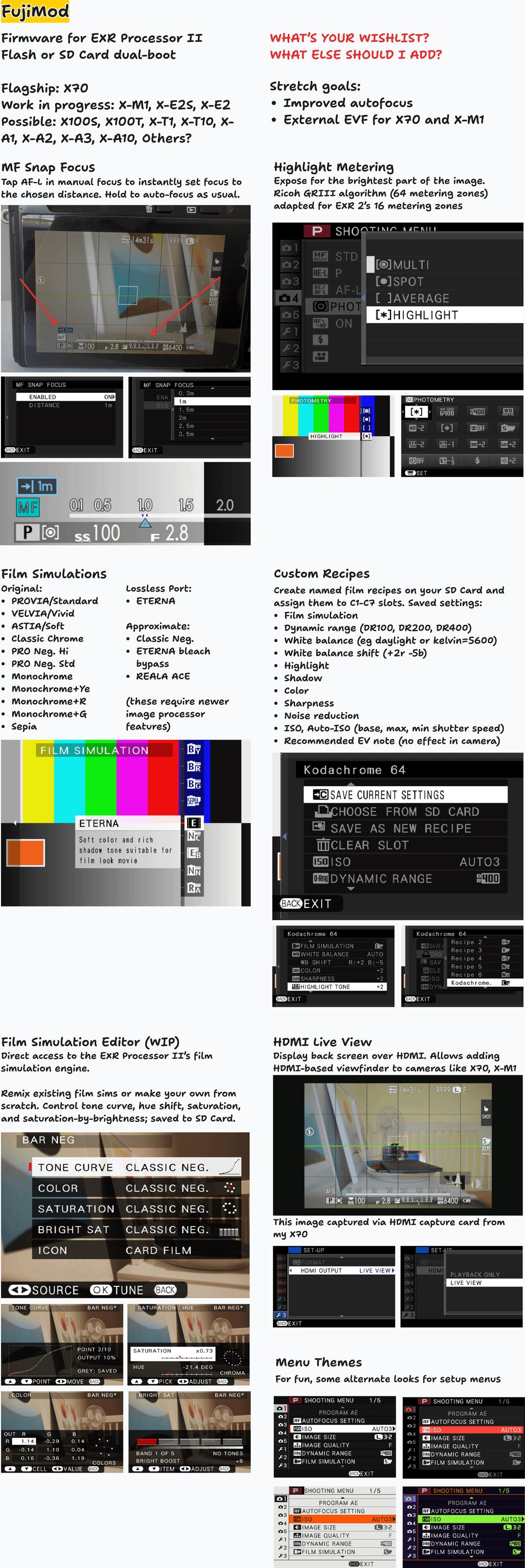
In the Fujian circle, developer justice-jake is trying to break the official firmware moat — porting the film simulation, snapshot focus and recipe editor exclusive to new models back to the long-forgotten old camera X70.
The channel curve of the old processor is locked by hardware, so he uses AI-assisted USB debugging and firmware simulation to dig out the approximate algorithm implementation little by little in the underlying code.
A more dramatic exploration appeared on Hasselblad. The open-source project Hasselblad X Unleashed directly targets the underlying system of some medium-format camera bodies — this camera runs a deeply customized Android inside, and this hidden "back door" makes geeks very excited.
They not only followed the clues to unlock the wireless microphone, external monitoring and pixel shift, but even some people in the community successfully ran the classic game DOOM on the Hasselblad camera worth tens of thousands of yuan.
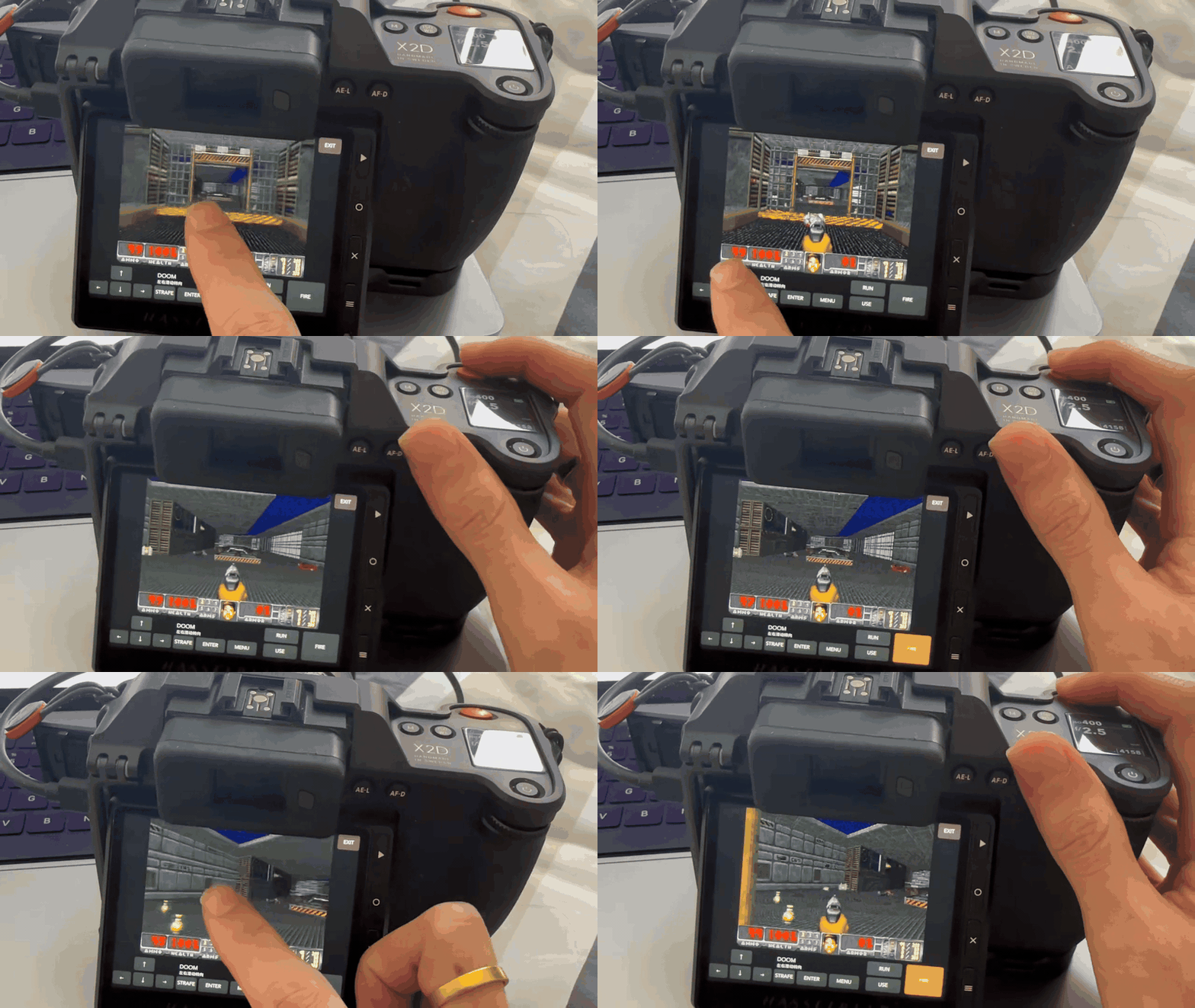
Photo | Hasselblad X2D 100C runs DOOM, touch screen to turn, shutter to fire (Source: Reddit / rrRadium)
Compared with disabling several Android apps on the TV, cracking the underlying firmware of the camera is obviously an adventure of a completely different magnitude.
But these two seemingly unrelated groups of people are making modifications following the same logic: we obviously bought this machine at full price, why should the manufacturer's commercial plan be the only one to decide how its functions can be used?
In the past, to break through this setting, geeks needed to spend months or even years struggling in assembly code and decompilation tools.
Now, AI for the first time gives ordinary people the code auditing and troubleshooting capabilities that originally belonged exclusively to reverse engineers. Those functions that were once encapsulated deep in the black box and cut by manufacturers'