An open-source project has pierced the veil of the entire software world.
As the Double 11 shopping festival is approaching, console gaming fans have surely noticed that the previously unpopular Japanese version of PS5 has suddenly become a highly sought-after product. The good price news released just yesterday drew more than 100 discussions right below the post.

How did a region-locked console that can only run Japanese games suddenly become so popular? The answer is hidden in those more than 100 comments.

Exactly, the PS5 has been cracked. It can not only run games for free, but also download models to run AI locally. You can use this 2500-yuan game console as a ChatGPT device, which would make Jensen Huang want to get mad if he sees it.
In fact, it's not just the PS5 — the entire software world is being cracked.
All kinds of games are being stitched together recklessly: Spider-Man breaks into Gotham City, Minecraft characters fight against GTA police officers.
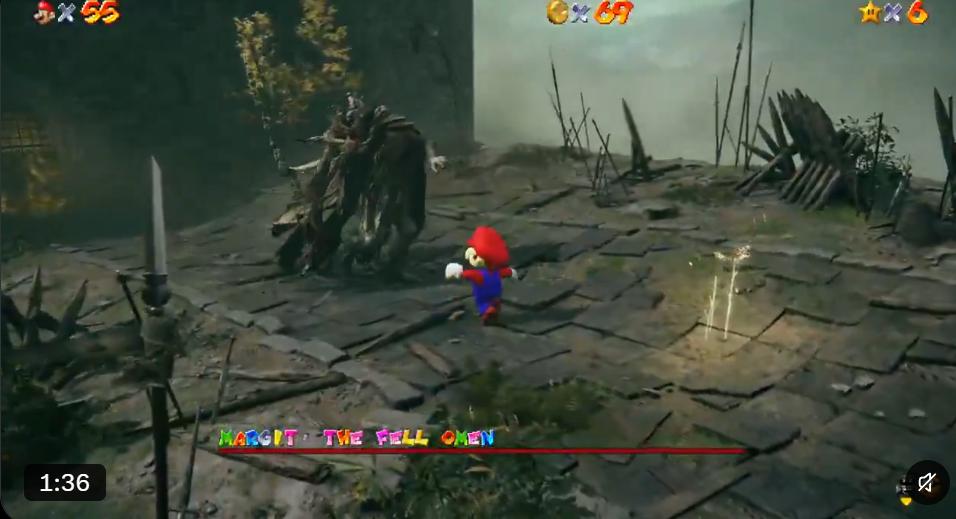
Mario vs. Elden Ring
Some people even reverse-engineered games and directly made them into web versions. A foreign netizen was totally shocked when he opened the browser and found it was Call of Duty. If this technology existed back then, no one would have secretly copied games with USB drives in computer class!
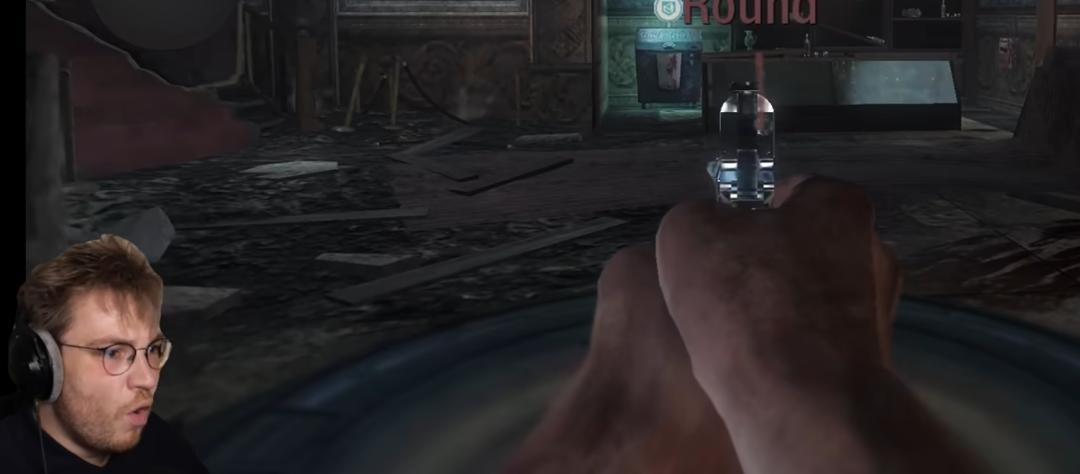
The global cracking community is now in a thriving trend, which forms a sharp contrast with people's stock accounts.
It can only be said that the previous trend of thin muscle fitness is already outdated, and the massive cracking trend is the real current hotspot.
REA, Reverse Engineer Anything!
All of this is closely related to a project on GitHub — REA. Short for Reverse Engineering Anything, its name literally means that you can reverse-engineer every possible thing.
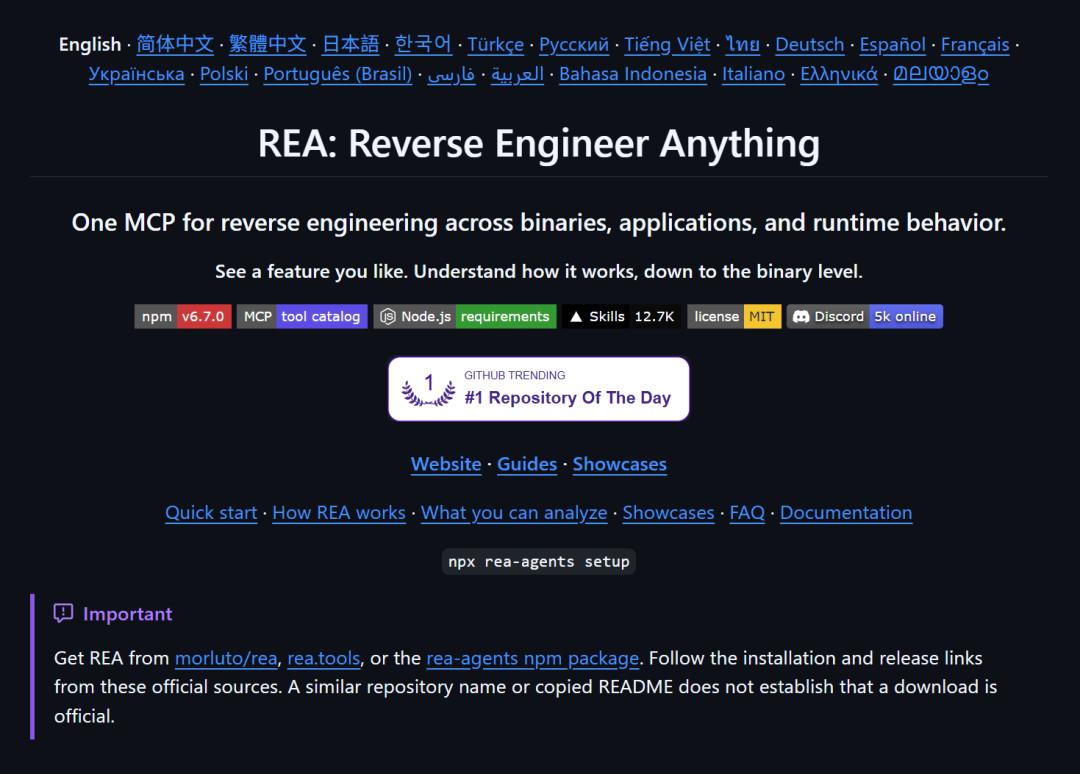
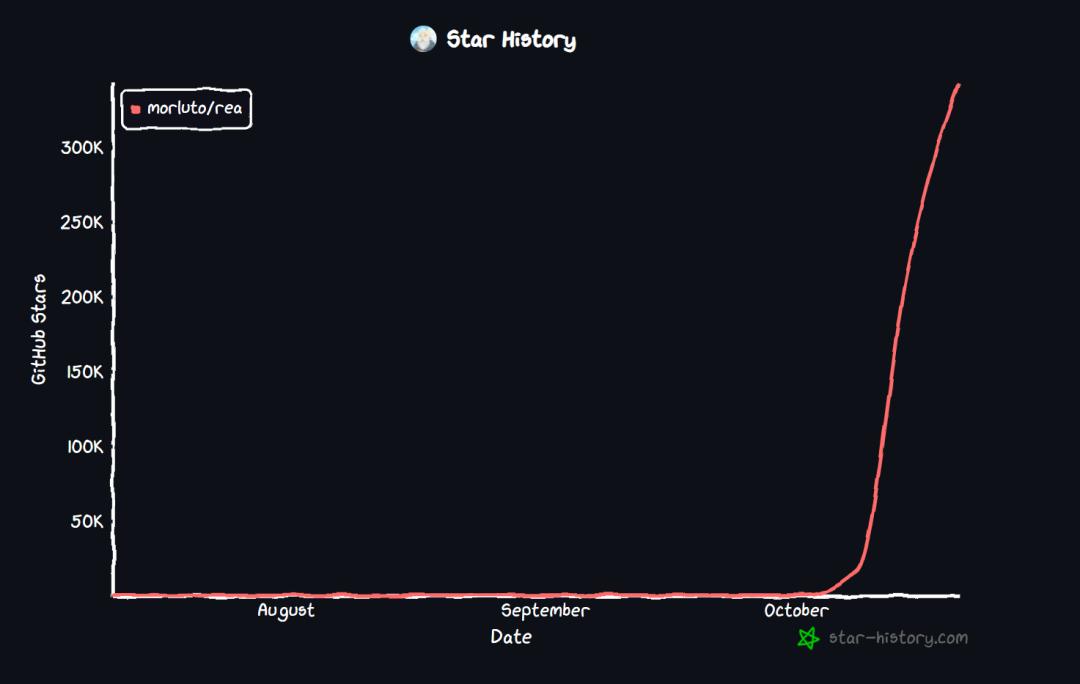
Although it was launched on GitHub back in July, it didn't get widespread attention until around October 7. In just five days, its GitHub stars skyrocketed from less than 10,000 to more than 140,000, and now the number has exceeded 300,000.
What is reverse engineering? The most straightforward explanation is: if we want to build a car, we first come up with ideas, then draw design blueprints, and finally produce the car. This process is called forward engineering.
As for reverse engineering, it means we first buy a finished car, take it apart, measure the specifications of every single component, then deduce the blueprints in reverse, and finally produce the same product. To put it bluntly, it is a way to make copycat products.
Then what is the point of reverse engineering for software? I can just press Ctrl C + Ctrl V to copy it directly, right?
Yes, that's true. But most software does not provide source code. Ctrl C + Ctrl V can only copy the 01001 binary machine code, which is completely unreadable for humans, so you cannot make any modifications to it. If you want to make small adjustments, or in other words, crack the software, what should you do?
The only way is to carry out software reverse engineering, reverse from the 01001 binary code to assembly language, then further reverse to high-level languages such as Python or C.
Since this process is extremely complicated, reverse engineering is never an easy job. An experienced reverse engineer may need to spend several consecutive months analyzing a program of medium complexity.
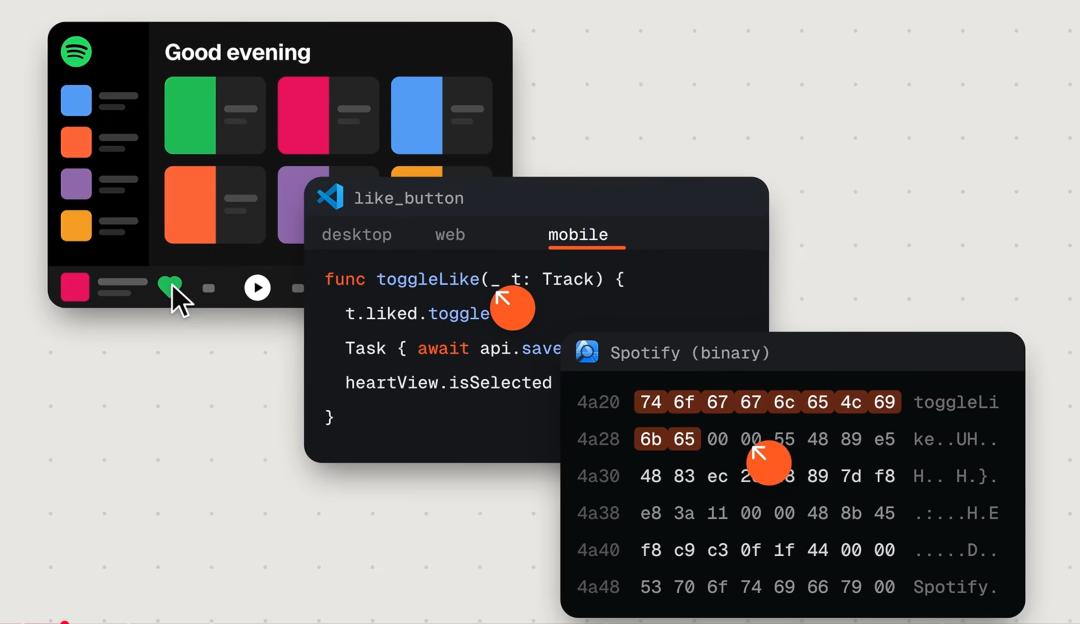
What REA does is to let AI master this skill overnight.
REA itself is neither an AI nor an Agent. Its more accurate positioning is a collection of MCP services and skill packs. You can understand it as a "reverse engineering textbook + toolbox". It does not do the work itself, but it can teach AI to do the work.
With the support of REA, cracking and reverse engineering work has suddenly become something that everyone can get started with.
With REA in action, everyone benefits
The first group of beneficiaries are the vast number of game players.
In the past, game Mods were just skin swaps: you can replace the gun in GTA with the gun from Call of Duty, which looks cool, but the damage value remains the original one.
What about now?
Steve the block character from Minecraft holds a diamond sword and confronts the police in Los Santos. The TNT explosion and arrow trajectory all follow the physics engine of Minecraft. The two games realize data interconnection at the engine level: when you place a block wall in Minecraft, a collider will be automatically generated in GTA, and cars will actually hit it and bounce off.
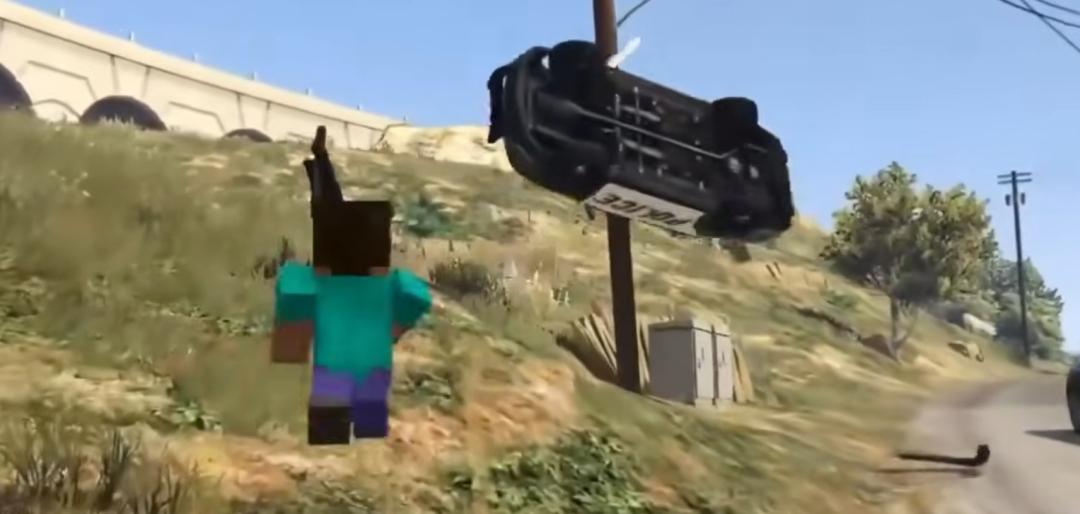
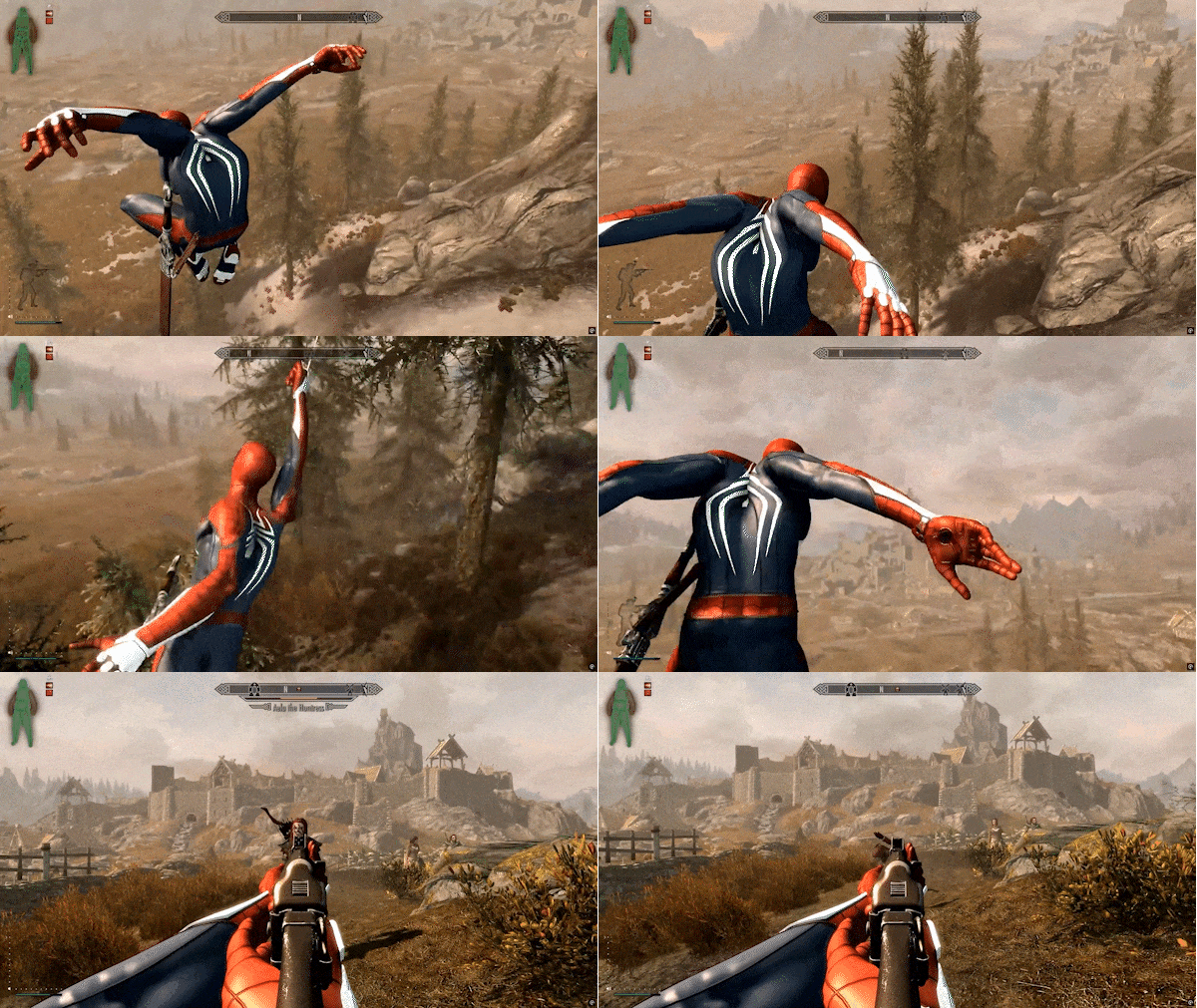
There are even more amazing operations: some people stitch three games Escape from Tarkov, Skyrim and Spider-Man together — Spider-Man swings silk threads in Skyrim, holding an assault rifle from Escape from Tarkov and shooting while swinging. What genre is this? Open-world action-shooting swing RPG?
This is only limited to the gaming field. Do you still remember what the letter A in REA stands for? Anything!
Operating systems are also inevitably being reverse-engineered. The first case is the Hackintosh project.
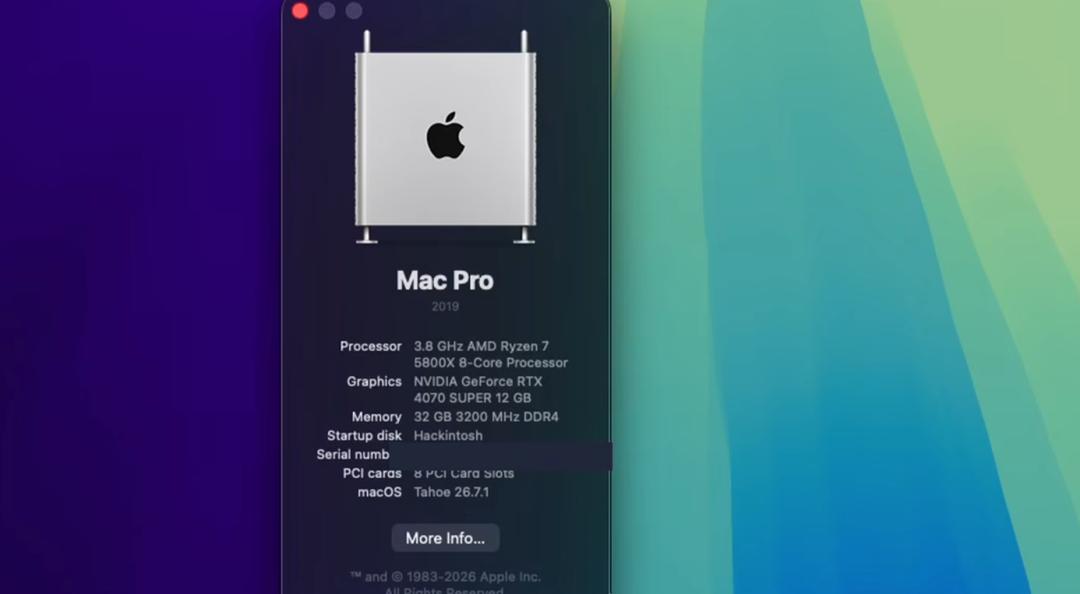
For a long time, the biggest obstacle to installing macOS on an ordinary PC is the graphics card. Apple has kicked out NVIDIA drivers from its system since 2019, so you can only use AMD graphics cards if you want to get good performance.
But recently, a developer has developed a set of unofficial drivers, which makes the entire RTX 20/30/40/50 series run perfectly on macOS.
Then it comes to the PS5. The PS5 itself uses a customized Unix system. The cracking team found a memory vulnerability by reverse-engineering the WebKit browser, then reverse-engineered the kernel to get root privileges, and finally took full control of the whole device.
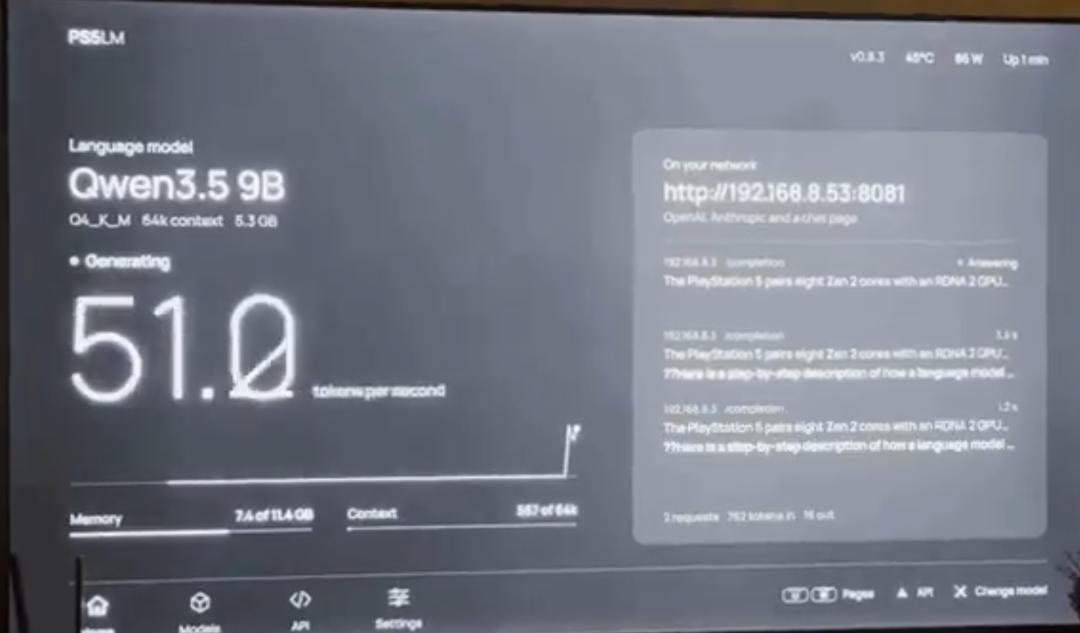
After getting root privileges, players totally let go of their imagination. Someone ported the AI inference engine llama.cpp to the PS5, and can even type with the controller to chat with AI.
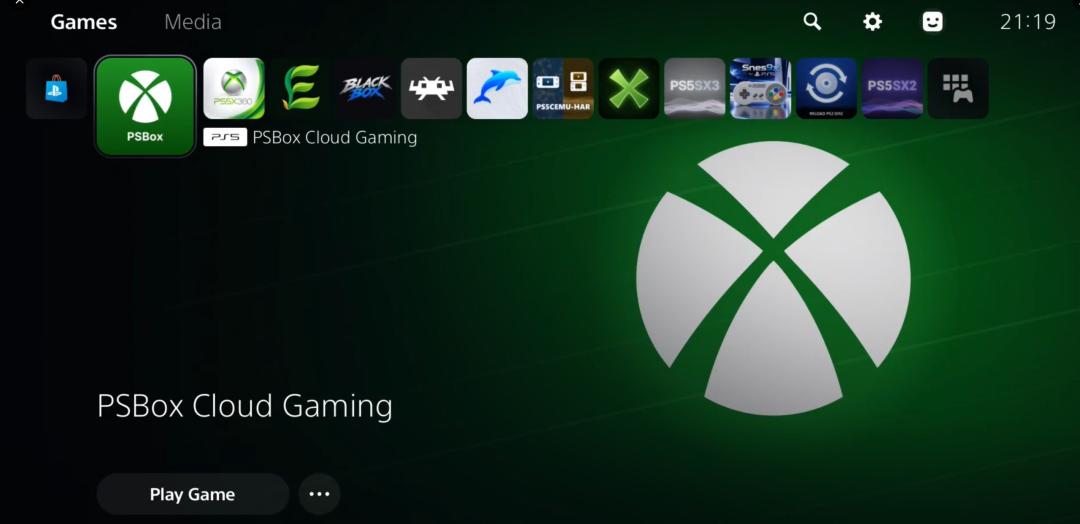
What's even more unbelievable is the PSBox project. Someone reverse-engineered the streaming protocol of Microsoft Xbox Cloud Gaming, making the PS5 run Xbox Cloud Gaming at 1080p 60fps. Sony's hardware runs Microsoft's service and plays Microsoft's games, which is a perfect case of NTR in the tech world.
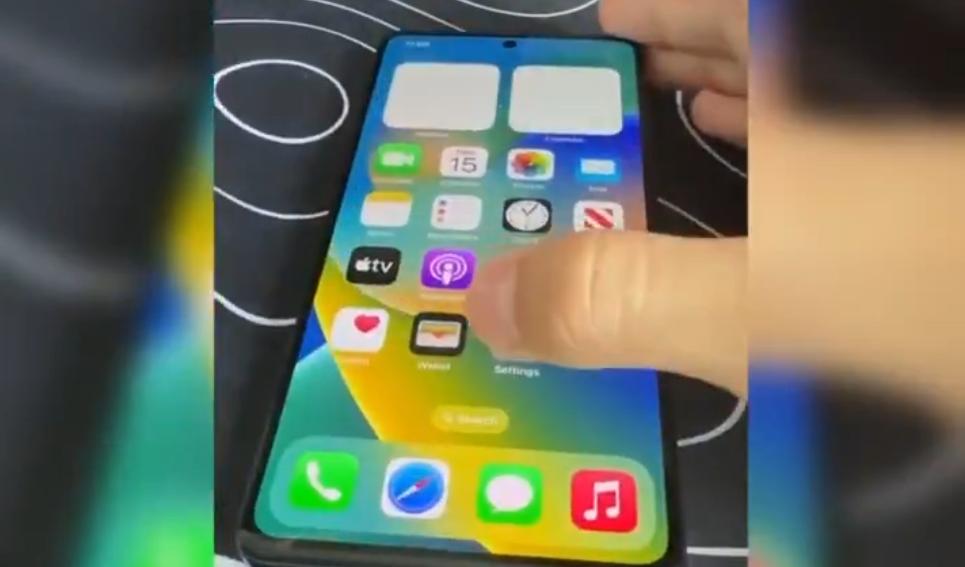
Since you can do all these things, it is naturally no big deal to run iOS system on an Android phone, right?
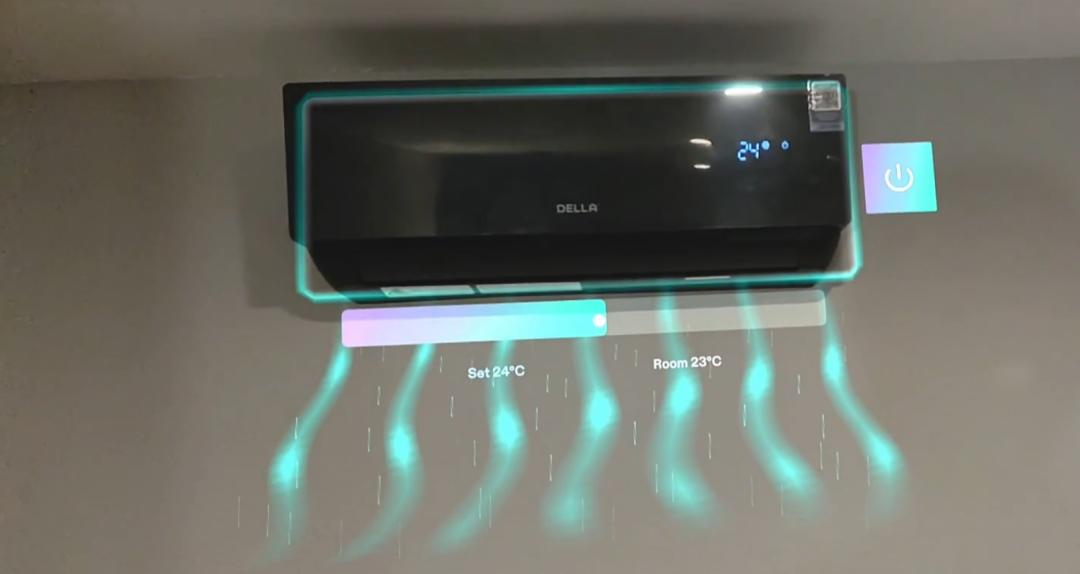
Some people also reverse-engineered IoT protocols, and used AR glasses to achieve a very sci-fi effect of adjusting the air conditioner temperature. There are even people who directly control their home smart toilet on an Apple computer.
The real driving force is not REA, but low cost
Any of these things would have been enough to arouse discussions in the entire tech circle for a whole year if they happened one year ago. But now they all emerge in September and October in clusters. Why is that?
After I carefully checked every reverse engineering project, I found that REA is only the trigger that attracts public attention. For people who really care about reverse engineering, the models updated in the past six months are the real boosters.
Fable 5.1 and GPT-6 Astra have greatly improved AI's code understanding ability — not just the ability to "write" code, but the ability to "read" code has been greatly enhanced. AI can finally understand the decompiled pseudocode that even humans find extremely confusing. But these two models have a fatal flaw: they are very expensive. The input costs 10 dollars and the output costs 50 dollars, you can easily spend thousands of dollars running a single project.
The turning point is the release of Claude Opus 5.5. Its performance is close to Fable 5.1, but its cost is reduced to 1/3 of the previous level. Now people can run it as much as they want without worrying about the cost.
Therefore, rather than saying that REA makes us realize the arrival of the great cracking era, cheap and easy-to-use large models such as Opus 5.5 are the real engine of the great cracking era.
Facing the great cracking era, it would be very boring if you only play games and run some free PS5 games.
More than just games
A cryptocurrency trader used REA to reverse-engineer the paid features of TradingView.
According to his description, he used to pay hundreds of dollars every year to buy the membership of a software called TradingView. What is this software for? After a simple check, it is roughly a financial software with cryptocurrency market data, similar to the Chinese stock trading platform Tonghuashun.
Its main function is that you can customize the K-line chart in various ways, combine various technical indicators such as RSI and MACD, and even DIY them into any form you want. To experience these features, you need to pay dozens of dollars of membership fee every month.
This developer used REA to let AI reverse-engineer how the chart refreshes when switching stock codes, how the UI responds when overlaying indicators, and how the data interacts when drawing trend lines. He fed all these data to Claude Opus 5.5, and rebuilt a free chart engine with similar functions from scratch. He used it to build a 24-hour trading system for himself.
Not only does he no longer need to pay the membership fee, but he also built a quantitative trading system. According to his latest Twitter post, he has now set his sights on the Bloomberg Terminal.
