Nobel laureate Hassabis backtracks: AGI could arrive in as little as 2 years
Just now, Demis Hassabis made a bombshell prediction:
AGI will arrive very soon. In just the next 2 to 3 years.
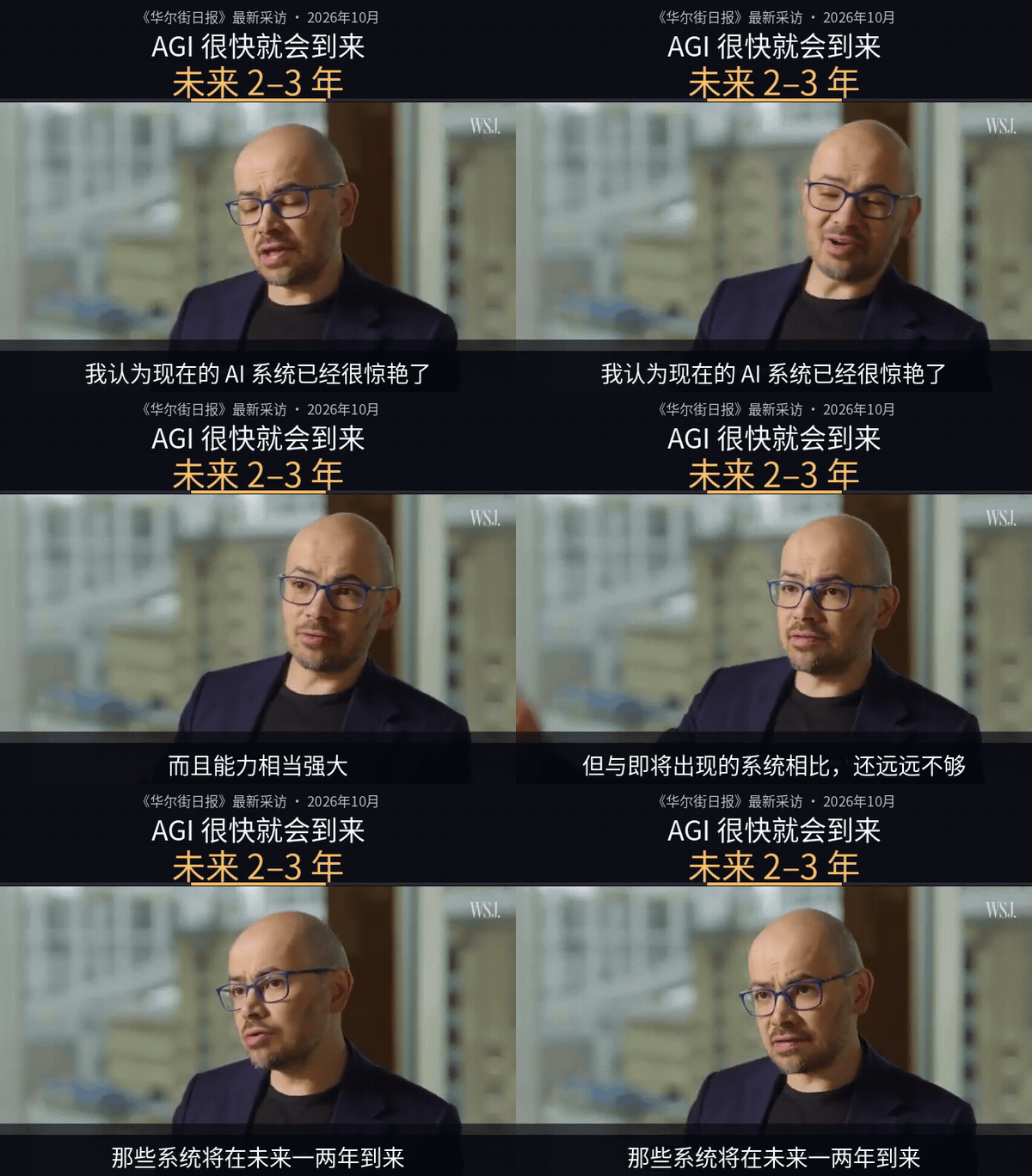
In the AI industry brimming with talents, Demis Hassabis has long been widely recognized as a "cautious conservative".
Yet it is this most steady "gatekeeper" who delivered this astonishing prediction during an in-depth exclusive interview with *The Wall Street Journal*.
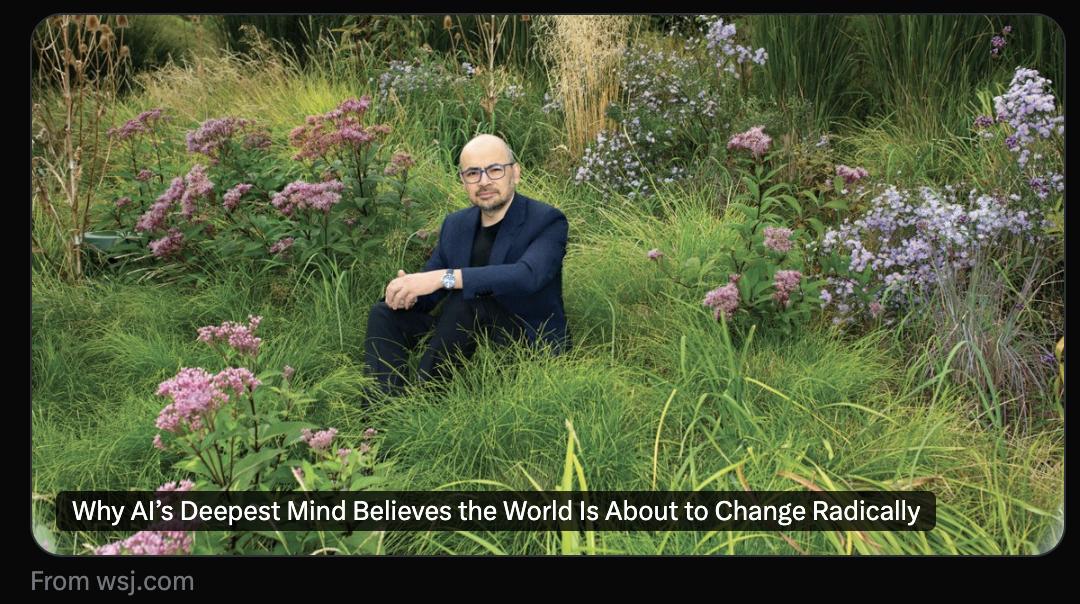
The Timeline Shrinks Drastically: "Three Retractions of Previous Statements" Within 18 Months
If you look back at Demis Hassabis's past forecasts for the AGI timeline, you will find a spine-chilling "expectation collapse curve".
In less than two years, his prediction for AGI has undergone a staggering drastic change.
Back in 2023, he once said AGI might arrive "in a few years, or within ten years", and admitted that in his early years he thought it would take 30 to 50 years, or even longer.
In January 2025, he firmly believed that AGI was still 5 to 10 years away, and the underlying architecture might still need "one or two major breakthroughs".
In February this year, he began to soften his stance, admitting that we are at another critical juncture, AGI is already on the horizon, and it is likely to be realized within 5 years.
In April this year, at the HSG AI Ascent Conference, he gave a prediction of 2030.
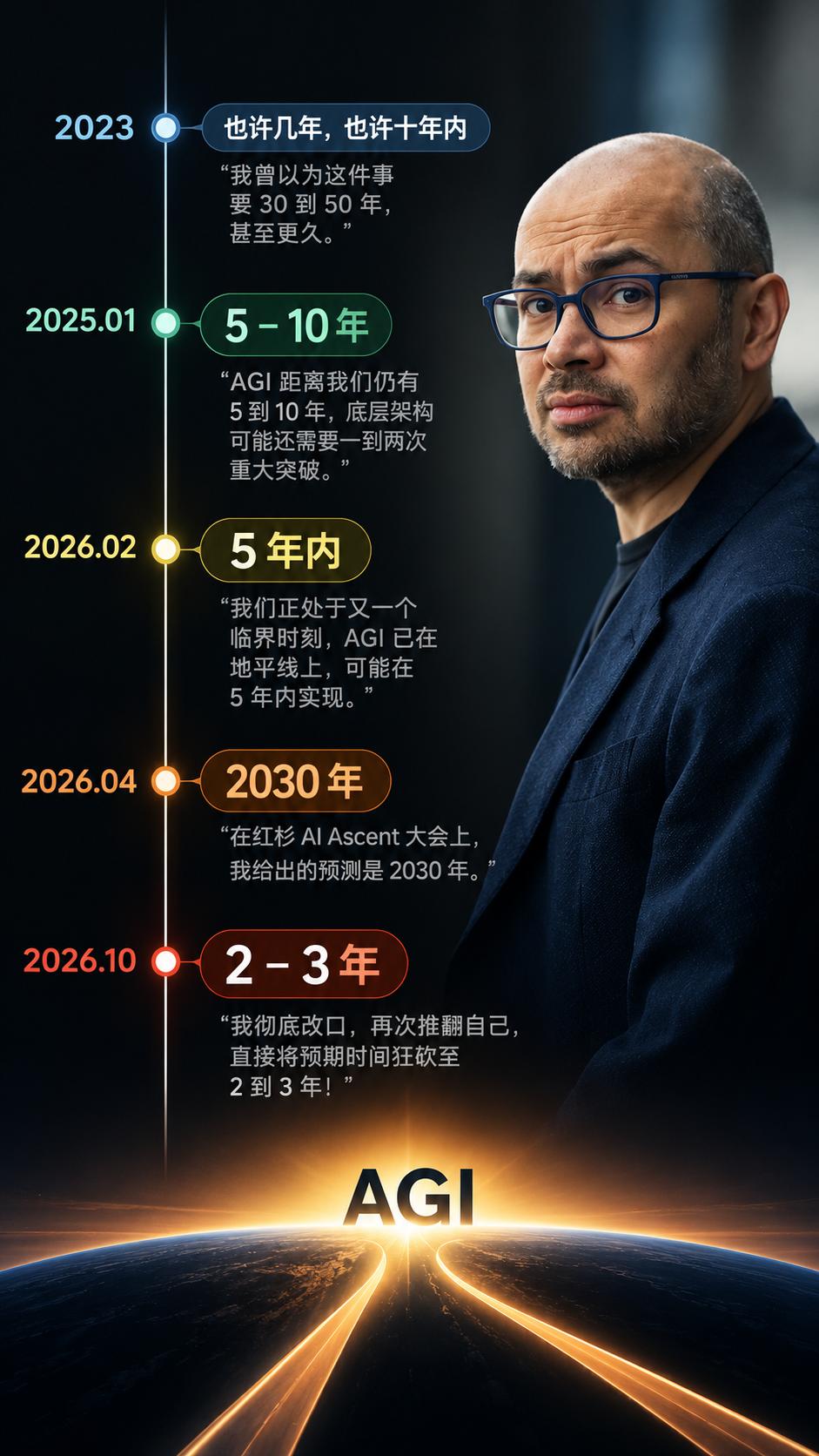
Only a few months later, he completely changed his mind, overthrew his previous statement, and directly cut the expected time sharply to 2 to 3 years!
What happened that made him slash the timeline from "ten years away" to "only two years left"?
Deep in the Google DeepMind lab, this Nobel laureate witnessed firsthand that the underlying technology has achieved leapfrog breakthroughs far exceeding expectations.
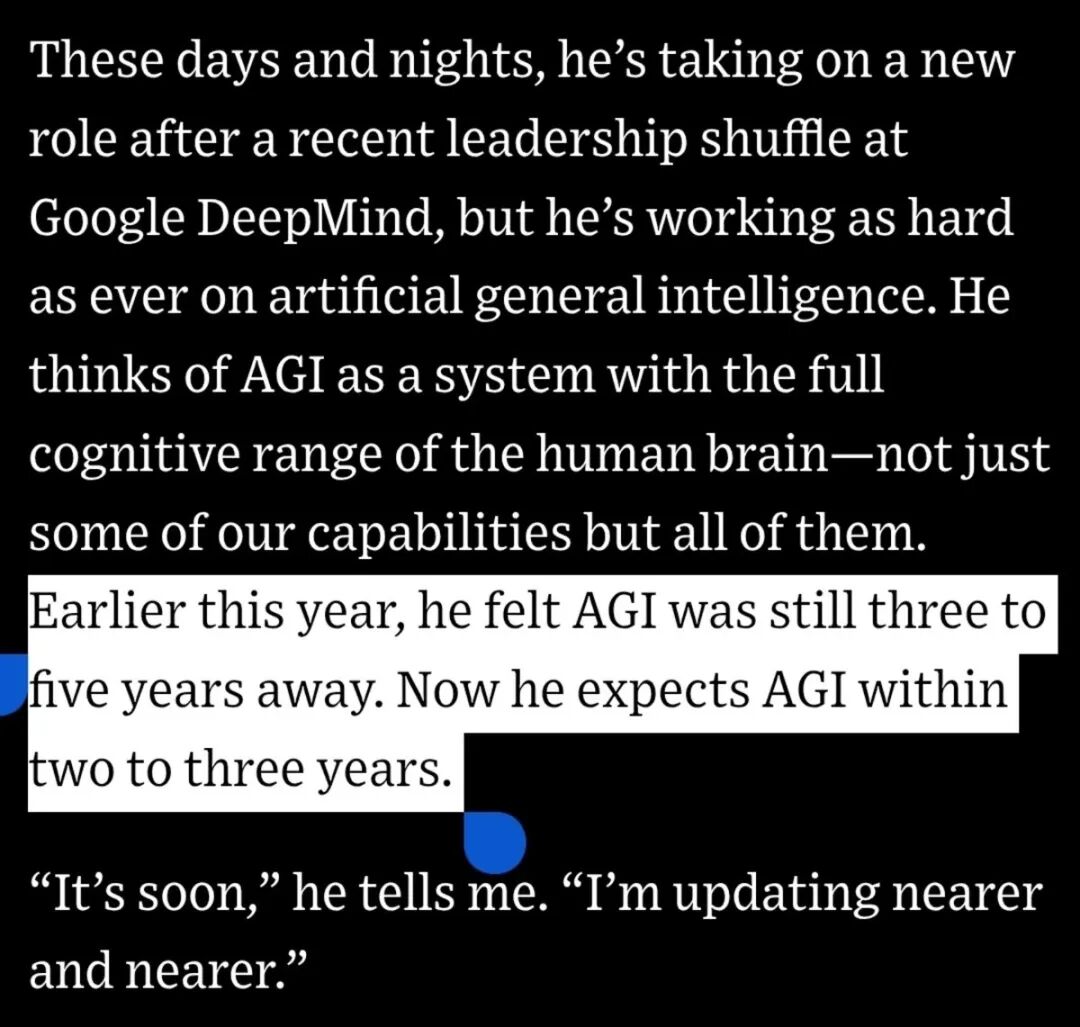
Demis Hassabis's definition of AGI is so strict that it is astounding.
In his view, the upcoming AGI is by no means a partial single-point tool, but the ultimate form with the complete cognitive dimensions of the human brain — it does not only possess some capabilities of human beings, but all capabilities, including highly original thoughts.
To judge whether AGI has really arrived, he put forward a extremely shocking test standard: "the Einstein Test".
What is the Einstein Test?
If we feed all human knowledge up to 1901 into an AI system, can it independently derive the subversive modern physics theories published by Einstein in his "miracle year" of 1905 only through its own reasoning and original thinking?
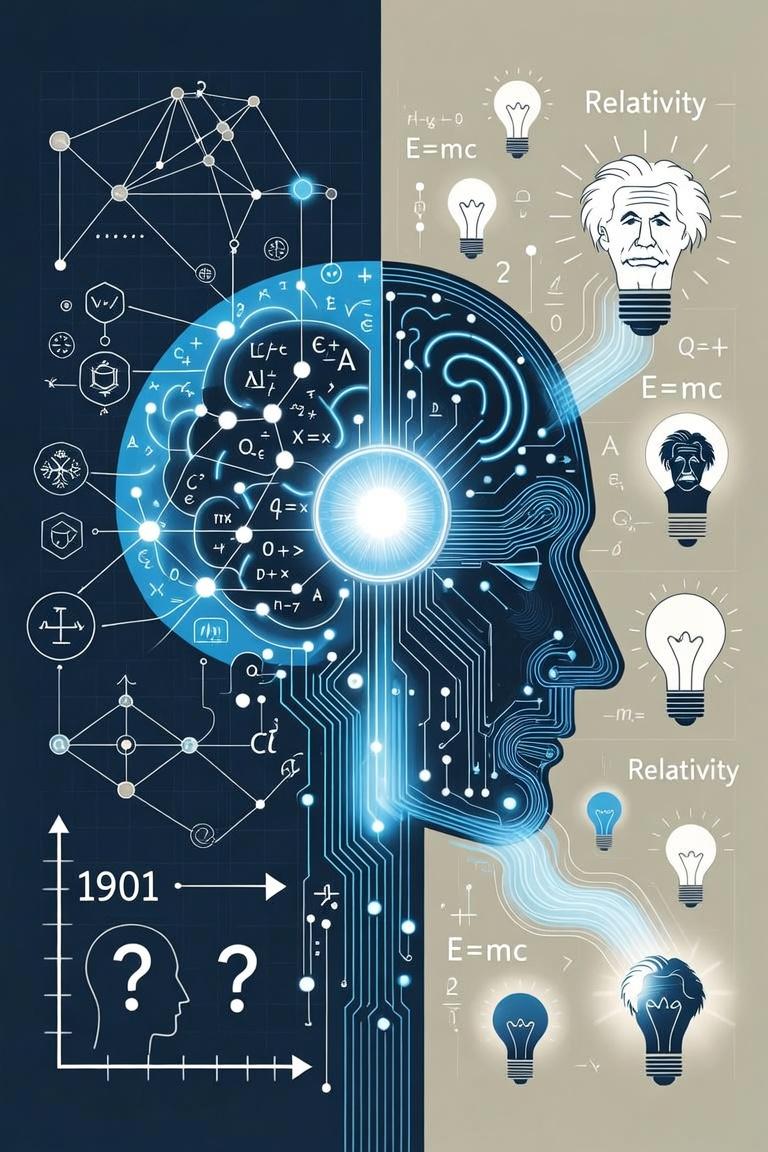
Demis Hassabis said bluntly that there are still a few years before AI can independently invent modern physics.
But this day is obviously much closer than he expected when he picked up the Nobel Prize in 2024 and wrote his name in the same roster as scientific giants such as Einstein, Marie Curie and Richard Feynman.
"Slow, Slow, Slow, and Then Full Outbreak All at Once"
Why is Demis Hassabis so certain that superintelligence will break out in a very short period of time?
Because he has experienced this kind of transition "from 0 to infinity" many times.
From a child chess prodigy at the age of 4, to a game programming genius at 16, and then to a top computer science student at the University of Cambridge.

Demis Hassabis has been convinced since childhood that AI will reshape the world.
He joked that this is because he read too many science fiction novels when he was young.
His life creed is:
Step one, solve the intelligence problem (Solve intelligence).
Step two, use intelligence to solve all other problems (Solve everything else).
More than a decade ago, he founded DeepMind. At the beginning, they taught AI to play old games such as Tetris.
In a few months that felt as long as a century, the AI was so clumsy that it didn't score a single point.
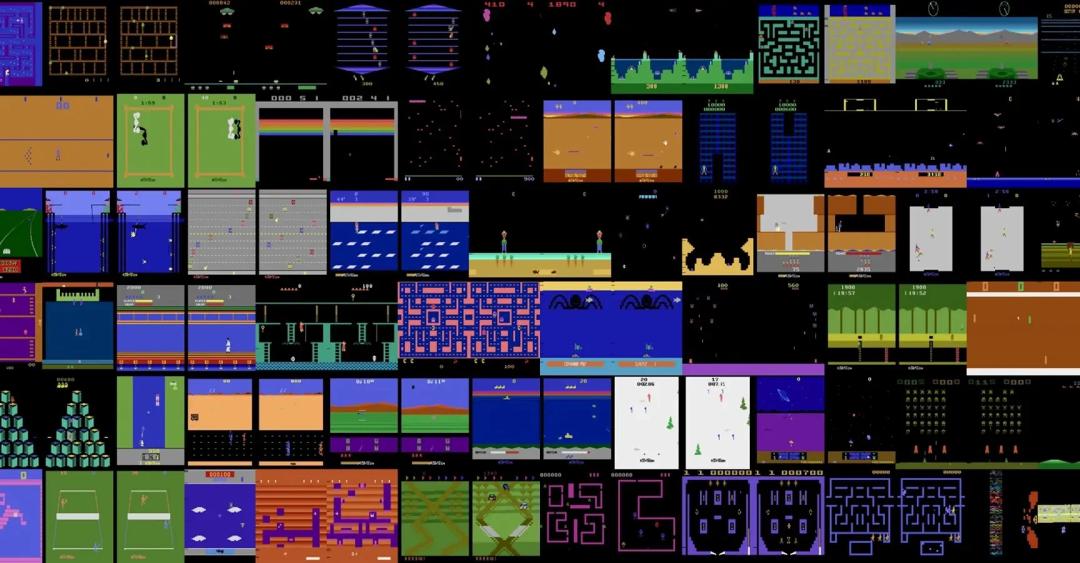
But something weird happened: after 100 games, the AI was still not performing well; after 300 games, it reached the top human level; after 500 games, it completely crushed human players.
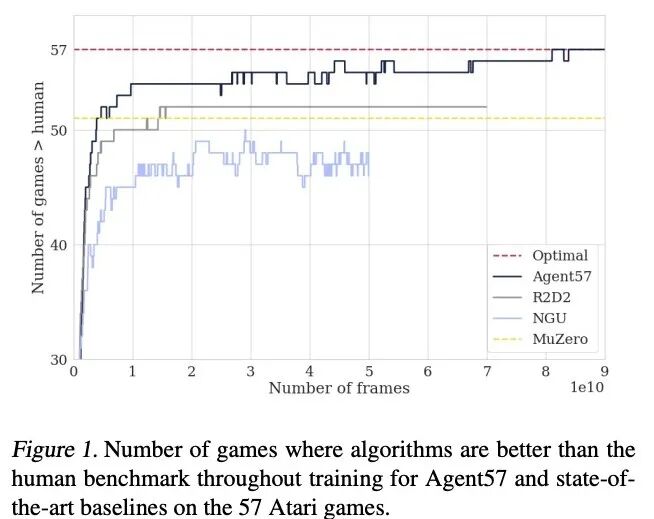
The same plot has repeated itself on him over and over again.
In 2016, AlphaGo played the counter-intuitive "Move 37" that shocked the whole world by defeating Lee Sedol.
In 2020, AlphaFold conquered the 50-year-old biological problem of protein folding, and accurately predicted more than 200 million protein structures.
To accelerate the "second step", Demis Hassabis even founded the AI pharmaceutical company Isomorphic Labs inside Google. He does not just want to cure a certain disease, but to use AI to completely subvert the underlying logic of the entire human drug R&D.
When asked about the speed at which AI saves lives, Demis Hassabis looked determined and said bluntly:
I have seen this scene before. It is always very slow, very slow, very slow at the beginning — and then, all of a sudden, there is a full-scale outbreak.
The "Braking System" That Even Rivals Elon Musk and Sam Altman Praised
In AI labs, models are evolving more and more like "gods".
Outside the lab, the world is plunged into doomsday-like panic.
Not long ago, some researchers even gave a pessimistic prediction: "The probability of human extinction in the next ten years is extremely high".

Faced with the "AI destruction theory", Demis Hassabis showed rare sobriety.
At the Dublin International AI Summit a week before the interview, he warned that if governments and enterprises do not significantly raise safety standards, the industry may face a serious safety accident in about two years.
"It's not all disaster, and it's not all paradise," he said, "I am in the business of solving problems. It is extremely irresponsible to throw out problems without solving them; if you don't have a solution, it means you haven't worked hard enough."
He compared AI to "thinking sand" (we have essentially found a way to make sand think), and believes its influence is comparable to fire or electricity.
To prevent this fire from burning down civilization, this summer, he stayed up late for countless nights and personally drafted a proposal on "responsible development of AI": to establish an industry-funded, federally regulated institution that conducts rigorous testing before the release of the most cutting-edge models.
Because technology iterates so fast, he knows very well: "Trying to formulate rigid regulations based on things we don't fully understand yet is doomed to lead to wrong supervision, and wrong supervision is more terrifying than no supervision at all."
Surprisingly, this proposal even won public praise from both Sam Altman and Elon Musk at the same time.
When the *Wall Street Journal* reporter gossipingly asked him: "Do you CEOs of these AI giants have a group chat in private?"
Demis Hassabis shook his head with a smile: "No. I mean, I can talk to each of them, but some of them just can't get along with each other at all."
As for how to dispel the public's deep-seated fear of AI? Demis Hassabis's answer is simple and straightforward: Cure cancer.
"As long as we really cure cancer, people will personally feel the benefits of AI in their lives. At present, I don't see any insurmountable obstacles — it's very difficult, but by no means impossible."
Standing at the Foot of the Singularity Mountain
At the end of the Google I/O 2026 keynote speech, he said:
Google's cutting-edge research and products will help unlock the huge potential of AGI to benefit the whole world.
I believe that when future generations look back on these years, we will realize that at that time, we were already standing at the foot of the mountain leading to the singularity.
That will be a far-reaching moment in human history. This technology will multiply human wisdom and creativity, open a brand new golden age of scientific discovery and progress, and allow people living in every corner of the world to have a better life.
This is the first time that Google has prominently used the word "singularity" in official occasions.
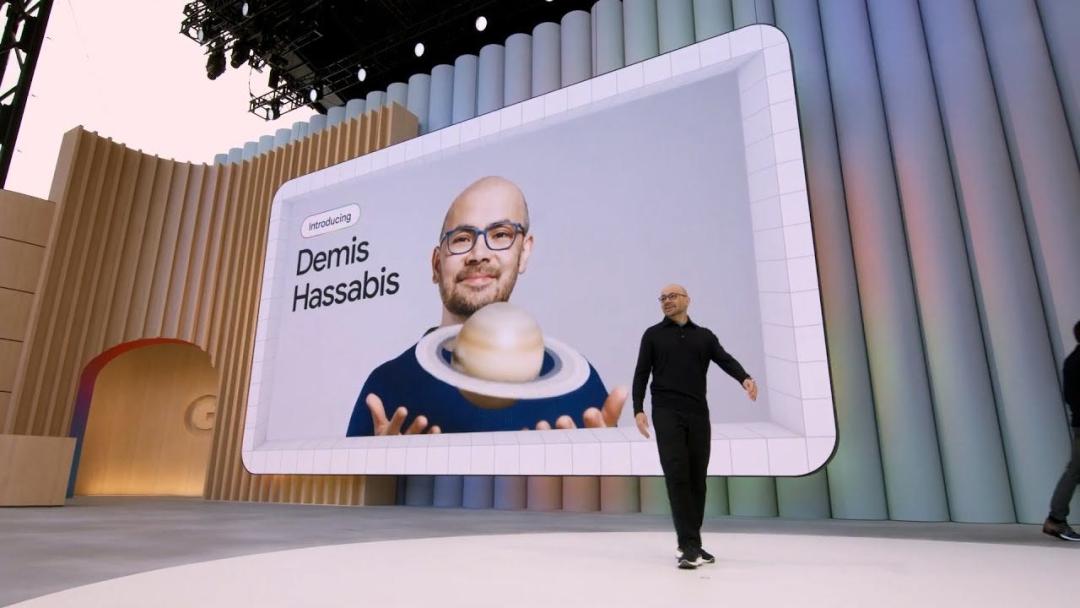
To climb this mountain, this 50-year-old man has sacrificed almost all his sleep. He no longer reads for entertainment, and the last drama he watched was *Chernobyl* before the pandemic. He relies on black tea to enter a state of flow at 3 a.m., gazing at the code that is about to subvert human civilization.
At the end of the interview, the reporter asked him to imagine a picture: suppose it is two or three years later, you have finally reached the top of the mountain, and AGI has been born. One early morning, you walk up to the attic with a cup of Yorkshire black tea, what are you thinking about at that time?
Demis Hassabis's answer is full of the sense of sci-fi epic:
"I want to use AGI to understand the nature of reality. I hope at that time, I am sitting with my AGI system and several great human scientists, trying to deduce the physics of the next dimension. That's probably the first thing I'm going to do."
But he paused for a moment and added: "But this is only the first thing. We still have too much work to do. Even if I take back all the nights to think, there is still not enough time."
References:
https://x.com/haider1/status/2112898254811926727
https://www.wsj.com/tech/ai/demis-hassabis-ai-deepmind-google-isomorphic-2b4e3153
This article is from the WeChat official account "New Wisdom" (ID: AI_era), author: ASI Revelation, editor: David Aeneas, published with authorization from 36Kr.