We've spent a week with the iPhone Duo, and here's everything you care about.
In the seven years since the foldable smartphone made its debut, almost no device has managed to spark so much interest, discussion, anticipation and fantasy across both the Chinese and English internet as the iPhone Duo.
Prior to its release, the industry generally believed that the Chinese market preferred foldable phones, but the global hit of the iPhone Duo proves that the whole world was simply waiting for a well-made product.
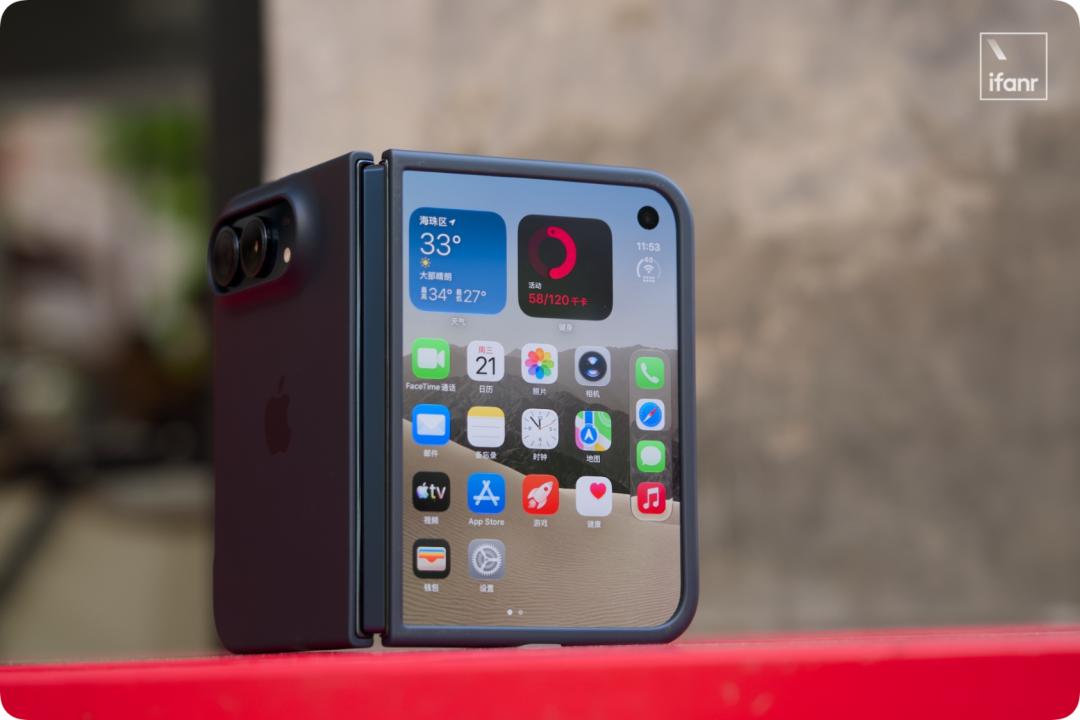
In terms of materials, craftsmanship, ecosystem and long-term potential, the iPhone Duo is truly worth its price tag. However, as the first-generation product of the new-form-factor iPhone, it still has many common issues that plague first-generation devices —
After a week of intensive hands-on experience, ifanr draws the following conclusion:
The iPhone Duo is undoubtedly a top-tier product, but even though the Duo is great, waiting two more months to buy it might bring you a better experience.
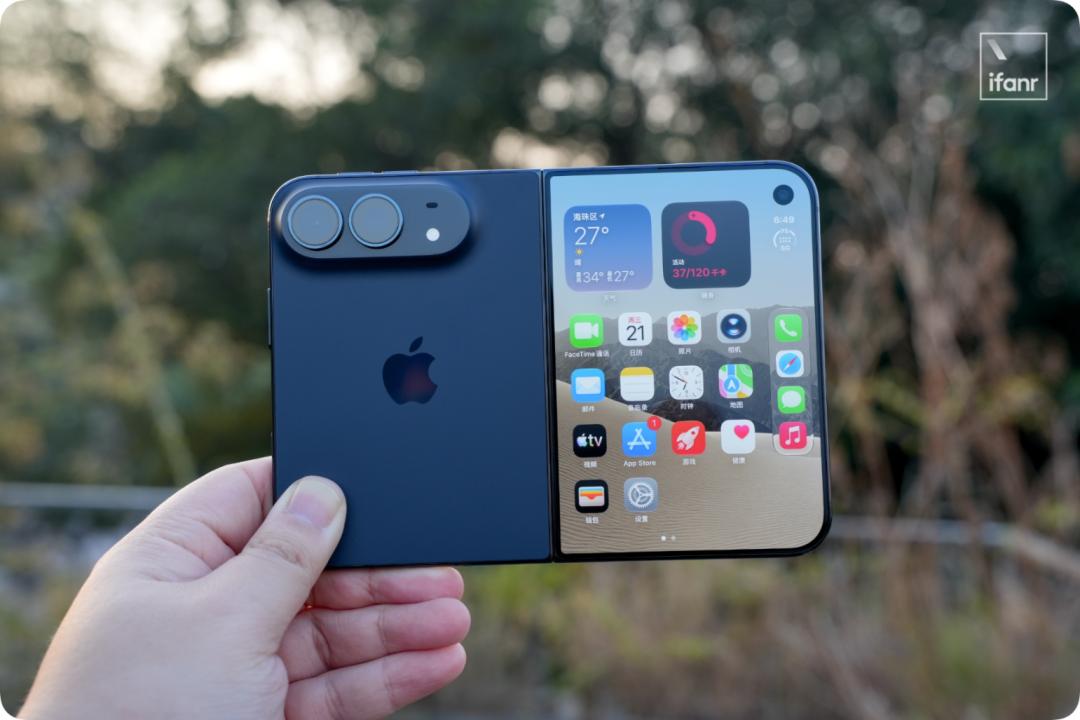
iPhone Folds, and iOS Folds Too
First, it should be clarified that as a "foldable smartphone" launched years later than its market peers, the uniqueness and freshness of the iPhone Duo mostly come from the excellent functional design of software and hardware-software integration.
If evaluated from a hardware perspective, the iPhone Duo does not deliver a groundbreaking innovation comparable to the original 2007 iPhone that brought the first usable multi-touch screen, or the 2017 iPhone X that popularized full-screen gesture navigation.
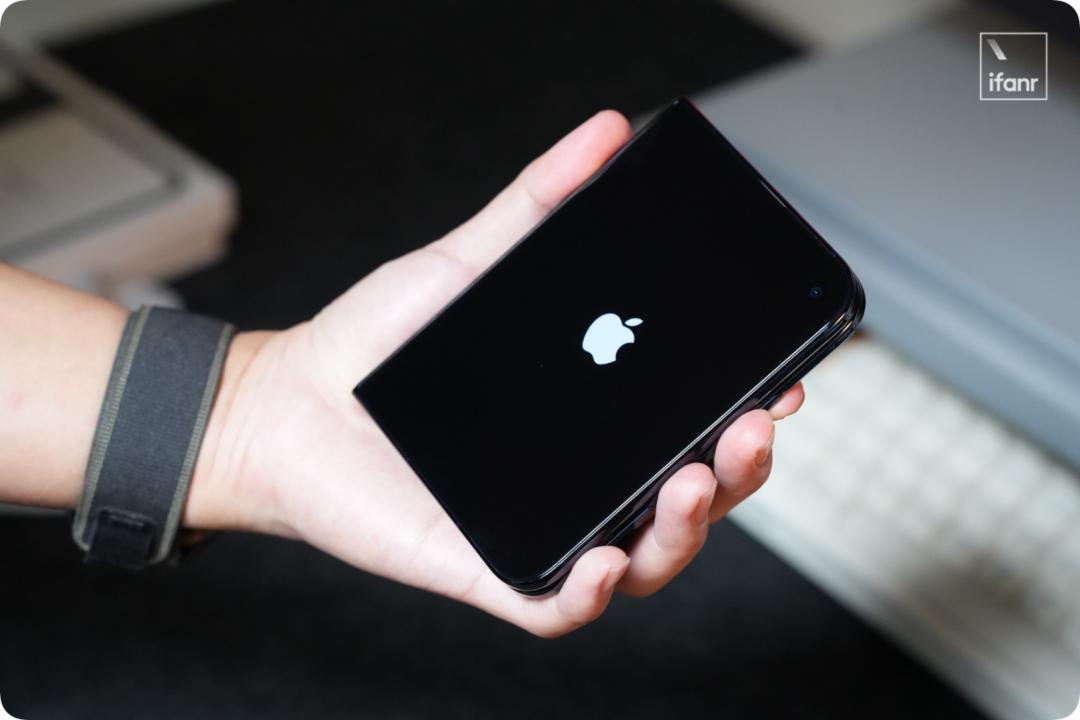
Especially this year, the iPhone 18 Pro series boasts very impressive hardware performance, with solid improvements across all metrics. In comparison, the spec sheet of the iPhone Duo seems far less important.
Don't get us wrong — this doesn't mean the iPhone Duo has poor hardware capabilities.
To some extent, it is very similar to last year's iPhone Air: Every design of the iPhone Duo paves the way for a novel user experience.
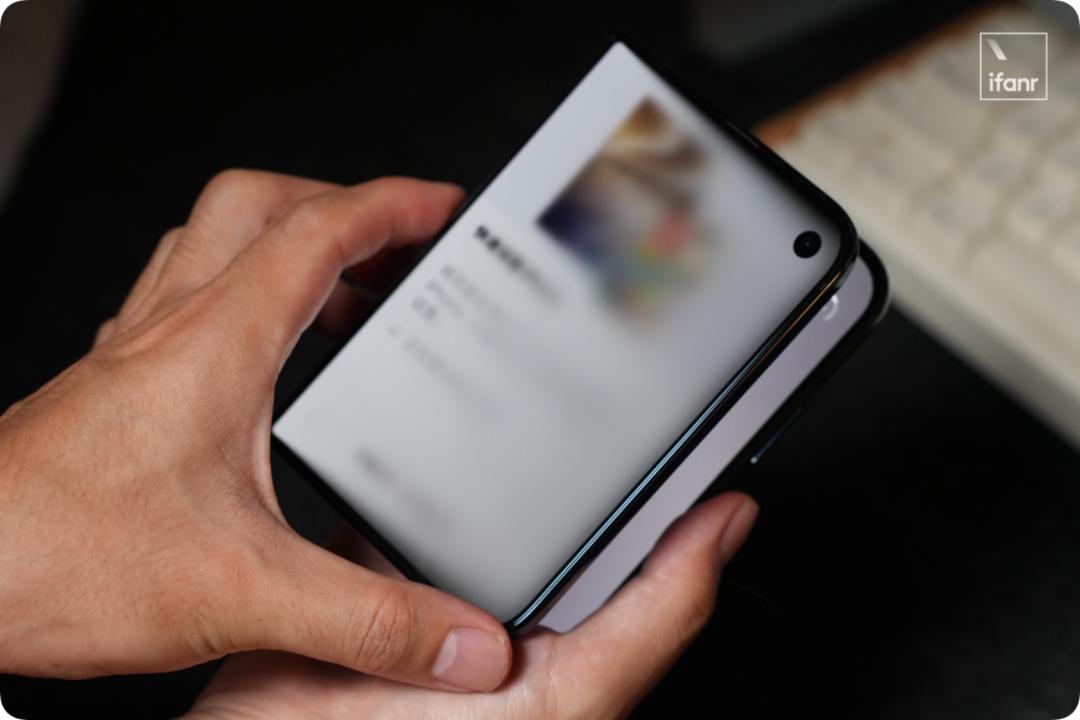
After all, the news that "Apple is making a foldable phone" has been around for a long time, but the moment the iPhone Duo unfolded at the launch event still took everyone by surprise — that was a transition animation that made the physical existence of the phone feel almost transparent:
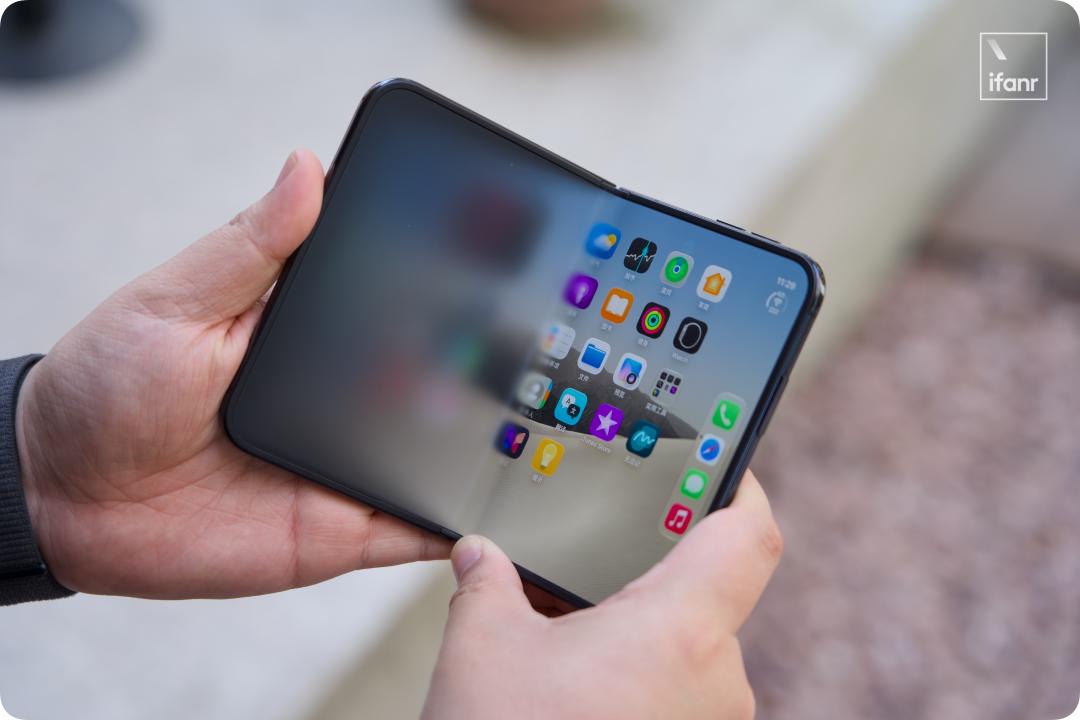
In terms of principle, by using the body sensor to provide the folding angle as an API to system functions and developers, the iPhone Duo, though arriving seven years later than its competitors, is still the first manufacturer to add the "transition process" of opening and closing animations to daily usage scenarios.
Just like the massive amount of detailed animations in iOS, it has no practical functional purpose, but greatly enhances the integrated hardware-software feel of the product.
This single moment alone makes the foldable smartphone form factor feel incredibly reasonable:
In addition to the dedicated animations for the opening and closing process, the iPhone Duo also for the first time treats the "half-folded" state of the device as a separate system status, and creates many exclusive scenarios based on the hover capability of the hinge.
For example, on the iPhone Duo, Apple sets "slightly folding the phone" by default as the switch for the UI to split into two equal panes inside the software:
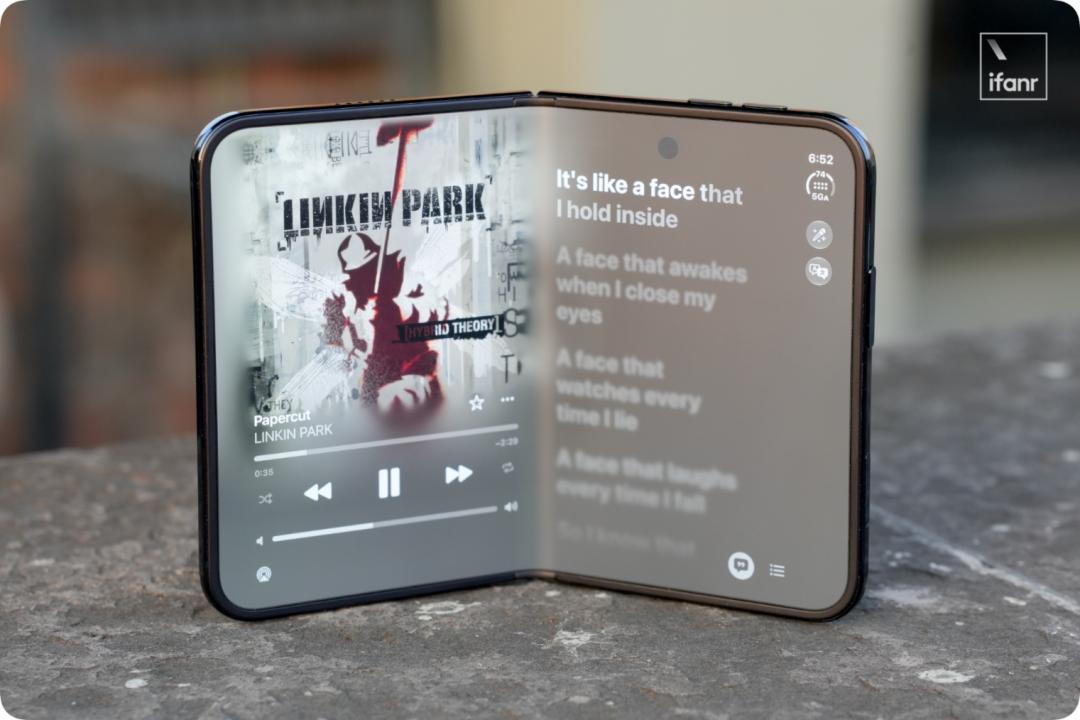
Although previous foldable phones all have similar split-screen designs, they all share one problem: when the phone is half-folded, the originally scattered reflections will converge on the bending area, greatly highlighting the visual presence of the crease.
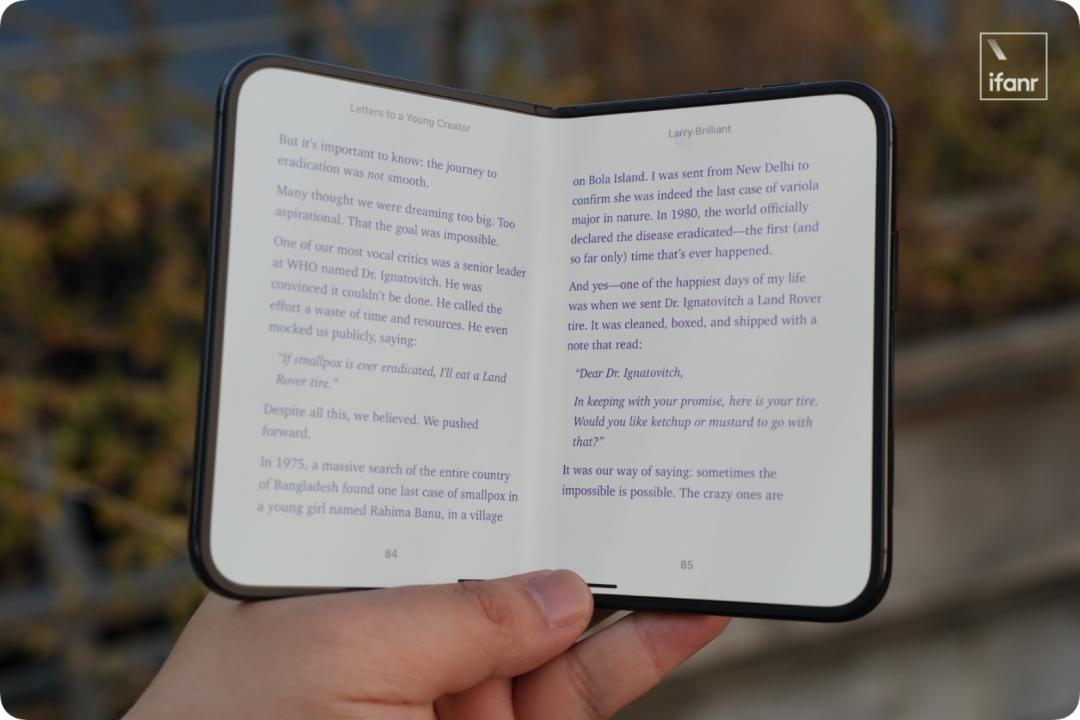
This leads to the problem that in scenarios like e-book reading, if you want to hold the phone in the same posture as a physical book, obvious concentrated reflections will appear on the screen:
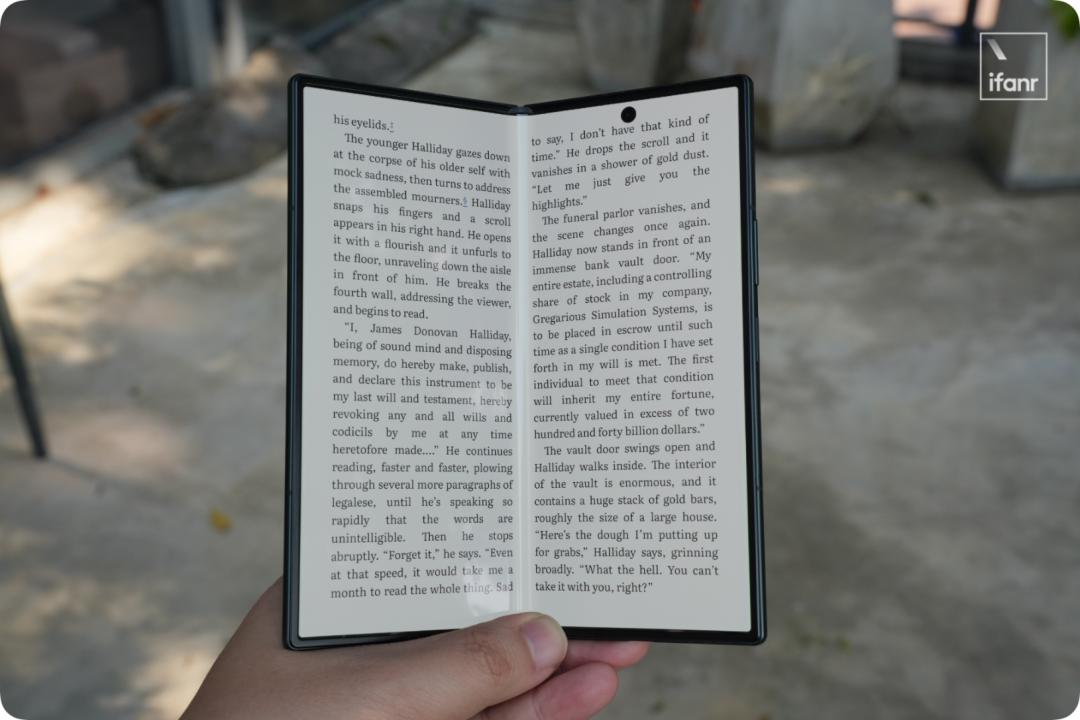
But the iPhone Duo does not have this problem.
The "Nano-texture finish" adopted by Apple on the iPhone Duo combines anti-glare and anti-reflection capabilities, which can greatly reduce the reflection band. In a relatively even lighting environment, it can even make the two sides of the screen visually blend into one.
It can be said that Apple has successfully made the half-folded screen scenario highly practical through a "hardware-software integrated" approach:
Building on this feature, Apple designed a special standby display mode for the iPhone Duo: you only need to place it half-folded on the table, and it will turn into a high-end "dual photo frame":
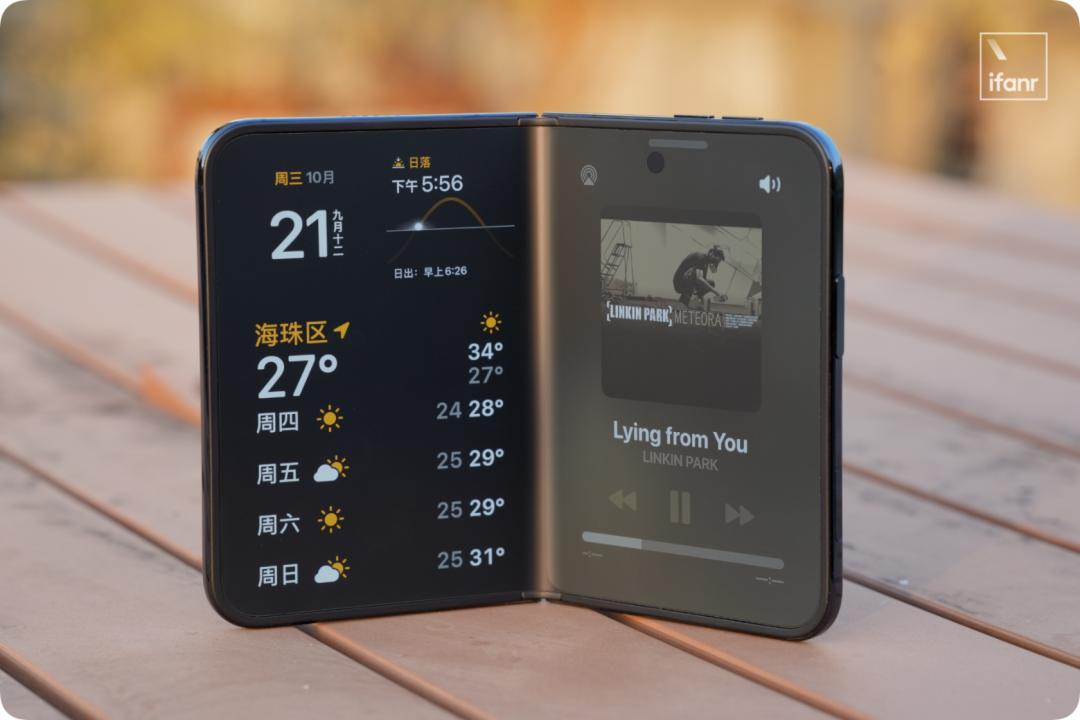
All these value-added small features stem from the most groundbreaking part of the iPhone Duo — completely reconstructing the iOS system with product design based on the foldable screen.
As a "wide foldable phone", the iPhone Duo has far more horizontal space than vertical space. By moving the status bar, menu bar, dock bar and other controls that were originally fixed at the top and bottom to the short edges, it maximizes the limited Y-axis space:
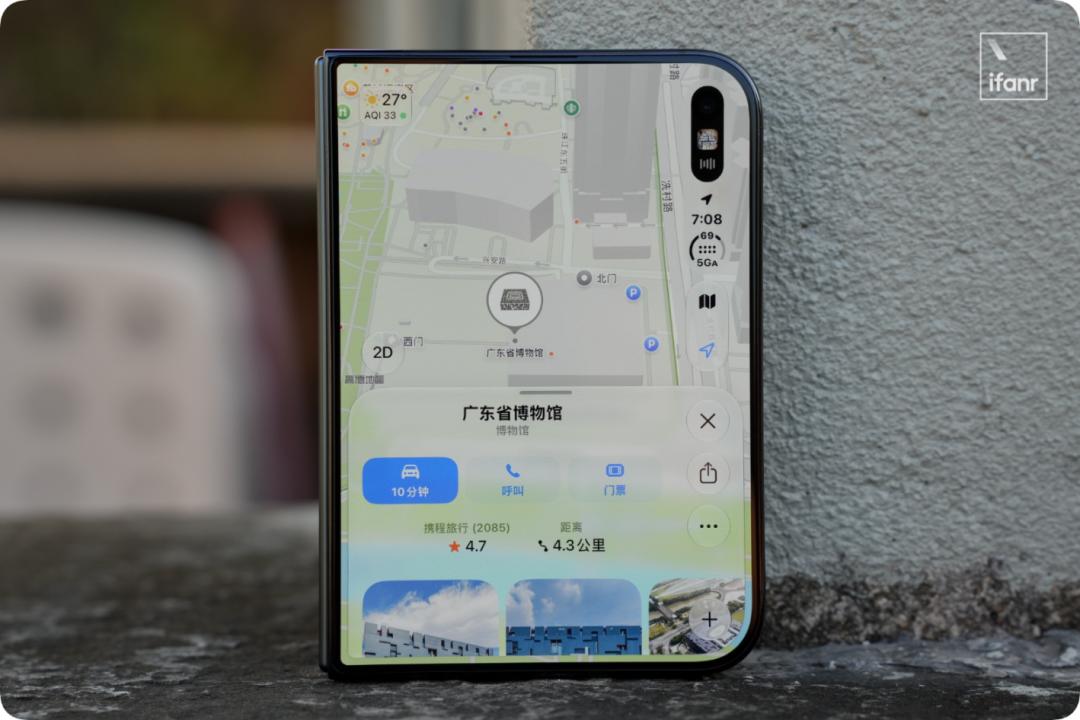
It can be said that this custom iOS system for foldable phones leaves as much display space as possible to actual content instead of UI controls, maximizing the wide-screen advantage of the foldable display.
This is also where iOS, as a closed-source and highly vertically developed system, demonstrates its greatest advantage —
As long as there is a demand, Apple can directly reconstruct a set of interaction logic adapted to the hardware features from the bottom level, without waiting for upstream manufacturers to make changes at a slow pace.
Compared with most foldable phones, the iPhone Duo has a higher screen area utilization rate no matter in folded, unfolded, or half-folded states:
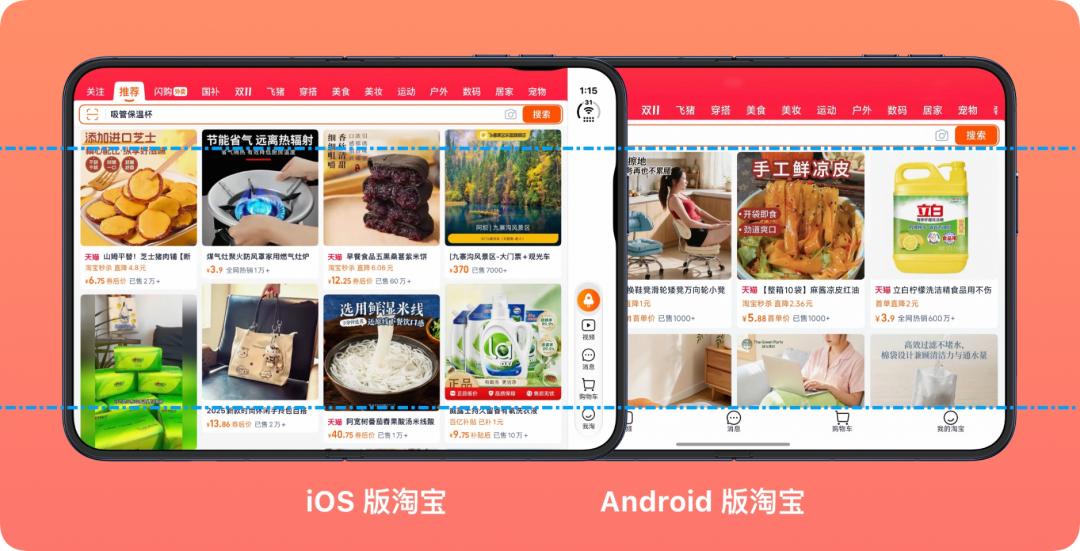
If you feel that your "field of vision is more open" when using the iPhone Duo, that's not an illusion — it's the human-centered design hidden in the details.
But!
Although the interaction system of the iPhone Duo has a very advanced "design logic", once you enter the messy daily usage scenarios, the iPhone Duo will still encounter various adaptation issues.
At present, Apple's software adaptation logic is very much in the style of the character Crow from the movie *Young and Dangerous* — "If it's too hard to handle, then don't handle it at all!"
In other words, after you get the iPhone Duo, you may encounter three situations:
Apps compiled with iOS 27.1 or later SDK can achieve perfect compatibility on the iPhone Duo. The app navigation bar and toolbar will automatically move to the right side of the device, and they also support new features such as dynamic window scaling and crease avoidance (ReserveRegion).

Those apps compiled with iOS 27.0 SDK can display wide windows on the inner screen, but cannot immerse the status bar of the iPhone Duo. The app navigation bar and menu bar will still occupy the vertical space of the screen:

Apps compiled with iOS 26 or earlier SDK can only display windows in a 16:9 ratio, no matter on the inner or outer screen. Although the inner screen in portrait mode can be zoomed in, the aspect ratio remains unchanged:
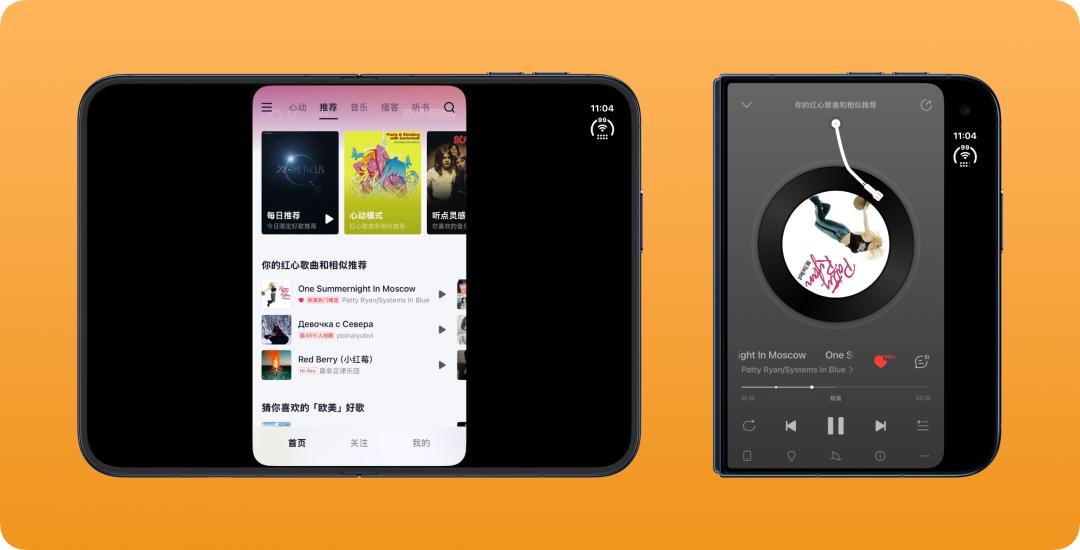
In fact, iOS's strategy of "no display if not adapted" and Android's strategy of "force stretching to fill the inner screen" are two solutions to the same problem, and it's hard to say which is better —
From the perspective of ensuring basic functions, the aspect ratio locking strategy of the iPhone Duo is relatively better, which can effectively avoid situations where buttons of unadapted apps are blocked and become unoperable:
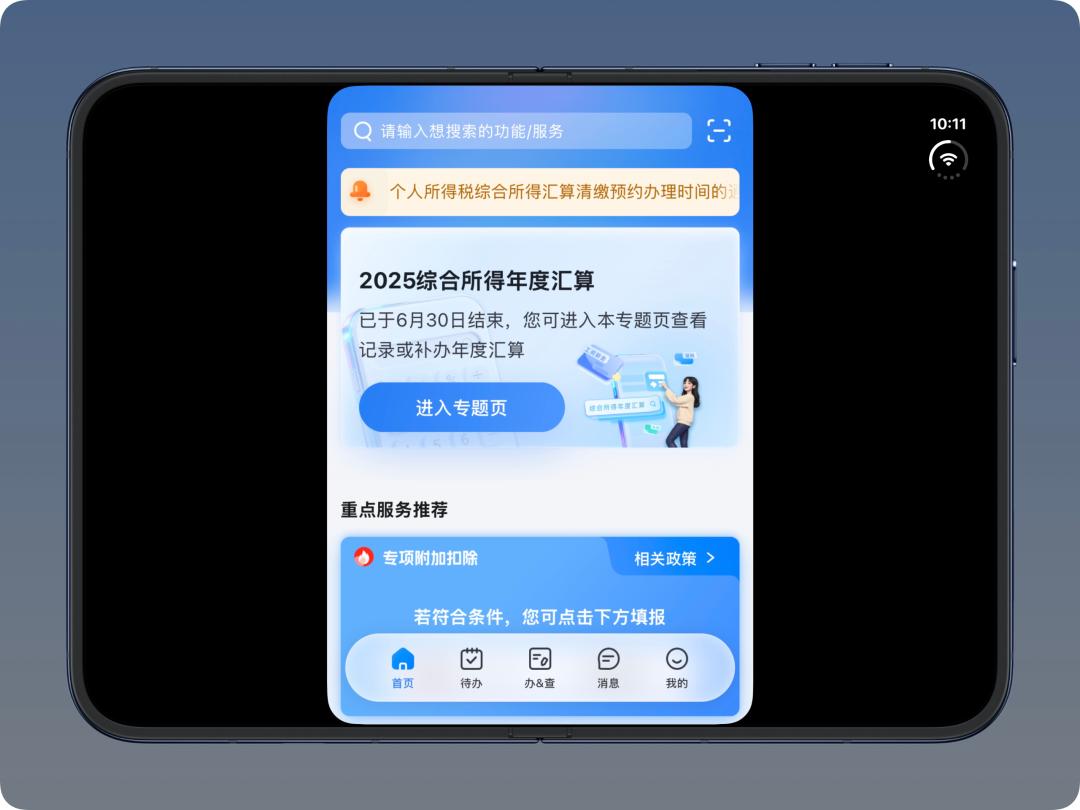
But the key problem is that these unadapted apps have a clear sense of fragmentation and obsolescence when used on the iPhone Duo.
As mentioned earlier, the iPhone Duo has done a lot of "hardware-software integrated" designs at the system level, but once you enter the third-party app ecosystem, the adaptation coverage of apps ultimately determines how usable a foldable device is.
So what is the actual status of third-party software adaptation for the iPhone Duo?
To be honest, it's better than expected.
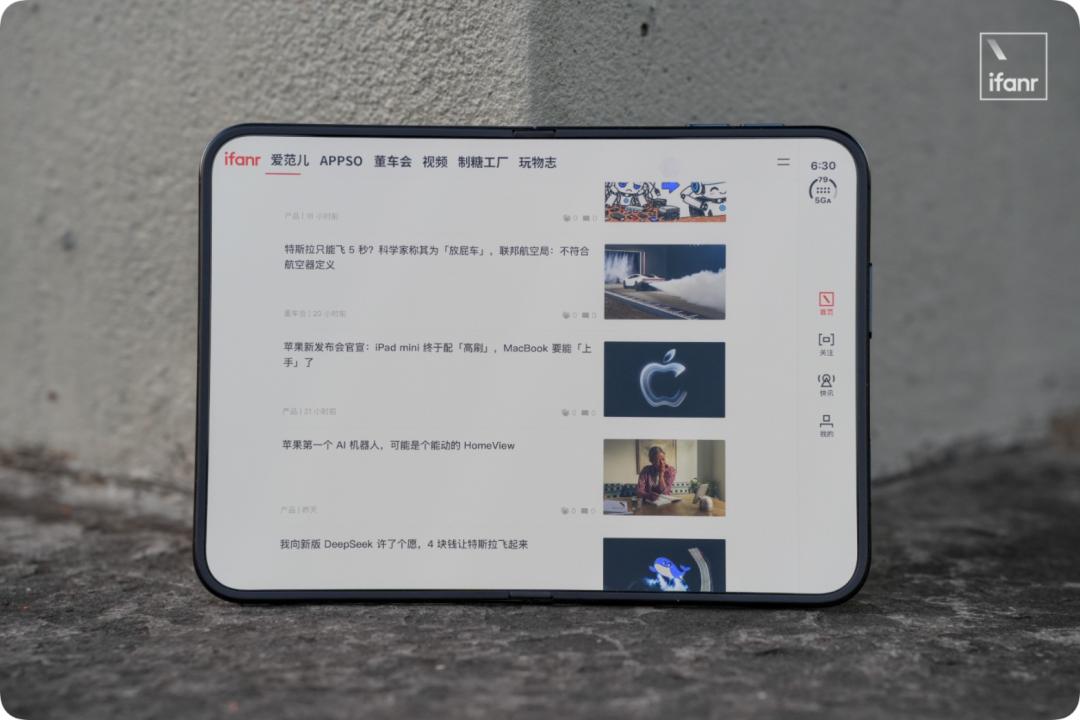
As of October 21, mainstream domestic and international apps including Bilibili, Weibo, Facebook, Google, Netflix, Xiaohongshu, iQIYI, Feishu, Doubao, WPS, JD.com, Taobao, Alipay, Xiaoyuzhou, and KuGou Music have successively launched adapted versions, with generally good adaptation quality:
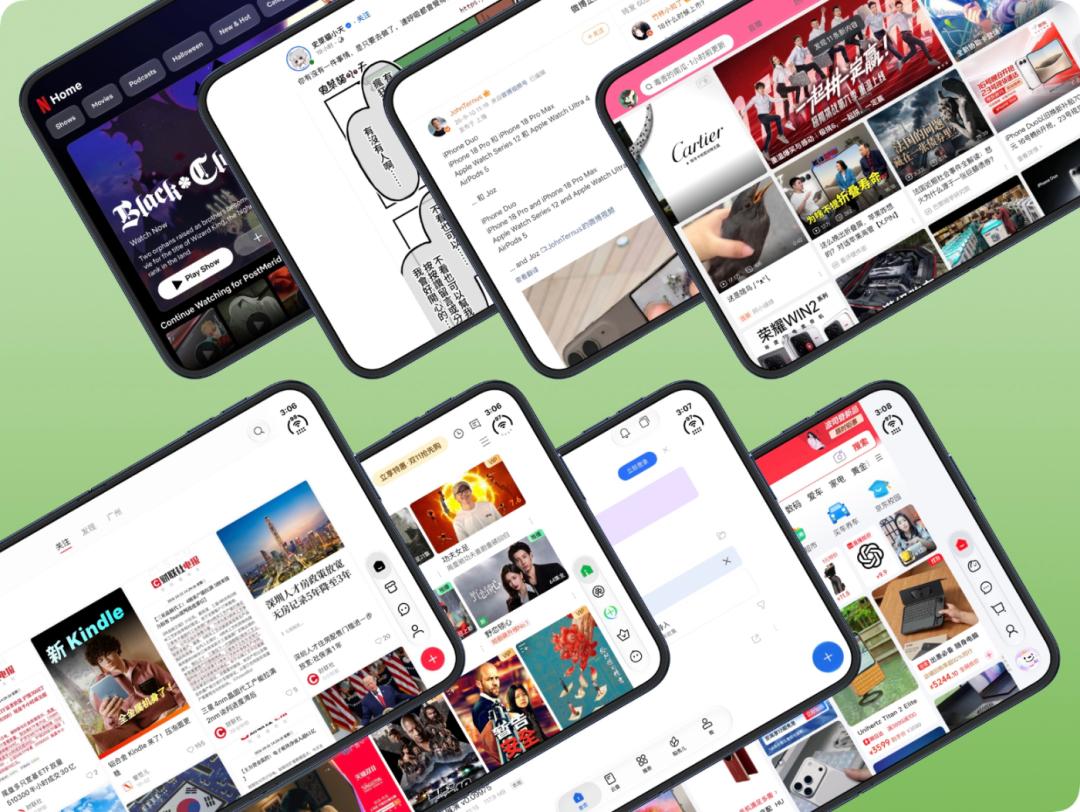
But at present, the most clever and creative adaptation we have seen comes from Netflix: