Make a Car Fly: The Engineering Secrets and Design Thinking Behind the Tesla Roadster
In September 2018, Elon Musk talked about the next-generation Roadster, which was already under development at the time, on Joe Rogan's podcast. He said the car would be fitted with rocket thrusters that burn no fuel, using an electric pump to compress air to 10,000 psi (about 69 MPa), "You can make it fly."
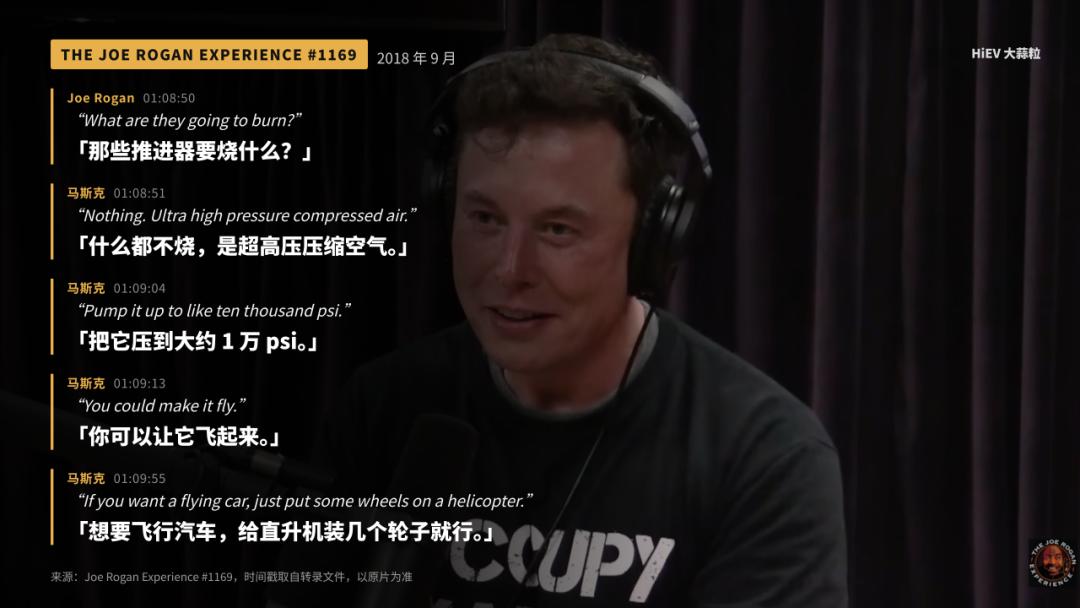
Image source: Produced by HiEV based on the screenshot of Joe Rogan's podcast
Rogan immediately asked him if flying cars would really come true.
Musk thought flying cars were too noisy and generated too much airflow, and no neighbor would stand for them landing in anyone's backyard. "If you want a flying car, just put a few wheels on a helicopter."
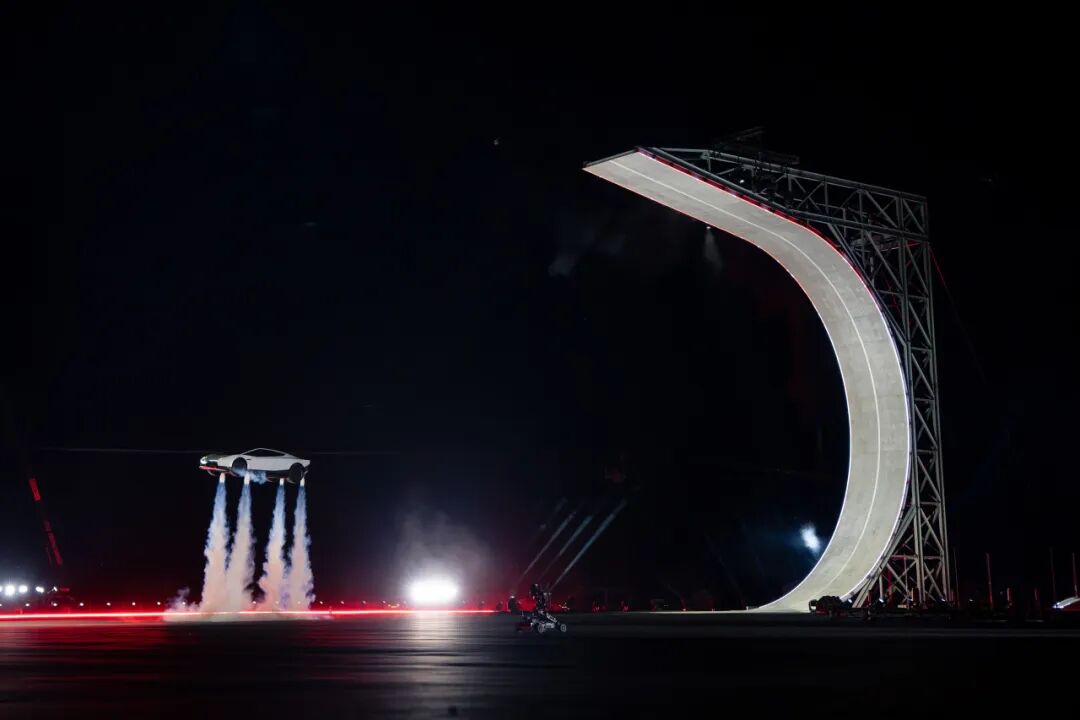
Image source: Tesla X official channel
On October 15, eight years later, at SpaceX's rocket test site in McGregor, Texas, the new Roadster drove along a curved ramp all the way to an inverted position, then broke away from the ramp, flipped in the air, and landed on all four wheels.
Tesla has actually made the car fly.
This video has been widely shared over the past few days. The entire launch event lasted less than 30 minutes, with no mention of price, launch time, or core parameters. The day after the event, MotorTrend, Hagerty and Top Gear successively released exclusive interviews shot on site before the launch.
HiEV went through these interviews, official website materials and the explanations at the launch event one by one, and found that a large number of key components on the new Roadster come from other product lines of Tesla and even SpaceX.
The drive motor for the rear wing comes from the ankle of the Optimus humanoid robot, the drive motors for the four ground suction fans under the car are modified from the motors that drive the compressor in the heat pump air conditioner, the electric drive is evolved from the three-motor system of the Model S Plaid, and it is equipped with specially customized 4680 cells.
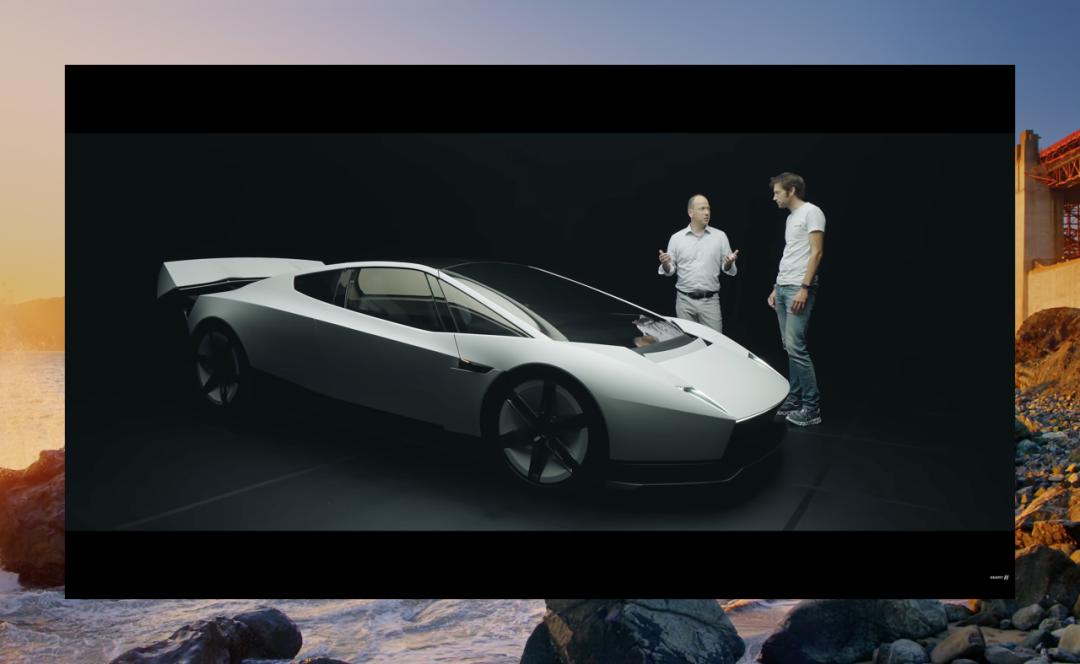
Lars Moravy, Vice President of Vehicle Engineering at Tesla | Image source: Hagerty video screenshot
Lars Moravy, Vice President of Vehicle Engineering at Tesla, said in an interview with Hagerty, "Tesla has been building electric vehicles for more than 20 years, and we have put everything we have learned into this car."
I. Performance Version, and two tiers of "Augments"
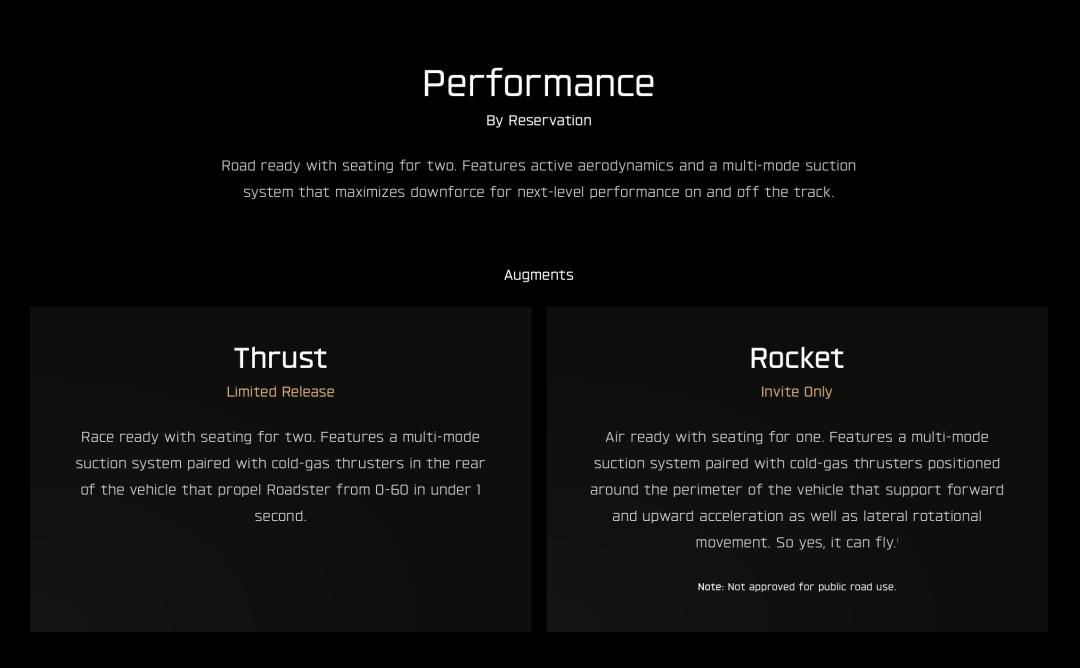
Image source: Tesla official website screenshot
Tesla's official website has a clear tiered setup for the new Roadster. The base model is called the Performance version, which is already open for reservation. It is a two-seater supercar with standard active aerodynamics and a multi-mode ground suction system.
On this basis, the official website separately lists the "Augments", which are divided into two tiers: Thrust and Rocket.
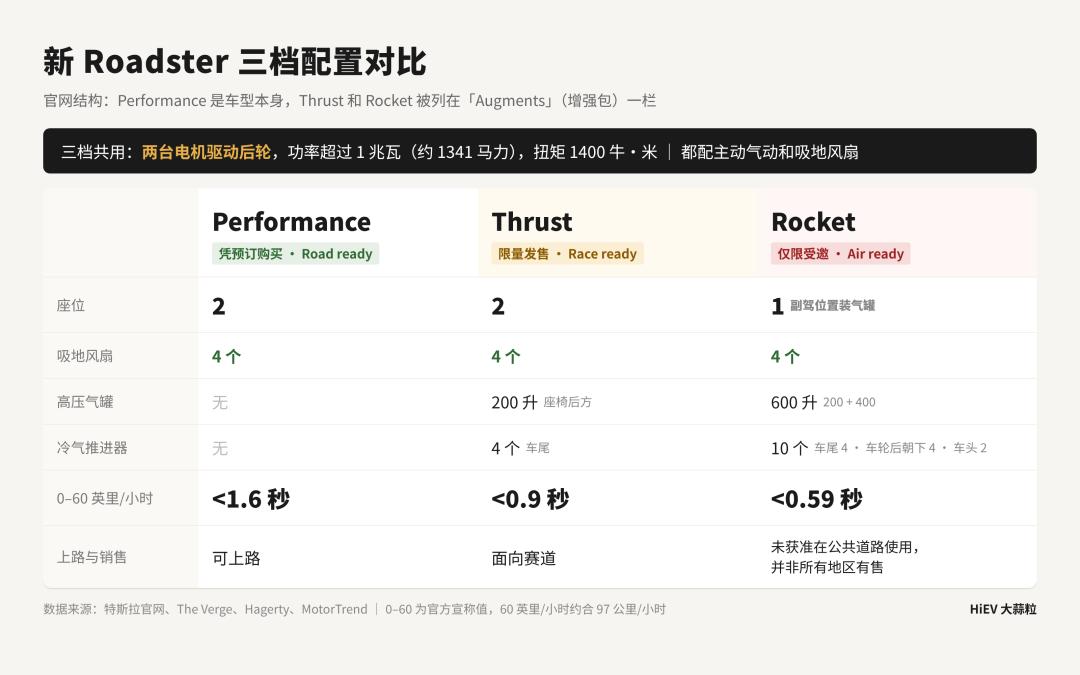
Image source: Compiled and produced by HiEV based on public information
The last sentence of the official website description for the Rocket version is "So yes, it can fly", followed by a small line of text "Not approved for use on public roads", and the footnote also states "Only available on the Rocket version, and not for sale in all regions".

Image source: Translated and produced by HiEV based on Tesla official website information
However, the electric drive systems of these three versions of the model are exactly the same.
All three tiers are driven by two motors on the rear wheels, with a power output of over 1 megawatt, approximately 1341 horsepower, and a torque of 1400 N·m. The difference in the 0-60 mph acceleration performance of the three tiers in the table above mainly comes from the thrusters: all three tiers are equipped with ground suction fans, and the Thrust and Rocket versions are additionally fitted with 4 and 10 thrusters respectively on this basis.
In addition, according to a report by Top Gear, there is a lower-tier standard version with a power of about 800 kW and no ground suction fans, but it is not currently listed on the official website.
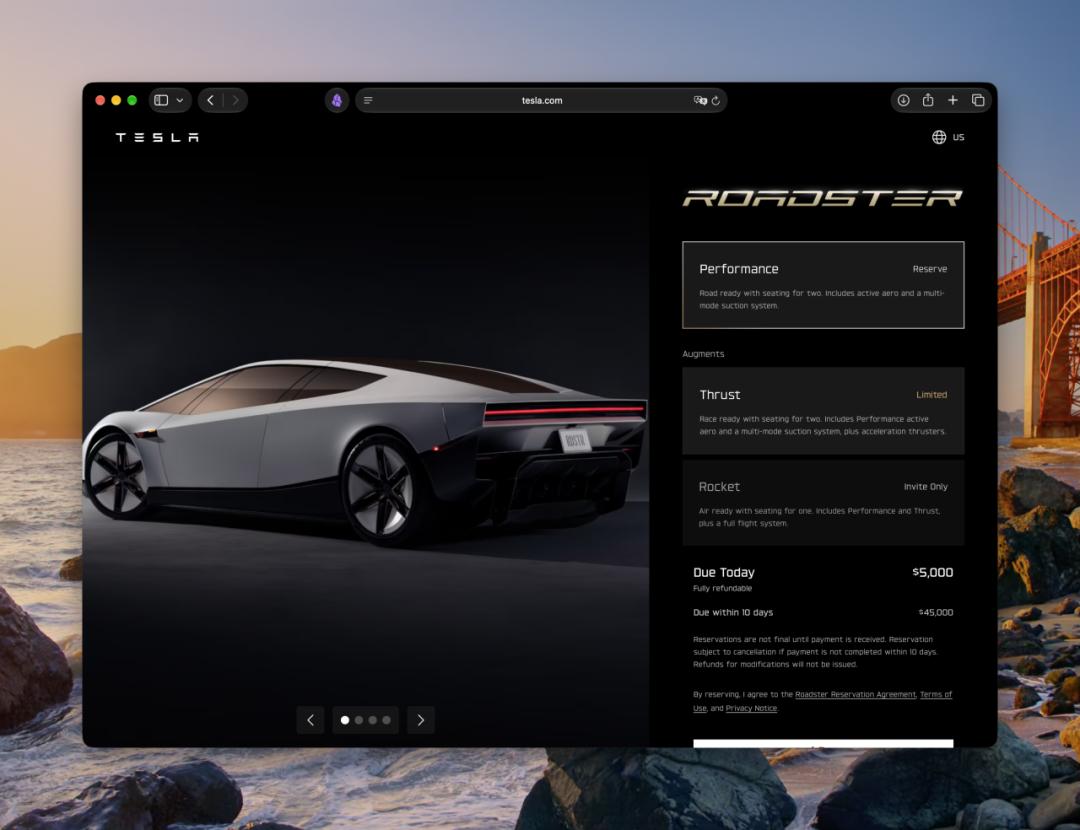
Image source: Tesla Roadster official reservation page
Compared with the concept car released in 2017, the mass-produced version of the Roadster has changed a lot.
Back then, Tesla made bold promises of 0-60 mph acceleration in 1.9 seconds, a range of 620 miles (about 1000 kilometers), a 2+2 four-seat layout, a starting price of $200,000, and deliveries in 2020. As a result, the near-production version on display now has a range of just over 300 miles (about 480 kilometers), the number of seats has been reduced from four to two (the Rocket version has only one seat left), and mass production has been delayed until 2028.
II. Dual motors, yet more powerful than the Plaid's three-motor setup
The new Roadster is rear-wheel drive only. Almost all high-performance cars Tesla has developed since around 2014 are all-wheel drive. This time, going back to rear-wheel drive, Lars Moravy gave two reasons.
The first is driving feel. All the power of a rear-wheel-drive car is output from the rear wheels, giving the driver the sensation of being pushed forward from behind. Lars said in an interview with Hagerty that this feeling has "something very instinctive and very emotional".
The second reason is more critical. All-wheel drive is designed to transfer more power to the ground. The new Roadster adopts a different approach, using ground suction fans and aerodynamic downforce to press the car against the ground. With sufficient grip, all the power output to the rear wheels can also achieve the ultimate acceleration performance.
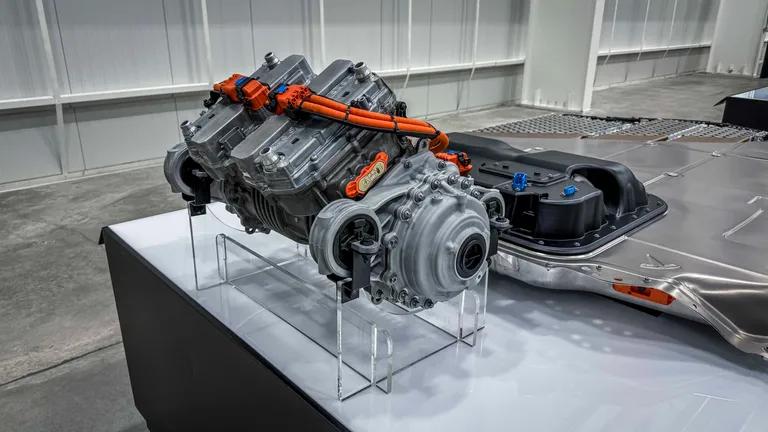
Image source: MotorTrend
The two motors on the rear axle each have a power of about 500 kW. MotorTrend mentions that this electric drive system is evolved from the Plaid's three-motor system. With one less motor, it is smaller, lighter, and more powerful. And according to Lars, the combined torque and power of the two motors are higher than the total of the three motors in the Plaid. The rotor retains the Plaid's carbon fiber sleeve, with cobalt added to the material. According to his description, the power density has increased to nearly three times the original level.
The transmission structure has also been simplified. Each motor directly drives one side of the wheel through a set of planetary gears with a reduction ratio of 8.4, without a differential. The left and right wheels are independently controlled, and the two inverters are each responsible for controlling one motor, serving as mutual redundancy.
III. 4680 battery redesigned for the racetrack
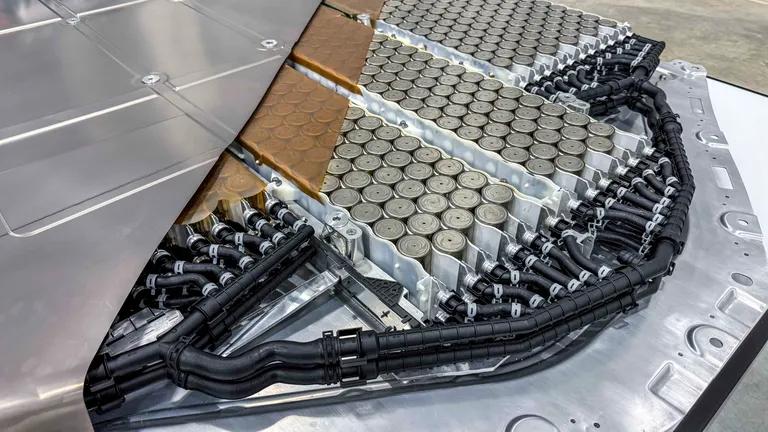
Image source: MotorTrend
The brand-new Roadster's battery pack is still laid out at the bottom of the car, with customized 4680 cells, and the internal material formula of the cells is also adjusted exclusively for this car. Lars explained that the purpose of the customization is to allow the battery to output greater power. The cells are produced on a trial production line in California. Compared with the standard version of the 4680, three specific modifications have been made.
First, the cell shell is changed from steel to aluminum, which is lighter and has better thermal conductivity.
Second, the cooling method. The conventional practice is to sandwich a cooling pipe between two rows of cells, with the coolant flowing in a U-shaped loop; the new Roadster is modified to have one cooling pipe on each side of each row of cells, with the coolant flowing in from one side and out from the other, passing through only once.
Lars introduced that the purpose of this modification is to keep the battery's output stable throughout its entire life cycle, with the goal of supporting 25 to 30 minutes of unrestricted-power track driving.
Third, the upper cover of the battery pack is changed from a steel plate to a titanium plate, providing the same thermal protection while being thinner and lighter.
However, the capacity specification of the battery has not yet been finalized.
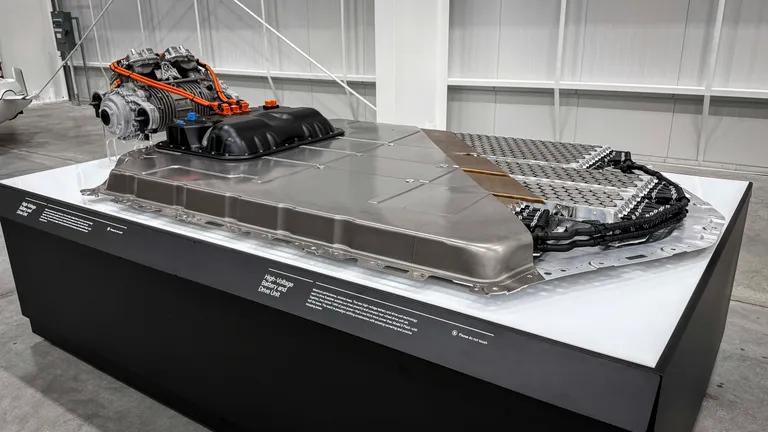
Image source: MotorTrend
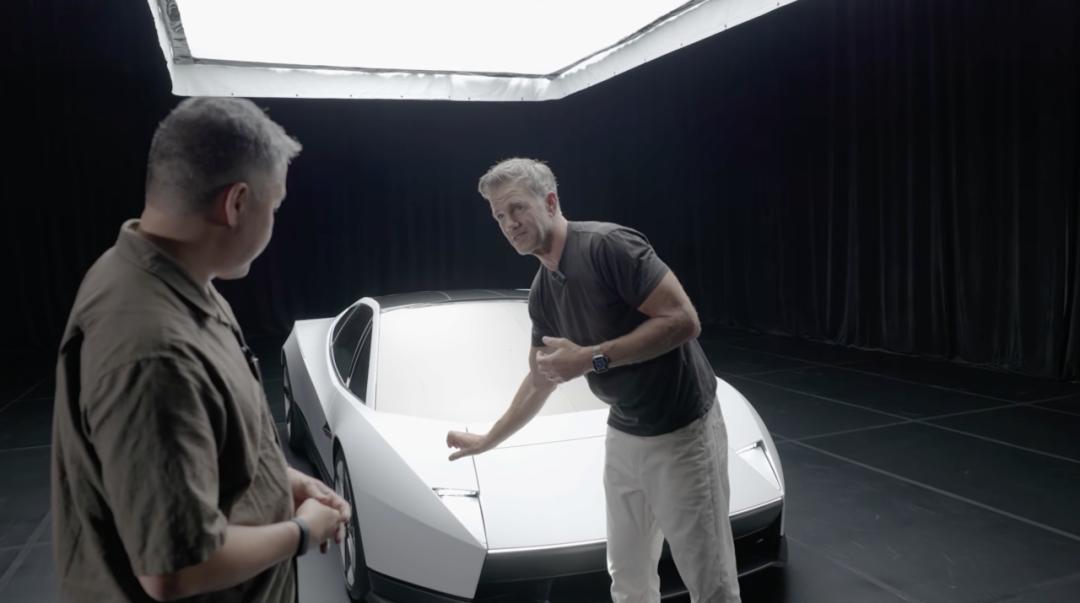
Franz von Holzhausen, Tesla's Chief Designer, mentioned 115 kWh in an interview, while Lars revealed in another interview that "it's around 100 kWh, and the cell formula is still being finalized."
In terms of fast charging, Lars said this battery can support a charging power of over 500 kW, with a target of charging from 10% to 80% in about 10 minutes, "definitely within 15 minutes".
Right: Franz von Holzhausen, Chief Designer of Tesla | Image source: MotorTrend video screenshot
Like the battery capacity, these are all target values, and the final data will be officially announced by Tesla before mass production.
The range has dropped from the initial 620 miles to just over 300 miles, which is one of the most obvious trade-offs the Roadster has made in its journey from concept to mass production. Musk questioned the meaning of "ultra-long range" back in February 2021 on the Joe Rogan podcast.
His exact words were: "If you ask people, they will say they want 600 miles of range. But that means you are dragging around a battery that you can't use most of the time, which makes the car slower and affects handling." Lars put it more bluntly: "A driver's car should not weigh 2000 kg, not even 1800 kg."
The target curb weight of the new Roadster is under 1700 kg, but the final data has not been announced yet. For reference, Musk mentioned on the 2018 Rogan podcast that the first-generation Roadster weighed about 2700 pounds, which is approximately 1.2 tons.
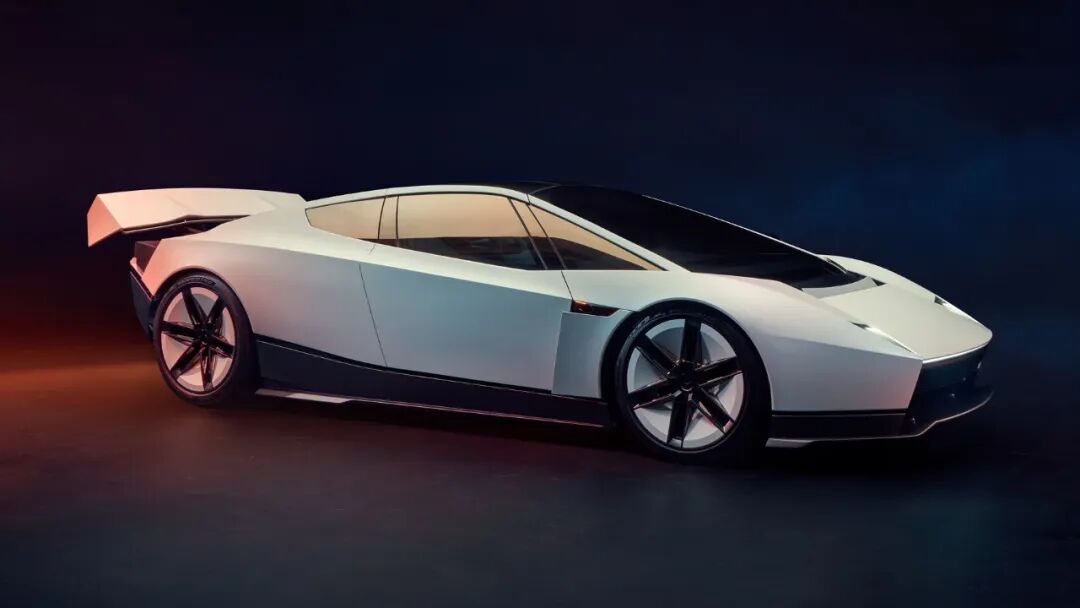
Image source: Top Gear
IV. Ground effect fans: motors come from heat pump air conditioners
The grip that