Touchscreen Mac, waterproof iPad, is there another major launch coming from Apple at the end of this month?
Apple's pace of new product launches this year has been a bit non-stop...
Right after the September launch of the iPhone 18 Pro series and the first foldable iPhone Duo, Apple held another "Welcome Home" event in mid-October, rolling out updates for the smart home hub HomeView, the new HomePod mini and Apple TV all at once.

Tony originally thought that was pretty much all the new Apple products we were getting this year.
Just a week later, Apple officially announced another new product event scheduled for October 28, with the theme "Pro and Tell" — a play on the classic US elementary school "show and tell" concept.
Different from traditional launch events, this time Apple is not planning a live online stream. Instead, it has invited selected media outlets and content creators to Los Angeles for hands-on experience with the new products, while uninvited media and audiences watching from home will only get the official press release on the event day.
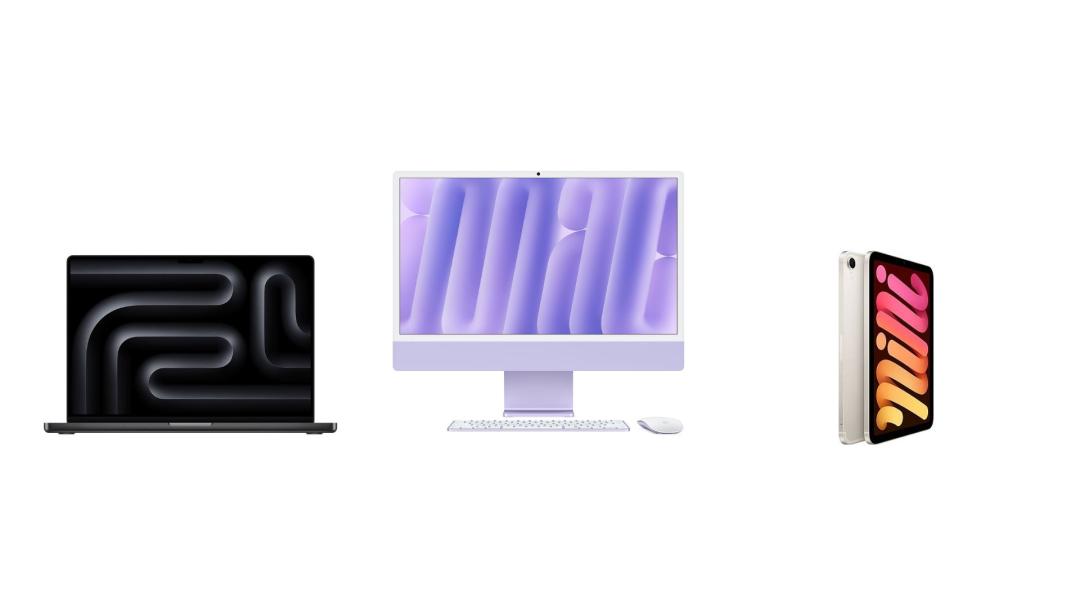
According to recent leaks from Bloomberg journalist Mark Gurman, the products Apple is set to update this time mainly include the fully redesigned MacBook Pro, the entry-level MacBook Pro and iMac equipped with the M6 chip, and the new-generation iPad mini.
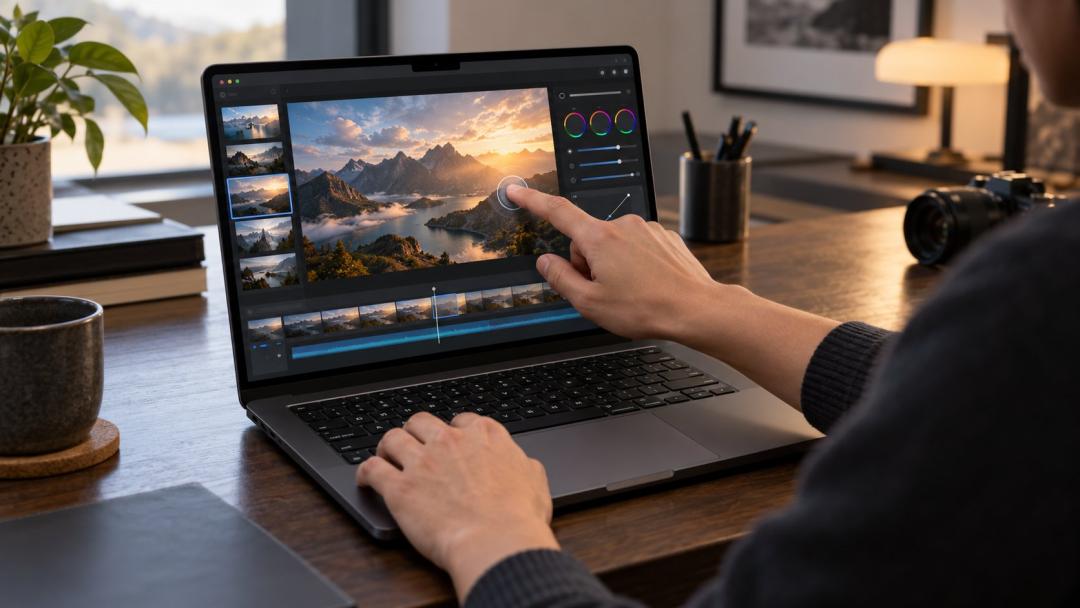
The most anticipated product of all is the touchscreen MacBook Pro that has been rumored for years. According to leaks, the new MacBook Pro will be the first to adopt an OLED panel and support touch operation — yes, the Mac is finally getting a touchscreen!
For users who are used to Windows touchscreen laptops, this may not sound like a big deal. After all, the Windows ecosystem already had plenty of laptops that support direct finger taps years ago, but for Apple, the significance is completely different.
It is well known that Steve Jobs explicitly opposed equipping traditional laptops with vertical touchscreens back in the day.
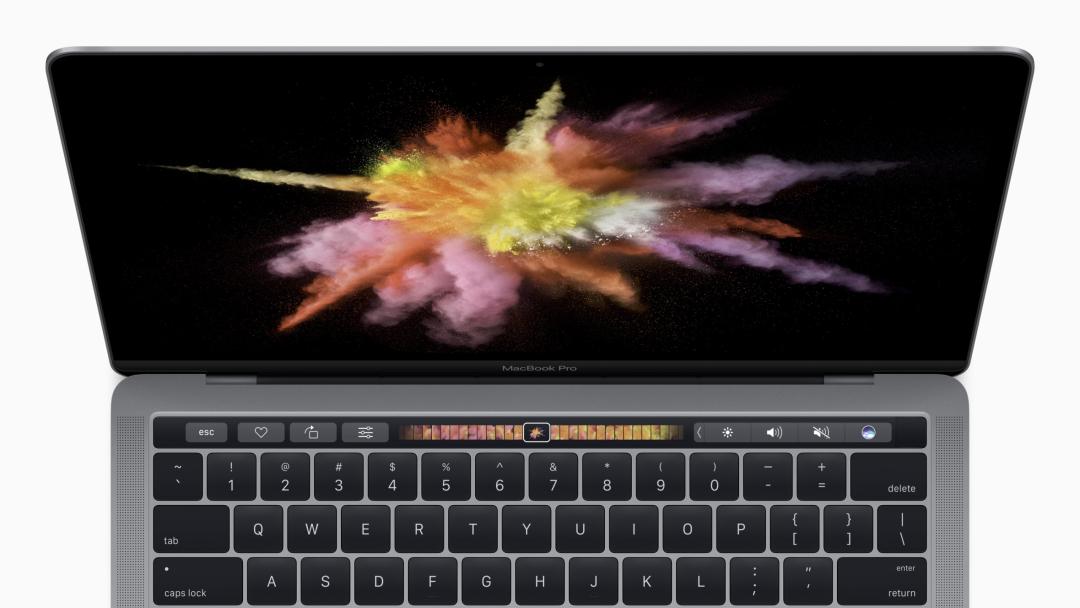
Apple has long insisted that Macs should be operated with a keyboard and trackpad, and that if users want to tap the screen directly with fingers, that is what iPads are for. Even after Apple added the Touch Bar to MacBook Pro, it never planned to let users touch the main display directly.
After so many years, even iPads are already equipped with desktop-grade chips and can connect to keyboards and mice for work, while Macs are finally catching up with touchscreens. It seems Apple has finally changed its mind (at this rate, it is not impossible that iPad will run macOS one day~)
Of course, the new MacBook Pro is not simply replacing the existing screen with an OLED one and adding a touch layer on top.
According to leaks, Apple will also readjust part of the macOS interaction logic for touch operation. For example, when you operate with a mouse, menus and buttons remain as they are; but when you tap the screen directly with your finger, some controls will become larger to facilitate touch interaction.
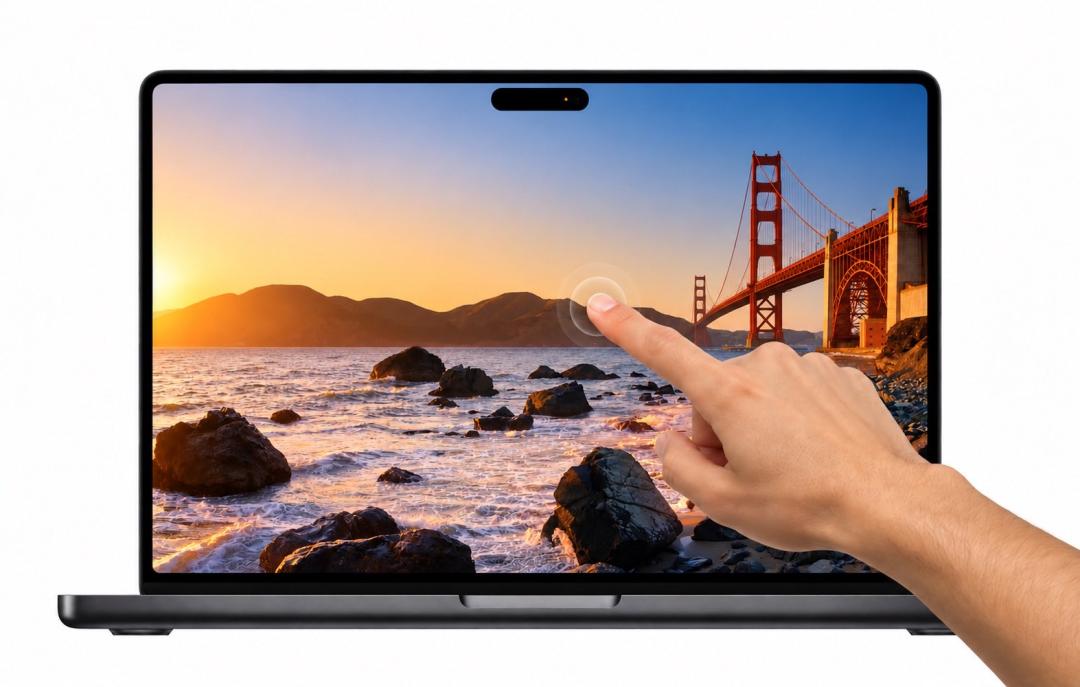
In addition, operations that users are already familiar with on iPad such as two-finger zoom and finger swipe to scroll pages are also expected to appear on the new Mac. In this way, when you browse photos or scroll web pages on Mac, you no longer have to operate on the trackpad.
However, Apple obviously does not plan to turn Mac into another iPad all at once. At least according to existing leaks, the touchscreen is more of an auxiliary operation method that complements the mouse, keyboard and trackpad, rather than a complete transformation of macOS into a tablet system.
After all, making a desktop system that has been used for decades fully compatible with finger operation is far more than just resizing a few buttons. Strictly speaking, this touchscreen MacBook Pro does not violate Apple's long-held design philosophy, it just tests the boundaries of that philosophy.

Apart from the touchscreen, the appearance of the new MacBook Pro is also getting a long-awaited redesign.
Since the major redesign in 2021, the design of MacBook Pro has been used for five years. The new model is said to be lighter and thinner, and the notch that has been used for several generations will be replaced by a punch-hole design with the Dynamic Island feature introduced.
That means the camera area on the top of future Macs may no longer be just a space-consuming notch, but can also display real-time information and app status just like on iPhone.

As for the OLED screen itself, its advantages are very straightforward. Compared with the existing mini-LED screen, OLED supports pixel-level independent light emission, and does not rely on backlight partitions when displaying pure black images, giving it inherent advantages in black level, dark field detail and halo control.
This is quite attractive for users who often edit videos, retouch photos or watch movies on Mac, but we still have to wait for the real device to see what level the actual brightness, power consumption and long-term performance of the OLED screen can reach.
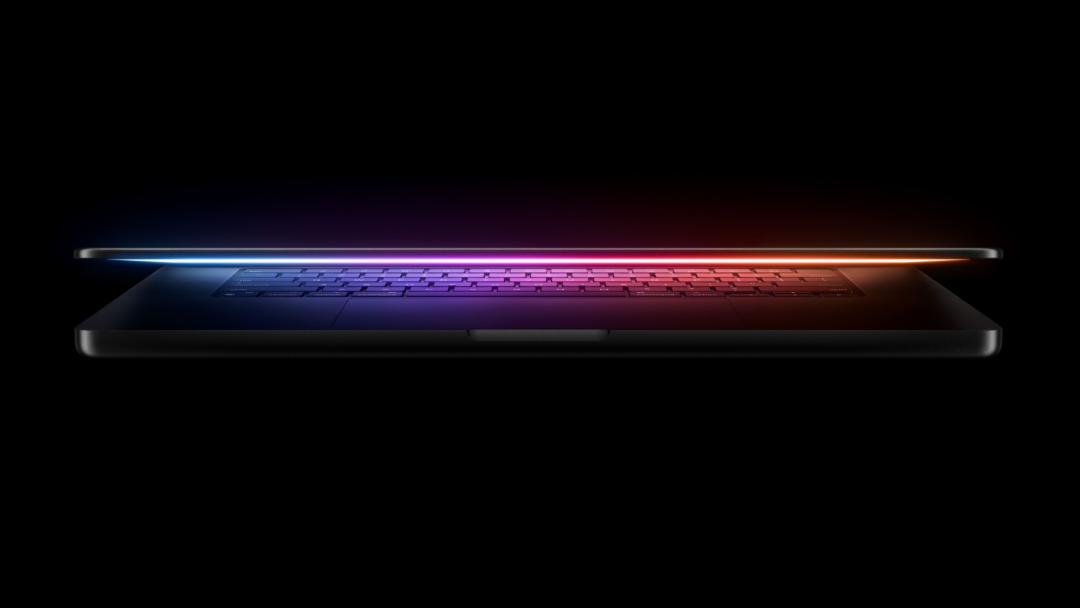
At this point, some users may already be planning to sell their current MacBook Pro, but Tony suggests you hold your horses.
According to leaks, this batch of OLED touchscreen MacBook Pro still uses the M5 Pro and M5 Max chips released in March this year, instead of the M6 Pro and M6 Max. That means the main selling points of the new devices are not performance, but the screen, appearance and touch experience.
At the same time, Apple will also equip the existing 14-inch entry-level MacBook Pro and 24-inch iMac with the latest M6 chip, but these are expected to be regular upgrades with almost no change in appearance, at most adding a few new colorways for the iMac.
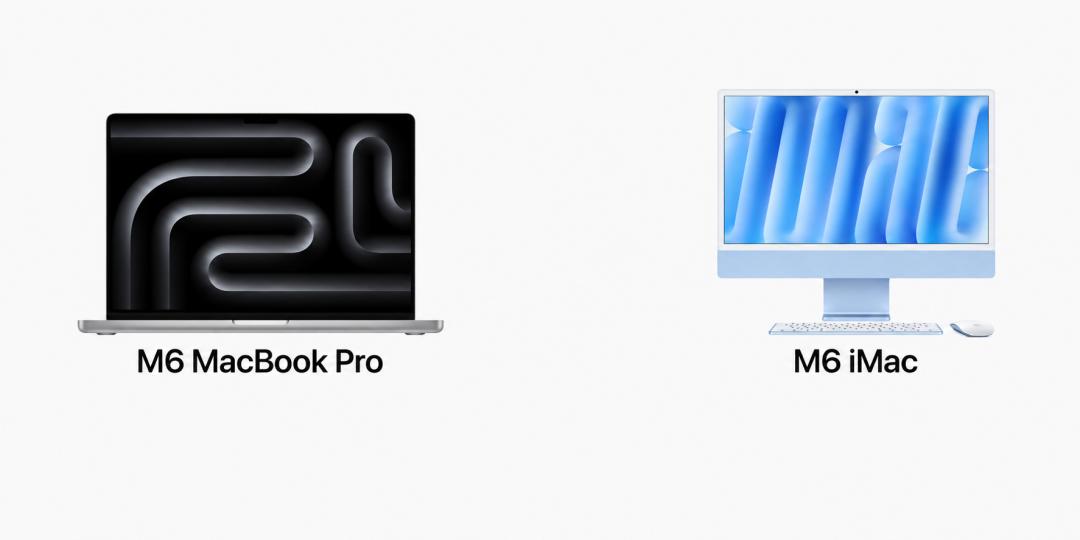
It is quite interesting that the regular Mac models get the newer M6 chip, while the higher-positioned OLED touchscreen Mac continues to use the M5 Pro and M5 Max. From this arrangement, it looks like Apple has created an entirely new product tier above the existing professional laptops.
As for the price of the OLED touchscreen Mac, it will not be cheap. The 14-inch MacBook Pro with M5 Pro released in March this year already has a starting price of 17999 yuan in the Chinese mainland, and the M5 Max version starts at nearly 30000 yuan.
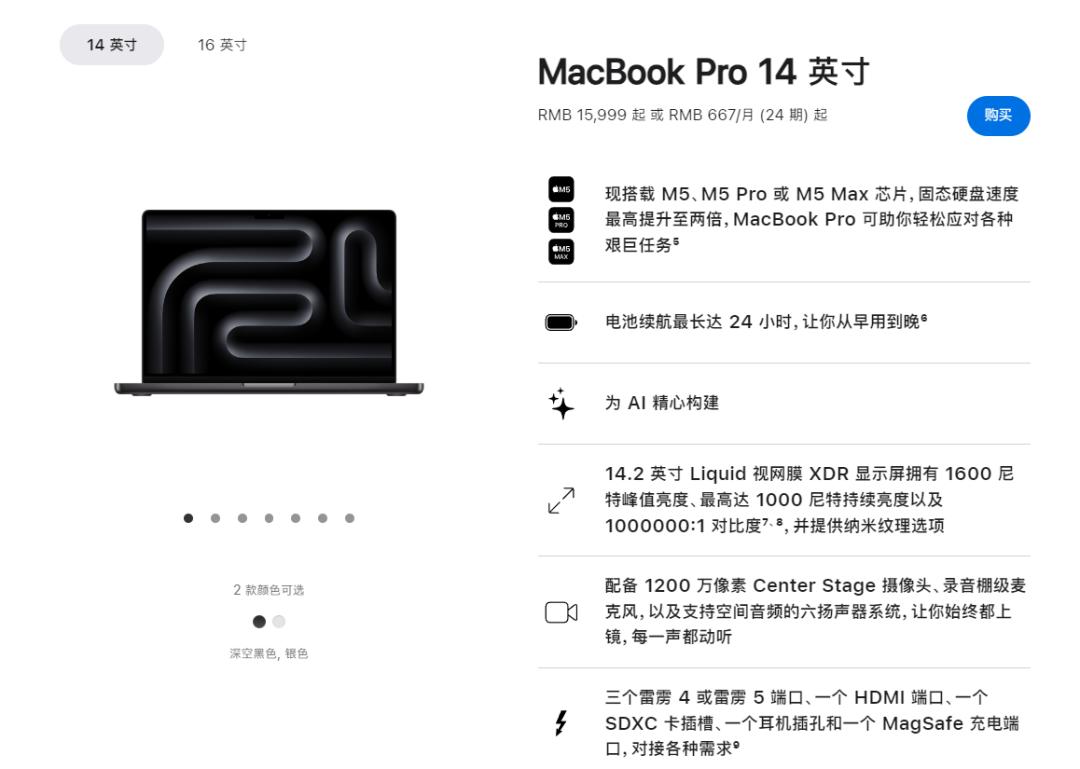
If the OLED touchscreen model is indeed positioned higher than the current models as leaks say, a further price increase is very likely. Users who want to get the new product early should prepare their wallets in advance...
In contrast, another new product this time is even more worth paying attention to — the iPad mini that has not been updated for two years.
Even though large-screen phones are now approaching 7 inches, the small-sized iPad mini still has a very loyal user base. Some people like to read comics and scroll through videos on it in bed, some use it as a portable e-reader, and some buy it for gaming.
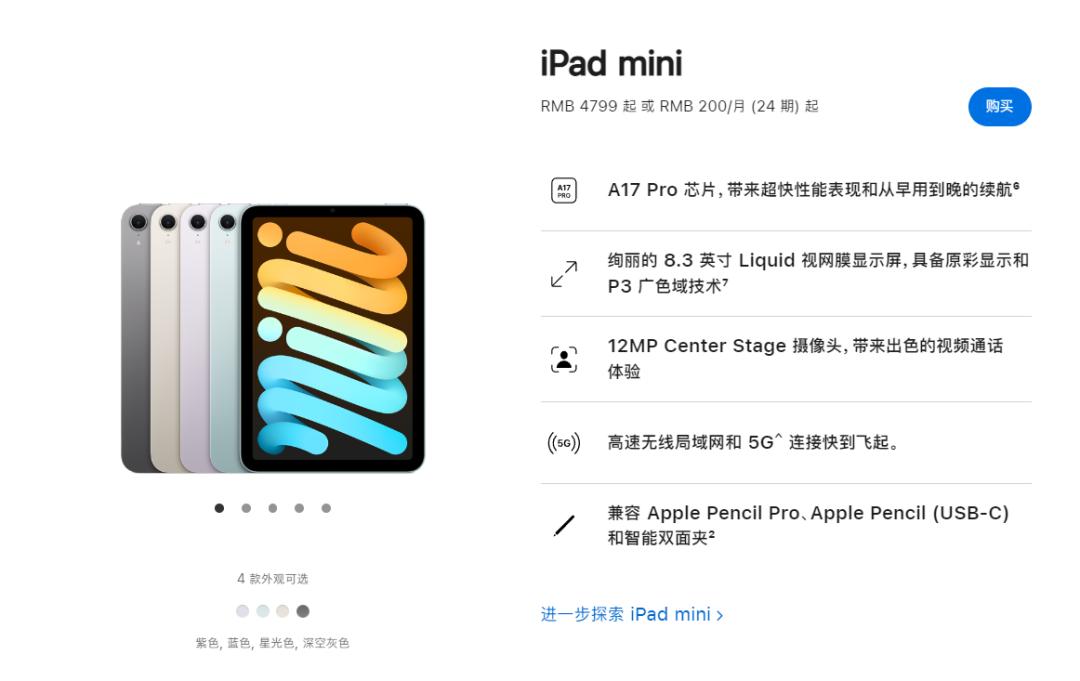
But the current iPad mini has an unavoidable flaw: the screen. At this price point, it is still using a 60Hz LCD screen, which is indeed not competitive compared with numerous high-refresh Android tablets on the market.
The good news is that Apple is finally preparing to equip the iPad mini with an OLED screen. According to current leaks, the new-generation iPad mini 8 will not only get a new OLED screen, but also be upgraded to the A20 Pro chip, and the front camera will be moved from the portrait orientation to the landscape orientation.
This way, when you make video calls holding the tablet horizontally, the camera position will be more natural, and you will no longer look like you are being filmed from the side.

The bad news is that although supply chain sources confirmed that the new iPad mini's screen assembly supports 120Hz, Apple may lock the refresh rate back to 60Hz via firmware to maintain strict product hierarchy. It remains to be seen whether Apple will be generous enough to unlock the full refresh rate.
Of course, there is another interesting change for this iPad mini, which is water resistance.
According to leaks, Apple has designed a new speaker structure for the new iPad mini that generates sound by vibrating the body surface to reduce openings, thus improving the overall water resistance of the device. If the news is true, it may become the first water-resistant iPad in Apple's product line.
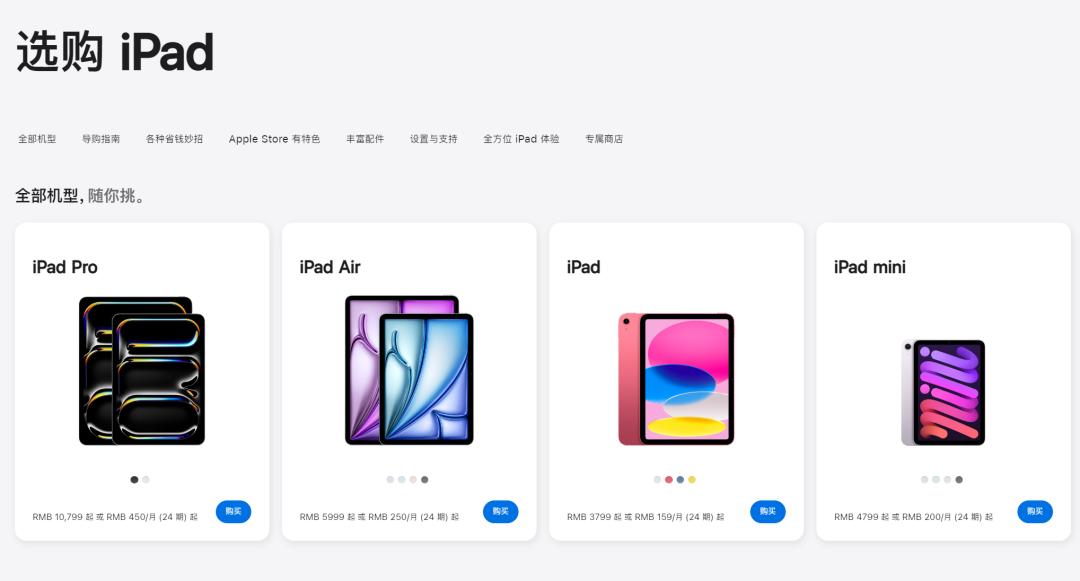
As for the price, according to Gurman, the new iPad mini may see a noticeable price increase due to the OLED screen and structural upgrades. He even estimates that the US starting price will rise from the current $599 to nearly $799, which is quite a significant increase...
In that case, it makes sense that the iPad mini should support high refresh rate, otherwise the price increase would be hard to justify.
At this point, we have basically gone through all the new products Apple is about to launch. According to current information, the new devices will be officially announced on October 28, and will go on sale around November 6, though the exact launch schedule is still subject to official confirmation.
There are only a few days left until October 28, and we will see how many surprises Apple has left for us.
Image and data sources:
Apple Official Website
X.com @MaTech
X.com @AppleDrop
X.com @AppleGeek
X.com@Gary Reiner
This article is from WeChat Official Account "X.PIN", author: Pang Hu, editor: Mian Xian & Milo, published with authorization from 36Kr.