Just now, three new OpenAI models were briefly launched online late at night.
Just now, three new OpenAI models went online briefly.
Not long ago, three mysterious Alpha models codenamed "Aurora" popped up unexpectedly in the OpenAI API backend — aurora-red-alpha, aurora-green-alpha, aurora-blue-alpha.
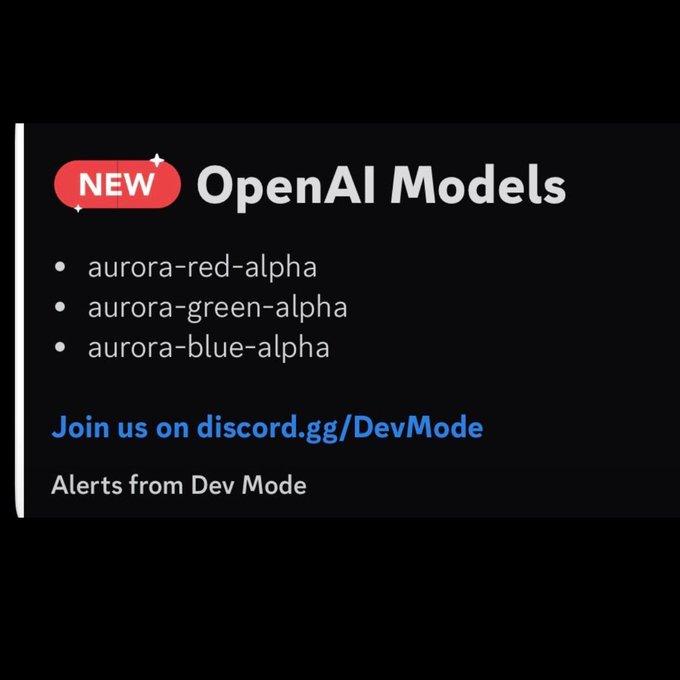
Are we about to see the launch of new models again?
However, before anyone could get a chance to test them, OpenAI immediately pulled the three models offline rapidly!
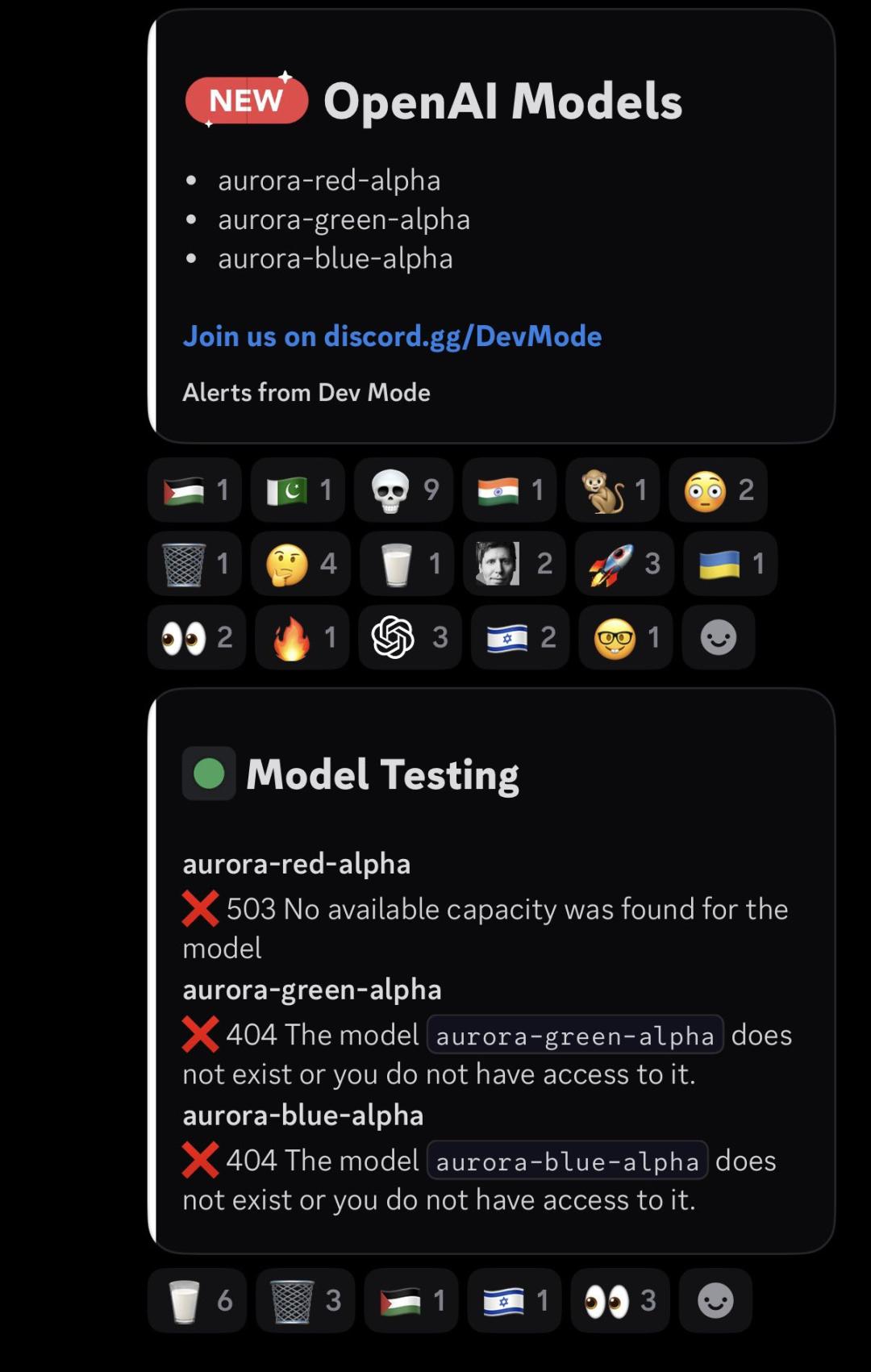
But even though the API access was blocked, the three models had their traces fully exposed in Arena.
The subsequent actual test results were surprisingly delightful —
This is not a code model at all, it is the next-generation killer image generation foundation model that OpenAI is about to release!
The texture of its generated images directly rivals that of Nano Banana.
Three new models suddenly launched, then withdrawn late at night
Everything happened so fast yesterday.
When the three models including aurora-red-alpha appeared in the API list, developers got extremely excited.
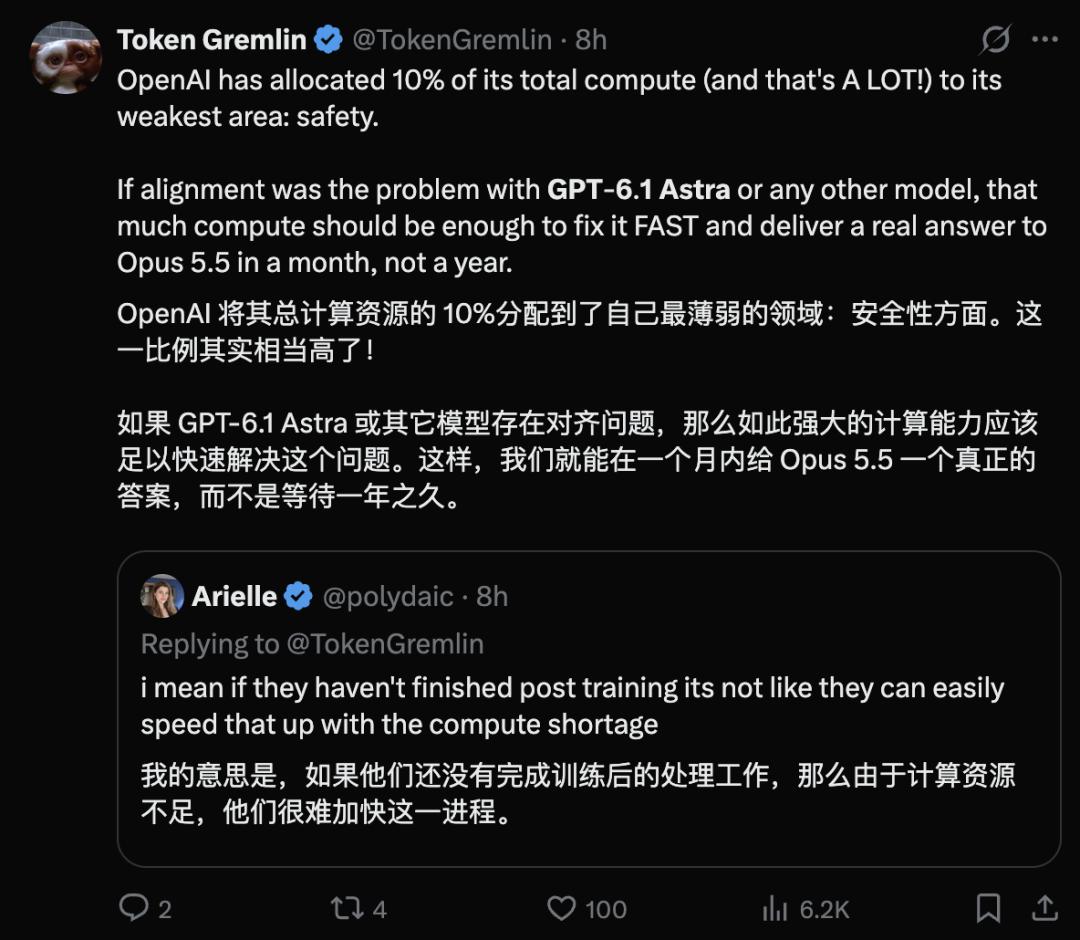
Some people speculated that this might be the legendary GPT-6.1 Astra?
Earlier in October, OpenAI shelved GPT-6.1 Astra due to security issues.
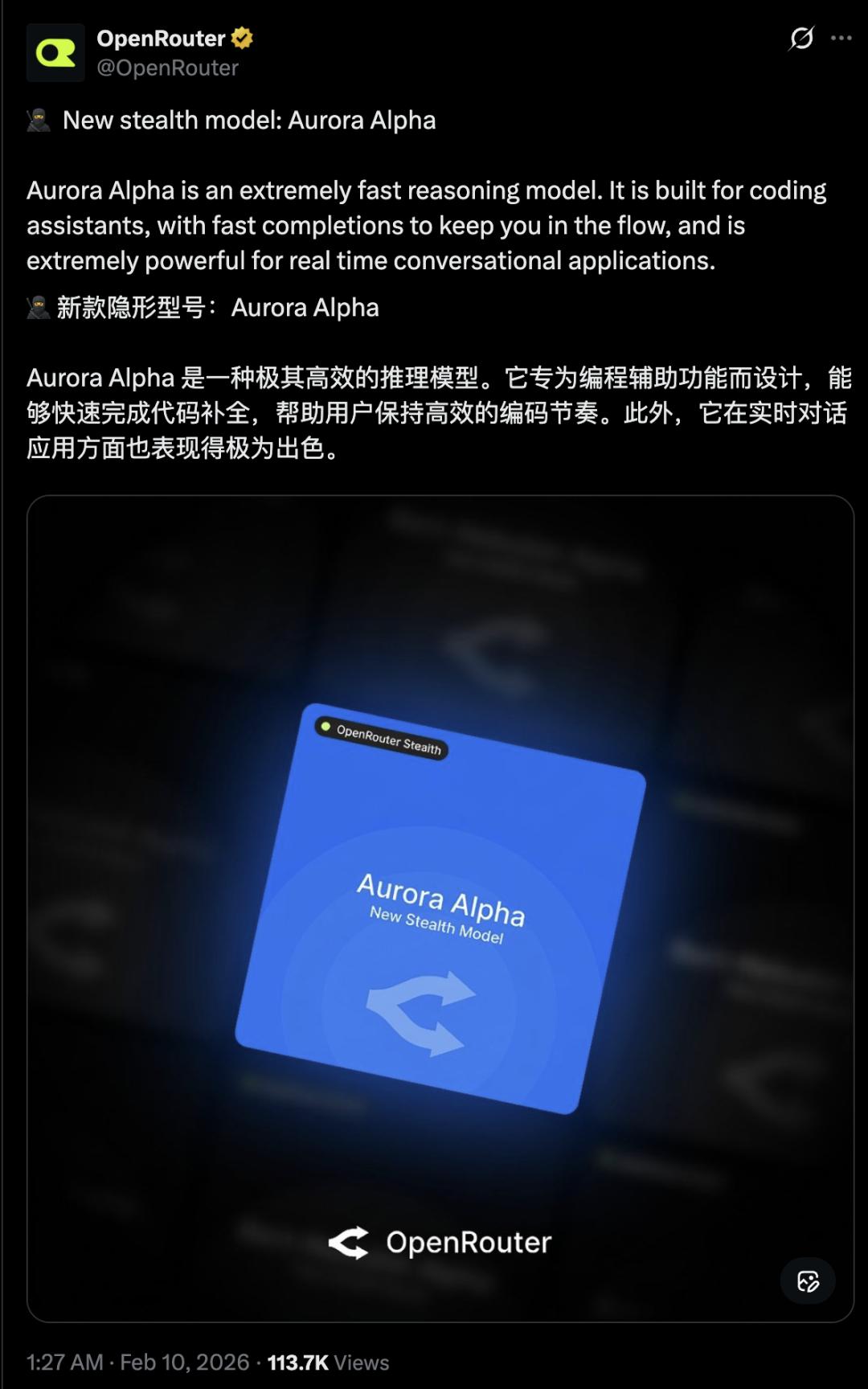
Moreover, on February 9 this year, an anonymous model named "Aurora Alpha" suddenly went live on OpenRouter.
The official description reads: "This is an invisible model provided to the community for feedback collection, an inference model built purely for speed."
Then just three days later, OpenAI grandly released GPT-5.3-Codex-Spark.
OpenAI claimed that it is an "ultra-fast model for real-time coding in Codex", which can generate more than 1000 Tokens per second!
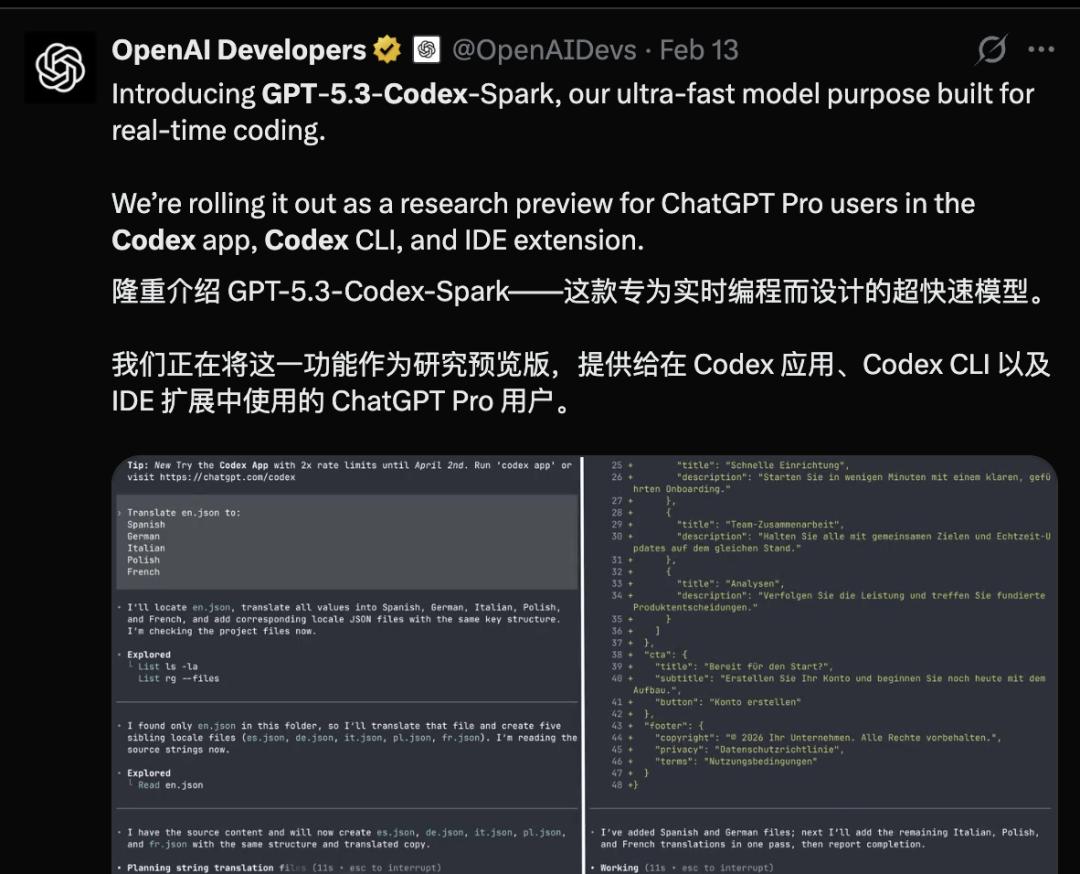
Given that their release timelines are so close and performance labels match perfectly, since then the community has taken it as a given equation: Aurora = OpenAI's ultra-high speed / most powerful code model.
The word "Aurora" represents top-tier code and reasoning capabilities in everyone's mind.
The slap in the face came so fast, Aurora is actually... drawing cats?!
Just when everyone thought the three "Aurora" models would output extremely high-quality code, someone discovered their true identity in Arena.
They are neither some ultra-high-speed code generator, nor a variant of GPT-6.1 Astra.
These three seemingly high-end models are generating images inside Arena.
To be exact, they are drawing cats.
It turns out that even though the API was shut down, OpenAI did not remove them from Arena's gray test pool in order to collect RLHF data.
All netizens immediately flocked to Arena and started a round of extreme tests.
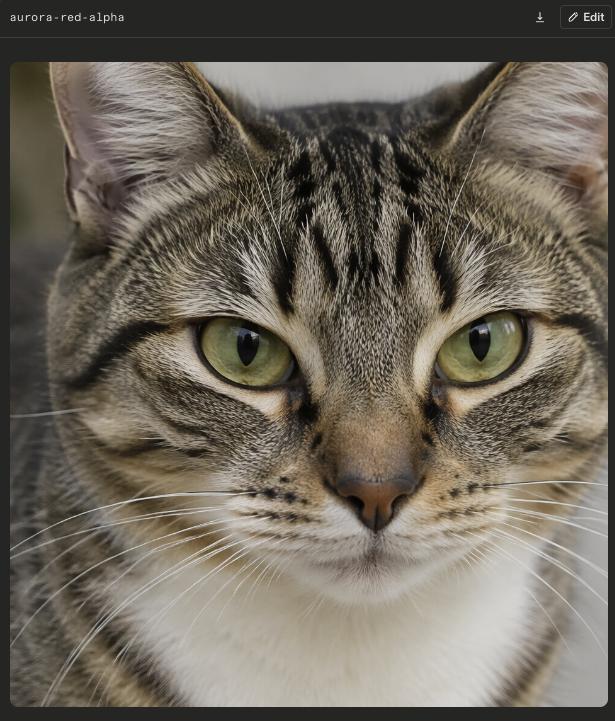
The testers, full of excitement, sent prompts to aurora-red-alpha.
What was returned was a superb close-up shot of a cat's face.
This image has an extremely rigorous composition and well-considered lighting and shadow, giving people a feeling of "deliberate and professional portrait photography".
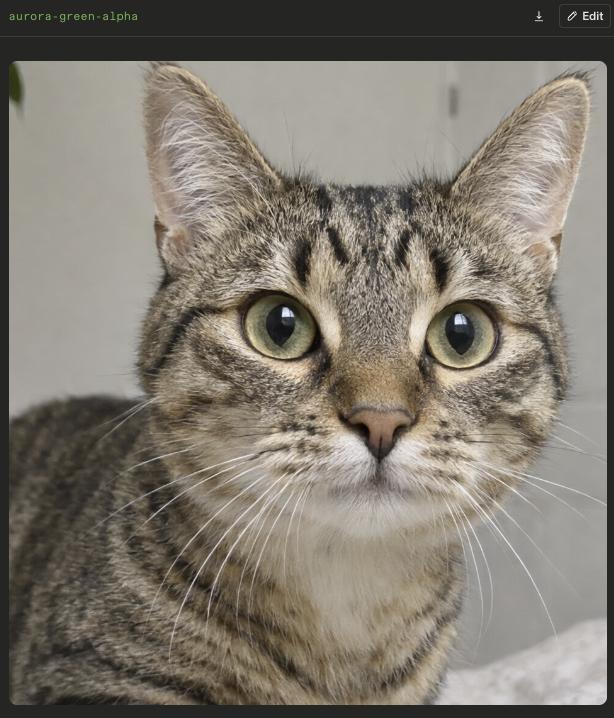
Later, they tested aurora-green-alpha.
What was returned this time was still a cat.
But different from "Red Aurora", what "Green Aurora" generates is an indoor lifestyle photo with a wider field of view and brighter background, which looks like a casually captured moment of daily life, natural and unforced.
As for aurora-blue-alpha, although the specific cat form it generates has not been announced yet, it is certain that it is also an image generation model.
The entire internet went silent for three seconds, then laughed speechlessly.
We originally thought OpenAI was going to take over the world, but it turned out Altman just wanted to draw cats of different styles for us!
In Arena's blind test mechanism, users need to vote for two models.
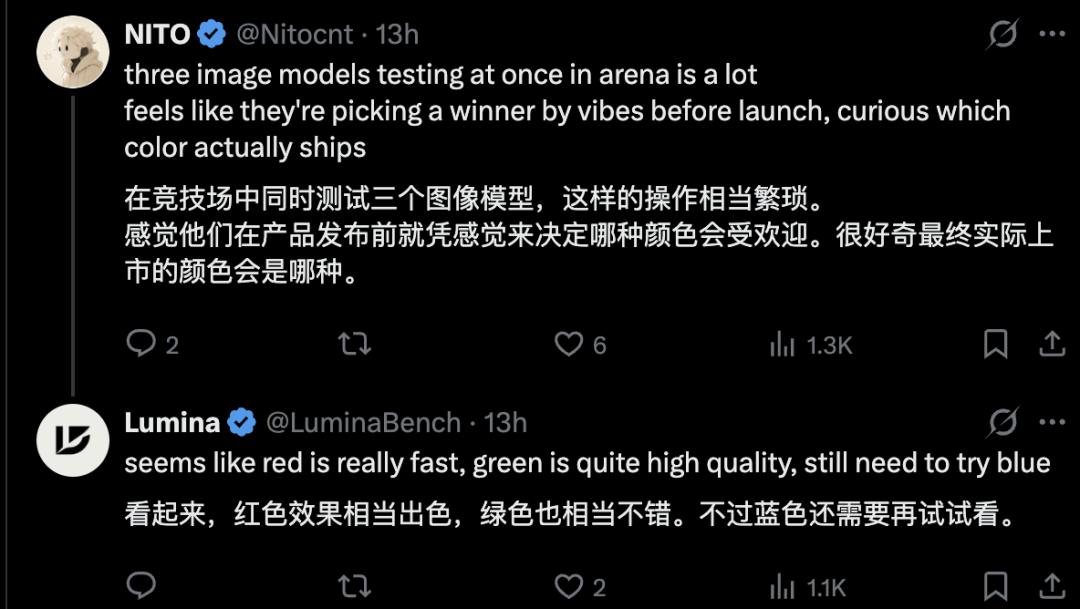
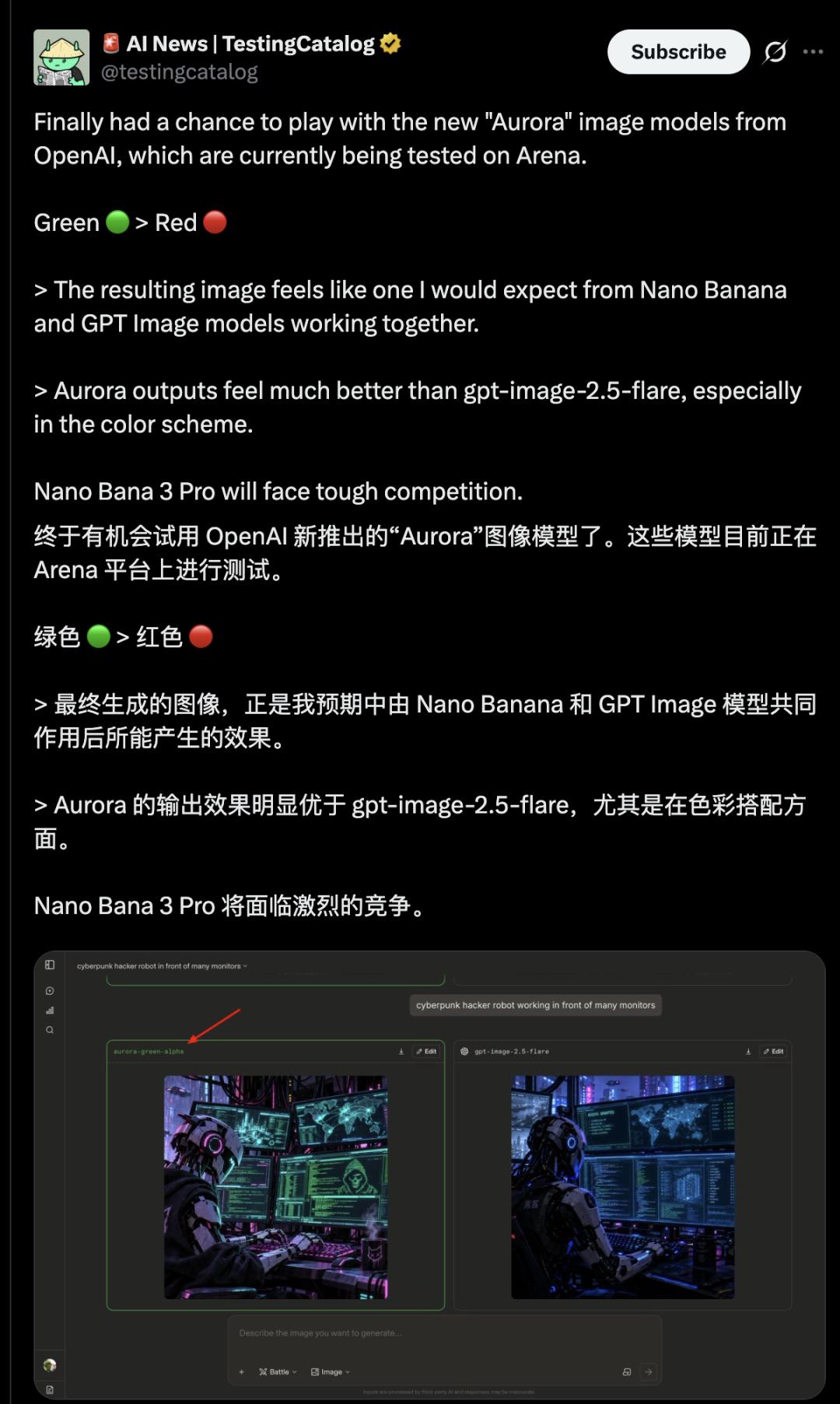
People soon found out: The green version (Aurora-Green) is overwhelmingly beating the red version (Aurora-Red) with a huge winning rate.
This battle between red and green is actually a key showdown for OpenAI to decide the default image generation style of its next-generation Image model.
As of now, the "green version" that represents advanced aesthetics and natural texture has won a complete victory.
So what about the blue version "Aurora"?
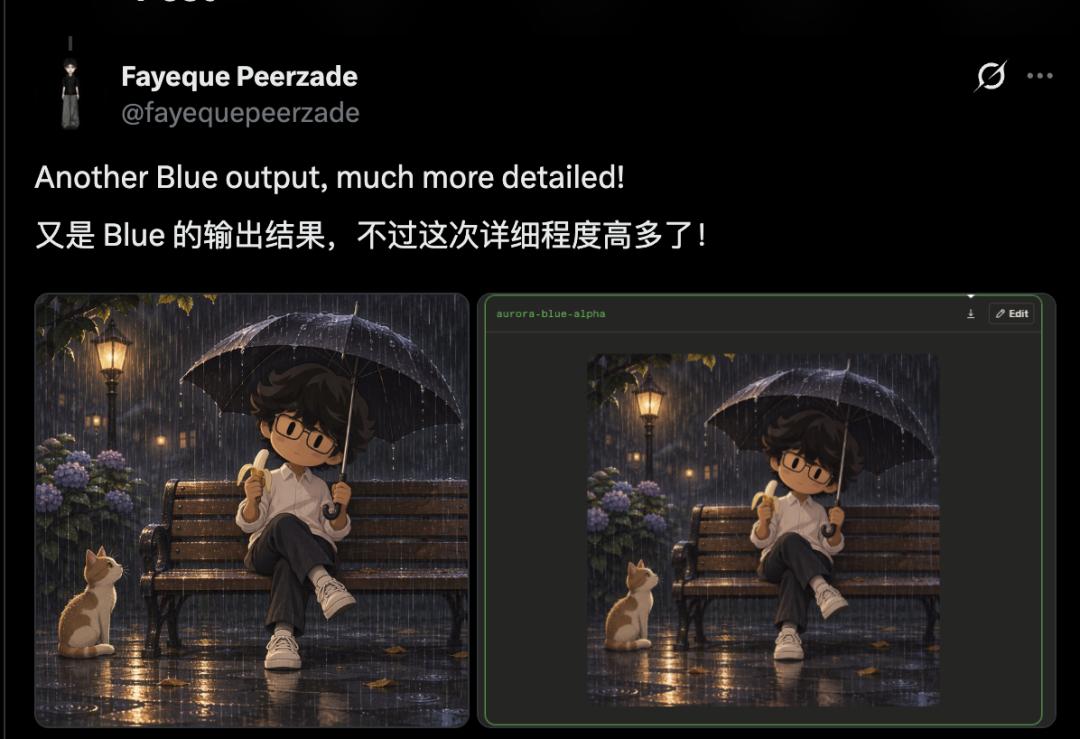
After hours of searching, someone finally found Aurora Blue Alpha!
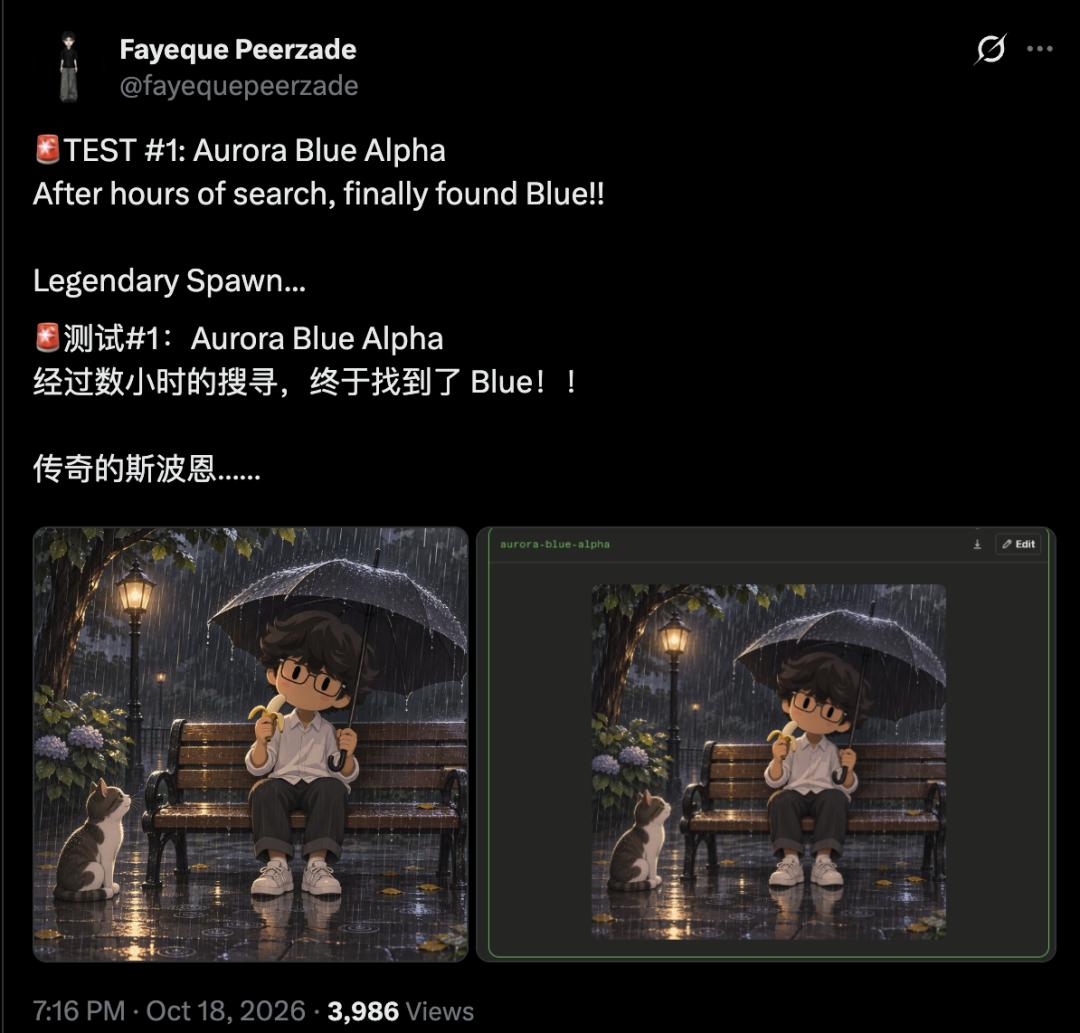
After that, the output of the blue version has far more details!
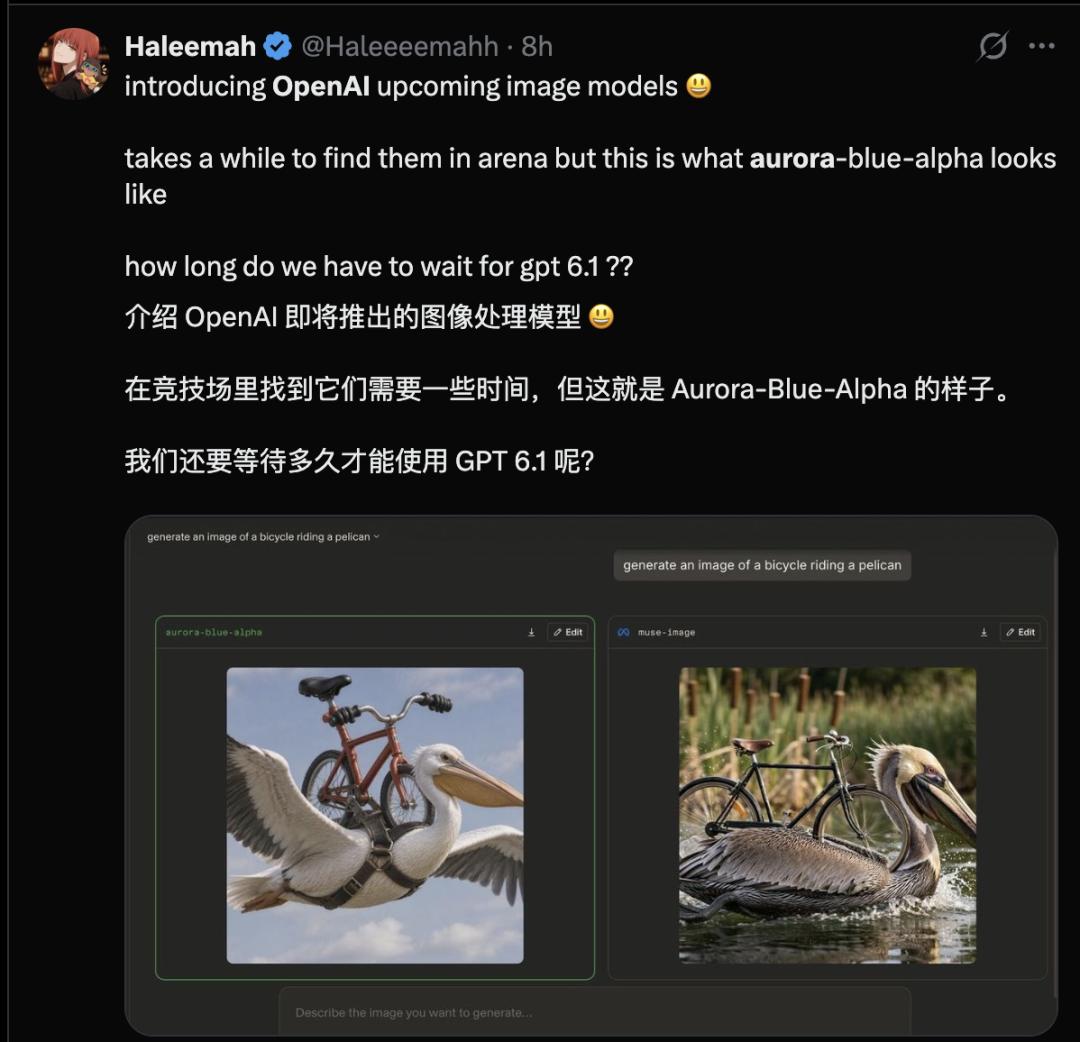
Someone tested the blue version with the prompt "bicycle riding a pelican", and the effect is very surreal and interesting.
The comic style effect also looks pretty good.
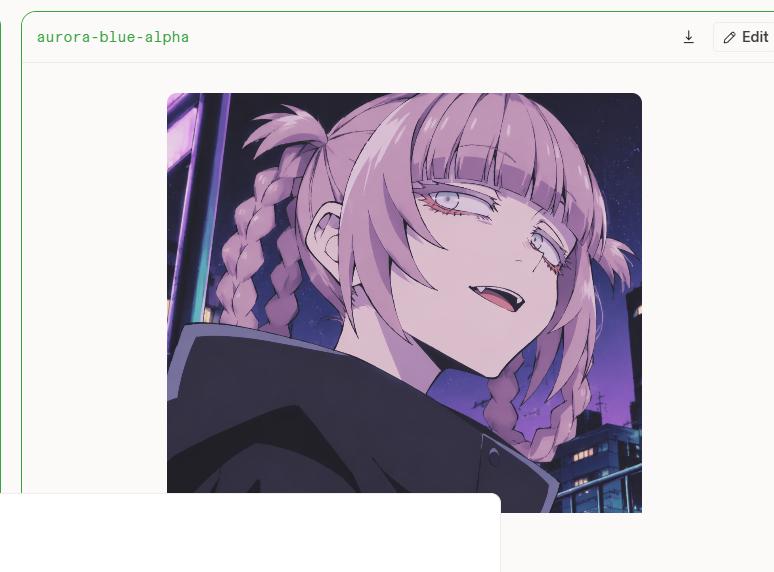
Some users said that the images generated by Aurora look like the combined effect of Nano Banana and GPT Image.
Judging from the effect presented in the demo, Nano Banana 3 Pro will face fierce competition.
Is a major visual upgrade for ChatGPT coming?
To restore the whole story, what happened today may be like this.
An "operational error" in OpenAI's API exposed three Aurora models named after the three RGB primary colors.
They may be Image-3, or they may be the visual foundation model tailor-made by OpenAI for its next-generation multimodal engine.
Of course, OpenAI's ambition is by no means limited to image generation.
They have launched a series of intensive actions recently.
GPT-6 equipped with Intelligent UI has just made a stunning debut in ChatGPT;
Dots, the heavyweight product designed to replace Grok and Muse, has been launched, with GPT-6 Astra and GPT-6.1 Sol providing computing power support behind it;
Just last week, an unannounced model named gpt-rosalind-discovery was quietly added to the pricing page, and immediately after that, Rosalind Workbench was opened to the public in the form of research preview!
Right now, Anthropic's killer model Fable 5.5 is approaching its release.
Everyone is talking heatedly about the next-generation general-purpose model, but all we get is an image model. Wake up, OpenAI!
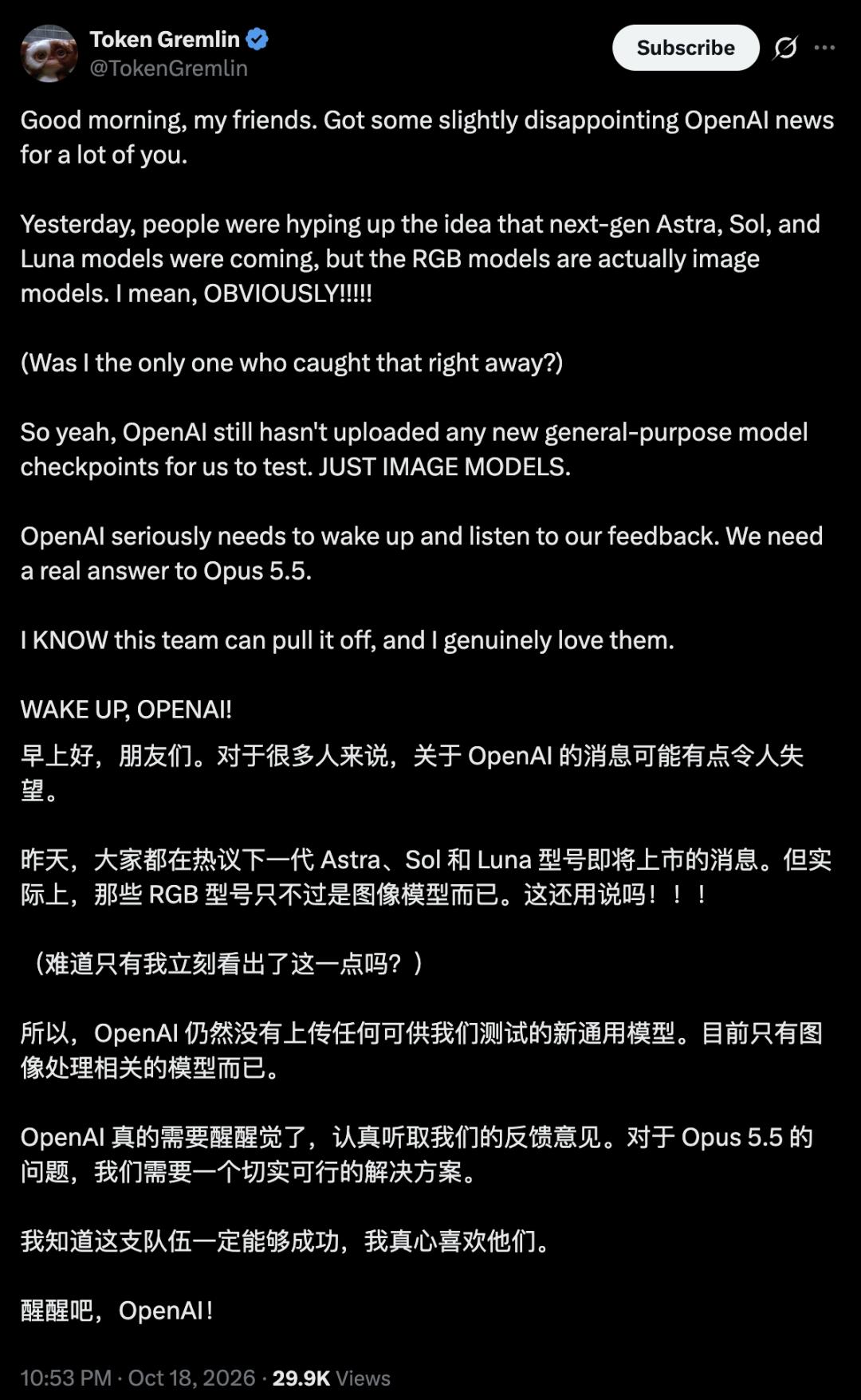
No matter if OpenAI chooses to fight back with the visual evolution of GPT-Image-3, or is holding back a more cutting-edge model, it must come up with sufficiently hardcore products in the near future.
Reference: https://www.testingcatalog.com/openai-possibly-testing-gpt-image-3/
This article is from the WeChat Official Account "Xinzhiyuan" (ID: AI_era), written by ASI Apocalypse; edited by Aeneas David, republished with authorization from 36Kr.