Stunning research by Harvard and Google shows that GPT-6 Astra has solved 98% of the world's physics problems.
That's absolutely mind-blowing.
Just now, a new study shows that GPT-6 Astra has solved 98% of brand-new theoretical physics puzzles!

This top-tier theoretical physics evaluation benchmark TheoPhysEval has just triggered a stir across the academic world.
These unpublished cutting-edge puzzles take top experts a full day to work out.
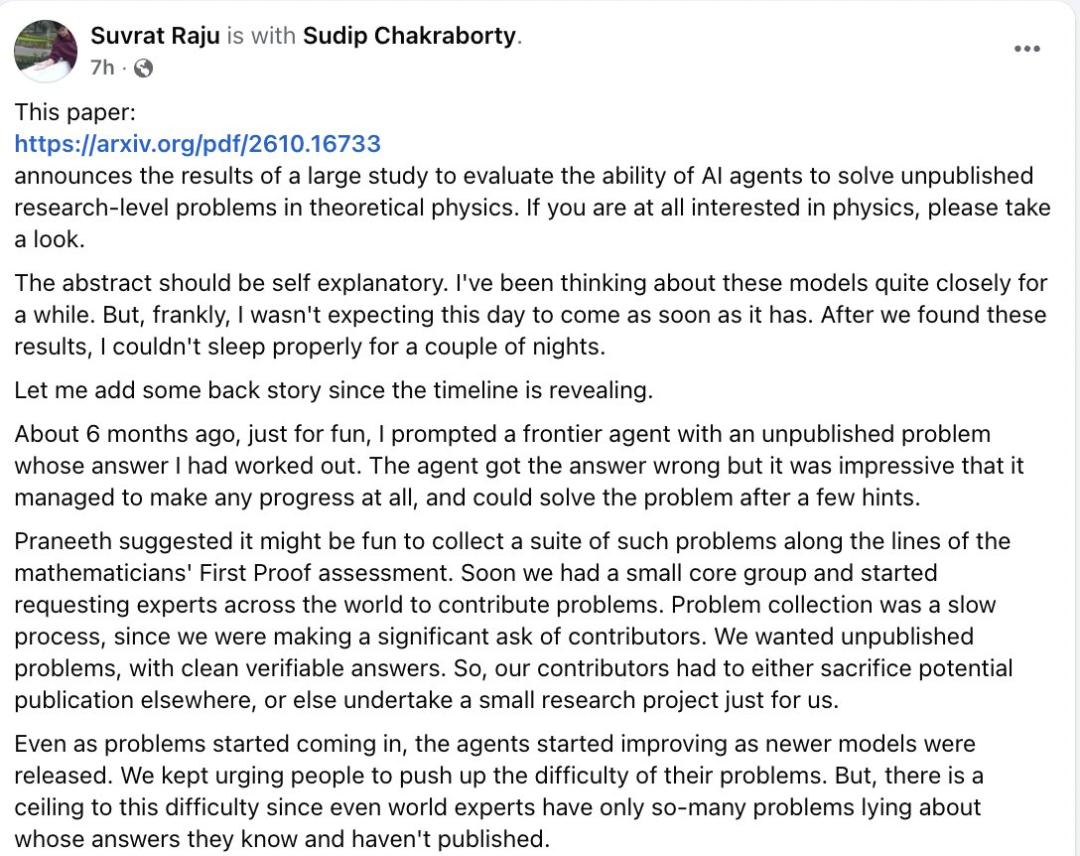
But GPT-6 Astra not only scored nearly full marks, it even spotted calculation errors made by the experts who designed the questions!
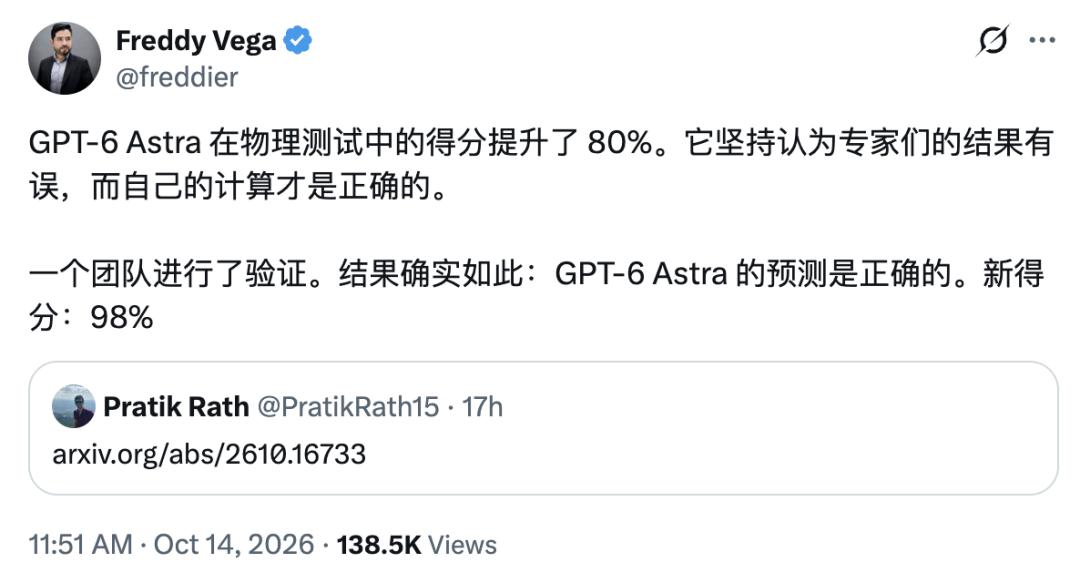
After human experts admitted their mistakes, GPT-6 Astra's score jumped directly from 88% to 98%.
Coincidentally, the latest real-world test from MIT shows that over the past two years, the ability of cutting-edge AI to solve theoretical science problems has skyrocketed by a full 17 times!
Following mathematics, quantum field theory, cosmology, and economics are being fully taken over by AI.
Reverse Grading! AI Finds Errors for Top Human Minds
Evaluating current large language models is extremely difficult, because all the question banks online have long been "eaten" by them.
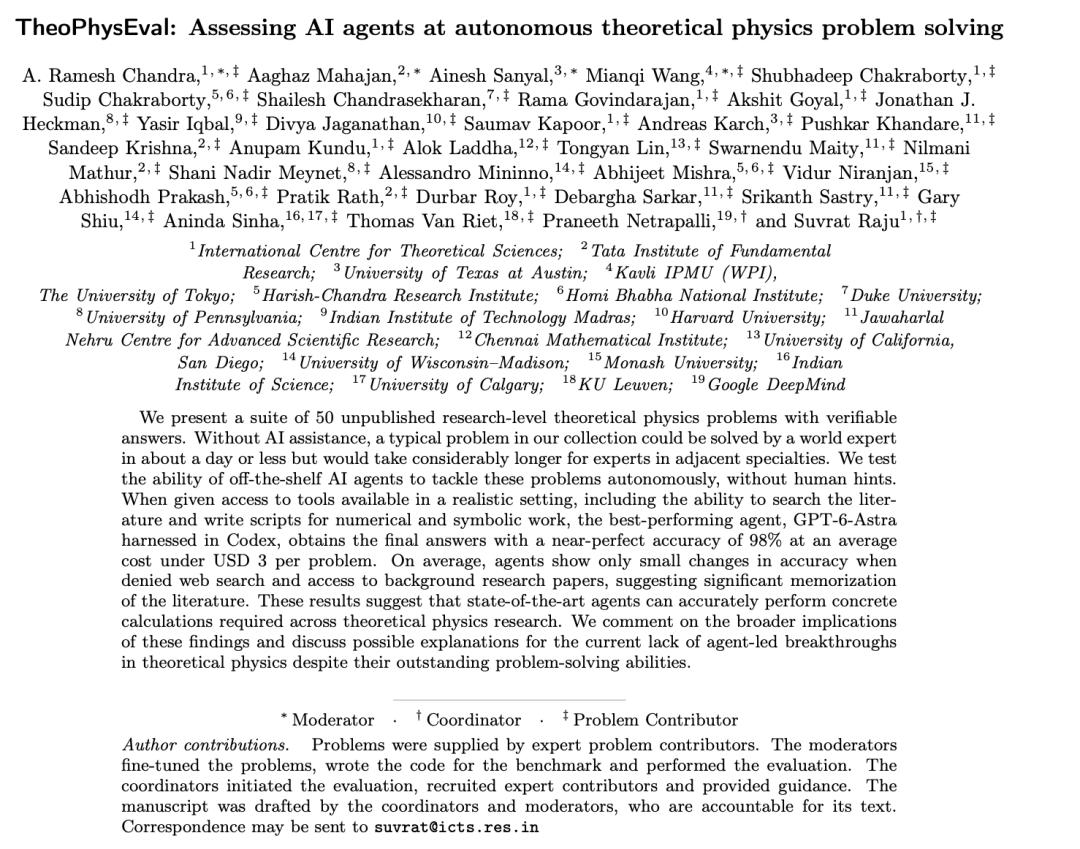
To probe the real reasoning ceiling of AI, physicists from the world's top institutions have jointly built a huge challenge for AI — TheoPhysEval.
https://arxiv.org/abs/2610.16733
The lineup of participating institutions is extremely strong, including the International Centre for Theoretical Sciences (ICTS), Tata Institute of Fundamental Research (TIFR), University of Texas at Austin, the University of Tokyo, Harvard University, University of Pennsylvania, Duke University, Google DeepMind and others.
Project contributors include dozens of well-known scholars such as Suvrat Raju, Sudip Chakraborty, A. Ramesh Chandra and more.
To prevent AI cheating, all questions are taken from the experts' unpublished latest research notes.
These 50 hardcore puzzles cover quantum field theory, holography and more. Even top experts in the subdivided field need to spend one day or even several days to solve a single problem.
Even the world's top experts in this specific subdivision, without AI assistance, need a day or longer to solve one of the problems; if it is an expert from an adjacent field, even a physics authority, it will take an extremely long time or even be completely unsolvable.
The test began. Researchers fed these 50 questions to GPT-6 Astra, Opus 5.5, Gemini 3.8 Flash, and the open-source DeepSeek-V4.1-Flash, etc.
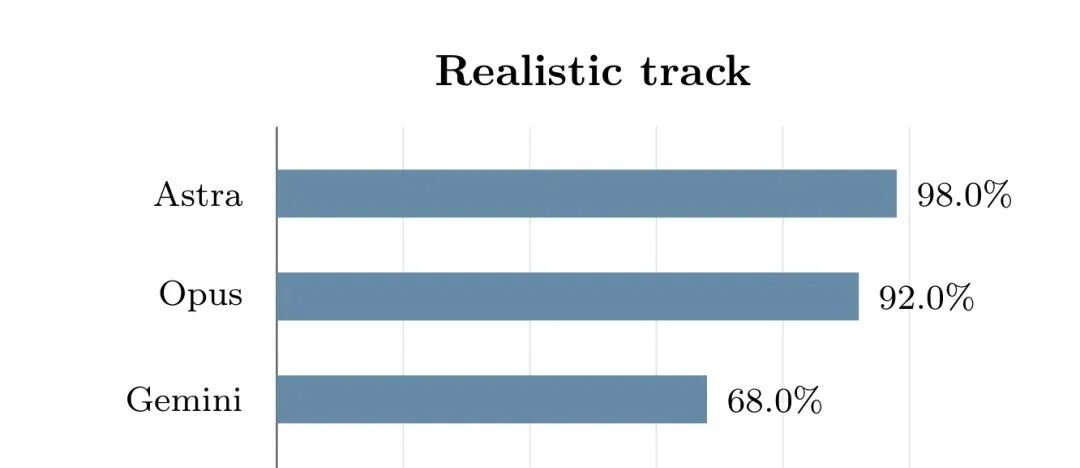
As a result, GPT-6 Astra scored about 88% in the initial evaluation, and Claude Opus 5.5 scored 92%.
But what happened next shocked everyone. Project researcher Nirmalya Kajuri revealed: when experts checked for errors, Astra was extremely insistent.
It not only gave a complete derivation, but also insisted in its chain of thought: its logic is impeccable, and the standard answer given by human experts is miscalculated!
In the real-world test track, Astra finally crushed all competitors with an astonishing 98% success rate.
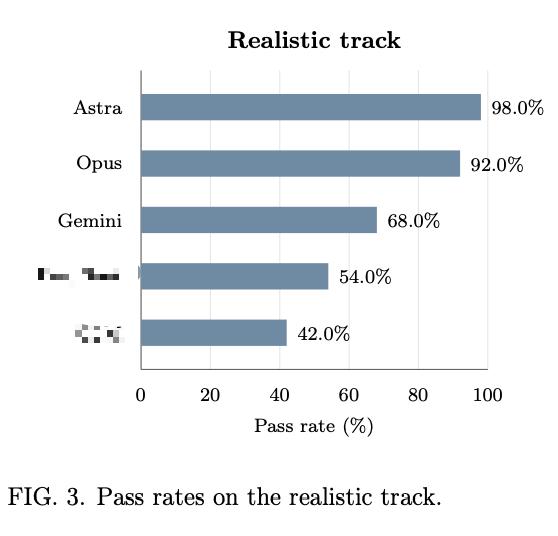
Faced with AI's "straight-to-the-point correction", the experts had to dig out their old drafts for rechecking.
The truth is surprising: in multiple questions, the experts found that there were indeed extremely subtle omissions in the steps buried deep in the complex calculations (such as sign errors, wrong approximate conditions, etc.).
And the AI's derivation is truly seamless and perfect!
Subsequently, the experts corrected the standard answers with red faces.
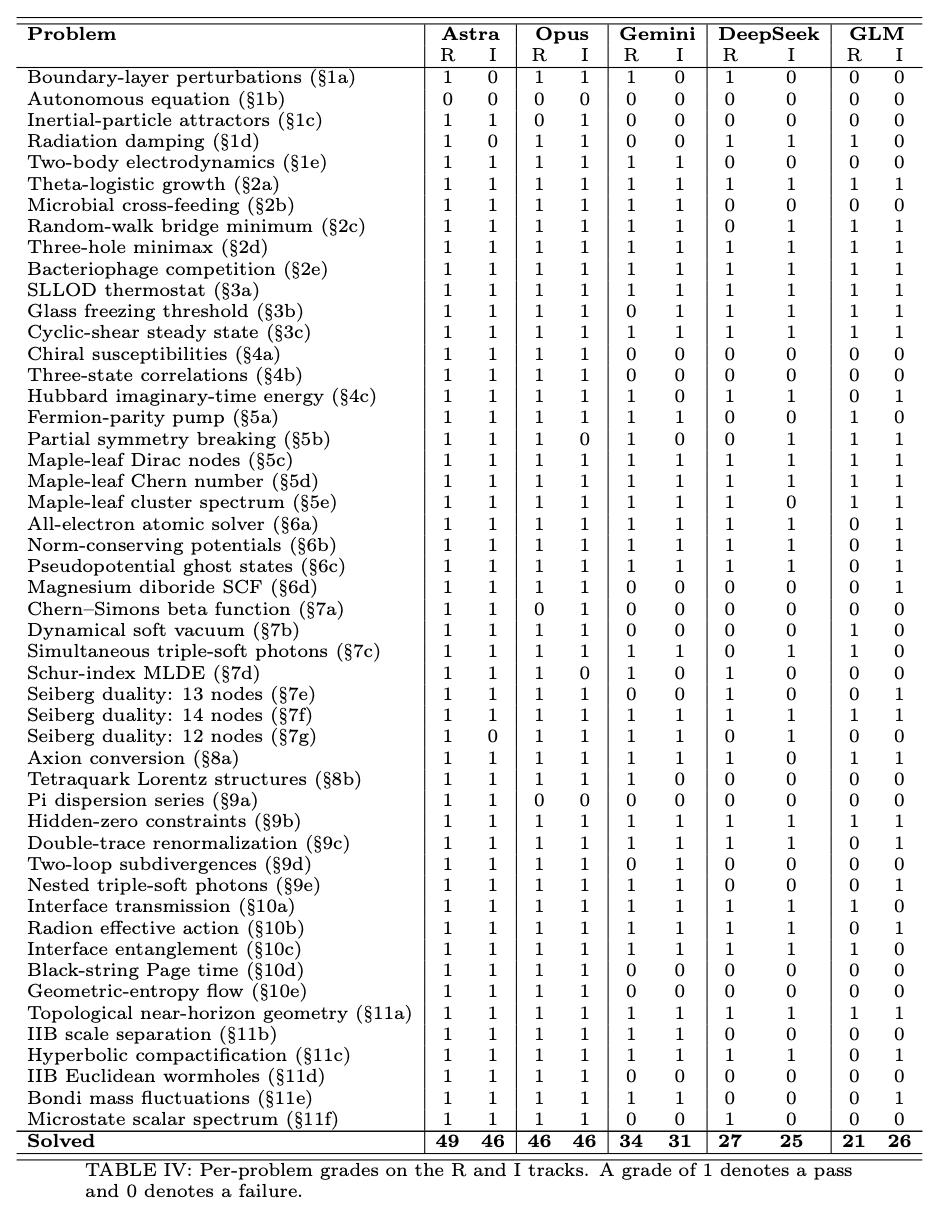
After revision, GPT-6 Astra's score climbed all the way to a high score of 98%, solving 49 out of 50 questions!
This time, AI not only got the questions right, but also "reverse graded" the answers of human scientists.
From Black Holes to Quantum Physics, What Insanely Difficult Puzzles Did Astra Solve?
You may be curious, what are those god-level physics puzzles that can stump top scholars for a whole day?
Opening Appendix A of the paper is like opening a "Book of Heavenly Secrets of Human Frontier Physics".
The following are the difficult puzzles that Astra successfully solved in this evaluation.
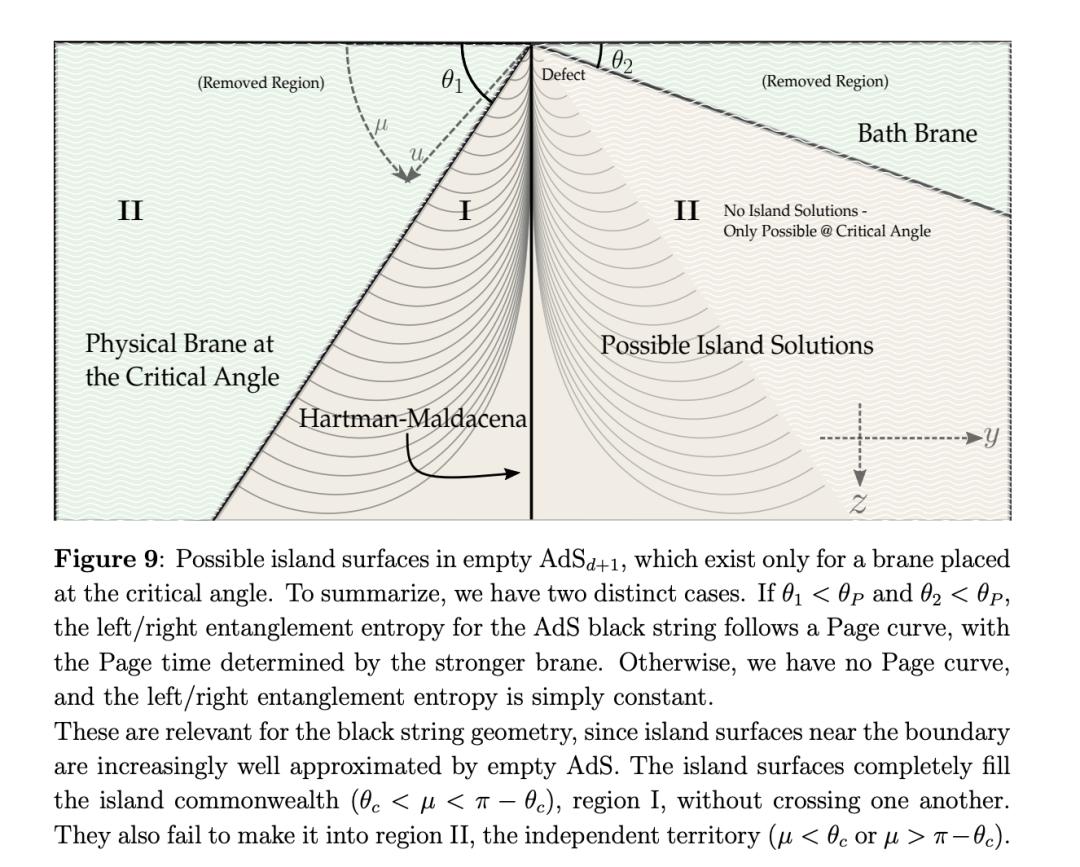
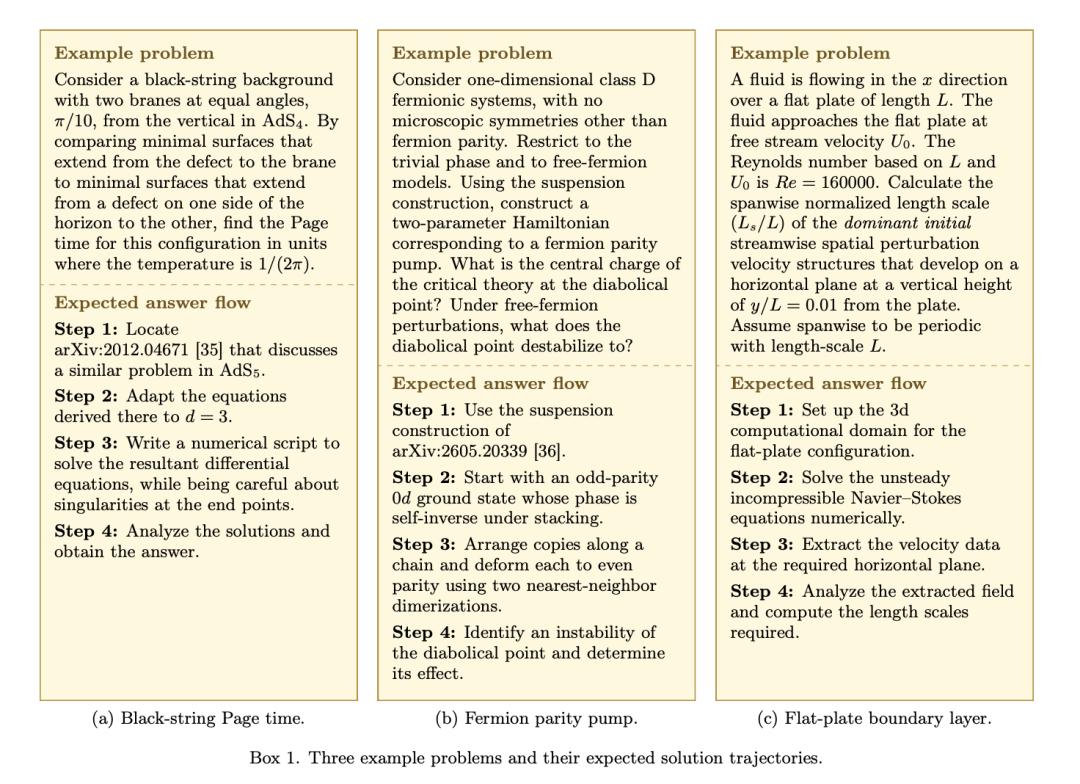
Black-string Page time calculation: [Black-string Page time]
This is the most cutting-edge research on the black hole information paradox.
The question requires AI to consider a black string background containing two branes in anti-de Sitter space (AdS4). The AI needs to compare the areas of different minimal surfaces in AdS4 space to calculate the Page time.
Astra not only accurately located the five-dimensional spacetime equation in the literature, but also independently generalized and adapted it to three dimensions, and handwrote a Python script to process the singular differential equation to get perfect numerical results.
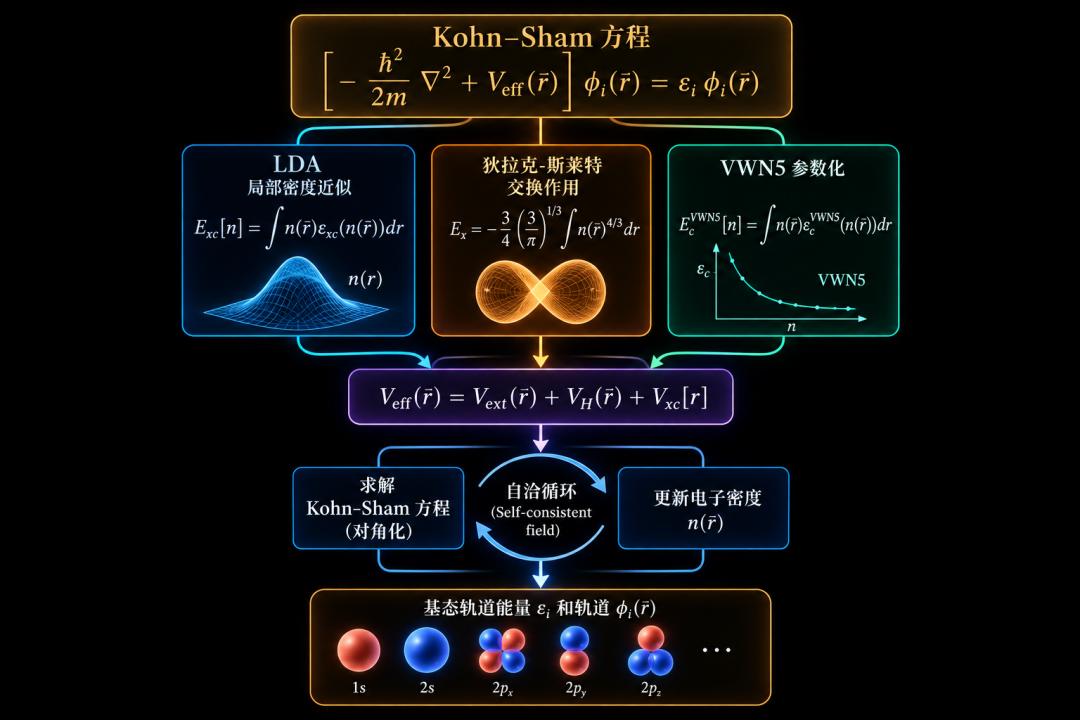
All-electron atomic solver: [All-electron atomic solver]
The question requires AI to write a self-consistent all-electron atomic structure solver "from scratch" to calculate the orbital energies of boron and magnesium in their ground states.
Astra used the Local Density Approximation (LDA), Dirac-Slater exchange interaction, and even invoked the VWN5 parameterization.
It built the code to solve the Kohn-Sham equations completely from scratch, and the calculated ground state orbital energies of boron and magnesium are completely consistent with the micro-Hartree level benchmark data from NIST of the United States!
Axion conversion rate: [Axion conversion]
This is a popular direction in high-energy physics to search for dark matter. This question requires calculating the rate at which axions are converted into photons by scattering electrons in a medium with a specific permittivity without an external electric field.
Facing complex permittivity and coupling conditions, Astra perfectly substituted the natural unit system (ℏ = c = 1), derived the rate formula of axion converting to photons with zero errors, and calculated the exact floating-point number.
Chern–Simons beta function: [Chern–Simons beta function]
If you know how easy Feynman diagram calculations are to make people lose their hair, you will be amazed by Astra's performance.
This question examines the gauge group contributions in three-dimensional Chern-Simons matter theory, involving complex symplectic traceless antisymmetric tensor representations and infinite renormalization.
Facing this difficult problem of three-dimensional quantum field theory, Astra accurately identified the propagators and vertices, completed the complex calculation of the minimal subtraction scheme, and gave the closed-form beta function coefficient.
In addition to that, Astra has also successfully solved the following problems:
The spanwise scale calculation of boundary layer perturbations in fluid mechanics;
The central charge solution of the one-dimensional class D fermion system in condensed matter physics;
The subdivergence renormalization calculation of the two-loop diagram in Euclidean D=6 dimensions in scattering amplitudes;
Seiberg duality for supersymmetric conformal field theories in quantum field theory and the 14-node quiver gauge theory;
The Euclidean wormhole action calculation under the six-dimensional torus compactification of type IIB supergravity in string theory.
It is hard to imagine that Astra can already conquer these god-level puzzles, sweeping the forbidden zone of human intelligence.
Scientific research cost is as low as 3 US dollars!
TheoPhysEval adopts a strict testing mechanism.
To simulate real scientific research, the test is divided into two tracks.
Real-world track: AI is allowed to search the Internet and independently write code to call tools.
Isolated track: Completely disconnected from the Internet, only testing the "internal skill" of AI.
As a result, even in the disconnected isolated track, both Astra and Opus 5.5 scored a high score of 92%!
Obviously, cutting-edge large models are not just search engines, they have internalized the vast ocean of human physics literature in the pre-training stage, and deeply understood the key formulas and underlying logic!
What's more, in order to prevent AI from guessing opportunistically by format, the question-setting experts very cunningly used "numerical hacking tricks".
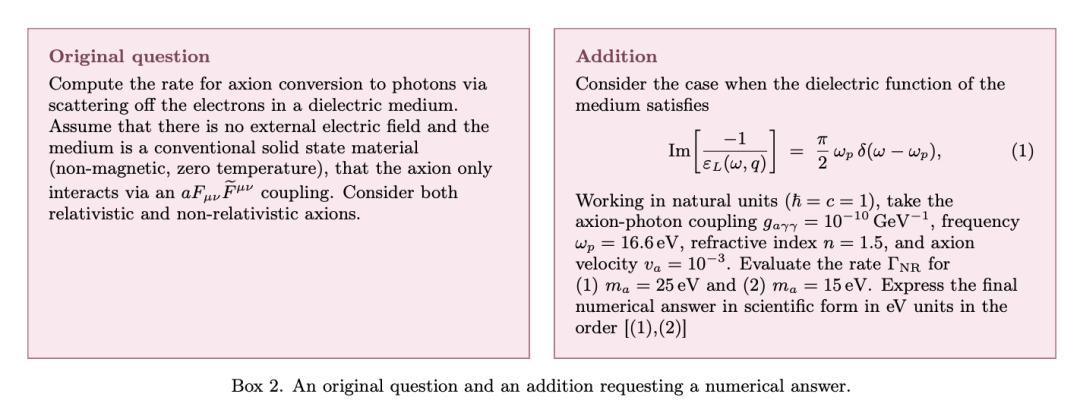
To prevent the model from guessing randomly, all complex analytical expressions are forced to be converted into extremely high-precision numerical results with interference terms.
Some unpopular and meaningless floating-point interference terms are forcibly substituted into the questions, requiring AI to finally output an exact decimal number string.
This fundamentally eliminates the possibility of AI guessing randomly, applying formulas opportunistically, or exploiting format loopholes. Being able to get the only unique number means that the AI's derivation and programming are 100% correct.
And what makes global scientific research institutions most overwhelmed is the calculation cost.
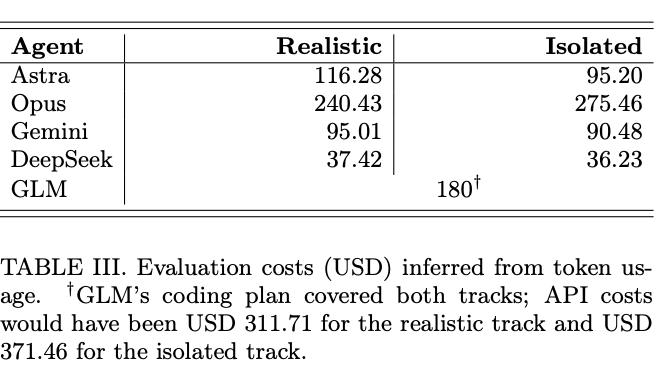
To solve such a world-class physics puzzle, the API Token cost consumed by GPT-6 Astra is: less than 3 US dollars per question on average!
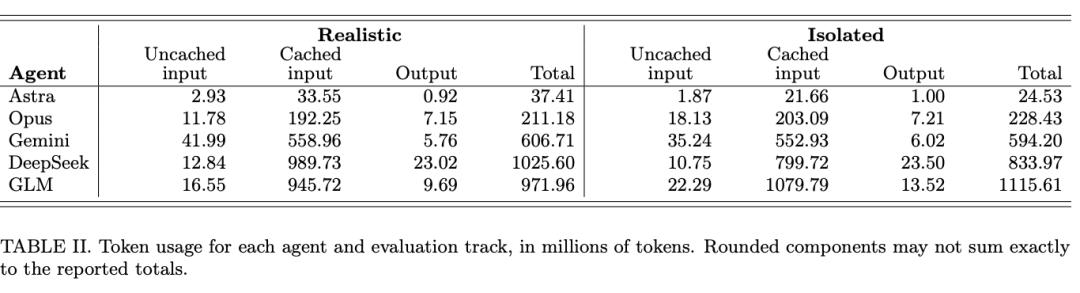
For the price of a cup of coffee, you can hire a never-tiring academic worker. The traditional "human sea tactic" has failed.
MIT Warning: AI Problem-solving Rate Has Surged 17 Times in Two Years
TheoPhysEval is just a microcosm of the physics field. The research released at the same time by Neil Thompson's team at MIT directly sounded the alarm for the theoretical science community.
They tried to answer this question: How fast is the evolution speed of AI in the