Pet-friendly cities are now scrambling frantically to attract young people.
Have you noticed that many shopping malls have begun to open their doors to cats and dogs?
On the outer plaza of Xuhui Cmall in Xindu, Chengdu, the property management of the mall has marked three grids with dog paw prints — pet owners tie their dogs in the grids and go to drink coffee nearby. According to a report by West China Metropolis Daily in April this year, these three grids are almost fully occupied at noon and in the evening.
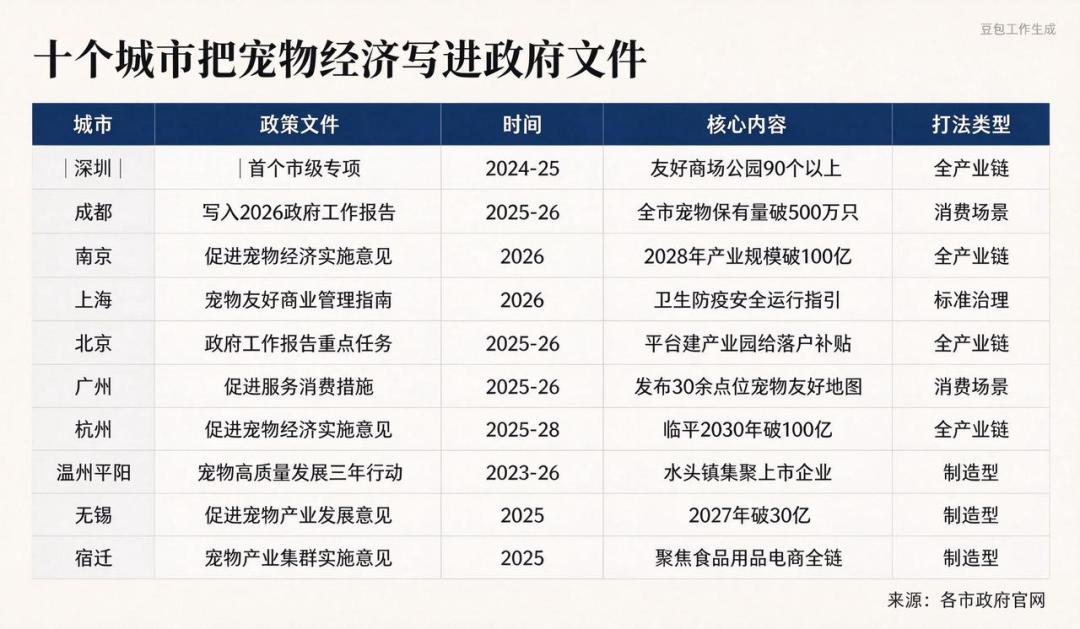
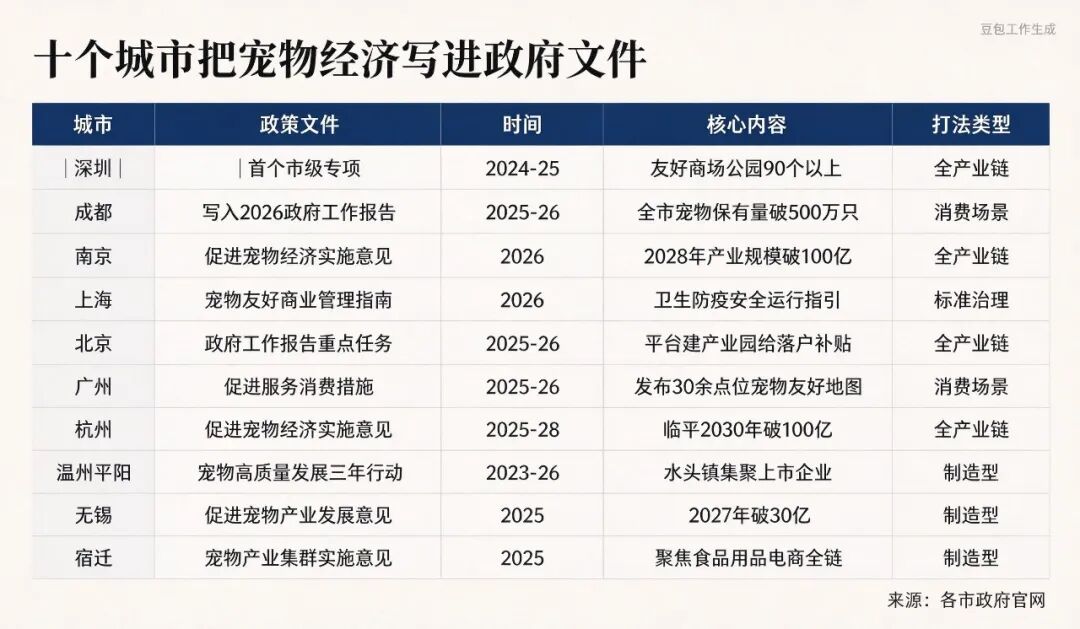
Input to Doubao Work: Horizontal business table image, table of ten cities' policies with five columns, dark blue header, sources from official websites of municipal governments
Not only that, many cities have also begun to attach great importance to the pet economy.
In the 2026 Chengdu Municipal Government Work Report, the "pet economy" is listed side by side with the "morning economy" and "nighttime economy" for the first time.
Nanjing issued the Implementation Opinions on Promoting the Development of Pet Economy in February, proposing that the city's pet industry scale will strive to exceed 10 billion yuan by 2028.
Shenyang released an implementation plan in May of recent years, aiming to build 15 pet-friendly scenic spots and 5 pet-friendly blocks by 2028.
Dongguan, Suzhou and Wuxi are also following up on the pet economy, setting their own targets ranging from tens of billions to over 100 billion yuan.
......
According to the 2026 White Paper on China's Pet Industry, the total consumption of urban dogs and cats alone was estimated at 312.6 billion yuan last year.
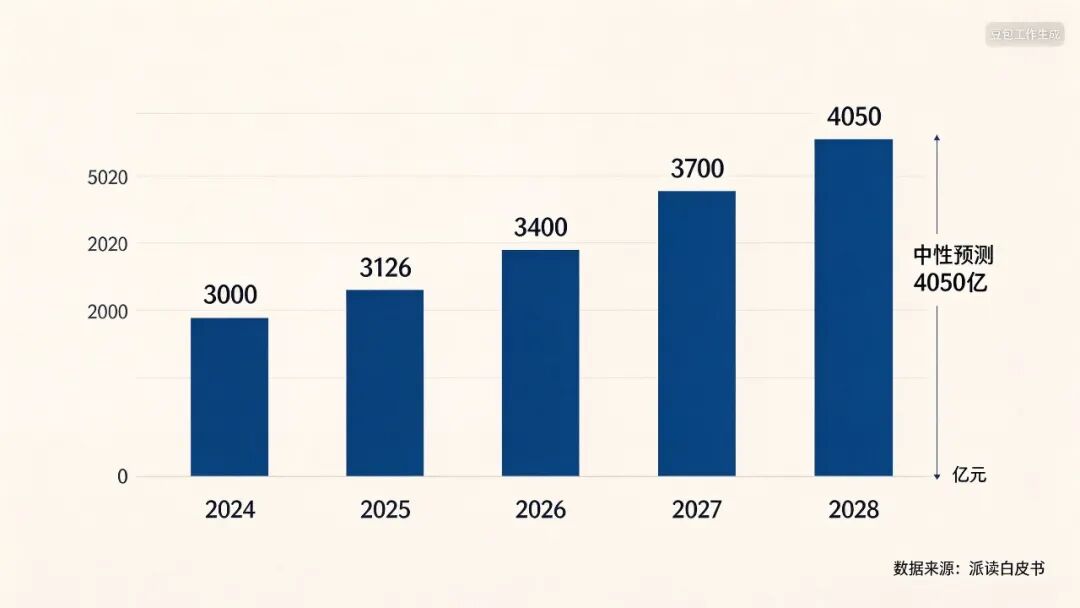
Input to Doubao Work: Horizontal business bar chart, 2024-2028 urban dog and cat consumption scale, data source label at the bottom right corner
Cats and dogs, once regarded by the older generation as animals for guarding homes, why have they spawned such a huge market? What kind of changes will the pet economy bring to cities?
01
In recent years, what rules have cities changed for pets?
Now when you walk into a pet-friendly shopping mall, you can borrow a pet stroller at the entrance first — there are large, medium and small sizes available, you just need to scan the code to use it. There are dedicated pet elevators so you don't have to squeeze with other people. You can get pee pads and poop pick-up bags for free at the first-floor service desk. There is a dedicated pet restroom in the mall, and there are also positions for tying dogs at the door.
In order to "please" pets, many shopping malls have competed to roll out new measures:
Chengdu Mixc has launched a pet-friendly map, marking with different colors which areas allow dogs and which stores are pet-accessible.
Jinan Meilian Plaza is the first pet-friendly shopping mall in the local area, and it has also freely allocated 80 square meters on the third floor as a public welfare adoption center.
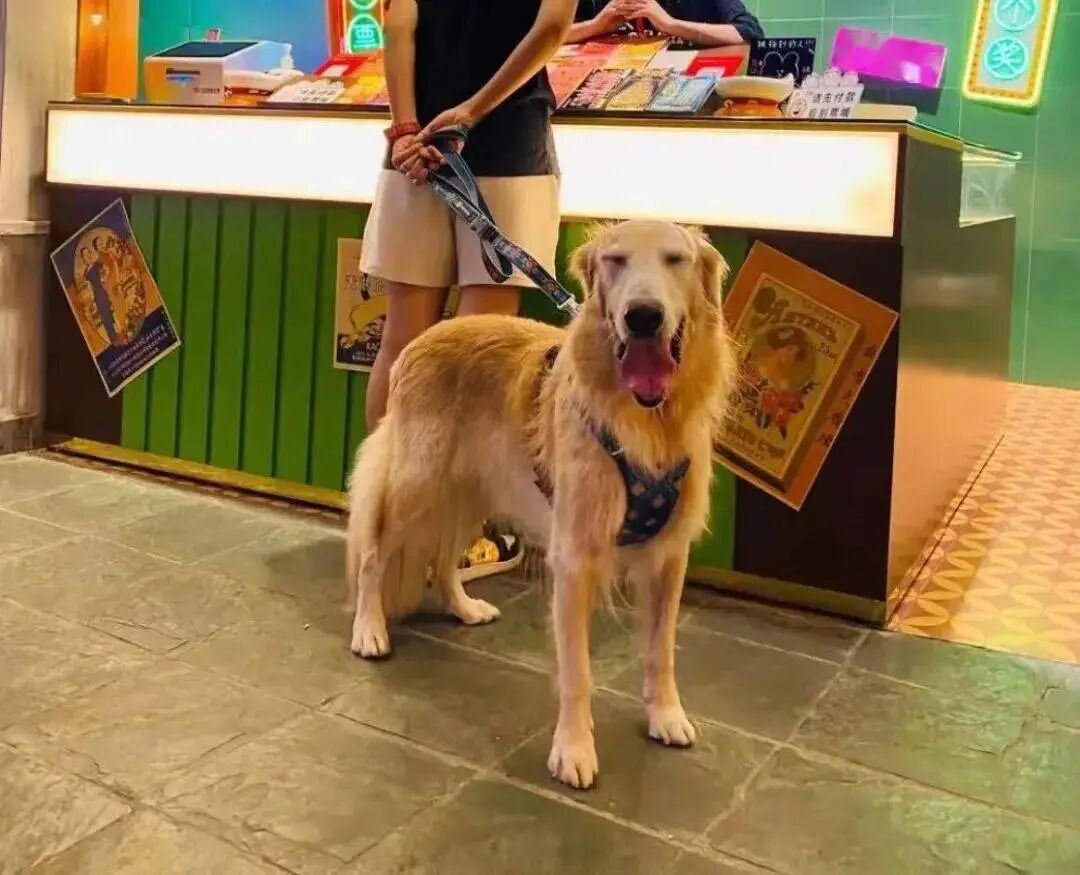
A customer walks around the pet-friendly shopping mall with a Golden Retriever (Image source: Sohu.com)
Following shopping malls, parks are also moving in a pet-friendly direction.
Shanghai Century Park newly opened a 12,000-square-meter pet paradise in March, separated from other areas by fences. The Suhe Bay Mixc regularly holds cute pet sports meetings and pet fashion shows.
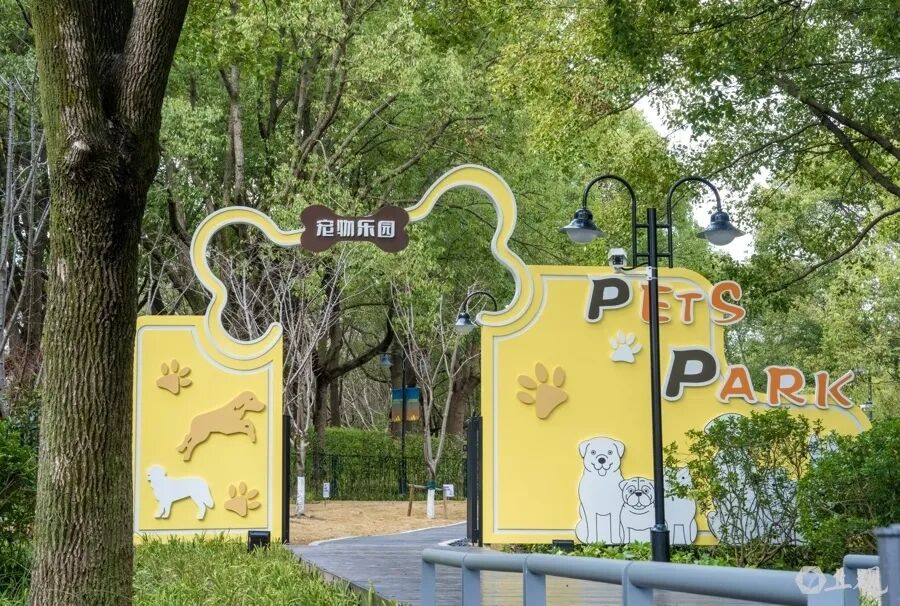
Entrance of the newly opened pet paradise in Shanghai Century Park (Image source: Shangguan News)
Among the practical projects for the people of Qingdao in 2026, more than 5 pet-friendly parks will be built. Suzhou Industrial Park has hand-drawn a pet-friendly map, and all the shops around the Shuize Post Station allow pets to enter.
Even long-distance travel, which used to be the biggest headache for pet owners, is now more convenient.
According to Xinhua News Agency, 58-year-old Dong Wenqi took her Teddy "Maodou" that has been with her for nearly 10 years from Lanzhou to Xi'an, more than 600 kilometers away, through high-speed rail pet consignment. Ms. Wang from Hangzhou took her cat to take the high-speed rail to Changsha, "I went through all the strategies before departure, and I was very nervous at first, but the actual experience was smoother than I expected."
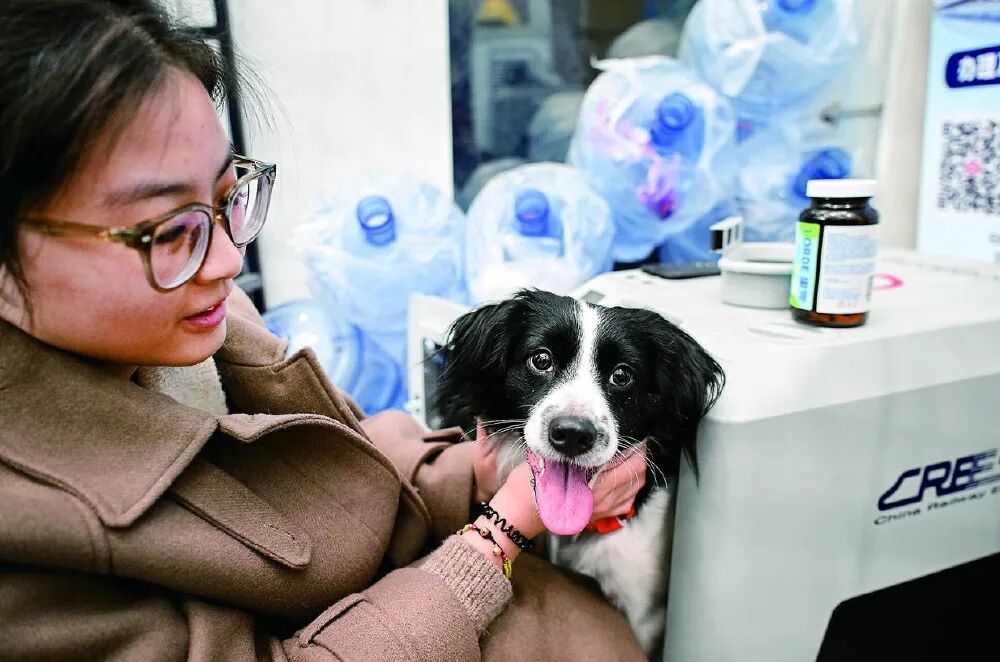
A passenger calms her pet dog at the China Railway Express business department of Shenzhen North Railway Station to prepare for consignment (Image source: Photo by Deng Hua, Xinhua News Agency reporter)
This service was launched on a trial basis in April 2025, and was officially upgraded to "Pet Travel" on April 8, 2026, covering 121 high-speed railway stations and 228 EMUs. In the more than one year of trial operation, more than 15,000 pets have been consigned in total.
In January 2024, Guangzhou Public Transport Group also launched a pet-carrying special line, which is a customized tourist route departing from the urban area and ending at Sanshui, Zhongshan and Nancheng of Dongguan. Shenzhen, Wuxi, Shanghai and Baotou followed up later.
Many scenic spots are now even specifically playing the "pet card".
According to Xinhua News Agency, Ma Xiao, general manager of Anji Jiangnan Tianchi Scenic Area, said that a pet event last December was originally planned to attract 900 tourists, but actually more than 3,000 people came, and all 116 rooms in the scenic area were fully booked.
Pingyang in Zhejiang has created the brand of "Pet-friendly City". In 2025, it received 18,700 pet-carrying tourists, driving the revenue of related industries to nearly 100 million yuan. Taokeng Village in Fenghua, Ningbo has built a 3.5-kilometer "Pet Chinese Herbal Medicine Hiking Trail" along the reservoir and ancient road, marking pet-friendly plants such as wild chrysanthemums and green foxtail along the way, and setting up drinking water points and poop pick-up bags every 500 meters.

A pet-friendly homestay in Xiangshan, Zhejiang, renovated from a stone house with a yard (Image source: Sina Travel)
In the past, you could only walk your dog downstairs in the community. Now dogs can enter shopping malls, take high-speed trains, take special bus lines, and stay in hotels. Urban public spaces are opening their doors to pets.
02
Why has the pet economy become so popular? For this topic, we used the industry analysis report skill of Doubao Work.
In the past, to make such an industry analysis, you had to go through more than a dozen research reports online, check the original policy texts of each city one by one, and then fill the data into the table one by one. It would take at least a week to finish the whole work.
Now you only need to throw it a title — "What is the prospect of the pet economy" — and it will search for materials, read reports, and collect data by itself, and finally sort out a complete industry analysis of tens of thousands of words. The market size, where the money is spent, who is making money, what policies have been introduced in various places, and what the upper limit of development in the next few years will be, the final result is no less than that of many professional institutions.
This time its core judgment for us is very straightforward: cities competing for the pet economy are essentially competing for highly educated young people.

Input to Doubao Work: Horizontal three large digital cards, 69% post-90s and post-00s, 73.6% bachelor's degree or above, 259,000 Shenzhen population increment, minimalist business style
According to the July report of BOC International Securities this year, pet owners with bachelor's degree or above account for 73.6% in total. According to the data of Paidui White Paper, post-90s account for 42.7% and post-00s account for 26.3%, adding up to nearly 70%.
This generation of pet owners is willing to spend money — the 2026 White Paper on China's Pet Industry shows that the average annual consumption of a single domestic dog in 2025 was 3006 yuan, and that of a cat was 2085 yuan.
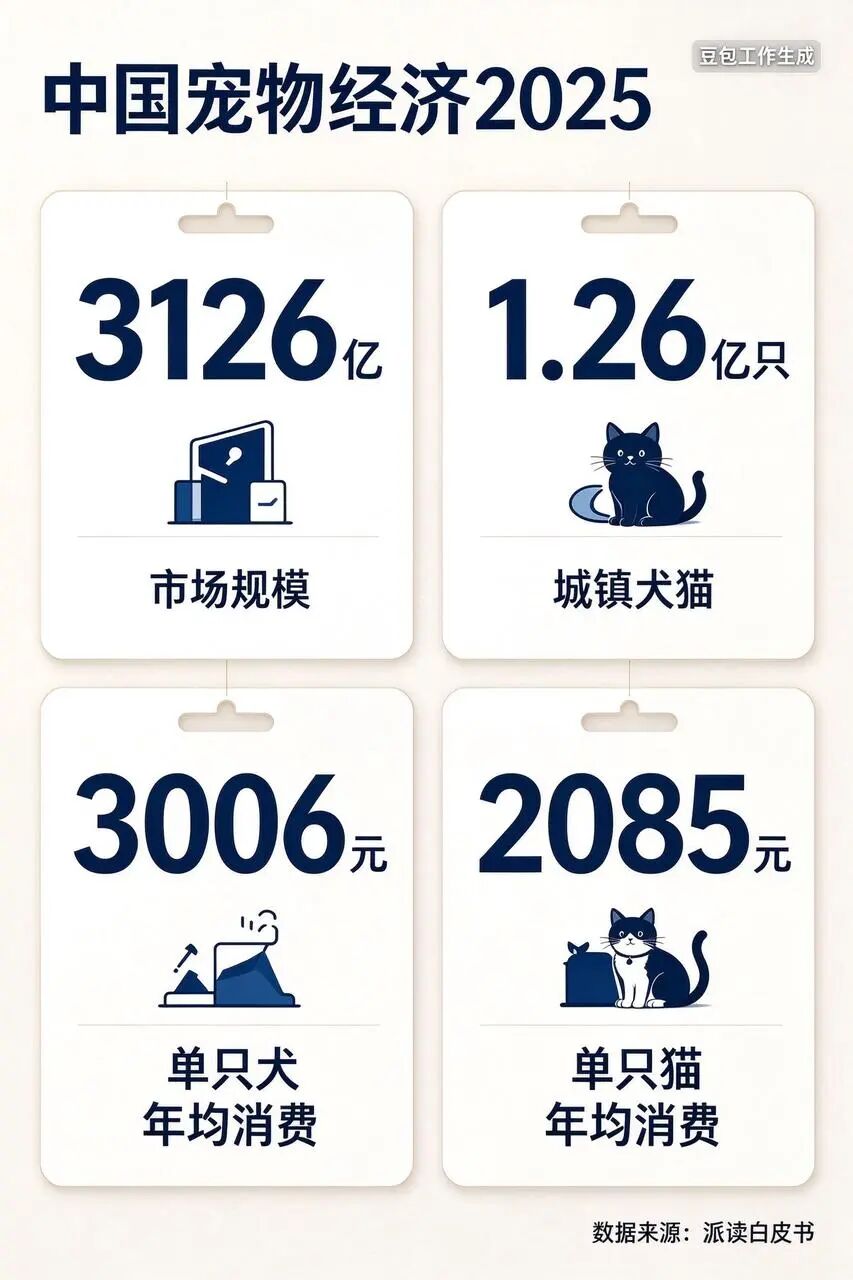
Input to Doubao Work: Vertical four large digital cards, 312.6 billion yuan, 126 million animals, 3006 yuan, 2085 yuan, dark blue and off-white color matching
According to a report on the Hangzhou Municipal Government website in May, Ms. Jiang who lives nearby almost takes her 8-month-old dog to the mall every day to let it contact more people and other dogs to practice its courage.
Yangzhou's "Sunny Day" received thousands of pet-owning families during this year's May Day holiday. Mr. Wu, a tourist from Nanjing, traveled across the city with his Border Collie to check in, "In the past, I could only walk my dog downstairs in the community, but now it is a real combination of human-pet social interaction and mini vacation."
In 2024, there were more than 65,000 pet-friendly hotels on the Ctrip platform, and the number expanded by nearly 20% year-on-year in 2025, with the average room price nearly 30% higher than that of ordinary hotels.
This is just a very small part of the total. The money spent on pets is far more than that.
Pet restaurants, pet portrait photography, pet insurance... These business forms were not even niche five years ago, but now they have begun to take shape. On e-commerce platforms, the transaction volume of shared furniture for humans and pets has increased by 375% — sofas need to be scratch-resistant, mattresses need to be detachable and washable, and there should be a position for a nest next to the dining table.

In a pet restaurant in Changzhou, Jiangsu, dogs eat exclusive cakes to celebrate their birthdays (Image source: Sohu.com)
Even the farewell to pets has now become an industry.
According to Guangming.com, there are more than 9,000 enterprises in China whose business scope includes "pet funeral", nearly two-thirds of which have been opened in the last three years. Post-95s and post-00s are the main consumer groups, and the farewell ceremony of about 500 yuan is the best-selling.
There is a shortage of about 300,000 licensed veterinarians in China, and the penetration rate of pet insurance is only 1%-3% — treating a pet with a serious illness even costs more than treating a human being.
This matter must also be viewed from the logic of urban competition.
The competition for talents has come to today, with policies of giving hukou, subsidies, and housing purchase preferences, but young people's reaction is flat — these preferences seem generous, but they do not hit their real needs.
But for young people who own pets, their dogs need to go out for walks, go to the pet hospital, and go to the pet park on weekends. These hard demands happen every day.
Cities think they are building pet parks and marking pet berths, but in fact they are sending a signal: The kind of life you want to live is available here.