The deep-sea version of the "gold rush" has kicked off: China, Japan and the United States are scrambling to carry out mining operations 5,000 meters beneath the seabed.
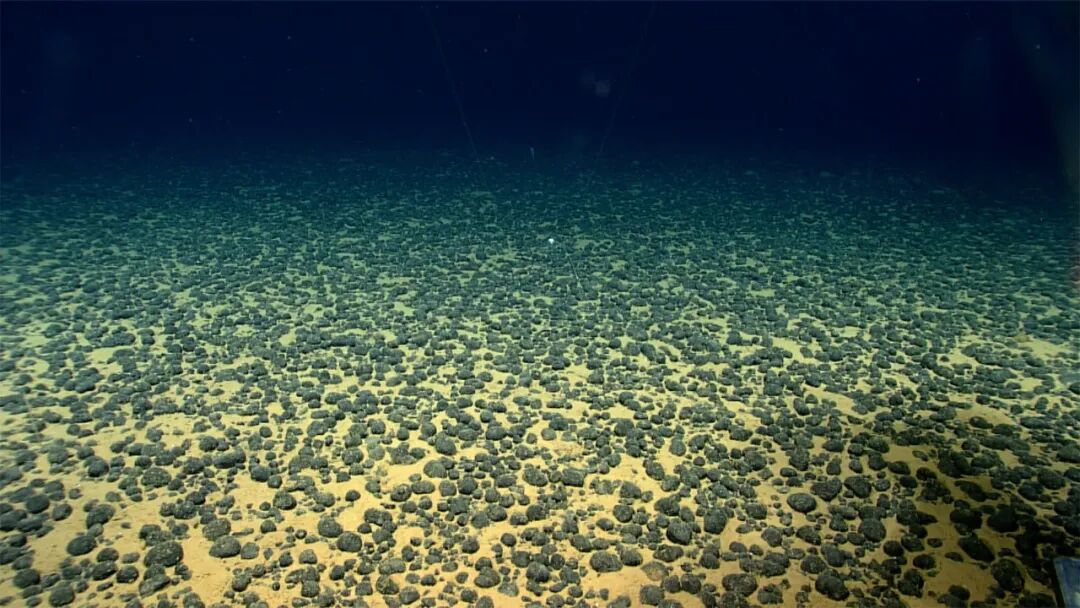
Figure | The polymetallic nodule area photographed during the 2026 scientific expedition in American Samoa, with a water depth of about 5140 meters, where black nodules are scattered on the mud surface. Source: NOAA Ocean Exploration / USGS
The seabed mining sector has suddenly heated up in the past two years.
Recently, a scientific expedition team led by Tsinghua University traveled far to the Western Pacific and discovered a large hydrothermal mineral area on the seabed. They found that the gold and silver content here is significantly higher than that of onshore mines, and more than 15 grams of gold can be extracted from one ton of ore at most.
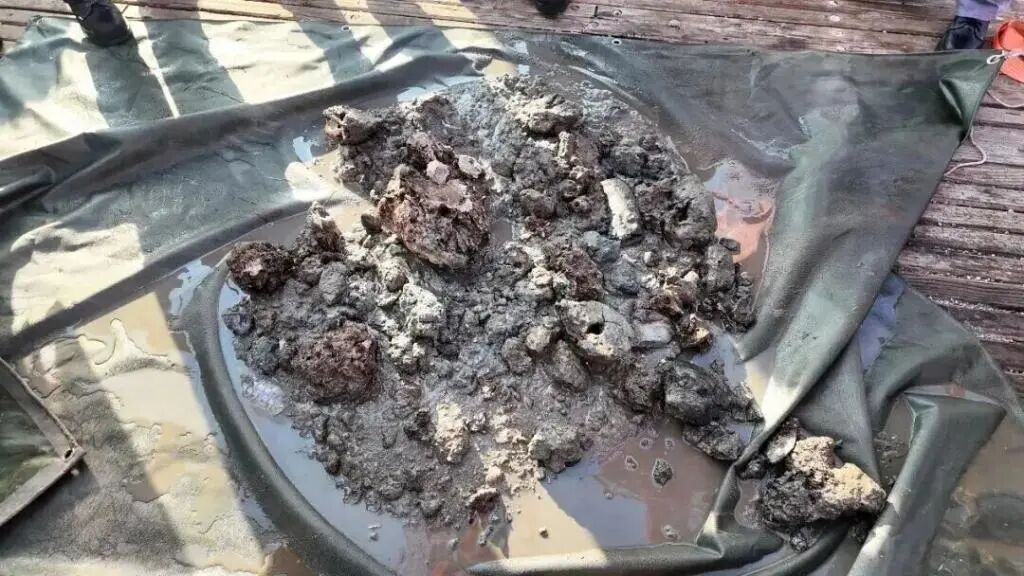
Figure | Hydrothermal sulfide ore samples collected by the joint scientific expedition led by Tsinghua University in the Western Pacific. Source: Tsinghua University
While some teams are prospecting for minerals, others are developing mining vehicles.
In April, a deep-sea mining system co-developed by Zhejiang Sci-Tech University completed a sea trial in the South China Sea; in June, the mining vehicle developed by Southeast University also entered the sea, aiming to apply artificial intelligence to seabed mining.
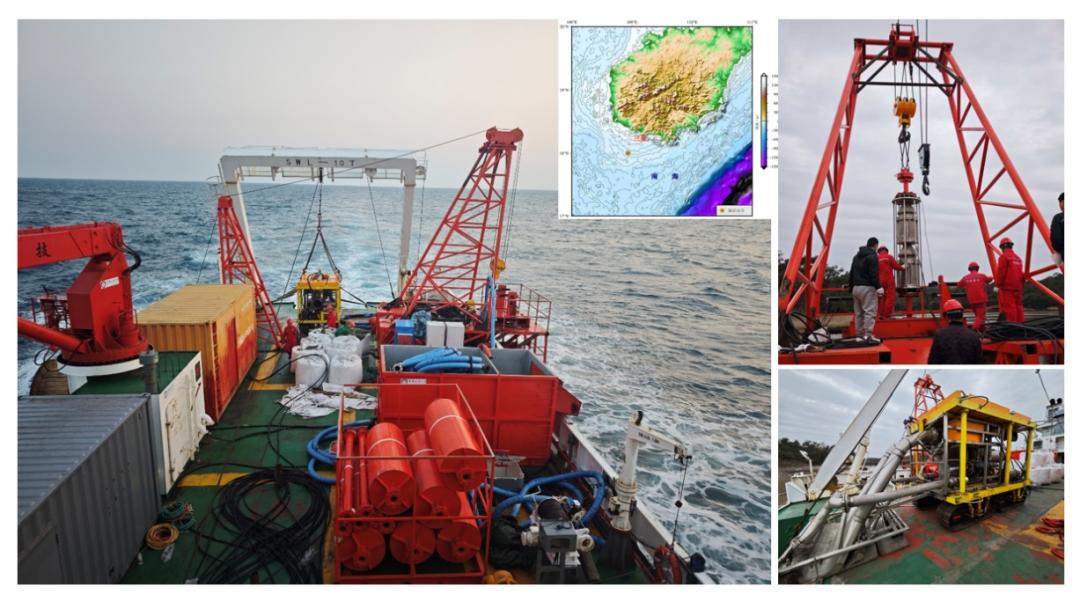
Figure | The deep-sea mining system co-developed by Zhejiang Sci-Tech University during its sea trial in the South China Sea, this is the officially released deck layout diagram. Source: Zhejiang Sci-Tech University
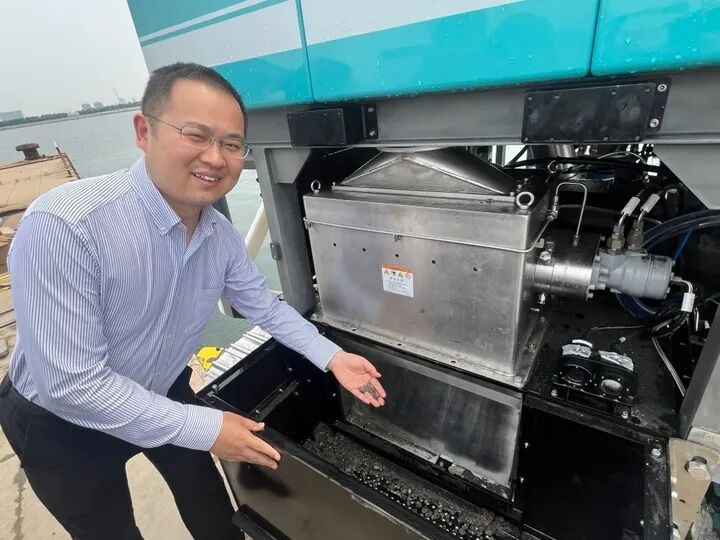
Figure | R&D personnel from Southeast University demonstrating the equipment components of Zhishan No.1, this system completed its sea trial in June. Source: Southeast University
The same trend is happening abroad.
Japan relies on China for 60% of its rare earth imports, and will face severe supply disruptions once restricted by China. Therefore, they are trying to extract rare earth mud from the seabed.
The United States is more straightforward: last year, former US President Trump signed an executive order to accelerate seabed mining.
Multiple teams are heading to the same destination one after another: the seabed thousands of meters deep.
And the resources under the seabed are truly extremely attractive.
A professor from Ocean University of China once made an analogy: there is a deep-sea mining area larger than Shandong Province, with potato-sized stones scattered on the seabed, containing metals such as manganese, cobalt and copper, and each stone is worth about 1 yuan.
Whoever can successfully collect these resources will gain huge unexpected profits.
When we talk about mining in mountains, we all have a general picture in mind: locate the ore vein, drill a tunnel, and transport the ore out truck by truck. But when it comes to the seabed thousands of meters deep, the scenario seems very strange. It is completely dark down there, where can we dig?
So there are two core questions: what kinds of minerals are hidden in the seabed mud? How can we go down to such a deep place and collect those minerals?
This is a long and highly rewarding journey of collecting valuable resources.
01. What Minerals Are Wrapped in the Seabed Mud
There are roughly four types of seabed minerals, distributed from the halfway up the seamounts hundreds of meters deep to the plains five to six thousand meters deep, and they form in completely different ways.
The most important type is distributed on the abyssal plain four to five thousand meters deep in the middle of the Pacific Ocean, the vast area between Hawaii and Mexico. The terrain there is extremely flat, covered all year round by a layer of soft and thin mud, with black stones lying on the mud surface. Their scientific name is polymetallic nodules, most of which are half buried and half exposed, ranging in size from 1 to 2 centimeters to more than 10 centimeters, just like newly unearthed potatoes.
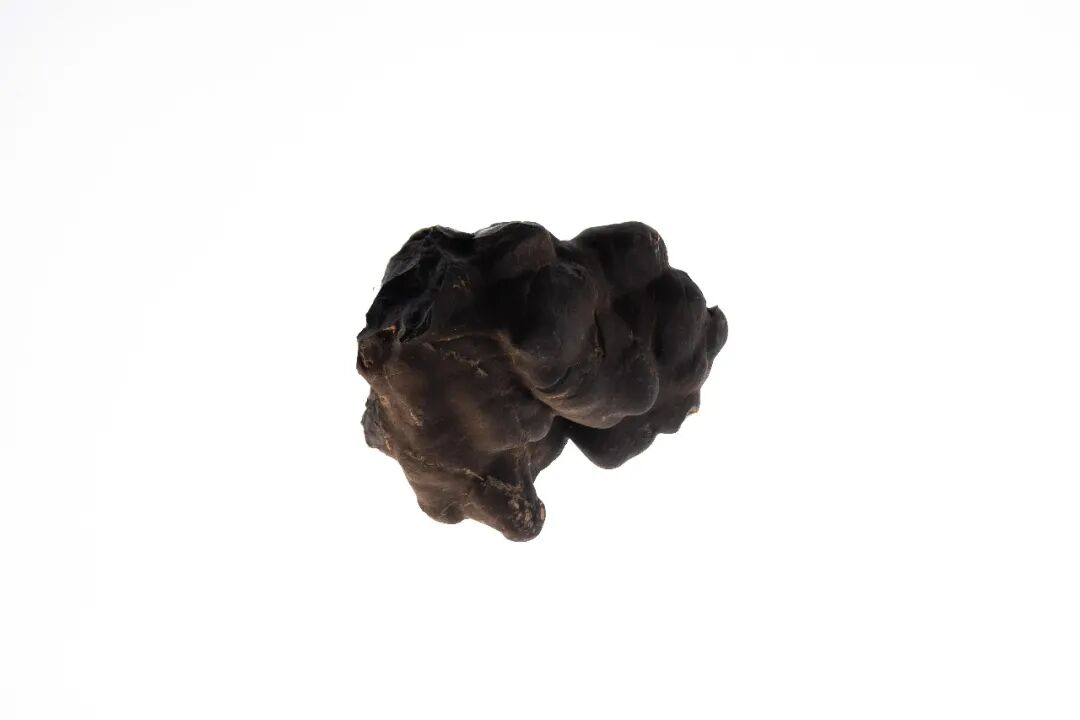
Figure | Manganese nodule specimens collected by the U.S. Geological Survey. After being taken out of the seabed, it is a black stone with an uneven surface. Source: USGS
It is a type of nodule that grows little by little, somewhat similar to pearls.
When a shark tooth or a piece of shell fragment falls on the seabed, iron and manganese in seawater and mud will slowly precipitate around it, wrapping layer after layer, and it takes millions of years to form a complete nodule.
Manganese, cobalt, nickel and copper are thus wrapped in it together, almost forming half of the ingredient list for batteries.
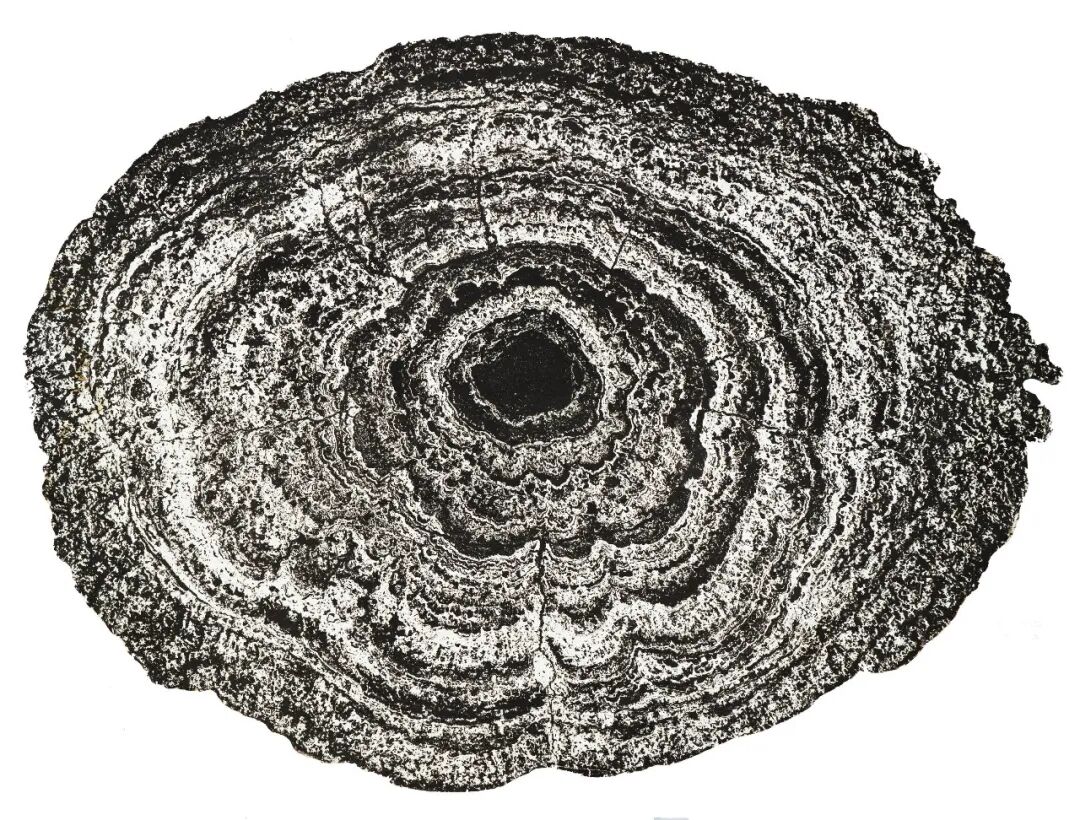
Figure | A cut polymetallic nodule, showing the growth layers that develop around the core in circles. Source: Ifremer / Wikimedia
Moving to shallower areas, the seamounts on the seabed present a completely different scene.
There are tens of thousands of seamounts scattered in the Pacific Ocean alone. The hillsides are washed by water currents all year round, so no mud can stay, leaving bare rocks. Metals in seawater precipitate on the rocks, forming a layer of hard black crust, like paving a road surface on the hillside, which can be more than 20 centimeters thick at maximum, called cobalt-rich crust, with an extremely high cobalt content.
This crust only grows a few millimeters every million years, which is one of the slowest natural processes on Earth.
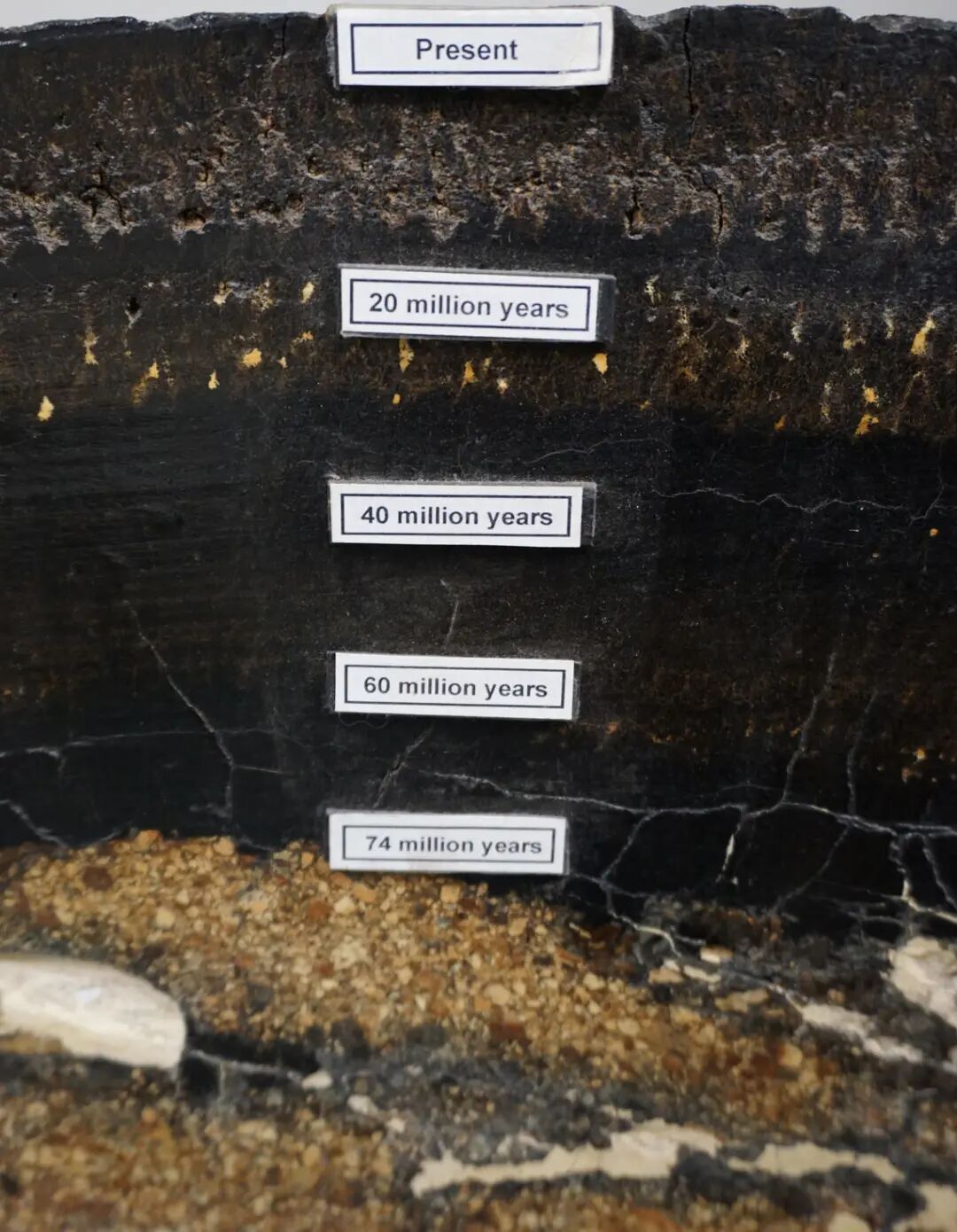
Figure | Profile of a cobalt-rich crust collected at a depth of nearly 2000 meters near the Marshall Islands, with the growth ages of tens of millions of years marked on the diagram. Source: Amy West / USGS / Wikimedia
The fastest-growing type of mineral is found next to the hot water vents on the seabed. These vents are mostly located at the boundaries of seabed plates where magma is very close to the seabed: seawater seeps down through cracks, is heated to 300 to 400 degrees Celsius by magma, dissolves the metals in the rocks, and then sprays out from the vents. Once it comes into contact with the cold seawater, the metals precipitate and pile up into "black smoker" chimneys that keep growing larger, containing gold, silver, copper and zinc.
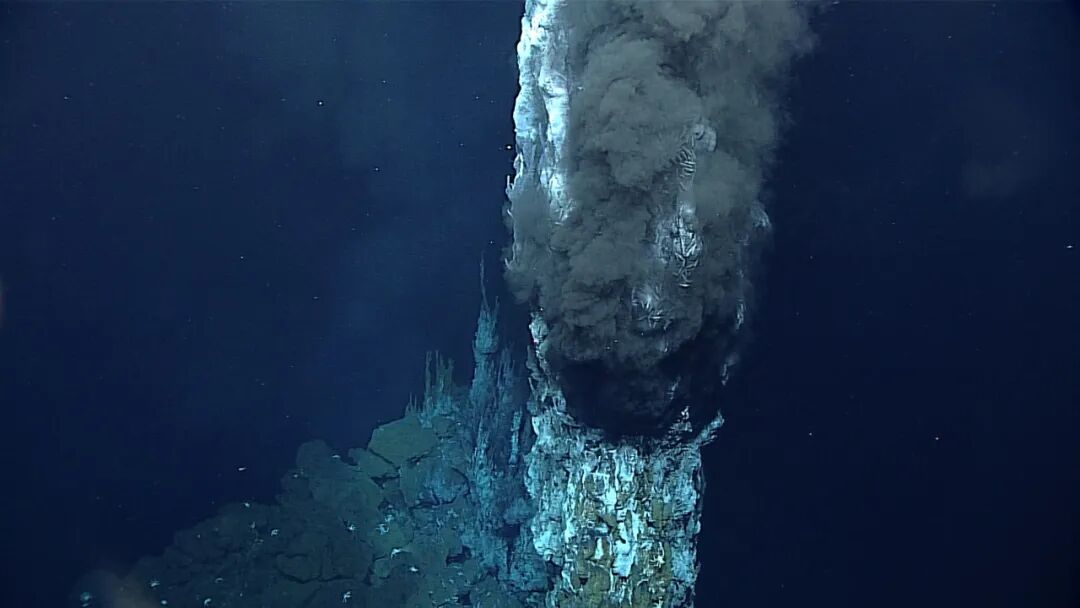
Figure | A black smoker in the Mariana waters. Minerals in the hydrothermal fluid precipitate when encountering cold seawater and slowly pile up into chimneys; the hydrothermal fluid ejected measured in this scientific expedition is about 339℃. Source: NOAA Ocean Exploration, 2016 Deepwater Exploration of the Marianas
There is another type of mineral that exists directly in the form of mud. The rare earth mud that Japan is targeting is located on the seabed more than 5,000 meters deep near Minamitorishima Island. Most of the rare earth elements are accumulated in the fish teeth and bone fragments in the mud. There is almost no rare earth in living fish. These bones gradually absorb the surrounding rare earth elements little by little when they are buried in the mud and slowly turn into fossils.
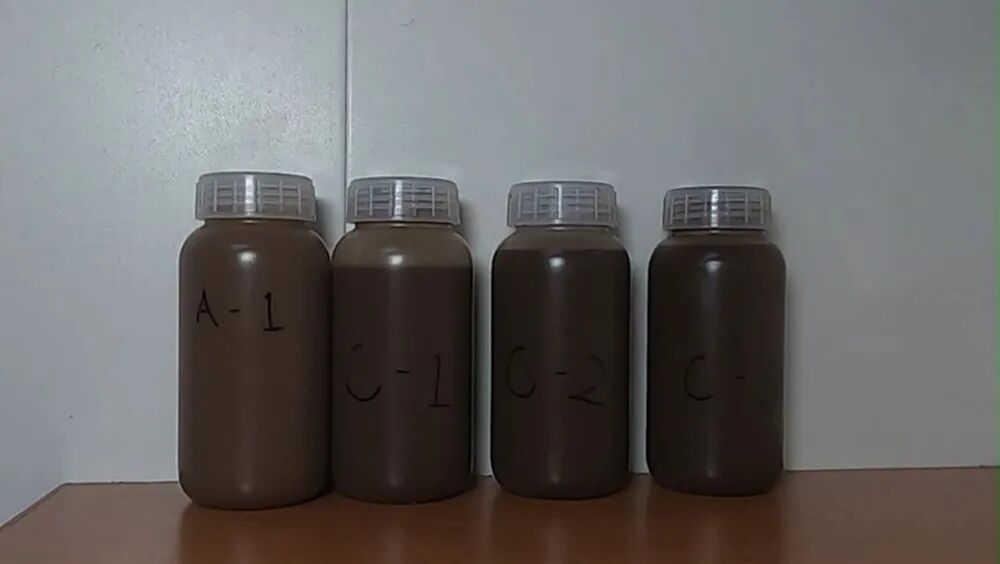
Figure | Rare earth mud samples obtained on Japan's "Chikyū" ship in 2026, the bottle contains ore slurry mixed with seawater and fine mud. Source: SIP Ocean / JAMSTEC
If we actually start mining, the difficulty levels of these four types of minerals vary greatly. The hard crust is firmly attached to the rocks, which requires knocking and cutting, making it very difficult to operate in the deep sea; the minerals near the hot springs are loose and messy, and are easy to collapse if mined forcibly.
In contrast, the nodules lie directly on the mud surface, so the common plan of all parties is to collect them first.
02. Deploying a Mining Vehicle to the Seabed Thousands of Meters Deep
Humans cannot go down to collect nodules, so machines are sent instead.
In recent years, robots have been applied to various scenarios, and the seabed thousands of meters deep that humans cannot reach at all has become a ready-made construction site.
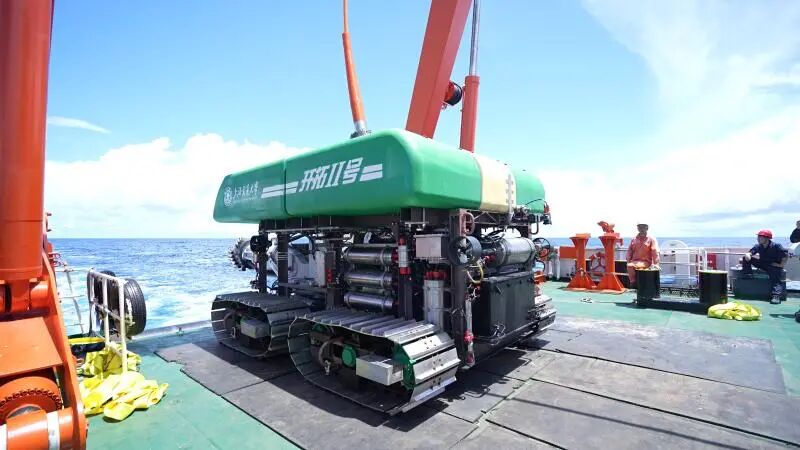
Figure | The Kai Tuo No. 2 mining vehicle developed by Shanghai Jiao Tong University on the deck of the research vessel, which reached a seabed depth of more than 4100 meters during the sea trial in 2024. Source: News Center of Shanghai Jiao Tong University
When it comes to going into the sea, many people first think of water pressure: at a depth of 4000 meters, the pressure is about 400 times that of the ground, which puts extremely high requirements on the equipment.
But in the eyes of practitioners in this industry, pressure is actually relatively easy to deal with. Deep-sea equipment has accumulated mature technologies for pressure resistance and sealing for many years. The real difficulties are those things that are not even considered problems on land.
The mining vehicle and the ship are only connected by a cable. The mining truck on land can run after refueling, but the seabed mining vehicle gets its power, transmits the captured images, and receives instructions from the ship all through this cable. The vehicle is also lowered and retrieved entirely by this cable.
If the cable malfunctions, the mining vehicle on the seabed will become a piece of scrap iron. So this cable is specially manufactured: it can transmit electricity and optical signals at the same time, and is strong enough to lift the entire vehicle.
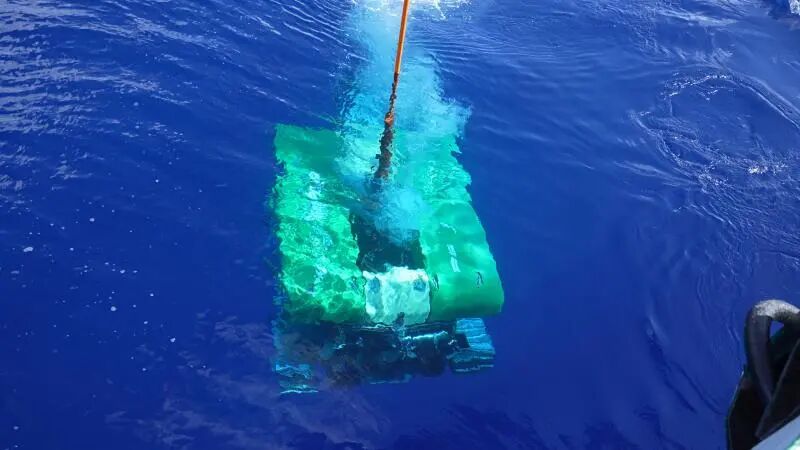
Figure | Kai Tuo No. 2 being lowered into the water by the cable. The power supply, signal transmission and lifting between the vehicle and the ship all rely on this cable. Source: News Center of Shanghai Jiao Tong University
After the vehicle is lowered, we need to know where it is. Navigation is available on land, but GPS signals cannot be received underwater, so we can only rely on sound: a set of acoustic equipment is installed on the ship and the vehicle respectively, and the position of the vehicle can be calculated by measuring the round-trip time of the sound wave.
When the vehicle lands on the seabed, its feet are on the soft mud as thin as tofu. The traction that the crawler can obtain depends entirely on the viscosity of the mud itself, and the mud will become thinner and thinner after being rolled back and forth.
How to solve this problem? One method is to make the crawler wider to spread the weight of the vehicle, which is similar to wearing snowshoes in snow; the driving route must be calculated in advance to avoid areas with overly soft mud. Some people even adopt a different idea, making the vehicle suspended above the seabed by buoyancy without stepping on the mud.
