The era of piracy that the post-80s and post-90s generations once experienced seems to be making a comeback.
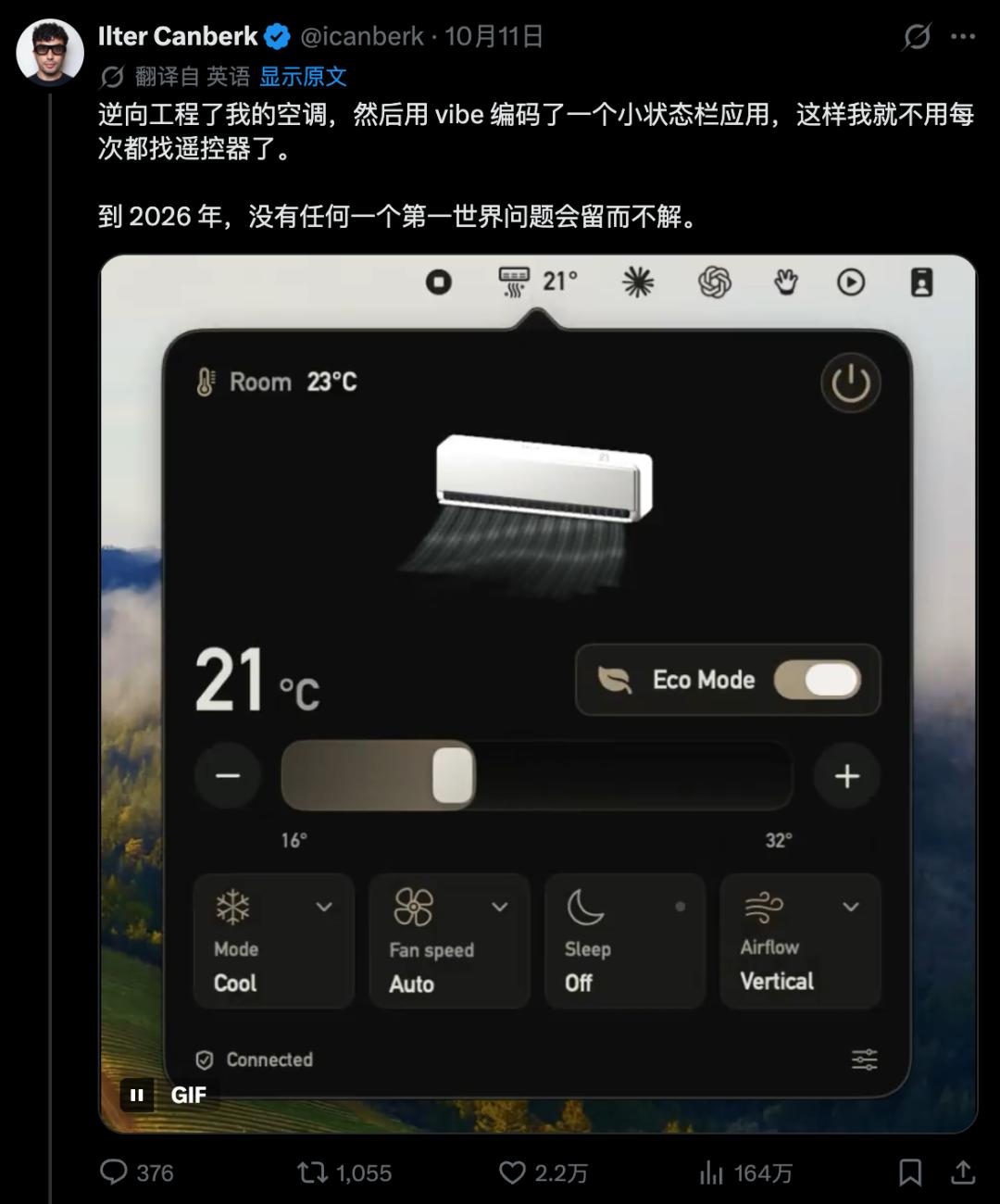
"I reverse-engineered my air conditioner, now I can turn it on with a click on my computer, no more hunting for the remote control ever again"
"I used REA to reverse-engineer my toilet, now I can even remotely control the smart toilet in the bathroom while sitting in front of my computer!"
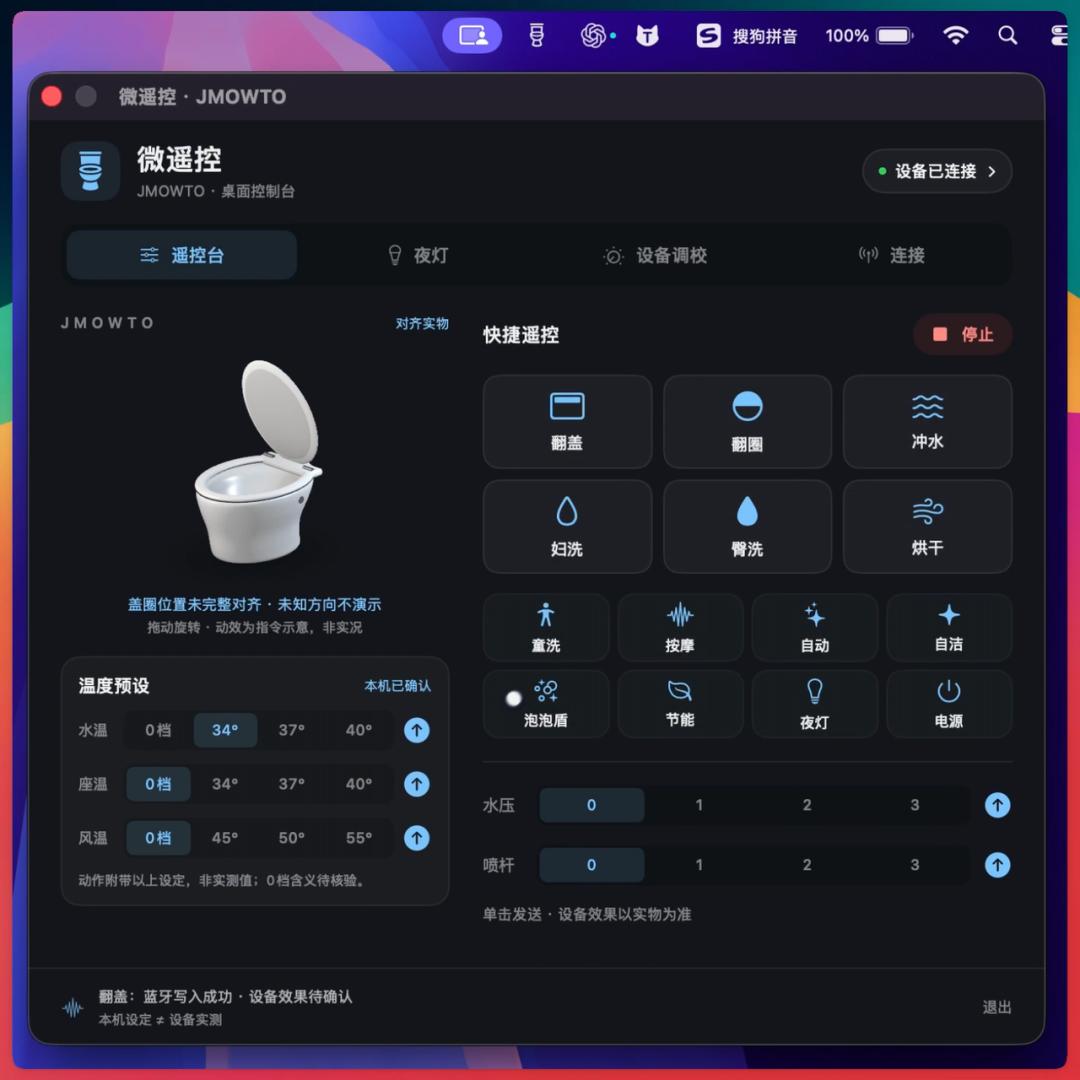
Image source: Twitter @Baolie Zhangdui NEXT
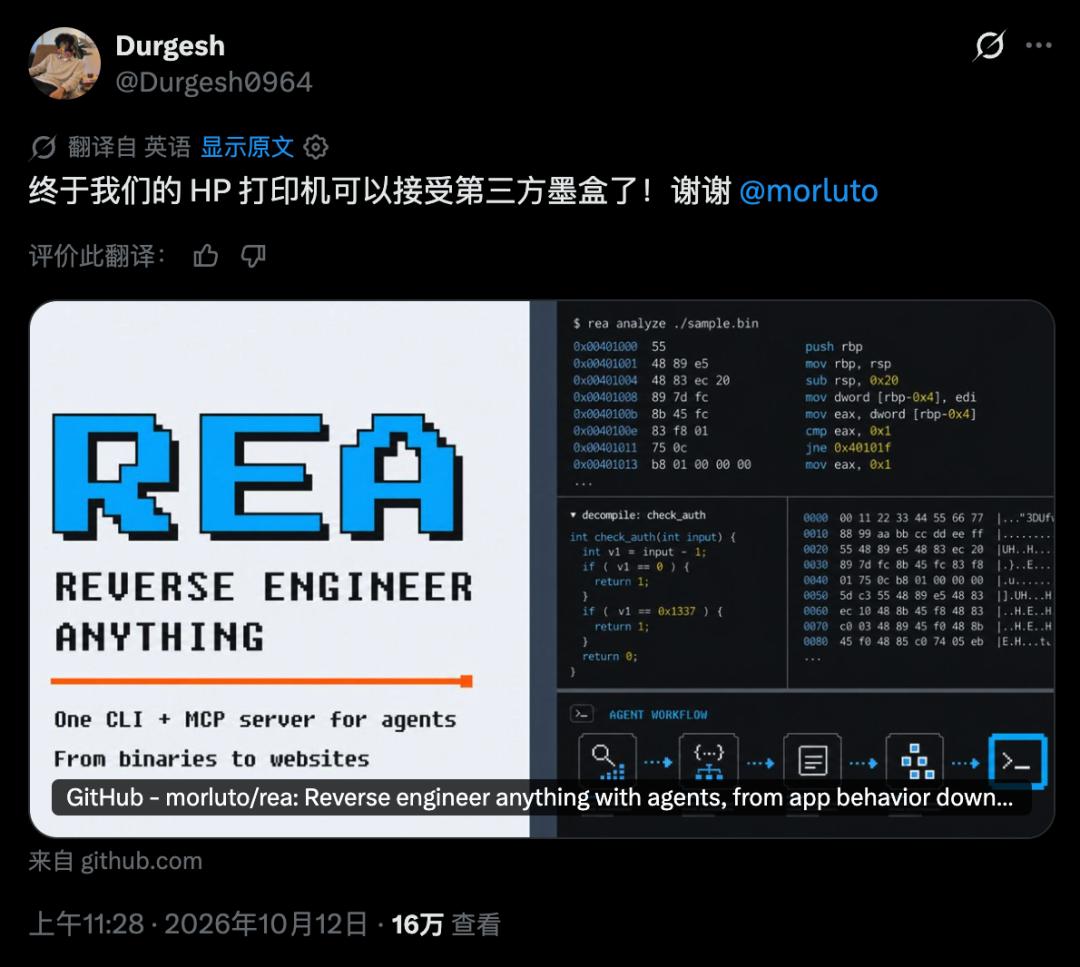
"Thanks to REA, my HP printer finally supports third-party ink cartridges!"

If we say the most viral project on GitHub in the first half of 2026 is OpenClaw.
Then this title should go to REA in the second half of the year, a reverse-engineering MCP.
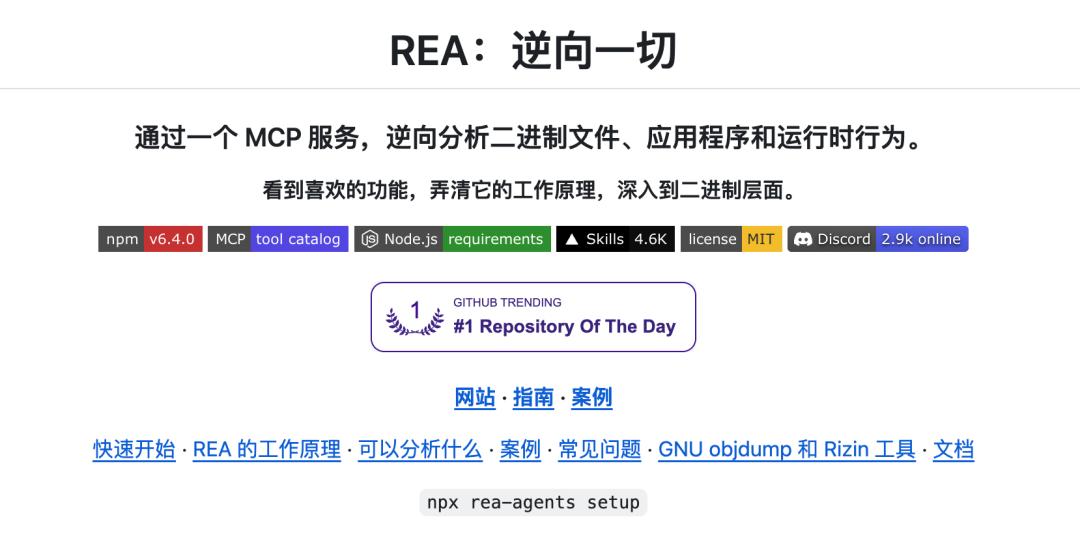
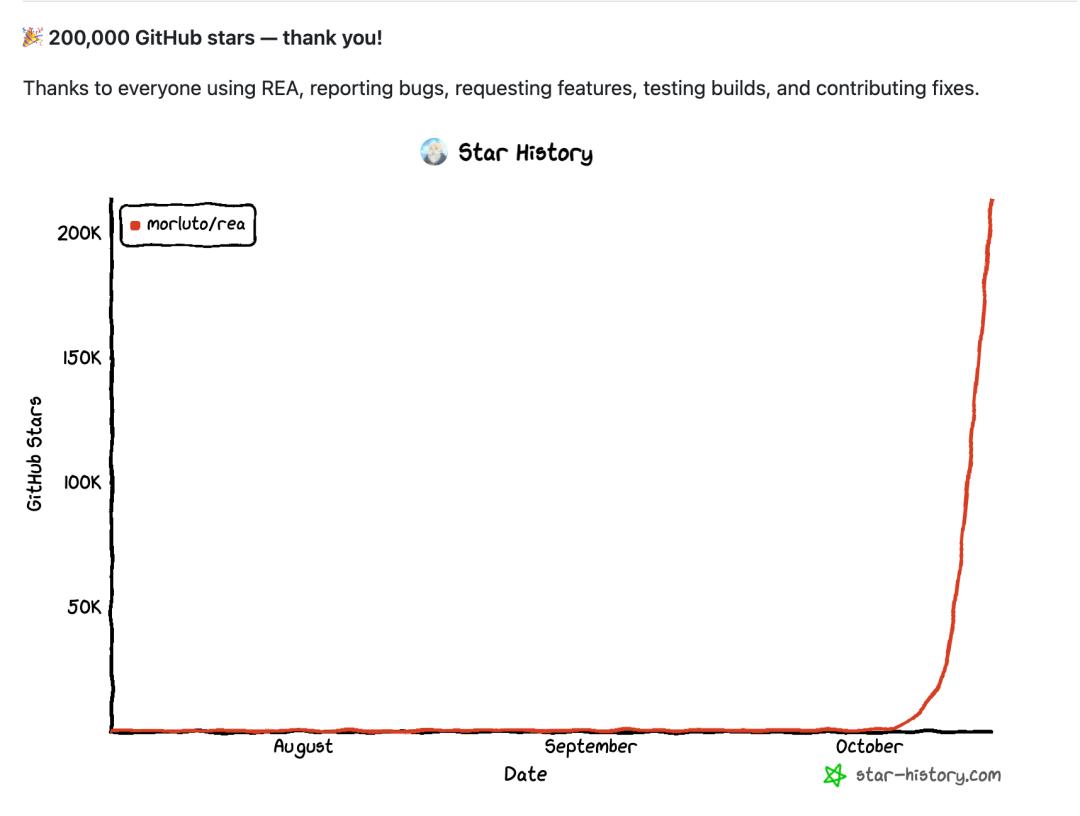
The REA repository was actually created back in April, and it was updated quietly for half a year. It suddenly went viral around October 7, and topped the GitHub trending list. As of the time of writing, it has 223,000 stars, ranking 23rd in the all-time GitHub star ranking.
At this point, some readers may be curious: What exactly is reverse engineering, and what can it do for us?
Don't worry, you'll find out right away.
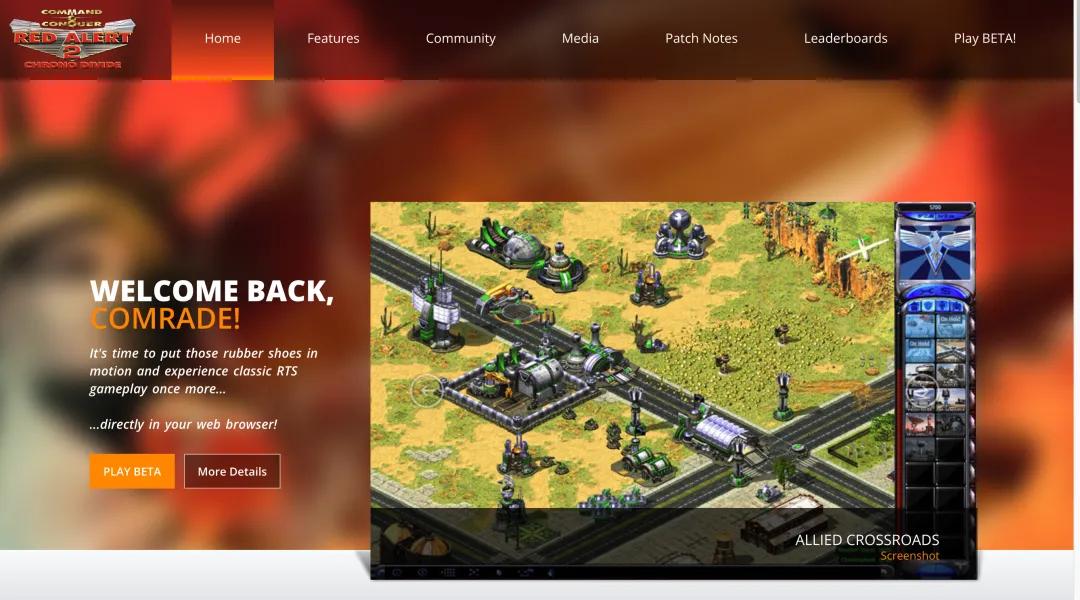
Last year, I recommended a web version of Red Alert to everyone.
This is a project made by a Romanian developer so that people can play Red Alert directly in the browser. Without the source code, he had to go frame by frame through the gameplay recording of "Red Alert 2" to deduce and restore the game logic, and spent 5 years writing the code manually.
This approach is called recreation, also known as black-box rewriting.
Reverse engineering, on the other hand, is to disassemble the installation packages of software and games, restore the internal logic, and see how the code is actually written.
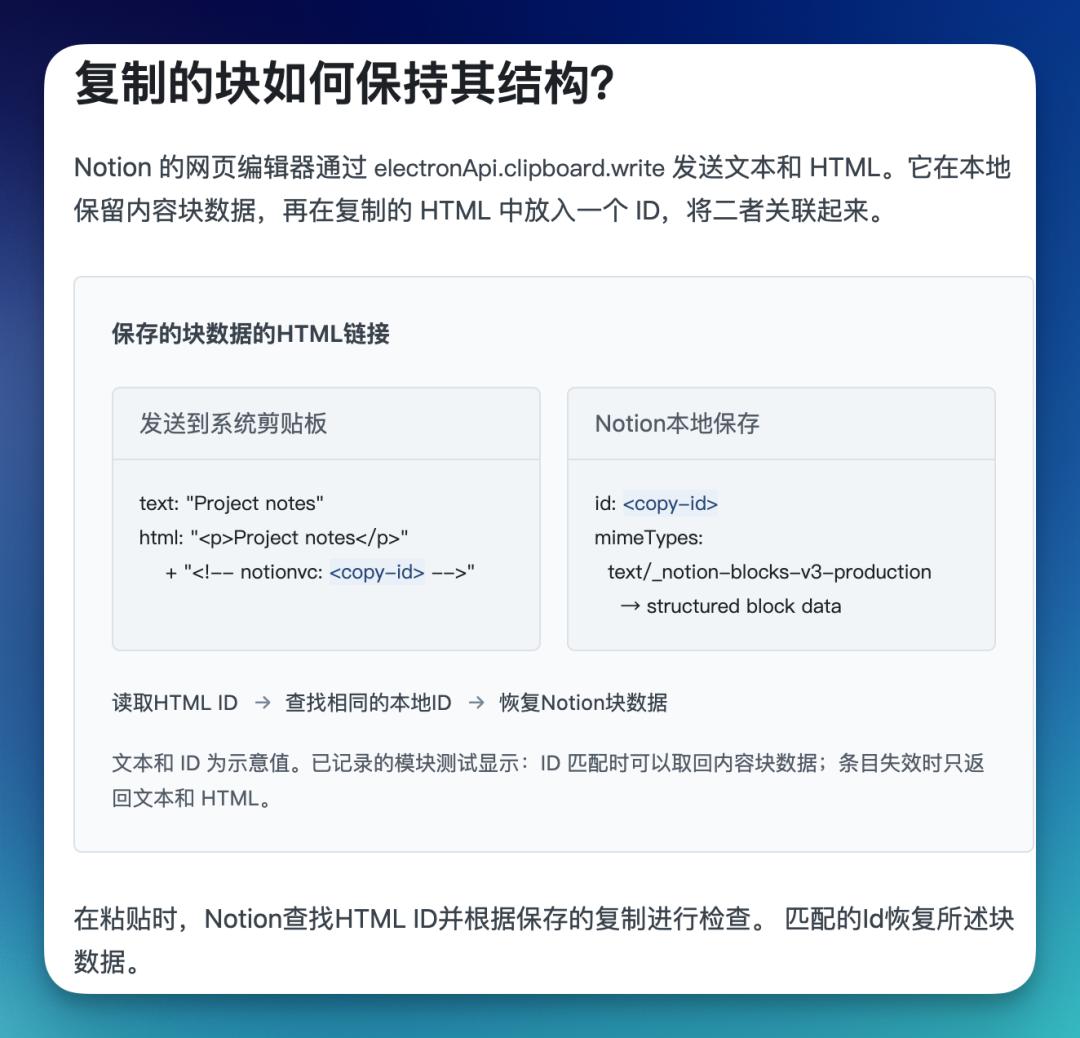
For example, if you copy a piece of content from Notion and paste it back into Notion, the original format remains completely intact. How is that achieved?
If you use REA to disassemble Notion, you will find that it embeds an ID in the HTML of the clipboard. When pasting, if the ID matches, the entire content block will be restored locally.
If you still don't quite get it, let me give you an analogy.
Recreation is like when you go to Hangzhou and eat a plate of West Lake Vinegar Fish, thinking "Wow this is so delicious". When you get home, you use your memory and the lingering taste on your tongue to recreate the West Lake Vinegar Fish for your family and friends.
But if you sneak into the kitchen, peek at the chef's techniques, and copy down the recipe — congratulations, you've reverse-engineered West Lake Vinegar Fish.
One is cosplay, the other is stepping inside the system.
Alright, now that you know what reverse engineering is, how do you actually do it?
The common methods for reverse engineering are packet capture, which intercepts the data transmitted between the app and the server for inspection; the other is decompilation, which restores the compiled program into human-readable code close to the original source code.
In the past, this was the craft of security researchers and cracking teams, who had to master professional tools like Ghidra and IDA, and be able to read assembly language. People like me who get a headache just seeing assembly could never even dream of doing that.
But this time, REA packages these tools into an MCP, and connects them to AI programming tools like Codex and Claude Code.
After installation, you only need to say to the AI "Use REA to help me see how this app is made", and the AI will do the disassembly on its own.
Welcome to the Era of Mass Reverse Engineering
So what can we do after we reverse-engineer an app?
There are roughly two categories of things you can do: one is to move the features hidden in the manufacturer's app to a place that is more convenient for you; the other is to bypass the restrictions deliberately set by the manufacturer.
For example, a netizen @JiJiJi03 lives in an old residential area, where the access control intercom broke long ago. A new access control system was installed a few years ago that can be opened via a mobile app, but every time the delivery guy calls, he has to drop what he's doing to dig out the app.
He wondered if he could move the door opening function to a more convenient place? But this door opening app was written in Flutter, and after using all the skills he had, he found that ordinary packet capture tools could not capture the interface at all.
A few days ago, he asked Codex to use REA to analyze the APK installation package of this app, to see how the login mechanism is implemented. Very quickly, GPT-6.1 disassembled the app, and found the files responsible for login, interfaces and encryption.
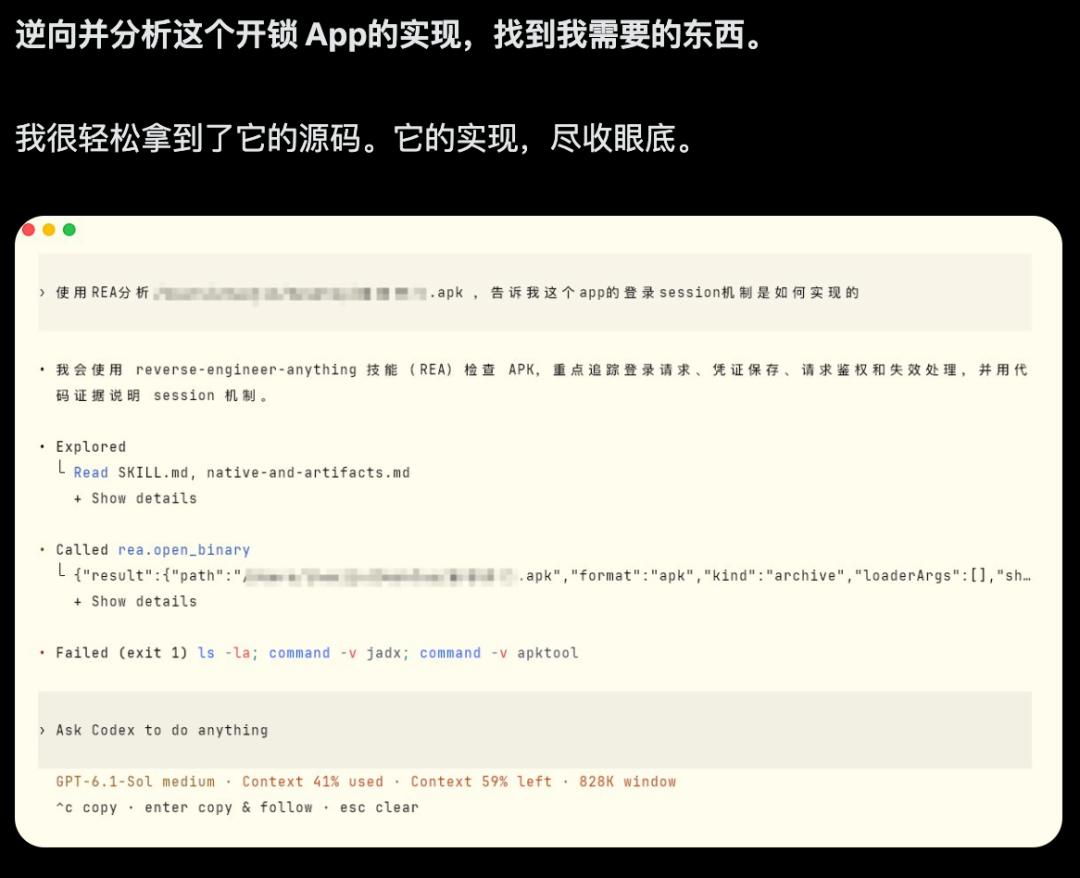
Image source: Twitter @JiJiJi03
After figuring out the interface, he integrated the door unlocking function into his self-written home screen app, and installed it on an idle Android device.
Now, he can open the door with a single tap.
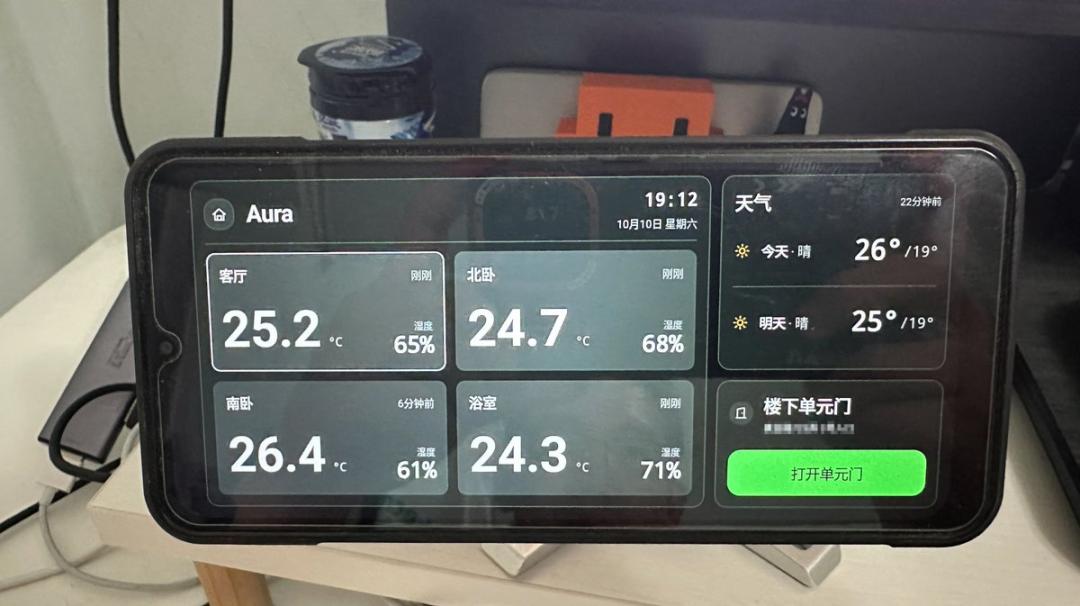
Image source: Twitter @JiJiJi03
The two netizens I mentioned at the beginning did similar things.
One was too lazy to look for the remote control, so he added his home air conditioner to the Mac menu bar;
The other worked with Codex, used REA to reverse-engineer the WeChat Mini Program for the toilet, figured out the Bluetooth protocol, and made a remote control on his computer in half an hour. When he clicked it, the toilet lid actually opened.
Though I don't really get what's so fun about controlling a toilet with a computer...
As for the netizen who reverse-engineered the printer, that falls into the second category.
As we all know, everyone has long been fed up with HP printers. It uses a mechanism called Dynamic Security, which identifies and blocks third-party ink cartridges through firmware updates, forcing users to buy only original cartridges.
No wonder that netizen made a special post to thank REA.
Doesn't life suddenly feel so much better? The devices we paid for finally seem to truly belong to us...
Everything Forgotten Will Revive
Don't get too excited yet, this is just the appetizer. Riding on the popularity of REA, more and more new, niche use cases will definitely be discovered soon.
Why do I say that?
Last night I tried REA at home. I wanted to move the Mijia rice cooker, dishwasher, Xiao Ai speaker, Roborock vacuum cleaner, and utility bill payment functions from the Greentown Life app all to my Mac menu bar, because it's so annoying to have a separate app for every device.
After about an hour, Claude Code had finished half of the app (Claude forcibly interrupted and issued a warning because it involved security risks).
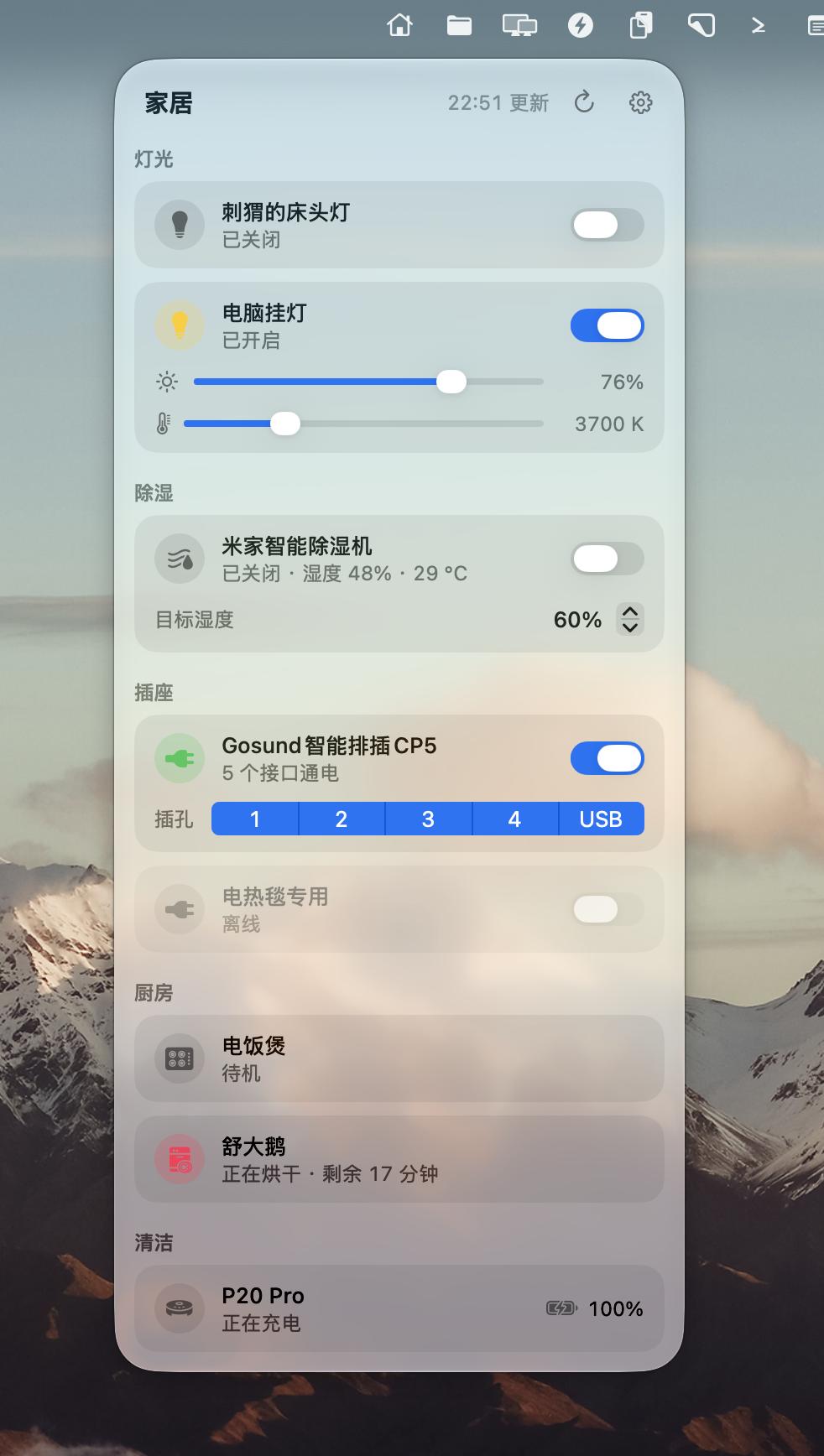
But I checked the operation logs, REA didn't do much work this time. Big brands like Mijia and Roborock have been thoroughly reverse-engineered by community experts since 2017, and ready-made open source projects can be used directly, REA only helped verify them.
But do you see the key point here:
Precisely because Mijia and Roborock have a large user base, it's worth it for experts to keep working on their reverse engineering.
But what about a residential access control system, or a toilet's Mini Program? Who will reverse-engineer that for you?
REA changes exactly this: No matter how niche a product is, it can be disassembled, and everyone gets the chance to use reverse engineering to solve their own problems.

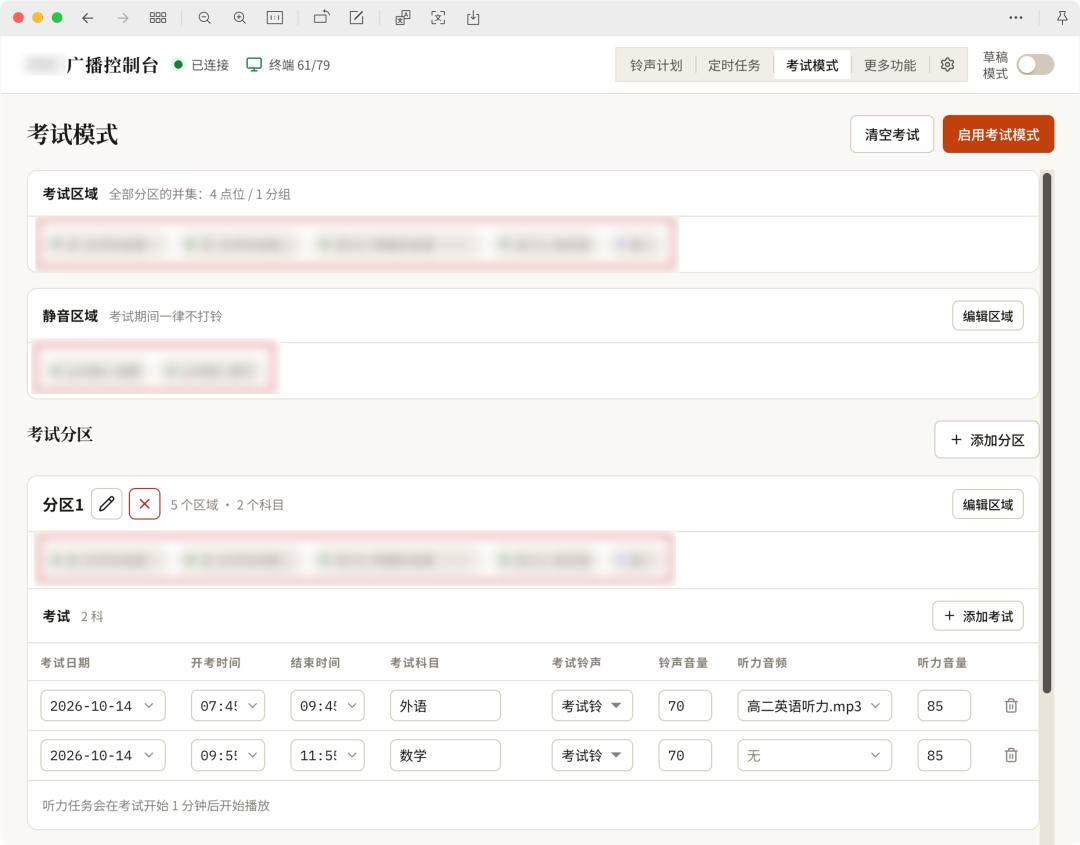
I have a friend named Ailuo, who works as a teacher in the IT department of a middle school. The daily school bell ringing and listening test audio playback all rely on a digital broadcasting system. When an exam is held for a certain grade, he has to manually adjust dozens of ringtones in the designated area to prevent the class bells from disturbing the exam takers, then change everything back the next day.
Sounds super annoying, right?
But there's no other way, the system stopped getting updates long ago, it's impossible to get the secondary development documents from the manufacturer, and replacing the whole system would cost hundreds of thousands of yuan.
After REA went viral, Ailuo also used AI to reverse-engineer the WebSocket interface of this system, and rewrote a control panel.
Now, as long as he enters the exam date, area and subject, all the ringtones that would interfere with the exam in the corresponding area will be automatically muted.
This is technological democratization, everyone.
At this rate, old devices, old software and old games that manufacturers have long stopped supporting, or even manufacturers that no longer exist, will all get a chance to be reborn.
For example, a netizen bought a Mac calendar app many years ago, the developer stopped updating it long ago, and it started malfunctioning on the new version of macOS. A few days ago, he used REA to disassemble it, and spent two and a half hours