Is Apple going to become the Xiaomi of the United States?
After lingering at the smart home threshold for 12 years, Apple has finally stepped through the door this time.
Recently, Apple launched more than a dozen new products in one go at its "Welcome Home" event, including HomeView, HomePod mini 2, the new Apple TV 4K, and a full set of smart home accessories built in partnership with LG and Schneider Electric.
The most notable highlight is neither the small desktop screen that strongly resembles the iMac G4, nor the HomePod mini 2 that was updated after a six-year gap, but a more fundamental question: After 12 years of silence in the smart home track, why is Apple suddenly ramping up its efforts now?
It is worth noting that Apple released the HomeKit platform as early as 2014, making it one of the first tech giants to enter the smart home sector. But 12 years on, HomeKit's share in the Chinese market remains relatively low.
Today, Apple, which once only provided a connectivity framework and stood by, has now stepped in to build hubs, co-develop accessories with LG, and embed Siri AI into the living room. Apple stated at the event that this move is designed to make home management simple, reliable, and privacy-compliant. But the question remains: Why exactly now? What is the 299-dollar HomeView really planning to achieve? Can Apple finally break into this market where it has underperformed for 12 years this time?
01 Behind the Multiple New Products: Is Apple Ramping Up Its Smart Home Push?
Let's first take a look at exactly what new products Apple has launched this time.
A quick rundown includes: the desktop version of HomeView, the wall-mounted version of HomeView, HomePod mini 2, the new Apple TV 4K, the new Siri Remote, as well as LG smart locks, LG video doorbells, LG indoor cameras, LG thermostats, LG temperature and humidity sensors and other products under the Apple Home Collection lineup. All together, there are more than 10 new offerings.
But when you put all these new products together, the core focus is crystal clear: What Apple actually wants to present is not a single piece of hardware, but the entire smart home ecosystem.
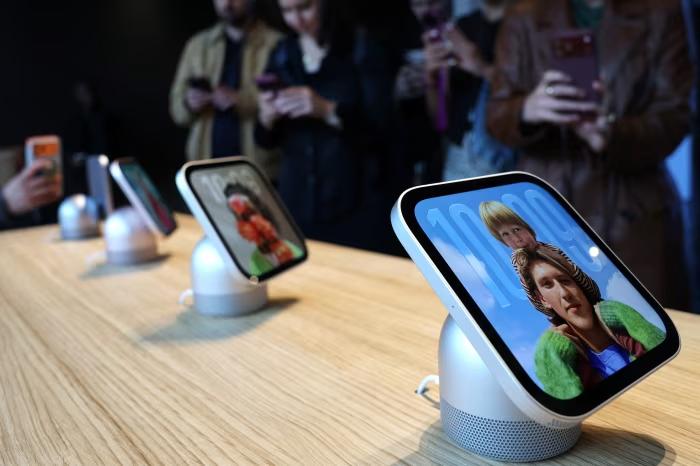
The first product that deserves separate introduction is Apple HomeView. Equipped with a 7-inch Liquid Retina display, it stands on a hemispherical speaker base via an angle-adjustable stainless steel hinge, with a design that is almost a tribute to the classic 2002 iMac G4. Both the desktop and wall-mounted versions are priced at 299 US dollars, powered by the A18 chip, and will go on sale on November 13. Its usage is completely different from that of an iPad: it cannot freely install third-party apps, does not support unrestricted streaming of various TV shows and movies, has no built-in battery, and only supports native HomeOS capabilities such as FaceTime, home monitoring, and home automation control. Its core capability is facial recognition: the front camera identifies who is standing in front of it, and pulls up your personal schedule and to-do list right on the screen. It can recognize up to six users, and each user can customize their own home screen.
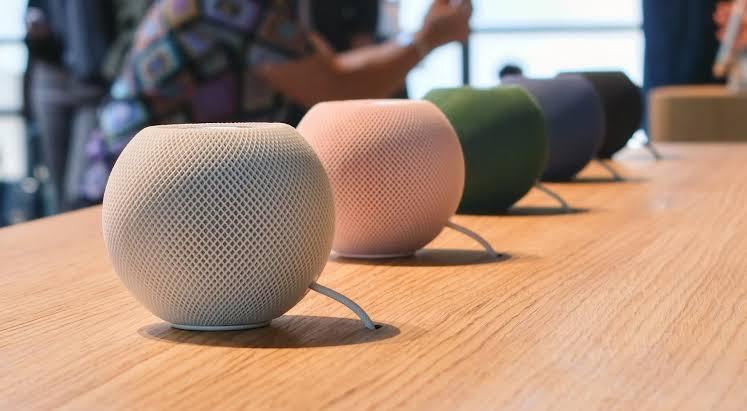
The second product is HomePod mini 2. After six years, it finally gets an update, equipped with the S10 chip, available in five color options, and priced at 1099 yuan in the Chinese mainland market. Its biggest highlight is support for spatial audio when four units are paired, but this requires pairing with the 4th-generation Apple TV 4K as a prerequisite.
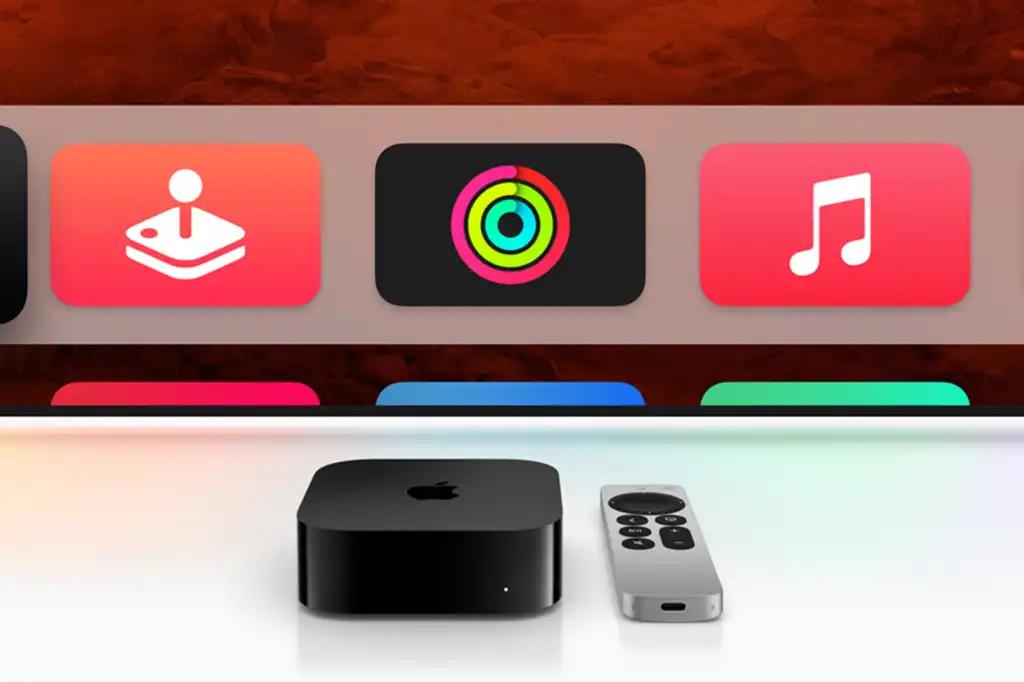
The third product is the new Apple TV 4K, equipped with the A19 chip, with a 50% faster CPU, doubled GPU performance, and a remote control with a built-in speaker that supports device finding.
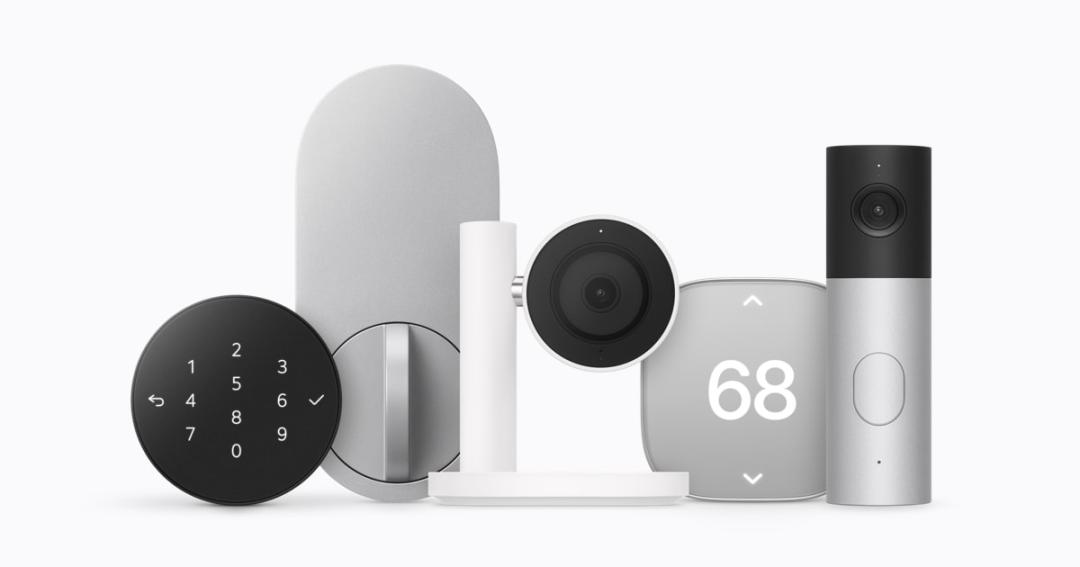
The real highlight, however, is the Apple Home Collection. Apple has partnered with LG and Schneider Electric to launch a full range of accessories covering smart locks, video doorbells, indoor and outdoor cameras, floodlight cameras, thermostats and temperature and humidity sensors. The LG smart lock starts at 349.95 US dollars, the doorbell starts at 249.95 US dollars, the camera starts at 199.95 US dollars, and thermostats from both brands start at 199.95 US dollars. All accessories support pairing with iPhone, and are managed uniformly through the Home app, with no need to download extra apps or register separate accounts. The first batch of products will hit the market in December, and some models will not be available until early 2027.
A notable detail is that among all the new products released this time, only the HomePod mini 2 is listed for sale in the Chinese mainland, and no mainland China sales plans have been announced for the rest of the products. In any case, the Home & TV product page on Apple's official website has finally been unified into the Home series.
The release of three core hardware products plus a full set of accessories sends a very clear signal: Apple is no longer just a protocol provider for smart homes, it aims to become the rule maker.
02 Lingering at the Smart Home Threshold for More Than a Decade, Why Did Apple Step In This Time?
To understand why Apple chose to step in personally this time, we must first understand its 12-year predicament in the smart home track.
First of all, the open but hands-off strategy in the HomeKit era has proven to be a failure.
In 2014, Apple released HomeKit, providing a set of protocol frameworks for third-party manufacturers to access. This sounded smart: Apple only needed to define the standards and let the ecosystem grow on its own. But the problem lies right here. Apple did not deeply intervene in how the devices are used or whether the experience is good, resulting in a small number of compatible devices, high prices, and uneven interconnection experience. Many third-party hardware manufacturers complain that Apple's certification requirements are too strict and take too long, which greatly extends the product R&D cycle.
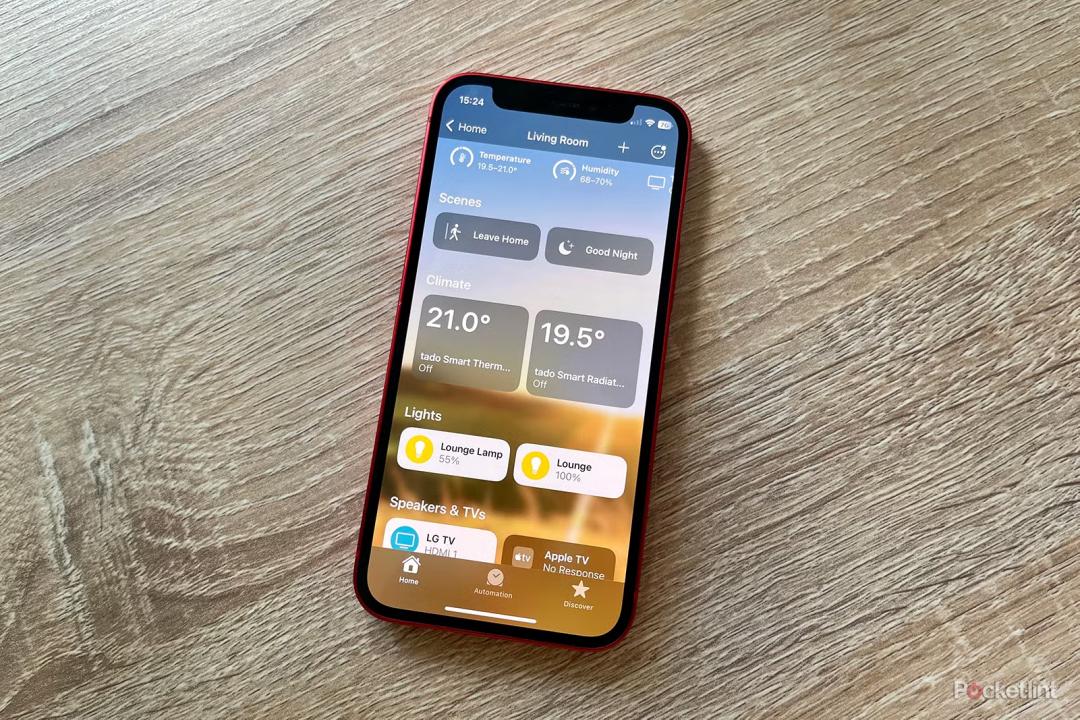
More importantly, Apple itself has launched very few hardware products. The HomePod has never become a mainstream best-selling product, and the Apple TV is a TV set-top box, the HomePod is a speaker. They are all built with entertainment attributes, and few people regard them as real smart home hubs.
Secondly, the competitive landscape no longer allows Apple to continue its light-asset strategy.
In 2026, the size of China's smart home market is heading straight for the trillion-yuan level. Huawei's Whole Home Solution has opened offline stores across the country, focusing on seizing the entrance of building materials markets, with an obvious channel offensive; Xiaomi, relying on its huge number of connected IoT devices and active user base, firmly occupies the mass market. In terms of brand recognition, Amazon Alexa and Google Home/Nest have taken the lead among overseas home renovation crowds, and Samsung SmartThings also maintains a stable presence. Although Apple Home has strong brand appeal, it is outperformed by the above players in smart home scenarios.
Overall, Apple made layouts very early, but 12 years later, its share and presence in the smart home field are completely disproportionate to its brand momentum. If consumers do not prioritize Apple when building their smart homes, Apple may face the risk of user churn when the next wave of AI-driven devices arrives. This is what Apple is really anxious about.
Finally, Apple has finally got the technical conditions to make it happen.
Siri has long been the weakness of Apple's smart home strategy. But at WWDC in June 2026, Apple released a brand new generation of Siri AI, powered by Apple Intelligence, with capabilities including personal context understanding, image understanding, screen perception and app invocation. In addition, the popularization of Matter and Thread protocols has also solved the long-standing compatibility problems that plagued HomeKit.
Siri AI solves the control experience, Matter solves cross-platform compatibility, LG solves product category coverage, and HomeView solves the unified entry. With these four links connected, Apple finally has the confidence to step in personally.
03 Can Apple Tap Into the Trillion-Yuan Market?
From the current competitive landscape of the smart home industry, Apple's layout this time is a good hand of cards, but far from a winning hand.
In terms of advantages, Apple has at least three strong cards in its hand.
The first card is privacy. Among all smart home players, Apple's core advantage is privacy protection. Camera footage and personal data in the Home app use end-to-end encryption, and LG, Schneider Electric and Apple cannot access them. All core access management functions run locally, and can work normally even without an internet connection. When smart homes enter sensitive scenarios involving home security such as cameras and smart locks, privacy is evolving from a bonus point to an access threshold.
The second card is consistent experience. Users only need to tap their iPhone once to add accessories, and the setup process is similar to that of the HomePod, with no need to download extra apps or register accounts. When you replace your Wi-Fi, all accessories automatically synchronize the new network information. This no-app, no-account, no-hassle experience is difficult for the decentralized Android ecosystem to replicate.
The third card is identity recognition. The person recognition capability of HomeView can identify up to six family members and automatically switch to personalized content, which is a function that other smart hubs on the current market do not yet have. Combined with HomePod and Apple TV to form a whole-home identity perception network, this is Apple's unique differentiated barrier.
But in terms of disadvantages, the challenges Apple faces are equally sharp.
The most intuitive one is the price. HomeView is priced at 299 US dollars, which is 20% to 30% more expensive than Amazon Echo Show 15 and Google Nest Hub Max. In the Chinese market, this price gap will be further widened.
The absence of mainland China versions makes the situation even more awkward. Among the more than ten new products at this launch event, only HomePod mini 2 is available in the Chinese mainland. There is no mainland China version of HomeView, and no mainland China version of Apple Home Collection. This means that in China, the world's largest single smart home market, Apple currently can only rely on one speaker to maintain its presence.
The deeper resistance comes from local ecological barriers. In the Chinese market, Mijia, with its huge number of connected devices and active user base, firmly occupies the top spot in the mass smart home ecosystem; Huawei's Whole Home Solution takes the mid-to-high end route, continues to expand in offline channels, and maintains a stable presence. Although Apple HomeKit has strong brand appeal, its actual device coverage and user scale are significantly behind. More importantly, Xiaomi's IoT platform has a huge number of connected devices, and Huawei's HarmonyOS Smart Home has far more offline coverage than Apple. The depth and breadth of Apple's ecosystem in the Chinese local market are not at the same level as the two aforementioned brands.
The implementation pace of Siri AI also needs to be observed. The HomeView equipped with A18 comes with full Siri AI functions as standard at launch, but the Siri AI function on Apple TV 4K is still in beta, and HomePod mini 2 will receive the function via subsequent software updates. The maturity of the whole-home automation experience still needs time to verify.
In addition, subscription dependency will also affect the completeness of the experience. To review event recordings from the past 10 days, use AI video summary and natural language search for recordings, users need to subscribe to iCloud+ on a monthly basis. One camera is bound to 50GB of storage, and adding more cameras requires upgrading to 200GB or even 2TB of storage. Without subscribing to iCloud+, you cannot use the full version of this home security system. After purchasing the hardware once, users still need to pay for services on a regular basis. Apple's ecosystem has expanded from personal devices to the daily life of the whole family.
04 Coming Home Is Just the Beginning
12 years ago, Apple drew a blueprint for smart homes with HomeKit, but only provided the framework and left the rest of the experience to others. 12 years later, Apple finally admits that protocols alone are not enough, it has to step in personally.
The 299-dollar pricing of HomeView, the second-party accessory manufacturing model co-developed with LG, deep integration of Siri AI, and full support for the Matter protocol, all these layouts Apple has made this time are closer to a serious smart home strategy than any step it has taken in the past 12 years. Shifting from an open but hands-off strategy to setting standards on its own, Apple uses a 7-inch screen and a complete hardware ecosystem to redefine its role in the home.
But the problem still remains: for Apple, which has no mainland China version in the Chinese market, no price advantage, and a less rich ecosystem than Xiaomi and Huawei, can it turn its first-mover advantage from a decade ago into actual market share a decade later in this trillion-level market?
The person recognition capability of HomeView is exciting, and the end-to-end encryption privacy promise is reassuring. But when its competitors provide 7