The current landscape of AI in Silicon Valley: Whoever controls the computing power calls the shots.
There's no other way out! Silicon Valley has gone completely, utterly, madly crazy in the race for AI computing power.
Even Dario Amodei, CEO of Anthropic, went to Meta's door and begged humbly:
Bro, give me some computing power...

Guess what happened next? Zuckerberg turned him down politely, and Elon Musk reaped all the benefits:
SpaceX acts as a reseller of NVIDIA GPUs, reselling computing power to Anthropic and making a huge fortune —
Its first financial report in August showed strong growth, with quarterly AI business revenue alone reaching 25.61 billion US dollars, a year-on-year increase of 247% and a month-on-month surge of more than 200%.

Wow! Silicon Valley is sparing no effort for computing power, and the era of massive computing power supply has arrived.
No matter how fiercely they trolled each other online before, they still have to bow to GW behind the scenes.
They have no choice, just look at Google which is falling behind.
Noam Shazeer, a top scientist that Google paid 2.7 billion US dollars to bring back, left for OpenAI not long after due to insufficient computing power.
Other companies get a return for their investment, but Google is basically doing charity. (doge)

Silicon Valley has now fully realized this:
Whether talents can be retained, whether models can stay ahead, and whether AI can generate real profits... All these issues increasingly depend on how much computing power they have left.
GPU has become the hard currency in Silicon Valley
In the past, the main bottlenecks were capital and talents, but now the computing power economy is emerging.
Even a tech giant as powerful as Google cannot guarantee that its star researchers can get sufficient GPU resources.

When talking about Noam Shazeer, the first thing that comes to mind is that he is one of the "Transformer Eight". He left Google in 2021 to found Character.AI, dedicated to developing generative AI chatbots.
In 2024, Google spent 2.7 billion US dollars to facilitate Shazeer's return through a deal, and he served as the co-lead of Gemini.
Researchers of his caliber should have been the top priority for giants to guarantee resource supply.
However, according to the latest foreign media reports, his team also faced the difficult situation of computing power being reassigned, forcing Shazeer to join the rival OpenAI.
Similarly, Demis Hassabis had long expressed dissatisfaction with the insufficient computing power of his project, which to a certain extent affected his decision to step down as CEO of DeepMind.
At present, there are major disagreements over resource allocation within Google, and Sergey Brin sometimes directly intervenes to reallocate resources to projects he considers important.
But in the final analysis, the root cause is the shortage of computing power resources, so the company can only cut costs and optimize expenditure.
Competition outside the company has made industry relations increasingly complex.
Top startups like OpenAI and Anthropic not only compete for model capabilities, but also fight for data centers, servers and power supply capacity.

Take Anthropic as an example. The computing power demand of its models is so large that it needs to discuss supply with another model company.
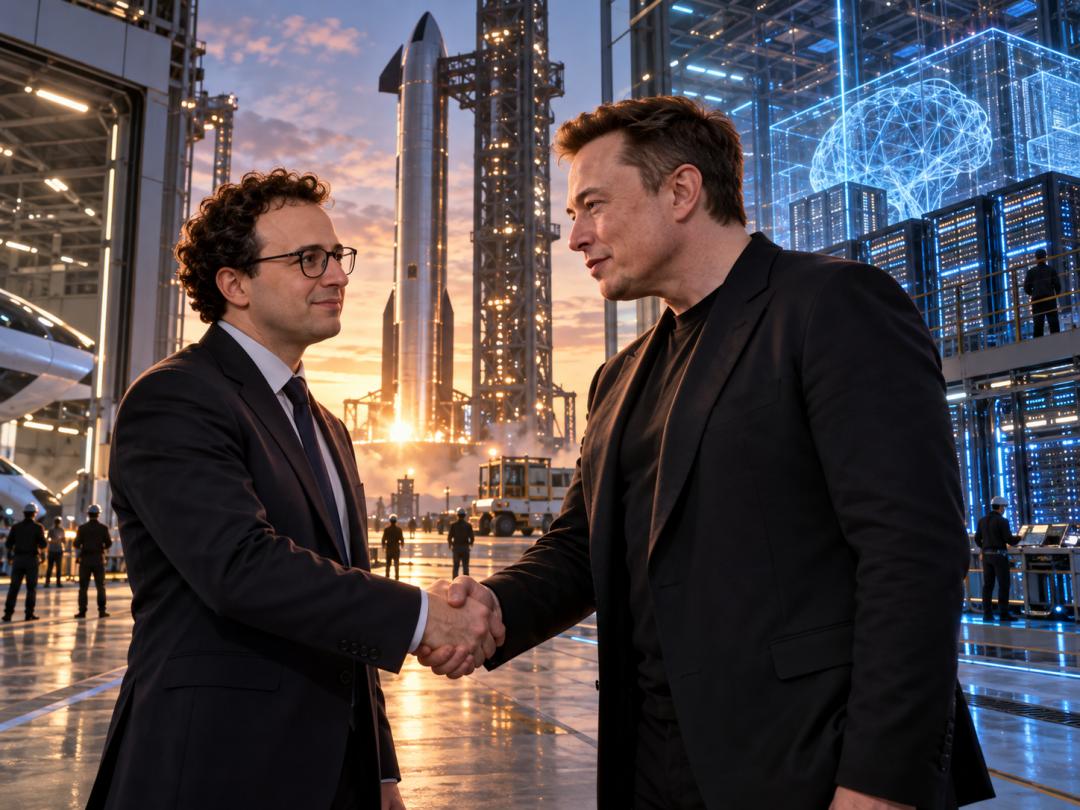
The cooperation agreement with SpaceX signed in May this year stipulates that it will obtain more than 300 megawatts of new capacity that month, involving 220,000 NVIDIA GPUs, while increasing the usage quota of Claude Code and API.
In other words, the purpose of this move is to get more computing power from the back end to support the front end. With sufficient computing power, the model will be stronger, and users will stay.
Thus, the competition among model companies has begun to follow two logics running at the same time:
On the product side, everyone is still competing for users and development talents; on the infrastructure side, any party that can provide resources in time may become a potential partner.
What about small AI startups that survive in the cracks?
Their situation is even more dramatic.
It is difficult for these companies to build their own data centers, but in the past, they could flexibly rent GPUs from cloud platforms such as AWS with a pay-as-you-go model.
However, as leading AI labs lock in a large amount of computing power resources, some cloud service providers have begun to require multi-year contracts with prepayment as high as 30% of the total contract amount, and even require startups to find a payment guarantor.
All these situations have put startups in a dilemma.
If you buy too much computing power, the continuously consumed cash will be wasted if user growth does not meet expectations in the future; if you buy too little, you will miss growth opportunities because you do not have enough computing resources to process demands.

This situation has even spawned a new business: global computing power gold rush.
That is to find underutilized AI server resources around the world, and then rent these computing power to enterprises in need.
For a typical example, the representative company San Francisco Compute once went to old chicken coops in rural America to collect servers, and Elon Musk also discussed further computing power cooperation with TSMC.
Top VCs in Silicon Valley have also started to stock up GPUs personally. YC launched a dedicated GPU cluster for its portfolio startups in July, and Radical Ventures also helps invested companies coordinate supplier contracts.
This has slightly solved the urgent needs of small teams that are training or deploying models.
The AI computing power race is getting out of control
But blocking is worse than dredging, the reason for this computing power shortage is actually quite complicated.
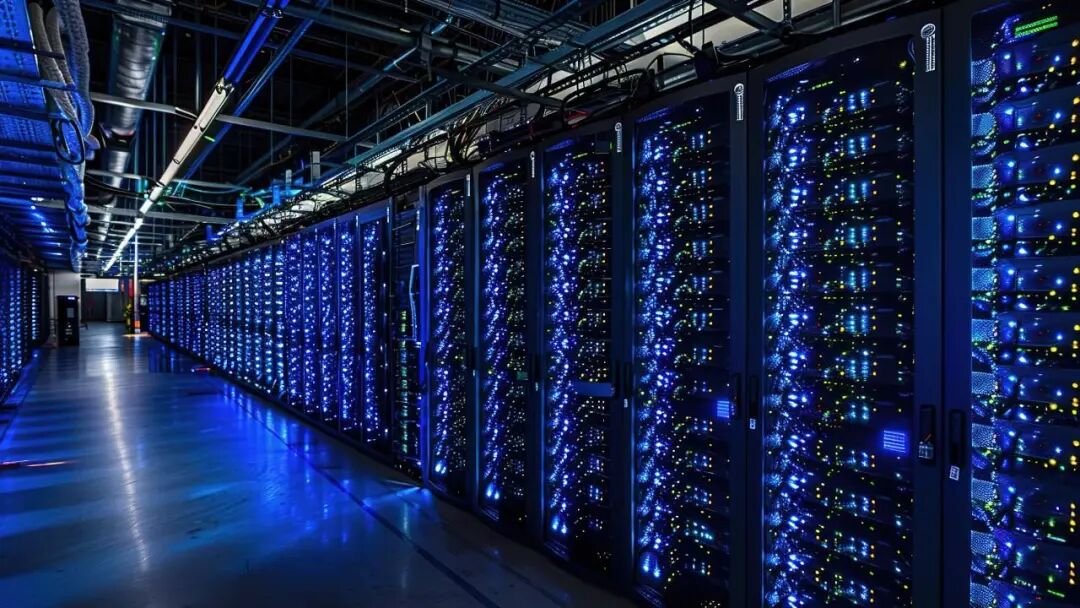
OpenAI, Meta and even Google are actively building new data centers, promising to provide massive GPU resources in the future.
But the rapidly growing demand for models cannot wait. This time difference, or the so-called empty promise, is one of the reasons why companies still have to search for computing power everywhere.
The way users use AI is also invisibly increasing the pressure on supply.
Since the beginning of this year, Agent has replaced the one-question-one-answer mode as the core paradigm for users to use AI. Continuous long-running work tasks force servers to undertake more parallel computing.
After the demand increases, even the leasing market of chips has undergone earth-shaking changes.
Data released by SemiAnalysis in April this year shows that the price of one-year lease contracts for H100 has risen from the low of $1.70 per GPU per hour in October 2025 to $2.35 in March 2026, an increase of nearly 40%.
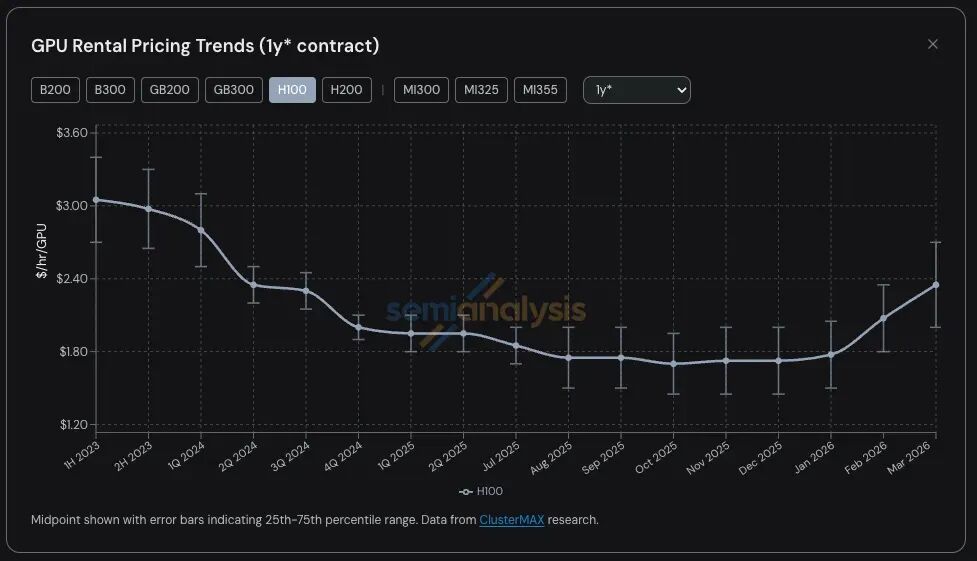
The saying that GPUs are as precious as gold is not groundless.
The shortage of computing power that can be delivered immediately and run stably, plus the fact that new computing power supply is far out of reach, together create the dilemma of the computing power market.
Thus, the concept of computing power hegemony has become tangible.
The narrative that startups can challenge industry giants will gradually fade away. Even if someone has a good technical roadmap, they will fail if they do not have enough computing resources.
It is obvious that computing power is becoming the entry threshold of the AI era, and it is strengthening the advantages of large companies that have their own built infrastructure.
It can be said that whoever holds computing power holds strength.
For AI product developers, they have more things to consider. They not only worry about no one using their products, but also worry that user growth will outpace their own computing power expansion.
But the dilemma is also an opportunity, and the intermediate layer of shovel sellers is overjoyed.
Aren't you right, Jensen Huang?
References
[1]https://www.wsj.com/tech/ai/ai-computing-power-demand-a63da9b9?st=tzDj41
[2]https://www.anthropic.com/news/higher-limits-spacex
[3]https://newsletter.semianalysis.com/p/the-great-gpu-shortage-rental-capacity
This article is from the WeChat official account "QbitAI", written by Lu Yu, and published with authorization from 36Kr.