More viral than Jev! Reverse Thanos REA tops GitHub in just one day.
In the past two days, a project called REA (Reverse Engineer Anything) on GitHub has amassed nearly 70,000 stars!
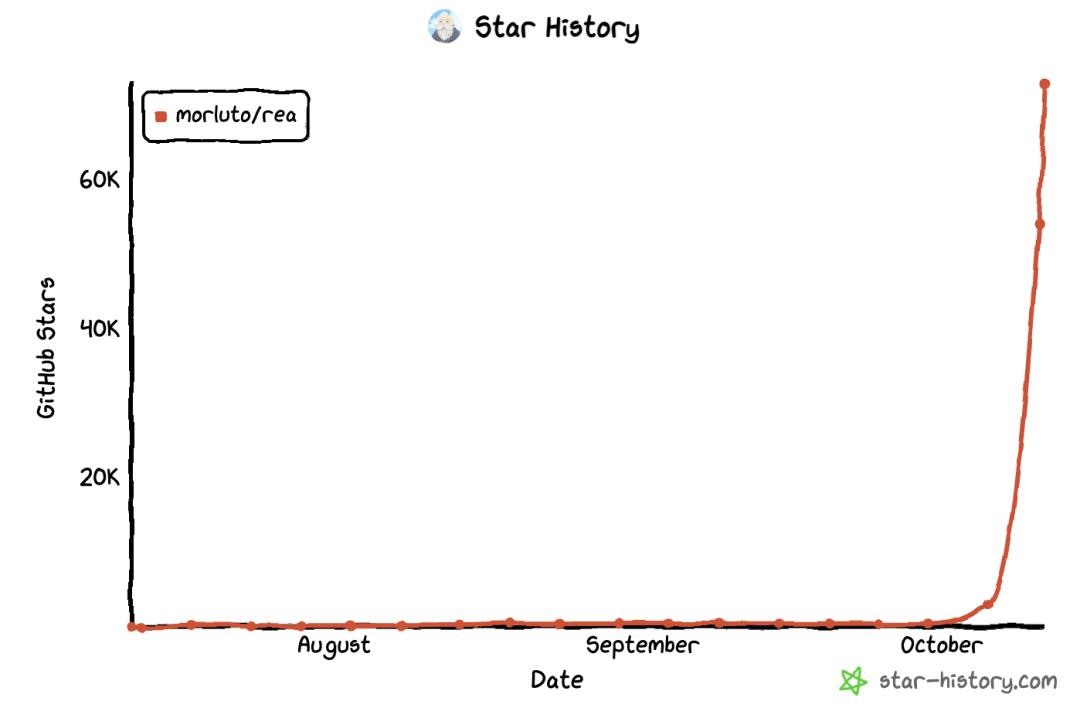
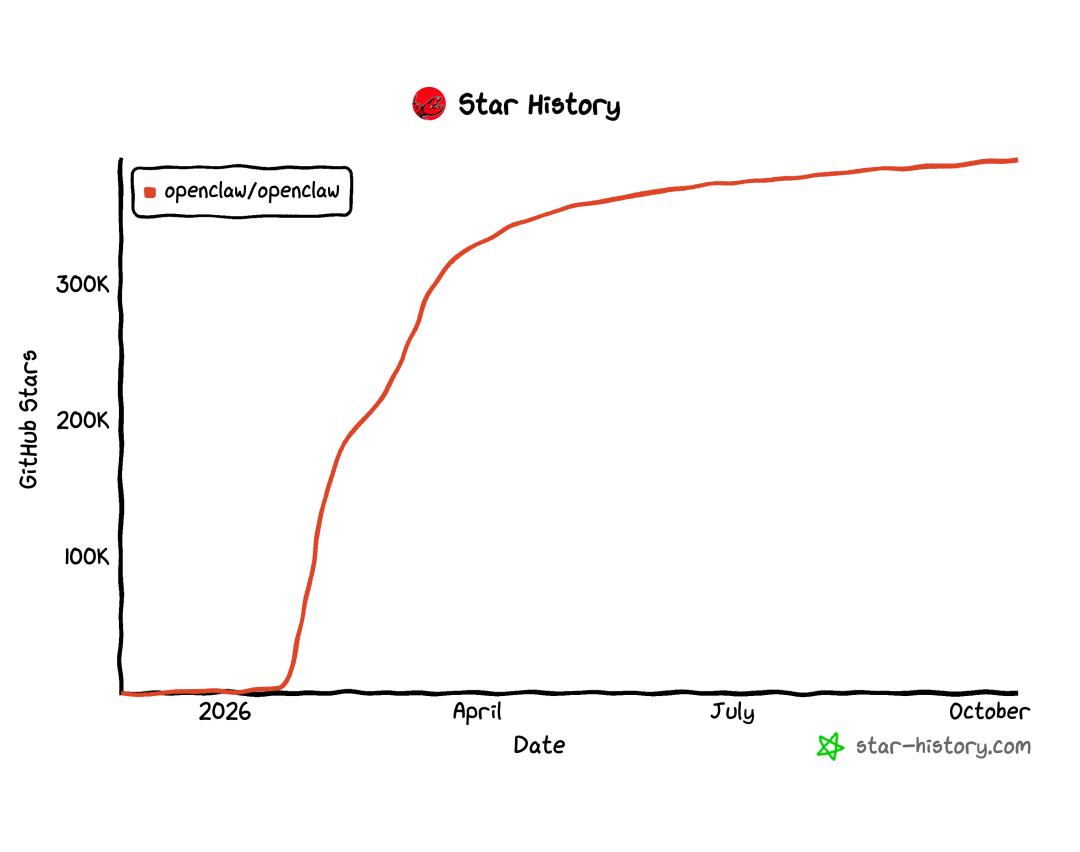
For comparison, OpenClaw, which created a growth miracle at the beginning of the year and led the national trend of raising "lobsters", had a GitHub Star growth curve like this: it added a total of 60,000 new stars on the third day of its explosive growth, while REA has gained nearly 80,000 stars on its third day (today):
The Jev that went viral some time ago is closed-source, so we can only compare npm download volumes: Jev got 35,000 downloads in the first three days, while REA has accumulated about 44,000 downloads in total!
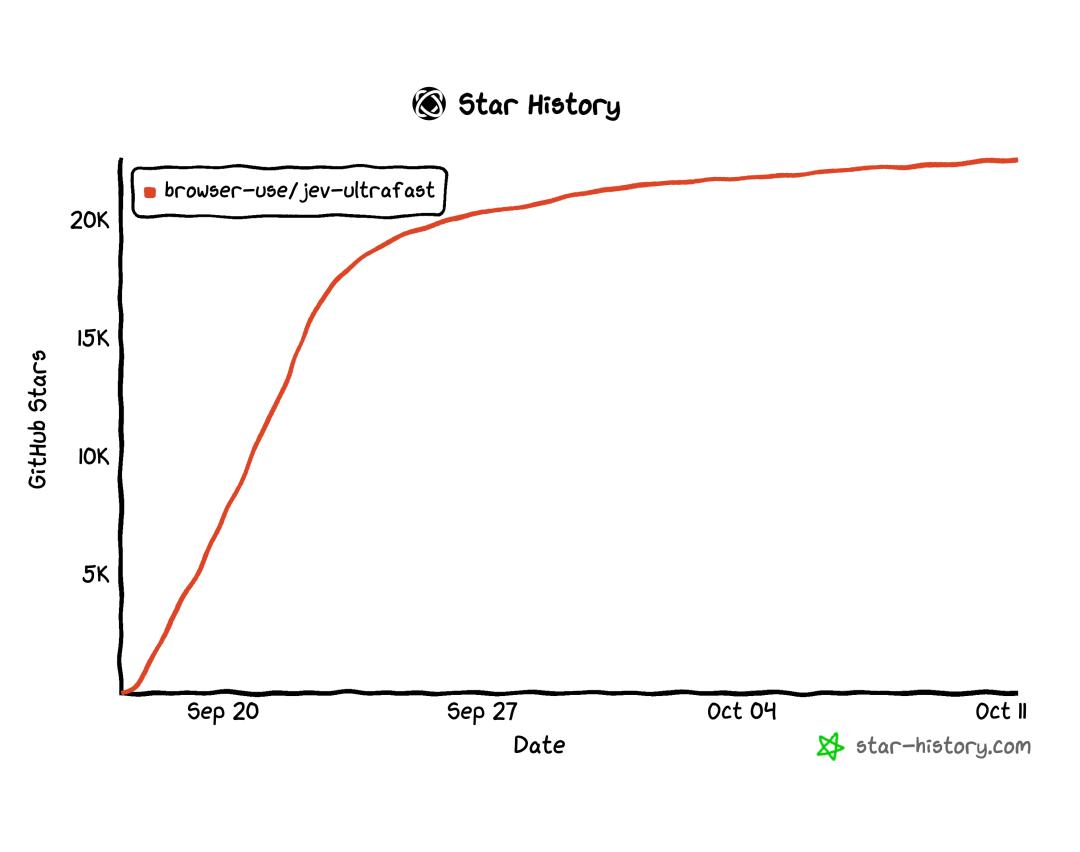
Star trend of the open-source Jev GitHub project
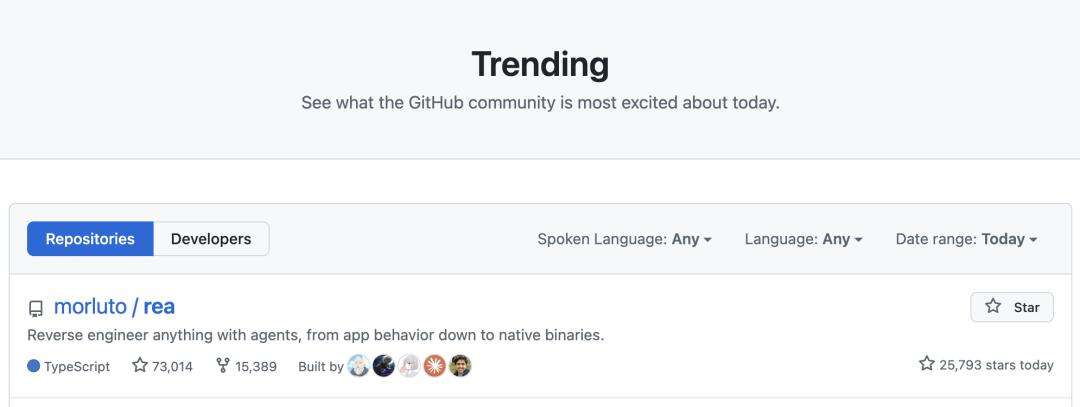
It has now topped today's GitHub Trending list, gaining tens of thousands of stars every day, showing the same overwhelming momentum as OpenClaw did at the start of the year.
It only pulled off a shocking feat: letting AI strip all commercial software of its hidden secrets completely.
From now on, you can point to any commercial APP on the screen and say "I want this feature", and your Agent such as Claude Code / Codex will directly go deep into its binary root through REA, chew up the assembly code, spit out a perfect open-source implementation, and even list all the "evidence of operation" for you by the way.
The author is even working hard to reverse engineer large commercial software like Office!
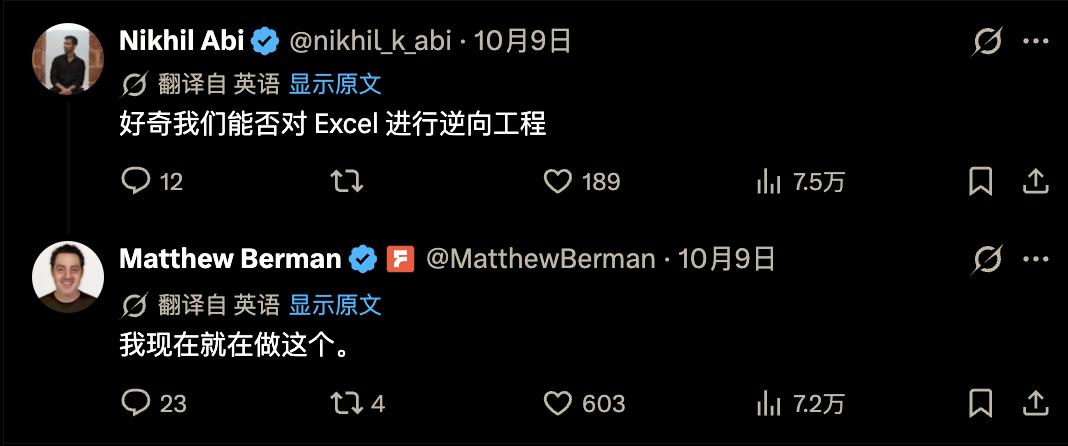
If it can really fully reverse engineer the largest closed-source systems such as macOS / iOS, the whole world will be subverted by open source!
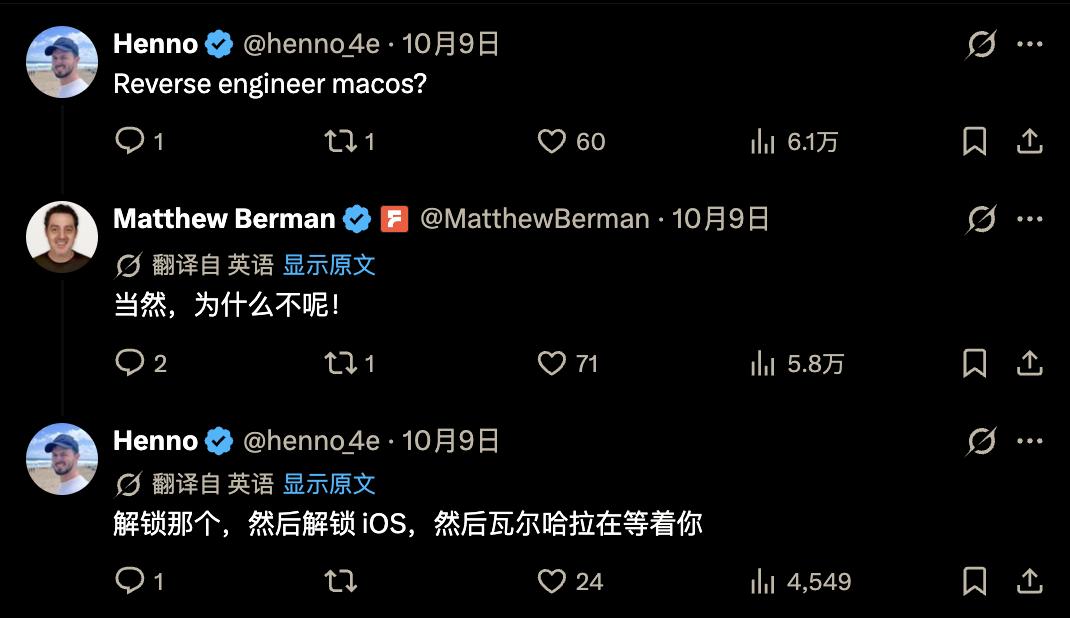
The 50-year-old myth of the "closed-source moat" officially goes bankrupt at this moment;
The so-called software trade secret has become a joke that can be made public by large models at any time.
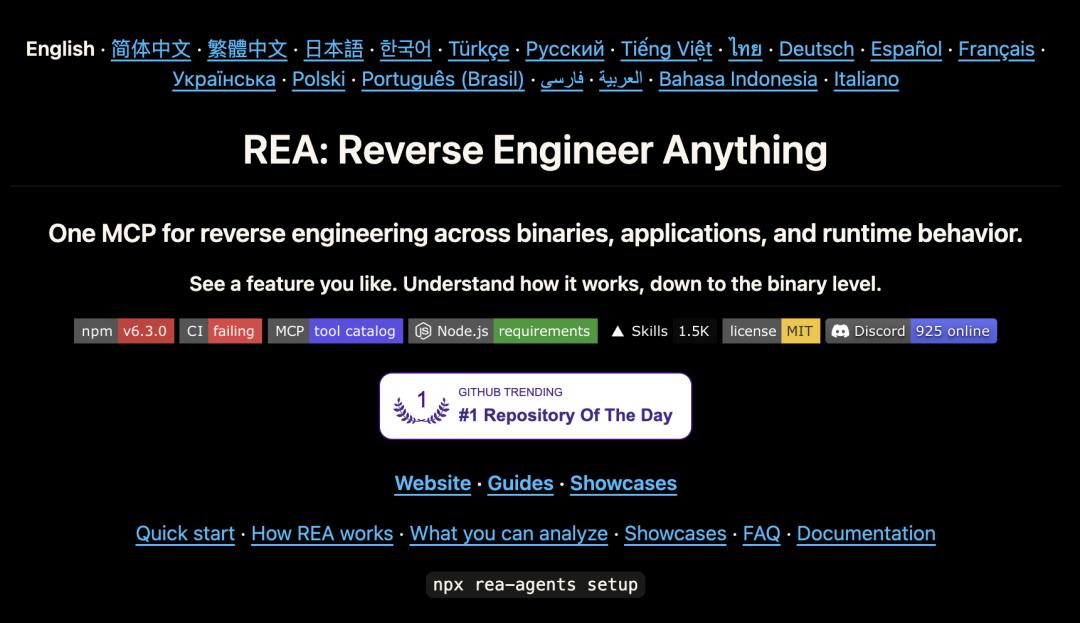
Shattering the Black Box
There are two things in this world that love to mystify the public: one is the so-called "masters", the other is tech companies that package code into binary files and claim they contain "core technologies".
In the past, big tech companies compiled code that could be as messy as a pigsty into machine code, and then it became "intellectual property".
Ordinary people look at these binary files as if they were reading an alien script.
Occasionally, a few hackers proficient in reverse engineering, using ancient tools like IDA or Ghidra, dig through the mess of assembly code, which is regarded as both a metaphysical art and a unique craft.
Big tech companies were thus carefree, thinking that as long as they don't give out the source code, you will never know if their black box contains a few monkeys stepping on a generator.
But the emergence of REA smashed that black box to pieces.
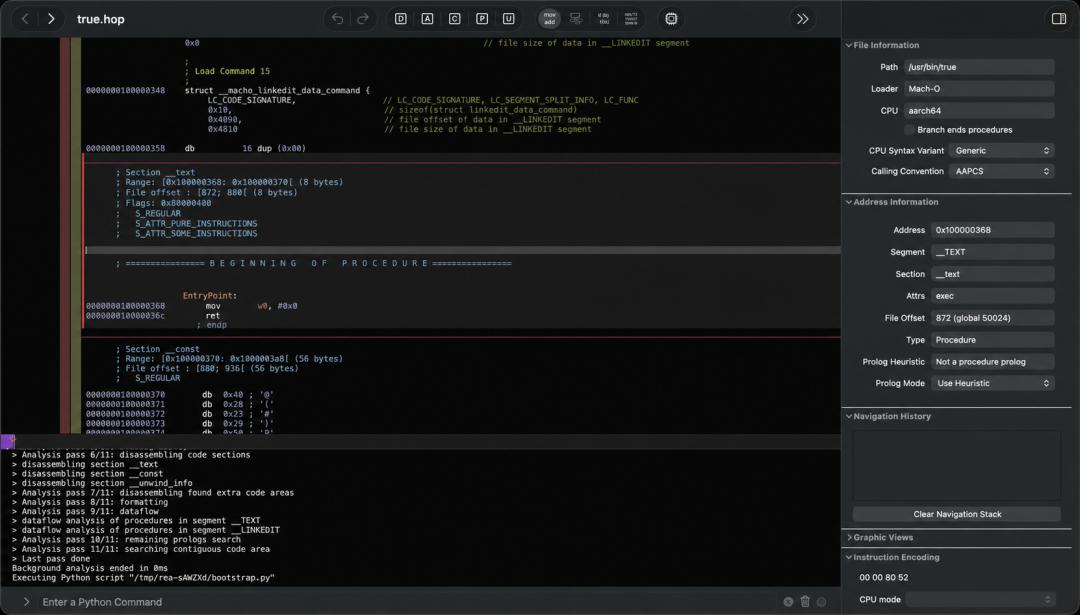
Its logic is so simple and crude that it is breathtakingly brilliant.
Your large language model is extremely smart but powerless in practical operations, right? Your Ghidra and Hopper are extremely powerful in processing binary but no one can understand their output, right?
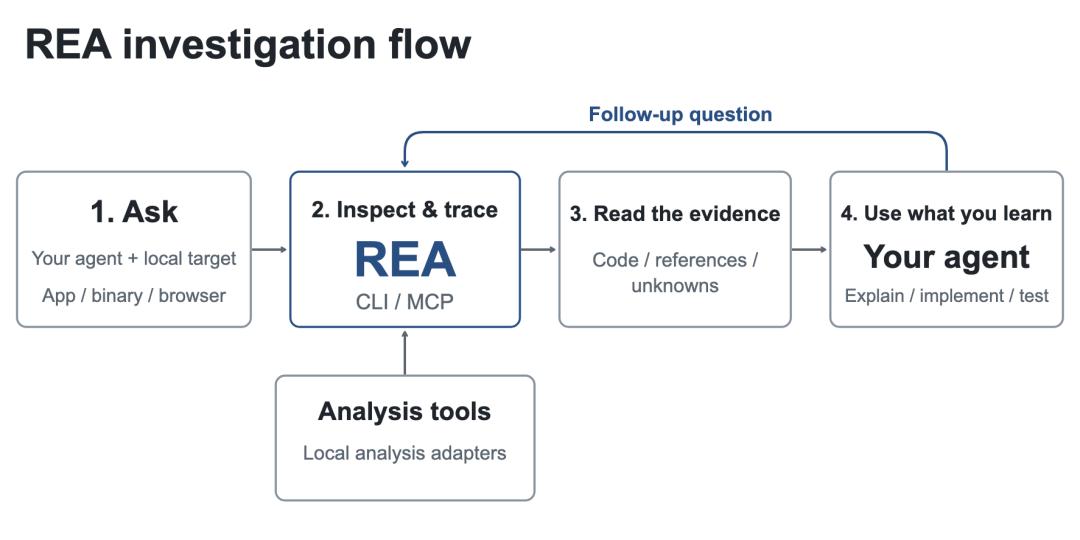
Well, REA acts as a broker based on MCP (Model Context Protocol), bringing these two parties into the same room.
The current situation is: you don't need to understand what ELF is, or what EVM bytecode is, you just need to give instructions like a boss:
Go, check how Notion's clipboard bridge is written.
Then your AI will call REA on its own, decompile, read assembly, trace the clues to find interfaces, and finally report to you in human language:
Got it, boss, this is how it works, here is the refactored C++ code that can be used directly.
This is simply the "Trisolaris Sophon" targeting the entire software industry!
In front of REA, the running behavior of apps, native binaries, Android APKs, and even hardware firmware all turn into one-way transparent glass rooms.
The Absurd Endgame
If you still think this is just an "auxiliary tool", you probably know nothing about the greed of human nature and the inevitability of logic.
We make several predictions here that are very likely to come true:
First, "micro-innovation" at the code level will die completely, and plagiarism will become an accurate automated science.
In the past, plagiarism required looking at the UI to guess the logic, now AI directly uses tools to dig out the underlying assembly instructions of your software.
Those SaaS companies that make a living by relying on one or two exclusive algorithms and small tricks will wake up tomorrow morning and find that their core selling points have been posted in some open source repository for free public distribution.
Second, intellectual property (IP) lawyers will collectively face a "heart attack".

When proving "non-core code similarity" becomes as easy as drinking water, the existing software copyright law will become a dead letter.
You can't sue an AI, and the code reproduced by AI has consistent logic but completely changed syntax, so even judges don't know how to rule on such cases.
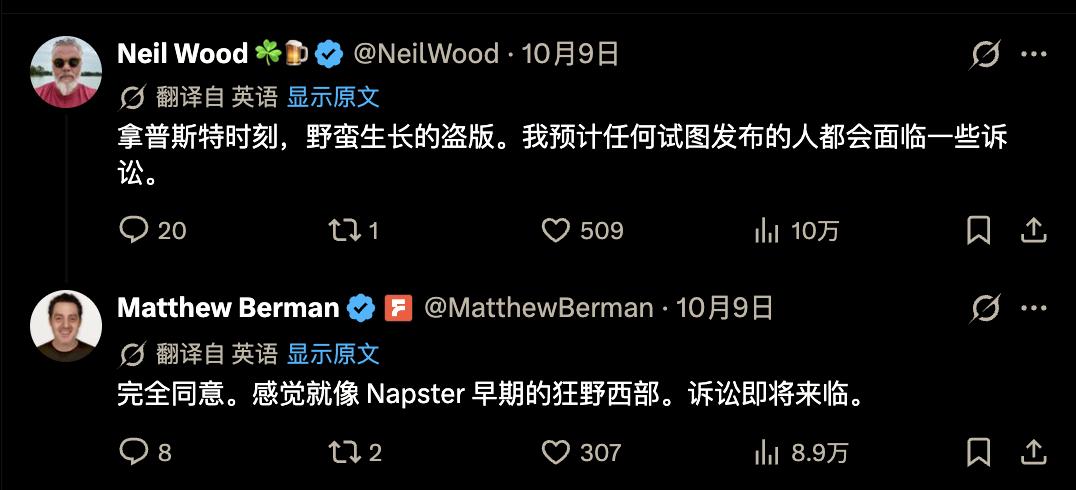
Third, and the most absurd point: future software engineering will be a "anti-human competition" where everyone tries to outdo each other in making things as disgusting as possible.
Since code can no longer be hidden, the only way out for companies to protect their poor assets is to resort to every possible means of "code obfuscation".
Take the Python version of the quicksort algorithm as an example: after simple and elegant code goes through code obfuscation, it becomes something like this:
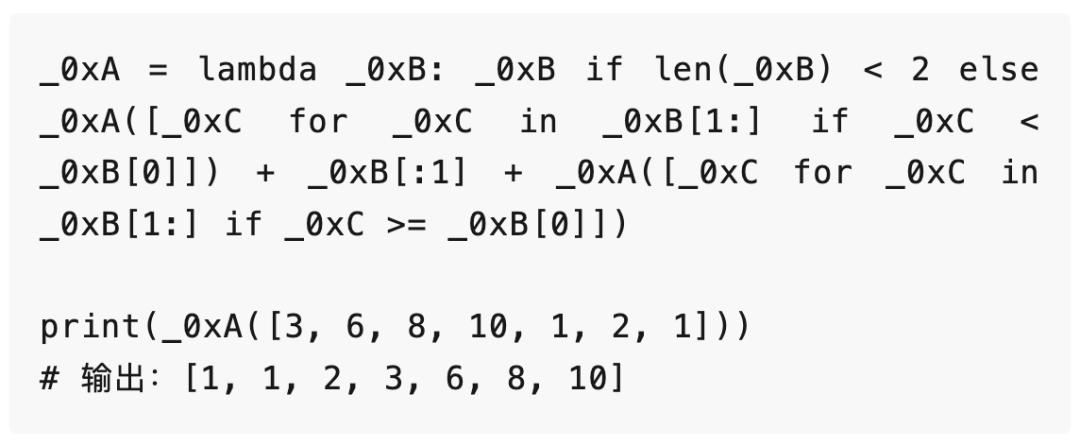
Future programmers will no longer pursue elegance, readability and efficiency of code, but rack their brains to write code into a tangled mess, to the point that even AI would want to end the session as soon as it sees it.
We are entering an extremely absurd era: AI is trying its best to turn garbage back into delicacies, while human engineers are desperately turning delicacies back into garbage.
Oscar Wilde once said that everything in this world is about sex, except sex itself.
Borrowing this saying, after the birth of REA, all software businesses in this world are only about computing power, data and network effects, except the code itself.
Code is no longer sacred, it is just a bunch of consumables that can be reversed, analyzed and reconstructed at any time.
REA tore off this fig leaf so quickly that many big companies are now standing naked in the wind, still thinking they are wearing gorgeous new clothes.
References:
https://github.com/morluto/rea
Edited by: Ma Ke
This article is from the WeChat Official Account "AI Era" (ID: AI_era), written by ASI Revelation, authorized for release by 36Kr.