Former Anthropic researcher Jacob Coxon: 2027 will be the most insane year, AI should be nationalized, and labs are treating superweapons as ordinary business.
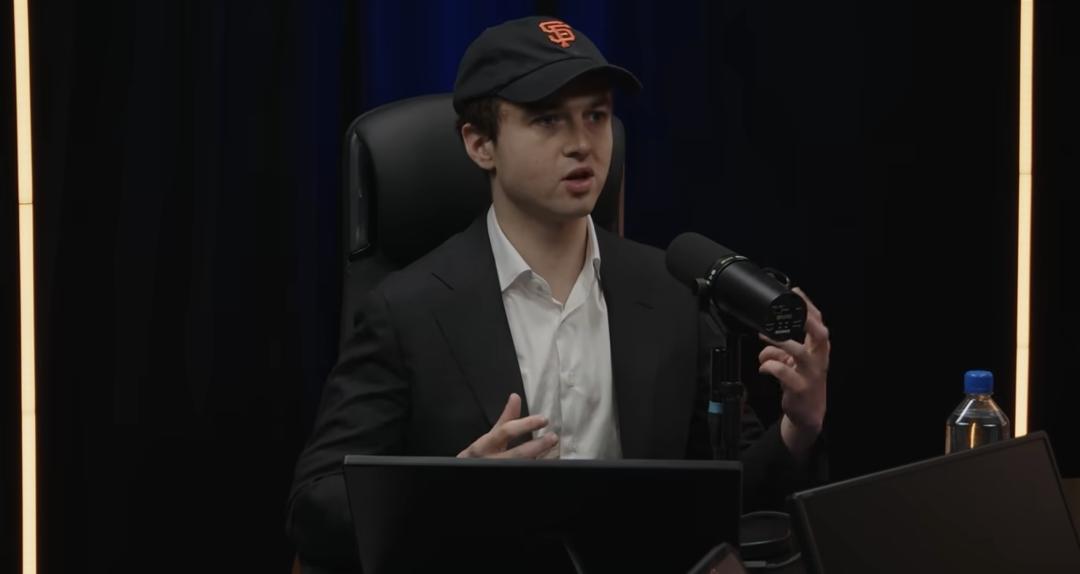
In a recent podcast interview, Jacob Coxon, a former researcher at Anthropic and OpenAI, shared why he posted that sensational resignation tweet on September 8, as well as his judgment on the future of AI. The core views can be summarized as: 2027 will be a wild year, when AI models will be capable of automating a large number of jobs; it is disturbing that labs are running superweapons as ordinary businesses; AI technology should be nationalized, because it is dangerous to let private companies hold such powerful capabilities.
1. A Single Tweet Paused the World for Several Days
On September 8, Jacob Coxon posted a statement on Twitter that shook the tech circle: "I resigned from Anthropic today. Over the past three years, I have been engaged in pre-training research at both OpenAI and Anthropic. Neither company has fulfilled its due responsibilities. They are racing to develop self-improving superintelligence, yet they are gambling with all our lives."
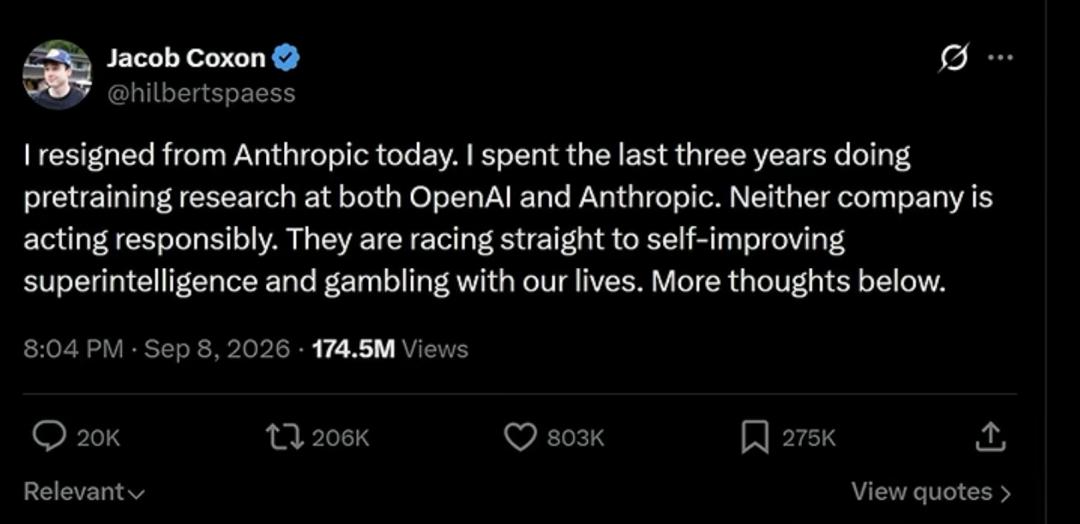
This tweet got 803,000 likes and 175 million views. Trump held an AI conference at the White House, which was indirectly prompted by his post. Politicians got involved, and world leaders also got involved.
The host asked him: You sold all your stocks, and you didn't even get the vesting of your shares, because the timing of your departure meant you left all the money you were entitled to behind. "There was no other choice for you."
2. 2027 Will Be a Wild Year
Coxon said that when he resigned, he was only thinking about things in the next year and the year after. "I think 2027 will be a wild year."
He reviewed the evolution of AI in the news: three years ago, AI was rarely reported in the press; this year, there is big news about AI every month; next year, there will be major breaking news about AI every single day.
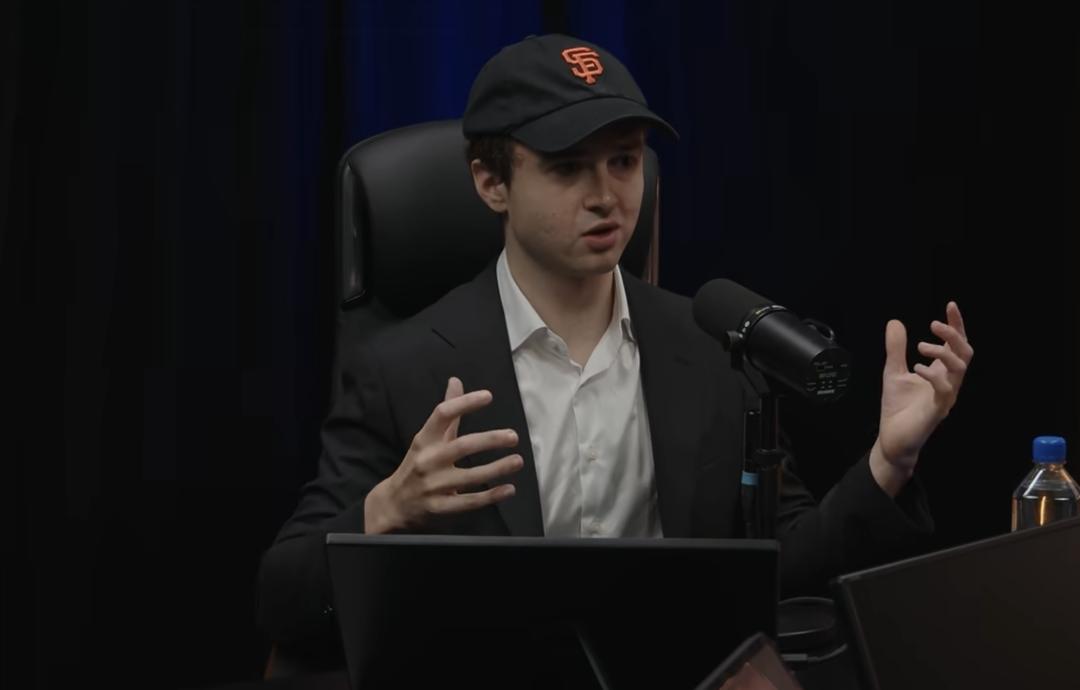
"I wasn't alive during World War II, but back then the concept of war cast a shadow over everything. It permeated every aspect of our daily lives, and the war was always the underlying backdrop in all news reports. I think that's exactly what the AI field will look like next year."
When it comes to the capabilities of AI models, Coxon judged: "Next year's AI models will be extremely capable, and will be able to automate a huge number of jobs in one way or another. This concerns everyone's work, but especially the jobs of a large number of AI researchers."
When asked if the word "chaotic" could be used to describe 2027, Coxon did not hesitate: "Absolutely chaotic."
3. Labs Are Treating Superweapons as Ordinary Businesses
Coxon's most core criticism is that labs treat AI no differently from how ordinary companies treat ordinary technologies.
"The most important thing right now is that labs are treating this technology as an ordinary technology. You know, it's just business. They may hold developer conferences like OpenAI, share products with users, and post on Twitter saying 'Oh, I'm so excited to launch this new product'."
"The point is, this is a superweapon. So people will soon realize that this is not some casual business matter. This is superweapon technology, and it really should be nationalized."
He believes that next year is roughly the time when people will truly realize this — "This is a very, very serious matter."
4. It Should Be Nationalized: You Would Never Let Mark Zuckerberg Own Nuclear Weapons
When the host pressed him that "when you say nationalization, it means you trust government intervention to control it more than the free market", Coxon made it clear:
"Yes, I'm not saying it shouldn't be nationalized. What I mean is that this matter is so serious that I'm surprised the government hasn't nationalized it yet."
He was confused that the government is keeping an eye on these companies, and these companies are going to hold enormous power. "This technology is so powerful. I'm very surprised that Trump can sit there and say things like 'I'm going to let Dario Amodei... I'm going to let Sam Altman... I hold the keys'. This kind of powerful technology is usually the domain of governments, who hold the keys to everything."
"You shouldn't let Mark Zuckerberg own nuclear weapons. That kind of thing never happens normally."
Coxon drew an analogy between AI and nuclear weapons: nuclear weapons obviously can throw the whole world into chaos, and so can AI. "The point is, do you really want private companies to make all these decisions? Decisions about unemployment rates, major events, and the scenario where if they make a mistake, some regime in the world could create biological weapons. That would be a total mess. Do you want all these decisions to be controlled by private companies?"
5. Private Companies Are Turning Into Quasi-States
Coxon further pointed out that private companies like Anthropic are even worrying about geopolitics. "You are training an AI that you plan to share with the whole world. One of the things they are worried about is: what if China can steal benefits from it? That's a private company, yet it's worrying about geopolitics. That's a really weird thing."
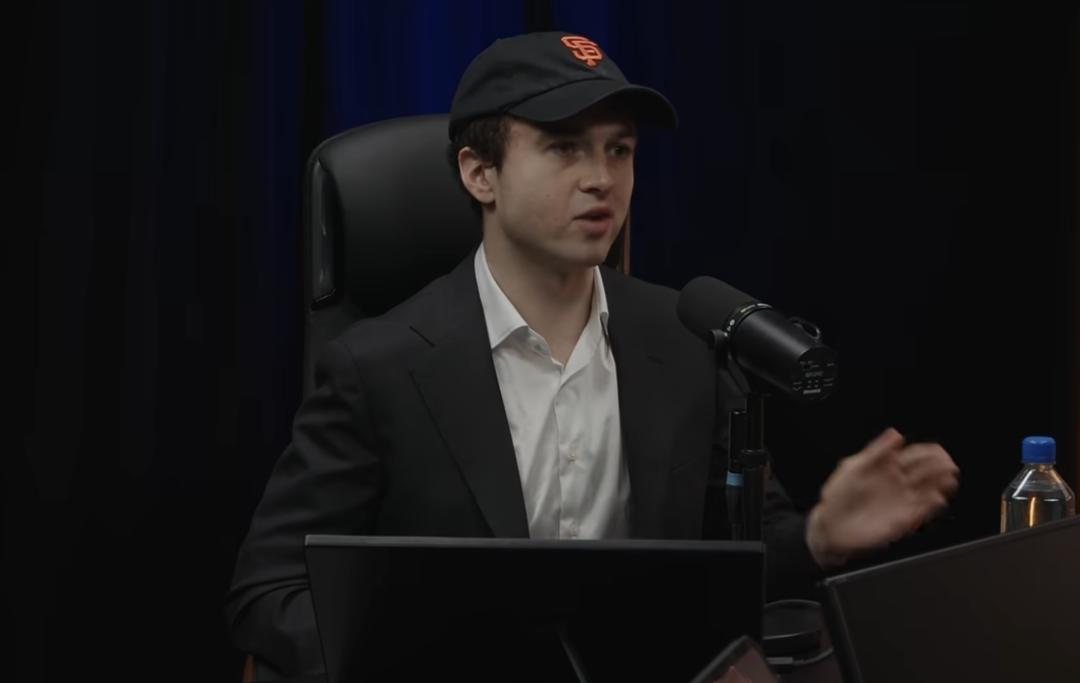
The host added: "Letting a private company make decisions that affect the entire geopolitical system." Coxon responded: "It becomes so huge that you turn into a small country."
The host pointed out: "You should realize that Mark Zuckerberg is a world leader. 2.4 billion people use Facebook. He has his own rules and regulations. He has to deal with governments, and no matter which country he is in, he has to comply with relevant regulations. That's why he's always getting into lawsuits, because he's violated some regulations."
Coxon agreed: "So is Twitter. So is Google. So is YouTube, and all these people. They almost have to act that way, because they are dealing with that kind of stakeholders."
Conclusion
Jacob Coxon's resignation tweet caused such a huge response because he pointed out a fundamental problem: When AI technology is powerful enough to affect global geopolitics, the job market and biosecurity, it should not be operated as an ordinary business. 2027 will be a wild year, with major AI breaking news coming out every day, and models will be capable of automating a huge number of jobs. The most disturbing thing is that this superweapon technology is currently in the hands of private companies. As Coxon put it: "You shouldn't let Mark Zuckerberg own nuclear weapons."
This article is from the WeChat public account "Backwave Evolution Planet", author: Mark, published with authorization from 36Kr.