On my first compensatory day off after returning to work, I was saved by the "non-heartburn literature"
The first working day after the National Day holiday that requires compensatory leave adjustment, a strange "illness" has swept through the entire office:
Heartburn.
People say they get heartburn when eating, when working, and even casual chats between colleagues will eventually drift back to the topic of heartburn.
When you ask about the work progress, your colleague will respond unhurriedly: "We need to set the rules first."
If you keep pressing for progress, there will be a line waiting for you: "It's not that we won't do it, we just take it slow. Rushing things will easily lead to heartburn."
After coming back from the holiday, the workload hasn't decreased, and everyone has suddenly acquired a set of time-honored business philosophies.
When you go online, you'll find that office workers, students, people ordering takeout, and people in romantic relationships are all setting rules to prevent heartburn.
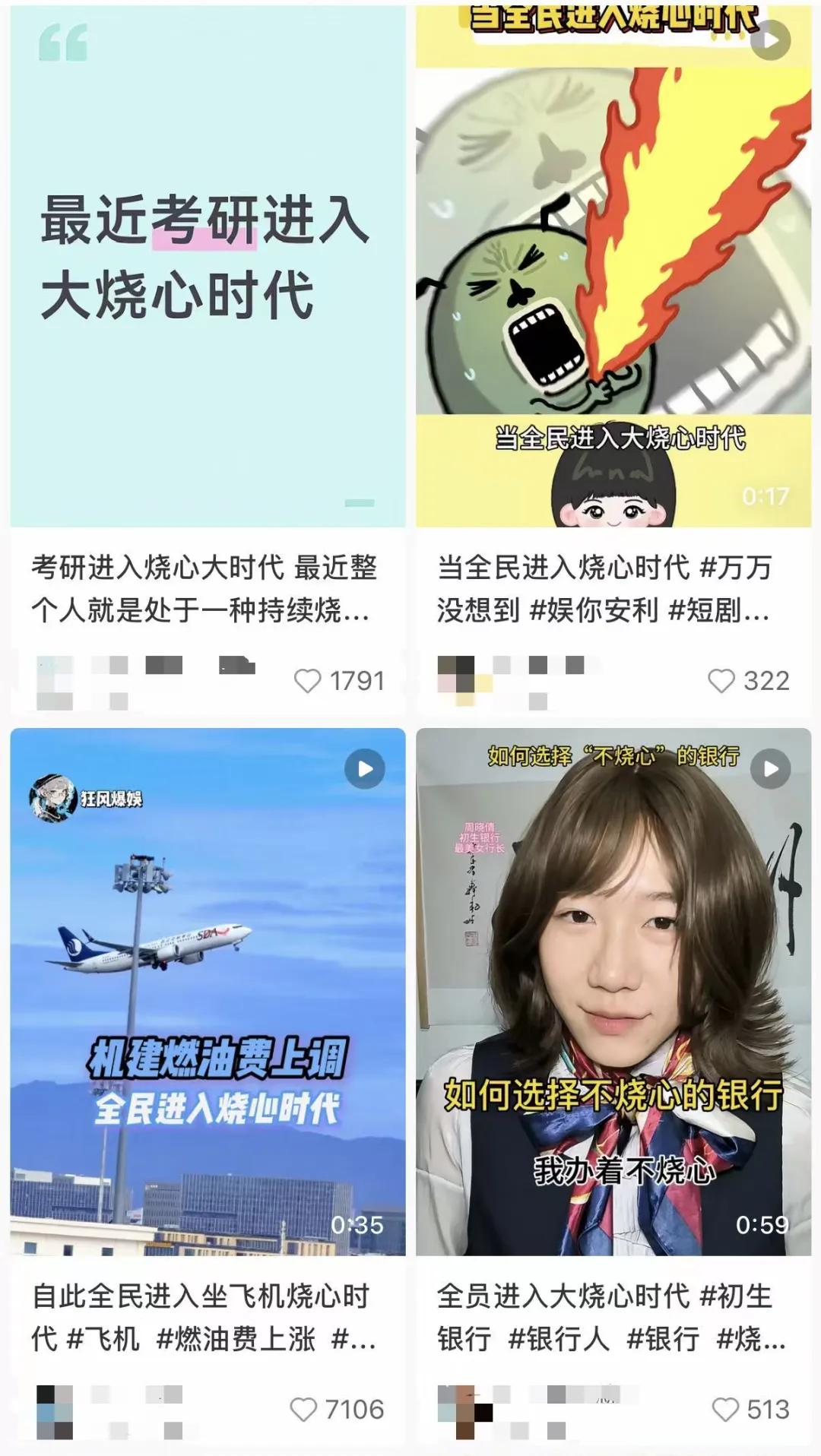
Almost overnight, the entire internet has entered the era of widespread heartburn.
01
The entire human race has officially entered the widespread heartburn era
Although everyone is having a great time playing with this meme, many people actually don't have a clear idea of what heartburn really feels like.
The term "heartburn" carries a distinct old-fashioned vibe. My second uncle, who has eaten sweet potatoes as his staple food for half his life, says that now even a glance at any sweet potato product will make him feel "heartburn".
Of course, it's not Cupid's arrow that sets your heart on fire, but the reflux of gastric acid.
People who don't understand what heartburn feels like are blessed, at least they have a healthy gastrointestinal system.
However, it's not just food that causes heartburn, but also the damn life itself.
After a full 13 days of non-stop enjoyable holiday, the most heartburning fact is nothing but going back to work.
Can you immediately get back to the grind on the first day back at work? No, you have to set the rules first.
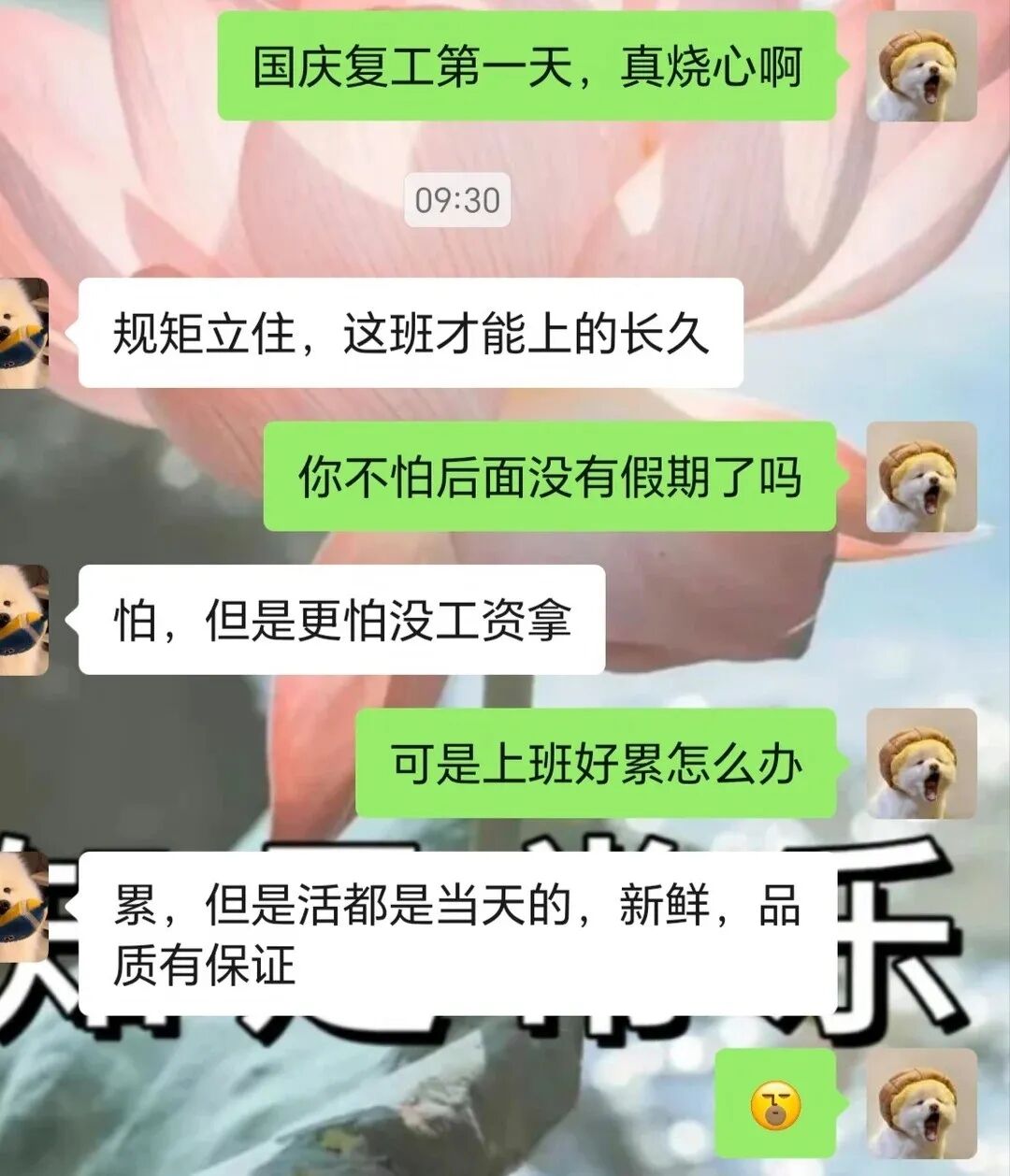
Source: Xiaohongshu user @Schrödinger
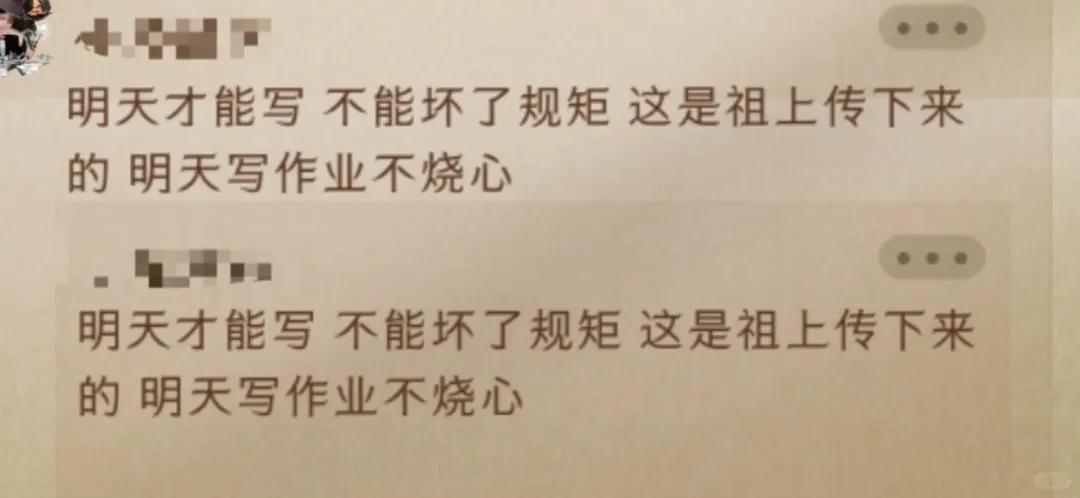
Faced with unfinished homework, you can also borrow this unhurried state of mind.
It's not that you won't do it, you just do it slowly, gently, and in an orderly manner.
Aren't you afraid that you can't finish it?
Of course I am, but holidays have their own arrangements, and the start of school has its own rhythm. Catching up too hastily will easily lead to heartburn.
The reason why takeout makes you feel heartburn is not necessarily the ingredients, but possibly the delivery rider.
Don't talk to me about coupons or on-time guarantee. As long as you set the rules first, anyone can become a person who does not yield to pressure.

Setting rules makes you feel confident and justified, and avoiding heartburn is for your own good.
Mastering the "heartburn literature" proficiently is the necessary Odyssey period for every service provider to rebuild their subjectivity.
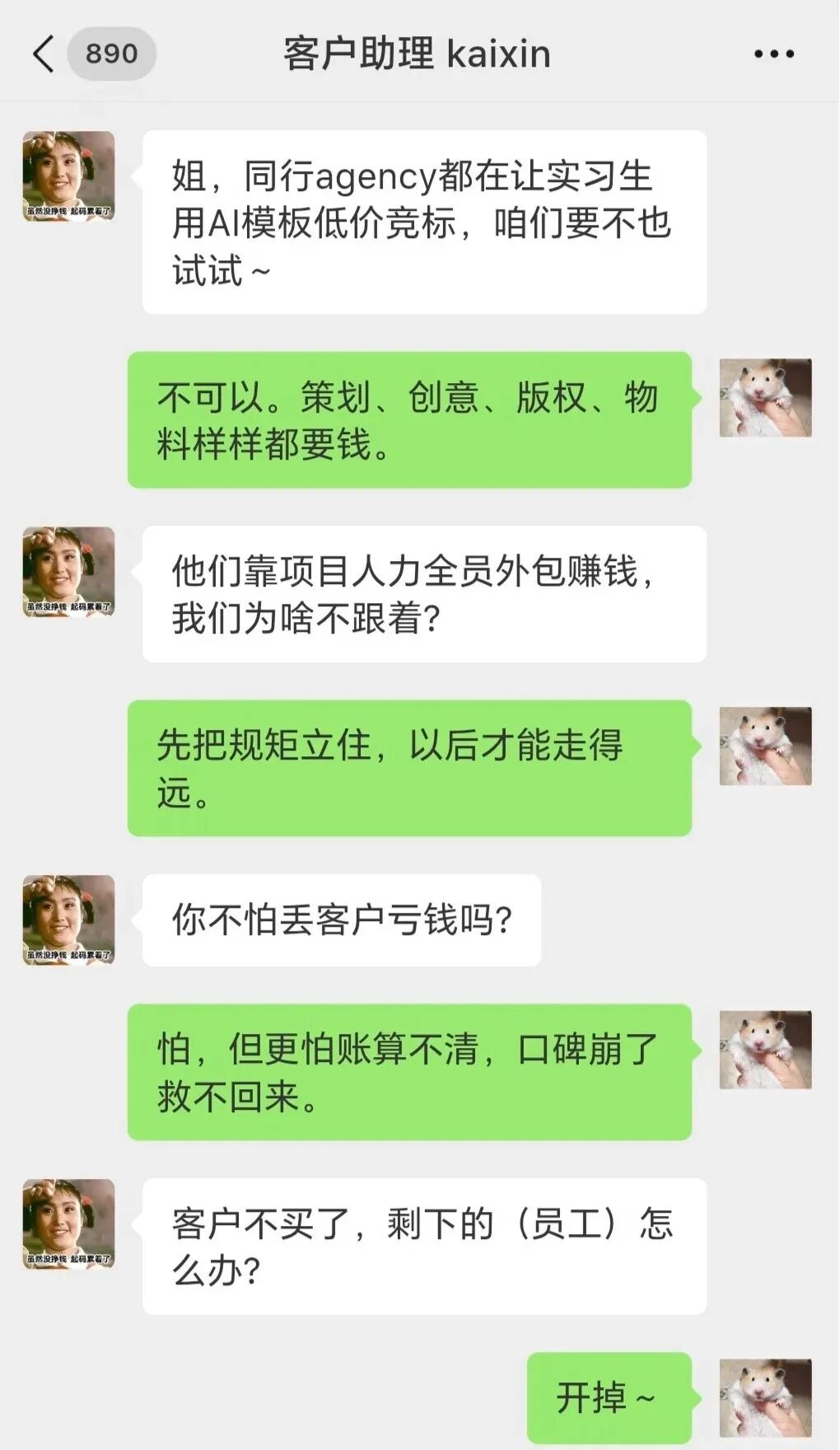
Source: Xiaohongshu user @Bukaixinyo
Even birdwatching and learning foreign languages can smoothly switch to this set of logic.
As long as you want, there is no scenario that cannot be guided by the heartburn theory.

Go on a heartburn-free blind date, and start a romantic relationship with clear rules set in advance.
We would rather have fewer exes, but improve the relationship quality.
What to do next? Go all out for it.
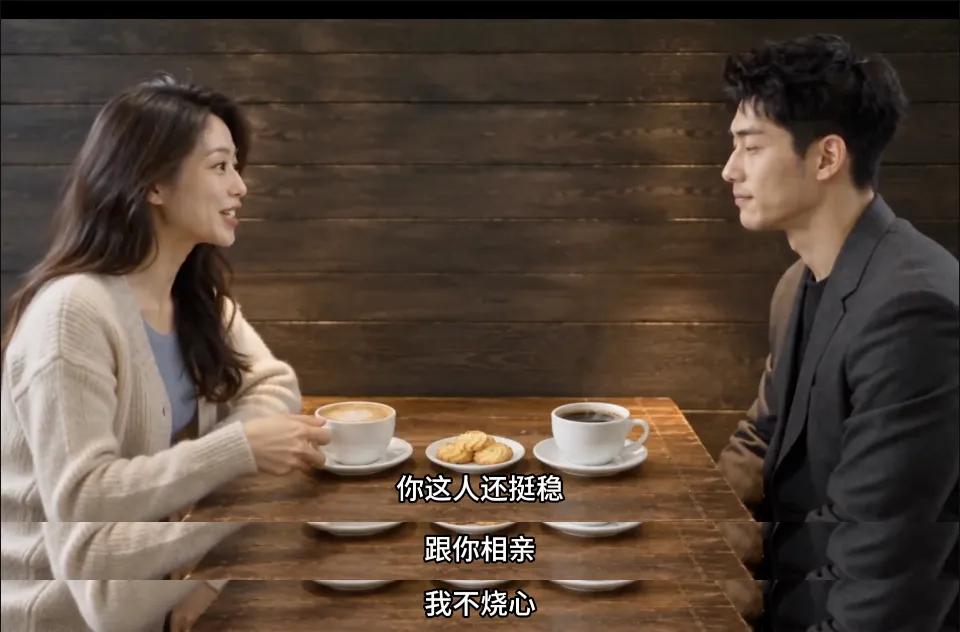
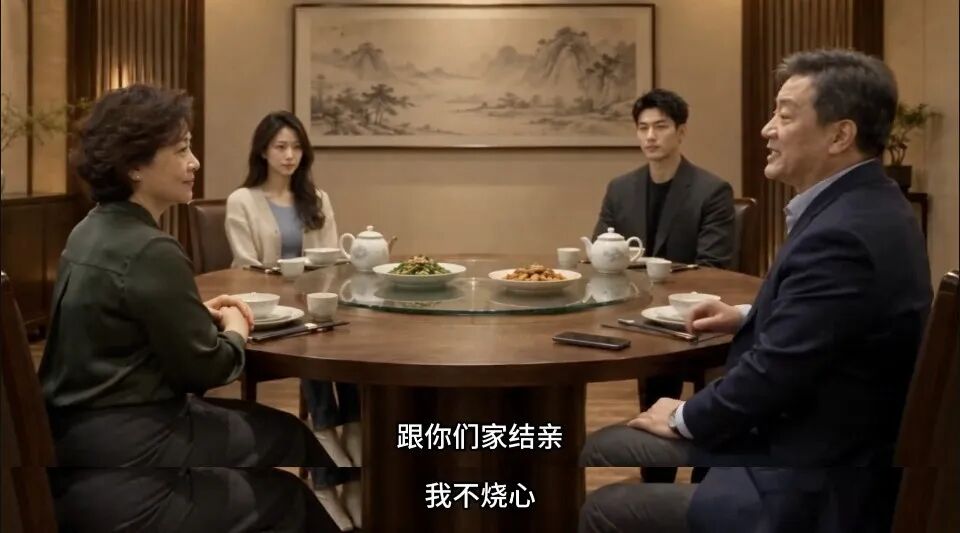
Of course, the stock market is also a major source of heartburn.
The market keeps falling after the holiday after falling before the holiday. Your salary and investment are just like the swimming pool math problem in primary school: you earn little but lose much, and you are left wondering how long it will take to lose all the money in your account.
This problem is really too difficult, but don't rush, set the rules first:
Don't chase the rising trend, don't panic when the market falls, and check your account only after the market closes.
Why? Because checking it during trading hours will make you feel heartburn.
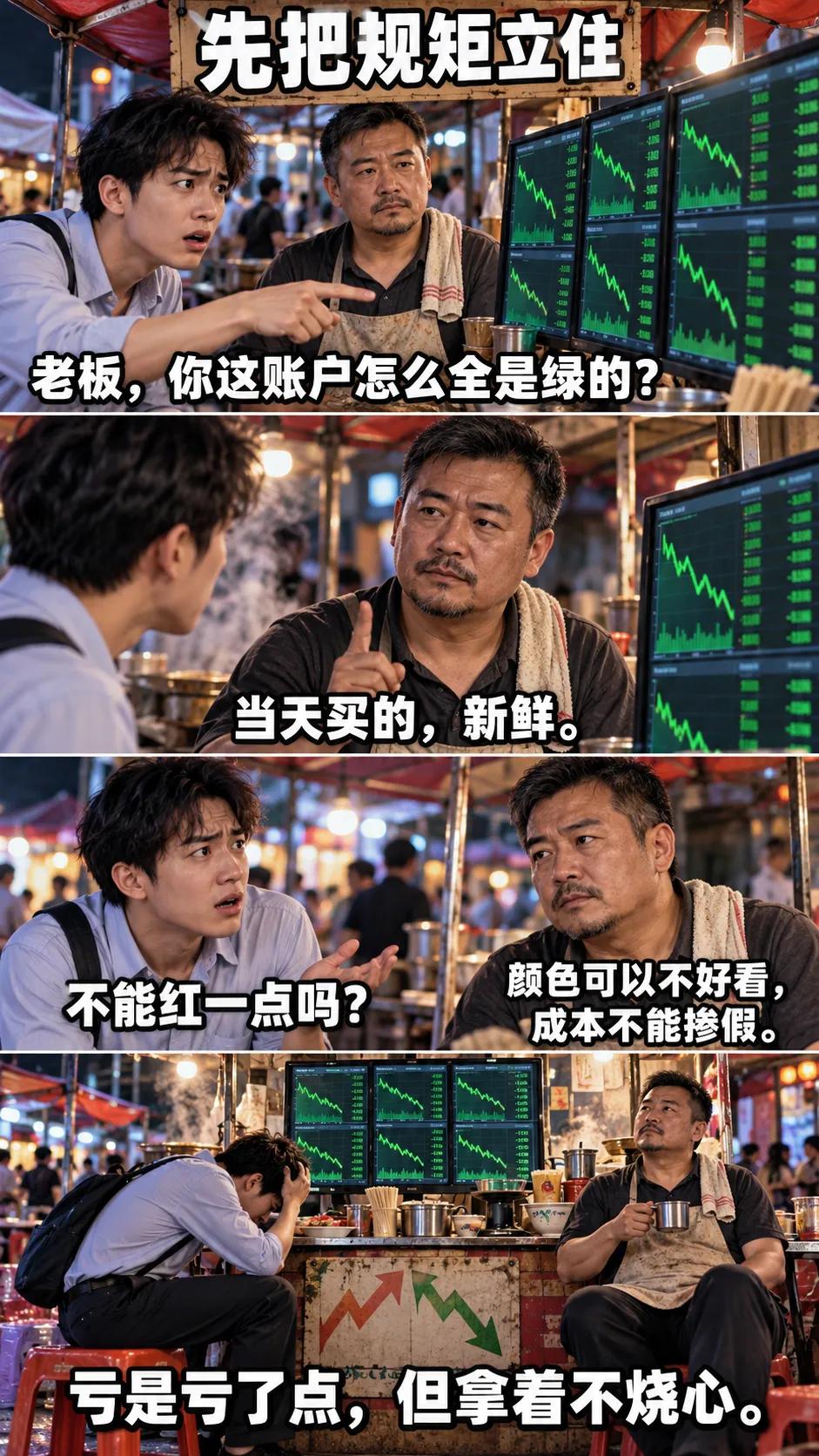
You ask why others' stock investment has doubled but you are still losing money?
They trade for market trends, but I hold the stocks to be a shareholder.
Aren't you afraid of losing money?
You can lose money slowly, but you can't mess up your position. Set up the identity of the "taker" first, sooner or later the founder will sell the whole company to me.
Everyone is so proficient in playing this logic that "no heartburn" has become a set of chat language that requires no explanation. Even if you haven't seen the original video, you can immediately catch the next line.
Who on earth originally set these rules?
The answer is a group of stall owners in AI-generated short dramas.
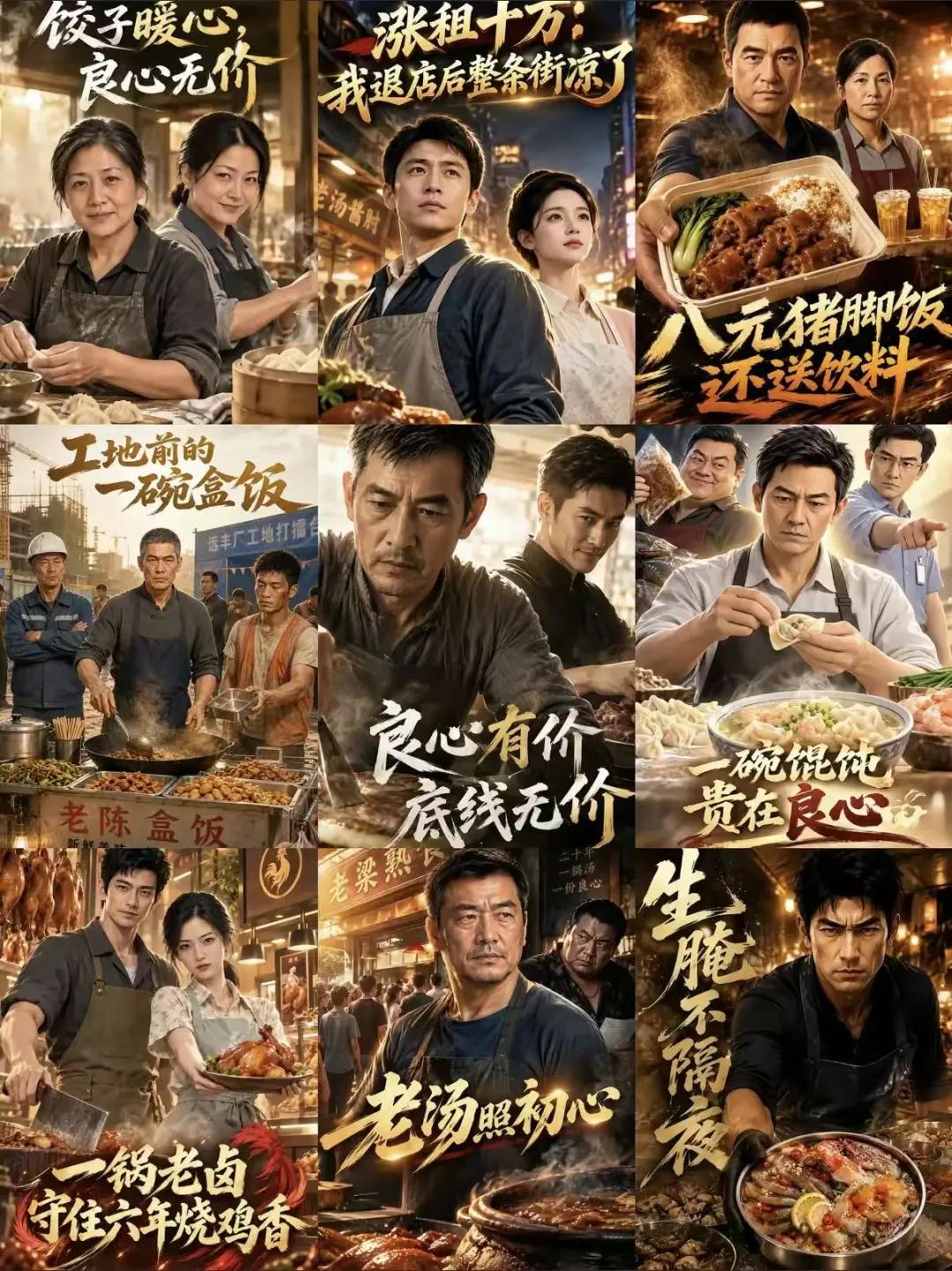
They sell steamed buns, boxed meals, and pork trotter rice, insisting on using real high-quality ingredients. Facing the low-price competition from peers, they always have a set of business declarations: "I would rather earn less, but I can't break the rules."
Although some unscrupulous merchants have temporarily fooled the public by cutting corners and shoddy products on the way, it's not that the retribution will not come, it's just that the time has not come.
At the end of the story, conscience defeats greed, and customers give the final judgment:
"Your food is a little more expensive, but it won't give you heartburn after eating."
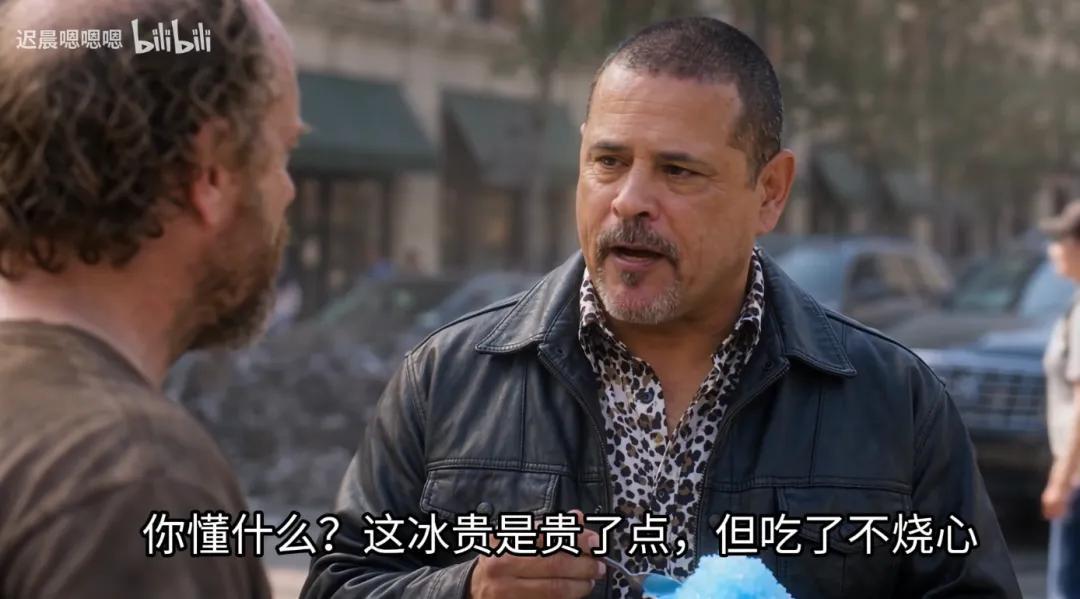
These mass-produced AI short dramas not only have exactly the same plots, but also repeat the same few lines over and over again.
They are either talking about being steady or not being afraid of risks, or setting rules and avoiding heartburn.
No matter how fast traditional short dramas are produced, they at least require actors, cameras and a decent crew. But as long as there are enough tokens, AI can generate unlimited content, and then flood every corner of the Internet.
As a result, heartburn-themed short dramas have become a cyber "infinite loop". No matter how you swim in the ocean of the Internet, you will always end up back to the starting point after going around in circles.
No matter how many times you have clicked through, you still can't help but click in to watch.
AI stall owners set up their stalls in the cyber space, and real people have already started setting rules in the comment section.
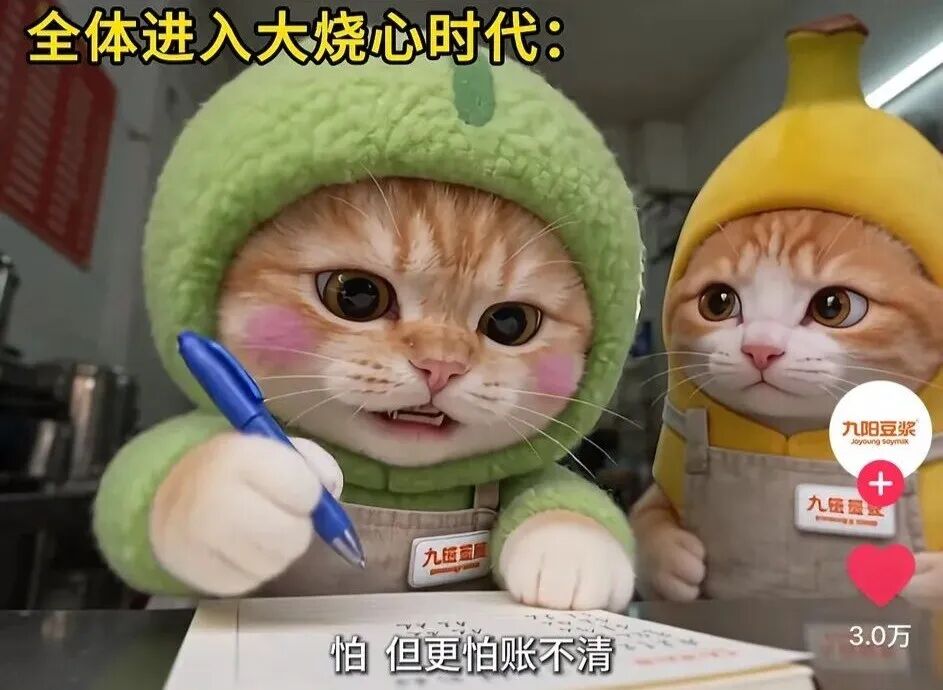
"Heartburn" may be the first ever popular meme originally created by AI and spread by real people.
However, if you think AI short dramas only teach people how to sell boxed meals, you are underestimating their business scope. On other people's mobile phones, the protagonist is going back to the 1970s to hunt for a living, stocking up enough supplies before the doomsday, or breaking through weird rule-based stories with system prompts.
Selling boxed meals is just the most recognizable corner of this huge universe.
02
AI mass-produces hit content
"No heartburn" is just the first line
In AI-generated manhua dramas, the protagonist who gets a second life usually won't use it to go to bed early, get up early and keep exercising.
Because the protagonist has more urgent things to do.
For example, go back to the 1970s and go hunting in the mountains.
He failed his wife and children in his previous life, so he will support his family well in this life; he didn't have enough to eat in his previous life, so he will turn the forest into his own material reserve in this life.

The protagonist in the era hunting drama rearranges his life with the hunting and business experience accumulated in his previous life. He catches fish, hunts, protects his wife and children, and then leads the villagers to live a good life step by step.
He knows that there are tigers in the mountain, but he still goes to the mountain with tigers, that's how unscrupulous it is to have a cheat code.
While real office workers are still waiting for feedback from their clients, the AI protagonist has already added extra meals for the whole family.
If you are not interested in hunting, you can switch to another scenario: doomsday survival.
Extreme cold, heavy rain, zombies, there is always a disaster that suits you.
I once seriously followed a doomsday survival short drama, whose plot is mixed with the classic "don't bully the poor young man" element.
The heroine's uncle's family bullies the orphaned mother and daughter, trying to seize all their property. The heroine takes the initiative to give up, transfers the big mansion on the river beach of her family to her uncle's family, and then moves to an abandoned fortress on the mountain.
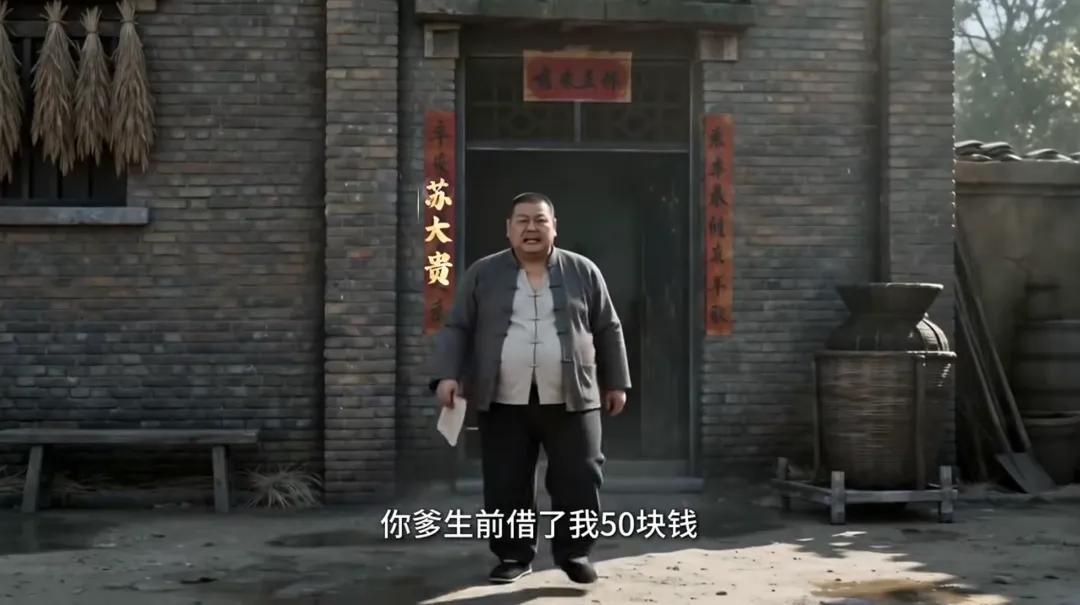
Soon the disaster strikes, the flood sweeps across the land, the temperature drops sharply, the world enters a new era (the specific situation refers to the movie "The Day After Tomorrow"), and the surviving humans begin to fight for various resources.
At this time, our heroine has already stocked up enough supplies in the fortress to survive the whole winter.